
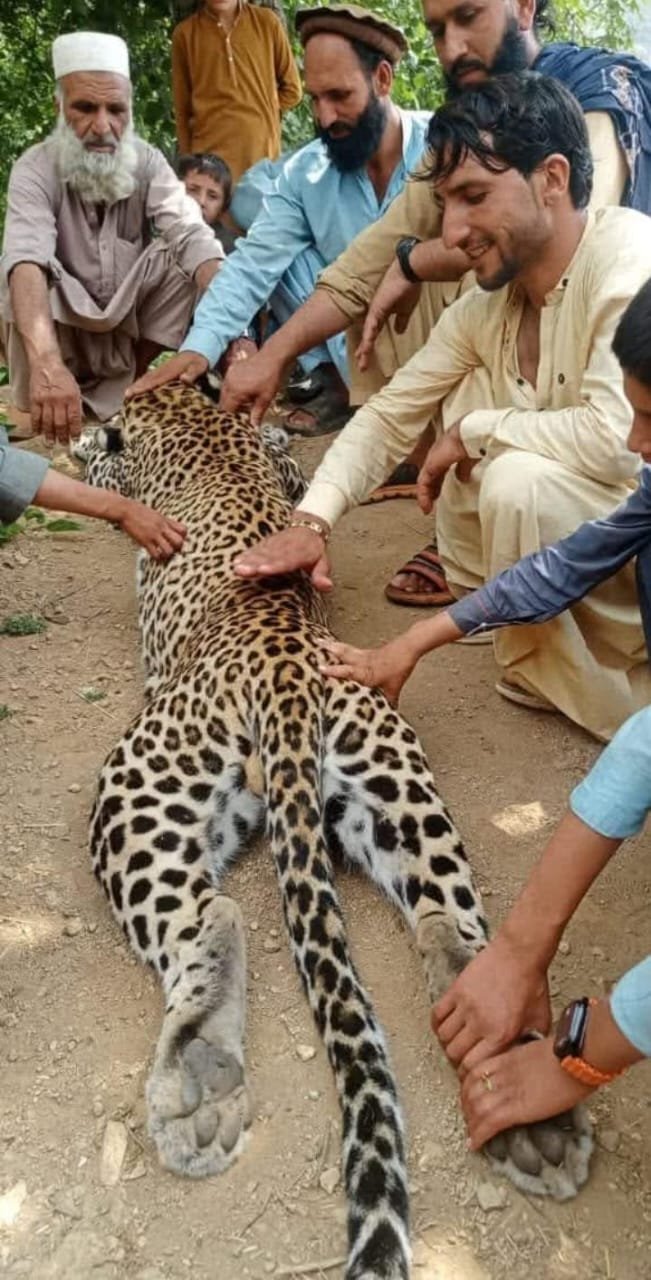
PESHAWAR — The Khyber Pakhtunkhwa Wildlife Department has initiated legal proceedings following the poaching of a Common Leopard in the Spray, Mandugai area of Tehsil Warah Mamond, Bajaur district. The incident, which has drawn significant attention, underscores the ongoing challenges in wildlife conservation in the region.
What Happened
The tragic event occurred in the border area of Spray, Mandugai, where a Common Leopard was illegally hunted. The Khyber Pakhtunkhwa Wildlife Department has responded by launching an investigation to identify and prosecute those responsible. According to the department’s initial report, the poaching incident highlights the persistent threat to wildlife in the region, which is home to a variety of endangered species.
Officials from the department have expressed their commitment to enforcing wildlife protection laws rigorously. “We are taking this matter very seriously and will ensure that those responsible are held accountable,” a department spokesperson stated. The department has also called for community cooperation in protecting the region’s biodiversity, emphasizing the importance of preserving such species for ecological balance.
The department’s swift action is part of a broader strategy to combat illegal hunting and poaching, which remains a significant issue in Pakistan. The investigation will include gathering evidence from the site and collaborating with local law enforcement to track down the perpetrators.
Background
Poaching and illegal wildlife trade have been persistent problems in Pakistan, particularly in areas with rich biodiversity like Khyber Pakhtunkhwa. The region’s wildlife laws, governed by the Khyber Pakhtunkhwa Wildlife and Biodiversity Act, 2015, provide a legal framework for the protection of endangered species. Despite these laws, enforcement has often been challenging due to limited resources and the remoteness of certain areas.
The Common Leopard, listed as a vulnerable species by the International Union for Conservation of Nature (IUCN), is one of several species protected under Pakistani law. The species faces threats from habitat loss, human-wildlife conflict, and poaching. Efforts to protect the leopard and other wildlife include habitat conservation, community awareness programs, and stricter enforcement of wildlife protection laws.
Why It Matters
The poaching of a Common Leopard in Bajaur is not just an isolated incident but a reflection of broader environmental challenges facing Pakistan. The country’s rich biodiversity is under threat from illegal hunting, habitat destruction, and climate change. Protecting endangered species like the Common Leopard is crucial for maintaining ecological balance and ensuring the health of ecosystems.
Economically, wildlife tourism has the potential to contribute significantly to local economies, providing jobs and supporting community development. However, poaching undermines these opportunities by depleting wildlife populations and damaging Pakistan’s reputation as a destination for eco-tourism.
Socially, incidents like these highlight the need for increased community engagement and education on the importance of wildlife conservation. By involving local communities in conservation efforts, the government can foster a sense of ownership and responsibility towards protecting the environment.
Internationally, Pakistan’s commitment to wildlife conservation is essential for meeting global biodiversity targets. The country’s efforts to combat poaching and protect endangered species contribute to broader international conservation goals, including those outlined in the Convention on Biological Diversity.
Key Takeaways
- The Khyber Pakhtunkhwa Wildlife Department has initiated legal action following the poaching of a Common Leopard in Bajaur.
- Poaching remains a significant challenge in Pakistan, despite existing wildlife protection laws.
- Protecting endangered species like the Common Leopard is crucial for ecological balance and economic opportunities through eco-tourism.
- Community engagement and education are vital components of effective wildlife conservation strategies.
- Pakistan’s efforts in wildlife conservation contribute to international biodiversity targets.
Source Attribution
This article is based on official statements and public communications from the Khyber Pakhtunkhwa Wildlife Department.














