
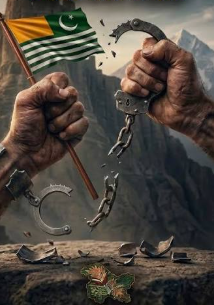
ISLAMABAD — On Youm-e-Istehsal, the youth of Indian Illegally Occupied Jammu and Kashmir (IIOJ&K) continue to grapple with the challenges imposed by ongoing military presence and restrictions. The day marks the anniversary of the abrogation of Article 370, which granted special autonomy to the region, and serves as a reminder of the struggles faced by the young generation in the valley.
What Happened
Youm-e-Istehsal, observed annually on August 5, commemorates the day in 2019 when the Indian government revoked the special status of Jammu and Kashmir under Article 370 of the Indian Constitution. This move led to widespread unrest and a significant military crackdown in the region. Since then, the valley has been under heavy security and communication restrictions, affecting the day-to-day lives of its residents, particularly the youth.
In the classrooms of IIOJ&K, students strive to pursue their educational goals amidst the ‘graveyard silence’ that has enveloped the region. The restrictions have severely impacted educational institutions, with frequent internet shutdowns and curfews disrupting the academic calendar. “Our dreams feel like distant echoes,” said a local student, highlighting the frustration and uncertainty faced by the younger generation.
The day is marked by protests and demonstrations both within the valley and globally, as Kashmiri diaspora and human rights organizations call for the restoration of rights and autonomy to the region. The international community has repeatedly expressed concern over the human rights situation in IIOJ&K, urging India to lift restrictions and engage in dialogue with the local population.
Background
The abrogation of Article 370 was a pivotal moment in the history of Jammu and Kashmir. The article had granted the region a degree of autonomy, allowing it to have its own constitution and decision-making powers, except in matters of defense, communications, and foreign affairs. The Indian government’s decision to revoke this status was met with widespread criticism and led to a significant increase in military presence in the region.
Since then, the region has experienced a series of lockdowns, curfews, and communication blackouts, severely impacting the lives of its residents. The local economy has suffered, with tourism and agriculture, the mainstays of the region, facing significant downturns. The education sector has been particularly hard hit, with students facing disruptions in their studies and limited access to online learning resources.
Why It Matters
The ongoing situation in IIOJ&K has significant implications for the region’s future and the broader geopolitical landscape. The youth, who represent the future of the region, are growing up in an environment of uncertainty and restricted freedoms. This has the potential to create a generation that feels disconnected and disillusioned, impacting the region’s long-term stability and development.
Economically, the restrictions have stifled growth and innovation, with businesses struggling to operate under the constant threat of shutdowns and curfews. The education sector, a critical driver of future economic prosperity, is particularly vulnerable, with students facing challenges in accessing quality education and resources.
Politically, the situation in IIOJ&K continues to be a point of contention between India and Pakistan, with both countries claiming the region in its entirety. The international community’s response to the situation has been mixed, with some countries calling for dialogue and others maintaining a neutral stance. The continued unrest in the region poses a risk to regional stability and security, with potential implications for South Asia’s broader geopolitical dynamics.
Key Takeaways
- Youm-e-Istehsal marks the anniversary of the abrogation of Article 370, highlighting ongoing challenges in IIOJ&K.
- The region continues to face significant restrictions, impacting education, economy, and daily life.
- The youth in IIOJ&K are growing up amidst uncertainty, affecting their future prospects and aspirations.
- The situation has broader geopolitical implications, affecting regional stability and international relations.
- Calls for dialogue and restoration of rights continue from both local and international communities.
Source Attribution
This article is based on official government statements, press releases, and public communications from relevant authorities.














