
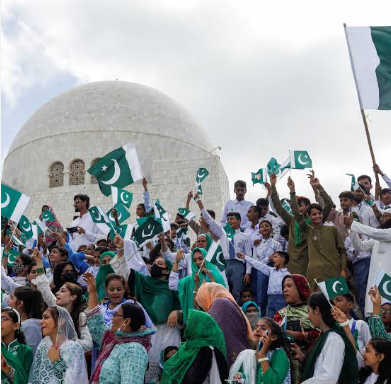
ISLAMABAD — As Pakistan celebrates its independence, young citizens are flocking to museums and historical sites to learn about the nation’s founding. In August, the country is adorned with green and white, symbolizing the national flag, as students and children engage with the history of Pakistan’s creation.
What Happened
Throughout August, Pakistan is enveloped in a wave of patriotism, with cities and towns festooned in the national colors of green and white. This period marks a significant opportunity for educational institutions and families to introduce the younger generation to the historical events that led to Pakistan’s independence in 1947. Schools organize trips to museums and heritage sites, where students are exposed to the stories of courage and sacrifice that paved the way for the country’s establishment.
In major cities like Islamabad, Lahore, and Karachi, museums have reported an uptick in visitors, particularly school groups. These visits are often accompanied by educational programs that include guided tours and interactive sessions aimed at providing a deeper understanding of the independence movement. “It is vital for our youth to understand the struggles and aspirations of our forefathers,” said a museum curator in Lahore. “These stories are not just history; they are a part of our identity.”
In addition to museum visits, public celebrations are held across the country, featuring flag hoisting ceremonies, parades, and cultural performances. Patriotic songs fill the air, reinforcing the sense of national pride and unity. Families participate in these events, often sharing stories of their ancestors’ contributions to the independence movement.
Background
Pakistan gained independence from British rule on August 14, 1947, following a prolonged struggle led by figures such as Muhammad Ali Jinnah and Allama Iqbal. The partition of British India into two separate states, India and Pakistan, was marked by significant upheaval and mass migrations. The newly formed Pakistan was envisioned as a homeland for Muslims in the Indian subcontinent, and its creation was a pivotal moment in the region’s history.
Since independence, Pakistan has observed August 14 as a national holiday, celebrating with various events that emphasize the country’s cultural heritage and achievements. Over the years, Independence Day has become not only a time for celebration but also for reflection on the nation’s journey and future aspirations.
Why It Matters
The annual Independence Day celebrations and educational activities play a crucial role in fostering a sense of national identity among Pakistan’s youth. By learning about the historical context and sacrifices involved in the country’s creation, young Pakistanis can develop a deeper appreciation for their heritage and the values that underpin their nation.
These activities also serve to bridge generational gaps, as older citizens share personal stories and experiences with the younger generation. This exchange helps instill a sense of continuity and purpose, reinforcing the idea that the struggles of the past have laid the groundwork for the country’s present and future.
Furthermore, understanding the history of independence is essential for young Pakistanis as they navigate contemporary challenges. It provides a framework for critical thinking about national issues and encourages civic engagement. By recognizing the efforts of past leaders and citizens, today’s youth are inspired to contribute positively to Pakistan’s development.
Key Takeaways
- Pakistan’s Independence Day celebrations are marked by educational activities for the youth.
- Museums and historical sites see increased visits from students and families.
- The celebrations foster national pride and a deeper understanding of the country’s history.
- These events help bridge generational gaps and encourage civic engagement among the youth.
- Understanding independence history is crucial for addressing contemporary national challenges.
Source Attribution
This article is based on official government statements, press releases, and public communications from relevant authorities.














