
LAHORE — A tragic incident unfolded in Lahore’s Kahna area on Tuesday as the roof of a private tuition centre collapsed, resulting in the deaths of 14 children and injuries to several others. The catastrophic event has led to the arrest of two individuals, including the building’s owner, as authorities launch an investigation into the cause of the collapse.
What Happened
The collapse occurred during regular tuition hours at the centre, which was bustling with young students. Witnesses reported hearing a loud crash, followed by chaos as the roof gave way, trapping students under the debris. Rescue teams were dispatched promptly, working tirelessly to extract the children from the rubble. Despite their efforts, 14 children were pronounced dead at the scene, while others were rushed to nearby hospitals with varying degrees of injuries.
Local law enforcement quickly detained the owner of the building and another individual for questioning. The authorities are investigating potential negligence in the construction and maintenance of the building, which may have contributed to the collapse. “This is a heart-wrenching tragedy, and we are committed to uncovering the reasons behind this disaster,” said a senior police official involved in the investigation.
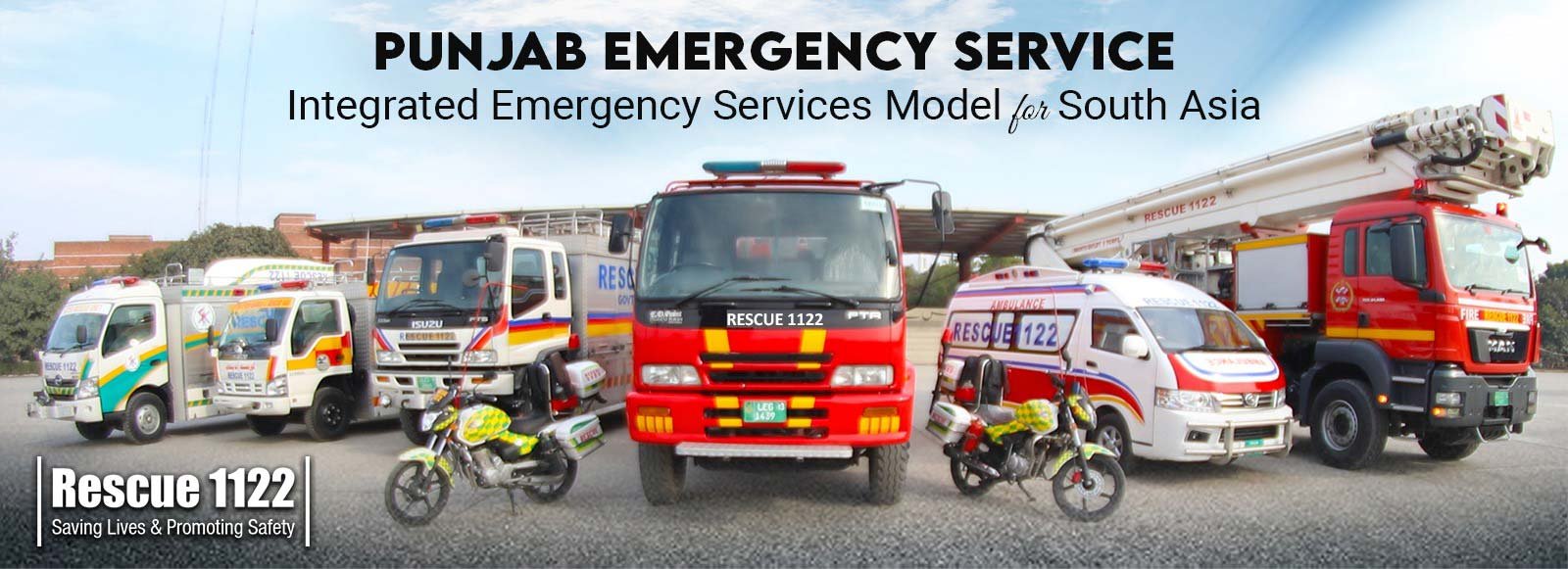
In response to the incident, emergency services implemented traffic management measures to facilitate the swift movement of ambulances and rescue vehicles. The local community has been left in shock, with many parents and relatives gathering at the scene and hospitals, seeking information about their loved ones.
Background
Building safety has been a recurring concern in Pakistan, where rapid urbanization often outpaces regulatory oversight. In Lahore, a city with a burgeoning population and expanding infrastructure, the maintenance of older buildings and the construction standards of new ones are frequently scrutinized. Previous incidents of structural failures have highlighted the need for stricter enforcement of building codes and regular inspections to ensure public safety.
The tuition centre in question was housed in a building that reportedly lacked proper maintenance and inspection. This incident echoes past tragedies where inadequate construction practices and oversight have led to loss of life, prompting calls for reform in building safety regulations.
Why It Matters
This tragedy underscores the urgent need for comprehensive building safety reforms in Pakistan. The loss of young lives in such a preventable incident highlights systemic issues in regulatory enforcement and infrastructure management. The incident is likely to increase public pressure on authorities to enhance building safety standards and ensure rigorous compliance with existing regulations.
Economically, the event may prompt increased scrutiny of private educational institutions, which often operate in rented or inadequately maintained facilities. This could lead to heightened regulatory measures, impacting the operational costs and safety protocols of such institutions, ultimately affecting their accessibility and affordability for families.
Socially, the incident has sparked grief and outrage, with communities demanding accountability and justice for the victims. The tragedy may serve as a catalyst for civic activism, urging citizens to demand better safety standards and accountability from both private and public sectors.
Internationally, such incidents can affect Pakistan’s image, highlighting challenges in urban planning and infrastructure safety. This could influence foreign investment decisions, particularly in sectors related to construction and urban development.
Key Takeaways
- Fourteen children died in a tuition centre roof collapse in Lahore’s Kahna area.
- Two individuals, including the building owner, have been detained for investigation.
- The incident highlights systemic issues in building safety and regulatory enforcement.
- Public pressure is likely to mount for reforms in building safety standards.
- The tragedy may impact the operational dynamics of private educational institutions.
Source Attribution
This article is based on official government statements, press releases, and public communications from relevant authorities.














