
2026

Pakistan

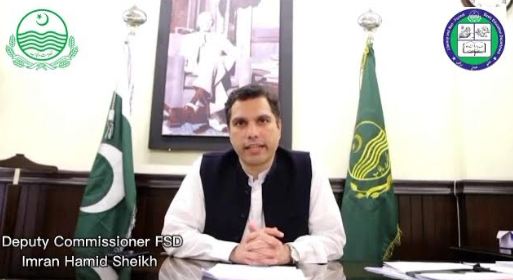
Faisalabad Commissioner Initiates Plastic-Free Government Offices Campaign

FAISALABAD — Divisional Commissioner Imran Hamid Sheikh has launched a campaign to eliminate the use of plastic in government offices across the Faisalabad Division. This initiative aims to mitigate plastic waste and foster environmentally sustainable practices within public institutions. What Happened Commissioner Imran Hamid Sheikh announced the commencement of a comprehensive campaign to transform all government offices in the Faisalabad Division into plastic-free zones. This directive is part of a broader effort to address the environmental challenges posed by plastic waste. Speaking at a press briefing, Commissioner Sheikh emphasized the importance of adopting sustainable practices to protect the environment. “Our goal is to set an example by reducing plastic waste in government offices, which will hopefully inspire other sectors to follow suit,” he stated. The initiative involves a series of steps aimed at gradually phasing out the use of plastic products, such as single-use plastic bags, bottles, and utensils. Government offices are encouraged to replace these items with eco-friendly alternatives, including reusable bags, glass bottles, and biodegradable utensils. The campaign also includes educational programs to raise awareness among government employees about the environmental impact of plastic waste. Commissioner Sheikh has instructed all department heads to ensure compliance with the new guidelines and to submit progress reports regularly. “We are committed to making this initiative a success, and it requires the cooperation of all government employees,” he added. Background Pakistan has been grappling with the issue of plastic pollution for many years. The country generates millions of tons of plastic waste annually, much of which ends up in landfills, rivers, and oceans. The government has introduced various policies to tackle this problem, including bans on plastic bags in several provinces. However, enforcement remains a challenge, and plastic waste continues to pose significant environmental and health risks. In recent years, there has been a growing awareness of the need to adopt more sustainable practices. Various government and non-governmental organizations have launched campaigns to reduce plastic usage and promote recycling. The initiative by the Faisalabad Division is part of this broader movement towards environmental sustainability. Why It Matters The campaign to make government offices plastic-free is significant for several reasons. Firstly, it sets a precedent for other sectors to follow, demonstrating the government’s commitment to environmental sustainability. By leading by example, government offices can influence public behavior and encourage the adoption of eco-friendly practices across the country. Secondly, reducing plastic waste is crucial for protecting Pakistan’s natural resources. Plastic pollution has detrimental effects on wildlife, marine ecosystems, and human health. By minimizing plastic usage, the initiative contributes to the preservation of biodiversity and the prevention of pollution-related health issues. Economically, this move could also stimulate the market for alternative products, creating opportunities for businesses that produce eco-friendly goods. This could lead to job creation and economic growth in sectors focused on sustainability. Internationally, Pakistan’s efforts to combat plastic pollution align with global environmental goals, such as the United Nations Sustainable Development Goals (SDGs). By taking concrete steps to reduce plastic waste, Pakistan enhances its reputation as a responsible member of the international community committed to addressing environmental challenges. Key Takeaways Faisalabad Division’s government offices are set to become plastic-free zones under a new initiative. The campaign aims to reduce plastic waste and promote environmentally friendly practices. Government offices will replace plastic items with eco-friendly alternatives. This initiative aligns with global efforts to combat plastic pollution and supports sustainable development goals. It sets an example for other sectors and could stimulate economic growth in eco-friendly industries. Source Attribution This article is based on official government statements, press releases, and public communications from relevant authorities. Author: NEN Editorial Desk | Editor: NEN Newsroom | Fact Checked By: NEN Editorial Team Author: NEN Editorial Desk  |  Editor: NEN Newsroom  |  Last Updated: July 27, 2026  |  Source: NEN Reporter This article was produced by the NEN Editorial Desk in accordance with NEN Agency’s Editorial Policy and Fact-Checking Policy.


Pakistan

Bangladesh Advances Gas Exploration With Plans To Acquire Two New Rigs

DHAKA — Bangladesh is advancing its gas exploration efforts with plans to procure two new rigs for the Bangladesh Petroleum Exploration and Production Company Limited (BAPEX). This initiative aims to enhance domestic gas production capabilities, as confirmed by Petrobangla Chairman Md Abdul Mannan on July 27. What Happened The Bangladesh Petroleum Exploration and Production Company Limited (BAPEX) is in the process of acquiring two new drilling rigs to expedite its gas exploration activities. According to Petrobangla Chairman Md Abdul Mannan, a proposal has been finalized for the purchase of two modern exploration drilling rigs. Currently, BAPEX operates five rigs, namely Bijoy-10, Bijoy-11, Bijoy-12, Bijoy-18, and IPS-1. With the addition of the two new rigs, the total number of rigs will increase to seven. A Petrobangla official detailed that the procurement process includes the evaluation of a 2,000-horsepower rig, while a Detailed Project Proposal (DPP) is being prepared for another rig with a capacity of 1,500 horsepower. Once the DPP is finalized, it will be submitted to the Planning Commission for approval. This development is part of a broader government strategy to bolster the capabilities of the state-owned BAPEX and accelerate domestic gas exploration. The company has been actively involved in drilling various wells, including development wells and workovers, to enhance gas production from domestic sources. Furthermore, the Executive Committee of the National Economic Council (ECNEC) has approved a proposal for BAPEX to drill one appraisal-cum-development well and two exploratory wells. The Begumganj-5 appraisal-cum-development well is planned to reach a depth of approximately 3,550 meters, the Begumganj-6 exploratory well to about 3,400 meters, and the Sunetra-2 exploratory well to about 5,300 meters, with testing and completion contingent upon gas discovery. Background BAPEX has been instrumental in Bangladesh’s efforts to increase its domestic gas production capacity. Historically, the company has been tasked with exploring and developing the country’s natural gas resources to reduce dependency on imported energy. The acquisition of new rigs is seen as a significant step towards achieving these goals, especially in light of the increasing demand for energy in Bangladesh. The government has long prioritized the development of domestic energy resources as part of its national energy policy. BAPEX’s efforts are aligned with this policy, focusing on enhancing the efficiency and reach of gas exploration activities across the country. Why It Matters The acquisition of new rigs is crucial for Bangladesh’s energy sector, as it aims to meet the growing domestic demand for natural gas. With the country’s economy expanding, the demand for energy is expected to rise significantly. By strengthening BAPEX’s capabilities, the government hopes to secure a stable and sustainable energy supply, reducing the need for costly imports. From an economic perspective, increasing domestic gas production can lead to substantial savings on energy imports, contributing to a more balanced trade deficit. Additionally, it can attract foreign investment in the energy sector, further boosting economic growth. Socially, a reliable energy supply is essential for improving the quality of life for Bangladesh’s citizens. Access to affordable and consistent energy can drive industrial growth, create jobs, and improve living standards. Internationally, Bangladesh’s efforts to enhance its energy independence are likely to be viewed positively, as energy security is a critical component of national security. By reducing reliance on external sources, Bangladesh can strengthen its geopolitical standing and foster greater regional cooperation in energy trade. Key Takeaways Bangladesh plans to procure two new rigs to enhance domestic gas exploration. BAPEX currently operates five rigs, with plans to increase this number to seven. The procurement process includes a 2,000-horsepower rig and a 1,500-horsepower rig. The initiative aligns with the government’s strategy to boost domestic energy production. Increased gas production is expected to support economic growth and energy security. Source Attribution This article is based on official government statements and public communications from relevant authorities. Author: NEN Editorial Desk | Editor: NEN Newsroom | Fact Checked By: NEN Editorial Team Author: NEN Editorial Desk  |  Editor: NEN Newsroom  |  Last Updated: July 27, 2026  |  Source: NEN Reporter This article was produced by the NEN Editorial Desk in accordance with NEN Agency’s Editorial Policy and Fact-Checking Policy.
World

President And PM Honor Captain Sarwar Shaheed On 78th Martyrdom Anniversary

ISLAMABAD — President Asif Ali Zardari and Prime Minister Muhammad Shehbaz Sharif paid tribute to Captain Muhammad Sarwar Shaheed on Monday, marking the 78th anniversary of his martyrdom. The leaders lauded his sacrifice, bravery, and dedication to Pakistan, emphasizing his role as the first recipient of the Nishan-e-Haider, the country’s highest military award. What Happened In separate statements, President Zardari and Prime Minister Shehbaz Sharif commemorated Captain Sarwar Shaheed’s contributions to the nation. They highlighted his ultimate sacrifice during the First Kashmir War on July 27, 1948, which has set a lasting example of duty and patriotism. Captain Sarwar Shaheed’s actions during the conflict earned him the Nishan-e-Haider, establishing him as a symbol of courage and national pride. President Zardari remarked on the enduring legacy of Captain Sarwar Shaheed, noting that his bravery and dedication to duty continue to inspire future generations. He stated, “The martyrs who laid down their lives for the defense of Pakistan remain a precious national asset.” The president emphasized that the sacrifices made by individuals like Captain Sarwar Shaheed are integral to Pakistan’s security and national identity. Prime Minister Shehbaz Sharif echoed these sentiments, affirming the nation’s pride in Captain Sarwar Shaheed and all those who have sacrificed their lives for Pakistan. He stated, “His patriotic spirit, sense of duty, and timeless sacrifice on the battlefield will continue to serve as a guiding light for future generations.” The prime minister underscored the importance of remembering such figures as a testament to the country’s resilience and unity. Background Captain Muhammad Sarwar Shaheed was born in 1910 in the village of Singhori, Rawalpindi District. He joined the British Indian Army in 1944 and was later commissioned into the Punjab Regiment. During the First Kashmir War in 1948, he led an attack on a strategic position held by the enemy in the Uri sector. Despite facing heavy resistance, he continued to advance and was ultimately martyred in the line of duty. His actions during this battle earned him the Nishan-e-Haider, awarded posthumously, making him the first recipient of Pakistan’s highest military honor. The Nishan-e-Haider is awarded for acts of extraordinary bravery in the face of the enemy. Since its inception, only 11 individuals have received this prestigious award, underscoring its significance in Pakistan’s military history. Why It Matters The commemoration of Captain Sarwar Shaheed’s martyrdom anniversary holds profound significance for Pakistan. It serves as a reminder of the sacrifices made by those who have defended the country’s sovereignty and territorial integrity. The recognition of such individuals reinforces national unity and pride, particularly in the context of ongoing regional tensions. Captain Sarwar Shaheed’s legacy is especially relevant given the historical and ongoing conflict over Kashmir. His sacrifice during the First Kashmir War highlights the longstanding nature of this dispute and the deep-rooted commitment of Pakistan’s military to the region’s defense. The government’s tribute underscores the importance of honoring those who have contributed to national security and serves as a rallying point for collective remembrance and respect. Moreover, the acknowledgment of Captain Sarwar Shaheed’s bravery and sacrifice contributes to the broader narrative of patriotism and national identity in Pakistan. It emphasizes the values of courage, duty, and selflessness, which are integral to the country’s military ethos and societal fabric. Key Takeaways President Zardari and Prime Minister Shehbaz Sharif paid tribute to Captain Sarwar Shaheed on his 78th martyrdom anniversary. Captain Sarwar Shaheed was the first recipient of Pakistan’s highest military award, the Nishan-e-Haider. His sacrifice during the First Kashmir War remains a symbol of bravery and patriotism. The commemoration highlights the ongoing importance of honoring military sacrifices in Pakistan. Captain Sarwar Shaheed’s legacy reinforces national unity and pride in the face of regional conflicts. Source Attribution This article is based on official government statements and public communications from relevant authorities. Author: NEN Editorial Desk | Editor: NEN Newsroom | Fact Checked By: NEN Editorial Team Author: NEN Editorial Desk  |  Editor: NEN Newsroom  |  Last Updated: July 27, 2026  |  Source: Press Release from Government of Pakistan This article was produced by the NEN Editorial Desk in accordance with NEN Agency’s Editorial Policy and Fact-Checking Policy.

World

Pakistan Criticizes Indian Defense Minister’s Remarks on Kashmir

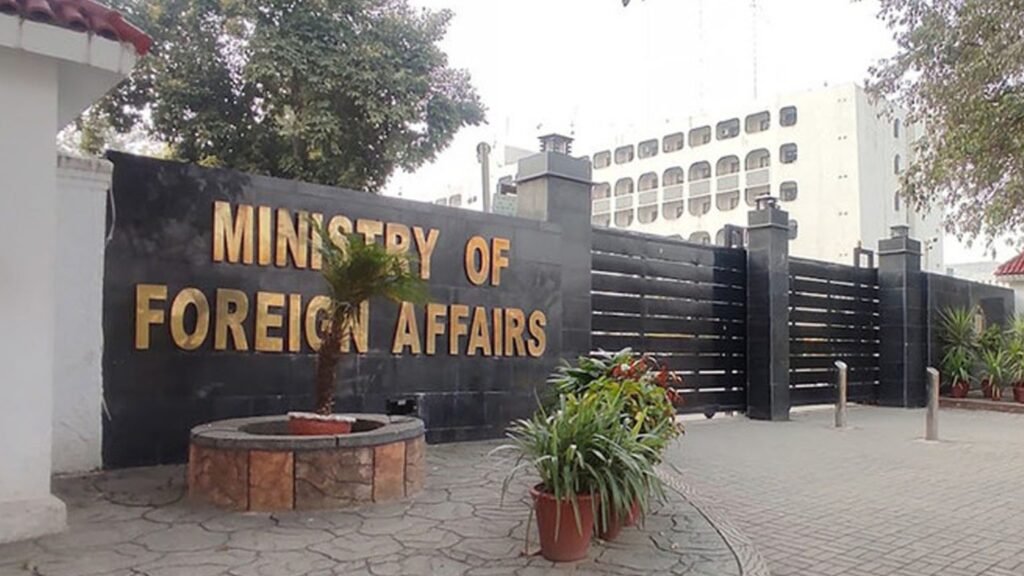
ISLAMABAD — Pakistan has strongly condemned recent remarks made by India’s Defense Minister regarding the Kashmir dispute, emphasizing its commitment to counter any aggression. The statement comes amidst ongoing tensions between the two nations over the contested region. What Happened In a recent statement, Pakistan’s Foreign Office spokesperson, Mumtaz Andrabi, criticized comments made by Indian Defense Minister Rajnath Singh concerning the Kashmir issue. Andrabi asserted that India should not underestimate Pakistan’s steadfast resolve and determination to thwart any potential Indian adventurism. Andrabi highlighted the unity and readiness of the Pakistani nation and its armed forces, referencing their actions during Operation Bunyan-um-Marsoos last year as a demonstration of their capabilities. Operation Bunyan-um-Marsoos, a military exercise conducted by Pakistan, showcased the nation’s military preparedness and resolve in defending its territorial integrity. Andrabi’s comments underscore Pakistan’s position on the Kashmir dispute, which remains a core issue in Indo-Pakistani relations. The spokesperson further reiterated Pakistan’s commitment to a peaceful resolution of the Kashmir issue in accordance with United Nations Security Council resolutions and the aspirations of the Kashmiri people. Andrabi called on the international community to take note of India’s actions and statements, which Pakistan perceives as provocative and detrimental to regional peace and stability. Background The Kashmir dispute has been a longstanding point of contention between India and Pakistan since the partition of British India in 1947. Both countries claim the region in full but control only parts of it. The conflict has led to several wars and ongoing military skirmishes along the Line of Control (LoC), the de facto border in the region. In August 2019, India revoked the special autonomous status of Jammu and Kashmir, a move that escalated tensions with Pakistan. Islamabad condemned the decision, arguing it violated international law and the rights of the Kashmiri people. Since then, diplomatic relations have been strained, with both countries engaging in a war of words and military posturing. The international community, including the United Nations, has called for dialogue and peaceful resolution of the Kashmir issue, but progress has been limited due to deep-seated mistrust and conflicting national interests. Why It Matters The Kashmir dispute remains a flashpoint in South Asia, with the potential to escalate into a broader conflict between two nuclear-armed neighbors. The recent remarks by India’s Defense Minister and Pakistan’s response highlight the fragile nature of peace in the region and the ongoing risk of military confrontation. For Pakistan, the Kashmir issue is not only a matter of territorial integrity but also one of national identity and solidarity with the Kashmiri people. The government’s strong response to India’s statements reflects its commitment to defending its position on the international stage and rallying domestic support. Economically, continued tensions over Kashmir can impact regional stability, affecting trade and investment opportunities in South Asia. The uncertainty surrounding the dispute can deter foreign investors and hinder economic development in both countries. Internationally, the Kashmir issue draws attention to the broader geopolitical dynamics in South Asia, involving major powers such as China and the United States, each with strategic interests in the region. The dispute’s resolution is crucial for long-term peace and security in the area. Key Takeaways Pakistan condemned remarks by India’s Defense Minister on the Kashmir dispute. Spokesperson Andrabi emphasized Pakistan’s resolve to counter any Indian adventurism. The Kashmir issue remains a core point of contention between India and Pakistan. Operation Bunyan-um-Marsoos demonstrated Pakistan’s military preparedness. International calls for peaceful resolution of the Kashmir dispute continue. Source Attribution This article is based on official government statements and public communications from relevant authorities. Author: NEN Editorial Desk | Editor: NEN Newsroom | Fact Checked By: NEN Editorial Team Author: NEN Editorial Desk  |  Editor: NEN Newsroom  |  Last Updated: July 27, 2026  |  Source: Press Release from Government of Pakistan This article was produced by the NEN Editorial Desk in accordance with NEN Agency’s Editorial Policy and Fact-Checking Policy.

Pakistan

Punjab Committee Evaluates Cotton Varieties to Enhance Agricultural Yield

LAHORE — The Punjab Agriculture Department convened a meeting on Sunday at the Muhammad Nawaz Sharif University of Agriculture to assess various cotton varieties with the aim of increasing yield. This initiative follows directives from Punjab Agriculture Secretary Iftikhar Ali Sahu, underscoring the importance of boosting cotton production in the region. What Happened The meeting marked the first gathering of the committee established to monitor and evaluate the performance of different cotton varieties cultivated across Punjab. The committee’s primary objective is to identify high-yielding and pest-resistant varieties that can be recommended to farmers. During the session, experts and officials discussed the current challenges faced by cotton growers, including pest infestations and climate-related issues, which have adversely affected production levels in recent years. Secretary Iftikhar Ali Sahu emphasized the need for scientific research and innovation in agriculture to tackle these challenges. “We must focus on developing and promoting cotton varieties that are not only high-yielding but also resilient to pests and changing climate conditions,” he stated. The committee is tasked with conducting field trials and gathering data on the performance of various cotton strains under different environmental conditions. The meeting also highlighted the role of modern agricultural practices and technologies in enhancing productivity. The committee plans to collaborate with local universities and research institutions to leverage their expertise in agricultural sciences. This collaborative approach aims to ensure that the selected cotton varieties are well-suited to the specific needs and conditions of Punjab’s agricultural landscape. Background Cotton is a crucial crop for Pakistan’s economy, contributing significantly to the textile industry, which is a major export sector. However, cotton production has faced numerous challenges over the years, including pest attacks, water scarcity, and outdated farming techniques. The government has periodically launched initiatives to support cotton growers, including subsidies and training programs aimed at improving farming practices. In recent years, there has been a concerted effort to introduce genetically modified cotton varieties that promise higher yields and better resistance to pests. These efforts are part of a broader strategy to revitalize the cotton sector and ensure its sustainability in the face of global competition and environmental challenges. Why It Matters The success of this initiative is vital for Pakistan’s agricultural sector and the economy at large. Cotton is not only a key cash crop but also a source of livelihood for millions of farmers and workers in the textile industry. Enhancing cotton yield can significantly boost the country’s export earnings and reduce reliance on cotton imports, which have been necessary to meet the demands of the domestic textile industry. Moreover, improving cotton production aligns with the government’s broader agricultural policy goals, which include increasing food security, promoting sustainable farming practices, and enhancing rural livelihoods. By focusing on research and development, the Punjab Agriculture Department aims to create a more resilient agricultural sector capable of withstanding environmental and market pressures. The initiative also holds social implications, as increased cotton production can lead to job creation in rural areas, thus contributing to poverty alleviation and economic development. Additionally, by adopting environmentally sustainable practices, the initiative supports efforts to mitigate the impact of climate change on agriculture. Key Takeaways The Punjab Agriculture Department is evaluating cotton varieties to boost yield and resilience. The initiative aims to address challenges such as pest infestations and climate change. Collaboration with universities and research institutions is a key component of the strategy. Improved cotton production is crucial for Pakistan’s economy and export sector. The initiative supports broader goals of sustainable agriculture and rural development. Source Attribution This article is based on official government statements, press releases, and public communications from relevant authorities. Author: NEN Editorial Desk | Editor: NEN Newsroom | Fact Checked By: NEN Editorial Team Author: NEN Editorial Desk  |  Editor: NEN Newsroom  |  Last Updated: July 27, 2026  |  Source: NEN Reporter This article was produced by the NEN Editorial Desk in accordance with NEN Agency’s Editorial Policy and Fact-Checking Policy.
Pakistan

Vendor Displays Colorful Shirts to Attract Shoppers at Lahore’s Anarkali Bazaar

LAHORE — A vendor in Lahore’s historic Anarkali Bazaar has taken an innovative approach to attract customers by arranging a vibrant display of colorful shirts outside his shop. This strategy aims to draw the attention of passersby and boost sales in one of Pakistan’s oldest and busiest markets. What Happened The vendor, whose shop is located in the bustling Anarkali Bazaar, has creatively arranged a variety of colorful shirts outside his establishment. This visual appeal is intended to catch the eye of potential customers amidst the lively and competitive market environment. Anarkali Bazaar, known for its diverse range of goods including clothing, jewelry, and traditional crafts, is a popular destination for both locals and tourists seeking a unique shopping experience. According to the vendor, the decision to display shirts in such a manner was driven by the need to stand out in a crowded marketplace. “In a place like Anarkali, where there are so many shops, it’s important to do something different to attract customers,” he explained. The vibrant display not only showcases the variety of shirts available but also adds to the colorful ambiance of the bazaar, enhancing the overall shopping experience for visitors. The strategy appears to be effective, as the vendor reports an increase in foot traffic to his shop. “People are curious when they see the colors, and many stop to take a closer look,” he noted. This approach highlights the importance of visual merchandising in retail, especially in traditional markets where competition is fierce and customer attention is a valuable commodity. Background Anarkali Bazaar, named after the legendary courtesan Anarkali, is one of Lahore’s oldest markets, with a history dating back several centuries. It has long been a hub for commerce and trade, offering a wide array of products from textiles to electronics. The market is a reflection of Lahore’s rich cultural heritage and its evolving commercial landscape. In recent years, traditional markets like Anarkali have faced challenges due to the rise of modern shopping malls and online retail platforms. Vendors have had to adapt by employing creative strategies to attract customers and maintain their businesses. The use of eye-catching displays is one such tactic that has proven successful for many shop owners in the area. Why It Matters The vendor’s approach to merchandising in Anarkali Bazaar is indicative of broader trends in Pakistan’s retail sector, where traditional markets are striving to remain relevant in the face of modern retail competition. By leveraging visual appeal, vendors can enhance customer engagement and drive sales, thereby supporting the livelihoods of small business owners who are integral to the local economy. The success of such strategies also underscores the resilience and adaptability of traditional markets in Pakistan. Despite the challenges posed by digital retail and large shopping complexes, markets like Anarkali continue to thrive by offering unique shopping experiences that cannot be replicated online. This resilience is crucial for preserving cultural heritage and providing economic opportunities in urban centers. Furthermore, the vendor’s initiative highlights the importance of innovation in business practices, even in established marketplaces. As consumer preferences evolve, businesses must continuously adapt to meet changing demands and expectations. This adaptability not only benefits individual vendors but also contributes to the vibrancy and sustainability of the market as a whole. Key Takeaways A vendor in Lahore’s Anarkali Bazaar uses colorful shirt displays to attract customers. The strategy has increased foot traffic and customer engagement at the vendor’s shop. Anarkali Bazaar is one of Lahore’s oldest markets, facing competition from modern retail. Visual merchandising is crucial for traditional markets to remain competitive. Innovation and adaptability are key to the success of small businesses in Pakistan. Source Attribution This article is based on official government statements, press releases, and public communications from relevant authorities. Author: NEN Editorial Desk | Editor: NEN Newsroom | Fact Checked By: NEN Editorial Team Author: NEN Editorial Desk  |  Editor: NEN Newsroom  |  Last Updated: July 27, 2026  |  Source: NEN Reporter This article was produced by the NEN Editorial Desk in accordance with NEN Agency’s Editorial Policy and Fact-Checking Policy.

Pakistan

ERC Evaluates Monsoon Response as Flood Death Toll Reaches 97

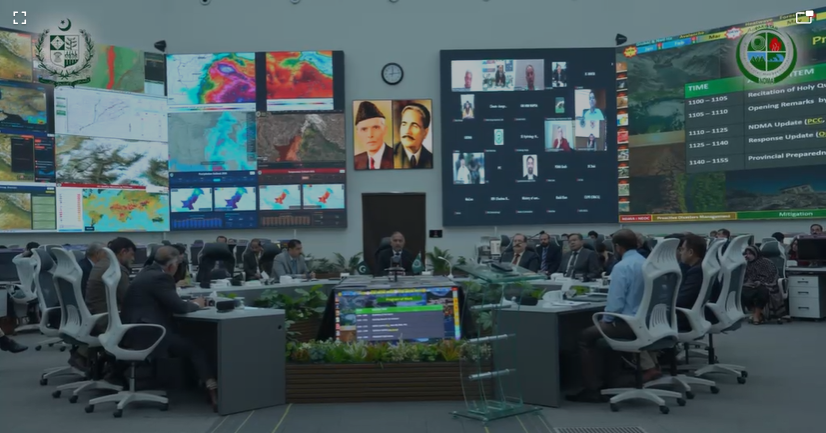
ISLAMABAD — The Emergency Response Committee (ERC), established by Prime Minister Shehbaz Sharif, convened its fifth meeting to assess the national response to the ongoing monsoon season, as the death toll from flooding across Pakistan rose to 97. The meeting, held on Thursday, focused on evaluating the current flood situation, response measures, and preparedness strategies implemented throughout the country. What Happened The ERC meeting, chaired by a senior government official, brought together representatives from various federal and provincial agencies to discuss the ongoing challenges posed by the monsoon rains. The committee reviewed the effectiveness of current response strategies and identified areas needing improvement to better manage the crisis. According to official sources, the monsoon rains have severely affected multiple regions, with significant damage reported to infrastructure, homes, and agriculture. The National Disaster Management Authority (NDMA) presented detailed reports on the extent of the damage and the relief efforts underway. “Our priority is to ensure the safety and well-being of affected citizens,” stated an NDMA representative during the meeting. Emergency services have been mobilized across the country, with rescue operations continuing in the worst-hit areas. The ERC emphasized the importance of coordinated efforts between federal and provincial authorities to ensure timely and effective response. The committee also discussed the allocation of additional resources to bolster relief operations and support affected communities. Background Pakistan has a long history of devastating monsoon seasons, often resulting in significant loss of life and property. The country’s geographical and climatic conditions make it particularly vulnerable to heavy rainfall and flooding. In recent years, the government has taken steps to improve disaster preparedness and response, including the establishment of the ERC to oversee national efforts during such crises. The monsoon season, typically occurring between June and September, brings much-needed rainfall to the region but also poses severe challenges. In 2010, Pakistan experienced one of its worst floods in history, affecting over 20 million people and causing billions of dollars in damages. Since then, the government has been working to enhance its disaster management capabilities. Why It Matters The current monsoon season underscores the ongoing challenges Pakistan faces in managing natural disasters. The rising death toll and extensive damage highlight the need for robust and efficient response mechanisms. The ERC’s role in coordinating national efforts is crucial to mitigating the impact of such disasters on the population. Economically, the floods have disrupted agricultural activities, which are a significant part of Pakistan’s economy. Damage to crops and livestock threatens food security and could lead to increased prices, affecting millions of citizens. The government must address these economic implications to prevent further hardship for affected communities. Socially, the floods have displaced thousands of families, creating urgent needs for shelter, food, and medical assistance. The ERC’s focus on enhancing relief efforts is vital to ensuring that these needs are met promptly and effectively. Internationally, Pakistan’s ability to manage natural disasters is critical for its reputation and relationships with global partners. Effective disaster response can foster international support and collaboration, providing opportunities for aid and investment in disaster management infrastructure. Key Takeaways The ERC convened its fifth meeting to evaluate the national monsoon response as the death toll reached 97. Significant damage to infrastructure, homes, and agriculture has been reported across Pakistan. Coordinated efforts between federal and provincial authorities are crucial for effective disaster response. The floods pose economic challenges, threatening food security and potentially increasing prices. Pakistan’s disaster management capabilities are critical for international support and collaboration. Source Attribution This article is based on official government statements, press releases, and public communications from relevant authorities. Author: NEN Editorial Desk | Editor: NEN Newsroom | Fact Checked By: NEN Editorial Team Author: NEN Editorial Desk  |  Editor: NEN Newsroom  |  Last Updated: July 27, 2026  |  Source: NEN Reporter This article was produced by the NEN Editorial Desk in accordance with NEN Agency’s Editorial Policy and Fact-Checking Policy.

Pakistan

PFC Calls For National Strategy To Boost Digital Export Potential

ISLAMABAD — The Pakistan Furniture Council (PFC) has called for the development of a comprehensive national strategy to harness the country’s digital export potential. On Sunday, PFC Chief Executive Officer Mian Kashif Ashfaq emphasized the need for leveraging Pakistan’s burgeoning gig economy and its pool of skilled technology professionals to enhance export earnings. What Happened Mian Kashif Ashfaq, CEO of the Pakistan Furniture Council, highlighted the significant opportunities presented by Pakistan’s expanding gig economy. Speaking on Sunday, he pointed out that the country is uniquely positioned to capitalize on its large number of technology professionals and freelancers. Ashfaq stated, “The digital economy is growing rapidly, and Pakistan must take strategic steps to ensure it can compete globally and increase its export revenues.” He urged the government to formulate a national strategy that would enable the country to fully exploit its digital export capabilities. The PFC’s call to action comes at a time when the global demand for digital services is on the rise. Ashfaq noted that Pakistan’s young and tech-savvy population is a valuable asset that can be utilized to drive economic growth. He also mentioned that the gig economy, which includes freelancers and independent contractors, is expanding at an unprecedented rate, offering new avenues for export growth. In his statement, Ashfaq underscored the importance of creating an enabling environment for freelancers and tech professionals. He suggested that the government should focus on improving digital infrastructure, providing training and development opportunities, and ensuring access to international markets. “By investing in these areas, Pakistan can significantly increase its share in the global digital market,” Ashfaq added. Background Pakistan’s digital economy has been growing steadily over the past decade, driven by advancements in technology and increased internet penetration. The country’s IT sector has been identified as a key area for economic development, with the government implementing various initiatives to support its growth. Despite these efforts, challenges such as inadequate infrastructure, limited access to financing, and regulatory hurdles continue to impede progress. The gig economy, characterized by short-term contracts and freelance work, has seen significant growth worldwide. In Pakistan, platforms like Upwork and Fiverr have provided opportunities for freelancers to connect with international clients, contributing to the country’s export earnings. However, the lack of a cohesive national strategy has limited the potential for further growth in this sector. Why It Matters The development of a national strategy for digital exports is crucial for Pakistan’s economic future. With a large youth population and a growing number of technology professionals, the country has the potential to become a major player in the global digital economy. By focusing on digital exports, Pakistan can diversify its economy, reduce its reliance on traditional sectors, and create new job opportunities. Economically, enhancing digital exports could lead to increased foreign exchange earnings, which are vital for stabilizing the country’s balance of payments. Socially, the growth of the digital economy can provide employment opportunities for the youth, reducing unemployment rates and contributing to poverty alleviation. Politically, positioning Pakistan as a leader in digital exports can enhance the country’s international standing and foster stronger economic ties with other nations. Furthermore, a robust digital export strategy can help address some of the structural challenges facing Pakistan’s economy. By investing in digital infrastructure and education, the country can build a more resilient and competitive workforce. This, in turn, can attract foreign investment and drive innovation across various sectors. Key Takeaways The Pakistan Furniture Council advocates for a national strategy to boost digital exports. CEO Mian Kashif Ashfaq highlights the potential of Pakistan’s gig economy and tech professionals. Improving digital infrastructure and market access is crucial for growth. Enhanced digital exports can diversify the economy and create jobs. A national strategy can position Pakistan as a leader in the global digital market. Source Attribution This article is based on official statements and public communications from the Pakistan Furniture Council. Author: NEN Editorial Desk | Editor: NEN Newsroom | Fact Checked By: NEN Editorial Team Author: NEN Editorial Desk  |  Editor: NEN Newsroom  |  Last Updated: July 26, 2026  |  Source: NEN Reporter This article was produced by the NEN Editorial Desk in accordance with NEN Agency’s Editorial Policy and Fact-Checking Policy.
World

Pakistan’s Seafood Sector Could Add $5 Billion Annually in Forex Earnings

ISLAMABAD — Pakistan has the potential to significantly boost its foreign exchange earnings by up to $5 billion annually through the development of its local shipping and seafood processing industries, according to Saif ur Rehman, Coordinator to the Federal Tax Ombudsman. This statement was made on Sunday, highlighting the economic opportunities available if Pakistan transitions from relying on foreign shipping companies to utilizing locally owned, modern vessels that comply with international standards. What Happened Saif ur Rehman, speaking on the potential of Pakistan’s seafood industry, emphasized that the country could greatly enhance its foreign exchange reserves by focusing on local shipping and seafood processing. He noted that Pakistan’s reliance on foreign shipping companies has been a limiting factor in maximizing the economic benefits of its seafood exports. By investing in modern, locally owned vessels that meet international standards, Pakistan could capture a larger share of the global seafood market. Rehman pointed out that the current infrastructure and reliance on foreign entities have restricted the country’s ability to fully benefit from its seafood resources. He suggested that with the right investments and policy support, Pakistan could develop a robust seafood processing and shipping industry that not only meets international quality standards but also significantly increases the country’s export revenues. The coordinator also highlighted the need for government and private sector collaboration to develop the necessary infrastructure and technology. This includes modernizing fishing fleets and processing facilities to ensure that seafood products are competitive in international markets. Background Pakistan’s seafood industry has long been an underutilized sector with significant potential for growth. Historically, the country has relied heavily on foreign shipping companies to export its seafood, which has limited the economic benefits that could be derived from this natural resource. The country’s fishing industry has faced challenges such as outdated vessels, lack of modern processing facilities, and insufficient regulatory frameworks to support sustainable practices. In recent years, there has been growing recognition of the need to revamp the sector. Government initiatives have been introduced to encourage investment in modernizing the fishing fleet and improving processing capabilities. However, substantial progress has yet to be achieved, and the sector remains largely untapped in terms of its full potential to contribute to the national economy. Why It Matters The potential $5 billion increase in foreign exchange earnings from the seafood sector is significant for Pakistan’s economy, which has been facing challenges such as a trade deficit and foreign exchange shortages. Enhancing the seafood industry could provide a much-needed boost to the country’s economic stability and growth. Improving local shipping and processing capabilities would not only increase export revenues but also create jobs and stimulate economic activity in coastal regions. This development could lead to improved livelihoods for communities reliant on fishing and related industries. Moreover, by reducing dependence on foreign shipping companies, Pakistan could retain more of the economic value generated by its seafood exports. This would allow for reinvestment in local industries, further strengthening the country’s economic position. In the broader international context, a competitive seafood industry could enhance Pakistan’s trade relationships and increase its market share in global seafood exports. This would position the country as a more prominent player in the international seafood market, potentially leading to increased foreign investment and collaboration opportunities. Key Takeaways Pakistan could earn an additional $5 billion annually by developing its local shipping and seafood processing industries. Modernizing vessels and processing facilities is crucial to meeting international standards and capturing a larger market share. Government and private sector collaboration is needed to build the necessary infrastructure and technology. Enhancing the seafood sector could provide economic stability, job creation, and improved livelihoods in coastal regions. A competitive seafood industry could strengthen Pakistan’s position in global markets and attract foreign investment. Source Attribution This article is based on official government statements, press releases, and public communications from relevant authorities. Author: NEN Editorial Desk | Editor: NEN Newsroom | Fact Checked By: NEN Editorial Team Author: NEN Editorial Desk  |  Editor: NEN Newsroom  |  Last Updated: July 26, 2026  |  Source: NEN Reporter This article was produced by the NEN Editorial Desk in accordance with NEN Agency’s Editorial Policy and Fact-Checking Policy.

World

India Cannot Unilaterally Suspend Indus Waters Treaty, Says Minister

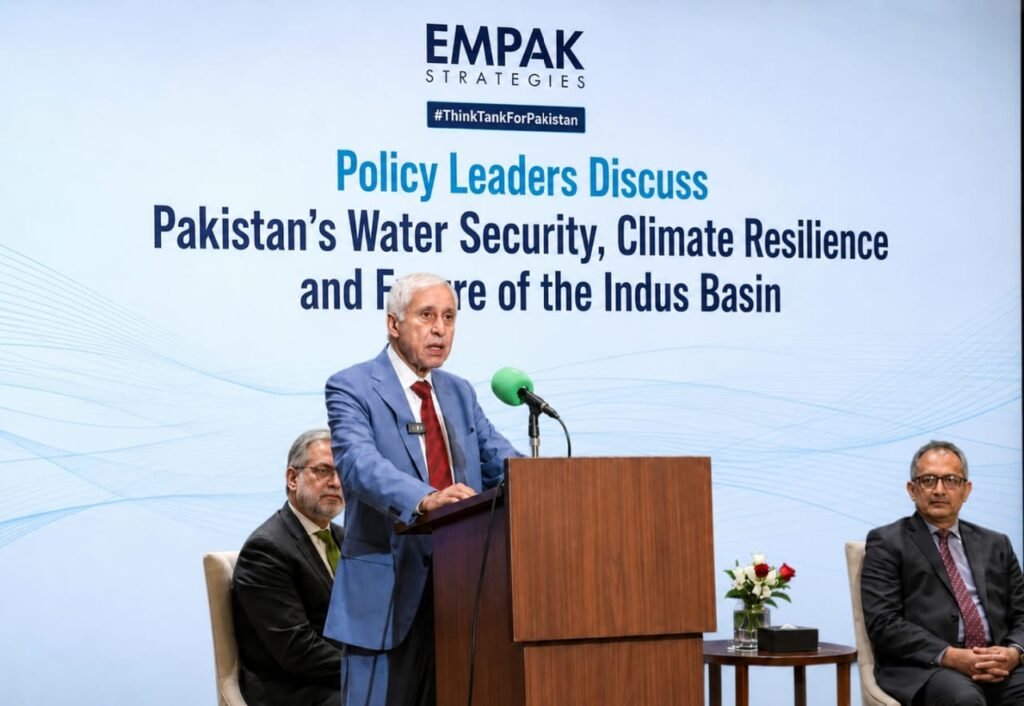
ISLAMABAD — Federal Minister for Investment Qaiser Sheikh stated on Sunday that India cannot unilaterally suspend or terminate the Indus Waters Treaty (IWT), asserting that such an action would be illegal and violate international law. Sheikh’s comments come amid ongoing tensions between the two countries over water-sharing agreements. What Happened Minister Qaiser Sheikh addressed the issue of the Indus Waters Treaty during a press conference, emphasizing that India lacks the legal authority to unilaterally suspend the treaty. “The Indus Waters Treaty is a binding agreement under international law, and any unilateral action by India to suspend it would be illegal,” Sheikh declared. The minister’s remarks underscore Pakistan’s firm stance on the matter, as both countries have frequently clashed over water rights. The Indus Waters Treaty, brokered by the World Bank and signed in 1960, allocates the use of six rivers between India and Pakistan. It is considered one of the most successful water-sharing agreements globally, having survived multiple conflicts between the two nations. However, recent developments have strained the treaty’s implementation, with India expressing dissatisfaction over certain provisions. Minister Sheikh’s statements were made in response to reports suggesting that India might consider suspending the treaty as a strategic move. The minister reiterated that such a step would not only breach international obligations but also exacerbate regional tensions. “We urge India to adhere to the treaty’s terms and engage in dialogue to resolve any disputes,” he added. Background The Indus Waters Treaty was signed in 1960 after nine years of negotiations facilitated by the World Bank. It was designed to manage the distribution of water from the Indus River system, which flows through both India and Pakistan. Under the treaty, Pakistan received control over the waters of the Indus, Jhelum, and Chenab rivers, while India was allocated the waters of the Ravi, Beas, and Sutlej rivers. Despite its success, the treaty has faced challenges, particularly with the construction of hydroelectric projects by India on rivers allocated to Pakistan. These projects have often led to disputes, with Pakistan alleging that they violate the treaty’s provisions. The treaty includes mechanisms for dispute resolution, but political tensions have sometimes hindered their effectiveness. Why It Matters The Indus Waters Treaty is a cornerstone of the bilateral relationship between India and Pakistan, both of which rely heavily on the rivers for agriculture, drinking water, and energy production. Any disruption to the treaty could have significant implications for the region’s water security and economic stability. For Pakistan, the Indus River system is vital for its agriculture, which is a major component of the country’s economy. Any reduction in water flow could adversely affect crop yields, leading to food insecurity and economic distress. Additionally, the treaty’s suspension could escalate political tensions, potentially impacting regional peace and stability. On a broader scale, the treaty is often cited as a model for transboundary water cooperation. Its suspension or termination could set a concerning precedent for other international water-sharing agreements, potentially leading to increased conflicts over water resources globally. Key Takeaways Minister Qaiser Sheikh asserts that India cannot legally suspend the Indus Waters Treaty unilaterally. The treaty, signed in 1960, is a critical water-sharing agreement between India and Pakistan. Suspension of the treaty could lead to significant economic and political consequences for both nations. The treaty’s stability is vital for regional water security and international water cooperation. Pakistan calls for dialogue to address any disputes related to the treaty. Source Attribution This article is based on official government statements, press releases, and public communications from relevant authorities. Author: NEN Editorial Desk | Editor: NEN Newsroom | Fact Checked By: NEN Editorial Team Author: NEN Editorial Desk  |  Editor: NEN Newsroom  |  Last Updated: July 26, 2026  |  Source: NEN Reporter This article was produced by the NEN Editorial Desk in accordance with NEN Agency’s Editorial Policy and Fact-Checking Policy.

Scroll to Top