

2026

World

Pakistan Releases Forward Foreign Exchange Rates for July 20

ISLAMABAD — The Financial Markets Association of Pakistan (FMAP) released the forward foreign exchange rates applicable for July 20, 2023. This announcement, made on Monday, provides critical data for traders and financial analysts engaging in currency transactions across the nation. What Happened The Exchange Rates Committee of the FMAP issued the latest bulletin detailing the forward foreign exchange rates for July 20. The rates serve as a benchmark for financial institutions, businesses, and investors to gauge the expected future value of the Pakistani Rupee against major global currencies. These rates are instrumental in hedging against currency risks and planning future financial engagements. The bulletin includes detailed rates for various tenors, such as one month, three months, and six months, allowing market participants to make informed decisions based on their specific financial strategies. The forward rates are determined by considering several factors, including current spot rates, interest rate differentials, and market expectations of future currency movements. According to the FMAP, these rates are crucial for managing foreign exchange exposure, especially in a volatile economic environment where currency fluctuations can significantly impact business operations and profitability. The association emphasized the importance of these rates in facilitating transparent and efficient currency trading practices. Background The Financial Markets Association of Pakistan is a prominent body that plays a pivotal role in the country’s financial sector. It regularly issues forward foreign exchange rates to provide guidance and stability in the foreign exchange market. These rates are part of a broader framework aimed at enhancing the transparency and efficiency of Pakistan’s financial markets. Historically, forward exchange rates have been used by businesses and financial institutions to hedge against potential losses due to adverse currency movements. By locking in a future exchange rate, companies can protect themselves from unexpected fluctuations that could affect their international transactions. In recent years, Pakistan’s economy has faced numerous challenges, including inflationary pressures, fluctuating foreign exchange reserves, and a volatile currency. These factors have heightened the significance of forward exchange rates as a tool for risk management and financial planning. Why It Matters The release of forward foreign exchange rates is a critical component of financial planning for businesses operating in Pakistan. With the country’s economy facing persistent challenges, including inflation and currency volatility, these rates provide a measure of predictability and stability for financial transactions. For importers and exporters, forward rates offer a way to manage the risks associated with currency fluctuations. By locking in an exchange rate for future transactions, businesses can safeguard their profit margins and ensure the continuity of their operations, even in uncertain economic conditions. On a broader scale, the availability of forward foreign exchange rates contributes to the overall stability of Pakistan’s financial system. By facilitating informed decision-making and reducing the uncertainty associated with currency trading, these rates help maintain investor confidence and support economic growth. Moreover, the forward rates play a crucial role in the country’s monetary policy framework. By providing insights into market expectations of future currency movements, these rates assist policymakers in assessing the effectiveness of their monetary interventions and adjusting their strategies accordingly. Key Takeaways The FMAP has released forward foreign exchange rates for July 20, 2023. These rates are essential for hedging against currency risks and financial planning. Forward rates are determined by current spot rates, interest rate differentials, and market expectations. They provide stability and predictability in an otherwise volatile economic environment. Forward rates support monetary policy by offering insights into future currency movements. Source Attribution This article is based on official government statements, press releases, and public communications from relevant authorities. Author: NEN Editorial Desk | Editor: NEN Newsroom | Fact Checked By: NEN Editorial Team Author: NEN Editorial Desk  |  Editor: NEN Newsroom  |  Last Updated: July 20, 2026  |  Source: NEN Reporter This article was produced by the NEN Editorial Desk in accordance with NEN Agency’s Editorial Policy and Fact-Checking Policy.
Pakistan

NBP Releases Updated Currency Exchange Rates for Major Currencies

ISLAMABAD — The National Bank of Pakistan (NBP) has released the latest exchange rates for major currencies as of Monday, providing updated buying and selling figures for traders and businesses. This information is crucial for importers, exporters, and financial analysts who rely on accurate currency valuations for their operations. What Happened The National Bank of Pakistan announced the updated exchange rates for a range of major international currencies, including the US Dollar, Euro, British Pound, and others. These rates are essential for individuals and businesses engaging in foreign trade and investment, as they determine the cost of importing goods and the value of exports. According to the latest figures, the buying rate for the US Dollar stands at PKR 280, while the selling rate is PKR 282. The Euro is being bought at PKR 295 and sold at PKR 297. The British Pound, another significant currency for Pakistan’s trade, is being bought at PKR 340 and sold at PKR 342. These rates are subject to fluctuations based on market conditions and international economic trends. The NBP’s role in publishing these rates is part of its mandate to ensure transparency and provide guidance to the financial markets. By regularly updating these figures, the bank aids in stabilizing the currency market and helps businesses plan their financial strategies effectively. Background The National Bank of Pakistan, established in 1949, is one of the country’s largest commercial banks and plays a pivotal role in the financial sector. It is responsible for setting benchmark rates that influence the broader economic landscape, including inflation, interest rates, and foreign exchange reserves. Currency exchange rates are influenced by various factors, including international trade balances, inflation rates, interest rates, and geopolitical events. The State Bank of Pakistan, the country’s central bank, also monitors these rates closely to maintain economic stability and manage foreign exchange reserves. Historically, Pakistan’s currency has faced challenges due to economic pressures, including trade deficits and fluctuating foreign investment levels. The NBP’s regular updates on currency rates are part of broader efforts to mitigate these challenges and provide stability to the financial markets. Why It Matters The release of updated currency rates by the NBP is significant for several reasons. Firstly, it impacts the cost of imports and exports, directly affecting the country’s trade balance. Businesses engaged in international trade must adjust their pricing and procurement strategies based on these rates to maintain profitability. For consumers, changes in currency rates can influence the prices of imported goods, affecting inflation and purchasing power. A weaker Pakistani Rupee makes imports more expensive, which can lead to higher prices for consumer goods, while a stronger Rupee can reduce costs. On a broader scale, currency rates influence foreign investment flows. A stable currency environment can attract more foreign direct investment, which is crucial for economic growth and development. Conversely, significant fluctuations can deter investors, impacting economic stability. Furthermore, these rates are vital for the banking and financial sectors, as they affect interest rates, loan valuations, and the overall health of the financial system. Accurate and timely updates from the NBP help in maintaining confidence in the financial markets and ensure that stakeholders can make informed decisions. Key Takeaways The National Bank of Pakistan has released updated buying and selling rates for major currencies. The US Dollar is being bought at PKR 280 and sold at PKR 282. Currency rates impact trade balances, consumer prices, and foreign investment flows. NBP’s updates aid in stabilizing the currency market and guiding financial strategies. Accurate rates are crucial for maintaining confidence in Pakistan’s financial markets. Source Attribution This article is based on official government statements, press releases, and public communications from relevant authorities. Author: NEN Editorial Desk | Editor: NEN Newsroom | Fact Checked By: NEN Editorial Team Author: NEN Editorial Desk  |  Editor: NEN Newsroom  |  Last Updated: July 20, 2026  |  Source: NEN Reporter This article was produced by the NEN Editorial Desk in accordance with NEN Agency’s Editorial Policy and Fact-Checking Policy.

World

Flash Floods Wreak Havoc on Mansehra Infrastructure Amid Intensifying Monsoon

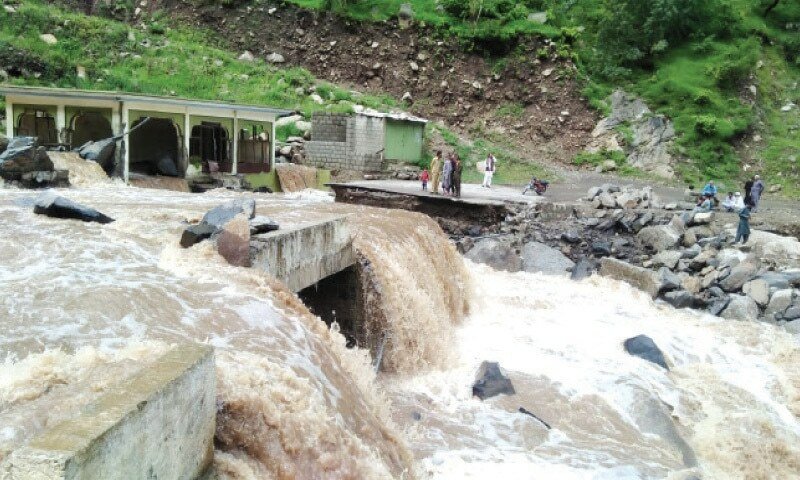
MANSEHRA — Flash floods caused by intense monsoon rains have severely damaged infrastructure in the Mansehra district, particularly affecting the Kaghan and Siran valleys, as of Monday. The local authorities have ramped up emergency response efforts in anticipation of further rainfall forecasted across the Hazara Division this week. What Happened The Mansehra district in Khyber Pakhtunkhwa has been hit hard by flash floods following heavy monsoon rains, leading to widespread damage to bridges, homes, and businesses. The Kaghan and Siran valleys bore the brunt of the flooding, with several key bridges washed away, disrupting transportation and isolating communities. Local businesses have reported significant losses due to water damage, and numerous homes have been inundated, forcing residents to seek shelter elsewhere. Emergency services have been deployed to the affected areas to assist with evacuation efforts and provide immediate relief to those impacted. The district administration has set up temporary shelters and is distributing essential supplies, including food and clean water, to displaced families. “Our priority is to ensure the safety and well-being of our citizens. We are working round the clock to provide relief and restore essential services,” stated a local government official. Weather forecasts indicate that the monsoon rains are expected to continue throughout the week, raising concerns about further flooding and damage. The Provincial Disaster Management Authority (PDMA) has issued alerts and is coordinating with local authorities to monitor the situation closely. Background The Mansehra district is no stranger to the challenges posed by monsoon rains. Historically, the region has experienced severe flooding during the monsoon season, with previous incidents causing extensive damage to infrastructure and livelihoods. The geography of the area, characterized by its valleys and rivers, makes it particularly susceptible to flash floods. In response to past flooding events, local authorities have implemented various measures to mitigate the impact of such natural disasters. These include the construction of flood barriers and improved drainage systems. However, the intensity of the current monsoon season has overwhelmed these defenses, highlighting the need for further investment in infrastructure resilience. Why It Matters The impact of the flash floods in Mansehra extends beyond immediate physical damage. Economically, the destruction of infrastructure and disruption of local businesses is likely to have a lasting effect on the region’s economy. Many small businesses, which form the backbone of the local economy, have suffered significant losses, and the cost of rebuilding damaged infrastructure will place a substantial financial burden on the district. Socially, the displacement of families and the loss of homes have created a humanitarian challenge. The provision of temporary shelters and relief supplies is a short-term solution, but long-term recovery will require significant resources and coordinated efforts from government agencies and non-governmental organizations. Politically, the government’s response to the crisis will be closely scrutinized by the public and could influence future policy decisions regarding disaster management and infrastructure development. The situation underscores the need for comprehensive planning and investment to enhance the resilience of vulnerable regions against natural disasters. Key Takeaways Flash floods in Mansehra have caused extensive damage to infrastructure, particularly in the Kaghan and Siran valleys. Emergency response efforts are underway, with authorities providing relief to affected residents. Continued monsoon rains are expected, raising concerns about further flooding. The economic and social impacts of the floods are significant, affecting local businesses and displacing families. The situation highlights the need for improved disaster management and infrastructure resilience in vulnerable regions. Source Attribution This article is based on official government statements, press releases, and public communications from relevant authorities. Author: NEN Editorial Desk | Editor: NEN Newsroom | Fact Checked By: NEN Editorial Team Author: NEN Editorial Desk  |  Editor: NEN Newsroom  |  Last Updated: July 20, 2026  |  Source: NEN Reporter This article was produced by the NEN Editorial Desk in accordance with NEN Agency’s Editorial Policy and Fact-Checking Policy.
Pakistan

GIMS Gambat Launches IVUS-Guided PCI for Advanced Cardiac Care

GAMBAT — The Gambat Institute of Medical Sciences (GIMS) has made a significant advancement in cardiac healthcare by introducing Intravascular Ultrasound (IVUS)-Guided Percutaneous Coronary Intervention (PCI). This cutting-edge technology marks a new chapter in precision cardiology within Pakistan, aiming to enhance diagnostic accuracy and patient outcomes. What Happened On October 20, 2023, GIMS Gambat announced the successful implementation of IVUS-guided PCI, a sophisticated procedure that utilizes intravascular ultrasound technology to provide detailed images of coronary arteries. This allows cardiologists to assess the extent of arterial blockages with greater precision, leading to more effective interventions. The introduction of this technology is expected to significantly improve the success rates of PCI procedures, which are commonly used to treat coronary artery disease. Dr. Abdul Qadir, the Director of GIMS, stated, “The integration of IVUS technology into our cardiac care protocols represents a major leap forward in how we diagnose and treat heart disease. This will not only enhance the precision of our interventions but also improve patient safety and outcomes.” The first IVUS-guided PCI procedure was successfully performed on a 58-year-old patient suffering from severe coronary artery disease, showcasing the immediate impact of this advanced technology. IVUS provides real-time imaging from inside the blood vessels, offering a cross-sectional view that helps in accurately determining the severity and nature of the blockage. This information is crucial for cardiologists to make informed decisions regarding the placement of stents and other interventions during PCI. Background The Gambat Institute of Medical Sciences has been at the forefront of medical advancements in Pakistan, particularly in the field of cardiology. Established as a leading center for cardiac care, GIMS has consistently introduced innovative technologies to improve patient care. The introduction of IVUS-guided PCI is part of GIMS’s ongoing efforts to align with international standards in medical treatment. Intravascular ultrasound technology has been widely used in developed countries for several years, providing cardiologists with enhanced capabilities to diagnose and treat complex coronary artery conditions. However, its adoption in Pakistan has been limited due to the high costs and technical expertise required. GIMS’s initiative to introduce this technology reflects its commitment to providing state-of-the-art medical care and bridging the gap in healthcare technology between Pakistan and the developed world. Why It Matters The introduction of IVUS-guided PCI at GIMS is a significant development in Pakistan’s healthcare landscape. Cardiovascular diseases remain one of the leading causes of mortality in the country, with coronary artery disease being a major contributor. By adopting advanced technologies like IVUS, GIMS is setting a precedent for other medical institutions in Pakistan to follow, potentially leading to widespread improvements in cardiac care. Economically, the availability of such advanced procedures within Pakistan reduces the need for patients to seek treatment abroad, which can be prohibitively expensive. This not only makes advanced cardiac care more accessible to a larger segment of the population but also retains valuable healthcare expenditure within the country. Socially, the availability of cutting-edge medical technology enhances the trust and confidence of the public in local healthcare institutions. It also provides a platform for medical professionals in Pakistan to gain expertise in the latest medical technologies, fostering a more skilled and knowledgeable healthcare workforce. Key Takeaways GIMS Gambat has introduced IVUS-guided PCI, enhancing precision in cardiac care. This technology provides real-time imaging, improving the accuracy of coronary interventions. The initiative aligns GIMS with international standards of cardiac care. IVUS-guided PCI reduces the need for patients to seek treatment abroad, saving costs. The development boosts public confidence in local healthcare capabilities. Source Attribution This article is based on official statements and public communications from the Gambat Institute of Medical Sciences. Author: NEN Editorial Desk | Editor: NEN Newsroom | Fact Checked By: NEN Editorial Team Author: NEN Editorial Desk  |  Editor: NEN Newsroom  |  Last Updated: July 20, 2026  |  Source: NEN Reporter This article was produced by the NEN Editorial Desk in accordance with NEN Agency’s Editorial Policy and Fact-Checking Policy.

Pakistan

Governor Proposes KPPSC Regional Offices in DI Khan, Malakand, Abbottabad

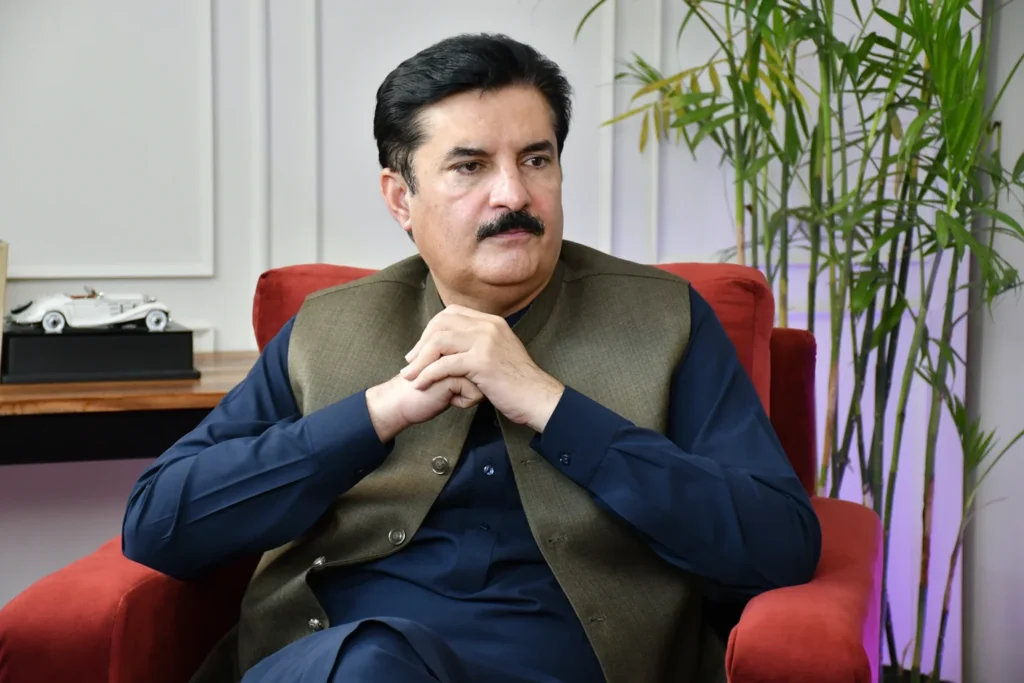
ISLAMABAD — Governor Khyber Pakhtunkhwa Faisal Karim Kundi has formally proposed the establishment of regional offices for the Khyber Pakhtunkhwa Public Service Commission (KPPSC) in Dera Ismail Khan, Malakand, and Abbottabad. In a letter addressed to Chief Minister Sohail Afridi, the governor highlighted the need to enhance access to recruitment services for candidates residing in remote areas of the province. What Happened Governor Faisal Karim Kundi’s proposal aims to decentralize the operations of the KPPSC by setting up regional offices in Dera Ismail Khan, Malakand, and Abbottabad. The governor’s letter to Chief Minister Sohail Afridi emphasized the importance of facilitating candidates from distant regions who face challenges in accessing the main KPPSC office. “By establishing these regional offices, we can ensure that candidates from all parts of Khyber Pakhtunkhwa have equal opportunities to participate in the recruitment process,” the governor stated in his communication. The proposed offices are expected to provide a range of services, including the submission of applications, conducting preliminary tests, and offering guidance on recruitment procedures. This initiative is seen as a step towards making the recruitment process more inclusive and efficient, particularly for candidates who currently have to travel long distances to the provincial capital, Peshawar, to access KPPSC services. The governor’s proposal comes at a time when there is increasing demand for government jobs in the province, and the need to streamline recruitment processes has become more pressing. The establishment of regional offices is anticipated to reduce the burden on the main office in Peshawar, thereby speeding up the recruitment process and reducing waiting times for candidates. Background The Khyber Pakhtunkhwa Public Service Commission (KPPSC) is responsible for conducting examinations and interviews for recruitment to various posts in the provincial government. Historically, the KPPSC has operated primarily out of its main office in Peshawar, which has posed challenges for candidates from remote districts. The lack of regional offices has often resulted in logistical difficulties and additional expenses for candidates who need to travel to Peshawar for recruitment-related activities. In recent years, there have been calls from various quarters to decentralize the operations of the KPPSC to make them more accessible to the wider population. The current proposal by Governor Kundi aligns with these demands and seeks to address long-standing issues related to accessibility and inclusivity in the recruitment process. Why It Matters The proposal to establish regional offices of the KPPSC in Dera Ismail Khan, Malakand, and Abbottabad holds significant implications for the socio-economic landscape of Khyber Pakhtunkhwa. By decentralizing recruitment services, the government aims to provide equitable access to employment opportunities for residents of remote areas, thereby promoting regional development and reducing economic disparities. Economically, the establishment of regional offices is expected to lower the costs associated with job applications for candidates from distant districts. This could lead to increased participation in the recruitment process, potentially resulting in a more diverse and representative workforce within the provincial government. Socially, the move is likely to enhance the sense of inclusion among residents of remote areas, who often feel marginalized due to the concentration of services in urban centers. By bringing recruitment services closer to their communities, the government can foster a greater sense of belonging and engagement among these populations. Politically, the proposal reflects the provincial government’s commitment to addressing regional inequalities and promoting balanced development across Khyber Pakhtunkhwa. It also aligns with broader national objectives of decentralization and improved governance. Key Takeaways Governor Faisal Karim Kundi has proposed regional KPPSC offices in Dera Ismail Khan, Malakand, and Abbottabad. The initiative aims to improve access to recruitment services for candidates from remote areas of Khyber Pakhtunkhwa. Decentralizing KPPSC operations is expected to make the recruitment process more inclusive and efficient. The proposal addresses long-standing accessibility challenges faced by candidates from distant districts. Establishing regional offices aligns with broader objectives of decentralization and regional development. Source Attribution This article is based on official government statements and public communications from relevant authorities. Author: NEN Editorial Desk | Editor: NEN Newsroom | Fact Checked By: NEN Editorial Team Author: NEN Editorial Desk  |  Editor: NEN Newsroom  |  Last Updated: July 20, 2026  |  Source: Press Release from Government of Pakistan This article was produced by the NEN Editorial Desk in accordance with NEN Agency’s Editorial Policy and Fact-Checking Policy.
Pakistan

Punjab Launches Rs20 Billion Plan to Expand Wheat Storage

LAHORE — The Punjab government has initiated a Rs20 billion public-private partnership to develop modern wheat storage facilities across the province. This initiative aims to address Pakistan’s significant wheat storage deficit, estimated between 20 to 25 million metric tonnes, by reducing post-harvest losses, bolstering food security, and ensuring a steady supply of wheat. What Happened The Punjab government announced a comprehensive plan to construct advanced wheat silos throughout the province. This Rs20 billion project is a collaborative effort between the public and private sectors, designed to modernize the existing storage infrastructure. The initiative will include the establishment of on-farm silos, which will directly benefit farmers by minimizing post-harvest losses and improving the overall efficiency of wheat storage. The plan is part of a broader strategy to enhance food security in Pakistan by ensuring that wheat, a staple food, is adequately stored and preserved. The government aims to mitigate the challenges posed by inadequate storage facilities, which have historically led to significant losses in wheat stocks. By implementing modern storage solutions, the Punjab government seeks to stabilize wheat supplies and prices, ultimately benefiting consumers across the country. Provincial officials emphasized the importance of this initiative, noting that it is crucial for meeting the growing demand for wheat in Pakistan. They highlighted that the new storage facilities would not only increase capacity but also improve the quality of stored wheat, thereby reducing reliance on imports and enhancing the country’s self-sufficiency in food production. Background Pakistan has long faced challenges in managing its wheat supply due to inadequate storage infrastructure. The country’s wheat production is substantial, yet post-harvest losses have been a persistent issue, exacerbated by outdated storage methods. Historically, Pakistan has relied on traditional storage practices that are prone to spoilage and pest infestations, leading to significant wastage. In recent years, the government has recognized the need for modernizing agricultural infrastructure to support the country’s growing population and ensure food security. The introduction of public-private partnerships in the agricultural sector has been a key strategy in addressing these challenges. By leveraging private sector expertise and investment, the government aims to create sustainable and efficient storage solutions that can withstand the pressures of increasing demand and environmental changes. Why It Matters The expansion of wheat storage facilities in Punjab is a critical step towards enhancing food security in Pakistan. Wheat is a staple food for the majority of the population, and ensuring its availability is vital for maintaining social stability and economic growth. By reducing post-harvest losses, the government can ensure a more consistent supply of wheat, which in turn can stabilize prices and reduce the need for costly imports. This initiative also has significant economic implications. By improving storage infrastructure, the government can increase the efficiency of the wheat supply chain, reducing costs for both producers and consumers. This can lead to lower prices for wheat-based products, benefiting consumers and supporting the livelihoods of farmers. Furthermore, the project aligns with global trends towards sustainable agriculture and food security. By adopting modern storage technologies, Pakistan can enhance its resilience to climate change and other environmental challenges that threaten food production. This initiative positions the country as a proactive player in addressing global food security issues. Key Takeaways The Punjab government has launched a Rs20 billion initiative to expand wheat storage facilities. The project aims to address Pakistan’s 20 to 25 million metric tonne wheat storage gap. Modern storage infrastructure will reduce post-harvest losses and improve food security. The initiative involves a public-private partnership to leverage expertise and investment. Improved storage solutions will stabilize wheat supplies and benefit consumers and farmers. Source Attribution This article is based on official government statements, press releases, and public communications from relevant authorities. Author: NEN Editorial Desk | Editor: NEN Newsroom | Fact Checked By: NEN Editorial Team Author: NEN Editorial Desk  |  Editor: NEN Newsroom  |  Last Updated: July 20, 2026  |  Source: NEN Reporter This article was produced by the NEN Editorial Desk in accordance with NEN Agency’s Editorial Policy and Fact-Checking Policy.
World

B2B Deals Worth Millions Finalized at 11th Colour & Chem Expo in Lahore

LAHORE — The 11th Colour & Chem Expo 2026, a leading event for the dyes, chemicals, and allied industries, concluded successfully at the Lahore Expo Centre on Sunday. The event witnessed the signing of business-to-business (B2B) deals valued at millions of rupees, marking a significant boost for the sector. What Happened The Colour & Chem Expo, held annually, brought together industry leaders, manufacturers, and buyers from across Pakistan and beyond. Organized by Event and Conference International in partnership with the Rainbow Group, the expo served as a platform for showcasing the latest innovations and products in the chemical and dye industries. Over the course of the event, numerous B2B deals were finalized, underscoring the expo’s role as a catalyst for business growth and collaboration. According to the organizers, the expo attracted a diverse range of participants, including local and international companies, which facilitated the exchange of ideas and fostered new business relationships. The deals signed during the event are expected to enhance the operational capacities of the participating companies and contribute to the overall growth of the industry. Speaking at the closing ceremony, an official from Event and Conference International stated, “The success of this year’s expo is a testament to the resilience and potential of Pakistan’s chemical industry. The deals signed here will pave the way for future advancements and partnerships.” Background The Colour & Chem Expo has been a staple in Pakistan’s industrial calendar since its inception. It provides a unique opportunity for stakeholders in the chemical and dye sectors to converge, share knowledge, and explore new technologies. The expo’s focus on B2B interactions has consistently resulted in significant business deals that drive the industry forward. Historically, the expo has played a crucial role in introducing cutting-edge technologies and sustainable practices to the local market. The event also serves as a barometer for the industry’s health, with the volume of deals often reflecting broader economic trends. Why It Matters The successful conclusion of the 11th Colour & Chem Expo and the signing of substantial B2B deals hold significant implications for Pakistan’s economy and industrial landscape. The chemical industry is a vital component of the country’s manufacturing sector, contributing to exports and employment. The deals secured at the expo are likely to lead to increased production capacities, technological upgrades, and enhanced competitiveness on a global scale. Economically, these deals can stimulate growth by attracting foreign investment and fostering innovation. As companies expand their operations and adopt new technologies, they can offer more competitive products in international markets, potentially increasing export revenues. This growth can also lead to job creation, providing employment opportunities in various sectors related to the chemical industry. Socially, the expo’s focus on sustainable and innovative solutions aligns with global trends towards environmentally friendly practices. By adopting such practices, Pakistani companies can improve their environmental footprint, contributing to broader sustainability goals. Politically, the event highlights Pakistan’s commitment to supporting industrial development and fostering international trade relations. The participation of international companies and the signing of cross-border deals reflect confidence in Pakistan’s market potential and regulatory environment. Key Takeaways The 11th Colour & Chem Expo 2026 concluded with B2B deals worth millions of rupees. The event was organized by Event and Conference International in collaboration with the Rainbow Group. The expo attracted local and international participants, fostering business growth and innovation. The deals are expected to enhance production capacities and contribute to economic growth. The expo supports sustainable practices and aligns with global industry trends. Source Attribution This article is based on official government statements, press releases, and public communications from relevant authorities. Author: NEN Editorial Desk | Editor: NEN Newsroom | Fact Checked By: NEN Editorial Team Author: NEN Editorial Desk  |  Editor: NEN Newsroom  |  Last Updated: July 20, 2026  |  Source: NEN Reporter This article was produced by the NEN Editorial Desk in accordance with NEN Agency’s Editorial Policy and Fact-Checking Policy.

Pakistan

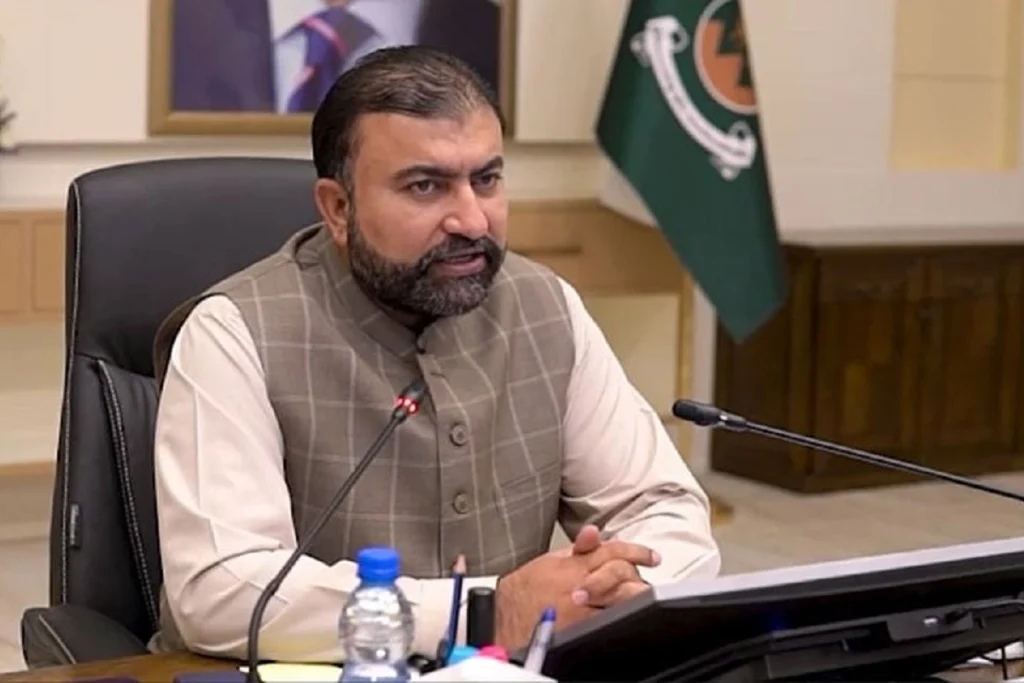
CM Bugti Announces Anti-Terrorism Measures and Education Reforms in Balochistan

ISLAMABAD — Balochistan Chief Minister Mir Sarfraz Bugti has pledged unwavering efforts to combat terrorism while unveiling significant initiatives in education and clean water provision. Speaking on Sunday, Bugti outlined plans for the recruitment of 16,000 teachers and the installation of clean drinking water filtration plants across the province. What Happened Chief Minister Mir Sarfraz Bugti, during an interview with a private television channel, reiterated the Balochistan government’s dedication to eradicating terrorism from the region. He emphasized the administration’s commitment to maintaining peace and security, which he described as crucial for the province’s development and prosperity. In a bid to bolster the education sector, Bugti announced the recruitment of 16,000 new teachers. This move aims to address the acute shortage of educators in Balochistan, thereby improving the quality of education and accessibility for students in remote areas. “Education is a fundamental right, and we are committed to ensuring that every child in Balochistan has access to quality education,” Bugti stated. Additionally, Bugti revealed plans to install clean drinking water filtration plants throughout the province. This initiative seeks to tackle the pressing issue of water scarcity and contamination, which has been a persistent challenge for the residents of Balochistan. The Chief Minister highlighted the importance of clean water for health and well-being, noting that these projects are expected to significantly improve public health outcomes. Background Balochistan, Pakistan’s largest province by area, has long grappled with issues of terrorism and underdevelopment. The region has been a focal point for various militant activities, which have hindered economic growth and social progress. The provincial government, under the leadership of Chief Minister Bugti, has been actively working to enhance security measures and promote development initiatives. The education sector in Balochistan has historically faced numerous challenges, including a lack of infrastructure, insufficient teaching staff, and limited access to educational resources. The recruitment of 16,000 teachers is part of a broader strategy to revitalize the sector and ensure that educational opportunities are available to all children, regardless of their location. Water scarcity is another critical issue in Balochistan, with many areas lacking access to safe and clean drinking water. The installation of filtration plants is intended to address this problem, providing residents with a reliable source of potable water and reducing the incidence of waterborne diseases. Why It Matters The initiatives announced by Chief Minister Bugti are significant for several reasons. Firstly, the focus on combating terrorism is crucial for the stability and security of Balochistan. By prioritizing security, the government aims to create a conducive environment for economic development and attract investment to the region. Education reform is another critical area of focus. By recruiting a substantial number of teachers, the government is addressing a key barrier to educational access and quality. This move has the potential to transform the educational landscape in Balochistan, providing children with the skills and knowledge necessary to contribute to the province’s future prosperity. The installation of clean water filtration plants is expected to have a profound impact on public health. Access to clean drinking water is essential for preventing diseases and promoting overall health. This initiative will likely lead to improved health outcomes, reducing the burden on healthcare facilities and enhancing the quality of life for residents. Overall, these measures reflect a comprehensive approach to addressing the multifaceted challenges facing Balochistan. By prioritizing security, education, and public health, the provincial government is taking significant steps towards sustainable development and improved living standards for its citizens. Key Takeaways CM Bugti reaffirms commitment to combating terrorism in Balochistan. Plans announced to recruit 16,000 teachers to improve education quality. Clean drinking water filtration plants to be installed across the province. Initiatives aim to enhance security, education, and public health in Balochistan. Efforts reflect a comprehensive strategy for sustainable development. Source Attribution This article is based on official government statements and public communications from relevant authorities. Author: NEN Editorial Desk | Editor: NEN Newsroom | Fact Checked By: NEN Editorial Team Author: NEN Editorial Desk  |  Editor: NEN Newsroom  |  Last Updated: July 20, 2026  |  Source: NEN Reporter This article was produced by the NEN Editorial Desk in accordance with NEN Agency’s Editorial Policy and Fact-Checking Policy.

Pakistan

Rawalpindi to Establish Modern Cancer Hospital, Announces Marriyum Aurangzeb

RAWALPINDI — Senior Punjab Minister Marriyum Aurangzeb announced on Sunday that a modern cancer hospital will be established in Rawalpindi, modeled after the Nawaz Sharif Cancer Hospital in Lahore. The initiative aims to enhance healthcare services in Punjab, particularly for cancer treatment. What Happened During a public gathering at Commercial Market in Rawalpindi, Marriyum Aurangzeb revealed plans for the new cancer hospital, emphasizing its state-of-the-art facilities. She stated that the hospital would follow the successful model of the Nawaz Sharif Cancer Hospital in Lahore, which has been instrumental in providing advanced cancer care. The announcement was met with applause from the attendees, reflecting the community’s anticipation for improved healthcare infrastructure. Aurangzeb highlighted the importance of accessible cancer treatment facilities, noting that the new hospital would reduce the burden on existing hospitals and provide specialized care closer to home for residents of Rawalpindi and surrounding areas. “This hospital will be a significant addition to our healthcare system, ensuring that cancer patients receive the best possible treatment without having to travel long distances,” she said. The minister did not specify the exact location or timeline for the hospital’s construction but assured that the government is committed to fast-tracking the project. The establishment of this facility is part of a broader strategy to improve healthcare services across Punjab, with a focus on modernizing infrastructure and expanding access to specialized medical care. Background The announcement of the cancer hospital in Rawalpindi comes in the wake of ongoing efforts by the Punjab government to enhance healthcare facilities in the province. The Nawaz Sharif Cancer Hospital in Lahore, which serves as the model for the new facility, has been operational for several years and is known for its comprehensive cancer treatment programs, including chemotherapy, radiotherapy, and surgical oncology. Historically, Pakistan has faced challenges in providing adequate healthcare services, particularly for non-communicable diseases like cancer. With an increasing number of cancer cases reported annually, the need for specialized treatment centers has become more pressing. The government has been working to address these challenges by investing in healthcare infrastructure and training medical professionals to meet the growing demand. Why It Matters The establishment of a cancer hospital in Rawalpindi is a critical development for several reasons. Firstly, it addresses a significant gap in healthcare services in the region, where cancer patients often have to travel to major cities like Lahore or Karachi for treatment. This not only incurs additional costs for patients and their families but also delays access to timely medical care. Economically, the hospital is expected to create job opportunities for healthcare professionals and support staff, contributing to the local economy. It will also reduce the financial burden on existing healthcare facilities by decentralizing cancer care services, allowing for more efficient resource allocation. Socially, the hospital represents a commitment to improving the quality of life for citizens by providing essential healthcare services. It underscores the government’s dedication to addressing public health issues and ensuring that all citizens have access to necessary medical care, regardless of their location. On an international level, the development of such healthcare facilities aligns with global health goals, including the United Nations Sustainable Development Goals, which emphasize the importance of ensuring healthy lives and promoting well-being for all at all ages. Key Takeaways A state-of-the-art cancer hospital will be established in Rawalpindi, modeled after the Nawaz Sharif Cancer Hospital in Lahore. The new facility aims to provide advanced cancer treatment closer to home for residents of Rawalpindi and surrounding areas. The project is part of broader efforts to improve healthcare infrastructure and services in Punjab. The hospital is expected to create job opportunities and reduce the burden on existing healthcare facilities. This development aligns with global health goals by improving access to essential healthcare services. Source Attribution This article is based on official government statements and public communications from relevant authorities. Author: NEN Editorial Desk | Editor: NEN Newsroom | Fact Checked By: NEN Editorial Team Author: NEN Editorial Desk  |  Editor: NEN Newsroom  |  Last Updated: July 20, 2026  |  Source: NEN Reporter This article was produced by the NEN Editorial Desk in accordance with NEN Agency’s Editorial Policy and Fact-Checking Policy.

World

UN Applauds Pakistan’s ‘Football for Mental Health’ Initiative

ISLAMABAD — Pakistan’s ‘Football for Mental Health’ initiative has garnered international acclaim at the United Nations (UN), where global leaders praised the Pakistan Football Federation’s innovative approach to promoting mental health awareness. The initiative aims to empower youth and foster positive social change through the sport of football. What Happened The ‘Football for Mental Health’ initiative was highlighted during the UN’s esteemed ‘One World, One Goal’ event, where representatives from various countries gathered to discuss the role of sports in societal development. The initiative, spearheaded by the Pakistan Football Federation, integrates football training with mental health education, aiming to break the stigma surrounding mental health issues and provide young people with coping mechanisms through sport. According to the Pakistan Football Federation, the program has reached over 5,000 young participants across the country since its inception. The initiative not only focuses on developing football skills but also includes workshops and sessions led by mental health professionals. These sessions are designed to educate participants on mental health issues, promote emotional well-being, and encourage open discussions about mental health challenges. UN officials commended Pakistan for its proactive approach in using football as a tool for mental health advocacy. A UN spokesperson stated, “Pakistan’s initiative is a shining example of how sports can be leveraged to address critical social issues and foster community engagement.” The initiative’s success has prompted discussions about its potential replication in other countries facing similar mental health challenges. Background Mental health has increasingly become a focal point of global health discussions, with the World Health Organization (WHO) emphasizing the importance of mental well-being as a component of overall health. In Pakistan, mental health issues have often been stigmatized, leading to a lack of awareness and resources. The ‘Football for Mental Health’ initiative was launched in response to these challenges, aiming to create a supportive environment where young people can learn about and discuss mental health openly. The initiative aligns with Pakistan’s broader efforts to integrate mental health education into community programs. Previous initiatives have included school-based mental health awareness campaigns and community workshops. However, the use of football—a popular sport in Pakistan—has provided a unique platform to engage youth and address mental health in an accessible and relatable manner. Why It Matters The recognition of Pakistan’s ‘Football for Mental Health’ initiative at the UN underscores the growing importance of mental health on the international stage. By leveraging the universal appeal of football, the initiative not only addresses mental health issues but also promotes social cohesion and community development. This approach is particularly significant in a country like Pakistan, where mental health resources are limited, and societal stigma often prevents individuals from seeking help. The initiative’s success highlights the potential for sports-based programs to drive social change and improve public health outcomes. By providing young people with the tools to understand and manage their mental health, the initiative contributes to a healthier, more resilient population. Furthermore, the international recognition of the program may encourage other countries to adopt similar strategies, potentially leading to a global movement towards sports-based mental health advocacy. Economically, the initiative can have a positive impact by reducing the burden of mental health issues on healthcare systems and improving productivity. Socially, it fosters a sense of community and belonging among participants, which is crucial for mental well-being. Politically, the initiative enhances Pakistan’s image on the global stage as a leader in innovative health solutions. Key Takeaways Pakistan’s ‘Football for Mental Health’ initiative received international recognition at the UN. The program integrates football with mental health education to empower youth. Over 5,000 young participants have been engaged since the initiative’s launch. The initiative addresses mental health stigma and promotes community engagement. International recognition may inspire similar programs in other countries. Source Attribution This article is based on official government statements, press releases, and public communications from relevant authorities. Author: NEN Editorial Desk | Editor: NEN Newsroom | Fact Checked By: NEN Editorial Team Author: NEN Editorial Desk  |  Editor: NEN Newsroom  |  Last Updated: July 20, 2026  |  Source: NEN Reporter This article was produced by the NEN Editorial Desk in accordance with NEN Agency’s Editorial Policy and Fact-Checking Policy.

Scroll to Top