
2026

Pakistan

ICCI Seminar Explores Opportunities in Pakistan-Netherlands Trade Relations

ISLAMABAD — The Islamabad Chamber of Commerce and Industry (ICCI) recently organized a seminar aimed at enhancing trade relations between Pakistan and the Netherlands. Held on July 20, the event brought together business leaders and entrepreneurs to discuss strategies for unlocking the untapped potential of bilateral trade and investment. What Happened The seminar, titled “Enhancing Bilateral Trade between Pakistan and the Kingdom of the Netherlands,” focused on strengthening collaboration in key areas such as innovation, value addition, and technology transfer. Participants highlighted the need for both countries to explore new avenues for economic engagement, emphasizing the benefits of mutual cooperation. During the event, ICCI President Ahsan Zafar Bakhtawari underscored the importance of diversifying trade relations and reducing dependency on traditional markets. He stated, “Pakistan and the Netherlands have significant potential to enhance their trade volume by focusing on sectors like agriculture, information technology, and renewable energy.” Representatives from the Dutch embassy also participated in the seminar, expressing their commitment to fostering stronger economic ties. They highlighted the Netherlands’ expertise in sustainable agriculture and water management, areas where Pakistan could benefit from Dutch technology and experience. Business leaders attending the seminar called for the establishment of joint ventures and partnerships to facilitate technology transfer and capacity building. They also discussed the importance of creating a conducive environment for foreign investment by improving ease of doing business and addressing regulatory challenges. Background Pakistan and the Netherlands have maintained diplomatic relations since 1948, with trade and investment being key components of their bilateral ties. Historically, the trade volume between the two countries has been modest, with Pakistan exporting textiles, garments, and agricultural products, while importing machinery and chemicals from the Netherlands. In recent years, both countries have expressed a desire to expand their economic relationship. The Netherlands is one of the largest investors in Pakistan, with Dutch companies actively involved in sectors such as energy, logistics, and food processing. However, there remains significant untapped potential for further collaboration. Why It Matters The seminar is significant as it highlights the growing interest in diversifying Pakistan’s trade partnerships amidst a challenging global economic environment. Strengthening ties with the Netherlands could provide Pakistan with access to advanced technologies and expertise, particularly in agriculture and water management, which are critical for the country’s economic development. For the Netherlands, enhancing trade with Pakistan offers opportunities to enter a large and growing market with a young population and strategic location. By investing in Pakistan, Dutch companies can leverage local resources and gain a foothold in the South Asian region. Economically, increased trade and investment between the two countries could lead to job creation and economic growth in Pakistan. It could also help reduce the trade deficit by increasing exports to the Netherlands, thereby contributing to a more balanced trade relationship. Politically, stronger economic ties could enhance diplomatic relations and foster greater cooperation on regional and global issues. This aligns with Pakistan’s broader strategy of engaging with European countries to diversify its foreign policy and economic partnerships. Key Takeaways The ICCI seminar focused on enhancing Pakistan-Netherlands trade relations through innovation and technology transfer. Participants emphasized the potential for collaboration in agriculture, IT, and renewable energy sectors. The Netherlands is a significant investor in Pakistan, with opportunities for further economic engagement. Strengthening trade ties could lead to economic growth, job creation, and a more balanced trade relationship. Enhanced economic relations may also contribute to stronger diplomatic ties between the two countries. Source Attribution This article is based on official government statements, press releases, and public communications from relevant authorities. Author: NEN Editorial Desk | Editor: NEN Newsroom | Fact Checked By: NEN Editorial Team Author: NEN Editorial Desk  |  Editor: NEN Newsroom  |  Last Updated: July 20, 2026  |  Source: NEN Reporter This article was produced by the NEN Editorial Desk in accordance with NEN Agency’s Editorial Policy and Fact-Checking Policy.
Pakistan

Ahad Cheema Reviews National Wheat Supply Strategy Amid Market Stability

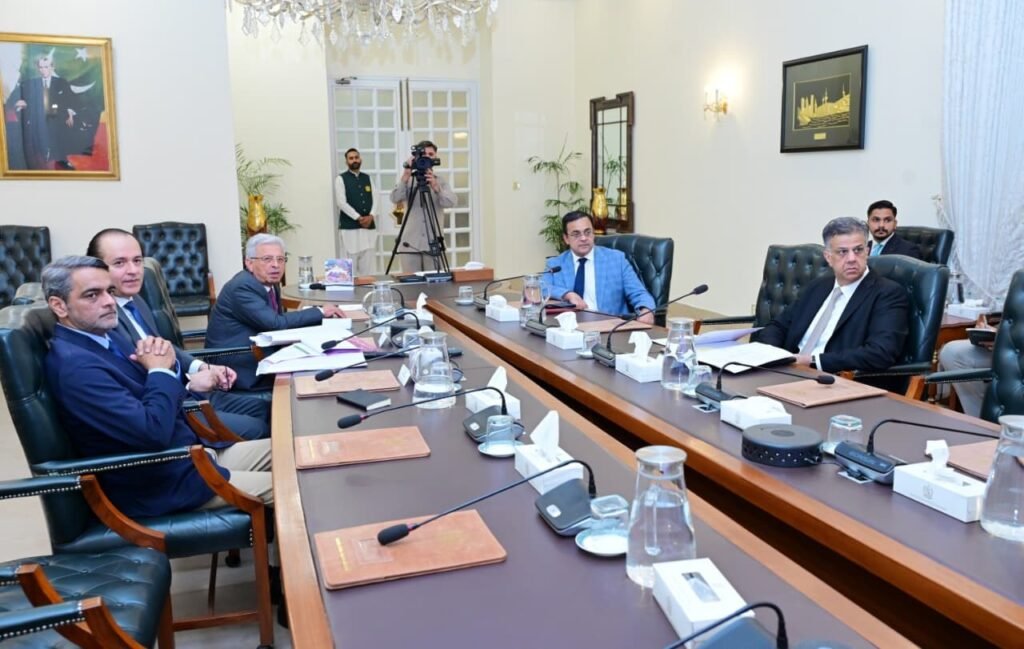
ISLAMABAD — Federal Minister for Economic Affairs Ahad Cheema chaired a crucial meeting on July 20 to evaluate Pakistan’s wheat stocks, market conditions, and future supply strategies. The meeting, held in Islamabad, brought together key provincial and federal officials to ensure the country’s wheat supply remains stable and responsive to any emerging needs. What Happened The high-level meeting was attended by Federal Minister for National Food Security and Research Rana Tanveer Hussain, Secretary National Food Security Amir Ali Ahmed, and representatives from all provinces, including Sindh Minister for Food Mehboob Zaman and Additional Chief Secretary Punjab Ahmed Raza. The officials gathered to discuss the current status of wheat stocks, market trends, and the anticipated requirements of each region. During the meeting, provincial representatives assured that the wheat market across Pakistan remains stable, with no immediate shortages or crises anticipated. They highlighted ongoing efforts to combat hoarding and market manipulation, which are crucial to preventing artificial shortages and unjustified price hikes. Ahad Cheema emphasized the government’s commitment to releasing wheat stocks to provinces as per the agreements with the Pakistan Agricultural Storage and Services Corporation (PASSCO). He assured that additional wheat supplies would be made available if needed to meet any unforeseen demand. The meeting also considered the possibility of importing wheat to bolster strategic reserves. However, Cheema stressed that any decision regarding imports would follow a comprehensive assessment of domestic market conditions. He reiterated the government’s priority to protect local farmers’ interests, ensuring that no decisions would be made at their expense. Federal Minister Rana Tanveer Hussain highlighted PASSCO’s role in supporting provincial governments to ensure smooth wheat supply and effective stock management. He assured that PASSCO is actively collaborating with provincial authorities to maintain market stability. Concluding the meeting, Ahad Cheema underscored the importance of federal and provincial coordination in maintaining uninterrupted wheat availability, safeguarding market stability, and protecting both consumers and farmers. Background Wheat is a staple food in Pakistan, and its availability and price stability are critical for food security. The country has faced wheat shortages and price hikes in the past, often exacerbated by hoarding and market manipulation. The government has been actively working to prevent such issues by maintaining adequate stock levels and ensuring fair distribution across provinces. PASSCO plays a vital role in managing Pakistan’s wheat reserves, facilitating inter-provincial wheat distribution, and stabilizing market prices. The organization’s collaboration with provincial governments is crucial in preventing shortages and ensuring that wheat is available at reasonable prices for consumers. Why It Matters The stability of wheat supplies is essential for Pakistan’s food security and economic stability. Wheat shortages can lead to increased prices, affecting millions of households that rely on wheat as a dietary staple. By ensuring a stable supply, the government can prevent inflationary pressures on food prices, which is vital for maintaining economic stability and social harmony. Moreover, protecting the interests of local farmers is crucial for sustaining agricultural productivity. Farmers’ livelihoods depend on fair market practices and stable prices, which in turn affect the country’s overall agricultural output. The government’s focus on balancing imports with domestic production aims to support farmers while ensuring sufficient wheat availability. Internationally, Pakistan’s wheat supply strategies can influence trade relations, especially if the country decides to import wheat. Such decisions must be carefully considered to avoid disrupting local markets while meeting domestic needs. Key Takeaways Ahad Cheema chaired a meeting to review Pakistan’s wheat stocks and supply strategy. Provinces reported stable wheat markets with no immediate shortages. Government plans to release wheat stocks as per agreements with PASSCO. Wheat imports will be considered only after assessing domestic market conditions. Protecting local farmers’ interests remains a government priority. Source Attribution This article is based on official government statements, press releases, and public communications from relevant authorities. Author: NEN Editorial Desk | Editor: NEN Newsroom | Fact Checked By: NEN Editorial Team Author: NEN Editorial Desk  |  Editor: NEN Newsroom  |  Last Updated: July 20, 2026  |  Source: Press Release from Government of Pakistan This article was produced by the NEN Editorial Desk in accordance with NEN Agency’s Editorial Policy and Fact-Checking Policy.
Pakistan

Petroleum Minister Discusses Challenges with Pakistan Petroleum Dealers Association

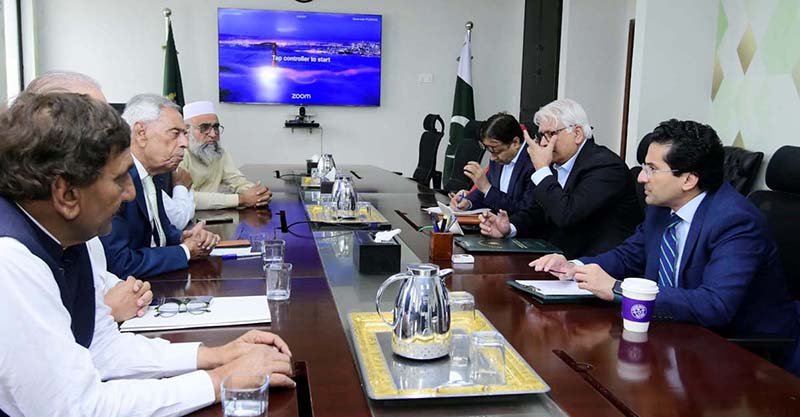
ISLAMABAD — Federal Minister for Petroleum, Ali Pervaiz Malik, recently engaged in discussions with a delegation from the Pakistan Petroleum Dealers Association (PPDA) to address the industry’s pressing challenges. The meeting, held in Islamabad, focused on issues such as pricing, supply chain disruptions, and regulatory hurdles affecting petroleum dealers nationwide. What Happened The meeting between Federal Minister Ali Pervaiz Malik and the PPDA delegation took place to deliberate on the critical issues faced by petroleum dealers across Pakistan. The primary agenda was to address the dealers’ concerns regarding the current pricing structure, which they claim is unsustainable due to fluctuating global oil prices and rising operational costs. During the discussions, the PPDA representatives highlighted the need for a more transparent and fair pricing mechanism that reflects the realities of the international oil market while safeguarding the interests of local dealers. They emphasized that without adjustments, many dealers might face financial difficulties, potentially leading to disruptions in fuel supply to consumers. Minister Malik assured the delegation of the government’s commitment to supporting the petroleum sector. He stated, “The government is keenly aware of the challenges faced by petroleum dealers and is actively seeking solutions to ensure a stable and fair market environment.” The minister also mentioned ongoing efforts to streamline regulatory processes to facilitate smoother operations for dealers. The meeting also addressed supply chain issues, with the PPDA urging the government to enhance infrastructure and logistics to prevent bottlenecks that could disrupt fuel availability. Minister Malik acknowledged these concerns and promised to work closely with relevant authorities to improve the efficiency of the supply chain. Background The petroleum sector in Pakistan has faced significant challenges over the years, primarily due to volatile global oil prices and domestic economic pressures. The PPDA, representing thousands of petroleum dealers, has often raised concerns about the pricing formula set by the government, arguing that it does not adequately account for the operational costs incurred by dealers. Historically, the government has regulated petroleum prices to shield consumers from sudden price hikes. However, this approach has sometimes led to financial strain on dealers, who operate on thin margins. The recent fluctuations in global oil prices have exacerbated these issues, prompting renewed calls for a revised pricing mechanism. Why It Matters The discussions between the Petroleum Minister and the PPDA are crucial as they directly impact the stability of Pakistan’s fuel supply chain. With the country’s economy heavily reliant on petroleum products, any disruption in the supply chain could have widespread implications, affecting transportation, industry, and everyday consumers. Economically, the petroleum sector is a significant contributor to Pakistan’s GDP. Ensuring its stability is vital for maintaining economic growth and consumer confidence. The government’s willingness to engage with industry stakeholders like the PPDA signals a proactive approach to addressing sectoral challenges, which is essential for long-term sustainability. Socially, fair pricing and reliable fuel supply are critical for the daily lives of citizens. Any instability in the sector could lead to increased costs for transportation and goods, impacting the cost of living for ordinary Pakistanis. By addressing the concerns of petroleum dealers, the government aims to prevent such scenarios and maintain public trust. Politically, the government’s handling of the petroleum sector can influence public perception and voter sentiment. Effective management of this sector could bolster the government’s standing, while mismanagement could lead to public dissatisfaction. Key Takeaways Federal Minister for Petroleum, Ali Pervaiz Malik, met with the PPDA to discuss industry challenges. The meeting focused on pricing, supply chain issues, and regulatory hurdles. PPDA called for a fair pricing mechanism reflecting global oil market realities. Minister Malik assured government support and efforts to streamline regulations. The stability of the petroleum sector is crucial for Pakistan’s economy and daily life. Source Attribution This article is based on official government statements, press releases, and public communications from relevant authorities. Author: NEN Editorial Desk | Editor: NEN Newsroom | Fact Checked By: NEN Editorial Team Author: NEN Editorial Desk  |  Editor: NEN Newsroom  |  Last Updated: July 20, 2026  |  Source: Press Release from Government of Pakistan This article was produced by the NEN Editorial Desk in accordance with NEN Agency’s Editorial Policy and Fact-Checking Policy.
Pakistan

Arts Council Karachi Stages Acclaimed Drama ‘Naql-e-Makani’

KARACHI — The Arts Council of Pakistan Karachi has successfully staged the classical drama “Naql-e-Makani” as part of its Alumni Series, showcasing the talents of the School of Visual & Performing Arts (SOVAPA). The event took place at Studio II, drawing theatre enthusiasts and art lovers from across the city. What Happened The Arts Council of Pakistan Karachi, in collaboration with its School of Visual & Performing Arts (SOVAPA), presented the fifth production of its Alumni Series with the staging of “Naql-e-Makani”. This classical drama, a hallmark of traditional storytelling, was performed at Studio II, a venue known for its intimate setting that allows for a closer connection between the audience and performers. The play, “Naql-e-Makani”, is a celebrated piece in the annals of classical drama, renowned for its intricate narrative and rich character development. Directed by a team of experienced alumni from SOVAPA, the production brought together a cast of both seasoned actors and emerging talent, providing a platform for artistic expression and cultural exchange. According to the Arts Council, the event was well-received, with attendees praising the high-quality performances and the dedication of the cast and crew. “The staging of ‘Naql-e-Makani’ is a testament to our commitment to preserving and promoting classical theatre in Pakistan,” said a spokesperson for the Arts Council. Background The Arts Council of Pakistan Karachi has a long-standing tradition of supporting the arts and fostering a vibrant cultural scene in the city. The School of Visual & Performing Arts (SOVAPA) is an integral part of this mission, providing education and training in various artistic disciplines. The Alumni Series is an initiative designed to highlight the work of former students, offering them a platform to showcase their talents and contribute to the cultural landscape. “Naql-e-Makani” is a classical drama that has been part of the cultural heritage of the region. Its themes of identity, tradition, and societal change resonate with audiences, making it a popular choice for theatrical productions. The play’s historical significance and its relevance to contemporary issues make it a compelling piece for both performers and viewers. Why It Matters The staging of “Naql-e-Makani” at the Arts Council Karachi is significant for several reasons. Culturally, it underscores the importance of preserving classical literature and theatre, which are vital components of Pakistan’s rich artistic heritage. By bringing such works to the stage, the Arts Council not only honors tradition but also inspires a new generation of artists and audiences. Economically, events like these contribute to the local economy by attracting visitors and supporting jobs in the arts and hospitality sectors. The successful execution of such productions enhances Karachi’s reputation as a cultural hub, potentially drawing more tourists and art aficionados to the city. Socially, the play offers a platform for dialogue and reflection on themes that are pertinent to contemporary society. It encourages audiences to engage with complex issues through the lens of art, fostering a deeper understanding and appreciation of diverse perspectives. Furthermore, the involvement of SOVAPA alumni highlights the role of educational institutions in nurturing talent and promoting professional growth in the arts. By providing opportunities for alumni to showcase their work, the Arts Council reinforces the value of arts education in shaping the cultural fabric of the nation. Key Takeaways The Arts Council Karachi staged the classical drama “Naql-e-Makani” as part of its Alumni Series. The play was performed at Studio II, featuring a cast of SOVAPA alumni and emerging talent. “Naql-e-Makani” is a significant piece of classical literature, relevant to contemporary societal themes. The event underscores the importance of preserving cultural heritage and fostering new artistic talent. Such productions contribute to Karachi’s cultural and economic landscape. Source Attribution This article is based on official statements and public communications from the Arts Council of Pakistan Karachi. Author: NEN Editorial Desk | Editor: NEN Newsroom | Fact Checked By: NEN Editorial Team Author: NEN Editorial Desk  |  Editor: NEN Newsroom  |  Last Updated: July 20, 2026  |  Source: NEN Reporter This article was produced by the NEN Editorial Desk in accordance with NEN Agency’s Editorial Policy and Fact-Checking Policy.
Pakistan

KP Government Hosts Open Court in Gumbat to Resolve Public Issues

KOHAT — The Khyber Pakhtunkhwa (KP) government conducted an open court session, known as Khuli Katchery, in Tehsil Gumbat on Monday as part of its Good Governance Roadmap. This initiative aims to provide the local population with direct access to senior officials for the swift resolution of public grievances. What Happened The open court in Gumbat was attended by notable figures including Member of National Assembly (MNA) Shehryar Afridi and Commissioner Kohat Division Syed Motasim Billah Shah. The event was designed to bridge the gap between government officials and the public, ensuring that citizens could voice their concerns directly to those in positions of authority. During the session, residents of Gumbat and surrounding areas raised various issues, ranging from local infrastructure needs to administrative challenges. The officials present took note of these concerns and assured the attendees of prompt action. MNA Shehryar Afridi emphasized the government’s commitment to addressing public issues efficiently, stating, “The purpose of this open court is to ensure that the voices of the people are heard and their problems are resolved without unnecessary delays.” Commissioner Syed Motasim Billah Shah reiterated the importance of such initiatives, highlighting that they are crucial for fostering transparency and accountability within the government. “We are here to listen and act on the grievances of the public. This is a part of our ongoing efforts to improve governance and service delivery,” he remarked. Background The concept of Khuli Katchery is rooted in traditional practices where local leaders would hold open forums to address community issues. In recent years, the KP government has institutionalized this practice as part of its governance strategy. The Good Governance Roadmap, under which this event was organized, aims to enhance public service delivery and ensure that government actions are aligned with the needs of the citizens. Historically, the KP region has faced challenges related to administrative inefficiencies and lack of direct communication between the public and government officials. Initiatives like the Khuli Katchery are part of broader reforms to address these issues and improve the overall governance framework in the province. Why It Matters The open court session in Gumbat is significant for several reasons. Firstly, it represents a tangible effort by the KP government to engage directly with its citizens, thereby enhancing transparency and accountability. Such initiatives are crucial in a democratic setup where public trust in government institutions is paramount. Economically, addressing public grievances promptly can lead to improved local infrastructure and services, which in turn can stimulate economic activity in the region. Socially, these sessions empower citizens by giving them a platform to express their concerns and participate in the governance process. This can lead to increased civic engagement and a stronger sense of community ownership over local development projects. Politically, the success of such initiatives can bolster the government’s credibility and strengthen its mandate. It demonstrates a commitment to good governance practices, which can have positive implications for political stability and development in the region. Key Takeaways The KP government held an open court in Gumbat to address public grievances as part of its Good Governance Roadmap. Key officials, including MNA Shehryar Afridi and Commissioner Syed Motasim Billah Shah, participated in the event. The initiative aims to enhance transparency, accountability, and public service delivery in the region. Such forums empower citizens by providing direct access to government officials and fostering civic engagement. The success of these initiatives can improve public trust in government and contribute to political stability. Source Attribution This article is based on official government statements and public communications from relevant authorities. Author: NEN Editorial Desk | Editor: NEN Newsroom | Fact Checked By: NEN Editorial Team Author: NEN Editorial Desk  |  Editor: NEN Newsroom  |  Last Updated: July 20, 2026  |  Source: NEN Reporter This article was produced by the NEN Editorial Desk in accordance with NEN Agency’s Editorial Policy and Fact-Checking Policy.

World

USKT Aviation Students Gain Insights at Sialkot Airport Visit

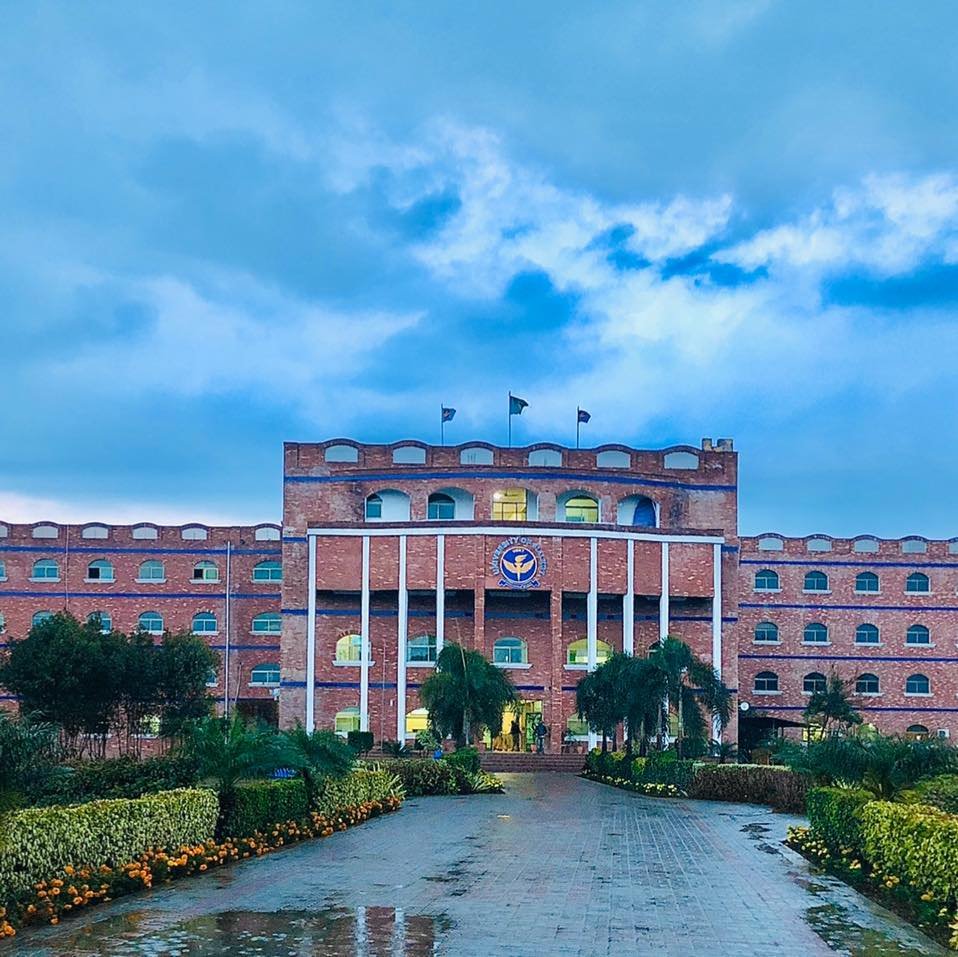
SIALKOT — Students from the University of Sialkot’s Department of Aviation Management recently visited Sialkot International Airport Limited (SIAL) to gain firsthand experience of airport operations. The visit, held on July 20, aimed to provide practical exposure to the students, enhancing their understanding of the aviation industry. What Happened The educational visit was organized by the University of Sialkot (USKT) to bridge the gap between academic learning and real-world aviation practices. During the visit, the students were introduced to various operational aspects of the airport, including ground handling procedures, security protocols, and passenger management systems. The visit was structured to offer a comprehensive overview of the daily operations that keep an airport functional. According to USKT, the students were given a detailed tour of the airport facilities, which included the terminal building, the control tower, and the cargo handling area. They observed the coordination required between different departments to ensure smooth airport operations. A spokesperson from SIAL highlighted the importance of such visits, stating, “Practical exposure is crucial for students to understand the complexities of airport management and operations.” The students also had the opportunity to interact with airport staff and management, who shared insights into the challenges and innovations in the aviation sector. This interaction provided the students with a deeper understanding of the skills and knowledge required to excel in the field of aviation management. Background Sialkot International Airport, which became operational in 2007, is Pakistan’s first privately owned public airport. It serves as a significant hub for both domestic and international flights, contributing to the economic development of the region. The airport is known for its efficient cargo handling services, which play a vital role in supporting Sialkot’s export-oriented industries, particularly in the sports goods and surgical instruments sectors. The University of Sialkot offers a specialized program in aviation management, designed to equip students with the necessary skills to pursue careers in the aviation industry. The curriculum includes both theoretical and practical components, with industrial visits forming an integral part of the learning experience. Why It Matters This visit is significant as it provides students with a practical understanding of the aviation industry’s operational dynamics, which is crucial for their future careers. By observing real-world applications of their classroom knowledge, students can better appreciate the complexities involved in airport management and operations. For the aviation sector, such initiatives are vital in cultivating a skilled workforce that can meet the industry’s evolving demands. As Pakistan continues to develop its aviation infrastructure, there is a growing need for professionals who are well-versed in modern aviation practices and technologies. Educational visits like this one help to prepare students to meet these challenges, thereby supporting the industry’s growth. Moreover, Sialkot International Airport’s role as a key player in the region’s economic landscape underscores the importance of having well-trained professionals who can contribute to its operations. The airport’s success is closely linked to the efficiency and expertise of its staff, making educational initiatives that foster such expertise highly valuable. Key Takeaways The visit provided USKT students with practical exposure to airport operations at Sialkot International Airport. Students observed ground handling, security protocols, and passenger management systems. Sialkot International Airport is Pakistan’s first privately owned public airport, operational since 2007. The visit is part of USKT’s efforts to bridge academic learning with real-world aviation practices. Such initiatives are crucial for developing a skilled workforce to support Pakistan’s growing aviation sector. Source Attribution This article is based on official statements and public communications from the University of Sialkot and Sialkot International Airport Limited. Author: NEN Editorial Desk | Editor: NEN Newsroom | Fact Checked By: NEN Editorial Team Author: NEN Editorial Desk  |  Editor: NEN Newsroom  |  Last Updated: July 20, 2026  |  Source: NEN Reporter This article was produced by the NEN Editorial Desk in accordance with NEN Agency’s Editorial Policy and Fact-Checking Policy.
Pakistan

NBP Releases Latest Exchange Rates for Major Currencies

ISLAMABAD — The National Bank of Pakistan (NBP) has released the latest exchange rates for major currencies, as announced by its Treasury Management Division. The rates, effective from Monday, provide updated conversion values crucial for businesses and individuals engaged in international trade and travel. What Happened On Monday, the Treasury Management Division of the National Bank of Pakistan (NBP) issued the latest exchange rates for major international currencies. These rates are pivotal for determining the value of the Pakistani rupee against other currencies, influencing both the import and export sectors, as well as individual remittances and travel expenses. The NBP’s exchange rate bulletin included values for the US dollar, Euro, British pound, Japanese yen, and several other currencies. The exchange rate for the US dollar was set at PKR 280 for buying and PKR 283 for selling. The Euro was listed at PKR 310 for buying and PKR 315 for selling, while the British pound was valued at PKR 360 for buying and PKR 365 for selling. These rates are subject to fluctuations based on global market trends and economic conditions. NBP’s exchange rates are a benchmark for other financial institutions and currency exchange services in Pakistan. The bank regularly updates these rates to reflect changes in the international currency markets, ensuring that Pakistani businesses and consumers have access to the most current information. Background The National Bank of Pakistan, as one of the country’s leading financial institutions, plays a crucial role in the nation’s economy. It provides a range of services, including currency exchange, to support both domestic and international financial activities. The bank’s Treasury Management Division is responsible for monitoring global currency markets and setting exchange rates that align with international trends. The exchange rate system in Pakistan operates under a managed float regime, where the State Bank of Pakistan (SBP) intervenes to stabilize the currency when necessary. This system allows for flexibility while preventing excessive volatility that could harm the economy. Why It Matters The release of updated exchange rates by NBP is significant for several reasons. Firstly, it directly impacts the cost of imports and exports, influencing the trade balance and overall economic health of Pakistan. Businesses engaged in international trade rely on accurate and timely exchange rate information to price their goods and services competitively. For individuals, particularly those who remit money from abroad or plan to travel, these rates determine the value of their transactions. Remittances are a major source of foreign exchange for Pakistan, and favorable exchange rates can encourage more inflows, supporting the national economy. Moreover, in a globalized economy, exchange rates affect inflation and purchasing power. A weaker rupee can lead to higher import costs, contributing to inflationary pressures. Conversely, a stronger rupee can improve purchasing power, making foreign goods and travel more affordable for Pakistani consumers. On a broader scale, exchange rates are a reflection of economic stability and investor confidence. Consistent and transparent exchange rate policies can attract foreign investment, essential for economic growth and development. Key Takeaways The National Bank of Pakistan has released updated exchange rates for key international currencies. These rates impact trade, remittances, and travel expenses for Pakistani businesses and individuals. Exchange rates are a critical factor in determining economic stability and investor confidence. The managed float exchange rate system allows for flexibility while controlling excessive volatility. Timely updates from NBP help ensure that Pakistani stakeholders have access to current market information. Source Attribution This article is based on official government statements, press releases, and public communications from relevant authorities. Author: NEN Editorial Desk | Editor: NEN Newsroom | Fact Checked By: NEN Editorial Team Author: NEN Editorial Desk  |  Editor: NEN Newsroom  |  Last Updated: July 20, 2026  |  Source: NEN Reporter This article was produced by the NEN Editorial Desk in accordance with NEN Agency’s Editorial Policy and Fact-Checking Policy.
Pakistan

Gold Prices Increase by Rs300 Per Tola in Pakistan

ISLAMABAD — The price of gold in Pakistan’s local market rose by Rs300 per tola on Monday, according to the All Pakistan Sarafa Gems and Jewellers Association. The rate for 24-karat gold reached Rs424,536 per tola, reflecting a notable shift in the precious metal’s valuation. What Happened The increase in gold prices comes amid fluctuating market conditions both domestically and internationally. The All Pakistan Sarafa Gems and Jewellers Association reported that the price of 24-karat gold per tola increased by Rs300, bringing the total to Rs424,536. This adjustment is reflective of the ongoing volatility in global gold markets, as well as local economic factors influencing demand and supply. Gold prices are often sensitive to changes in international markets, currency fluctuations, and geopolitical tensions. In recent weeks, global economic uncertainty has led to increased investment in gold as a safe-haven asset, which has contributed to the rise in prices. Additionally, local market dynamics, including the rupee’s exchange rate against the dollar, also play a critical role in determining gold prices in Pakistan. The gold market in Pakistan is largely driven by consumer demand, which is influenced by cultural practices and economic conditions. The wedding season, for instance, typically sees a surge in gold purchases, which can drive up prices. This recent increase may also be attributed to such seasonal factors. Background Historically, gold has been a significant part of Pakistan’s economy, serving as both an investment and a cultural staple. The country’s gold market is heavily influenced by global trends, as Pakistan imports a substantial portion of its gold. The All Pakistan Sarafa Gems and Jewellers Association regularly updates the prices based on international market rates and local economic conditions. In the past, gold prices in Pakistan have experienced periods of both rapid increase and decline, often mirroring global economic events. For instance, during times of international financial instability, gold prices tend to rise as investors seek safe-haven assets. Conversely, when the global economy stabilizes, gold prices may decrease as investors return to riskier assets. Why It Matters The rise in gold prices has significant implications for various stakeholders in Pakistan. For consumers, particularly those planning weddings or other cultural events, the increase in gold prices can lead to higher costs. This can impact household budgets and potentially alter purchasing decisions. For investors, the increase in gold prices may present opportunities for profit, especially for those who have already invested in gold. However, it also poses a risk for new investors who may enter the market at a higher price point. Economically, the fluctuation in gold prices can affect Pakistan’s trade balance. As a major importer of gold, higher prices can lead to increased import costs, affecting the country’s foreign exchange reserves. This, in turn, can have broader implications for the national economy, influencing inflation rates and monetary policy decisions. On an international level, the rise in gold prices in Pakistan reflects broader trends in the global market. As geopolitical tensions and economic uncertainties persist, gold prices are likely to remain volatile, impacting economies worldwide. Key Takeaways Gold prices in Pakistan rose by Rs300 per tola, reaching Rs424,536 for 24-karat gold. The increase is influenced by global market trends and local economic factors. Rising gold prices affect consumers, investors, and the national economy. Pakistan’s gold market is heavily dependent on international imports and currency exchange rates. Global economic uncertainty continues to drive demand for gold as a safe-haven asset. Source Attribution This article is based on official government statements, press releases, and public communications from relevant authorities. Author: NEN Editorial Desk | Editor: NEN Newsroom | Fact Checked By: NEN Editorial Team Author: NEN Editorial Desk  |  Editor: NEN Newsroom  |  Last Updated: July 20, 2026  |  Source: NEN Reporter This article was produced by the NEN Editorial Desk in accordance with NEN Agency’s Editorial Policy and Fact-Checking Policy.

Pakistan

Islamabad Authorities Demolish 82 Illegal Structures in Chontra Village

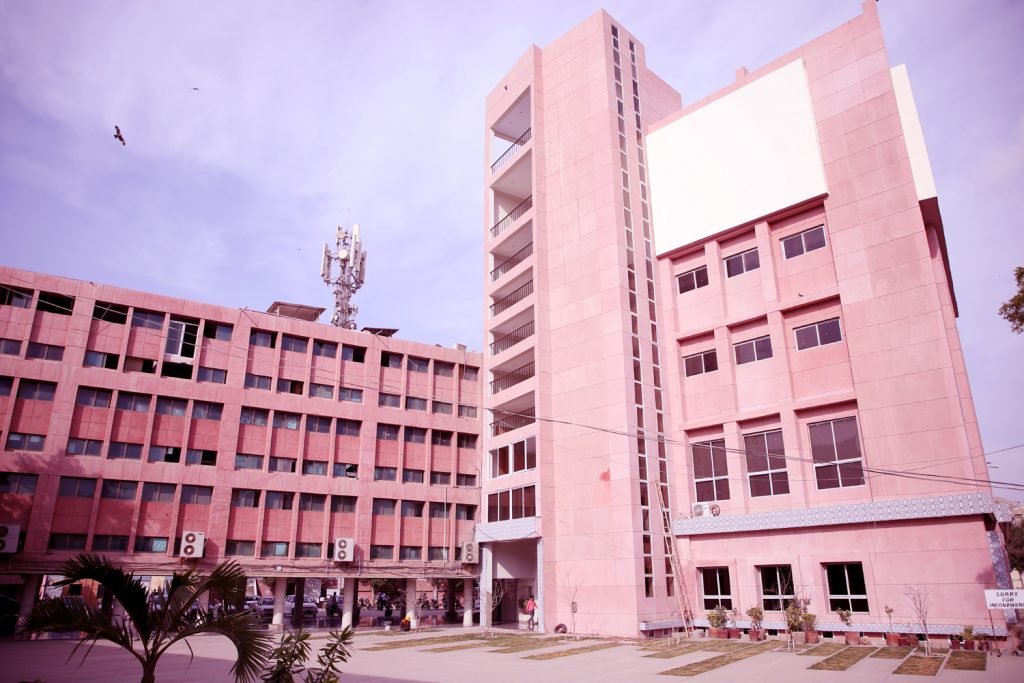
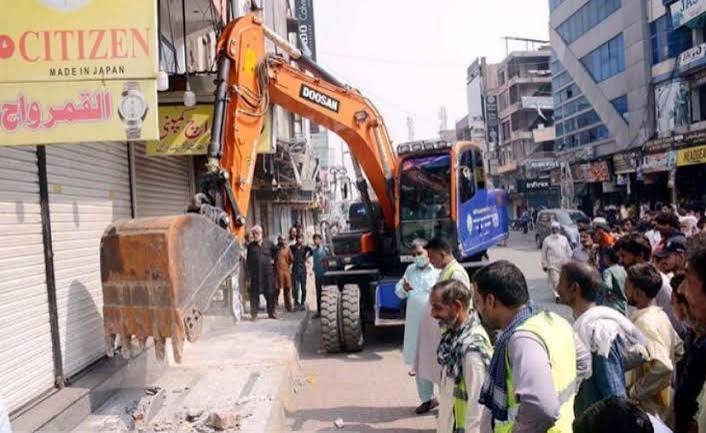
ISLAMABAD — The Islamabad Capital Territory (ICT) administration has intensified its anti-encroachment campaign, demolishing 82 illegal structures in Chontra village. The operation, conducted on July 20, aimed to address unauthorized constructions that have proliferated in the area. What Happened The operation, led by the Assistant Commissioner of Shalimar, resulted in the demolition of 82 structures, including 15 vacant houses and 67 shops. This decisive action is part of a broader initiative by the Islamabad district administration to curb illegal construction and encroachments that have been on the rise. The Deputy Commissioner of Islamabad oversaw the operation, ensuring it was conducted smoothly and in accordance with legal protocols. The ICT administration has been actively working to reclaim public land and ensure compliance with zoning regulations. The Assistant Commissioner stated, “The operation was necessary to uphold the rule of law and maintain the planned development of the area.” The authorities have pledged to continue such operations to deter further illegal constructions. Residents and business owners affected by the demolitions were given prior notice to vacate the premises, according to officials. However, some locals expressed concerns over the abruptness of the action, citing inadequate time to relocate. Despite these grievances, the administration emphasized the importance of adhering to legal frameworks and the necessity of the operation for the greater good of the community. Background Encroachments and illegal constructions have been a persistent issue in Islamabad, often leading to unplanned urban sprawl and strain on infrastructure. The ICT administration has been conducting periodic drives to tackle this challenge, with varying degrees of success. Previous operations have targeted different sectors of the city, aiming to restore public spaces and ensure adherence to city planning regulations. The legal framework governing construction in Islamabad is stringent, with clear guidelines on zoning and land use. However, enforcement has been inconsistent, leading to a proliferation of unauthorized structures. The current administration has vowed to strengthen enforcement mechanisms and ensure that all constructions comply with the city’s master plan. Why It Matters The demolition of illegal structures in Chontra village is significant for several reasons. Economically, it underscores the government’s commitment to maintaining a regulated real estate market, which is crucial for attracting investment and ensuring sustainable urban development. By removing unauthorized structures, the administration aims to prevent speculative construction practices that can inflate property prices and disrupt the market. Socially, the operation reflects the administration’s resolve to uphold the rule of law, which is essential for maintaining public trust in governance. Illegal constructions often lead to disputes and can create tensions within communities, particularly when public land is encroached upon. By taking decisive action, the authorities are sending a clear message that illegal activities will not be tolerated. Politically, the campaign against encroachments is a test of the government’s ability to implement policies effectively. Successful enforcement can enhance the administration’s credibility and demonstrate its capacity to manage urban challenges. However, it also poses risks, as it can lead to public discontent if not managed sensitively, particularly if affected individuals feel inadequately compensated or supported in relocating. Key Takeaways The ICT administration demolished 82 illegal structures in Chontra village as part of an anti-encroachment drive. The operation targeted 15 vacant houses and 67 shops, aiming to reclaim public land. Residents were given prior notice, though some expressed concerns over the timing and impact of the demolitions. The campaign is part of broader efforts to enforce zoning regulations and prevent unplanned urban sprawl. The operation highlights the administration’s commitment to maintaining a regulated real estate market and upholding the rule of law. Source Attribution This article is based on official government statements, press releases, and public communications from relevant authorities. Author: NEN Editorial Desk | Editor: NEN Newsroom | Fact Checked By: NEN Editorial Team Author: NEN Editorial Desk  |  Editor: NEN Newsroom  |  Last Updated: July 20, 2026  |  Source: NEN Reporter This article was produced by the NEN Editorial Desk in accordance with NEN Agency’s Editorial Policy and Fact-Checking Policy.

Pakistan

Commissioner Evaluates Monsoon Preparedness Efforts in Sialkot

SIALKOT — Commissioner Gujranwala Division Muhammad Ali conducted a thorough review of monsoon preparedness measures in Sialkot on Monday, focusing on strategies to mitigate potential urban flooding during the current rainy season. Accompanied by Deputy Commissioner Awais Mushtaq and other senior officials, the commissioner assessed the ongoing efforts to ensure the city is equipped to handle heavy rainfall. What Happened During his visit, Commissioner Muhammad Ali inspected critical drainage sites, including Nullah Bhed near Meg Town and Shell Chowk, where desilting operations are underway. These operations are crucial for maintaining the flow of water and preventing blockages that could lead to flooding. The commissioner emphasized the importance of timely completion of these tasks, directing officials to expedite efforts to clear all drainage channels. Commissioner Ali also reviewed the functionality of existing drainage systems and the readiness of emergency response teams. He instructed the teams to remain vigilant and prepared to respond promptly to any incidents of urban flooding. “Ensuring the safety of citizens during the monsoon season is our top priority, and we must leave no stone unturned in our preparations,” he stated. The visit also included discussions on the coordination between various municipal departments to enhance the efficiency of the response to potential emergencies. The commissioner highlighted the need for a robust communication network among departments to facilitate quick decision-making and resource allocation. Background Sialkot, like many other cities in Pakistan, faces significant challenges during the monsoon season, which typically spans from June to September. The city has a history of urban flooding due to inadequate drainage infrastructure and rapid urbanization, which has exacerbated the problem. In recent years, the local government has been investing in upgrading drainage systems and implementing flood management strategies to mitigate these issues. Historically, the monsoon season has brought both relief and challenges to Pakistan. While it is vital for replenishing water reservoirs and supporting agriculture, it also poses risks of flooding, particularly in urban areas with poor drainage systems. The government has been working to improve infrastructure and emergency response mechanisms to better manage the impacts of heavy rainfall. Why It Matters The review of monsoon preparedness in Sialkot is crucial for several reasons. Economically, urban flooding can disrupt business activities, leading to significant financial losses. For a city like Sialkot, known for its industrial output, particularly in the sports goods sector, any disruption can have far-reaching economic implications. Socially, effective flood management is essential to protect the lives and properties of citizens. Past experiences have shown that inadequate preparation can lead to loss of life, displacement, and damage to infrastructure. Ensuring comprehensive preparedness can significantly reduce these risks, fostering a sense of security among residents. Politically, the government’s ability to manage natural disasters effectively is often seen as a measure of its competence. Successful handling of the monsoon season can enhance public trust in local authorities and the government at large, while failures can lead to criticism and dissatisfaction among the populace. Internationally, Pakistan’s approach to managing monsoon-related challenges can serve as a model for other countries facing similar issues. Effective strategies and innovations in flood management can provide valuable insights for global efforts to combat the impacts of climate change. Key Takeaways Commissioner Muhammad Ali reviewed monsoon preparedness in Sialkot, focusing on drainage and emergency response. Efforts include desilting operations at key drainage sites to prevent urban flooding. The monsoon season poses significant economic and social challenges, necessitating robust preparedness. Effective flood management can enhance public trust in government and serve as a model internationally. Source Attribution This article is based on official government statements, press releases, and public communications from relevant authorities. Author: NEN Editorial Desk | Editor: NEN Newsroom | Fact Checked By: NEN Editorial Team Author: NEN Editorial Desk  |  Editor: NEN Newsroom  |  Last Updated: July 20, 2026  |  Source: NEN Reporter This article was produced by the NEN Editorial Desk in accordance with NEN Agency’s Editorial Policy and Fact-Checking Policy.

Scroll to Top