
2026

World

CCP Penalizes Firm Rs. 5 Million Over Fraudulent Trademark Use

ISLAMABAD — The Competition Commission of Pakistan (CCP) has levied a Rs. 5 million fine on M/s MCI-Bureau of Inspection & Certifications Pakistan for the unauthorized use of a trademark resembling that of Bureau Veritas, a prominent French company in the testing and certification sector. This decision comes under Section 10 of the Competition Act, 2010, aimed at preventing deceptive marketing practices. What Happened The CCP’s action against M/s MCI-Bureau of Inspection & Certifications Pakistan was prompted by the firm’s adoption of a trademark and logo that closely mirrored those of Bureau Veritas. Bureau Veritas is a globally recognized entity in testing, inspection, and certification services, headquartered in France. The CCP found that MCI’s use of a similar trademark could mislead consumers into believing that they were affiliated with or endorsed by Bureau Veritas, thereby violating competitive practices outlined in the Competition Act. The CCP’s decision to impose a substantial penalty underscores its commitment to maintaining fair competition and protecting consumer interests. According to the CCP, the infringement was a clear attempt to capitalize on the established reputation and goodwill of Bureau Veritas, potentially confusing consumers and harming the competitive landscape. In a statement, the CCP emphasized the importance of distinguishing one’s brand identity and warned other firms against engaging in similar deceptive practices. The commission reiterated its dedication to upholding the principles of fair competition and ensuring that businesses operate within the legal framework set by Pakistani law. Background The Competition Act, 2010, serves as a cornerstone in Pakistan’s regulatory framework for promoting fair competition. Section 10 specifically addresses deceptive marketing practices, prohibiting businesses from engaging in conduct that can mislead consumers about the nature, characteristics, or quality of goods and services. The act empowers the CCP to investigate and penalize entities that breach these provisions. Bureau Veritas, established in 1828, is a leader in the global testing, inspection, and certification industry, with operations spanning over 140 countries. Its brand and logo are well-known and trusted worldwide, making unauthorized use a significant issue in terms of intellectual property rights and consumer protection. Why It Matters This case highlights the challenges faced by regulatory bodies in safeguarding intellectual property rights and ensuring fair competition in Pakistan’s business environment. The CCP’s decision to impose a hefty fine serves as a deterrent to other companies that might consider similar practices. By enforcing the Competition Act, the CCP aims to foster a business climate where innovation and fair competition thrive, ultimately benefiting consumers and the economy. The implications of this ruling extend beyond the immediate parties involved. For consumers, it reinforces the assurance that regulatory bodies are actively working to protect their interests against misleading practices. For businesses, it underscores the necessity of adhering to ethical marketing practices and respecting intellectual property rights. On an international level, the CCP’s action demonstrates Pakistan’s commitment to aligning with global standards in competition law and intellectual property protection. This can enhance the country’s reputation as a fair and competitive market, potentially attracting more foreign investment. Key Takeaways The CCP fined M/s MCI-Bureau of Inspection & Certifications Pakistan Rs. 5 million for trademark infringement. The penalty was imposed for using a logo similar to Bureau Veritas, violating the Competition Act, 2010. The case emphasizes the importance of protecting intellectual property rights and maintaining fair competition. This action by the CCP serves as a warning to other firms against deceptive marketing practices. The decision aligns Pakistan’s regulatory practices with international standards, potentially boosting foreign investment. Source Attribution This article is based on official government statements, press releases, and public communications from relevant authorities. Author: NEN Editorial Desk | Editor: NEN Newsroom | Fact Checked By: NEN Editorial Team Author: NEN Editorial Desk  |  Editor: NEN Newsroom  |  Last Updated: July 20, 2026  |  Source: Press Release from Government of Pakistan This article was produced by the NEN Editorial Desk in accordance with NEN Agency’s Editorial Policy and Fact-Checking Policy.

World

Pakistan Emerges As Leading Halal Meat Exporter, Experts Highlight Policy Success

ISLAMABAD — Pakistan is rapidly establishing itself as a prominent exporter of halal meat, driven by effective policy measures and strategic industry advancements, experts revealed at a recent seminar in Islamabad. The event, held on July 20, underscored the potential of Pakistan’s livestock and meat sector to significantly contribute to the nation’s economic growth, export diversification, and employment generation. What Happened The seminar, attended by industry leaders, policymakers, and agricultural experts, focused on the transformative potential of Pakistan’s halal meat industry. Experts emphasized that with the right policies, technological innovations, and adherence to international quality standards, Pakistan could further solidify its position in the global halal meat market. Speakers at the seminar highlighted the importance of value addition in the meat processing sector, which could enhance product quality and increase export revenues. They pointed out that Pakistan’s geographical location and agricultural resources provide a competitive advantage in meeting the growing global demand for halal meat. Dr. Ahmed Khan, a leading agricultural economist, stated, “Pakistan’s halal meat industry has the potential to become a key driver of economic growth. By investing in modern technology and ensuring compliance with international standards, we can expand our market share significantly.” Participants also discussed the need for government support in terms of subsidies and incentives to encourage private sector investment in the meat industry. This, they argued, would help in overcoming challenges such as inadequate infrastructure and limited access to international markets. Background Pakistan’s journey towards becoming a leading halal meat exporter has been marked by significant policy shifts and strategic investments. Historically, the country has relied heavily on traditional agricultural practices, but recent years have seen a concerted effort to modernize the sector. The government has introduced several initiatives aimed at improving livestock management, enhancing meat quality, and expanding export markets. These include the establishment of modern slaughterhouses, the introduction of quality certification programs, and partnerships with international organizations to boost compliance with global standards. Pakistan’s halal meat exports have traditionally been directed towards the Middle East, but there is a growing interest in tapping into markets in Southeast Asia, Europe, and Africa. Why It Matters The rise of Pakistan as a leading halal meat exporter holds significant implications for the country’s economy and its international trade relationships. Economically, the sector’s growth could lead to increased foreign exchange earnings, reduced unemployment, and greater economic diversification. Socially, the expansion of the halal meat industry could result in improved livelihoods for rural communities involved in livestock farming. As demand for halal meat increases globally, Pakistan’s farmers stand to benefit from higher incomes and improved living standards. On the international stage, Pakistan’s enhanced role in the halal meat market could strengthen its trade ties with key partners, particularly in the Middle East and Southeast Asia. This could lead to increased geopolitical influence and opportunities for broader economic collaboration. The successful expansion of the halal meat industry also underscores the importance of strategic policy-making and innovation in driving economic growth. It serves as a model for other sectors seeking to enhance their global competitiveness. Key Takeaways Pakistan is emerging as a leading exporter of halal meat, driven by effective policies and industry advancements. Experts emphasize the importance of value addition and compliance with international quality standards. The halal meat sector’s growth could significantly boost Pakistan’s economy and employment rates. Government support and private sector investment are crucial for overcoming industry challenges. Pakistan’s enhanced role in the global halal meat market could strengthen international trade relationships. Source Attribution This article is based on official government statements, press releases, and public communications from relevant authorities. Author: NEN Editorial Desk | Editor: NEN Newsroom | Fact Checked By: NEN Editorial Team Author: NEN Editorial Desk  |  Editor: NEN Newsroom  |  Last Updated: July 20, 2026  |  Source: NEN Reporter This article was produced by the NEN Editorial Desk in accordance with NEN Agency’s Editorial Policy and Fact-Checking Policy.
Pakistan

Kazakh Ambassador Highlights Connectivity for Pakistan-Central Asia Trade Growth

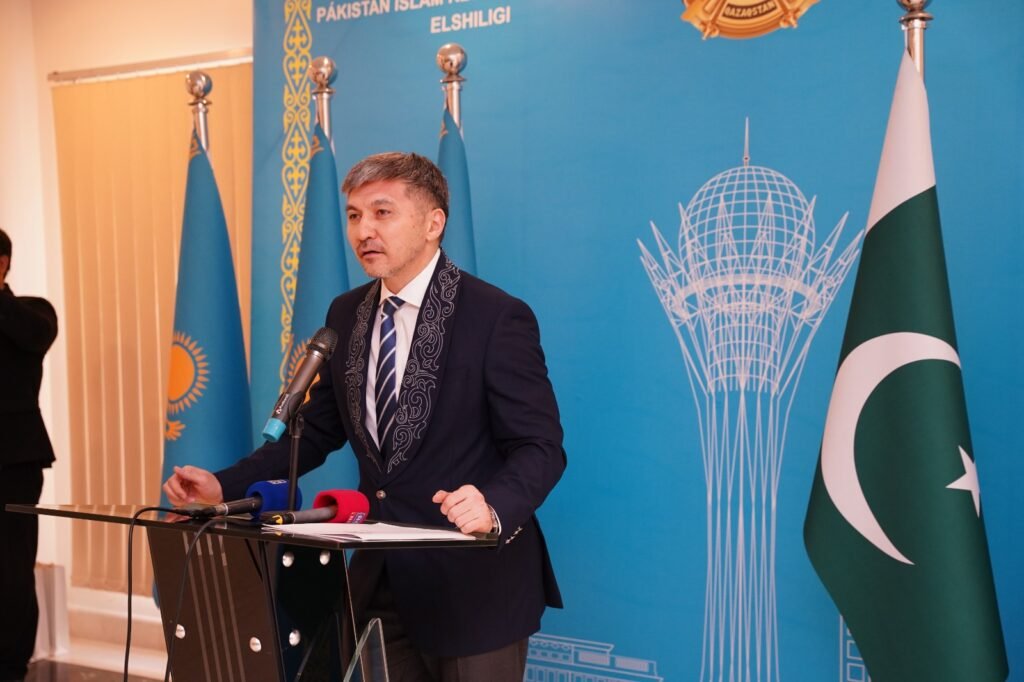
ISLAMABAD — Ambassador Yerzhan Kistafin of Kazakhstan emphasized the critical role of rail and road connectivity in boosting trade between Pakistan and Central Asia on Monday. He highlighted that the future cooperation in the energy sector between Pakistan and Kazakhstan hinges on the development of regional infrastructure. What Happened During a meeting held in Islamabad, Ambassador Yerzhan Kistafin articulated the necessity of enhancing transportation links to facilitate trade expansion between Pakistan and Central Asian countries. The ambassador pointed out that the current infrastructure, particularly in rail and road networks, is insufficient to meet the growing demands of trade and economic cooperation in the region. Ambassador Kistafin noted, “The development of robust rail and road networks is essential for unlocking the trade potential between our regions. Without these critical infrastructures, our ambitions for increased economic collaboration will remain unfulfilled.” He further emphasized the strategic importance of Pakistan as a gateway to Central Asia, which could significantly benefit from improved connectivity. The ambassador also mentioned that Kazakhstan is keen on exploring energy cooperation with Pakistan, but such initiatives would require substantial improvements in regional infrastructure. He stressed that both countries must work together to overcome logistical challenges that currently impede trade and economic integration. Background Pakistan and Kazakhstan have historically shared cordial relations, with both countries expressing a mutual interest in strengthening economic ties. The two nations have been part of various regional forums aimed at enhancing trade and cooperation, such as the Economic Cooperation Organization (ECO) and the Shanghai Cooperation Organization (SCO). Despite these efforts, trade volumes between Pakistan and Central Asian countries remain relatively low, primarily due to inadequate transportation infrastructure. The existing road networks are often plagued by logistical bottlenecks, while rail connectivity is limited, affecting the timely and cost-effective movement of goods. In recent years, Pakistan has been working on several infrastructure projects under the China-Pakistan Economic Corridor (CPEC), which aims to improve connectivity within the region. However, experts argue that more targeted efforts are needed to connect with Central Asian states effectively. Why It Matters The emphasis on improving rail and road connectivity is crucial for Pakistan’s economic ambitions. Enhanced transportation links could open up new markets for Pakistani goods in Central Asia, potentially leading to a significant increase in exports. This, in turn, would contribute to economic growth and job creation within Pakistan. For Central Asian countries, improved connectivity with Pakistan offers access to the Arabian Sea, facilitating trade with global markets. This could lead to a diversification of their economic partnerships and a reduction in dependency on traditional trading routes. Moreover, the development of infrastructure is likely to attract foreign investment in both regions, particularly in sectors such as energy, logistics, and manufacturing. This could foster greater economic integration and stability in Central Asia and Pakistan, contributing to regional peace and development. On a strategic level, improved connectivity could enhance Pakistan’s role as a regional hub, strengthening its geopolitical influence in Central Asia. This aligns with Pakistan’s broader foreign policy objectives of fostering regional cooperation and economic integration. Key Takeaways Ambassador Yerzhan Kistafin emphasized the importance of rail and road connectivity for boosting trade between Pakistan and Central Asia. Improved infrastructure is essential for future energy cooperation between Pakistan and Kazakhstan. Current trade volumes remain low due to inadequate transportation links. Enhanced connectivity could open new markets for Pakistani goods and attract foreign investment. Improving infrastructure aligns with Pakistan’s strategic goals of regional cooperation and economic integration. Source Attribution This article is based on official government statements, press releases, and public communications from relevant authorities. Author: NEN Editorial Desk | Editor: NEN Newsroom | Fact Checked By: NEN Editorial Team Author: NEN Editorial Desk  |  Editor: NEN Newsroom  |  Last Updated: July 20, 2026  |  Source: NEN Reporter This article was produced by the NEN Editorial Desk in accordance with NEN Agency’s Editorial Policy and Fact-Checking Policy.
World

Deputy PM Highlights Strategic Significance of Pakistan-UAE Relations

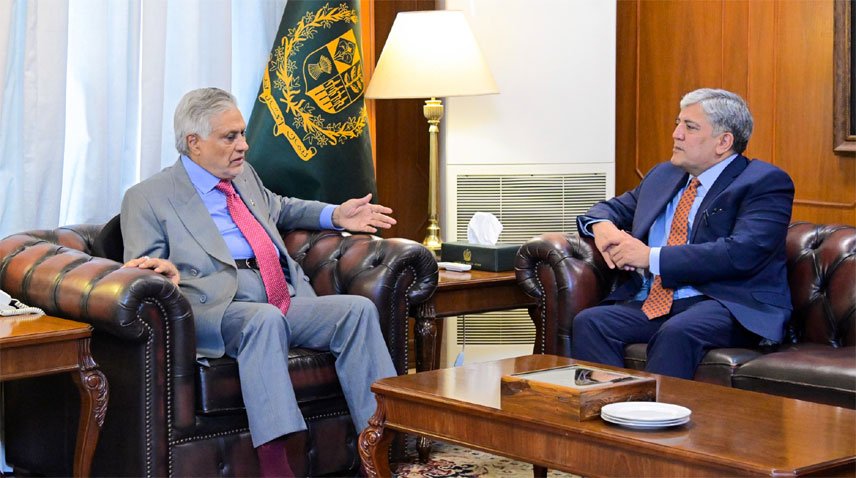
ISLAMABAD — Pakistan’s Deputy Prime Minister and Foreign Minister, Senator Mohammad Ishaq Dar, emphasized the strategic importance of Pakistan’s relationship with the United Arab Emirates (UAE) during a meeting with Pakistan’s Ambassador to the UAE, Shafqat Ali Khan. The meeting took place on Tuesday in Abu Dhabi, where both officials discussed various aspects of bilateral cooperation. What Happened During the meeting, Deputy Prime Minister Ishaq Dar reiterated Pakistan’s commitment to strengthening ties with the UAE, highlighting the historical and cultural bonds shared between the two nations. He noted that the UAE is one of Pakistan’s most significant partners in the Gulf region, with collaborations spanning across trade, investment, and cultural exchanges. “Our relationship with the UAE is not only strategic but also deeply rooted in mutual respect and shared interests,” Dar stated. He further acknowledged the UAE’s role in supporting Pakistan’s economic development through investments in various sectors, including energy, infrastructure, and real estate. Ambassador Shafqat Ali Khan echoed these sentiments, emphasizing the need for continued engagement at all levels to explore new avenues for cooperation. He highlighted the potential for increased trade and investment opportunities, particularly in the context of Pakistan’s growing economy and strategic location. The meeting also covered discussions on regional security issues, with both officials agreeing on the importance of collaborative efforts to ensure peace and stability in the region. They underscored the need for joint initiatives to combat terrorism and promote economic development as a means to achieve long-term stability. Background Pakistan and the UAE have enjoyed a robust relationship since the establishment of diplomatic ties in 1971. Over the years, the UAE has emerged as a key economic partner for Pakistan, with bilateral trade reaching approximately $8 billion annually. The UAE is also home to a significant Pakistani expatriate community, which contributes to the economic and cultural ties between the two nations. In recent years, both countries have worked towards enhancing cooperation in various fields, including defense, energy, and technology. The UAE has been a major investor in Pakistan’s infrastructure projects, including the development of ports and highways. Additionally, the two countries have collaborated on various cultural and educational initiatives, further strengthening their bilateral relationship. Why It Matters The strategic partnership between Pakistan and the UAE holds significant implications for both countries, particularly in terms of economic and regional security. For Pakistan, the UAE’s investments and economic support are crucial for sustaining its economic growth and development. The UAE’s role as a major investor in Pakistan’s infrastructure projects has been instrumental in boosting the country’s economic prospects. Moreover, the UAE’s support in regional security initiatives is vital for Pakistan, given the ongoing challenges posed by terrorism and regional instability. Collaborative efforts in combating these issues are essential for ensuring peace and stability in the region, which in turn, supports economic development and prosperity. For the UAE, maintaining strong ties with Pakistan is strategically important, given Pakistan’s geopolitical significance and its role as a gateway to South Asia. The partnership allows the UAE to expand its influence in the region and leverage Pakistan’s strategic location for trade and investment opportunities. Key Takeaways Deputy Prime Minister Ishaq Dar emphasized the strategic importance of Pakistan-UAE relations during a meeting with Ambassador Shafqat Ali Khan. The meeting focused on enhancing bilateral cooperation in trade, investment, and regional security. Pakistan and the UAE have a long-standing relationship, with significant economic and cultural ties. The UAE’s investments in Pakistan are crucial for the country’s economic growth and development. Both countries agreed on the importance of collaborative efforts to ensure regional stability and security. Source Attribution This article is based on official government statements and public communications from relevant authorities. Author: NEN Editorial Desk | Editor: NEN Newsroom | Fact Checked By: NEN Editorial Team Author: NEN Editorial Desk  |  Editor: NEN Newsroom  |  Last Updated: July 20, 2026  |  Source: NEN Reporter This article was produced by the NEN Editorial Desk in accordance with NEN Agency’s Editorial Policy and Fact-Checking Policy.

World

Pakistan and Canada Explore New Avenues for Economic Collaboration

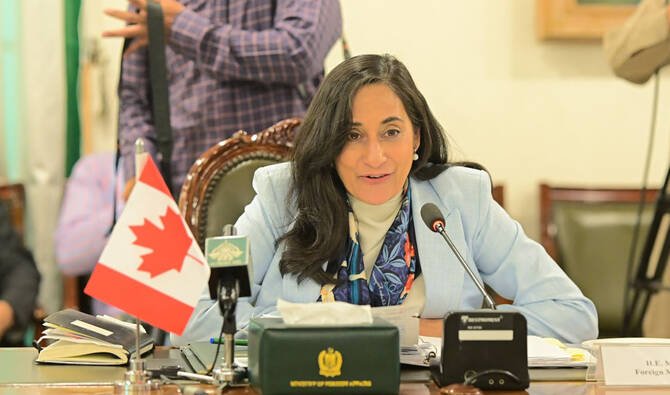
ISLAMABAD — Canada’s Minister for Foreign Affairs, Anita Anand, has highlighted the potential for enhanced economic collaboration between Pakistan and Canada. Speaking on the growing bilateral trade and expanding commercial interests, Anand emphasized the emerging opportunities for both nations to collaborate on regional security and economic growth. What Happened During a recent address, Anita Anand, Canada’s Minister for Foreign Affairs, underscored the strengthening ties between Pakistan and Canada, particularly in the realm of economic cooperation. Anand noted that bilateral trade between the two countries has witnessed significant growth, with Canada’s commercial interests in Pakistan expanding considerably. She pointed out that these developments have paved the way for new opportunities for collaboration, not only in economic growth but also in regional security. Anand’s remarks come at a time when both countries are looking to diversify their economic partnerships and enhance trade relations. She stated, “The growth in bilateral trade and the expansion of commercial interests are indicative of the strong potential for further collaboration between our two nations.” This statement reflects a mutual interest in strengthening economic ties and exploring new avenues for cooperation. Background Historically, Pakistan and Canada have maintained cordial diplomatic relations, with economic ties being a significant component of their bilateral relationship. Over the years, both countries have engaged in various trade agreements and initiatives aimed at boosting economic cooperation. Canada has been a key partner in supporting Pakistan’s development goals, particularly in areas such as education, health, and infrastructure development. The bilateral trade between Pakistan and Canada has been on an upward trajectory, with both countries benefiting from the exchange of goods and services. Canada’s interest in Pakistan’s market has been driven by the latter’s strategic location and its potential as a gateway to South Asia and beyond. This has led to increased Canadian investments in various sectors within Pakistan, including energy, agriculture, and technology. Why It Matters The strengthening of economic ties between Pakistan and Canada holds significant implications for both countries. For Pakistan, increased trade and investment from Canada can provide a much-needed boost to its economy, which has been grappling with various challenges, including inflation and a high fiscal deficit. Enhanced economic collaboration can lead to job creation, technology transfer, and improved infrastructure, contributing to overall economic stability. For Canada, deepening economic relations with Pakistan offers access to a burgeoning market with a young and dynamic population. It also provides Canadian businesses with opportunities to expand their footprint in South Asia, a region that is witnessing rapid economic growth. Additionally, collaboration on regional security can help address shared concerns, such as terrorism and extremism, thereby contributing to global stability. On a broader scale, the partnership between Pakistan and Canada can serve as a model for other countries looking to enhance economic cooperation amidst a shifting global landscape. As nations increasingly seek to diversify their economic partnerships, the Pakistan-Canada relationship underscores the importance of building resilient and mutually beneficial economic ties. Key Takeaways Canada and Pakistan are exploring new opportunities for economic collaboration, focusing on trade and regional security. Bilateral trade between the two countries has grown, with Canada expanding its commercial interests in Pakistan. Strengthened economic ties can provide economic benefits for both nations, including job creation and technology transfer. The partnership offers Canada access to a dynamic South Asian market, while supporting Pakistan’s economic stability. Enhanced collaboration can address shared regional security concerns, contributing to global stability. Source Attribution This article is based on official statements from Canada’s Ministry of Foreign Affairs and public communications from relevant authorities. Author: NEN Editorial Desk | Editor: NEN Newsroom | Fact Checked By: NEN Editorial Team Author: NEN Editorial Desk  |  Editor: NEN Newsroom  |  Last Updated: July 20, 2026  |  Source: NEN Reporter This article was produced by the NEN Editorial Desk in accordance with NEN Agency’s Editorial Policy and Fact-Checking Policy.

Pakistan

Petrol Price Reduced, Diesel Cost Increased in Latest Fuel Adjustment

ISLAMABAD — The federal government announced a marginal reduction in petrol prices by Rs0.35 per litre, while the cost of high-speed diesel (HSD) has been increased by Rs5.71 per litre, effective immediately. This adjustment was confirmed in a notification issued by the Ministry of Energy (Petroleum Division) on Monday. What Happened The Ministry of Energy (Petroleum Division) released a notification detailing the latest adjustments in fuel prices. The price of motor spirit, commonly known as petrol, has been reduced from Rs316.15 to Rs315.80 per litre. Conversely, the price of high-speed diesel has been raised from Rs293.40 to Rs299.11 per litre. These changes reflect the government’s ongoing efforts to align domestic fuel prices with international market trends and currency fluctuations. The decision to alter fuel prices comes as part of the government’s routine bi-weekly review, which considers global oil price movements and the exchange rate of the Pakistani rupee against the US dollar. The Ministry of Energy stated that these adjustments are necessary to ensure the availability of fuel at competitive prices while managing the fiscal impact on the national economy. In a statement, the Ministry emphasized the need for these adjustments, citing the volatile nature of international oil markets and the pressure on the national currency. “The government is committed to providing relief to the public wherever possible, but adjustments are inevitable due to external economic pressures,” the statement read. Background Fuel price adjustments in Pakistan are typically conducted twice a month, influenced by the global oil market and domestic economic conditions. Historically, fluctuations in international oil prices and exchange rates have had significant impacts on the local pricing of petroleum products. The government aims to balance these factors to mitigate the impact on consumers while maintaining fiscal stability. In recent months, Pakistan has experienced economic challenges, including inflationary pressures and currency depreciation. These factors have contributed to the complexity of managing fuel prices, which are a critical component of the country’s economic framework. Previous adjustments have seen both increases and decreases in fuel prices, reflecting the dynamic nature of the global oil market. Why It Matters The adjustment in fuel prices has far-reaching implications for Pakistan’s economy and its citizens. Diesel, in particular, is crucial for the transportation and agriculture sectors, which are vital components of the national economy. An increase in diesel prices can lead to higher transportation costs, affecting the price of goods and services across the country. For consumers, even a slight increase in diesel prices can translate into higher costs for essential goods, as transportation expenses are passed down the supply chain. This can exacerbate the financial strain on households already dealing with inflation and rising living costs. On the other hand, the reduction in petrol prices, albeit marginal, may provide some relief to individual consumers, particularly those who rely on personal vehicles for commuting. However, the overall impact on household budgets is likely to be limited given the concurrent rise in diesel prices. Economically, the government’s decision to adjust fuel prices reflects its strategy to manage the country’s fiscal deficit while responding to international market conditions. Maintaining a balance between affordable fuel prices and fiscal responsibility is a challenging task, especially in the context of Pakistan’s current economic environment. Key Takeaways The price of petrol has been reduced by Rs0.35 per litre, now priced at Rs315.80. High-speed diesel prices have increased by Rs5.71, now costing Rs299.11 per litre. The adjustments are part of the government’s bi-weekly review of fuel prices. The changes reflect international oil market trends and domestic economic pressures. The impact on consumers and the economy is multifaceted, affecting transportation and living costs. Source Attribution This article is based on official government statements, press releases, and public communications from relevant authorities. Author: NEN Editorial Desk | Editor: NEN Newsroom | Fact Checked By: NEN Editorial Team Author: NEN Editorial Desk  |  Editor: NEN Newsroom  |  Last Updated: July 20, 2026  |  Source: Press Release from Ministry of Energy This article was produced by the NEN Editorial Desk in accordance with NEN Agency’s Editorial Policy and Fact-Checking Policy.

World

Global AI Governance Advances with New International Cooperation

SHANGHAI — In a significant development for global artificial intelligence governance, 29 countries have signed the founding agreement of the World AI Cooperation Organization (WAICO) in Shanghai. This event coincided with the World Artificial Intelligence Conference (WAIC), which concluded with several governance outcomes, furthering international collaboration in AI management. What Happened The World Artificial Intelligence Conference (WAIC), held in Shanghai, served as a pivotal platform for discussing and advancing AI governance. During the conference, 29 countries came together to sign the founding agreement of the World AI Cooperation Organization (WAICO). This new organization aims to foster international collaboration on AI governance, addressing the challenges and opportunities presented by the rapid development of artificial intelligence technologies. The conference featured a series of discussions and panels that highlighted the need for a coordinated approach to AI governance. Experts and policymakers emphasized the importance of establishing common standards and practices to ensure the ethical and responsible use of AI technologies. The signing of the WAICO agreement marks a significant step towards achieving these goals, as it brings together a diverse group of nations committed to working together on AI governance issues. In addition to the formation of WAICO, the conference produced several other governance outcomes, including agreements on data sharing, privacy protection, and the development of AI ethics guidelines. These initiatives are designed to promote transparency and accountability in AI development and deployment, addressing concerns about the potential misuse of AI technologies. Background The push for international cooperation in AI governance has gained momentum in recent years, as countries recognize the transformative impact of AI on various sectors, including healthcare, finance, and transportation. The United Nations recently held its first Global Dialogue on AI Governance in Geneva, underscoring the global importance of this issue. China has been at the forefront of AI development, investing heavily in research and innovation. The country’s experience in AI governance has been closely watched by other nations, as it seeks to balance technological advancement with ethical considerations. The establishment of WAICO is a testament to China’s commitment to playing a leading role in shaping the future of AI governance. Why It Matters The formation of WAICO and the outcomes of the WAIC have significant implications for the future of AI governance. By bringing together a diverse group of countries, WAICO aims to create a unified framework for addressing the challenges posed by AI technologies. This is crucial for ensuring that AI is developed and used in a manner that benefits society as a whole, while minimizing potential risks. Economically, the establishment of common standards and practices can facilitate cross-border collaboration and innovation, driving growth in the AI sector. For countries like Pakistan, which are looking to expand their technological capabilities, participation in such international initiatives can provide valuable opportunities for knowledge exchange and capacity building. Socially, the focus on ethical AI governance is essential for addressing public concerns about privacy, security, and the potential for AI to exacerbate existing inequalities. By prioritizing transparency and accountability, the initiatives launched at the WAIC aim to build public trust in AI technologies, paving the way for their broader acceptance and integration into daily life. Key Takeaways Twenty-nine countries signed the founding agreement of the World AI Cooperation Organization (WAICO) in Shanghai. The World Artificial Intelligence Conference (WAIC) produced several governance outcomes, including agreements on data sharing and AI ethics. International cooperation in AI governance aims to establish common standards and practices for ethical AI use. China’s role in AI governance is pivotal, reflecting its investment and leadership in the field. AI governance initiatives address economic, social, and ethical challenges associated with AI technologies. Source Attribution This article is based on official government statements, press releases, and public communications from relevant authorities. Author: NEN Editorial Desk | Editor: NEN Newsroom | Fact Checked By: NEN Editorial Team Author: NEN Editorial Desk  |  Editor: NEN Newsroom  |  Last Updated: July 20, 2026  |  Source: NEN Reporter This article was produced by the NEN Editorial Desk in accordance with NEN Agency’s Editorial Policy and Fact-Checking Policy.
Pakistan

Pakistan Juniors Advance to Round of 64 at 2026 World Squash Championships

NIAGARA-ON-THE-LAKE — Pakistan’s junior squash players made a strong impression at the 2026 World Squash Junior Individual Championships in Canada, successfully advancing to the Round of 64 in the boys’ individual event. The national team showcased their talent and determination on the international stage, marking a promising start to the tournament. What Happened The World Squash Junior Individual Championships 2026, held in Niagara-on-the-Lake, Canada, witnessed a commendable performance from Pakistan’s junior squash players. All participating Pakistani players progressed to the Round of 64 in the boys’ individual category, reflecting their skill and preparation for the prestigious event. The tournament, which commenced this week, features young talent from across the globe, competing for top honors in the sport. Pakistan’s players, known for their agility and strategic play, entered the competition with high expectations. Their advancement to the next round underscores the effectiveness of their training regimes and the support from their coaches and the national squash federation. The players demonstrated remarkable resilience and skill, overcoming various challenges posed by their international counterparts. As the tournament progresses, the Pakistani contingent aims to maintain their momentum and further their success in the subsequent rounds. The performance in the initial stage has already set a positive tone for the rest of the competition, with hopes high for continued success. Background Pakistan has a rich history in squash, having produced numerous world champions and maintaining a strong presence in the sport over the decades. The country has been a powerhouse in squash, particularly during the late 20th century, when legends like Jahangir Khan and Jansher Khan dominated the international scene. The World Squash Junior Championships serve as a crucial platform for young players to gain international exposure and experience. These championships are held annually and are considered one of the most significant events in the junior squash calendar. Pakistan’s participation in these championships is part of a broader strategy to revive its dominance in the sport by nurturing young talent and providing them with opportunities to compete at the highest levels. Why It Matters The advancement of Pakistan’s junior players in the World Squash Championships is significant for several reasons. Economically, success in international sports can enhance national pride and inspire increased investment in sports infrastructure and youth development programs. The performance of these young athletes can serve as a catalyst for renewed interest in squash among the youth in Pakistan, potentially leading to a resurgence of the sport in the country. Socially, the achievements of these young players can inspire a new generation of athletes, encouraging them to pursue sports as a viable career option. This is particularly important in a country where cricket often overshadows other sports. The visibility and success of squash players can diversify the sports culture in Pakistan, promoting a more inclusive environment for different sporting disciplines. Politically, the success of the junior squash team can be leveraged to strengthen diplomatic ties with other nations participating in the championships. Sports diplomacy is a powerful tool that can foster goodwill and collaboration between countries, and Pakistan’s performance on the international stage can enhance its image and relations globally. Key Takeaways Pakistan’s junior squash players have advanced to the Round of 64 at the 2026 World Squash Junior Individual Championships in Canada. The team’s success highlights the effectiveness of their training and the support from the national squash federation. Pakistan has a storied history in squash, with past champions like Jahangir Khan and Jansher Khan. The performance of these young athletes can inspire increased interest and investment in squash within Pakistan. Success in international sports can enhance national pride and promote sports diplomacy. Source Attribution This article is based on official government statements, press releases, and public communications from relevant authorities. Author: NEN Editorial Desk | Editor: NEN Newsroom | Fact Checked By: NEN Editorial Team Author: NEN Editorial Desk  |  Editor: NEN Newsroom  |  Last Updated: July 20, 2026  |  Source: NEN Reporter This article was produced by the NEN Editorial Desk in accordance with NEN Agency’s Editorial Policy and Fact-Checking Policy.

World

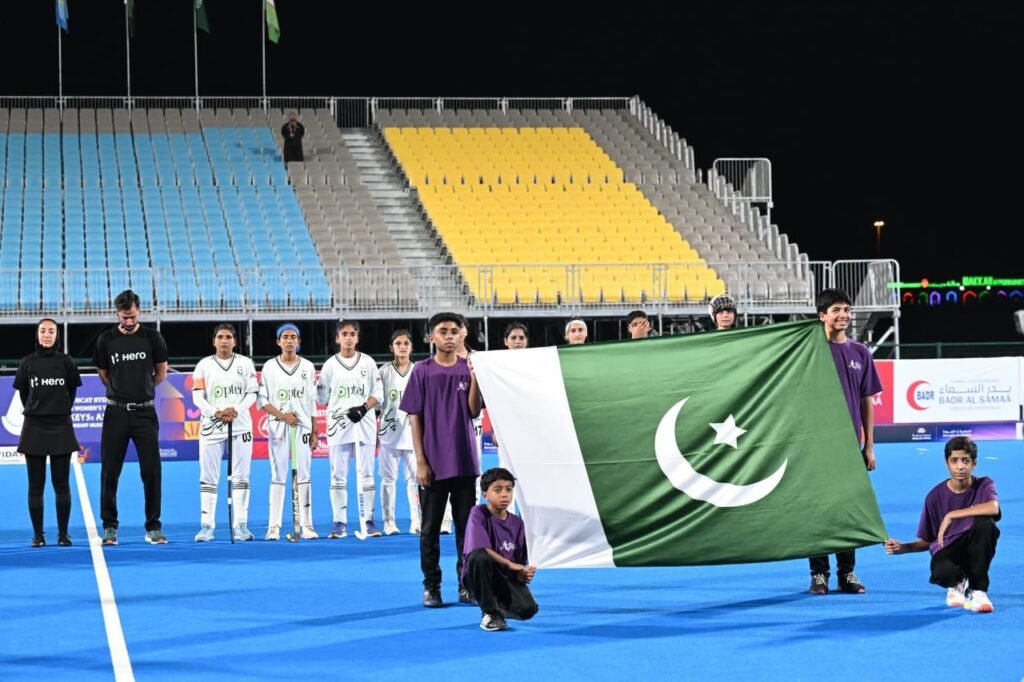
Pakistan Women Triumph Over Oman in Asian Hockey5s Opener

ISLAMABAD — Pakistan’s women’s hockey team commenced their campaign in the Women’s Asian Hockey5s Challenger with a resounding victory, defeating hosts Oman 6-0 in their opening match held in Muscat on Monday. What Happened The Pakistani team showcased a dominant performance from the outset, maintaining pressure on Oman throughout the match. The encounter, lasting 20 minutes, saw Pakistan’s players executing a series of strategic plays that left Oman struggling to find their footing. Sobia Afzal emerged as the standout performer, achieving a hat-trick with field goals in the 1st, 5th, and 20th minutes of the game. Her swift and decisive movements on the field set the tone for Pakistan’s aggressive play. Complementing Afzal’s efforts, Farwah Haider added to the scoreline with two field goals in the 14th and 16th minutes. Javeria Rahim also contributed by converting a penalty stroke in the 12th minute, sealing Pakistan’s commanding lead. The team’s defense was equally formidable, preventing Oman from scoring and maintaining a clean sheet throughout the match. The Pakistan Hockey Federation (PHF) expressed pride in the team’s performance. PHF President Mohyuddin Ahmed Wani lauded the players for their emphatic victory. Other federation officials, including PHF Development Committee Chairman Olympian Islahuddin Siddiqui, Olympian Hasan Sardar, and Selection Committee Chairman Olympian Samiullah Khan, also extended their congratulations and best wishes for the upcoming games. According to the tournament schedule, Pakistan is set to face Iran on July 21 at 8:00 pm, followed by another match against Oman on July 23 at 7:30 pm, and a final game against Iran on July 24 at 7:30 pm. Background The Women’s Asian Hockey5s Challenger is a significant event in the Asian hockey calendar, providing teams with the opportunity to compete at a high level and gain international exposure. Hockey5s, a variant of traditional field hockey, is played on a smaller field with five players per side, emphasizing speed and skill. The tournament serves as a platform for emerging teams to showcase their talents and compete for regional supremacy. Pakistan’s women’s hockey team has been steadily improving over the years, with increased support and development initiatives from the PHF. The federation has been focusing on nurturing young talent and providing them with the necessary resources to compete on the international stage. Why It Matters This victory is significant not only for the team’s morale but also for the broader development of women’s sports in Pakistan. Success in international tournaments can inspire a new generation of female athletes and encourage greater participation in sports across the country. The team’s performance reflects the potential of Pakistani athletes to excel in international competitions, contributing to the nation’s reputation in the global sports arena. Economically, success in sports can attract sponsorships and funding, which are crucial for the development of infrastructure and training facilities. It also opens up opportunities for players to gain scholarships and professional contracts, enhancing their career prospects. On a social level, the triumph of the women’s hockey team challenges traditional gender roles and promotes gender equality in sports. It highlights the importance of providing equal opportunities for women to participate and succeed in various fields, fostering a more inclusive society. Key Takeaways Pakistan’s women’s hockey team defeated Oman 6-0 in the Women’s Asian Hockey5s Challenger opener. Sobia Afzal scored a hat-trick, with additional goals by Farwah Haider and Javeria Rahim. The victory underscores the potential for growth in women’s sports in Pakistan. The team’s success can inspire greater female participation in sports nationwide. Upcoming matches against Iran and Oman will further test the team’s capabilities. Source Attribution The article is based on official government statements, press releases, and public communications from relevant authorities. Author: NEN Editorial Desk | Editor: NEN Newsroom | Fact Checked By: NEN Editorial Team Author: NEN Editorial Desk  |  Editor: NEN Newsroom  |  Last Updated: July 20, 2026  |  Source: NEN Reporter This article was produced by the NEN Editorial Desk in accordance with NEN Agency’s Editorial Policy and Fact-Checking Policy.

Pakistan

Faisalabad Development Authority Approves Budget for FY 2026-27

FAISALABAD — The Development and Finance Committee of the Faisalabad Development Authority (FDA) has unanimously approved the proposed annual budget for the Fiscal Year 2026-27, alongside the revised budget for FY 2025-26. This decision marks a significant step in planning for the city’s infrastructural and developmental needs. What Happened The FDA’s Development and Finance Committee convened to review and approve the financial allocations for the upcoming fiscal year. The proposed budget for FY 2026-27 includes comprehensive plans for urban development, infrastructure enhancement, and public service improvements. The committee also addressed the revised budget for FY 2025-26, ensuring that adjustments align with the city’s evolving priorities and financial realities. The approved budget outlines key projects aimed at enhancing Faisalabad’s infrastructure, including road expansions, water supply improvements, and waste management systems. These initiatives are designed to cater to the growing population and industrial demands of the city. A spokesperson for the FDA stated, “The budget reflects our commitment to sustainable urban development and improving the quality of life for Faisalabad’s residents.” In addition to infrastructure projects, the budget allocates funds for health, education, and social welfare programs, underscoring the FDA’s holistic approach to city development. The committee emphasized the importance of transparency and accountability in budget implementation, with regular audits and public disclosures planned to ensure efficient use of resources. Background The Faisalabad Development Authority has been instrumental in shaping the city’s urban landscape since its inception. Established to oversee and manage urban planning and development, the FDA has consistently worked towards modernizing Faisalabad’s infrastructure and services. Historically, the authority has faced challenges related to rapid urbanization, requiring strategic planning and substantial financial investment. In recent years, Faisalabad has experienced significant industrial growth, contributing to its status as a major economic hub in Pakistan. This growth has necessitated continuous upgrades to infrastructure and public services to accommodate increasing demands. The FDA’s budgetary decisions are critical in addressing these challenges and ensuring that the city remains competitive and livable. Why It Matters The approval of the FDA’s budget for FY 2026-27 is pivotal for several reasons. Economically, it supports Faisalabad’s role as a key industrial center, facilitating the expansion of industries that drive local and national economic growth. By investing in infrastructure, the FDA aims to attract further investment, create jobs, and enhance the city’s economic resilience. Socially, the budget prioritizes essential services such as healthcare and education, which are vital for improving the quality of life for residents. By addressing these areas, the FDA is working to reduce inequalities and promote social welfare, aligning with broader national development goals. Politically, the budget reflects the local government’s responsiveness to citizen needs and its commitment to transparent governance. By involving stakeholders in the budgetary process and ensuring public accountability, the FDA strengthens public trust and engagement in local governance. Internationally, Faisalabad’s development trajectory can serve as a model for other rapidly urbanizing cities in Pakistan and the region. Effective urban planning and financial management are crucial for sustainable development, and the FDA’s approach could offer valuable insights for similar contexts. Key Takeaways The FDA has approved its budget for FY 2026-27, focusing on infrastructure and public services. Key projects include road expansions, water supply improvements, and waste management systems. The budget emphasizes transparency and accountability, with plans for regular audits and public disclosures. Faisalabad’s development is crucial for its economic growth and competitiveness as an industrial hub. The FDA’s approach may serve as a model for urban planning in other rapidly growing cities. Source Attribution This article is based on official government statements, press releases, and public communications from relevant authorities. Author: NEN Editorial Desk | Editor: NEN Newsroom | Fact Checked By: NEN Editorial Team Author: NEN Editorial Desk  |  Editor: NEN Newsroom  |  Last Updated: July 20, 2026  |  Source: NEN Reporter This article was produced by the NEN Editorial Desk in accordance with NEN Agency’s Editorial Policy and Fact-Checking Policy.

Scroll to Top