2026

Business

PM Shehbaz Sharif Meets Chinese Business Leaders in Beijing to Advance CPEC Phase II

Prime Minister Muhammad Shehbaz Sharif met with top Chinese business leaders in Beijing to discuss economic and infrastructure partnerships as part of the China-Pakistan Economic Corridor (CPEC) Phase II. These discussions aimed to accelerate investment and strengthen bilateral economic ties. The Prime Minister highlighted key sectors including agriculture, maritime development, mineral resources, and significant infrastructure projects. FAMSUN’s Role in Agriculture During a meeting with FAMSUN, led by CEO Mr. Zhengjun Chen, PM Shehbaz emphasized the company’s important role in Pakistan’s agriculture sector. FAMSUN contributes substantially to grain storage, feed production, and food security initiatives. The Prime Minister urged reducing post-harvest losses and invited FAMSUN to establish manufacturing and technology facilities in Pakistan. Special Economic Zones and the Green Pakistan Initiative offer incentives to enhance productivity and food security. Shandong Xinxu Group’s Investments PM Shehbaz met with Chairman Hou Jianxin and representatives from the Shandong Xinxu Group Corporation, commending their growing investments across various sectors in Pakistan. Investment Focus Areas Maritime development initiatives Battery manufacturing facilities Mineral processing operations Industrial cooperation projects He acknowledged their progress in the Xinxu Special Economic Zone and the Sea-to-Steel project at Port Qasim, assuring full government support to create jobs and boost industrial capacity. Infrastructure Progress with CCCC In a separate meeting with Mr. Zhang Bingnan, Chairman of China Communications Construction Corporation (CCCC), and representatives from China Road and Bridge Corporation (CRBC), the Prime Minister expressed appreciation for their ongoing support in Pakistan’s infrastructure growth. He highlighted projects like the Karakoram Highway and Rashakai Special Economic Zone, focusing on expediting priority initiatives such as the ML-1 railway upgrade and KKH realignment, vital for trade and economic expansion. Future Economic Cooperation Chinese business leaders showed confidence in Pakistan’s economic potential, planning to expand investments in agriculture, manufacturing, logistics, infrastructure, and technology sectors. Accompanied by key Pakistani ministers, the Prime Minister emphasized swift decision-making to advance CPEC Phase II investment, fostering economic growth and generating new revenue streams for both nations.

World

Pakistan’s Deputy Prime Minister Ishaq Dar Arrives in New York for Key UN Engagements

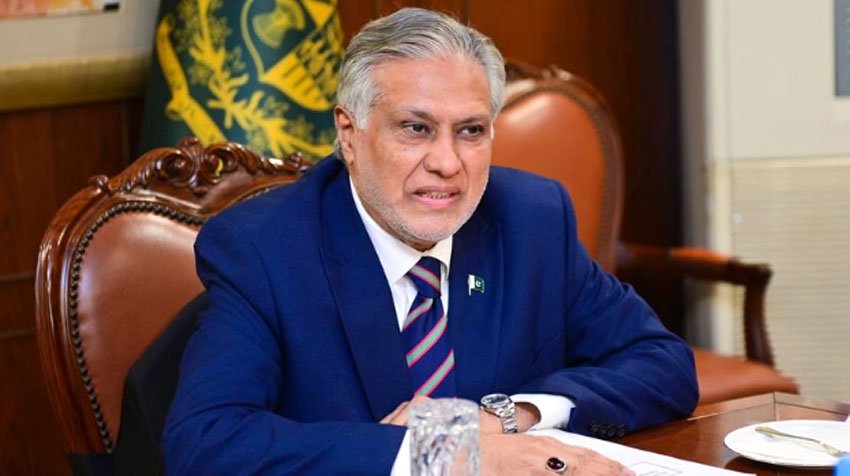
Deputy Prime Minister and Foreign Minister Senator Mohammad Ishaq Dar has arrived in New York for an official visit from May 26 to 28. This three-day trip is focused on strengthening Pakistan’s engagement with the United Nations Security Council and enhancing international partnerships. United Nations Security Council Involvement Senator Dar will participate in a high-level open debate at the United Nations Security Council. The debate, titled “Maintenance of International Peace and Security: Upholding the Purposes and Principles of the UN Charter and Strengthening the UN-Centered International System,” will address crucial global issues. With China presiding over the Security Council, this significant debate highlights Pakistan’s commitment to multilateral diplomacy and global peace initiatives. Diplomatic Meetings and Agenda Aside from the UNSC debate, Deputy Prime Minister Dar will engage in bilateral meetings with various international counterparts. He is also scheduled to meet with senior United Nations officials during his stay in New York. Foreign Policy Objectives Strengthening Pakistan’s international partnerships Advancing foreign policy goals at the United Nations Enhancing geopolitical cooperation on major global issues Official Arrival Protocol Upon arrival in New York, Senator Dar was warmly welcomed by Pakistan’s Permanent Representative to the United Nations, Ambassador Asim Iftikhar Ahmad. The Consul General of Pakistan in New York, Aamer Ahmad Atozai, also greeted him.

World

Deputy PM Ishaq Dar to Visit New York for UN Security Council Debate, Global Governance Meeting

Beijing – Deputy Prime Minister and Foreign Minister Senator Mohammad Ishaq Dar is set to visit New York from May 26–28, 2026, undertaking a three-day diplomatic mission focused on multilateral engagements at the United Nations. United Nations Security Council Open Debate On May 26, Dar will participate in the United Nations Security Council Open Debate. This session will address the Maintenance of International Peace and Security, highlighting the significance of the UN Charter and strengthening the UN-centered international system. In May 2026, China is leading the UN Security Council with Chinese Foreign Minister Wang Yi presiding over the session. Pakistan endorses this leadership, emphasizing the need to strengthen multilateralism and the UN’s role in addressing complex global challenges. Meeting on Global Governance Reform On May 28, Dar will attend the Group of Friends on Global Governance meeting. This session focuses on Reforming and Improving Global Governance through joint efforts to address global challenges. The meeting aims to explore practical reform strategies for international institutions. Attendees will discuss coordinated responses to emerging geopolitical challenges. Bilateral Meetings and Diplomatic Activities During his visit, Dar will conduct bilateral meetings with foreign policy counterparts and engage with senior United Nations officials. Pakistan reaffirms its support for multilateralism, committing to a positive contribution to global peace, security, and developmental initiatives.

Business

BISP and State Bank Advance Digital Payments for Deserving Women Under Cashless Economy Vision

Senator Rubina Khalid, Chairperson of the Benazir Income Support Program (BISP), and BISP Secretary Aamir Ali Ahmed met with State Bank Governor Jamil Ahmed in Karachi. They discussed rapidly deploying digital wallets for BISP payments nationwide, marking a major step towards financial inclusion for women beneficiaries. Prime Minister’s Cashless Economy Vision The meeting highlighted the transition to digital wallet-based BISP payments, aligning with the Prime Minister’s cashless economy initiative. Officials noted progress in implementing secure digital payment solutions tailored for women beneficiaries. Pakistan’s digital payment strategy aims to modernize social protection programs by reducing cash use and enhancing transparency in financial services. Strategic Initiatives for Financial Inclusion Transparent Payment Systems BISP intends to create a transparent, accessible payment system for its beneficiaries. This digital approach boosts accountability and minimizes payment processing delays. Interoperability for Universal Access The new interoperability mechanism allows fund withdrawals from any bank in Pakistan, eliminating branch restrictions. This offers broader banking access and convenience. Women’s Financial Autonomy and Economic Growth Officials emphasized that digital wallets will promote financial inclusion, enhance women’s financial autonomy, and increase economic participation. Direct banking access supports wider economic growth objectives. Implementation Timeline and Key Actions Accelerated SIM Distribution Beneficiaries are receiving free mobile SIMs to facilitate the digital payment platform transition. SIMs must be collected from BISP offices by June 15, 2026. Enhanced Awareness Campaign BISP has launched an intensive awareness campaign to ensure the digital payment system’s accessibility. Training sessions are being conducted to help users effectively navigate new banking technology. State Bank’s Institutional Support State Bank Governor Jameel Ahmad confirmed extensive institutional support for BISP beneficiaries. He committed to developing user-friendly digital payment systems, with the central bank offering technical assistance and regulatory oversight during the rollout. This collaboration between the State Bank and BISP marks a significant step towards creating a secure, accessible payment system, integral to digitizing social protection payments and achieving the cashless economy vision.

Pakistan

Prime Minister Muhammad Shehbaz Sharif Holds Warm Meeting with President Xi Jinping in Beijing

Prime Minister Muhammad Shehbaz Sharif held a significant meeting with Chinese President Xi Jinping in Beijing. The visit celebrated the 75th anniversary of diplomatic relations between Pakistan and China. Deputy Prime Minister Mohammad Ishaq Dar and Chief of Army Staff Field Marshal Syed Asim Munir also participated in the discussions. Strengthening Strategic Partnership Prime Minister Sharif expressed appreciation for the warm reception by President Xi. He emphasized the crucial role of the Pakistan-China All-Weather Strategic Cooperative Partnership in Pakistan’s foreign policy. This enduring alliance is vital amid changing regional and global dynamics. Support for China’s Core Interests Sharif reiterated Pakistan’s support for China’s core interests, underscoring adherence to the One China Principle. He acknowledged China’s steadfast support for Pakistan’s sovereignty and economic stability. Reflecting on his Hangzhou visit, Sharif praised President Xi’s leadership in Zhejiang from 2002 to 2007, which enhanced China’s global stature. Regional Peace and Stability Sharif valued China’s support for Pakistan’s regional peace initiatives and lauded President Xi’s four-point peace proposal. The enduring Pakistan-China relationship continues to contribute to regional and global stability. Commitment to Global Initiatives The Prime Minister acknowledged President Xi’s global initiatives promoting cooperation and reiterated Pakistan’s commitment to a Community with a Shared Future for Humanity. Key initiatives include: Belt and Road Initiative Global Development Initiative Global Security Initiative Global Civilization Initiative Global Governance Initiative Economic Collaboration and CPEC Shehbaz Sharif committed to strengthening bilateral ties and strategic coordination. He focused on high-quality development through the China-Pakistan Economic Corridor (CPEC). Sharif suggested aligning China’s 15th Five-Year Plan with Pakistan’s Uraan Pakistan initiative to enhance collaboration in key areas. Key Sectors for Collaboration Industrialization Connectivity infrastructure Science and technology Agricultural modernization Clean energy development Digital transformation The selection of Pakistani astronauts for China’s space station program marks a significant milestone in bilateral cooperation.

Pakistan

First Informal Meeting of Journalists Residing in Sectors G-13 and G-14, Islamabad

Journalists residing in Islamabad’s Sectors G-13 and G-14 recently gathered for their first informal community meeting. This event, hosted by senior journalist Dr. Abdul Wadood Qureshi at his residence, marks a significant new initiative for media professionals in Pakistan’s capital. Building the Islamabad Journalists Community Seven media professionals united, taking a crucial step toward enhancing the media community in Islamabad. Attendees included Dr. Abdul Wadood Qureshi, Sarwar Munir Rao, Hilal Ahmed, Dr. Ayesha Khan, Rana Rizwan Arshad, Yasir Zubairi, and Rizwan Malik. Each participant contributed unique insights from their respective fields of journalism. Plans were made to expand the forum by inviting more journalists and columnists from these sectors. The goal is to hold regular meetings to strengthen professional ties and foster collaboration. Fostering Non-Political Collaboration The group agreed to maintain the forum as non-political, focusing on community building and steering clear of ideological debates. This approach aims to cultivate a collaborative environment that supports professional growth across various media organizations in Pakistan. Key Objectives of the Journalists’ Forum Strengthening bonds among neighboring journalists in Islamabad sectors Encouraging interaction within Pakistan’s media community Fostering a spirit of sharing challenges and achievements among colleagues Establishing a support network for media professionals based in Islamabad Valuable Insights from Senior Journalists Participants honored Dr. Abdul Wadood Qureshi for initiating this gathering, setting the stage for ongoing collaboration among Islamabad journalists. Esteemed journalists Dr. Abdul Wadood Qureshi and Sarwar Munir Rao shared insights from their extensive careers within Pakistan’s evolving media landscape. Their mentorship inspired attendees, especially the younger journalists, highlighting the forum’s potential to strengthen Pakistan’s journalism community for future generations.

Pakistan

Pakistan and China Deepen Strategic Ties as PM Shehbaz Sharif and Premier Li Qiang Witness Signing of Multiple Landmark Agreements

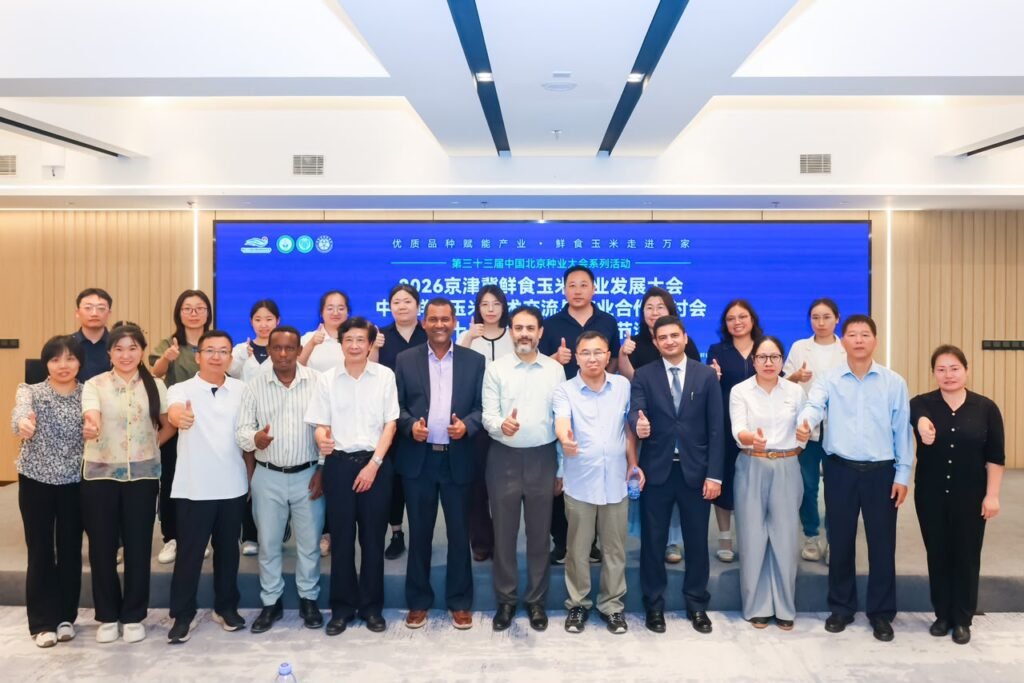
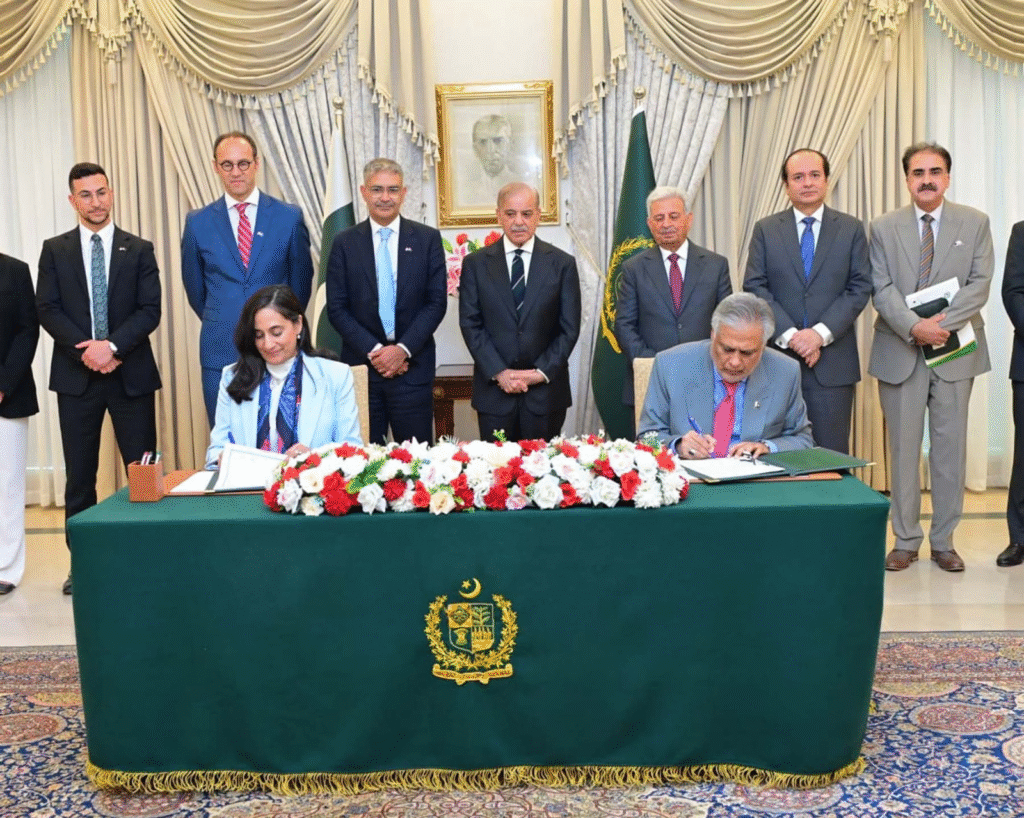
Prime Minister Muhammad Shehbaz Sharif and Chinese Premier Li Qiang signed 16 pivotal agreements in Islamabad. This ceremony marked the formalization of Memoranda of Understanding (MoUs), protocols, and cooperation documents designed to enhance bilateral ties across strategic sectors. Strengthening Strategic Sectors The agreements boost cooperation in key areas such as trade, investment, agriculture, science, and technology. They also address climate change mitigation. Additionally, education, media collaboration, and people-to-people exchanges underscore the comprehensive nature of the Pakistan-China strategic partnership. These steps aim to set the stage for long-term development goals. Details of the 16 Agreements During the official ceremony, notable documents were signed and exchanged across various sectors: Agriculture and Food Security Protocol on Inspection, Quarantine and Sanitary Requirements for Dried Fruits and Nuts Protocol of Phytosanitary Requirements for Maize MoU on Strengthening Development Cooperation in the Agriculture Sector Letter of Exchange (LoE) on Animal Vaccines Education and Human Resource Development Executive Program on Educational Cooperation and Exchanges MoU between the Foreign Service Academy (FSA) and China Foreign Affairs University (CFAU) MoU between the Party School of the CPC Central Committee (China National Academy of Governance) and Pakistan National School of Public Policy (NSPP) MoU on the Joint Implementation of the Human Resource Development Cooperation Programme for 2026 Science, Technology, and Economic Development MoU on Deepening Exchanges and Cooperation in Economic Development MoU on Conformity Assessment MoU between Pakistan Science Foundation (PSF) and China Association of Science and Technology (CAST) Media and Cultural Exchanges MoU between Xinhua News Agency and Pakistan Broadcasting Corporation (PBC) MoU on Cooperation in Joint Shooting Documentary between China Media Group (CMG) and Pakistan Television (PTV) Environment and Trade MoU on Cooperation in the Fields of Environment and Climate Change MoU on Supporting Free Trade and Multilateralism Provincial Cooperation Establishment of Sister-Province Relationship between Zhejiang Province and Punjab Province Perspective on the Strategic Partnership Prime Minister Shehbaz Sharif emphasized that these signings illustrate the growing depth of Pakistan-China cooperation. He noted the agreements will open new avenues for collaboration in vital sectors, contributing directly to the welfare and prosperity of both nations. This framework addresses immediate priorities while laying a foundation for enduring bilateral development.

Pakistan

Chairman PM’s Youth Program Rana Mashhood Ahmed Khan Witnesses MoU Signing Between Pakistani and Chinese TVET Institutions

Pakistan-China TVET Seminar Marks Diplomatic Progress The Chairman of the Prime Minister’s Youth Program, Rana Mashhood Ahmed Khan, participated in the China-Pakistan International TVET-Industrial Cooperation and Exchange Seminar held in Hangzhou, China. This significant event celebrated the 75th anniversary of diplomatic relations between Pakistan and China. Coinciding with Prime Minister Muhammad Shehbaz Sharif’s official visit to China, the seminar gathered senior government officials, education leaders, TVET experts, and industry stakeholders from both countries. Key MoUs Enhance TVET Cooperation During the seminar, Chairman Khan witnessed the signing of crucial Memorandums of Understanding (MoUs). Pakistani institutions established partnerships with leading Chinese institutes and colleges under the TANG International Education Network. Technical and Vocational Education and Training (TVET) Skills development programs Educational exchanges Youth empowerment initiatives New Opportunities for Pakistani Youth The agreements open up new opportunities for Pakistani youth in fields such as manufacturing, information technology, artificial intelligence, engineering, and industrial innovation. These collaborations facilitate knowledge transfer, faculty and student exchanges, joint training programs, and provide access to international certifications. Government Prioritizes Youth Skills Development Rana Mashhood Ahmed Khan highlighted the importance of equipping Pakistani youth with globally competitive skills, emphasizing partnerships with leading Chinese educational and industrial organizations. These initiatives play a critical role in developing Pakistan’s human resources and are seen as key to driving long-term economic growth. Commitment to International Collaboration The Chairman reiterated a commitment to international cooperation, aiming to provide Pakistani youth with quality education, technical training, and innovative opportunities. This program seeks to create employment pathways, foster regional development, promote technological advancement, and secure youth prosperity, strengthening the strategic Pakistan-China partnership.

Business

President Zardari extended Felicitations to Jordan on Independence Day

President Asif Ali Zardari extended heartfelt felicitations to King Abdullah II ibn Al Hussein and the people of Jordan on their Independence Day. Delivering the message on behalf of Pakistan’s government and citizens, he emphasized a commitment to enhancing diplomatic ties with Jordan. Strengthening Pakistan-Jordan Relations President Zardari highlighted the deep-rooted and cordial relations between Pakistan and Jordan. These bilateral ties are based on mutual respect, trust, and shared values. He noted the strong understanding between the nations on various regional and international issues. The fraternal bonds serve as a model of Muslim brotherhood and cooperation. Economic Boost from King Abdullah’s Visit The President recalled King Abdullah II’s visit to Pakistan in November 2025. This significant visit boosted bilateral cooperation by rejuvenating Pakistan-Jordan trade relations, deepening friendships, and creating new collaboration opportunities. Core Areas of Collaboration The royal visit aimed to enhance cooperation in key areas, including: Trade and economic partnerships Defense cooperation Cultural exchange programs Fostering Peace and Prosperity President Zardari concluded with sincere wishes for the people of Jordan, hoping for lasting peace, progress, and prosperity in the Hashemite Kingdom. Pakistan remains committed to strengthening partnerships with Jordan and collaborating on shared regional and international priorities, particularly enhancing trade and investment prospects.

Business

PM Shehbaz Addresses PCBC on IT, Telecom & BESS

Prime Minister Muhammad Shehbaz Sharif delivered a keynote address at the Pakistan-China Business Conference in Hangzhou, China. The event highlighted strategic cooperation in information technology, telecommunications, and renewable energy sectors. This meeting aimed to enhance economic ties between Pakistan and China by expanding cooperation across strategic sectors to create new growth opportunities. Key Sectors for Bilateral Investment The conference focused on crucial areas for economic cooperation. Discussions emphasized investment and technological collaboration in: Information Technology and Telecommunications Battery Energy Storage Systems (BESS) Agricultural Modernization Digital Infrastructure Development Growth in IT and Telecom Prime Minister Shehbaz highlighted Pakistan’s IT and telecom sectors’ potential, emphasizing Chinese investment opportunities in digital infrastructure. Technology transfer initiatives are key to bolstering trade cooperation and positioning Pakistan as a regional technology hub. The telecom sector offers significant revenue growth potential through enhanced connectivity solutions. Advancing Battery Energy Storage Systems BESS technology was a major focus of the conference discussions. This renewable energy solution strengthens Pakistan’s commitment to sustainable energy development, with Chinese expertise playing an essential role. Grid modernization and advanced storage systems are critical for achieving clean energy goals and ensuring grid stability during the transition to renewable sources. Transforming Agriculture Through Technology PM Shehbaz discussed opportunities for Chinese expertise to improve Pakistan’s agricultural sector. Investments in modernization aim to increase productivity and enhance food security. Collaboration in agriculture seeks to boost exports and revenue. Technology-driven solutions like smart irrigation and precision farming promise to transform the agricultural economy. Strengthening Economic Partnerships The Hangzhou conference underscored the robust economic partnership between Pakistan and China. Both nations are exploring new business collaborations and market expansion opportunities. Investments in emerging technologies are central to bilateral trade cooperation, with the strategic partnership driving economic growth and creating opportunities in priority sectors for sustainable development.

Scroll to Top