
2026

World

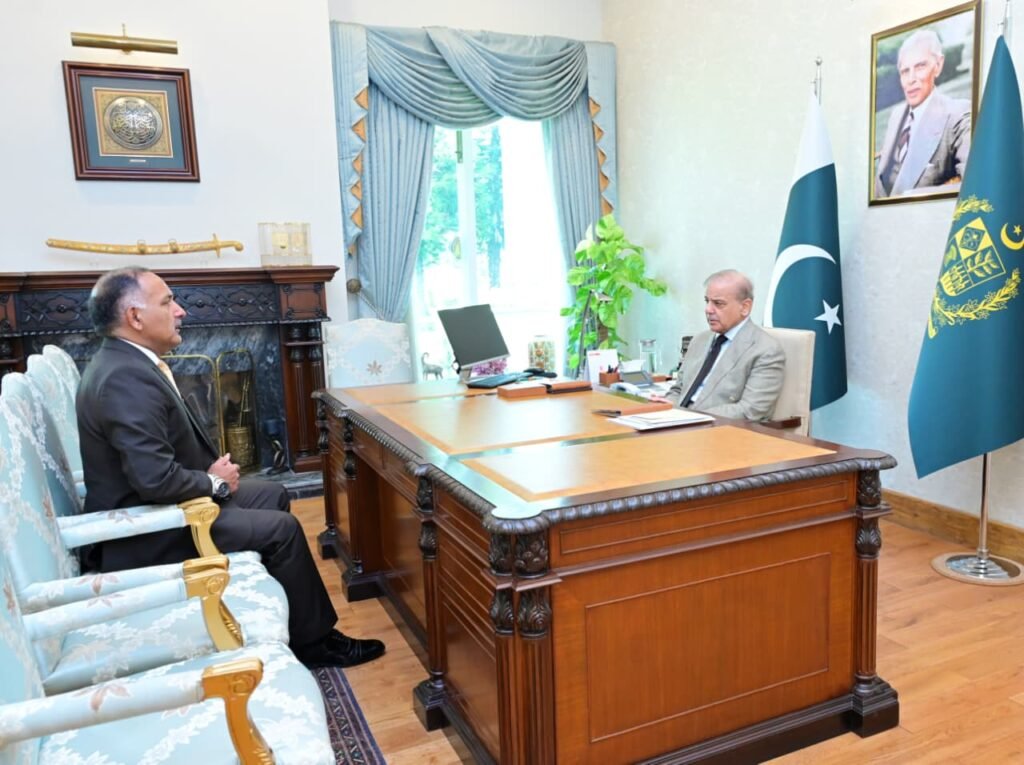
UN Envoy Meets Pakistan Officials to Address Islamophobia and Human Rights

ISLAMABAD — Miguel Ángel Moratinos, United Nations Special Envoy to Combat Islamophobia and High Representative for the United Nations Alliance of Civilizations (UNAOC), met with Federal Minister for Human Rights, Senator Azam Nazeer Tarar, to discuss collaborative efforts in addressing Islamophobia and enhancing interfaith harmony. The meeting, held in Islamabad, also included Barrister Aqeel Malik, Minister of State for Law and Justice. What Happened During the meeting, Miguel Ángel Moratinos emphasized the importance of global cooperation in combating Islamophobia, a growing concern that affects millions worldwide. The discussions focused on developing strategies to promote interfaith dialogue and understanding, which are crucial in reducing religious tensions and fostering peace. Moratinos highlighted the need for a concerted effort by nations to address the root causes of Islamophobia and to implement educational programs that promote tolerance and respect among different faith communities. Senator Azam Nazeer Tarar expressed Pakistan’s commitment to working with international partners to combat religious discrimination and promote human rights. He noted, “Pakistan has always been at the forefront of advocating for the rights of all religious communities, and we are eager to strengthen our cooperation with the United Nations in this regard.” The meeting underscored Pakistan’s role in international forums advocating for policies that protect minority rights and promote religious harmony. Barrister Aqeel Malik, who was also present, reiterated the government’s dedication to upholding human rights and ensuring justice for all citizens. He stated, “Our legal framework is designed to protect the rights of all individuals, regardless of their religious beliefs, and we are committed to enforcing these laws to prevent discrimination and promote equality.” Background Islamophobia has been a persistent issue globally, with incidents of discrimination and violence against Muslims reported in various countries. The United Nations has been actively working to address this issue through initiatives like the UNAOC, which aims to foster intercultural dialogue and understanding. Pakistan, a predominantly Muslim country, has been vocal in international platforms about the need to combat Islamophobia and protect the rights of religious minorities. Historically, Pakistan has faced challenges related to religious harmony, with instances of sectarian violence and discrimination against minority communities. The government has implemented several measures to address these issues, including legal reforms and awareness campaigns aimed at promoting tolerance and coexistence. Why It Matters The meeting between Moratinos and Pakistani officials is significant as it highlights the country’s proactive stance in addressing global challenges related to religious discrimination. By engaging with the United Nations, Pakistan is positioning itself as a key player in the international effort to combat Islamophobia and promote human rights. Economically, fostering interfaith harmony can lead to a more stable and peaceful society, which is conducive to economic growth and development. Socially, promoting tolerance and understanding among different religious communities can reduce tensions and prevent conflicts, creating a more inclusive society. Politically, Pakistan’s collaboration with international organizations like the UNAOC enhances its diplomatic standing and reinforces its commitment to global human rights standards. This cooperation can also lead to stronger ties with other nations that share similar values and objectives. On an international level, addressing Islamophobia is crucial for maintaining global peace and security. By working together, countries can develop comprehensive strategies to counteract discrimination and promote a culture of peace and respect for all individuals, regardless of their religious beliefs. Key Takeaways Miguel Ángel Moratinos met with Pakistani officials to discuss efforts to combat Islamophobia. The meeting focused on promoting interfaith harmony and strengthening human rights cooperation. Pakistan is committed to working with the UN to address religious discrimination globally. Fostering interfaith dialogue is crucial for social stability and economic development. International collaboration is essential for combating Islamophobia and promoting global peace. Source Attribution This article is based on official government statements, press releases, and public communications from relevant authorities. Author: NEN Editorial Desk | Editor: NEN Newsroom | Fact Checked By: NEN Editorial Team Author: NEN Editorial Desk  |  Editor: NEN Newsroom  |  Last Updated: June 29, 2026  |  Source: Press Release from Government of Pakistan This article was produced by the NEN Editorial Desk in accordance with NEN Agency’s Editorial Policy and Fact-Checking Policy.
World

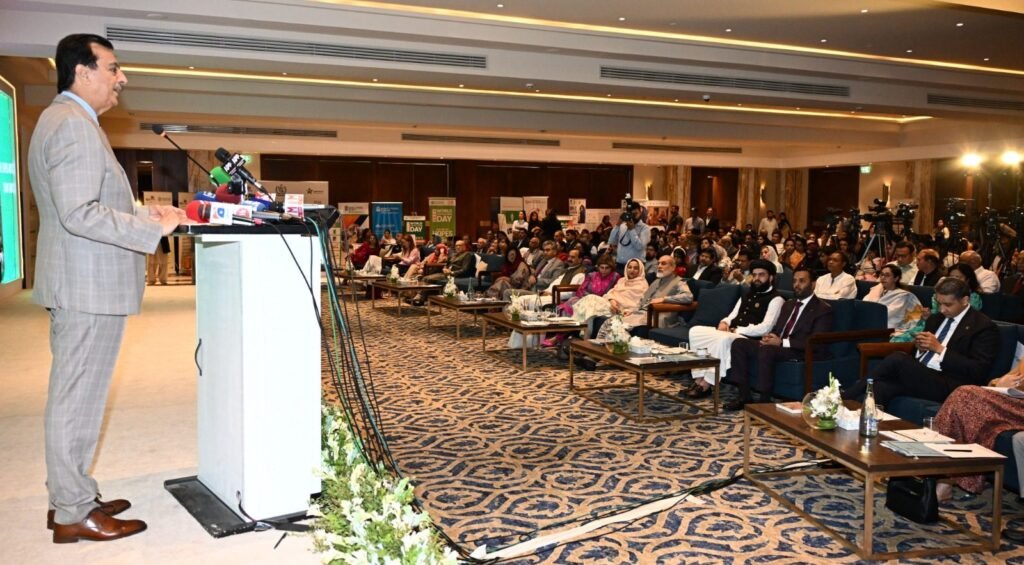
PAL Launches Poetry Competition for Quaid-e-Azam’s 150th Birth Anniversary

ISLAMABAD — The Pakistan Academy of Letters (PAL) has announced a nationwide poetry competition to celebrate the 150th birth anniversary of Quaid-e-Azam Muhammad Ali Jinnah, the founding father of Pakistan. The event, themed “Leader of the Caravan – Muhammad Ali Jinnah,” invites poets from across the country to submit original works that honor Jinnah’s life, vision, and legacy. What Happened The Pakistan Academy of Letters (PAL) has initiated a poetry competition as part of the commemorations for Quaid-e-Azam Muhammad Ali Jinnah’s 150th birth anniversary. The competition is designed to engage poets from all over Pakistan, encouraging them to create original poetry that reflects on the profound impact of Jinnah’s leadership and his enduring influence on the nation’s history. The theme, “Leader of the Caravan – Muhammad Ali Jinnah,” aims to inspire participants to delve into the multifaceted contributions of Jinnah, from his role in the independence movement to his vision for a unified and progressive Pakistan. According to PAL, the competition is open to poets of all ages and backgrounds, with submissions being accepted in multiple languages spoken across Pakistan. This inclusivity reflects Jinnah’s own commitment to a diverse and united nation. The academy has emphasized the importance of creativity and originality in the submissions, encouraging poets to explore Jinnah’s ideals and principles through their unique perspectives. The submission deadline is set for September 15, 2023, providing ample time for participants to craft their works. PAL has announced that a panel of esteemed literary figures will judge the entries, and winners will be awarded at a special ceremony later in the year. The top entries will also be published in a commemorative anthology, further extending the reach of Jinnah’s legacy through the power of poetry. Background Quaid-e-Azam Muhammad Ali Jinnah, born on December 25, 1876, played a pivotal role in the creation of Pakistan. As a prominent leader of the All-India Muslim League, Jinnah was instrumental in advocating for the rights of Muslims in the Indian subcontinent, ultimately leading to the establishment of Pakistan as an independent state in 1947. His vision for Pakistan was one of a democratic, inclusive, and progressive nation where all citizens could thrive regardless of their religious or ethnic backgrounds. The Pakistan Academy of Letters, established in 1976, has been a key institution in promoting literature and culture in Pakistan. By organizing events such as this poetry competition, PAL continues to foster a deeper understanding of Pakistan’s cultural and historical heritage, while also providing a platform for contemporary voices to contribute to the nation’s literary landscape. Why It Matters The poetry competition holds significant cultural and educational value as it not only commemorates a landmark anniversary of Quaid-e-Azam Muhammad Ali Jinnah but also reinforces his ideals and vision for Pakistan. By encouraging poets to reflect on Jinnah’s legacy, the event serves as a reminder of the values upon which Pakistan was founded. It highlights the importance of unity, diversity, and progress, which are crucial for the nation’s continued development. Furthermore, the competition provides an opportunity for emerging poets to gain recognition and contribute to the national discourse through their creative expressions. By publishing the winning entries, PAL ensures that these voices are heard, promoting a culture of literary appreciation and critical engagement with Pakistan’s history and future. In a broader context, the competition underscores the role of literature and the arts in shaping national identity and fostering dialogue. As Pakistan navigates contemporary challenges, revisiting the principles of its founding leaders through artistic expression can inspire new generations to uphold and advance the nation’s core values. Key Takeaways The Pakistan Academy of Letters has launched a poetry competition for Quaid-e-Azam’s 150th birth anniversary. The competition invites poets nationwide to submit works under the theme “Leader of the Caravan – Muhammad Ali Jinnah.” Submissions are open until September 15, 2023, with winners to be featured in a commemorative anthology. The event emphasizes Jinnah’s vision of unity, diversity, and progress for Pakistan. The competition promotes literary engagement and national discourse through creative expression. Source Attribution This article is based on official statements and public communications from the Pakistan Academy of Letters. Author: NEN Editorial Desk | Editor: NEN Newsroom | Fact Checked By: NEN Editorial Team Author: NEN Editorial Desk  |  Editor: NEN Newsroom  |  Last Updated: June 29, 2026  |  Source: NEN Reporter This article was produced by the NEN Editorial Desk in accordance with NEN Agency’s Editorial Policy and Fact-Checking Policy.
World

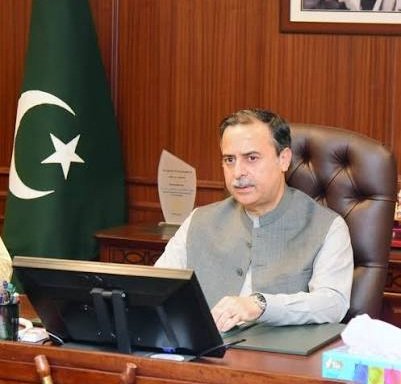
Punjab IGP Reassigns Additional SP, Suspends DSP for Negligence

LAHORE — Punjab Inspector General of Police (IGP) Abdul Kareem has taken disciplinary action against senior police officials in Rawalpindi, citing negligence and unsatisfactory performance. On Monday, the IGP ordered Additional Superintendent of Police (SP) Mudassar Iqbal to report to the Central Police Office (CPO) in Lahore and suspended Deputy Superintendent of Police (DSP) Headquarters Rawalpindi. What Happened The Punjab IGP’s decision came after a review of the performance of police officials in Rawalpindi. According to a spokesperson for the Punjab Police, IGP Abdul Kareem found the performance of DSP Headquarters Rawalpindi lacking in key areas, prompting his suspension. The decision underscores a commitment to accountability within the police force, aiming to enhance operational efficiency and public trust. Additional SP Mudassar Iqbal has been directed to report to the CPO in Lahore, where he will presumably be reassigned new responsibilities. The reassignment of SP Iqbal is part of a broader strategy to optimize police operations across the province. The spokesperson noted, “The IGP is determined to ensure that all officers perform their duties with utmost diligence and responsibility.” The suspension of the DSP and reassignment of the SP are part of ongoing efforts by the Punjab Police to address internal inefficiencies and improve service delivery to the public. The IGP’s actions reflect a zero-tolerance policy towards negligence and inefficiency within the force. Background The Punjab Police have been under scrutiny in recent years due to various incidents of misconduct and inefficiency. The provincial police force has faced criticism for its handling of high-profile cases and general law enforcement duties. In response, the Punjab government and police leadership have initiated several reforms aimed at improving accountability and performance among police officers. Historically, the Punjab Police have struggled with issues such as corruption, lack of resources, and inadequate training. These challenges have often led to public dissatisfaction and calls for reform. The current leadership under IGP Abdul Kareem has been vocal about addressing these issues and implementing measures to ensure a more effective policing system. Why It Matters This development is significant for several reasons. Firstly, it highlights the ongoing efforts by the Punjab Police to improve accountability and performance within the force. By taking decisive action against senior officials, the IGP is sending a clear message that negligence and inefficiency will not be tolerated. This could lead to improved morale and performance among other officers who see that accountability measures are being enforced. Secondly, the reassignment and suspension could have broader implications for police operations in Punjab. With a focus on efficiency and accountability, the police force may see improvements in response times, case resolution rates, and overall public trust. This is particularly important in a province where law and order challenges are prevalent, and effective policing is crucial for maintaining public safety. Finally, the actions taken by the IGP may influence other provinces to adopt similar accountability measures within their police forces. As Punjab is one of Pakistan’s most populous and influential provinces, its approach to policing can set a precedent for others to follow, potentially leading to nationwide improvements in law enforcement standards. Key Takeaways Punjab IGP Abdul Kareem has suspended DSP Headquarters Rawalpindi for negligence and unsatisfactory performance. Additional SP Mudassar Iqbal has been reassigned to the Central Police Office in Lahore. The actions are part of broader efforts to enhance accountability and efficiency within the Punjab Police. This move is expected to improve public trust and operational effectiveness of the police force. The measures could influence policing standards in other provinces of Pakistan. Source Attribution This article is based on official statements from the Punjab Police and public communications from relevant authorities. Author: NEN Editorial Desk | Editor: NEN Newsroom | Fact Checked By: NEN Editorial Team Author: NEN Editorial Desk  |  Editor: NEN Newsroom  |  Last Updated: June 29, 2026  |  Source: NEN Reporter This article was produced by the NEN Editorial Desk in accordance with NEN Agency’s Editorial Policy and Fact-Checking Policy.
World

ETPB Commemorates 187th Death Anniversary Of Maharaja Ranjit Singh In Lahore

LAHORE — The Evacuee Trust Property Board (ETPB) held a central ceremony on Monday to commemorate the 187th death anniversary of Maharaja Ranjit Singh at Gurdwara Dera Sahib in Lahore. The event saw the participation of Sikh pilgrims from India and other countries, alongside officials from the Pakistan Sikh Gurdwara Parbandhak Committee (PSGPC), ETPB officers, and various dignitaries. What Happened The ceremony, organized by the ETPB, was a significant event for the Sikh community, drawing participants from across the globe to honor the legacy of Maharaja Ranjit Singh, the founder of the Sikh Empire. The gathering at Gurdwara Dera Sahib, a site of historical importance, included religious rituals and cultural performances, highlighting the rich heritage and history associated with the Maharaja. ETPB Secretary, along with other prominent figures, addressed the attendees, emphasizing the importance of preserving the cultural and religious sites associated with the Sikh heritage in Pakistan. The event was marked by prayers and speeches that celebrated the life and contributions of Maharaja Ranjit Singh, who is revered for his leadership and efforts to unify the Sikh community during his reign from 1801 to 1839. Participants included a diverse group of Sikh pilgrims who traveled from various parts of India and other countries to pay their respects. The presence of international visitors underscored the global significance of Maharaja Ranjit Singh’s legacy and the continued reverence for his contributions to Sikh history. Background Maharaja Ranjit Singh, known as the ‘Lion of Punjab’, was a pivotal figure in the history of the Indian subcontinent. He established the Sikh Empire in the early 19th century, which at its peak, extended over much of the Punjab region, including parts of present-day Pakistan and India. His reign is noted for its secular approach, where he fostered an environment of religious tolerance and cultural diversity. Gurdwara Dera Sahib, located in Lahore, holds significant historical importance as it is believed to be the site where Maharaja Ranjit Singh was cremated. The gurdwara is a place of pilgrimage for Sikhs worldwide and serves as a symbol of the shared heritage between India and Pakistan. Why It Matters The commemoration of Maharaja Ranjit Singh’s death anniversary is a crucial event for the Sikh community, serving as a reminder of their rich cultural and historical roots. It also highlights the ongoing efforts to preserve and promote Sikh heritage sites in Pakistan, which play a vital role in fostering cross-border cultural ties and religious tourism. For Pakistan, such events are significant in promoting religious harmony and showcasing the country’s commitment to protecting the rights and heritage of minority communities. The presence of international pilgrims at the ceremony is a testament to the importance of these efforts in enhancing Pakistan’s image as a country that respects and values its diverse cultural heritage. Economically, the influx of pilgrims contributes to the local economy, particularly in the hospitality and tourism sectors. Events like these have the potential to boost religious tourism, which can be a substantial source of revenue and cultural exchange. Key Takeaways The ETPB organized a ceremony at Gurdwara Dera Sahib to honor Maharaja Ranjit Singh’s 187th death anniversary. Sikh pilgrims from India and other countries participated in the event, highlighting its international significance. Maharaja Ranjit Singh is celebrated for his contributions to the Sikh Empire and his secular governance. The event underscores Pakistan’s efforts to preserve Sikh heritage and promote religious tourism. Such commemorations enhance cultural ties and contribute to the local economy through tourism. Source Attribution This article is based on official government statements, press releases, and public communications from relevant authorities. Author: NEN Editorial Desk | Editor: NEN Newsroom | Fact Checked By: NEN Editorial Team Author: NEN Editorial Desk  |  Editor: NEN Newsroom  |  Last Updated: June 29, 2026  |  Source: NEN Reporter This article was produced by the NEN Editorial Desk in accordance with NEN Agency’s Editorial Policy and Fact-Checking Policy.
World

Pakistan’s Exchange Rates Issued by Financial Markets Association

KARACHI — The Exchange Rates Committee of the Financial Markets Association of Pakistan released the latest foreign exchange rates bulletin on Monday, June 29, 2026. The bulletin provides the conversion rates for various foreign currencies, which are crucial for forward cover and deposits, excluding FE-25 deposits. The State Bank of Pakistan (SBP) has set the settlement value date for these rates as July 2, 2026. What Happened The Financial Markets Association of Pakistan’s Exchange Rates Committee has issued the new conversion rates for foreign currencies, which are essential for forward cover and deposits. As of June 29, 2026, the exchange rate for the US Dollar (USD) is set at 278.1543 Pakistani Rupees (PKR). The British Pound (GBP) stands at 366.8299 PKR, while the Euro (EUR) is valued at 315.7886 PKR. The Japanese Yen (JPY) is pegged at 1.7201 PKR. These rates are significant for businesses and financial institutions engaging in international trade and transactions. The SBP’s settlement value date for these rates is July 2, 2026, which means these rates will be applicable for transactions settled on or after this date. The announcement of these rates comes amidst a backdrop of fluctuating currency values, which have been influenced by various economic factors both domestically and internationally. The exchange rates are a reflection of the current economic conditions and are used by businesses to hedge against currency risks. Background Exchange rates in Pakistan are determined by the market forces of demand and supply, with oversight by the State Bank of Pakistan. The Financial Markets Association of Pakistan plays a key role in providing regular updates on these rates, which are crucial for the country’s economic stability. Historically, the Pakistani Rupee has experienced volatility due to factors such as inflation, trade deficits, and changes in foreign exchange reserves. The exchange rate policy has evolved over the years, with the government and the SBP implementing various measures to stabilize the currency and support economic growth. In recent years, the Pakistani Rupee has faced depreciation pressures due to external debt obligations and a widening current account deficit. The government has been working to implement reforms aimed at improving fiscal discipline and enhancing foreign exchange reserves. Why It Matters The release of exchange rates is a critical component of Pakistan’s financial infrastructure, impacting a wide range of economic activities. For businesses engaged in international trade, these rates determine the cost of imports and exports, influencing pricing strategies and profit margins. For the average citizen, exchange rates can affect the cost of living, particularly for goods and services that are imported. Fluctuations in the exchange rate can lead to changes in the prices of essential commodities, impacting household budgets. On a broader scale, stable exchange rates are vital for attracting foreign investment. Investors seek predictable and stable economic environments, and fluctuations in currency values can deter investment. Therefore, the stability of the Pakistani Rupee is crucial for the country’s economic growth and development. Internationally, exchange rates also affect Pakistan’s competitiveness in the global market. A stronger Rupee can make exports more expensive, reducing demand, while a weaker Rupee can boost exports by making them more affordable to foreign buyers. Key Takeaways The Financial Markets Association of Pakistan released new exchange rates for June 29, 2026. The US Dollar is valued at 278.1543 PKR, while the British Pound is at 366.8299 PKR. The State Bank of Pakistan has set the settlement value date for July 2, 2026. Exchange rates impact international trade, cost of living, and foreign investment. Stable exchange rates are essential for Pakistan’s economic growth and competitiveness. Source Attribution This article is based on official government statements, press releases, and public communications from relevant authorities. Author: NEN Editorial Desk | Editor: NEN Newsroom | Fact Checked By: NEN Editorial Team Author: NEN Editorial Desk  |  Editor: NEN Newsroom  |  Last Updated: June 29, 2026  |  Source: NEN Reporter This article was produced by the NEN Editorial Desk in accordance with NEN Agency’s Editorial Policy and Fact-Checking Policy.
Pakistan

PSX Benchmark Index Drops Over 1,156 Points Amid Bearish Trend

ISLAMABAD — The Pakistan Stock Exchange (PSX) experienced a significant downturn on Monday, with the benchmark KSE-100 Index plummeting by 1,156.47 points. This marked a 0.64 percent decline, closing at 178,414.80 points compared to the previous session’s 179,571.27 points. What Happened The PSX’s KSE-100 Index, a key indicator of market performance, saw a substantial drop as trading commenced on Monday. The decline of 1,156.47 points reflects a bearish momentum that has gripped the market. The session closed with the index at 178,414.80 points, down from the last trading day’s closing of 179,571.27 points. Market analysts attribute this decline to several factors, including investor concerns over the current economic conditions in Pakistan, as well as global market trends. The depreciation of the Pakistani rupee against the US dollar and rising inflation rates have further exacerbated investor apprehensions. “The market is reacting to a mix of domestic economic challenges and international market pressures,” said a senior market analyst. “Investors are cautious, and this is reflected in the selling pressure we are witnessing.” The trading volume also saw a decrease, with fewer shares being traded compared to the previous sessions. This reduction in trading activity is indicative of the cautious approach adopted by investors amid the prevailing economic uncertainty. Background The Pakistan Stock Exchange has been experiencing fluctuations in recent months, influenced by both domestic and international factors. Historically, the PSX has been sensitive to changes in government policies, economic indicators, and global market trends. In recent years, the PSX has faced challenges due to political instability, fluctuating foreign exchange reserves, and varying levels of foreign direct investment. The ongoing economic reforms and fiscal policies have also played a role in shaping the market dynamics. Additionally, the global economic environment, including trade tensions and shifts in commodity prices, has impacted investor sentiment in Pakistan. The PSX’s performance is often seen as a barometer of the country’s economic health, reflecting both opportunities and challenges faced by the economy. Why It Matters The decline in the PSX’s KSE-100 Index has significant implications for Pakistan’s economy and its investors. A bearish market can lead to reduced investor confidence, which in turn affects capital inflows and economic growth. The stock market is a critical component of the financial system, influencing corporate financing and investment decisions. For individual investors, a declining market can result in losses on their portfolios, impacting their financial stability and future investment plans. Institutional investors, such as mutual funds and pension funds, also face challenges in generating returns for their stakeholders. On a broader scale, the performance of the PSX can influence foreign investment decisions. A stable and growing stock market is often attractive to foreign investors seeking opportunities in emerging markets. Conversely, a declining market may deter foreign investment, affecting the country’s balance of payments and foreign exchange reserves. The current economic challenges, including inflation and currency depreciation, are critical factors that need to be addressed to stabilize the market and restore investor confidence. Policymakers and regulators are closely monitoring the situation to implement measures that can mitigate risks and promote market stability. Key Takeaways The PSX’s KSE-100 Index dropped by 1,156.47 points, a 0.64 percent decline. Investor concerns over domestic economic conditions and global trends contributed to the bearish momentum. The decline reflects broader economic challenges, including inflation and currency depreciation. The performance of the PSX impacts both individual and institutional investors, as well as foreign investment decisions. Stabilizing the market requires addressing underlying economic issues to restore confidence. Source Attribution This article is based on official government statements, press releases, and public communications from relevant authorities. Author: NEN Editorial Desk | Editor: NEN Newsroom | Fact Checked By: NEN Editorial Team Author: NEN Editorial Desk  |  Editor: NEN Newsroom  |  Last Updated: June 29, 2026  |  Source: NEN Reporter This article was produced by the NEN Editorial Desk in accordance with NEN Agency’s Editorial Policy and Fact-Checking Policy.
Pakistan

Gold Prices Drop By Rs2,300 Per Tola In Pakistan

ISLAMABAD — The price of gold in Pakistan has seen a significant decline, with the rate for 24-karat gold per tola dropping by Rs2,300 to stand at Rs428,936. This adjustment was reported on Monday by the All Pakistan Sarafa Gems and Jewellers Association, reflecting the fluctuating dynamics of the precious metal market. What Happened The All Pakistan Sarafa Gems and Jewellers Association announced a decrease in the price of 24-karat gold per tola, marking a significant drop of Rs2,300. This brings the new rate to Rs428,936. The decline in local gold prices is attributed to various factors, including changes in the international market and domestic economic conditions. The association regularly updates these rates, which are closely watched by investors and jewelers across the country. Gold prices are influenced by a range of factors, including international market trends, currency exchange rates, and local demand. The recent decline follows a period of volatility in the global gold market, where prices have been affected by economic data releases, interest rate expectations, and geopolitical tensions. The decline in Pakistan’s gold prices is reflective of these broader trends, as well as specific local economic factors such as inflation and currency depreciation. According to market analysts, the drop in gold prices could be linked to a strengthening of the Pakistani Rupee against the US Dollar, which makes imports cheaper and can lead to a reduction in the local price of gold. Additionally, fluctuations in demand due to changing consumer behavior and investment patterns also play a role in determining gold prices. Background Gold has long been considered a safe haven investment, particularly in times of economic uncertainty. In Pakistan, gold is not only a popular investment but also a traditional component of cultural and social events, such as weddings. Historically, gold prices in Pakistan have been influenced by international market trends, as well as local economic conditions. In recent years, Pakistan’s economy has faced several challenges, including inflationary pressures, currency depreciation, and fiscal deficits. These factors have contributed to fluctuations in the price of gold, as investors seek stability amid economic uncertainty. The All Pakistan Sarafa Gems and Jewellers Association plays a crucial role in monitoring and announcing gold prices, providing guidance to both consumers and traders. Why It Matters The decline in gold prices has significant implications for various stakeholders in Pakistan. For consumers, particularly those planning weddings or other cultural events, the reduction in gold prices could provide some financial relief. Lower gold prices may also encourage increased consumer spending, which can have a positive impact on the economy. For investors, the drop in gold prices presents both challenges and opportunities. While some may view the decline as a potential loss in asset value, others may see it as an opportunity to invest in gold at a lower price, anticipating future gains as market conditions change. The volatility in gold prices also highlights the importance of diversification in investment portfolios, as reliance on a single asset class can lead to increased risk. On a broader scale, the fluctuation in gold prices is indicative of underlying economic conditions. It reflects the impact of global economic trends on local markets, as well as the interconnectedness of international and domestic economic factors. Understanding these dynamics is crucial for policymakers, businesses, and consumers alike, as they navigate the complexities of the current economic environment. Key Takeaways The price of 24-karat gold per tola in Pakistan has decreased by Rs2,300, now standing at Rs428,936. This decline is influenced by international market trends and local economic conditions, including currency exchange rates. Gold remains a popular investment and cultural asset in Pakistan, with prices closely monitored by the All Pakistan Sarafa Gems and Jewellers Association. The drop in gold prices presents both challenges and opportunities for consumers and investors, highlighting the importance of market awareness and diversification. Fluctuations in gold prices reflect broader economic trends and the interconnectedness of global and local markets. Source Attribution This article is based on official statements and public communications from the All Pakistan Sarafa Gems and Jewellers Association. Author: NEN Editorial Desk | Editor: NEN Newsroom | Fact Checked By: NEN Editorial Team Author: NEN Editorial Desk  |  Editor: NEN Newsroom  |  Last Updated: June 29, 2026  |  Source: NEN Reporter This article was produced by the NEN Editorial Desk in accordance with NEN Agency’s Editorial Policy and Fact-Checking Policy.
Pakistan

Pakistan and Italy Ink €20 Million Loan for Agriculture Skills Development

ISLAMABAD — Pakistan and Italy have formalized a €20 million concessional loan agreement aimed at bolstering agricultural skills and vocational education in Pakistan. The agreement, signed on Monday, is part of Pakistan’s ongoing Technical and Vocational Education and Training (TVET) National Reform Programme. What Happened The agreement between Pakistan and Italy marks a significant step towards enhancing the agricultural sector’s skill set through the Professional Capacity Building and Extension in Agriculture project. The initiative is designed to support the development of technical skills and vocational training within the agricultural domain, which is a critical sector for Pakistan’s economy. The €20 million loan, approximately equivalent to Rs 6.3 billion, will be utilized to implement various training programs and capacity-building initiatives. These programs are expected to foster innovation and efficiency in agricultural practices, ultimately contributing to increased productivity and sustainability in the sector. According to the details provided, the loan is concessional, indicating favorable terms that are likely to include low-interest rates and extended repayment periods. Such financial arrangements are intended to ease the fiscal burden on Pakistan while allowing it to invest in long-term educational and infrastructural improvements. Officials from both countries expressed optimism about the partnership, highlighting the potential benefits of enhanced agricultural education and skills development. The initiative is expected to create a more skilled workforce, capable of adopting modern agricultural techniques and technologies. Background Pakistan’s agriculture sector has historically been a cornerstone of its economy, employing a significant portion of the population and contributing substantially to the country’s GDP. However, the sector faces challenges such as outdated farming practices, limited access to modern technology, and insufficient training for farmers and agricultural workers. The Technical and Vocational Education and Training (TVET) National Reform Programme was initiated to address these challenges by reforming and modernizing the vocational education system in Pakistan. The programme aims to align educational outcomes with market needs, ensuring that graduates possess the skills required by employers in various sectors, including agriculture. Italy has been a consistent partner in supporting Pakistan’s development initiatives, particularly in areas related to education and capacity building. This collaboration is part of a broader effort to strengthen bilateral ties and promote sustainable development. Why It Matters The signing of this loan agreement is significant for several reasons. Economically, it represents an investment in one of Pakistan’s most vital sectors, with the potential to enhance productivity and increase agricultural output. By improving the skills of the workforce, the initiative can lead to more efficient farming practices, reduced waste, and higher yields. Socially, the project aims to empower individuals by providing them with the skills needed to secure better employment opportunities. This can lead to improved livelihoods for many families, particularly in rural areas where agriculture is the primary source of income. Politically, the agreement strengthens Pakistan’s ties with Italy, showcasing a commitment to international cooperation and development. It also reflects Pakistan’s dedication to reforming its educational system to meet global standards, which can have long-term benefits for the country’s socio-economic landscape. Internationally, the project aligns with global efforts to promote sustainable agricultural practices and vocational education. It underscores the importance of international partnerships in addressing common challenges such as food security and economic development. Key Takeaways Pakistan and Italy signed a €20 million concessional loan agreement for agricultural skills development. The loan supports the Professional Capacity Building and Extension in Agriculture project under Pakistan’s TVET National Reform Programme. The initiative aims to enhance vocational education and improve agricultural productivity. The agreement strengthens bilateral ties between Pakistan and Italy. The project is expected to have significant economic and social benefits for Pakistan’s agricultural sector. Source Attribution This article is based on official government statements, press releases, and public communications from relevant authorities. Author: NEN Editorial Desk | Editor: NEN Newsroom | Fact Checked By: NEN Editorial Team Author: NEN Editorial Desk  |  Editor: NEN Newsroom  |  Last Updated: June 29, 2026  |  Source: NEN Reporter This article was produced by the NEN Editorial Desk in accordance with NEN Agency’s Editorial Policy and Fact-Checking Policy.
World

Pakistan Transfers Management of PIACL to Investor Consortium

ISLAMABAD — The Government of Pakistan has transferred management control of Pakistan International Airlines Corporation Limited (PIACL) to an investor consortium led by Arif Habib Corporation Limited. This transfer follows the successful first financial closing of the airline’s divestment, as announced by the Privatization Commission on Monday. What Happened The Privatization Commission of Pakistan announced the successful first closing of the divestment of PIACL, marking a significant step in the country’s privatization efforts. The management control of the national carrier has been handed over to a consortium led by Arif Habib Corporation Limited. This transition occurred after the fulfillment of all conditions precedent outlined in the Share Purchase and Subscription Agreement (SPSA). This move is part of the government’s broader strategy to privatize state-owned enterprises to improve efficiency and reduce financial burdens on the national exchequer. The investor consortium, which now holds management control, is expected to bring in expertise and capital to revitalize the struggling airline. The successful closing is seen as a pivotal moment in Pakistan’s ongoing efforts to restructure its public sector enterprises. According to the Privatization Commission, the transaction was completed after a rigorous process that ensured transparency and compliance with legal and regulatory frameworks. The completion of this phase allows the investor group to begin implementing strategic changes aimed at turning around the fortunes of PIACL. Background Pakistan International Airlines, once a symbol of national pride, has faced numerous challenges over the past decades, including financial losses, management inefficiencies, and operational setbacks. The airline has been struggling to maintain profitability, with mounting debts and operational costs weighing heavily on its balance sheets. The privatization of PIACL has been a topic of discussion for several years, with successive governments considering various strategies to address the airline’s financial woes. The current administration’s decision to proceed with privatization aligns with its broader economic reform agenda aimed at enhancing the performance of state-owned enterprises. The Share Purchase and Subscription Agreement (SPSA) is a critical component of this privatization process, setting forth the terms and conditions under which the investor consortium assumes management control. This agreement ensures that the transition adheres to the legal and regulatory standards, providing a framework for the future operations of the airline under new management. Why It Matters The transfer of management control of PIACL is a significant development in Pakistan’s economic landscape, with potential implications for the aviation sector and the broader economy. By involving private investors, the government aims to inject much-needed capital and expertise into the airline, potentially reversing years of financial decline. Economically, the successful privatization of PIACL could serve as a catalyst for further privatization initiatives, encouraging investor confidence in Pakistan’s market. It demonstrates the government’s commitment to reforming state-owned enterprises, which could lead to improved efficiency and competitiveness in various sectors. Socially, the revitalization of PIACL could lead to job creation and improved services for passengers, enhancing the airline’s reputation and customer satisfaction. Politically, the move reflects the government’s resolve to tackle long-standing challenges within the public sector, potentially bolstering its standing domestically and internationally. Internationally, the involvement of private investors in PIACL’s management could enhance the airline’s global competitiveness, opening up new routes and partnerships. This could lead to increased connectivity for Pakistan, boosting tourism and trade opportunities. Key Takeaways The Government of Pakistan has transferred management control of PIACL to a consortium led by Arif Habib Corporation Limited. This transfer follows the successful first financial closing of the airline’s divestment process. The privatization aims to improve the airline’s efficiency and financial performance. The move is part of broader economic reforms targeting state-owned enterprises. Successful privatization could enhance investor confidence and economic growth in Pakistan. Source Attribution This article is based on official government statements, press releases, and public communications from relevant authorities. Author: NEN Editorial Desk | Editor: NEN Newsroom | Fact Checked By: NEN Editorial Team Author: NEN Editorial Desk  |  Editor: NEN Newsroom  |  Last Updated: June 29, 2026  |  Source: NEN Reporter This article was produced by the NEN Editorial Desk in accordance with NEN Agency’s Editorial Policy and Fact-Checking Policy.

Pakistan

Federal Ombudsman Advocates Institutional Enhancement for Swift Justice

ISLAMABAD — Federal Ombudsman Naveed Kamran Baloch has called for strengthening institutional frameworks and promoting informal resolution of disputes (IRD) to ensure swift justice for citizens. Speaking on Monday, Baloch highlighted the urgent need for reforms to address the grievances of the public more efficiently. What Happened During a press conference held in Islamabad, Federal Ombudsman Naveed Kamran Baloch underscored the importance of enhancing institutional capabilities to expedite the delivery of justice. Baloch pointed out that the current judicial processes are often hindered by bureaucratic delays and procedural complexities, which can prolong the resolution of disputes. “The augmentation of our institutional structure is paramount if we are to provide timely justice to those in need,” Baloch stated. He emphasized that the informal resolution of disputes (IRD) could play a crucial role in this regard by offering a more accessible and faster alternative to formal judicial proceedings. Baloch noted that the Federal Ombudsman’s office has been actively working to streamline processes and reduce the backlog of cases. He highlighted recent initiatives aimed at improving efficiency, such as the implementation of digital platforms for case management and the training of staff to handle disputes more effectively. The Ombudsman also mentioned ongoing collaborations with various government departments to ensure that citizens’ complaints are addressed promptly. “We are committed to working with all stakeholders to create a more responsive and citizen-friendly justice system,” he added. Background The role of the Federal Ombudsman in Pakistan is to address complaints against maladministration in federal agencies. Established in 1983, the office aims to provide a mechanism for citizens to seek redress without resorting to lengthy court proceedings. Over the years, the Ombudsman’s office has evolved to include a wider range of services, including the promotion of IRD as a means to resolve disputes outside the formal court system. In recent years, there has been growing recognition of the need to reform Pakistan’s judicial system to make it more efficient and accessible. The backlog of cases in courts has been a persistent issue, leading to calls for alternative dispute resolution mechanisms that can alleviate the burden on the judiciary. Why It Matters The push for institutional enhancement and the promotion of IRD by the Federal Ombudsman is significant in several ways. Firstly, it addresses the chronic issue of delayed justice in Pakistan, which undermines public confidence in the legal system. By advocating for reforms, the Ombudsman seeks to ensure that citizens can have their grievances addressed in a timely manner, which is fundamental to the rule of law. Economically, a more efficient justice system can contribute to a better business environment by providing quicker resolutions to commercial disputes. This can enhance investor confidence and encourage economic growth. Socially, it can lead to greater social harmony by reducing the time and resources spent on protracted legal battles. Politically, the Ombudsman’s initiative aligns with broader government efforts to improve governance and service delivery. It demonstrates a commitment to transparency and accountability, which are key components of democratic governance. Key Takeaways Federal Ombudsman Naveed Kamran Baloch calls for strengthening institutional frameworks to ensure swift justice. Promotion of informal resolution of disputes (IRD) is seen as a crucial step to expedite the justice process. The Ombudsman’s office is implementing digital platforms and staff training to improve efficiency. Reforms are expected to enhance public confidence in the legal system and contribute to economic growth. The initiative supports broader government efforts to improve governance and service delivery. Source Attribution This article is based on official government statements and public communications from relevant authorities. Author: NEN Editorial Desk | Editor: NEN Newsroom | Fact Checked By: NEN Editorial Team Author: NEN Editorial Desk  |  Editor: NEN Newsroom  |  Last Updated: June 29, 2026  |  Source: NEN Reporter This article was produced by the NEN Editorial Desk in accordance with NEN Agency’s Editorial Policy and Fact-Checking Policy.

Scroll to Top