

2026

World

Pakistan-ASEAN Trade Surpasses $11 Billion, Boosting Regional Economic Ties

ISLAMABAD — Trade between Pakistan and the Association of Southeast Asian Nations (ASEAN) has exceeded $11 billion in 2026, underscoring the strengthening economic relations between the two regions. This development highlights ASEAN’s growing role as a key trading partner for Pakistan, offering new avenues for collaboration in trade, investment, and regional economic development. What Happened The trade volume between Pakistan and ASEAN reached over $11 billion in 2026, according to official figures. Pakistan exported approximately $3 billion worth of goods to ASEAN member states, while imports from these countries amounted to about $7 billion, resulting in a trade deficit of nearly $4 billion. The trade figures reflect the increasing demand for Pakistani products such as textiles, agricultural goods, leather, seafood, chemicals, and industrial raw materials in ASEAN markets. ASEAN, comprising countries like Malaysia, Indonesia, Thailand, Singapore, and Vietnam, has become one of Pakistan’s most significant regional markets. Pakistan imports machinery, palm oil, electronic equipment, chemicals, and manufactured goods from these economies. Thailand is a major trading partner within ASEAN, with Pakistan’s exports to Thailand valued at $251.28 million and imports at $845.44 million, leading to a bilateral trade deficit of $594.16 million. Seafood remains a major export to Thailand, accounting for more than 34 percent of Pakistan’s exports to the country. Trade experts suggest that Pakistan has the potential to boost its exports to ASEAN by diversifying beyond traditional textile products. Sectors such as information technology, pharmaceuticals, engineering goods, processed foods, sports goods, and halal products present significant growth opportunities. Enhanced regional connectivity, trade facilitation measures, and stronger business-to-business collaboration are anticipated to further solidify commercial ties. Background Historically, Pakistan’s trade relationship with ASEAN has been characterized by a focus on textiles and agricultural products. However, in recent years, there has been a shift towards diversifying the export portfolio to include more value-added products. The Ministry of Commerce’s Strategic Trade Policy Framework (2025–30) aims to enhance export competitiveness, diversify export markets, and integrate Pakistan more effectively into regional and global value chains through improved market access and digital trade initiatives. The framework emphasizes export promotion measures and seeks to narrow the trade gap with ASEAN by increasing industrial productivity and fostering stronger investment partnerships with Southeast Asian economies. Why It Matters The burgeoning trade relationship between Pakistan and ASEAN holds significant economic and strategic importance. Economically, the $11 billion trade volume represents a substantial contribution to Pakistan’s foreign trade, providing a boost to various sectors, including textiles, agriculture, and seafood. The diversification into non-traditional sectors like IT and pharmaceuticals could further enhance Pakistan’s export earnings and reduce the trade deficit. Politically, strengthening ties with ASEAN aligns with Pakistan’s broader foreign policy objectives of enhancing regional cooperation and economic integration. ASEAN’s strategic importance as a regional bloc offers Pakistan opportunities to engage in multilateral trade agreements and benefit from shared economic growth. For Pakistani citizens, increased trade with ASEAN can lead to job creation, especially in export-oriented industries, and potentially lower prices for imported goods due to increased competition. For ASEAN countries, Pakistan offers a growing market for their products and a strategic partner in South Asia. Key Takeaways Pakistan-ASEAN trade exceeded $11 billion in 2026, with a $4 billion trade deficit. Pakistan’s exports to ASEAN include textiles, agricultural products, and seafood. ASEAN imports to Pakistan primarily consist of machinery, palm oil, and electronics. Diversification into IT, pharmaceuticals, and halal products is encouraged for future growth. The Strategic Trade Policy Framework aims to enhance Pakistan’s export competitiveness. Source Attribution This article is based on official government statements, press releases, and public communications from relevant authorities. Author: NEN Editorial Desk | Editor: NEN Newsroom | Fact Checked By: NEN Editorial Team Author: NEN Editorial Desk  |  Editor: NEN Newsroom  |  Last Updated: July 14, 2026  |  Source: Press Release from Ministry of Commerce This article was produced by the NEN Editorial Desk in accordance with NEN Agency’s Editorial Policy and Fact-Checking Policy.
Pakistan

Pakistan Retires Over Rs4.7 Trillion Debt Ahead Of Schedule

ISLAMABAD — Pakistan has successfully retired more than Rs4.7 trillion of public debt before maturity, marking a significant achievement in the nation’s financial management efforts. This announcement was made by Khurram Schehzad, Adviser to the Finance Minister, on Tuesday, highlighting the largest and most sustained early debt retirement programme in the country’s history. What Happened Khurram Schehzad, Adviser to the Finance Minister, revealed that Pakistan has undertaken a proactive liability management operation, resulting in the early retirement of over Rs4.7 trillion in public debt. This initiative represents a strategic move by the government to manage its liabilities more effectively and reduce the financial burden on the economy. Schehzad emphasized the scale of this operation, noting that it is the largest of its kind in Pakistan’s history. The debt retirement was achieved through a series of strategic financial maneuvers aimed at improving the country’s fiscal health. By retiring debt ahead of schedule, the government aims to reduce interest payments and free up resources for other critical areas of the economy. Schehzad stated, “This proactive approach not only strengthens our fiscal position but also enhances investor confidence in Pakistan’s economic management.” This move is part of a broader strategy to stabilize the country’s economy, which has faced numerous challenges in recent years, including high inflation and a depreciating currency. The early retirement of debt is expected to provide some relief to the national budget and improve the overall economic outlook. Background Pakistan’s economy has been under pressure due to a combination of internal and external factors. Historically, the country has struggled with high levels of public debt, which have been exacerbated by fiscal deficits and a reliance on foreign loans. In recent years, the government has been working to implement reforms aimed at improving fiscal discipline and reducing dependency on external borrowing. The initiative to retire debt early is part of a series of financial reforms introduced by the government to address these challenges. Previous efforts have included measures to broaden the tax base, improve revenue collection, and enhance transparency in public finances. The current debt retirement programme is seen as a continuation of these efforts to achieve long-term fiscal sustainability. Why It Matters The early retirement of over Rs4.7 trillion in public debt is a significant milestone for Pakistan’s economy. By reducing its debt burden, the government can allocate more resources to critical sectors such as health, education, and infrastructure development. This can lead to improved public services and enhanced quality of life for citizens. Economically, this move is expected to bolster investor confidence, as it demonstrates the government’s commitment to sound financial management. A stable economic environment can attract foreign investment, which is crucial for economic growth and job creation. Additionally, reducing debt levels can help stabilize the national currency and control inflation, both of which are vital for maintaining economic stability. Internationally, Pakistan’s proactive debt management may improve its credit ratings, making it easier and cheaper for the country to access international financial markets in the future. This can provide the government with more flexibility in managing its finances and pursuing development goals. Key Takeaways Pakistan has retired over Rs4.7 trillion in public debt ahead of schedule. This is the largest early debt retirement programme in the country’s history. The initiative aims to reduce interest payments and strengthen fiscal health. Improved fiscal management is expected to boost investor confidence. Early debt retirement may enhance Pakistan’s international credit ratings. Source Attribution This article is based on official government statements, press releases, and public communications from relevant authorities. Author: NEN Editorial Desk | Editor: NEN Newsroom | Fact Checked By: NEN Editorial Team Author: NEN Editorial Desk  |  Editor: NEN Newsroom  |  Last Updated: July 14, 2026  |  Source: NEN Reporter This article was produced by the NEN Editorial Desk in accordance with NEN Agency’s Editorial Policy and Fact-Checking Policy.

Pakistan

FPCCI Urges Stronger Economic Ties and Banking Links Among D-8 Nations

ISLAMABAD — The Federation of Pakistan Chambers of Commerce and Industry (FPCCI) has called for enhanced economic cooperation and improved banking connectivity among the member countries of the D-8 Organization for Economic Cooperation. This appeal was made by FPCCI President Atif Ikram Sheikh on Tuesday, highlighting the need for robust trade, investment, and institutional linkages among the D-8 nations to bolster economic growth and development. What Happened The FPCCI President, Atif Ikram Sheikh, emphasized the importance of strengthening economic ties among the D-8 countries, which include Bangladesh, Egypt, Indonesia, Iran, Malaysia, Nigeria, Pakistan, and Turkey. He underscored the potential benefits of increased economic cooperation, noting that these countries collectively represent a significant portion of the global population and possess vast untapped economic potential. Sheikh pointed out that enhancing banking connectivity among the D-8 nations would facilitate smoother and more efficient financial transactions, thereby promoting trade and investment. “The D-8 countries need to work together to establish a robust banking network that can support the growing economic activities among member states,” he stated. He also highlighted the need for institutional linkages that can foster better understanding and cooperation in various sectors. During his address, Sheikh called for the creation of joint ventures and partnerships that can leverage the strengths of each member country. He suggested that such collaborations could lead to the development of new markets and the sharing of technological advancements, ultimately contributing to the economic prosperity of the region. Background The D-8 Organization for Economic Cooperation, also known as the Developing-8, was established in 1997 to promote economic cooperation among its member countries. The organization aims to improve member states’ positions in the global economy, diversify and create new opportunities in trade relations, enhance participation in decision-making at the international level, and improve standards of living. Historically, the D-8 countries have faced challenges in realizing the full potential of their economic cooperation due to various factors, including political instability, economic disparities, and inadequate infrastructure. However, recent efforts have been made to address these issues and strengthen ties among member states. Why It Matters The call for enhanced economic cooperation and banking connectivity among the D-8 countries is significant for several reasons. Economically, it presents an opportunity for member states to tap into each other’s markets, increase trade volumes, and attract foreign investment. The establishment of a robust banking network can reduce transaction costs, improve financial inclusion, and facilitate cross-border trade. Socially, stronger economic ties can lead to job creation and improved living standards for the populations of the D-8 countries. By fostering economic growth, these nations can address issues such as poverty and unemployment, thereby contributing to social stability and development. Politically, enhanced cooperation among the D-8 countries can strengthen their collective bargaining power on the international stage. By presenting a united front, these nations can influence global economic policies and advocate for their interests more effectively. Internationally, the D-8’s efforts to enhance economic cooperation can serve as a model for other regional organizations seeking to improve their economic integration. Successful collaboration among the D-8 countries can demonstrate the benefits of regional cooperation and inspire similar initiatives in other parts of the world. Key Takeaways FPCCI President Atif Ikram Sheikh calls for stronger economic cooperation among D-8 nations. Emphasis on enhancing banking connectivity to facilitate trade and investment. The D-8 countries collectively represent significant global economic potential. Strengthened ties can lead to job creation and improved living standards. Enhanced cooperation can increase the D-8’s influence on the international stage. Source Attribution This article is based on official statements from the Federation of Pakistan Chambers of Commerce and Industry and public communications from relevant authorities. Author: NEN Editorial Desk | Editor: NEN Newsroom | Fact Checked By: NEN Editorial Team Author: NEN Editorial Desk  |  Editor: NEN Newsroom  |  Last Updated: July 14, 2026  |  Source: NEN Reporter This article was produced by the NEN Editorial Desk in accordance with NEN Agency’s Editorial Policy and Fact-Checking Policy.
Pakistan

Motorcyclist Dies in Accident on CBD Road in Lahore

LAHORE — A tragic road accident claimed the life of a 63-year-old motorcyclist, Asif Javed Masih, on Tuesday when his vehicle reportedly skidded over a speed breaker on CBD Road near the NLC Power Plant. The incident occurred as Masih was traveling from Gulberg towards Walton Road. What Happened The accident unfolded when Masih’s motorcycle, allegedly moving at a high speed, lost balance upon hitting a speed breaker. Eyewitnesses reported that the motorcycle skidded and subsequently collided with the footpath, resulting in severe injuries that led to Masih’s immediate death at the scene. The deceased, a resident of Youhanabad, was pronounced dead by the time emergency services arrived. Officials from the Lahore Traffic Police responded promptly to the accident site, completing necessary legal formalities. The body was handed over to Masih’s family, while the damaged motorcycle was taken into custody by the Naseerabad Police for further investigation. The police are expected to examine the circumstances surrounding the accident to determine any potential negligence or violations of traffic regulations. In the aftermath of the accident, the City Traffic Police Lahore issued a public advisory urging motorists to exercise caution, especially near speed breakers, bends, and other potentially hazardous locations. They emphasized the importance of maintaining safe speeds to prevent such tragic incidents and safeguard human lives. Background Road safety has been a persistent concern in Lahore, with numerous accidents reported annually due to a combination of factors including high speeds, inadequate road infrastructure, and non-compliance with traffic regulations. The Lahore Traffic Police have been actively working to enhance road safety through various initiatives, including awareness campaigns and stricter enforcement of traffic laws. Speed breakers, while intended to control vehicle speeds and enhance safety, can sometimes contribute to accidents if not properly marked or if drivers fail to adjust their speed accordingly. This incident highlights the ongoing challenges faced by traffic management authorities in ensuring road safety in urban areas. Why It Matters The death of Asif Javed Masih underscores the critical need for improved road safety measures in Lahore and other urban centers in Pakistan. Traffic accidents not only result in the tragic loss of life but also have significant economic and social implications. Families are often left to cope with the emotional and financial burdens following such incidents. Economically, road accidents contribute to substantial costs related to healthcare, emergency services, and loss of productivity. The World Health Organization estimates that road traffic crashes cost most countries 3% of their gross domestic product. In Pakistan, the economic impact of road accidents is exacerbated by the country’s already strained healthcare and emergency response systems. Socially, the loss of a family member can have profound effects on the household, particularly when the deceased is a primary breadwinner. This can lead to increased poverty and reduced quality of life for the affected family members. On a broader scale, improving road safety is essential for Pakistan’s development trajectory. As the country continues to urbanize, addressing road safety issues will be crucial in ensuring sustainable urban growth and enhancing the quality of life for its citizens. Key Takeaways A 63-year-old motorcyclist, Asif Javed Masih, died in a road accident on CBD Road, Lahore. The accident occurred when the motorcycle skidded on a speed breaker and collided with a footpath. Lahore Traffic Police completed legal formalities and issued a public advisory for cautious driving. Road safety remains a significant concern in Lahore, highlighting the need for improved measures. Traffic accidents have substantial economic and social impacts on families and the broader community. Source Attribution This article is based on official government statements, press releases, and public communications from relevant authorities. Author: NEN Editorial Desk | Editor: NEN Newsroom | Fact Checked By: NEN Editorial Team Author: NEN Editorial Desk  |  Editor: NEN Newsroom  |  Last Updated: July 14, 2026  |  Source: NEN Reporter This article was produced by the NEN Editorial Desk in accordance with NEN Agency’s Editorial Policy and Fact-Checking Policy.
World

Rawalpindi CPO Instructs Traffic Police to Enhance City Traffic Flow

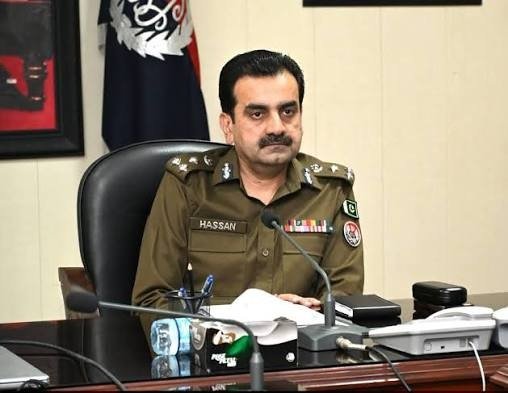
RAWALPINDI — City Police Officer (CPO) Rawalpindi Hassan Mushtaq Sukhera visited the Traffic Headquarters on Tuesday, where he conducted a meeting with senior traffic police officers. The purpose of the visit was to direct the implementation of effective measures aimed at ensuring a smooth and uninterrupted flow of traffic throughout the city. What Happened During his visit to the Traffic Headquarters, CPO Hassan Mushtaq Sukhera emphasized the importance of maintaining an efficient traffic system in Rawalpindi, a city known for its bustling streets and heavy vehicular movement. He instructed the traffic police to devise and implement strategies that would alleviate congestion and improve the overall traffic situation. In the meeting, CPO Sukhera highlighted the need for a proactive approach in managing traffic, especially during peak hours. He urged the officers to ensure that all traffic signals are functioning properly and that traffic wardens are actively managing intersections to prevent bottlenecks. “It is crucial that we maintain a steady flow of traffic to facilitate the daily commute of our citizens,” he stated. The CPO also addressed the issue of illegal parking and encroachments, which contribute significantly to traffic jams in the city. He directed the officers to take strict action against violators and ensure that roads remain clear for vehicular movement. Additionally, he stressed the importance of public awareness campaigns to educate citizens about traffic rules and the consequences of violations. Furthermore, CPO Sukhera called for the use of modern technology in traffic management. He suggested the integration of surveillance cameras and traffic monitoring systems to enhance the efficiency of the traffic police force. “Leveraging technology will not only help in real-time monitoring but also in the swift resolution of traffic-related issues,” he added. Background Rawalpindi, being one of the major cities in Pakistan, faces significant traffic challenges due to its growing population and increasing number of vehicles. Over the years, the city has witnessed numerous traffic management initiatives aimed at improving road conditions and reducing congestion. However, the rapid urbanization and expansion of commercial activities have often outpaced these efforts. Previously, the city administration has launched various projects, such as the construction of flyovers and underpasses, to ease traffic flow. Despite these infrastructural developments, the city continues to struggle with traffic bottlenecks, particularly during rush hours. The local government has been working in collaboration with traffic police to address these issues through both short-term and long-term measures. Why It Matters The directives issued by CPO Hassan Mushtaq Sukhera are significant as they aim to address a persistent problem that affects the daily lives of Rawalpindi’s residents. Traffic congestion not only causes delays and frustration but also has broader economic and environmental impacts. Prolonged traffic jams lead to increased fuel consumption, higher emissions, and can negatively impact the productivity of the workforce. By focusing on effective traffic management, the Rawalpindi police aim to enhance the quality of life for citizens and promote a more efficient urban environment. Improved traffic flow can lead to reduced travel times, lower transportation costs, and a decrease in road accidents, thereby contributing to the overall safety and well-being of the public. Furthermore, the emphasis on modern technology and public awareness highlights a forward-thinking approach to urban management. By integrating technological solutions and educating the public, the city can develop a more sustainable and responsive traffic system that can adapt to future challenges. Key Takeaways CPO Hassan Mushtaq Sukhera visited Traffic Headquarters to address traffic flow issues. Emphasis was placed on proactive traffic management and the use of technology. Illegal parking and encroachments were identified as major contributors to congestion. Public awareness campaigns are planned to educate citizens on traffic rules. Improved traffic flow is expected to enhance urban life and reduce economic costs. Source Attribution This article is based on official government statements and public communications from relevant authorities. Author: NEN Editorial Desk | Editor: NEN Newsroom | Fact Checked By: NEN Editorial Team Author: NEN Editorial Desk  |  Editor: NEN Newsroom  |  Last Updated: July 14, 2026  |  Source: NEN Reporter This article was produced by the NEN Editorial Desk in accordance with NEN Agency’s Editorial Policy and Fact-Checking Policy.
Pakistan

Islamabad Authorities Inspect 4,240 Dengue Hotspots, Arrest 51 for SOP Violations

ISLAMABAD — The Islamabad Capital Territory (ICT) administration has conducted inspections at 4,240 dengue hotspots, resulting in the arrest of 51 individuals for violating Standard Operating Procedures (SOPs), according to a recent review meeting chaired by Deputy Commissioner Irfan Nawaz Memon. What Happened During a meeting held on Tuesday, Deputy Commissioner Irfan Nawaz Memon reviewed the ongoing efforts to combat dengue fever in Islamabad. The meeting focused on evaluating the surveillance data, inspecting identified hotspots, and assessing the enforcement of health guidelines across the federal capital. The ICT administration has been actively working to curb the spread of dengue, a mosquito-borne viral infection that poses significant health risks during the monsoon season. The inspection of 4,240 dengue hotspots was part of a broader strategy to identify and eliminate breeding grounds for mosquitoes. These hotspots include areas with stagnant water, which are ideal for mosquito breeding. The authorities have been employing various measures, including fumigation and public awareness campaigns, to mitigate the risk of dengue transmission. As part of the enforcement measures, 51 individuals were arrested for failing to comply with the SOPs designed to prevent the spread of dengue. These SOPs include maintaining cleanliness, eliminating standing water, and adhering to guidelines issued by health authorities. The arrests underscore the administration’s commitment to enforcing health regulations and ensuring public safety. Background Dengue fever is a recurring public health challenge in Pakistan, particularly during the monsoon season when the conditions are conducive for mosquito breeding. The disease is transmitted by the Aedes aegypti mosquito, which thrives in urban environments with poor sanitation and stagnant water. In recent years, the Pakistani government has intensified efforts to combat dengue through a combination of public health campaigns, community engagement, and strict enforcement of health regulations. The ICT administration’s current actions are part of this broader national strategy to control dengue outbreaks. Historically, dengue outbreaks have placed a significant burden on Pakistan’s healthcare system, prompting authorities to adopt a proactive approach in recent years. The focus has been on prevention through public awareness, environmental management, and community participation. Why It Matters The proactive measures taken by the ICT administration are crucial in preventing a potential dengue outbreak in Islamabad. With the onset of the monsoon season, the risk of dengue transmission increases, making it imperative for authorities to act swiftly and decisively. The arrests made for SOP violations highlight the importance of community compliance in controlling dengue. Public cooperation is essential in maintaining cleanliness and eliminating mosquito breeding sites. The enforcement of SOPs serves as a deterrent against negligence and encourages citizens to actively participate in dengue prevention efforts. Economically, controlling dengue outbreaks can significantly reduce the financial burden on the healthcare system. Dengue fever leads to increased hospital admissions and healthcare costs, which can strain public resources. By preventing outbreaks, the ICT administration is not only safeguarding public health but also ensuring economic stability. On a broader scale, effective dengue control measures contribute to Pakistan’s public health resilience. By demonstrating the capability to manage vector-borne diseases, Pakistan can enhance its international standing and attract support for further health initiatives. Key Takeaways The ICT administration inspected 4,240 dengue hotspots in Islamabad. Fifty-one individuals were arrested for violating dengue prevention SOPs. Efforts are part of a broader strategy to prevent dengue outbreaks during the monsoon season. Dengue fever poses significant health and economic challenges in Pakistan. Community compliance and proactive measures are crucial for effective dengue control. Source Attribution This article is based on official government statements, press releases, and public communications from relevant authorities. Author: NEN Editorial Desk | Editor: NEN Newsroom | Fact Checked By: NEN Editorial Team Author: NEN Editorial Desk  |  Editor: NEN Newsroom  |  Last Updated: July 14, 2026  |  Source: NEN Reporter This article was produced by the NEN Editorial Desk in accordance with NEN Agency’s Editorial Policy and Fact-Checking Policy.
World

Rawalpindi Cantonment Board’s Cleanliness Initiative Receives Widespread Praise

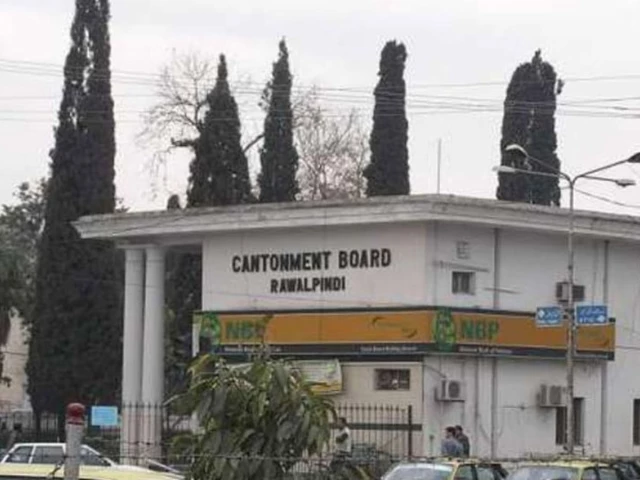
RAWALPINDI — The Rawalpindi Cantonment Board’s (RCB) recent cleanliness drive has garnered widespread acclaim from traders, political figures, and local citizens, who commend the board’s efforts in maintaining sanitation across key commercial areas. What Happened The Rawalpindi Cantonment Board (RCB) has launched an extensive cleanliness campaign aimed at enhancing sanitation standards in major commercial hubs within the cantonment area. This initiative has been met with positive feedback from various segments of society, including the Central Anjuman-e-Tajiran Rawalpindi Cantt, which represents the local traders. Traders and citizens have expressed their appreciation for the RCB’s efforts in ensuring that the commercial areas are kept clean and hygienic. According to a statement from the Central Anjuman-e-Tajiran, the cleanliness drive has significantly improved the aesthetic appeal and sanitation conditions of the area, which, in turn, has positively impacted business activities. Local political and social figures have also lauded the RCB’s initiative, highlighting the importance of maintaining cleanliness for public health and environmental sustainability. The drive has reportedly involved the deployment of additional sanitation workers and resources to ensure thorough cleaning of streets, markets, and public spaces. In response to the positive feedback, an RCB official stated, “We are committed to maintaining a clean and healthy environment for our citizens and traders. The success of this drive is a testament to the hard work and dedication of our sanitation teams.” Background The Rawalpindi Cantonment Board is responsible for municipal services within the cantonment area, including sanitation, waste management, and public health. Over the years, the RCB has undertaken various initiatives to improve the living standards of residents and the operational environment for businesses. Historically, cleanliness and sanitation have been pressing issues in many urban areas of Pakistan, including Rawalpindi. The RCB’s current drive is part of a broader effort to address these challenges by implementing systematic waste management practices and raising public awareness about the importance of cleanliness. Previous efforts by the RCB to improve sanitation have included community engagement programs and collaboration with local organizations to promote sustainable waste disposal practices. Why It Matters The cleanliness drive by the Rawalpindi Cantonment Board is significant for several reasons. Firstly, it addresses the long-standing issue of inadequate sanitation in urban areas, which affects public health and quality of life. By ensuring cleaner environments, the RCB contributes to reducing the risk of disease outbreaks and improving overall community well-being. Economically, a cleaner and more aesthetically pleasing environment attracts more customers to commercial areas, boosting local businesses and contributing to economic growth. Traders have noted an increase in foot traffic and customer satisfaction, which they attribute to the improved cleanliness of the area. Socially, the initiative fosters a sense of community pride and responsibility. By involving local stakeholders, such as traders and citizens, the RCB encourages collective efforts towards maintaining cleanliness, which can lead to more sustainable outcomes. On a broader scale, successful sanitation initiatives like this one can serve as models for other municipalities across Pakistan, demonstrating the benefits of proactive waste management and community engagement. Key Takeaways The Rawalpindi Cantonment Board’s cleanliness drive has been praised by traders, citizens, and political figures. The initiative has improved sanitation in major commercial hubs, enhancing business activities. Local stakeholders have expressed satisfaction with the RCB’s efforts to maintain a clean environment. The drive highlights the importance of cleanliness for public health, economic growth, and community pride. Successful sanitation practices in Rawalpindi could serve as a model for other regions in Pakistan. Source Attribution This article is based on official government statements, press releases, and public communications from relevant authorities. Author: NEN Editorial Desk | Editor: NEN Newsroom | Fact Checked By: NEN Editorial Team Author: NEN Editorial Desk  |  Editor: NEN Newsroom  |  Last Updated: July 14, 2026  |  Source: NEN Reporter This article was produced by the NEN Editorial Desk in accordance with NEN Agency’s Editorial Policy and Fact-Checking Policy.
Pakistan

Punjab Government Reshuffles Senior Bureaucracy, Transfers Key Officials

LAHORE — The Punjab government announced a significant reshuffle in its senior bureaucracy on Tuesday, transferring and appointing several high-ranking officials, including directors general and deputy commissioners. The changes were detailed in a notification issued by the Services and General Administration Department (S&GAD). What Happened The Punjab government’s decision to reshuffle its senior bureaucratic ranks involves the transfer and posting of numerous directors general (DGs), deputy commissioners (DCs), and administrative secretaries. This move, as outlined in the official notification from the Services and General Administration Department, aims to enhance administrative efficiency and address the evolving needs of the provincial administration. Among the notable changes, several DGs have been reassigned to different departments, while multiple DCs have been transferred to new districts. The reshuffle also includes the appointment of new administrative secretaries to various departments, reflecting the government’s intent to optimize governance and service delivery at the provincial level. A senior official from the Punjab government, speaking on condition of anonymity, stated, “These transfers are part of the government’s routine administrative adjustments to ensure that the right individuals are in positions where they can contribute most effectively to the province’s development goals.” The reshuffle is expected to bring fresh perspectives and renewed energy to the departments affected, with the aim of improving public service delivery and addressing the challenges faced by the province. Background Administrative reshuffles are a common practice in Pakistan’s provincial governments, often undertaken to streamline operations and address inefficiencies. The Punjab government, being the largest provincial administration in the country, frequently undergoes such changes to adapt to new policy directions and governance strategies. Historically, these reshuffles have been used as tools to align the bureaucracy with the government’s developmental priorities. Past instances have seen similar large-scale transfers, especially in times of new government formations or shifts in policy focus. The Services and General Administration Department plays a crucial role in managing the careers of civil servants in Punjab, ensuring that appointments and transfers align with the broader objectives of the provincial government. Why It Matters The reshuffle in Punjab’s senior bureaucracy holds significant implications for the province’s administrative landscape. By repositioning key officials, the government aims to enhance its capacity to implement policies effectively and respond to the needs of its citizens. Economically, these changes could impact the execution of development projects, as new officials bring different priorities and management styles. This could either accelerate or delay ongoing initiatives, depending on the adaptability of the incoming officers. Socially, the reshuffle may affect public service delivery, particularly in areas such as health, education, and infrastructure. Efficient administration is crucial for maintaining public trust and ensuring that government services reach the intended beneficiaries. Politically, the reshuffle reflects the government’s strategic approach to governance, potentially influencing its relationship with the public and other stakeholders. By appointing officials aligned with its vision, the government seeks to reinforce its agenda and maintain stability within the province. On an international level, the efficiency of provincial administrations like Punjab’s can affect foreign investment and partnerships, as investors often consider the stability and effectiveness of local governance when making decisions. Key Takeaways The Punjab government has conducted a major reshuffle of its senior bureaucratic ranks, affecting several directors general and deputy commissioners. The changes are intended to enhance administrative efficiency and align with the province’s developmental goals. Such reshuffles are a routine part of governance in Pakistan, aimed at optimizing public service delivery. The impact of these changes will be felt across economic, social, and political spheres within the province. Effective administration is crucial for maintaining public trust and attracting international investment. Source Attribution This article is based on official government statements, press releases, and public communications from relevant authorities. Author: NEN Editorial Desk | Editor: NEN Newsroom | Fact Checked By: NEN Editorial Team Author: NEN Editorial Desk  |  Editor: NEN Newsroom  |  Last Updated: July 14, 2026  |  Source: NEN Reporter This article was produced by the NEN Editorial Desk in accordance with NEN Agency’s Editorial Policy and Fact-Checking Policy.

World

Pakistan Calls for UN Measures to Safeguard Communities from Mineral Exploitation

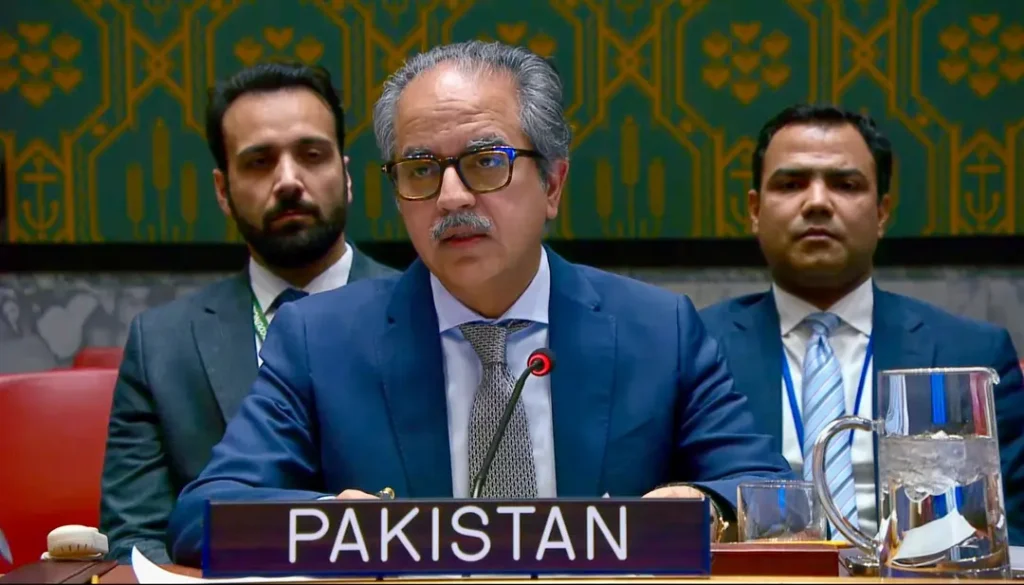
NEW YORK — Pakistan has called on the United Nations to take decisive action to protect local communities from the global rush for mineral resources. During a session of the UN Security Council, Pakistan emphasized the importance of sovereign control over natural resources, aligning itself with African nations facing similar challenges. The session focused on how the illicit exploitation of minerals fuels armed conflicts and the need for a regulatory framework to ensure that resource wealth benefits local communities. What Happened At a recent UN Security Council meeting, Pakistan’s representative highlighted the urgent need for international measures to protect local communities from the adverse effects of the global scramble for minerals. The discussion centered on the illicit exploitation of natural resources, which has been identified as a significant factor in fueling armed conflicts, particularly in resource-rich regions of Africa. Pakistan underscored the importance of sovereign control over natural wealth, advocating for a regulatory framework that ensures resource wealth is used to benefit local populations. Pakistan’s stance was in solidarity with African nations, many of which have experienced the detrimental impacts of unregulated mineral extraction. The session explored potential strategies to curb the illicit trade and ensure that the economic benefits of mineral resources are equitably distributed. The call for action comes amid growing concerns over the exploitation of minerals, which often leads to environmental degradation and social unrest in affected regions. During the session, Pakistan reiterated its commitment to supporting international efforts aimed at establishing a fair and transparent system for the governance of natural resources. The representative stressed that the exploitation of minerals should not come at the expense of local communities, who often bear the brunt of environmental and social consequences. Background The issue of mineral exploitation has long been a contentious topic at the international level. Many resource-rich countries, particularly in Africa, have struggled with the challenges posed by the illicit extraction and trade of minerals. This has often led to armed conflicts, as various groups vie for control over lucrative resources. The UN Security Council has been actively involved in addressing these issues, seeking to develop frameworks that promote sustainable and equitable resource management. Historically, the lack of effective regulation has allowed for the exploitation of mineral resources to proceed unchecked, resulting in significant environmental and social impacts. Countries like the Democratic Republic of the Congo have been particularly affected, with mineral wealth fueling prolonged conflicts and undermining development efforts. The UN has recognized the need for a comprehensive approach that addresses both the economic and security dimensions of mineral exploitation. Why It Matters The call for UN action by Pakistan highlights the broader implications of mineral exploitation on global peace and security. The unregulated extraction of minerals not only exacerbates conflicts but also undermines efforts to achieve sustainable development goals. For Pakistan, a country with its own rich mineral resources, the issue is particularly pertinent as it seeks to balance economic development with environmental and social considerations. The economic impact of mineral exploitation is significant, with the potential to generate substantial revenue for resource-rich countries. However, without proper regulation, these benefits often fail to reach local communities, leading to increased inequality and social unrest. By advocating for a regulatory framework, Pakistan is pushing for a system that ensures the equitable distribution of resource wealth, thereby promoting stability and development. Internationally, the issue of mineral exploitation is closely linked to broader geopolitical dynamics. As global demand for minerals continues to rise, the competition for resources is likely to intensify, with significant implications for international relations. The UN’s role in facilitating dialogue and cooperation among member states is crucial in addressing these challenges and promoting a more equitable and sustainable approach to resource management. Key Takeaways Pakistan has urged the UN to take action to protect local communities from the global scramble for minerals. The UN Security Council discussed the illicit exploitation of minerals and its role in fueling armed conflicts. Pakistan emphasized the importance of sovereign control over natural resources and supported African nations facing similar challenges. The call for a regulatory framework aims to ensure that resource wealth benefits local communities. The issue of mineral exploitation has significant economic, social, and geopolitical implications. Source Attribution This article is based on official government statements, press releases, and public communications from relevant authorities. Author: NEN Editorial Desk | Editor: NEN Newsroom | Fact Checked By: NEN Editorial Team Author: NEN Editorial Desk  |  Editor: NEN Newsroom  |  Last Updated: July 14, 2026  |  Source: NEN Reporter This article was produced by the NEN Editorial Desk in accordance with NEN Agency’s Editorial Policy and Fact-Checking Policy.

Pakistan

Rupee Appreciates Marginally Against US Dollar in Interbank Market

ISLAMABAD — The Pakistani Rupee showed a slight improvement against the US Dollar, appreciating by 1 paisa in interbank trading on Tuesday. The currency closed at Rs 278.01, a minor increase from the previous day’s closing rate of Rs 278.02, according to the Forex Association of Pakistan (FAP). What Happened On Tuesday, the Pakistani Rupee gained 1 paisa against the US Dollar in the interbank market, closing at Rs 278.01. This slight appreciation comes amid ongoing fluctuations in currency exchange rates, reflecting the complex dynamics of Pakistan’s foreign exchange market. The buying and selling rates of the US Dollar in the open market were recorded at Rs 279.30 and Rs 280.50, respectively, as reported by the FAP. In addition to the Rupee’s performance against the US Dollar, the exchange rates for other major currencies also saw changes. The Euro depreciated by Rs 0.90, closing at Rs 316.82 compared to Rs 317.72 on the previous day, according to data from the State Bank of Pakistan (SBP). The British Pound also saw a decrease, falling by Rs 1.04 to close at Rs 371.38, down from Rs 372.42. The Japanese Yen remained stable, closing at Rs 1.71. Meanwhile, the Emirati Dirham and the Saudi Riyal experienced slight depreciations of 1 and 3 paisa, respectively, closing at Rs 75.69 and Rs 74.02. Background The Pakistani Rupee has been experiencing volatility due to various economic factors, including inflationary pressures, trade imbalances, and foreign exchange reserves. The country has been navigating through economic challenges, exacerbated by global market conditions and domestic fiscal policies. Historically, the Rupee’s value has been influenced by Pakistan’s balance of payments, foreign investments, and remittances from overseas Pakistanis. In recent years, the government and the State Bank of Pakistan have implemented measures to stabilize the Rupee, including monetary policy adjustments and efforts to increase foreign currency reserves. These efforts are part of broader economic reforms aimed at improving fiscal discipline and fostering economic growth. Why It Matters The slight appreciation of the Rupee against the US Dollar is a reflection of the ongoing efforts to stabilize Pakistan’s economy. While the gain of 1 paisa may seem minor, it is indicative of the broader economic strategies being employed to manage currency stability. A stable Rupee can help mitigate inflationary pressures, making imports cheaper and potentially reducing the cost of living for citizens. For businesses and investors, exchange rate stability is crucial for planning and investment decisions. It can enhance investor confidence, potentially leading to increased foreign direct investment, which is vital for economic growth and job creation. Additionally, a stable currency can improve the country’s trade balance by making exports more competitive on the international market. However, the Rupee’s performance is also a reminder of the challenges facing Pakistan’s economy, including the need for structural reforms and effective fiscal management. The government must continue to address these challenges to ensure long-term economic stability and growth. Key Takeaways The Pakistani Rupee appreciated by 1 paisa against the US Dollar, closing at Rs 278.01 in interbank trading. The Euro and British Pound also saw depreciations against the Rupee, with the Euro closing at Rs 316.82 and the Pound at Rs 371.38. The Japanese Yen remained stable, while the Emirati Dirham and Saudi Riyal saw slight depreciations. Exchange rate stability is crucial for economic planning, investment, and maintaining the cost of living. Ongoing economic reforms and fiscal management are essential for long-term currency stability and economic growth. Source Attribution This article is based on official government statements, press releases, and public communications from relevant authorities. Author: NEN Editorial Desk | Editor: NEN Newsroom | Fact Checked By: NEN Editorial Team Author: NEN Editorial Desk  |  Editor: NEN Newsroom  |  Last Updated: July 14, 2026  |  Source: NEN Reporter This article was produced by the NEN Editorial Desk in accordance with NEN Agency’s Editorial Policy and Fact-Checking Policy.

Scroll to Top