2026

Business

Juggler and Pet Monkey Rest Amid Scorching Heat in Multan

MULTAN — On June 28, 2026, a juggler and his pet monkey were seen taking a break outside a residential house in Multan, overwhelmed by the extreme summer heat. This highlights the challenges faced by street performers in Pakistan due to harsh weather for their livelihood. Current Situation Amidst the scorching heat, a juggler was found resting with his pet monkey under a tree’s shade in a residential area of Multan. Known for performing tricks and acts with his monkey, he appeared exhausted from the region’s soaring temperatures. Local residents frequently see him perform to earn a modest income from bystanders. The heatwave affecting Multan is part of a broader extreme weather pattern impacting South Asia. With temperatures routinely exceeding 40 degrees Celsius, outdoor workers face significant health risks. Similar to many workers, this juggler lacks adequate shelter or cooling facilities, complicating their efforts to manage the oppressive heat. Despite these challenges, eyewitnesses reported that the juggler and his monkey remained in good spirits. A local shopkeeper commented, “He often entertains here, and people enjoy it. But today, it was simply too hot.” This scenario underscores the vulnerability of informal workers in Pakistan, who must work in extreme conditions to support their families. Cultural and Economic Context Street performers, including jugglers and their animal companions, have greatly enriched Pakistan’s urban cultural scene, performing in public spaces, markets, and festivals. Operating within the informal economy, these performers lack formal employment contracts, health benefits, or social security. The current heatwave in Pakistan is not an isolated incident. The country faces increasingly severe weather due to climate change, aggravating challenges for outdoor workers such as street vendors, construction laborers, and performers. Though the government advises staying hydrated and minimizing sun exposure, economic pressures often override such guidance. Significance of Informal Sector The juggler’s situation in Multan reflects broader challenges faced by Pakistan’s informal workers. These individuals often lack the resources and support needed to protect themselves from environmental hazards. As climate change worsens these conditions, the frequency and intensity of heatwaves are expected to rise, escalating risks for vulnerable groups. Economically, the informal sector remains vital to Pakistan, sustaining millions of workers. However, the lack of formal recognition and support exposes these individuals to diverse risks, including health problems and financial instability. The story of the juggler emphasizes the urgent need for policies to address these vulnerabilities by ensuring basic protections and services. Socially, street performers add significantly to the cultural vibrancy in cities like Multan, providing joy and entertainment that nurture community spirit. However, without adequate support, these cultural contributors might abandon their professions, leading to a potential loss of cultural heritage. Essential Points A juggler and his pet monkey rested in Multan due to extreme heat. Temperatures in Multan have consistently exceeded 40 degrees Celsius, straining informal workers. Street performers lack formal employment benefits, increasing vulnerability during heatwaves. The informal sector is critical to Pakistan’s economy, despite lacking formal support. Climate change is intensifying extreme weather, posing increased risks.

Business

Woman Vendor Offers Snacks on Handcart at Multan’s General Bus Stand Road

MULTAN — On General Bus Stand Road in Multan, a woman has set up a lively handcart offering snacks and refreshments. She aims to attract commuters and locals alike. Her venture highlights the entrepreneurial spirit prevalent among the city’s street vendors, who depend on such small-scale enterprises for their livelihood. Entrepreneurial Efforts The vendor, preferring to stay anonymous, has strategically positioned her cart in a busy area. She provides a variety of snacks like samosas, pakoras, and local drinks. Her handcart, adorned with bright signs and neatly arranged snacks, draws those looking for quick, affordable meals. Street food is a vital part of everyday life in Multan. Building a Customer Base Over several months, the vendor has built a loyal clientele. “I buy snacks for my children here every day after school,” said a regular customer. Her business not only supports her family but serves the community by providing affordable food choices. Street vending thrives in Pakistan’s cities, where many turn to this informal economy sector for livelihood. Her cart features a small canopy, crucial for coping with Multan’s harsh summer heat. Historical Context Street vending has deep roots in Pakistan, offering a way out of poverty for many. In cities like Multan, vendors are integral to the urban economy by supplying accessible goods and services. Despite their impact, street vendors face challenges like lack of formal recognition, legal hurdles, and occasional municipal harassment. General Bus Stand Road is a bustling hub for vendors, though operating there involves competition and navigating urban regulations. Economic and Social Impact Street vendors at the General Bus Stand play crucial roles for various reasons. Economically, they provide affordable snacks to a wide range of consumers, especially low-income individuals. As inflation and economic instabilities strain budgets, this service becomes essential. Socially, vendors add to urban culture, strengthening community ties and familiarity. In culturally rich Multan, they offer locals and visitors a taste of traditional Pakistani cuisine. Challenges and Opportunities A woman vendor in Multan attracts customers with her snack-filled handcart on General Bus Stand Road. Street vending is vital to Pakistan’s informal economy, offering affordable food choices. Vendors confront challenges like legal barriers and competition, notwithstanding their economic contributions. They add cultural and social value to urban areas such as Multan. Improved policies are needed to integrate vendors effectively into the urban economy.

Business

Fruit Vendors Revive Business at Islamabad’s H-9 Bazaar After Fire

ISLAMABAD — In the heart of Pakistan’s capital, the H-9 weekly bazaar is animated again as fruit vendors resume their activities. Recently, a major fire had severely damaged this bustling market, destroying many stalls and halting operations. Fire and Immediate Aftermath The fire at the H-9 bazaar, a vital economic hub in Islamabad, left numerous shops in ruins. The blaze caused extensive damage to vendors’ property and inventory. Nevertheless, vendors showed incredible resilience, quickly returning to rebuild their businesses. One vendor ingeniously arranged a pyramid of mangoes, enticing customers with vibrant colors and fresh aromas. Alongside mangoes, peaches, bananas, and dates highlight the rich diversity of produce available. This commitment reflects the tenacity of the local business community. Market Background The H-9 bazaar is a cornerstone of Islamabad’s commercial scene, offering a wide array of goods from fresh produce to clothing and household items. Held weekly, it draws a varied crowd from across the city, known for its affordability and product variety. Fires in Pakistani markets often result from electrical faults or mishandling flammable materials. Although the government has pursued safety improvements, enforcement remains challenging. Significance of Recovery The rapid revival of the H-9 bazaar is crucial economically and socially. This market provides essential income for many families, and the fire’s disruption affected vendors and their supply chains. The vendors’ comeback is a testament to their resilience, critical to the local economy. Beyond economics, the bazaar is a cultural hub, fostering social interactions and cultural exchanges among Islamabad’s diverse residents. Resuming normal operations helps rebuild community spirit and normalcy. Call for Safety Enhancements This incident underscores the necessity for enhanced safety regulations and infrastructure in public markets. It highlights the need for government action to ensure these spaces’ safety and security, which are vital for both economic and social well-being. Key Takeaways Fruit vendors have resumed operations at Islamabad’s H-9 bazaar post-fire. The market plays a vital role as an economic hub, supporting numerous families. There is a pressing need for improved safety regulations in public markets. Vendors’ resilience is crucial for local economic and community recovery. Authorities are still investigating the fire’s cause. Source Attribution The details in this article are drawn from the Associated Press of Pakistan (APP). Continued updates regarding the fire’s cause and long-term measures are anticipated.

Business

Major Fire Ravages H-9 Bazaar, Destroying Numerous Shops

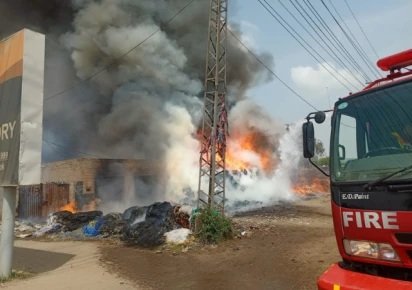
ISLAMABAD — A major fire erupted at the H-9 Bazaar in Islamabad, destroying numerous commercial stalls and causing substantial losses for shop owners who rely on daily sales. This disaster has significantly impacted one of the busiest markets in the federal capital. Incident Details The fire at H-9 Bazaar broke out unexpectedly, engulfing many shops and stalls. Eyewitnesses and local authorities observed that the blaze spread rapidly due to the market’s densely packed structure and flammable materials. Firefighters struggled to control the fire, hindered by narrow alleyways and congested paths. Though the exact cause remains unconfirmed, initial investigations suggest an electrical short circuit may be responsible. Shop owners estimate damages in the millions of rupees. Long-standing vendors expressed despair over losing their livelihoods, with one noting, “Everything I had is gone.” Emergency services worked tirelessly to extinguish the flames, taking several hours to do so. Fortunately, there were no casualties, although the financial impact on the community is severe. Market Background H-9 Bazaar, a popular weekly market in Islamabad, attracts thousands seeking affordable clothing, electronics, and fresh produce. Its layout, characterized by tightly packed stalls and limited infrastructure, has raised safety concerns among experts. Previous minor fires never reached this disaster’s scale. Markets such as H-9 are vital economic hubs in Pakistan, providing employment and business opportunities to small traders and vendors. However, they often lack adequate safety measures, making them prone to incidents like this fire. Economic and Urban Implications This fire at H-9 Bazaar underscores the urgent need for improved safety regulations and infrastructure in Pakistani markets. The economic consequences are significant, disrupting countless vendors and their families’ livelihoods. For many, losing their stalls means losing their primary income source, leading to heightened financial insecurity. Moreover, this event highlights systemic issues in urban planning and market management across Pakistan. The lack of enforced safety standards and emergency preparedness plans increases risks for vendors and shoppers. Authorities must prioritize implementing safety measures to prevent similar tragedies. Internationally, such incidents can affect investor confidence and perceptions of Pakistan’s urban management capabilities. It is crucial for the government to address these concerns, ensuring market safety and sustainability. Key Takeaways A significant fire at H-9 Bazaar in Islamabad destroyed many shops, resulting in severe financial losses. The fire spread rapidly due to the market’s dense layout and flammable contents. No casualties were reported, but the economic impact on vendors is substantial. The incident highlights the need for improved safety measures and infrastructure in Pakistan’s markets. Authorities must enforce safety standards to prevent future incidents.

Business

Elderly Man Braves Heat to Support Family with Donkey Cart Work

LAHORE — An elderly man in Lahore braves the intense summer heat, transporting empty plastic bags on a donkey cart to support his family. This scene illustrates the hardships low-income workers face in Pakistan’s urban areas. Challenges of Manual Labor in Lahore Photographed on a scorching summer day, this elderly man represents the struggles of manual labor in bustling Lahore. Despite his age, he continues to work under the blazing sun, showcasing remarkable resilience and determination. As a member of Pakistan’s informal worker community, his identity remains undisclosed. He lacks social security benefits and operates under precarious conditions. His daily routine involves transporting recyclable materials, providing modest earnings crucial for supporting his children and fulfilling basic needs. With temperatures exceeding 40 degrees Celsius in Lahore, outdoor labor is daunting. His struggle highlights broader socio-economic challenges affecting millions, where limited employment opportunities force many into such extreme conditions. Backdrop of Pakistan’s Informal Sector Poverty and unemployment are significant issues in Pakistan, pushing many into informal labor. The Pakistan Bureau of Statistics notes that the informal sector makes up a substantial portion of the workforce, often characterized by low wages and job insecurity. Historically, informal workers have sought labor law recognition and protection. However, their integration into the formal economy is hampered by bureaucratic challenges and limited resources. Economic pressures and rising inflation intensify these difficulties, diminishing purchasing power and increasing living costs. Economic and Social Implications The story of this elderly man embodies the economic struggles faced by many Pakistanis. It highlights the urgent need for policies addressing the vulnerabilities of informal workers, frequently excluded from social safety nets. Enhancing their conditions and granting access to social services could drastically improve their lives. Economically, reliance on informal labor hinders Pakistan’s development. Despite their vital contribution, the lack of formal recognition restricts access to credit and financial services, limiting their economic mobility and growth potential. Community Resilience and Global Attention Socially, the tale emphasizes the significance of community support and resilience. Despite adversity, families persevere, driven by the necessity to provide for their loved ones. This resilience attests to the enduring strength and determination of Pakistan’s working class. Internationally, the plight of informal workers in Pakistan draws attention to labor rights and the importance of inclusive economic policies. As countries recover from the economic impacts of COVID-19, ensuring equitable support for all workers becomes imperative. Key Takeaways An elderly man in Lahore laboriously collects and sells recyclables in extreme heat to support his family. Pakistan’s informal labor sector is extensive but often deprived of social security and legal protections. High temperatures and economic pressures exacerbate the difficulties faced by informal workers. Addressing the needs of informal workers is crucial for Pakistan’s economic growth and stability.

Pakistan

Prominent Lawyer Imran Matta Joins PML-N After Meeting Amir Muqam

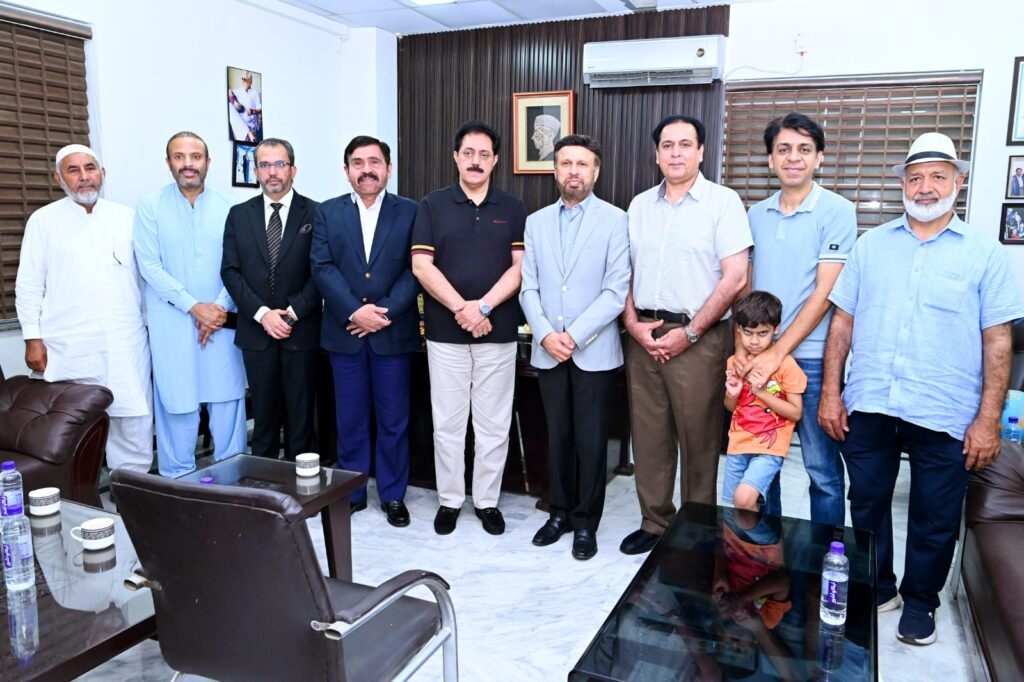
PESHAWAR — Advocate Imran Khan Matta, a prominent lawyer and former General Secretary of the Peshawar High Court Bar, has officially joined the Pakistan Muslim League-Nawaz (PML-N). This decision followed a meeting with Federal Minister for Kashmir Affairs, Gilgit-Baltistan, and SAFRON, Engineer Amir Muqam, at his residence in Peshawar Cantonment on June 28, 2023. Meeting with Amir Muqam Imran Khan Matta, widely recognized in Khyber Pakhtunkhwa’s legal circles, met Engineer Amir Muqam, the PML-N President in the province. During this meeting, Matta decided to align with PML-N, driven by the party’s vision and policies. Engineer Amir Muqam welcomed Matta, expressing confidence in the lawyer’s potential to strengthen the party’s regional standing. Muqam highlighted Matta’s legal expertise and integrity as valuable assets, stating, “His decision to join us affirms the growing support for PML-N in Khyber Pakhtunkhwa.” Matta’s Political Commitment Imran Matta, who has served in significant roles within the legal community, such as General Secretary of the Peshawar High Court Bar, pledged to enhance the political scene in the province. “I believe in PML-N leadership and its commitment to the rule of law and development,” Matta affirmed. PML-N’s Expansion in Khyber Pakhtunkhwa While the Pakistan Muslim League-Nawaz (PML-N) holds substantial political sway in Punjab, it has faced challenges in Khyber Pakhtunkhwa. Efforts to strengthen its presence in the region have been consistent, with Amir Muqam playing a central role. Imran Khan Matta’s entry into PML-N aligns with the party’s strategy to expand its influence in the province. The shifting political landscape, marked by changing party affiliations, means that Matta’s inclusion is part of broader efforts to attract influential local figures. Impact of Matta’s Inclusion Matta’s inclusion underscores PML-N’s concentrated efforts to establish a stronghold in Khyber Pakhtunkhwa, aiming to boost credibility and voter appeal by involving respected local figures. His solid legal background provides valuable insight into judicial matters and potentially guides the party’s policy and stance on key issues. Matta’s insight could be crucial in shaping the party’s approach to legal reforms and governance. Imran Khan Matta joins PML-N after meeting Engineer Amir Muqam. PML-N seeks to enhance its presence in Khyber Pakhtunkhwa through Matta’s inclusion. Anticipated benefits from Matta’s legal expertise in policy-making and governance. Part of a broader effort to attract influential figures locally to strengthen the party.

Business

US-Iran Peace Could Boost Pakistan’s Trade Prospects, Says Iftikhar Malik

ISLAMABAD — Iftikhar Ali Malik, former President of the SAARC Chamber of Commerce and Industry, emphasized the potential for Pakistan to expand trade with Iran following peace developments between the United States and Iran. On Sunday, Malik urged Pakistan to explore barter trade opportunities with Iran to access its estimated $36 billion market. Potential Trade Opportunities Malik highlighted the opportunities presented by improving US-Iran relations, which could enhance Pakistan’s trade prospects with Iran. He explained that easing tensions could pave the way for increased economic interactions, particularly through barter trade agreements. Iran’s market, valued at approximately $36 billion, offers significant potential for boosting Pakistani exports. He suggested Pakistan focus on exporting rice, textiles, and other goods in demand in Iran. Malik also noted the potential for importing Iranian oil and gas, which could help address Pakistan’s energy shortages. A strong barter trade mechanism could facilitate these exchanges, circumventing challenges from international sanctions on Iran. Economic Implications for Pakistan Recent diplomatic progress between the US and Iran may lead to a more stable regional environment, benefiting Pakistan economically. Malik called on the Pakistani government to actively pursue trade agreements and partnerships with Iran, emphasizing a strategic approach to capitalize on the changing geopolitical landscape. Background on US-Iran Relations The US-Iran relationship has long been strained due to disputes over Iran’s nuclear program and regional conflicts. Recent diplomatic efforts aim to reduce hostilities and encourage dialogue. Easing US sanctions on Iran could open new trade avenues in the region. Pakistan and Iran have historically shared close cultural and economic ties, though trade has been limited due to international sanctions. Both countries recently expressed interest in boosting bilateral trade, with barter trade seen as a viable means to overcome financial restrictions. Significance of Strengthened Trade Ties Enhanced trade between Pakistan and Iran would have significant economic impacts on both nations. Barter trade could help Pakistan reduce its trade deficit and secure essential resources like oil and gas, crucial amid its ongoing energy crisis affecting industrial growth. Strengthening trade ties with Iran could enhance Pakistan’s strategic regional position, allowing diversification of trade partners and reducing reliance on traditional markets. This could lead to greater economic resilience, especially amid global uncertainties. For Iran, boosting trade with Pakistan could aid economic recovery by stabilizing its economy and bolstering foreign exchange reserves through increased exports. Key Takeaways Iftikhar Ali Malik urges enhancement of Pakistan-Iran barter trade. Iran’s $36 billion market offers significant export opportunities for Pakistan. Barter trade could enable Pakistan to access Iranian oil and gas, alleviating energy crises. Improved US-Iran relations could stabilize the region, economically benefiting Pakistan.

Pakistan

PFA Fines 27 Food Units Rs443,000 for Safety Violations

LAHORE — The Punjab Food Authority (PFA) has taken stringent action against food safety violations, imposing fines amounting to Rs443,000 on 27 food units. Conducted on Sunday, this operation also resulted in the sealing of two food businesses and the registration of a First Information Report (FIR) against one unit, according to the Associated Press of Pakistan. Enforcement Actions The PFA’s extensive enforcement operation targeted food units across Punjab, ensuring compliance with food safety standards. Inspectors identified several violations, leading to financial penalties for 27 businesses. Issues included poor hygiene and the use of substandard ingredients, posing significant health risks. Apart from the fines, the PFA sealed two severely non-compliant businesses. Furthermore, an FIR was filed against one unit, indicating a serious breach of the law. The Director General of the PFA emphasized the critical need for maintaining food safety standards to protect public health. “Ensuring the safety of food is our top priority, and we will continue to take strict measures against those who violate these standards,” stated the PFA Director General. This initiative reflects the PFA’s ongoing commitment to enforcing food safety laws and enhancing food quality for the public. PFA’s Role and Impact The Punjab Food Authority, established under the Punjab Food Authority Act 2011, regulates and monitors the food industry in Punjab. It implements food safety and hygiene standards to protect consumer health. Over the years, the PFA has conducted numerous inspections to combat food adulteration and ensure compliance with safety norms. Past operations by the PFA have led to the closure of several food outlets and significant fines. The authority regularly updates regulations to address emerging food safety challenges and adapts its enforcement strategies as needed. Significance of Enforcement The PFA’s enforcement actions are crucial in maintaining public health standards in Punjab. Violations can lead to severe health issues, including widespread foodborne illnesses. By imposing fines and sealing non-compliant businesses, the PFA reinforces the importance of adhering to safety standards. This operation highlights the ongoing challenges faced by regulatory bodies in enforcing food safety. Despite existing regulations, many food businesses continue to violate safety standards, requiring consistent inspections and penalties. The PFA’s efforts are vital for creating a safer food environment and boosting public confidence in the industry. Key Takeaways The PFA imposed Rs443,000 in fines on 27 food units for safety violations. Two food businesses were sealed, and an FIR was filed against one unit. The operation underscores PFA’s commitment to enforcing food safety standards. Food safety violations pose significant health risks to consumers. Compliance with food safety laws is crucial for the reputation and financial health of food businesses.

Business

Deputy Commissioner Orders Enhanced Tourist Facilities at Murree’s Kashmir Point

RAWALPINDI — On June 28, Deputy Commissioner Murree, Agha Zaheer Abbas Shirazi, visited Kashmir Point to evaluate and improve tourist facilities, focusing on cleanliness and infrastructure. This visit underscores the administration’s commitment to enhancing the visitor experience at Pakistan’s popular tourist destination. Inspection Highlights During his visit to Kashmir Point, Deputy Commissioner Shirazi thoroughly reviewed the cleanliness, cabin maintenance, walkways, and public facilities. He also evaluated sanitation measures, traffic management, and parking arrangements. Engaging with tourists provided valuable feedback to tailor facility improvements. Shirazi emphasized improving traffic flow and parking facilities to cater to the increasing number of visitors. He stressed maintaining high cleanliness standards, directing timely waste disposal and the completion of ongoing maintenance projects. Administrative Coordination Shirazi highlighted the importance of continuous monitoring and maintenance of public facilities. He called for department coordination to execute responsibilities swiftly, minimizing tourist inconvenience. The district administration prioritizes public service and tourist facilitation. To enhance these initiatives, Shirazi urged officers to be actively present in the field to promptly address issues and resolve complaints. The goal is to leave visitors with a positive impression, boosting Murree’s reputation as a premier tourist destination. Background on Murree Murree, situated in Punjab province, is a prominent hill station drawing thousands annually. Known for its scenic beauty and cool climate, it offers refuge from the summer heat. However, the influx of tourists often results in traffic congestion, inadequate parking, and strained public facilities. The local administration is tackling these issues by enhancing infrastructure and services. Efforts include road upgrades, improved waste management, and expanded amenities for the public. The deputy commissioner’s visit is part of ongoing initiatives to align improvements with visitor needs. Economic and Social Impact The deputy commissioner’s directives are crucial in addressing the challenges posed by increasing tourist numbers. Effective traffic management and sanitation are key to enhancing the visitor experience, maintaining Murree’s appeal. Tourism significantly boosts Murree’s local economy. An improvement in tourist facilities can increase visitor satisfaction, potentially attracting more tourists and supporting the economy. Enhanced infrastructure may also draw investment, creating job opportunities for residents. Socially, maintaining cleanliness and organization benefits tourists and residents. A clean, orderly environment enhances the well-being of everyone in Murree.

Business

Pirwadhai Police Arrest Two-Member Motorcycle Theft Gang in Rawalpindi

RAWALPINDI — The Pirwadhai Police captured a two-member gang involved in motorcycle theft and burglary, recovering a stolen motorcycle and Rs 8,000 in cash on Sunday, June 28. This operation marks a significant step in reducing criminal activities in Rawalpindi. Operation Details Acting on intelligence reports, the Pirwadhai Police conducted a targeted operation leading to the gang’s arrest. The operation resulted in the recovery of a stolen motorcycle and Rs 8,000 in cash. These finds linked the suspects to multiple criminal activities in the area, according to a police spokesperson. Superintendent of Police (SP) Rawal Saad Arshad praised the team’s efforts, emphasizing the need to bring criminals to justice. He stated, “The arrested individuals will be challaned in court with solid evidence.” This operation demonstrates the police’s commitment to maintaining law and order in Rawalpindi. Rawalpindi Crime Context Rawalpindi, a bustling city adjacent to Islamabad, faces persistent theft and burglary issues. The Pirwadhai area is a known hotspot for such crimes. In response, local law enforcement has increased surveillance and patrols to deter offenders. These arrests are part of ongoing efforts to lower the crime rate in the city. Police utilize community policing, intelligence gathering, and technology to apprehend criminals, aligning with the broader national strategy to enhance public safety. Significance of the Arrest The arrest of the motorcycle theft gang is significant for Rawalpindi residents concerned about property safety. Motorcycle thefts and burglaries result in financial losses and increased insecurity for the public. Recovering stolen goods is economically vital, as many victims rely on motorcycles for transportation. Breaking criminal networks helps restore public confidence in law enforcement, which is crucial for collaboration in crime prevention. This operation reflects the government’s commitment to improving urban law and order. It highlights the effectiveness of coordinated efforts between police units and the importance of intelligence-led policing in tackling complex crimes. Broader Implications The Pirwadhai Police arrested a two-member gang involved in motorcycle theft and burglary. A stolen motorcycle and Rs 8,000 cash were recovered during the operation. The arrests are part of broader efforts to combat rising crime rates in Rawalpindi. The operation underscores the importance of intelligence-led policing in crime prevention. Enhancing security in urban areas is crucial for economic stability and growth, key to attracting investment and tourism.

Scroll to Top