2026

Pakistan

Pak-Russian Joint Group Addresses Terrorism Threat from Afghanistan

ISLAMABAD — The Pakistan-Russia Joint Working Group (JWG) on Countering International Terrorism convened on Tuesday in Islamabad. The meeting addressed the escalating terrorism threat originating from Afghanistan affecting regional security. Key officials from both nations participated in the 12th session. Focus of the Meeting The primary focus was on assessing the current terrorism threat landscape, particularly challenges from Afghanistan. Senior officials, including the Additional Secretary from Pakistan’s Ministry of Foreign Affairs, attended the session. Discussions aimed at enhancing bilateral cooperation and developing strategies to mitigate risks from Afghan-based terrorism. Concerns and Strategies The instability in Afghanistan, considered a breeding ground for terrorism, raised concerns on both sides. These discussions underscored potential threats to regional stability and the need for a coordinated response. A Ministry of Foreign Affairs spokesperson emphasized the shared concern over the Afghan terrorism threat, insisting on collaborative action between Pakistan and Russia. The meeting underlined the necessity of intelligence sharing and joint counter-terrorism operations. It also explored the potential for strengthening regional security frameworks and collaboration with other neighboring countries, ensuring a comprehensive counter-terrorism approach. Background The Pakistan-Russia Joint Working Group was established to foster cooperation in countering international terrorism. This partnership aims to tackle regional security challenges, particularly the instability in Afghanistan. Afghanistan is a focal point of international concern due to the presence of terrorist groups threatening regional and global security. Historical Context Both Pakistan and Russia have historically faced terrorism, driving them to seek cooperative solutions. The JWG platform enables dialogue, intelligence sharing, strategy coordination, and joint anti-terrorism actions. Significance of the Collaboration The Pakistan-Russia discussions are vital for regional security. The Afghan-origin terrorism threat has broad implications for Pakistan, Russia, and neighboring countries. Afghanistan’s instability risks regional destabilization, violence, refugee flows, and economic disruption. Pakistan’s Specific Concerns For Pakistan, the threat from Afghanistan is acute due to shared borders and historical ties. The presence of terrorist groups presents a direct threat to Pakistan’s security and economic stability. Collaborating with Russia enhances Pakistan’s counter-terrorism strategies and regional security cooperation. This collaboration reflects evolving geopolitical alliances, strengthening bilateral relations. It contributes to regional stability, essential for international peace and security. Key Takeaways The Pakistan-Russia Joint Working Group convened in Islamabad to discuss terrorism threats from Afghanistan. The meeting focused on enhancing bilateral cooperation and developing comprehensive counter-terrorism strategies. Both nations emphasized intelligence sharing and joint operations to tackle terrorism effectively.

Business

Muharram Security and Civic Arrangements Assessed in Kallar Syedan

RAWALPINDI — Additional Deputy Commissioner (ADC) Headquarters Abdul Rehman Khan conducted a comprehensive review of security and civic arrangements in Kallar Syedan ahead of Muharram-ul-Haram. The official visit insured that preparations for the religious observances were in place and fully functional. Security Measures Assessment On June 23, ADC Abdul Rehman Khan, joined by the Assistant Commissioner of Kallar Syedan and officers from relevant departments, thoroughly inspected several imambargahs, majalis venues, and procession routes. The evaluation focused on security measures to protect participants during Muharram processions and gatherings. The ADC visited the Municipal Committee’s control room to assess the functionality and accessibility of CCTV monitoring systems. These systems are crucial for maintaining surveillance and ensuring a quick response to any untoward incidents. Additionally, panic buttons installed for emergencies were tested for operational readiness. Civic Preparations Reviewed Officials accompanying the ADC reported that he also inspected the cleanliness, sanitation, street lighting, and covering of manholes along the procession routes. These elements are essential for participant safety and comfort. The ADC instructed the concerned departments to maintain these arrangements according to Punjab government’s directives. Expressing satisfaction with the local administration and institutions’ preparedness, ADC Khan outlined directives for the immediate resolution of minor issues found during the inspection. This proactive stance is intended to ensure uninterrupted public participation in the religious events. Background of Muharram Observances Muharram-ul-Haram, the first month of the Islamic calendar, is of significant religious importance to Muslims, particularly the Shia community. It marks the commemoration of Imam Hussain’s martyrdom at the Battle of Karbala. The month is observed with solemnity, featuring processions and gatherings honoring Imam Hussain and his followers’ sacrifices. In Pakistan, Muharram sees heightened security measures due to large gatherings and processions. The government and local administrations implement extensive security plans to prevent threats and ensure participant safety. Significance of the Review The security and civic arrangements review in Kallar Syedan is vital for a peaceful and safe Muharram observance. Given the historical and emotional significance of Muharram, any security lapse could have severe consequences. The ADC’s proactive measures, in collaboration with local administration, aim to prevent disruptions and maintain public order during the observances. Economically, smoothly conducted Muharram processions can positively impact local businesses and vendors who rely on increased footfall during religious events. Ensuring safety and order can encourage more participation, boosting local commerce. Politically, successful management of Muharram events enhances public trust in local governance and law enforcement effectiveness. It demonstrates the administration’s ability to handle large-scale events and address community concerns. Key Takeaways ADC Abdul Rehman Khan reviewed security and civic arrangements in Kallar Syedan for Muharram. Inspections included imambargahs, majalis venues, and procession routes evaluating security measures. Functionality of CCTV systems and emergency response mechanisms was verified.

Business

Gold Prices Drop Significantly by Rs 10,400 Per Tola in Pakistan

ISLAMABAD — On Tuesday, gold prices in Pakistan saw a significant drop, with 24-karat gold per tola falling by Rs 10,400. This decrease brought the price to Rs 432,236, down from Rs 442,636 the previous day, as reported by the All Pakistan Sarafa Gems and Jewellers Association. Reasons for the Price Drop Prices in the local gold market witnessed one of the most significant single-day declines recently. The All Pakistan Sarafa Gems and Jewellers Association, which regularly updates on gold rates, confirmed this drop. Fluctuations in the international gold market, driven by various economic factors, influenced this adjustment. The association cited a mix of factors for the price reduction, including changes in the international market and a stronger Pakistani rupee against the US dollar. A representative explained, “The gold market is highly sensitive to currency fluctuations and international trends, influencing today’s drop.” The rate for 10 grams of 24-karat gold also declined by Rs 8,915, settling at Rs 370,470, following the general market trend. Influence of International Trends Gold prices in Pakistan are closely tied to international trends since the country imports a significant amount of gold. Traditionally, gold is viewed as a safe-haven asset, with prices rising in economic uncertainty. However, recent trends reveal fluctuations due to various factors, such as changes in US Federal Reserve monetary policy, geopolitical tensions, and global demand shifts. In Pakistan, gold is more than a commodity; it holds cultural and economic significance, used widely in weddings and cultural ceremonies. The All Pakistan Sarafa Gems and Jewellers Association is pivotal in setting local rates, shaped by international prices, currency exchange rates, and local demand. Implications for Stakeholders This substantial decline in gold prices holds significant implications for various Pakistani stakeholders. For consumers, particularly those planning weddings or events requiring gold purchases, this drop is an opportunity to buy at reduced rates. Meanwhile, investors and traders face challenges predicting future trends and strategizing investments due to price volatility. Economically, lower gold prices impact the jewelry industry, a significant part of the Pakistani economy. While lower prices may boost consumer demand and potentially increase jewelry sales, a prolonged trend of declining prices could result in reduced profit margins for businesses in the sector. Key Takeaways Gold prices in Pakistan dropped by Rs 10,400 per tola, now at Rs 432,236. The decline is due to international market influences and a stronger rupee. The drop provides buying opportunities for consumers but challenges for investors. The jewelry industry may experience higher demand yet face lower profit margins. Gold price fluctuations indicate broader economic conditions in Pakistan.

Business

Pakistan’s Fish Exports Increase by 4.18% to $445 Million in 11 Months

ISLAMABAD — Pakistan’s fish and fish preparations exports have increased by 4.18%, reaching $445.247 million during the first eleven months of the current fiscal year, according to the Pakistan Bureau of Statistics (PBS). This growth reflects a positive trend in the country’s seafood industry compared to the same period last year. Export Growth and Contributing Factors PBS data reveals that from July to May, Pakistan exported fish and fish preparations worth $445.247 million, marking a 4.18% increase over the same period last year. This rise is due to improved fishing practices, enhanced processing facilities, and increased international demand for Pakistani seafood. The PBS report also indicates an upward trend in the volume of fish exports, boosting revenue. The growth persists despite industry challenges, such as environmental concerns and competition from other seafood-exporting countries. Government Initiatives Experts attribute this growth to government efforts supporting the fisheries sector. Initiatives include subsidies for modern fishing equipment and promoting sustainable fishing practices. Expanding export markets, especially in the Middle East and Southeast Asia, has opened new opportunities for Pakistani seafood. The Role of Fisheries in Pakistan’s Economy The fisheries sector is vital to Pakistan’s economy, providing livelihoods for millions in coastal regions and significantly contributing to the national GDP. The industry faces challenges like overfishing, inadequate infrastructure, and limited market access. Recently, government measures, such as developing modern fishing ports, introducing aquaculture projects, and enforcing overfishing regulations, aim to boost the sector’s sustainability and productivity. Economic and Social Implications Increasing fish exports positively impacts Pakistan’s economy by boosting foreign exchange earnings and reducing the trade deficit. The sector’s growth supports job creation and poverty alleviation in coastal communities. Economically, the rise in exports suggests the sector can play a more significant role in the global seafood market. By accessing new markets and improving product quality, Pakistan can enhance its competitive edge internationally. Socially, the fisheries sector’s growth supports food security. With a growing population, the demand for affordable protein sources like seafood is rising, ensuring a steady supply for domestic consumption. Internationally, increased fish exports strengthen Pakistan’s trade relations, fostering economic ties and enabling further bilateral cooperation in other sectors. Key Takeaways Pakistan’s fish exports increased by 4.18% to $445.247 million in the first eleven months of the fiscal year. Growth stems from improved fishing practices and expanding international markets. The fisheries sector is essential for GDP contribution and job creation in Pakistan. Government initiatives support industry sustainability and productivity.

Pakistan

KP Government and UNICEF Enhance Child Protection Efforts

PESHAWAR — The Khyber Pakhtunkhwa (KP) Government and UNICEF have announced a strengthened partnership to advance child protection initiatives across the province. This collaboration focuses on improving welfare services for vulnerable children and communities, addressing urgent needs in child welfare and protection. Formalizing the Partnership On Thursday, officials from the KP Government and the United Nations International Children’s Emergency Fund (UNICEF) solidified their commitment to enhancing child protection measures. The agreement emphasizes expanding strategic initiatives targeting the welfare of vulnerable children. It plans to implement comprehensive programs tackling issues such as child labor, abuse, and neglect, alongside promoting education and health services. Leveraging Expertise The provincial government stated that the collaboration would harness UNICEF’s expertise and resources to strengthen existing child protection frameworks. “This partnership is a significant step towards ensuring every child in Khyber Pakhtunkhwa can access necessary protection and services,” said a government spokesperson. UNICEF representatives echoed the importance of a coordinated approach to tackle children’s complex challenges in the region. Capacity-building initiatives will also be involved, targeting local institutions and stakeholders in child welfare. This includes training programs for social workers, educators, and law enforcement personnel to better handle child protection cases effectively. Regional Challenges Khyber Pakhtunkhwa, located in northwestern Pakistan, faces significant child protection challenges due to socio-economic factors, ongoing conflicts, and natural disasters. Historically, the region has struggled with high child labor rates and limited access to quality education and healthcare services. The provincial government, with international organizations like UNICEF, has been working to address these issues through various policies and initiatives. UNICEF’s Role UNICEF has been active in Pakistan for decades, focusing on enhancing children’s rights and welfare nationally. In Khyber Pakhtunkhwa, their programs have included increasing school enrollment, improving healthcare access, and providing psychosocial support to children affected by conflict and displacement. Significance of the Partnership The enhanced partnership between the KP Government and UNICEF is vital for multiple reasons. Economically, improving child welfare can lead to a more educated and healthier workforce, aiding the province’s long-term development. Socially, protecting vulnerable children helps break the cycle of poverty and abuse, empowering them to contribute positively to their communities. Politically, this collaboration underscores the government’s dedication to upholding children’s rights and aligning with international standards. It elevates Pakistan’s reputation globally as a nation taking significant steps to address child protection issues. Summary of Key Points The KP Government and UNICEF have fortified their partnership to boost child protection initiatives in the province. The collaboration focuses on improving welfare services and protecting vulnerable children across Khyber Pakhtunkhwa. The partnership involves capacity-building initiatives for local institutions and stakeholders in child welfare.

Business

Transport Fares Reduced by Up to 18% in Rawalpindi After Fuel Price Cut

RAWALPINDI — Transport fares in Rawalpindi have been reduced by 12 to 18 percent, following a decrease in petroleum prices as directed by Punjab Chief Minister Maryam Nawaz Sharif. This decision aims to provide financial relief to commuters amid fluctuating fuel costs. New Fare Structure Implemented The district administration, along with the Regional Transport Authority (RTA), has implemented revised fare lists effective immediately. Per the RTA secretary, fare recalibration occurred at the tehsil level to ensure benefits of reduced fuel prices reach the public. The new rates include: A 12 percent reduction for air-conditioned diesel transport A 15 percent cut for non-air-conditioned diesel and petrol-run public transport An 18 percent decrease for goods transport To ensure compliance, a strict monitoring mechanism is in place. Special teams conduct inspections at bus stands, wagon terminals, and along transport routes. During the ongoing campaign, 464 vehicles were inspected, leading to 86 fines and penalties totaling Rs. 280,000 for fare violations. Monitoring and Enforcement Officials have warned transport operators that overcharging will result in strict legal action, including fines and potential impounding of vehicles. The administration is committed to daily inspections to enforce adherence to the revised fares, ensuring sustained relief for commuters. Fuel Price Influence This reduction in transport fares aligns with a recent decrease in petroleum prices, significantly affecting living costs and transportation expenses in Pakistan. Fuel prices are frequently adjusted based on international market trends and government policies. The current fare cut is part of the Punjab government’s broader strategy to ease economic burdens by reducing transportation costs, a notable component of household expenditures. Historically, fuel price changes have directly impacted transport fares, with past increases sparking public outcry and demands for fare reductions. The Punjab Chief Minister’s directive addresses these concerns promptly and effectively. Impact and Significance Reducing transport fares is significant for several reasons. Economically, it alleviates financial pressure on daily commuters, especially those reliant on public transport for their livelihood. Lower transport costs can increase disposable income for families, potentially boosting local economies with increased spending power. Socially, this decision showcases responsive governance, addressing public needs through timely policy adjustments. Such measures can enhance public trust in government institutions as citizens observe tangible benefits from policy changes. Politically, the move could strengthen the Punjab government’s position by showing its commitment to addressing economic challenges. By proactively reducing fares, it may gain voter goodwill, particularly in urban areas where public transport is essential. Internationally, these measures reflect a government’s adaptability and responsiveness to domestic and global economic conditions, potentially enhancing its reputation as stable and citizen-focused.

Pakistan

Islamabad Traffic Police Suspends Driving Tests, Closes Facilitation Centres

ISLAMABAD — The Islamabad Traffic Police (ITP) announced on Tuesday that driving tests have been suspended and most facilitation centres will close, citing operational adjustments. This decision affects all Khidmat Markaz centres, except those located in F-6 and Cascade. Current Situation The ITP has temporarily halted driving tests across Islamabad, closing the majority of its facilitation centres. This action, effective immediately, was detailed in an official ITP statement. Only the centres in sector F-6 and Cascade will remain operational. This suspension is part of a strategy aimed at streamlining operations and addressing internal logistical issues. Although the duration and specific reasons for the selective closure were not provided, ITP emphasized its goal to enhance service delivery and efficiency. Residents dependent on these services for driving tests and other traffic-related needs must adjust their plans. ITP has urged patience, assuring citizens that regular services will resume shortly with improvements. Background Information The Islamabad Traffic Police plays a vital role in managing traffic regulations and providing essential services, including driving tests and license renewals, via its Khidmat Markaz centres. These centres are strategically distributed across the city to ensure accessibility. Challenges such as increasing demand and infrastructural constraints have historically affected ITP’s service efficiency. Similar temporary closures have occurred before, often due to administrative restructuring or urgent matters requiring attention. Recently, the ITP has focused on digital transformation to improve services, including new online offerings and reduced waiting times at physical centres. Impact and Significance Suspending driving tests and closing facilitation centres significantly impacts individuals obtaining or renewing their driving licenses, potentially delaying personal and professional plans. Economically, this disruption could challenge businesses relying on timely licensing and compliance, particularly in logistics and transportation sectors. The situation underscores the ongoing challenges public service institutions face in Pakistan, especially in urban environments where demand frequently exceeds resources. The ITP’s decision highlights the need for sustainable public service solutions in growing cities. Key Takeaways The Islamabad Traffic Police has suspended driving tests and closed most facilitation centres effective Tuesday. Only the Khidmat Markaz centres in F-6 and Cascade remain operational. This change may delay services for residents seeking driving tests and related assistance. The move reflects ongoing public service delivery challenges in rapidly expanding urban areas. While the ITP aims to improve service efficiency, clarity on specific operational improvements is pending.

Pakistan

Islamabad Ministries Implement Remote Work Amid Trail Closures

ISLAMABAD — Due to administrative directives, ministries in Islamabad’s Red Zone adopted a ‘work from home’ policy for a day, coinciding with the closure of all major hiking trails in the Margalla Hills to the public. These measures were announced for Tuesday, June 23, by notifications from the federal government and district administration. Notifications Issued The federal government and district administration issued directives for a one-day remote work policy for ministries in Islamabad’s Red Zone. The decision aims to manage unspecified disruptions in the area. Simultaneously, the district administration closed Margalla Hills’ major hiking trails, popular with locals and tourists. The remote work directive targets all employees in the Red Zone, a high-security area with key government offices. The trail closures were precautionary, though specific reasons weren’t detailed. An official from the district administration stated these measures ensure safety for government employees and the public. The official did not detail the potential threats or disruptions leading to these actions. Significance of the Red Zone Islamabad’s Red Zone hosts the offices of the President, Prime Minister, and other important ministries. It’s subject to strict security due to its importance in Pakistan’s administrative and political landscape. Historically, security measures increase during political unrest or potential threat warnings. The Margalla Hills, part of the Himalayan foothills, offer a natural escape for Islamabad residents. The trails are favored for hiking and bird watching but have been closed previously for security reasons or environmental risks like wildfires. Impact of Decisions These actions illustrate the government’s ongoing challenges in balancing security with public safety. Although reasons for these measures were undisclosed, they often respond to perceived threats or intelligence reports. Remote work disrupts routine operations for government employees, necessitating adjustments in workflow and communication, which can impact productivity and government function execution, especially if longstanding. Trail closures impact the local community, restricting recreational options and affecting tourism-reliant businesses. Such closures can also influence public morale. These events highlight the fine line between security and maintaining normalcy in the capital. Effective management is crucial for public confidence and perceived stability in Islamabad. Key Points Ministries in Islamabad’s Red Zone adopted a one-day remote work policy. Major hiking trails in the Margalla Hills are closed to the public. Actions are precautionary, citing unspecified security concerns. The measures affect government operations and tourism-related activities.

Business

National Bank Of Pakistan Releases Latest Currency Exchange Rates

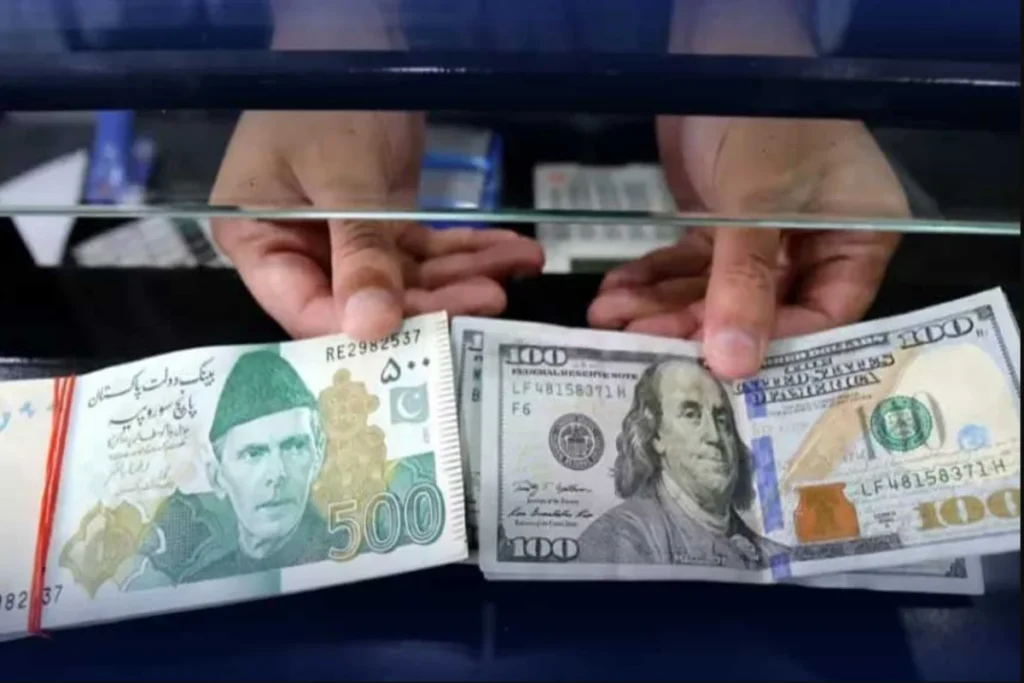
KARACHI — The National Bank of Pakistan (NBP) has released the latest exchange rates for major currencies, highlighting current fluctuations in the foreign exchange market. These rates are vital for businesses, travelers, and financial analysts closely tracking currency trends. Currency Exchange Rates As of June 23, the NBP announced the buying and selling rates for key international currencies: The US dollar: Selling at PKR 279.99, Buying at PKR 276.99. The British pound: Selling at PKR 370.84, Buying at PKR 366.47. The euro: Selling at PKR 319.97, Buying at PKR 316.22. The Japanese yen: Selling at PKR 1.7330, Buying at PKR 1.7127. The UAE dirham: Selling at PKR 74.58, Buying at PKR 73.70. The Saudi riyal: Selling at PKR 76.24, Buying at PKR 75.33. These regular updates from the NBP maintain transparency and assist stakeholders in foreign exchange transactions, adapting to global economic conditions and domestic fiscal policies. Role of the National Bank of Pakistan Established in 1949, the National Bank of Pakistan is a cornerstone of the country’s financial system. Offering diverse financial services, including currency exchange, the bank ensures businesses and individuals make informed choices for international trade and travel by regularly updating rates. Pakistan’s currency exchange rates are shaped by economic policies, inflation, and geopolitical developments. The State Bank of Pakistan works with commercial banks like the NBP to stabilize the currency and manage reserves effectively. Impact on Economy and Individuals The released exchange rates have significant implications. They affect import and export costs, thus influencing the trade balance and economic health. A stronger rupee lowers import costs but can reduce export competitiveness, while a weaker rupee has the opposite effect. For individuals, these rates determine the cost of foreign travel and remittances. Travelers abroad and those sending money internationally must consider these rates for budgeting. Businesses in international trade depend on accurate rates to price goods and services competitively. Economic Indicators Exchange rates reflect the country’s economic stability and investor confidence. Fluctuations signal economic changes, prompting policymakers to adjust fiscal and monetary strategies when necessary. Persistent rupee value declines may lead to State Bank interventions to stabilize the currency. NBP’s updated rates include major currencies like the US dollar, British pound, and euro. Essential for monitoring currency trends affecting Pakistan’s trade balance. Vital for individuals’ travel, remittances, and businesses’ international trade pricing. Exchange rate fluctuations can indicate shifts in economic stability and investor confidence.

Pakistan

Enhanced Security Measures Implemented for Muharram Processions

ISLAMABAD — Authorities have intensified security measures and reviewed administrative arrangements in preparation for the upcoming Muharram processions across Pakistan. Officials are committed to ensuring heightened vigilance and maintaining public safety during these significant religious observances. Security Enhancements The district administration, along with law enforcement agencies, has comprehensively reviewed security protocols for the Muharram processions. These processions commemorate the martyrdom of Imam Hussain, the grandson of Prophet Muhammad, and are a key part of the Islamic calendar. Given their historical significance and the large gatherings they draw, public safety is a top priority. Deployment and Technology Officials have confirmed that additional security personnel will be stationed at key locations, including mosques, imambargahs, and along procession routes. Surveillance technology, such as CCTV cameras, will be expanded to monitor activities and preempt potential threats. A senior police official emphasized the coordinated efforts between various security agencies, stating, “We are committed to ensuring the safety of all participants during the Muharram processions.” Traffic management plans have also been outlined to ensure the smooth movement of processions and minimize public inconvenience. Ambulance services and emergency response teams will be on standby to handle any medical emergencies that may occur. Background on Muharram Muharram, the first month of the Islamic lunar calendar, is of significant religious importance to Muslims globally. The tenth day, known as Ashura, marks the martyrdom of Imam Hussain at the Battle of Karbala in 680 AD. This day holds particular significance for Shia Muslims, who observe it with processions, recitations, and acts of mourning. In Pakistan, Muharram processions are traditionally large, involving thousands of participants. The scale of these gatherings has historically made security a critical concern. Past incidents of violence and sectarian tensions have spurred authorities to implement rigorous security measures to prevent any untoward incidents. Significance of Security Measures The enhanced security measures for Muharram processions are essential for maintaining peace and order during this period of heightened religious activity. The government’s proactive approach underscores its commitment to safeguarding religious freedoms while ensuring public safety. Economically, the smooth conduct of Muharram processions is vital for local businesses, especially in areas where processions occur. Security disruptions can negatively impact commerce and livelihoods, making effective security arrangements crucial to prevent economic fallout. Socially, peaceful Muharram observance strengthens communal harmony and showcases Pakistan’s commitment to religious tolerance. It provides an opportunity for communities to unite in mutual respect and understanding, reinforcing the country’s diverse cultural fabric. Internationally, effective management of large-scale religious events enhances Pakistan’s image as a stable and secure nation. It sends a positive signal to the global community regarding Pakistan’s commitment to upholding religious rights and maintaining public order.

Scroll to Top