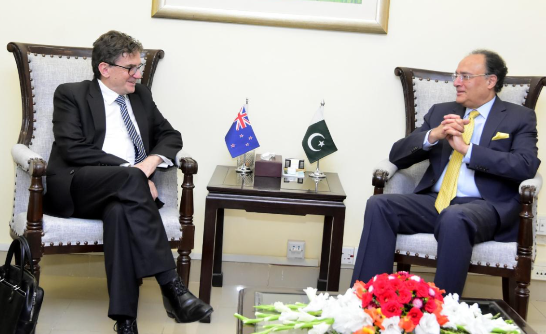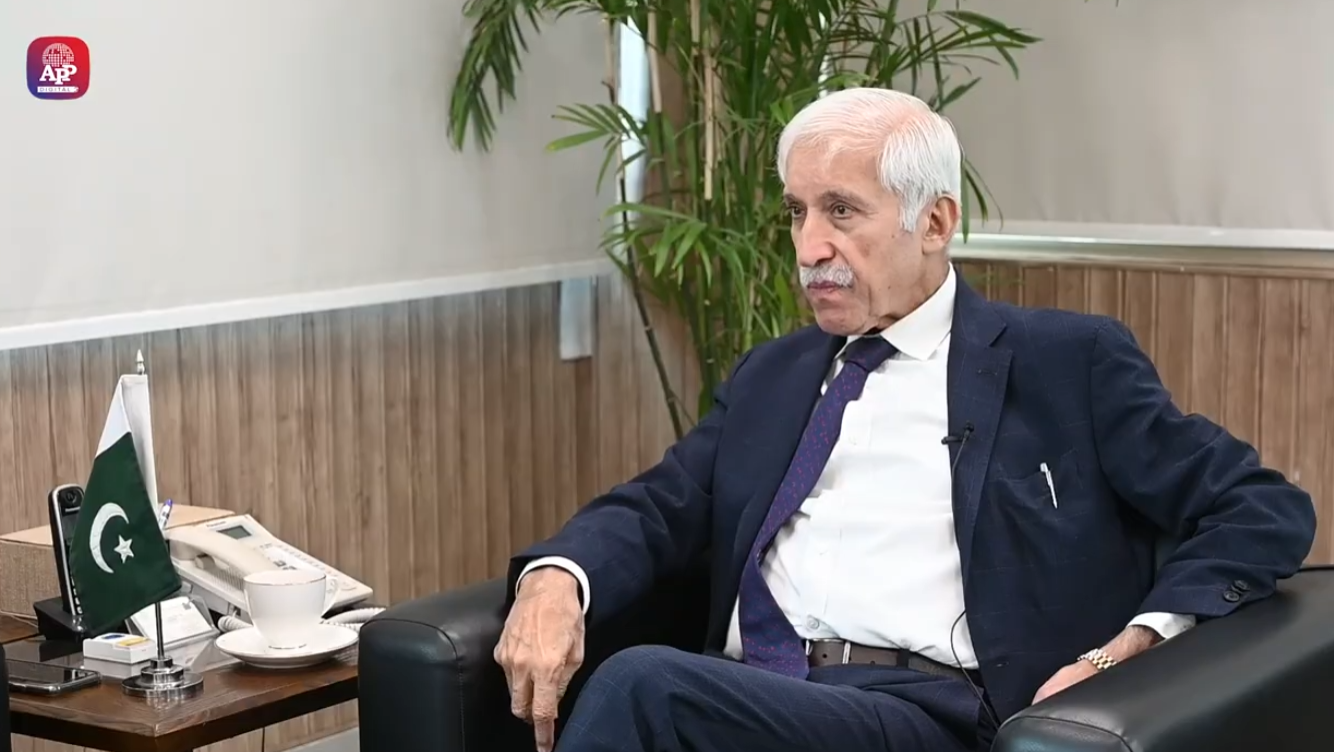
ISLAMABAD — Federal Minister for the Board of Investment (BOI), Qaiser Ahmed Sheikh, announced on Wednesday that the government is implementing a series of reforms aimed at simplifying business regulations to attract both local and foreign investment. The initiative is part of a broader strategy to bolster the industrial sector and promote value-added exports.
What Happened
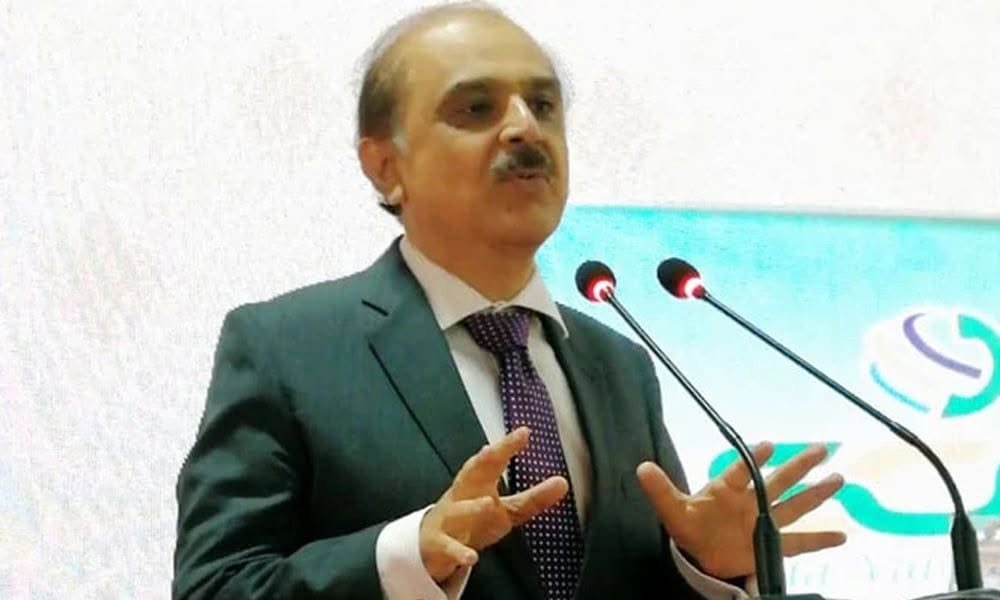
During a press briefing, Minister Qaiser Ahmed Sheikh outlined the government’s commitment to creating a more conducive environment for business operations in Pakistan. He emphasized that the reforms are designed to streamline regulatory processes, making it easier for businesses to operate efficiently. “Our goal is to make Pakistan an attractive destination for investors by reducing bureaucratic hurdles and enhancing transparency,” Sheikh stated.
The minister highlighted several key areas of focus, including the simplification of tax procedures, the reduction of red tape, and the enhancement of digital infrastructure to support business activities. These measures are expected to facilitate smoother operations for both new and existing businesses, thereby fostering economic growth.
Sheikh also pointed out that the government is actively working to strengthen the industrial sector by promoting value-added exports. This involves supporting industries that can process raw materials into finished goods, thereby increasing the value of exports. “By focusing on value addition, we aim to not only increase our export revenues but also create more job opportunities within the country,” he added.
Background
Pakistan’s economy has faced numerous challenges in recent years, including a trade deficit and fluctuating foreign investment levels. Historically, the country has struggled with complex regulatory frameworks that have deterred potential investors. Previous attempts at reform have met with limited success due to bureaucratic inertia and political instability.
In recent years, however, there has been a renewed focus on improving the ease of doing business in Pakistan. The government’s current efforts are part of a larger economic reform agenda aimed at stabilizing the economy and promoting sustainable growth. These reforms are also aligned with Pakistan’s commitments under international trade agreements and its aspirations to become a more competitive player in the global market.
Why It Matters
The implementation of business facilitation reforms is crucial for Pakistan’s economic recovery and long-term growth. By simplifying regulations and reducing bureaucratic barriers, the government aims to create a more business-friendly environment that can attract significant foreign direct investment (FDI). This is particularly important as FDI can bring in much-needed capital, technology, and expertise, which are essential for industrial development.
Moreover, by focusing on value-added exports, Pakistan can diversify its export base, reduce its reliance on raw material exports, and increase its foreign exchange earnings. This shift is vital for addressing the country’s trade deficit and improving its balance of payments position. Additionally, the creation of new jobs in the industrial sector can help alleviate unemployment and improve living standards for many Pakistanis.
On an international level, these reforms can enhance Pakistan’s reputation as a viable investment destination, potentially leading to increased economic partnerships and collaborations with other countries. This can further integrate Pakistan into the global economy and open up new markets for its products.
Key Takeaways
- The Pakistani government is implementing reforms to simplify business regulations and attract investment.
- Efforts are focused on reducing bureaucratic hurdles and enhancing transparency to improve the ease of doing business.
- The government aims to promote value-added exports to increase export revenues and create jobs.
- These reforms are part of a broader economic strategy to stabilize and grow Pakistan’s economy.
- Successful implementation could enhance Pakistan’s international economic standing and open new markets.
Source Attribution
This article is based on official government statements and public communications from relevant authorities.