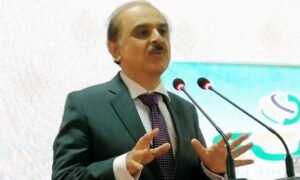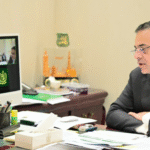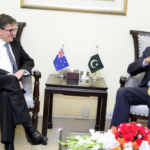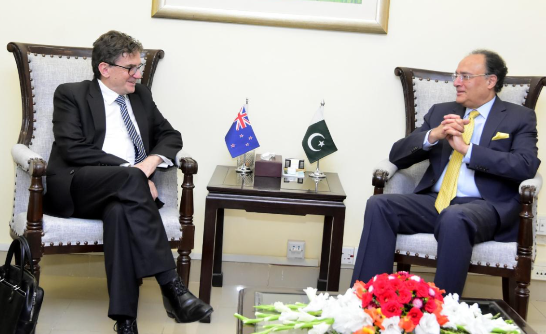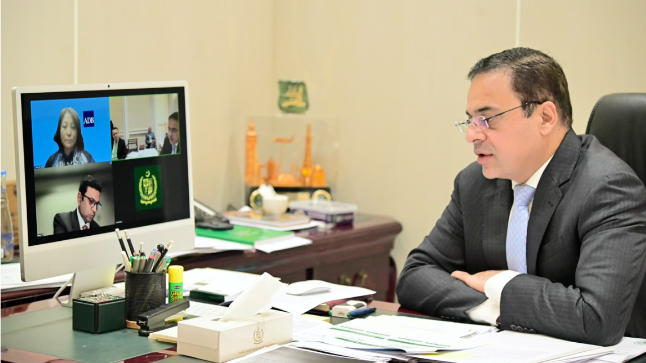
ISLAMABAD — Pakistan and the Asian Development Bank (ADB) have reaffirmed their commitment to expedite the finalization of the Main Line-1 (ML-1) railway project design. This was discussed in a meeting held on September 9, 2023, between Federal Minister for Economic Affairs Senator Ahad Cheema and an ADB delegation in Islamabad.
What Happened
The meeting, which took place in Islamabad, focused on reviewing the progress of the ML-1 railway project, a critical infrastructure initiative aimed at upgrading Pakistan’s railway system. Federal Minister Ahad Cheema emphasized the importance of completing the project design promptly to ensure the timely commencement of subsequent phases. The ADB delegation informed the meeting that their technical team is actively engaged in the design phase and is committed to meeting the project deadlines.
The ML-1 project is a major component of the China-Pakistan Economic Corridor (CPEC) and is expected to significantly enhance Pakistan’s rail transport capacity. The project involves the upgradation of the existing railway track from Karachi to Peshawar, covering a distance of approximately 1,872 kilometers. Once completed, it will improve the speed, efficiency, and safety of rail travel across the country.
During the meeting, both parties discussed the technical and financial aspects of the project, with the ADB assuring continued support and collaboration. The ADB’s involvement is crucial, as it provides not only financial assistance but also technical expertise to ensure the project’s success.
Background
The ML-1 railway project is part of a broader initiative under the CPEC framework, which aims to enhance infrastructure connectivity between Pakistan and China. The project has been in the planning stages for several years, with multiple phases of development envisioned. It is considered one of the largest infrastructure projects in Pakistan’s history, with an estimated cost of around $6.8 billion.
The project was initially conceived to address the deteriorating condition of Pakistan’s railway infrastructure, which has suffered from decades of underinvestment. The existing railway lines are plagued by outdated technology and insufficient capacity, resulting in frequent delays and safety concerns. The ML-1 project aims to address these issues by modernizing the railway system, thereby facilitating economic growth and regional connectivity.
Why It Matters
The successful implementation of the ML-1 project holds significant economic and social implications for Pakistan. By modernizing the railway infrastructure, the project is expected to boost trade and commerce, reduce transportation costs, and create employment opportunities. Improved rail connectivity will facilitate the movement of goods and people across the country, enhancing economic integration and regional development.
Moreover, the ML-1 project is a critical component of the CPEC, a flagship initiative under China’s Belt and Road Initiative (BRI). The project’s completion will strengthen Pakistan’s strategic partnership with China and bolster its position as a key player in regional connectivity. It is also expected to attract further foreign investment, contributing to Pakistan’s economic growth and development.
For the citizens of Pakistan, the project promises improved travel experiences, with faster and safer train services. It will also alleviate road congestion and reduce the environmental impact of transportation by shifting more freight and passenger traffic to rail.
Key Takeaways
- Pakistan and ADB have reaffirmed their commitment to finalizing the ML-1 railway project design.
- The project is a key component of the China-Pakistan Economic Corridor (CPEC).
- ML-1 aims to modernize Pakistan’s railway infrastructure, covering approximately 1,872 kilometers.
- The project is expected to boost economic growth, create jobs, and enhance regional connectivity.
- Successful completion will strengthen Pakistan’s strategic partnership with China.
Source Attribution
This article is based on official government statements, press releases, and public communications from relevant authorities.