
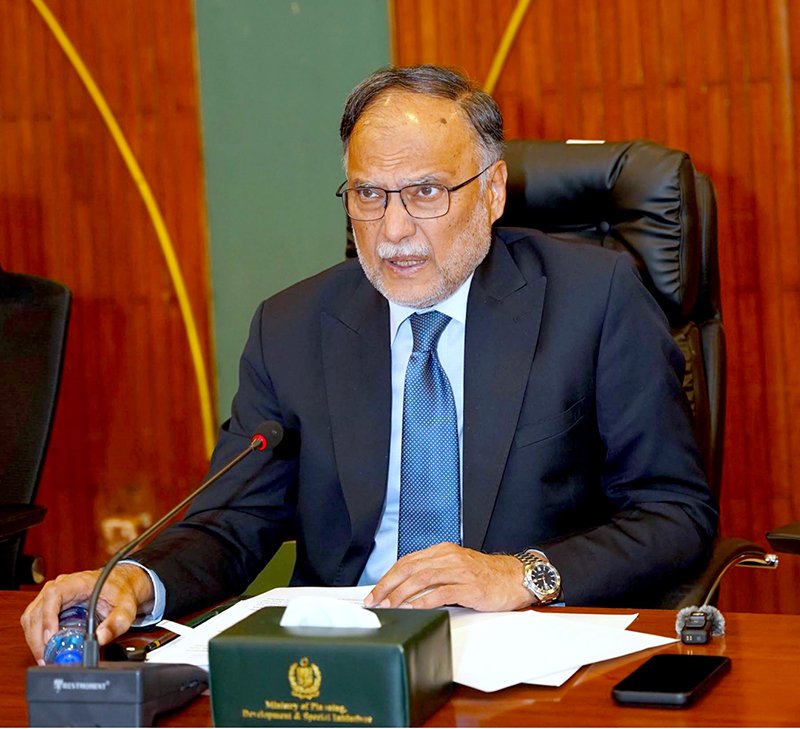
ISLAMABAD — Federal Minister for Planning, Development and Special Initiatives Professor Ahsan Iqbal highlighted the importance of creativity and innovation as essential drivers in the digital age during a speech on Tuesday. He called for a comprehensive transformation of Pakistan’s education system to foster critical thinking, questioning, observation, and problem-solving skills among students.
What Happened
Speaking at a seminar in Islamabad, Ahsan Iqbal underscored the urgent need to adapt educational frameworks to meet the demands of the 21st century. “Creativity and innovation have become the key currency of the digital age,” he stated, emphasizing that the current education system must evolve to prepare students for future challenges. Iqbal pointed out that traditional rote learning methods are inadequate in equipping students with the necessary skills to thrive in a rapidly changing global landscape.
The minister stressed the importance of integrating technology into the classroom to enhance learning experiences and enable students to engage with content interactively. He also highlighted the role of teachers in this transformation, advocating for professional development programs that equip educators with the skills to foster an environment of inquiry and innovation.
Iqbal’s remarks come amid increasing recognition of the need for educational reform in Pakistan. The country’s education system has often been criticized for its focus on memorization rather than critical thinking and creativity. The minister’s call for reform aligns with broader government initiatives aimed at modernizing education to better align with global standards.
Background
Pakistan’s education system has long faced challenges, including inadequate infrastructure, outdated curricula, and a lack of trained teachers. Historically, the focus has been on rote memorization, with little emphasis on developing critical thinking or problem-solving skills. In recent years, there has been a growing awareness of the need to shift towards more dynamic and interactive learning methods.
The government’s Vision 2025 plan includes education reform as a key component, aiming to improve literacy rates, increase access to quality education, and integrate technology into learning environments. The plan seeks to align Pakistan’s education system with international standards, preparing students to compete in a global economy.
Why It Matters
The emphasis on creativity and innovation in education is crucial for Pakistan’s economic and social development. As the global economy becomes increasingly driven by technology and innovation, countries that fail to adapt their education systems risk falling behind. By fostering a culture of creativity and critical thinking, Pakistan can better prepare its workforce for the demands of the digital age.
Educational reform also has significant implications for social mobility and equality. By providing all students with the skills needed to succeed in a modern economy, the country can help reduce poverty and improve living standards. Furthermore, a more educated workforce can attract foreign investment, bolster economic growth, and enhance Pakistan’s competitiveness on the international stage.
Internationally, Pakistan’s efforts to reform its education system are being closely watched. Successful implementation could serve as a model for other developing countries facing similar challenges. It also demonstrates Pakistan’s commitment to meeting global education goals, such as those outlined in the United Nations Sustainable Development Goals (SDGs).
Key Takeaways
- Federal Minister Ahsan Iqbal calls for educational reform to emphasize creativity and innovation.
- Current rote learning methods are deemed inadequate for preparing students for future challenges.
- Integration of technology and teacher training are highlighted as essential components of reform.
- Educational reform is crucial for Pakistan’s economic growth and social development.
- Pakistan’s efforts are aligned with international education standards and goals.
Source Attribution
This article is based on official statements and public communications from relevant authorities.














