Author name: NEN News

Sports

Faisalabad Police Arrest 20 Proclaimed Offenders in Coordinated Crackdown

FAISALABAD — In a significant law enforcement operation, Faisalabad police apprehended 20 proclaimed offenders involved in serious criminal activities. These arrests occurred during intelligence-based operations conducted district-wide in the past 12 hours, according to a police spokesperson. Recent Arrests in Faisalabad Faisalabad police executed a series of intelligence-led operations targeting individuals wanted for serious criminal cases. In the past 12 hours, officers arrested 20 proclaimed offenders at multiple district locations. These individuals were wanted for various crimes, including criminal breach of trust, kidnapping, robbery, and cheque fraud. Tactical Approach to Operations The operations were meticulously planned and executed using modern technology, technical surveillance, and intelligence gathering. This strategic approach helped trace the fugitives’ locations leading to successful raids and arrests. Among those arrested were Majid, Kashif, Fakhar, Shafqat, Saim, Saddam, Faqeer Hussain, Zain, and Maqsood. The police have withheld the identities of several suspects detained during the crackdown. Understanding Proclaimed Offenders Proclaimed offenders are fugitives declared by the court after failing to appear for legal proceedings. In Pakistan, these individuals often engage in serious crimes, challenging law enforcement. Intelligence-led policing has become vital for arresting such offenders effectively, allowing targeted and efficient operations. Crime in Faisalabad As a major industrial city, Faisalabad has its share of criminal activities. Local police employ advanced techniques and technology to combat crime and enhance public safety. This recent operation is part of ongoing efforts to address crime and bring offenders to justice. Impacts and Relevance The arrest of these 20 offenders is a crucial step in fighting crime in Faisalabad. It showcases the effectiveness of intelligence-led policing and the ability of law enforcement to utilize modern technology in apprehending suspects. This operation not only disrupts criminal networks but also deters other potential offenders. Residents of Faisalabad can expect enhanced security and trust in local law enforcement. Removing these offenders from the streets actively works towards reducing crime rates and improving community safety. Furthermore, the successful execution of such operations can foster public confidence in the police force, encouraging more cooperation between citizens and law enforcement. Significance for Pakistan This operation highlights Pakistan’s commitment to strengthening legal and judicial processes by ensuring fugitives are held accountable. The use of intelligence and technology in policing aligns with global trends, where data-driven approaches are increasingly adopted to improve crime-solving capabilities. Key Takeaways Faisalabad police arrested 20 proclaimed offenders through intelligence-led operations. The offenders were involved in serious crimes like kidnapping and fraud. Modern technology and intelligence gathering were crucial in tracing and arresting the suspects. This operation enhances public safety and trust in law enforcement in Faisalabad. The crackdown reinforces Pakistan’s commitment to law enforcement effectiveness.

Pakistan

Governor Khyber Pakhtunkhwa Visits Shoaib Akhtar to Offer Condolences

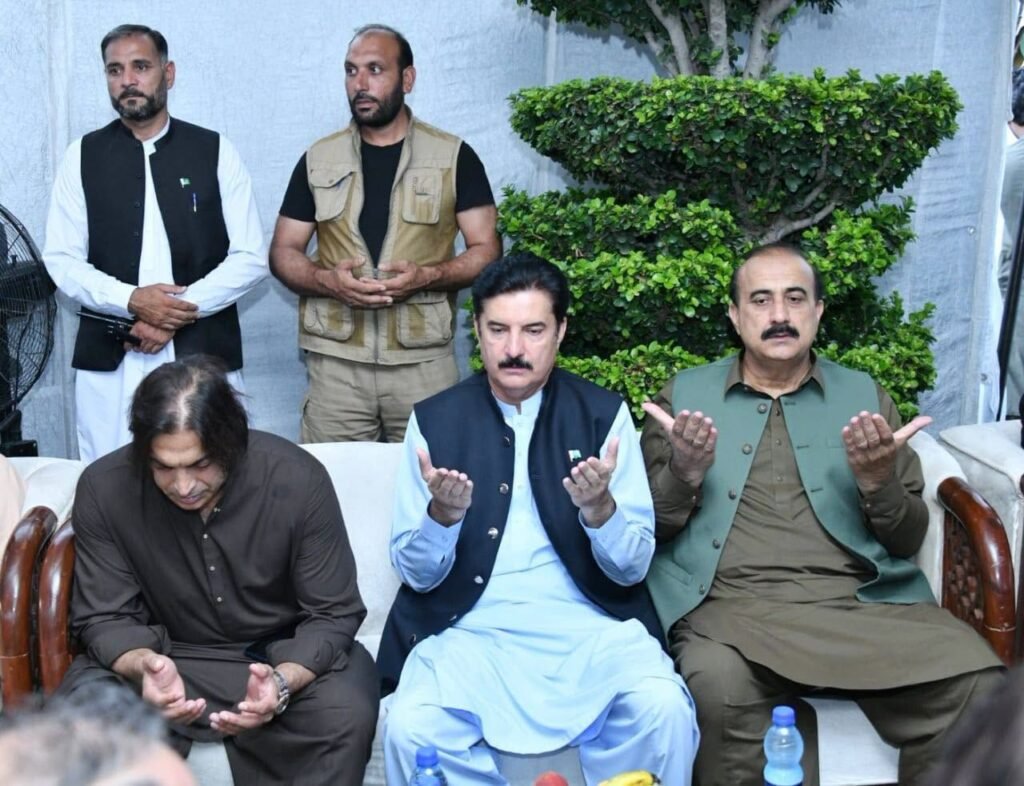
ISLAMABAD — Governor Khyber Pakhtunkhwa Faisal Karim Kundi visited former Pakistan cricket star Shoaib Akhtar’s residence on Saturday to offer condolences after the death of Akhtar’s elder brother, Shahid Akhtar. This visit highlighted the Governor’s commitment to supporting individuals during difficult times. Governor’s Visit Governor Faisal Karim Kundi, joined by Pakistan Peoples Party Central Secretary Information Nadeem Afzal Chan and Member of the National Assembly Noor Alam Khan, visited Shoaib Akhtar’s home. The Governor conveyed his sympathies to Akhtar’s family, mourning Shahid Akhtar’s loss. Governor Kundi expressed deep sorrow over Shahid Akhtar’s demise. He prayed for the departed, asking Almighty Allah to grant eternal peace and elevate his status in Jannat-ul-Firdous. The Governor also prayed that Akhtar’s family would find patience and strength to bear this irreparable loss. Political Attendance High-profile political figures, including Nadeem Afzal Chan and Noor Alam Khan, accompanied the Governor, signifying community and solidarity importance during personal tragedies. Their presence was more than a condolence gesture; it demonstrated the political leadership’s willingness to support both prominent figures and ordinary citizens. Background on Shoaib Akhtar Shoaib Akhtar, affectionately known as the ‘Rawalpindi Express,’ has been an iconic former fast bowler for the Pakistan national cricket team. Esteemed in both national and international sports, Akhtar’s contributions to cricket are widely recognized. His brother’s death is a severe personal loss for him and his family. Governor Faisal Karim Kundi, affiliated with the Pakistan Peoples Party, actively participates in various social and political initiatives in Khyber Pakhtunkhwa. His visit to Akhtar’s home is part of wider efforts to interact with citizens, providing support during challenging times. Community and Empathy The Governor’s visit underscores human connections transcending professional roles, emphasizing political leaders’ roles in morally supporting citizens during personal tragedies. Governor Kundi’s gesture reflects the broader cultural values of empathy and community deeply rooted in Pakistani society. For Shoaib Akhtar, this visit validates his status as a respected figure in Pakistan. Support from top officials not only offers solace but also highlights the significance of his contributions to the nation. It serves as a reminder of the interconnectedness between public figures and their communities. Governor Khyber Pakhtunkhwa Faisal Karim Kundi extended condolences to Shoaib Akhtar for his brother’s passing. Prominent political figures accompanied the Governor, showcasing community support importance. As a respected former cricketer, Akhtar’s loss engaged public empathy. This act reflects the cultural values of empathy and community support in Pakistan. Such leadership actions can bolster public trust and social cohesion.

Pakistan

PDMA Punjab Releases Report on 5.9 Magnitude Earthquake

LAHORE — The Provincial Disaster Management Authority (PDMA) Punjab has released a comprehensive report on the recent earthquake impacting several regions in Punjab. This seismic activity originated from the Hindu Kush region of Afghanistan and was felt on June 27 across districts including Lahore, Faisalabad, Rawalpindi, Attock, Chakwal, Mianwali, Multan, and the Potohar area. Seismic Event Overview The earthquake registered a magnitude of 5.9 on the Richter scale, with its epicenter located in the seismic-prone Hindu Kush region. It struck at a depth of 191 kilometers, which is relatively deep and may help mitigate surface damage. Despite its considerable magnitude, there have been no immediate reports of significant damage or casualties. PDMA Punjab has activated its provincial control room and district emergency operation centers to monitor the situation closely. Response and Inspections Local administrations are actively inspecting buildings and infrastructure for any structural damage. The PDMA has urged citizens to report any damage or emergencies using their helpline, 1129, to ensure quick response and assistance. A PDMA official stressed the importance of preparedness, stating, “Our teams are on high alert and ready to respond to any emergencies. We encourage the public to remain calm and report any incidents of damage to the appropriate authorities.” Seismic Activity Background The Hindu Kush region, the earthquake’s source, is part of a seismically active area known for frequent earthquakes due to complex tectonic plate interactions. Pakistan, especially its northern regions, has experienced numerous significant earthquakes over the years. The PDMA, established for disaster management and mitigation, plays a critical role in coordinating emergency responses and ensuring public safety during these events. Historically, PDMA has effectively managed natural disaster aftermaths, providing relief and rehabilitation to affected communities. Their proactive approach includes regular drills, awareness campaigns, and establishing emergency response protocols. Importance of Preparedness The recent earthquake highlights Pakistan’s vulnerability to seismic activities, particularly in tectonically active regions. The impact of such natural events extends beyond immediate physical damage, disrupting daily life, halting economic activities, and straining public resources. For Punjab, a densely populated province with substantial economic activity, earthquakes’ potential impact necessitates strong preparedness and response mechanisms. The PDMA’s report and actions underscore the need for disaster readiness, infrastructure resilience, and public awareness to minimize risks and enhance recovery efforts. This event also reminds us of the importance of international cooperation in seismic research and disaster management. Collaborative efforts can lead to better predictive models, improved construction codes, and shared emergency response resources. Key Takeaways PDMA Punjab issued a report on a 5.9 magnitude earthquake witnessed across multiple districts. The earthquake’s epicenter was located in Afghanistan’s Hindu Kush region, reaching a depth of 191 kilometers. No significant damage or casualties have been reported, but building inspections are underway. Residents are encouraged to report any damage using the PDMA helpline 1129. The incident stresses the importance of preparedness and resilience in earthquake-prone areas.

Pakistan

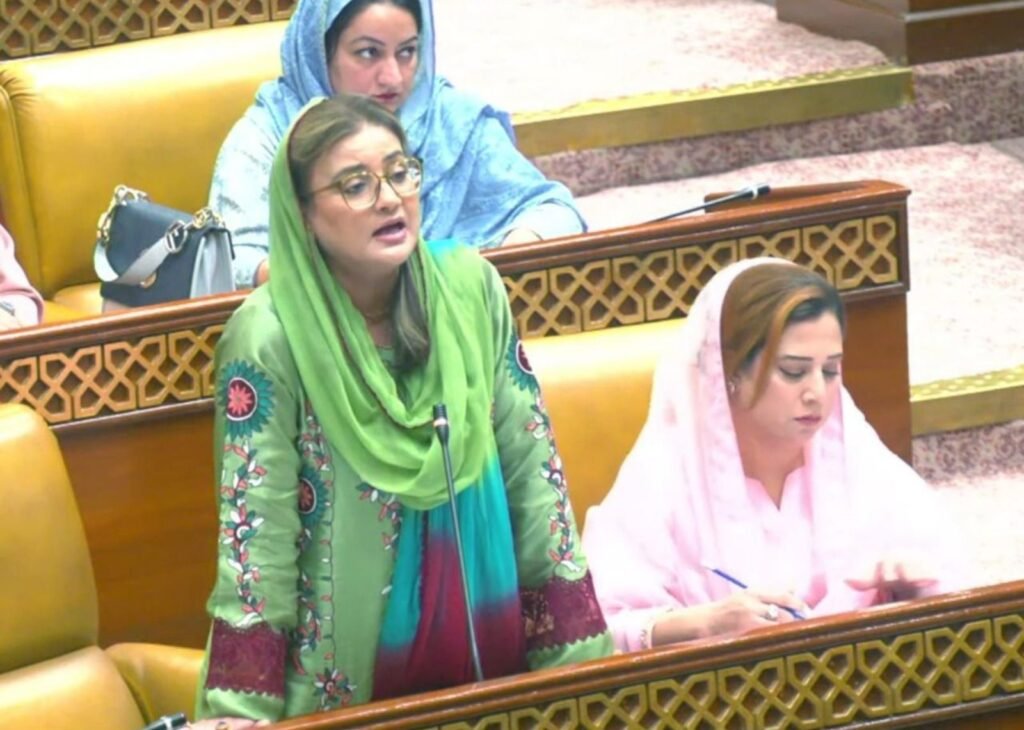
Punjab Government Commits to Democratic Values, Says Azma Bokhari

LAHORE — Punjab Minister for Information and Culture Azma Bokhari affirmed on Saturday the provincial government’s commitment to democratic values and parliamentary traditions. Her statement highlighted ongoing political discussions in the Punjab Assembly, where she emphasized fostering a spirit of tolerance and inclusivity. Press Briefing Highlights At a press briefing, Azma Bokhari outlined the Punjab government’s efforts to uphold a democratic environment within the province’s legislative framework. She noted that the government consistently provides the opposition opportunities to voice opinions and participate in Punjab Assembly debates. Bokhari stated, “The present government has always upheld parliamentary traditions, democratic values, and the spirit of tolerance.” Her remarks underscore the administration’s approach to ensuring all political voices are heard and respected. These comments responded to recent criticisms by opposition parties accusing the government of stifling dissent and limiting effective legislative participation. Bokhari refuted these claims, asserting the government’s transparency and openness, facilitating robust debates on provincial issues. Political Landscape and Challenges The Punjab Assembly, as the legislative body of Pakistan’s most populous province, plays a vital role in the region’s political landscape. Historically, it has been a battleground for competing political parties. The current government, led by the Pakistan Muslim League-Nawaz (PML-N), faces challenges from opposition parties like the Pakistan Tehreek-e-Insaf (PTI) and Pakistan Peoples Party (PPP), who often criticize its governance strategies. In recent years, the assembly has seen intense debates concerning economic policies, governance reforms, and social welfare programs. Within this charged atmosphere, the government’s commitment to democratic values is frequently put to the test. Why Democratic Values Matter The Punjab government’s affirmation of democratic principles is significant amid Pakistan’s broader political context. As the country navigates complex political dynamics, upholding democratic values and parliamentary traditions provincially is crucial for stability and public trust in government institutions. For citizens, assurance of elected representatives’ commitment to democratic norms fosters security and confidence in political processes. It also spurs civic engagement, which is vital for a healthy democracy. Enabling opposition parties to express views and engage constructively with the government ensures accountability and transparency. Internationally, Pakistan’s adherence to democratic principles is monitored by global partners and organizations. A steadfast commitment enhances the country’s reputation and strengthens diplomatic relations. It also influences foreign investment, with political stability being a key factor for investors in emerging markets. Key Takeaways Azma Bokhari reiterated Punjab government’s dedication to democratic values and parliamentary traditions. The government facilitates opposition expression in the Punjab Assembly. The affirmation arises amidst critiques on the government’s legislative management.

Business

Gold Prices Drop by Rs1,000 Per Tola in Pakistan

ISLAMABAD — On Saturday, the price of gold in Pakistan’s local market dropped by Rs1,000 per tola, now at Rs431,236. This decrease was reported by the All Pakistan Sarafa Gems and Jewellers Association, indicating a significant shift in the value of gold. Price Changes The All Pakistan Sarafa Gems and Jewellers Association announced a Rs1,000 drop in the price of 24 karat gold per tola, bringing the rate down to Rs431,236. Additionally, the price for 10 grams of 24 karat gold reduced by Rs730. These adjustments follow fluctuating global market conditions and demand shifts within Pakistan. Gold prices are influenced by international trends, currency exchange rates, and local demand. The recent drop mirrors these factors. Experts suggest that a stronger Pakistani Rupee against the US dollar and changes in global gold prices contribute to this decline. “The gold market is highly sensitive to changes in the global economic environment and currency fluctuations. This recent decline in prices is not unexpected given the current economic indicators,” a representative from the Association stated. Economic Background Gold has historically been a popular investment and a hedge against inflation in Pakistan. The country’s gold market aligns closely with international prices due to significant gold imports. The All Pakistan Sarafa Gems and Jewellers Association updates prices based on these trends and local market conditions. Recently, the global gold market has faced volatility due to factors like geopolitical tensions, changes in major economies’ interest rates, and the lasting effects of the COVID-19 pandemic. These elements have influenced gold price fluctuations both globally and locally. Implications of Price Drop The decrease in gold prices has notable implications for various groups in Pakistan. Consumers may find it advantageous to buy gold jewelry and other items at lower rates, likely boosting sales in markets where gold is often used for weddings and significant events. For investors, this price drop might lead to altered investment strategies. Traditionally seen as a safe haven, shifts in gold prices can affect investment portfolios. Lower gold prices might prompt investors to diversify or reevaluate their holdings in precious metals. Lower gold prices could positively impact Pakistan’s trade balance, considering gold is a major import. Reduced prices may lower the overall import bill, benefiting the economy. However, this must be balanced with the potential impact on the local gold industry, which could face reduced profit margins. Key Takeaways Gold prices in Pakistan fell by Rs1,000 per tola, now at Rs431,236. The price for 10 grams of 24 karat gold decreased by Rs730. These changes are influenced by global market trends and local currency fluctuations. Lower prices may boost consumer purchasing and alter investment strategies. The decline could impact Pakistan’s trade balance and the local gold industry. Source Attribution Information on gold price changes comes from the All Pakistan Sarafa Gems and Jewellers Association and the Associated Press of Pakistan (APP). Figures and statements rely on the latest available data, subject to change.

Pakistan

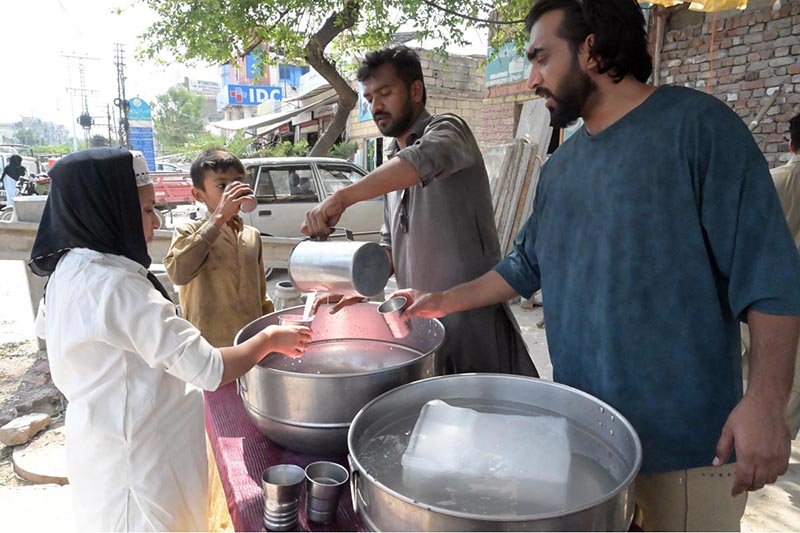
Volunteer Distributes Free Drinks Amid Heatwave in Islamabad

ISLAMABAD — As temperatures soared in the federal capital, a dedicated volunteer set up a roadside stall on Lehtrar Road, distributing free chilled drinks to relieved passersby. This generous initiative came amidst the severe heatwave affecting Islamabad and its surroundings. Volunteer Initiative in Action On an intensely hot day, the volunteer took it upon themselves to offer free chilled beverages on Lehtrar Road. Strategically located, the stall drew many individuals seeking respite from the searing sun. The anonymous volunteer aimed to help others manage the extreme weather conditions. Islamabad’s heatwave has forced temperatures significantly higher, pushing citizens to find ways to stay cool. The free drink provision was a welcome gesture, notably for those outdoors due to work or other commitments. Community Support During Heatwave This effort was part of a larger community drive to aid those impacted by the heatwave. Local residents have been encouraged to contribute, providing water, shade, or other forms of relief. Such solidarity is crucial in times of environmental stress. Background on Islamabad’s Climate Islamabad, like much of Pakistan, faces extreme summer temperatures. The current heatwave has been particularly sharp, with temperatures soaring past seasonal averages. This situation has spiked demand for cooling solutions like air conditioning and fans, straining the city’s power supply. Traditionally, community initiatives have been vital in offering relief during such periods, with past efforts including water distribution, temporary shelters, and heat illness awareness campaigns. Significance of Community Efforts The anonymous volunteer’s efforts highlight the importance of community unity amid environmental challenges. As climate change continues to alter global weather patterns, more frequent, severe heatwaves are likely. This situation necessitates adaptation and mutual support within communities. Economically, heatwaves dramatically affect productivity, particularly for outdoor workers in construction and agriculture, which are crucial to Pakistan’s economy. Social efforts like the drinks stall promote community responsibility and inspire others to help in their capacities. Key Points A volunteer provided free chilled drinks on Lehtrar Road during the heatwave. This initiative offered relief in Islamabad’s soaring temperatures. Community efforts are crucial against climate change-induced extreme weather. Economic and social factors highlight the need for community solidarity. Climate change necessitates adaptive measures due to increased heatwaves. Source Attribution The information for this article was sourced from the Associated Press of Pakistan (APP). The report provided a brief overview of the volunteer’s generous act.

Pakistan

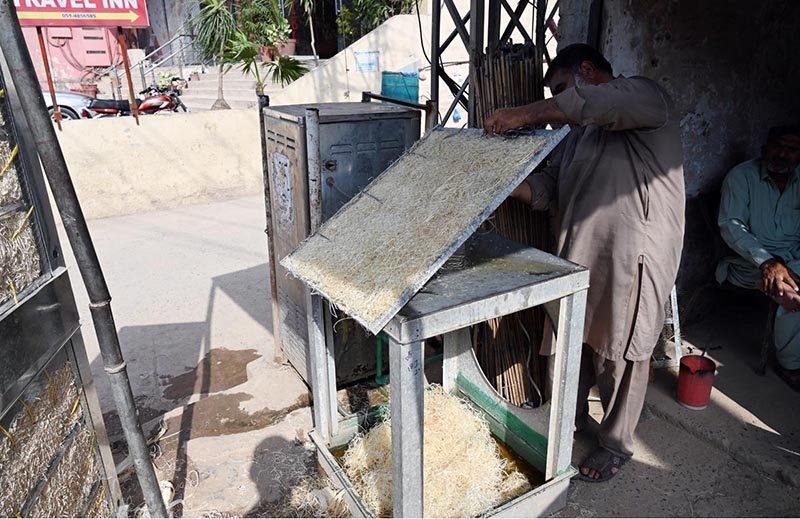
Craftsman Revives Traditional Khus Coolers at Rawalpindi Workshop

RAWALPINDI — A skilled craftsman is diligently repairing traditional khus (vetiver grass) coolers at a roadside workshop in Rawalpindi, offering a sustainable solution to beat the summer heat. These eco-friendly coolers are gaining popularity as temperatures soar, providing an alternative to electric air conditioning. The Revival of Khus Coolers This craftsman, with over two decades of experience working with khus grass, is part of a dedicated group of artisans keeping this traditional craft alive. At his workshop on a bustling Rawalpindi street, he meticulously weaves vetiver grass into cooler frames, securing each piece to enhance the cooling effect. “These coolers are not only environmentally friendly but also cost-effective,” the craftsman explained. “They use minimal electricity and provide a natural cooling effect that is soothing and refreshing.” The demand has surged as more seek sustainable cooling options amid rising electricity costs and power outages. Crafting Process and Materials Using locally sourced materials, the craftsman crafts each cooler by hand. Depending on the size and complexity of the design, this process can take several days. Vetiver grass, known for its cooling properties, enhances the natural breeze when water circulates through the cooler. Historical Context of Khus Coolers Khus coolers have been a staple in South Asian households for centuries, especially in hot, dry regions. The use of vetiver grass dates back to ancient times for heat relief. Historically, these coolers were common in homes and public spaces before modern air conditioning systems emerged. Recently, traditional cooling methods have regained interest due to their environmental benefits and cost-effectiveness. As climate change intensifies heatwaves, sustainable cooling solutions like khus coolers are becoming increasingly important. The Significance of Khus Coolers Khus coolers offer a low-cost alternative to electric air conditioning, often too expensive for many Pakistani households. With rising electricity prices and frequent power shortages, they provide a reliable solution that operates independently of the grid. Environmentally, these coolers are a sustainable choice, consuming less electricity than conventional air conditioners and reducing household carbon footprints. This is crucial as Pakistan tackles challenges like air pollution and resource scarcity. Socially, reviving khus cooler craftsmanship supports local artisans, preserving traditional skills passed down through generations. Choosing these coolers allows consumers to make environmentally conscious choices while supporting local economies and cultural heritage. Globally, the trend towards sustainable cooling aligns with efforts to combat climate change by reducing energy use and promoting green technologies. As Pakistan urbanizes and develops, adopting these methods could serve as a model for other nations facing similar challenges. A Rawalpindi craftsman is reviving the traditional craft of khus cooler making. Khus coolers are an eco-friendly, cost-effective alternative to electric air conditioning. This resurgence supports local artisans and cultural heritage preservation. Traditional cooling methods align with global sustainable practices.

Business

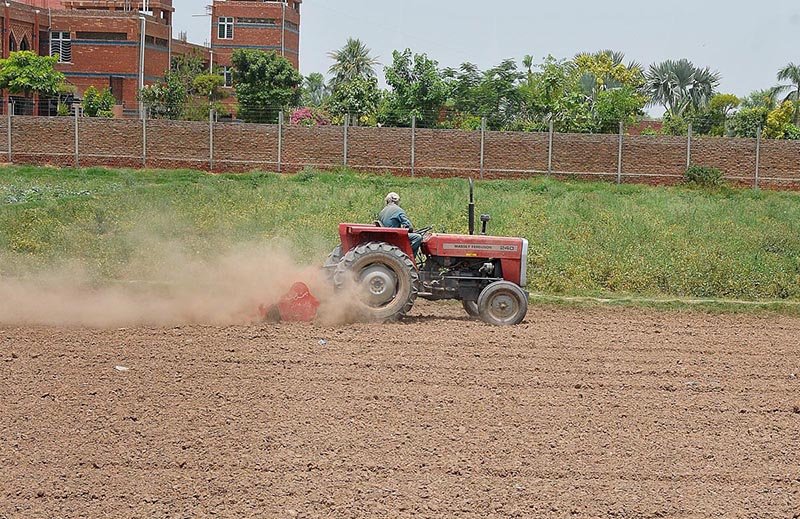
Farmers Begin Preparations for Crop Season on Multan’s Outskirts

MULTAN — As the new crop season approaches, farmers on the outskirts of Multan are busy preparing their fields. They are utilizing tractors for ploughing, a critical step in optimizing conditions for planting. This activity plays a crucial role in supporting the region’s economy and ensuring a stable food supply. Preparation for the Crop Season Farmers in the rural areas surrounding Multan, an agricultural hub in Pakistan, have initiated ploughing their fields as they ready for the new crop season. Utilizing tractors to overturn soil enhances fertility and aeration, vital for healthy crop development. This preparation marks the start of a hectic period for the agricultural community as they begin to plan for planting crops essential for local consumption and national food security. According to the Associated Press of Pakistan (APP), tractors become a common sight during this time of year. This reflects farmers’ dedication to ensuring a successful harvest. The modern machinery’s prevalence has increased, offering more efficient land preparation compared to traditional manual methods. This mechanization is particularly vital in Multan, where agriculture is central to the local economy. Strategic Planning for Climate With the new season, farmers are strategically selecting crops that can withstand anticipated climatic conditions. This planning is crucial to mitigate risks from unpredictable weather, increasingly frequent due to climate change. Background of Multan’s Agriculture Located in the Punjab province, Multan is famous for its fertile land and diverse agricultural output. It produces a range of crops including wheat, cotton, sugarcane, and mangoes, making a significant contribution to Pakistan’s agricultural sector. Land preparation for the crop season is a traditional practice aligned with the agricultural calendar, dictating planting and harvesting timings. Historically, agriculture in Multan depended on manual labor, but there has been a gradual shift toward mechanization to increase productivity and efficiency. This transition is supported by government initiatives providing access to modern farming equipment and technology. Economic Significance Agriculture is a key component of Pakistan’s economy, employing a significant portion of the workforce and contributing to GDP. The current preparations in Multan reflect national efforts to enhance agricultural productivity and food security. Efficient land preparation and crop management are more critical in facing global climate challenges. Modern farming techniques, including tractor use, increase land preparation efficiency and help conserve resources like water and labor. This is especially crucial in Multan, where water scarcity threatens agricultural sustainability. By adopting these methods, farmers can manage resources better, leading to higher yields and economic stability. The impact of a successful crop season extends beyond local economics, influencing food prices, availability, and overall national economic health. A successful harvest helps stabilize food prices, reduce inflationary pressures, and fortify food security. Key Takeaways Farmers in Multan are actively using tractors to prepare their fields for the upcoming crop season. The use of modern machinery enhances land preparation efficiency and reduces labor needs. Strategic crop selection is essential to managing climatic risks and ensuring crop resilience. Agriculture is a vital part of the local and national economy, heavily influencing GDP and food security. Mechanization supports sustainable agricultural practices amid challenges like water scarcity.

Business

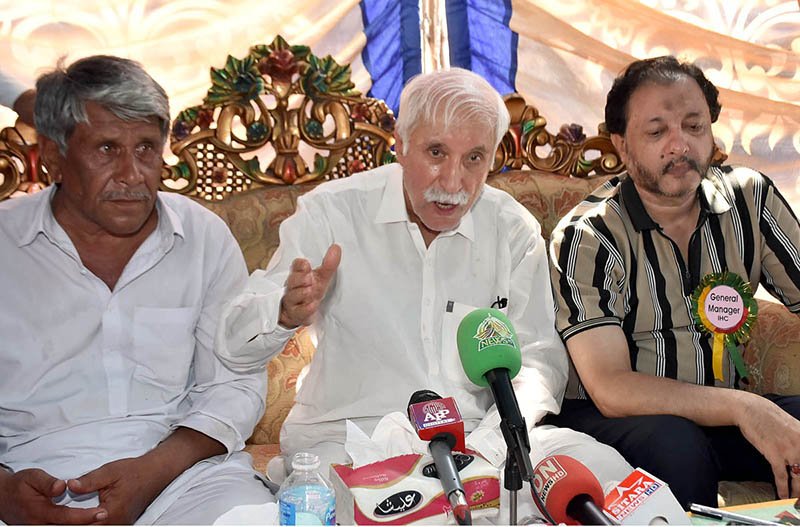
Federal Minister Qaiser Ahmed Sheikh Addresses Media at Chiniot Medical Camp

CHINIOT — Federal Minister for Investment Board Qaiser Ahmed Sheikh addressed the media on Tuesday at a free medical camp organized by Islamia Hospital at Chak no 134 Loony Wala. The event aimed to provide essential healthcare services to the local community, especially those lacking regular medical facilities. Government’s Commitment to Healthcare During the free medical camp, Federal Minister Qaiser Ahmed Sheikh emphasized the importance of healthcare accessibility in rural areas. Organized by Islamia Hospital, the camp offered a range of services such as general check-ups, diagnostic tests, and medicine distribution to the residents. This initiative is part of a larger effort to reduce healthcare disparities in underserved regions. In his media address, Sheikh highlighted the government’s commitment to enhancing healthcare infrastructure in rural Pakistan. He stated, “Ensuring that every citizen has access to basic healthcare services is a priority for us. This camp is just one step in our ongoing efforts to enhance healthcare delivery in remote areas.” The minister also praised local healthcare providers and volunteers for their roles in making the camp successful. Community Engagement and Impact The event witnessed a significant turnout, with hundreds of residents attending to avail themselves of free medical services. Medical professionals, including doctors, nurses, and technicians, were on-site to offer consultations and treatments. The camp also focused on raising awareness about preventive healthcare measures and the importance of regular check-ups. Challenges in Rural Healthcare Access to healthcare in rural Pakistan has historically been limited due to inadequate infrastructure and a shortage of medical professionals. The government is addressing these challenges through initiatives such as establishing rural health centers and mobile health units. Despite these efforts, many communities still face barriers in accessing quality healthcare services. Islamia Hospital plays a key role in the region’s healthcare landscape, actively organizing medical camps and outreach programs to bridge gaps in access. These initiatives are crucial in providing immediate medical assistance and boosting health awareness among rural populations. Significance of the Medical Camp The free medical camp at Chak no 134 Loony Wala underscores ongoing healthcare challenges in rural Pakistan. With a significant portion of the population residing in rural areas, ensuring equitable healthcare access is vital for national health outcomes. The camp not only provided immediate relief but also underscored the need for sustained efforts to improve healthcare infrastructure. Economically, healthier populations enhance productivity and reduce long-term healthcare costs. Socially, access to healthcare improves quality of life and individual well-being. Politically, such initiatives can increase public trust in government efforts, influencing public opinion and electoral outcomes. The camp also highlights the importance of public-private partnerships in tackling healthcare challenges. By collaborating with local hospitals and organizations, the government can leverage resources and expertise to effectively reach more communities. Key Takeaways Federal Minister Qaiser Ahmed Sheikh emphasized healthcare access at a free medical camp in Chiniot. The camp, organized by Islamia Hospital, served rural residents with various medical services. Healthcare access in rural Pakistan continues to face challenges from inadequate infrastructure. Government initiatives aim to improve healthcare delivery in underserved areas. Public-private collaborations are crucial for addressing healthcare needs.

Business

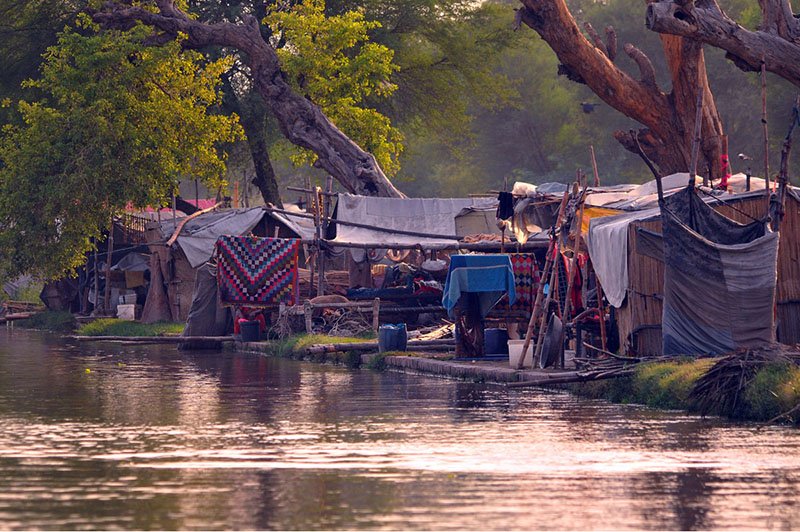
Informal Settlements Along Nau Bahar Canal Transform Riverside Environment

MULTAN — Informal settlements have greatly transformed the Nau Bahar Canal area, where makeshift shelters have emerged. This change has sparked concerns regarding environmental impact and the residents’ living conditions. Current Situation The banks of the Nau Bahar Canal in Multan have seen a surge of informal settlements, with makeshift shelters constructed from tarpaulins, wood, and metal sheets. These shelters serve as basic homes for families drawn to the area seeking better prospects. The settlements have expanded in recent months, driven by economic hardship and a shortage of affordable urban housing. The canal, once a crucial irrigation source supporting local ecology, now faces sanitation, pollution, and ecosystem sustainability challenges. Local Concerns Authorities are worried about the unchecked growth of these settlements. A Multan Municipal Corporation representative remarked, “The expansion of settlements along the canal is concerning. It presents considerable environmental risks and urban planning challenges.” Attempts to address the issue have been constrained by limited resources and the complexities of relocating large populations. However, calls for a unified response to manage the settlements and lessen their environmental impact are growing. Background and Challenges The Nau Bahar Canal is a vital part of an extensive irrigation network, essential for agriculture and ecological balance. Historically, it has supported local farmers, providing necessary irrigation. Yet, rapid urbanization and population growth have strained land resources, leading to the spread of informal settlements. For decades, Pakistan has dealt with informal housing issues as urban areas face significant rural influxes seeking jobs and better living environments. This has resulted in numerous informal settlements in major cities due to a lack of affordable housing and effective urban planning. Implications of Informal Settlements The transformation along the Nau Bahar Canal holds broader consequences for the local community and ecosystem health. Inadequate waste disposal and sanitation facilities in these settlements increase pollution risks, potentially contaminating waterways and harming agriculture and local biodiversity. Economically, these settlements highlight ongoing struggles with housing affordability and job opportunities in urban areas. Residents often work in low-paying, informal sector jobs, underscoring the need for policies addressing income disparity and sustainable livelihoods. Social and Political Context Socially, these settlements emphasize challenges in integrating marginalized communities into urban settings. Without proper infrastructure and services, residents face health risks and limited education and employment access, perpetuating poverty cycles. Politically, the situation demands a reevaluation of urban planning policies, focusing on development that balances environmental sustainability. Resolving the needs of informal settlers while protecting resources like the Nau Bahar Canal requires coordinated efforts from government, non-governmental organizations, and community stakeholders. Key Takeaways Informal settlements are significantly altering the Nau Bahar Canal area. Major environmental and urban planning challenges have arisen. Addressing the issue requires coordinated government and community efforts.

Scroll to Top