Author name: NEN News

Pakistan

Minister Bilal Akbar Oversees Muharram Security Preparations in Jhang

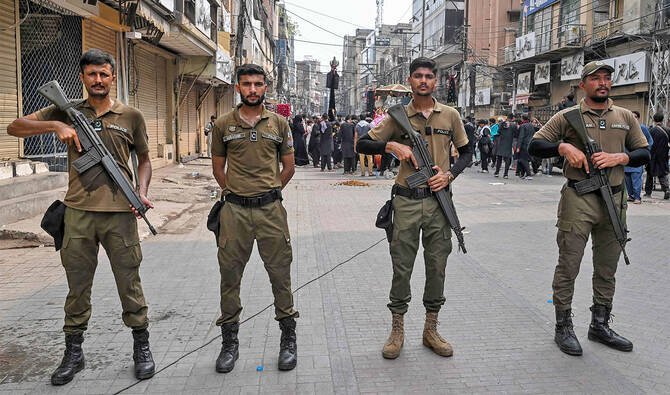
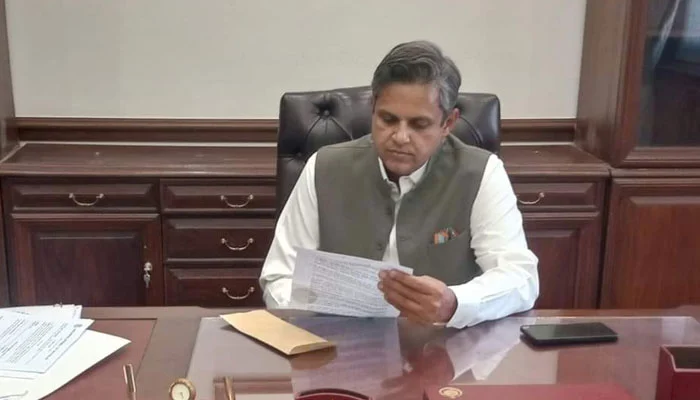
FAISALABAD — On June 23, 2023, Provincial Transport Minister Bilal Akbar Khan, joined by Advisor to Chief Minister on Political Affairs Zeeshan Malik, conducted a thorough review of security and administrative arrangements for Muharram-ul-Haram processions in Jhang district. Security Arrangements During their visit, Minister Bilal Akbar Khan and Advisor Zeeshan Malik were updated on security measures for Muharram processions. They held discussions with key officials including Divisional Commissioner Musarrat Jabeen, Regional Police Officer (RPO) Sohail Akhtar Sukhera, Deputy Commissioner (DC) Jhang Ali Akbar Bhinder, and District Police Officer (DPO) Jhang. Minister Akbar emphasized maintaining law and order during Muharram, a crucial religious observance for the Shia community. He stated, “The safety of our citizens is paramount, ensuring peaceful Muharram processions is our commitment.” Coordination among police, health services, and local administration is necessary to manage potential challenges. Security Measures The security plan involves deploying additional police personnel, setting up checkpoints, and monitoring routes through CCTV. Authorities also plan for emergency medical services along procession paths. Minister Akbar noted these steps are essential in preventing incidents and ensuring peaceful observance. Understanding Muharram Muharram, the first month of the Islamic lunar calendar, holds profound significance for the Shia Muslim community. It commemorates Imam Hussain, Prophet Muhammad’s grandson, martyred at the Battle of Karbala. Major processions occur on the 9th and 10th days, known as Tasu’a and Ashura. In Pakistan, processions attract large crowds nationwide. Due to historical sectarian tensions, the government’s enhanced security measures during Muharram aim to prevent violence and maintain order. Importance of Security The security arrangements for Muharram processions are crucial due to the risk of sectarian violence. Protecting participants ensures lives and upholds religious freedoms and social harmony. Effective measures prevent the escalation of sectarian tensions, essential for peace in Pakistan’s diverse society. Additionally, the government’s proactive measures in Jhang, a district with sectarian strife history, show its commitment to fostering unity. The involvement of high-level officials reflects the gravity with which these potential threats are addressed. Minister Bilal Akbar Khan reviewed Muharram security plans in Jhang. Emphasized coordination among police, health, and local administration for safety. Muharram requires heightened security due to potential sectarian tensions. The government’s proactive approach is key to preventing unrest and fostering unity.

Business

Karachi Cash Van Heist Solved, Rs 200 Million Recovered

KARACHI — The Karachi police have triumphantly solved the high-profile cash van heist involving the theft of Rs 300 million. They have arrested the main suspect and recovered Rs 200 million, as revealed during a press conference at the Deputy Inspector General (DIG) West’s office on Tuesday. Details of the Heist The robbery unfolded when armed assailants intercepted a cash van transporting a large sum from a local bank. This incident, occurring in a bustling Karachi area, sparked public concern and prompted a swift law enforcement response. Within days, police apprehended the primary suspect through coordinated efforts and intelligence-led operations. Press Conference Insights During the press briefing, DIG West elaborated on the investigative process leading to this breakthrough. “Our teams worked tirelessly, analyzing CCTV footage and gathering intelligence from various sources. This collaborative effort was crucial in identifying and capturing the suspect,” he stated. While Rs 200 million has been recovered, efforts continue to retrieve the remaining stolen funds. Ongoing Manhunt The arrested suspect allegedly orchestrated the heist with accomplices still at large. A manhunt is in progress to capture the rest of the gang. The DIG West assured the public that all necessary resources are being deployed for the swift arrest of the fugitives and recovery of the remaining money. Recurring Criminal Trend Cash van heists have been a persistent issue in Karachi, often involving well-planned operations by criminal gangs. Such incidents have led authorities to enhance cash transportation security. Police collaborate with banks and security companies to formulate prevention strategies, including GPS tracking and increased surveillance. Law Enforcement Progress Despite challenges, the Sindh police have made significant strides in combating organized crime. The case’s resolution underscores improved capabilities and coordination among law enforcement agencies in the region. Significance of the Resolution Economically, recovering Rs 200 million provides substantial relief for the affected bank and its clients. Such swift action by the police is crucial to maintaining public confidence in financial institutions and the security of cash transactions. Impact on Society The case underscores the ongoing battle against organized crime in Karachi. The city’s reputation has often suffered due to violence and theft, affecting local businesses and deterring foreign investment. Successful law enforcement operations are vital for enhancing the city’s image and ensuring a safer environment for its residents. Political and Community Importance This case emphasizes the importance of effective police work and the need for continued investment in law enforcement resources and training. Community cooperation, including public tips and information, proved instrumental in the investigation. Key Takeaways The Karachi police have solved a major cash van heist, recovering Rs 200 million. The main suspect has been arrested, while accomplices remain at large. Cash van heists remain a significant issue, prompting enhanced security measures. The case highlights the importance of effective policing and community cooperation. The successful resolution is crucial for maintaining public trust in financial security. Source Attribution The information presented is based on official announcements and press conferences held by Karachi law enforcement agencies.

Pakistan

SPAL Conducts Zero Waste Initiative in Lahore’s Gulberg Town

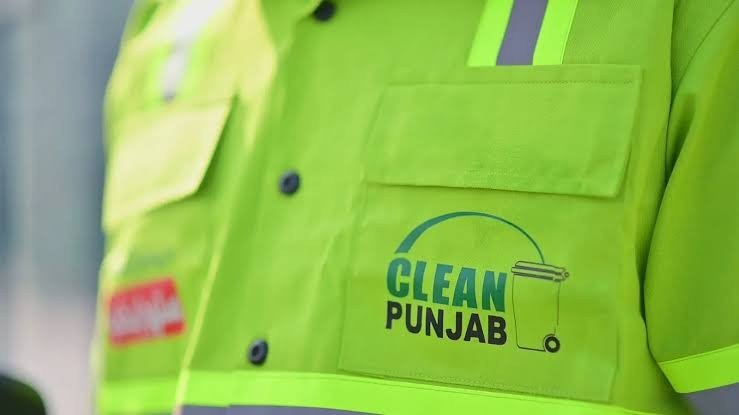
LAHORE — The Suthra Punjab Agency Lahore (SPAL) launched a comprehensive zero-waste initiative in Gulberg Town on Tuesday. This effort aligns with Punjab Chief Minister Maryam Nawaz Sharif’s environmental vision. Over 1,000 sanitation workers and 134 operational vehicles were employed to thoroughly clean the area. Operation Overview The zero-waste operation in Gulberg Town is part of SPAL’s broader strategy to boost cleanliness and environmental sustainability throughout Lahore. Conducted on June 23, the initiative engaged a large workforce assigned to street cleaning, waste collection, and proper disposal. A fleet of 134 vehicles facilitated efficient waste collection and transport to designated sites. Directed by Chief Minister Maryam Nawaz Sharif, this initiative underscores sustainable waste management practices in urban areas. These efforts are part of a series aimed at transforming Lahore into a cleaner, more eco-friendly city. Target Areas SPAL focused on key areas in Gulberg Town, covering public spaces, residential zones, and commercial areas. The extensive cleanup aimed to address immediate waste concerns and establish a model for ongoing waste management practices in the region. Background of SPAL The Suthra Punjab Agency Lahore (SPAL) was created as part of the provincial government’s initiative to tackle urban waste management challenges. Lahore, as one of Pakistan’s largest cities, struggles with waste management due to its dense population and rapid urban growth. In recent years, the Punjab government has launched several projects to improve waste management and environmental sustainability. These include modern waste systems, public awareness campaigns, and policies to reduce waste generation. Importance of the Initiative The zero-waste initiative in Gulberg Town holds significance for various reasons. Firstly, it meets the urgent need for effective waste management in a crucial urban area of Lahore. Through large-scale workforce mobilization and vehicle deployment, SPAL shows commitment to resolving waste issues directly. Economically, proper waste management can cut city costs by decreasing the need for frequent cleanups and minimizing environmental impact. Socially, cleaner urban areas lead to better public health and enhance residents’ quality of life by cutting down disease transmission risks. Politically, this operation echoes the Punjab government’s dedication to environmental sustainability, especially pertinent amid global climate concerns. By prioritizing such initiatives, the government positions itself as a pioneer in sustainable urban development, potentially attracting international investment and support focused on environmental issues. Key Takeaways SPAL executed a zero-waste operation in Lahore’s Gulberg Town, deploying more than 1,000 workers and 134 vehicles. The cleanup aligns with the environmental vision of Punjab Chief Minister Maryam Nawaz Sharif. Efforts addressed immediate waste issues and set a precedent for future waste management practices.

Sports

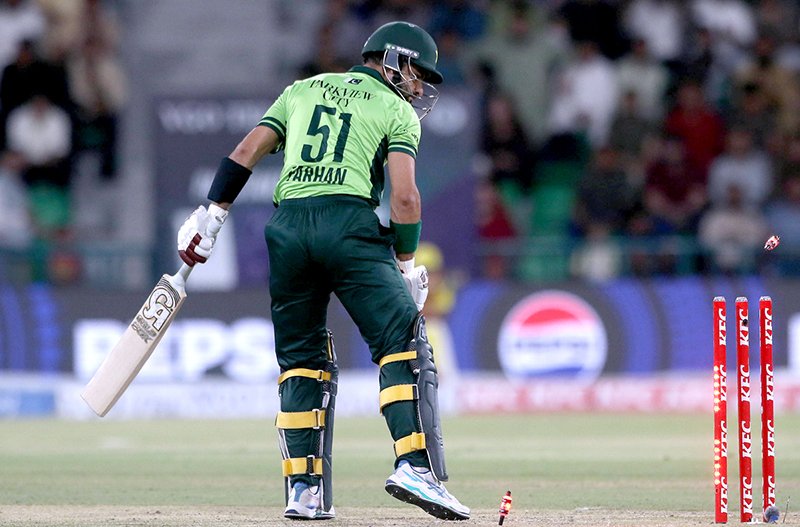
Pakistan U-19 Cricket Skill Development Camp Commences in Multan

MULTAN — A skills development camp for the Pakistan Under-19 cricket team has commenced in Multan. Thirty-one players are participating in this intensive eight-week program designed to prepare them for future international matches, including a tour of England and the ACC Men’s Under-19 Asia Cup. Camp Initiatives The camp, launched at the Inzamam-ul-Haq High Performance Centre on June 23, 2023, will run for eight weeks. It offers a comprehensive training regime to enhance players’ skills and readiness for major international tournaments. The focus is on honing technical abilities, improving fitness, and fostering teamwork among players. Specialized coaching sessions, fitness drills, and match simulations are included to replicate real-game scenarios. The coaching staff features experienced cricket figures tasked with identifying and nurturing talent, ensuring the team is prepared for forthcoming challenges. Rigorous training sessions will focus on both batting and bowling skills, led by seasoned coaches. PCB’s Strategic Effort The Pakistan Cricket Board (PCB) views this camp as a strategic initiative to build a strong foundation for the Under-19 team, serving as a feeder to the national team. The PCB emphasizes the importance of such camps in developing potential stars and equipping them with tools to succeed at the highest levels. The Role of Youth Cricket The Under-19 cricket team is crucial for young players aspiring to join the senior national team. Historically, this setup has nurtured players achieving international success. The PCB consistently invests in youth programs, recognizing the importance of cultivating talent early. Pakistan’s rich history in Under-19 cricket includes wins at the ICC Under-19 Cricket World Cup in 2004 and 2006. The current Multan camp is part of the PCB’s strategy to maintain Pakistan’s competitiveness in youth cricket, focusing on skill development and international exposure to prepare players for the pressures of international cricket. Significance of the Camp The skills development camp for the Pakistan Under-19 cricket team is significant for several reasons. It highlights the PCB’s commitment to nurturing young talent vital for the sustained success of Pakistan cricket globally. By developing young players, the PCB aims to create a pipeline of cricketers ready to transition to the senior team. Successful youth programs can lead to increased sponsorship and investment in cricket, benefiting the sport’s infrastructure and reach in Pakistan. Cricket serves as a unifying force socially, and the success of the Under-19 team can inspire young athletes to pursue the sport professionally. Internationally, the Under-19 team’s performance will be closely observed, enhancing Pakistan’s reputation as a cricketing powerhouse.

Business

PPAF and BRSP Discuss Livestock Development in Balochistan

QUETTA — On June 23, the Pakistan Poverty Alleviation Fund (PPAF) and the Balochistan Rural Support Programme (BRSP) hosted a coordination meeting to evaluate livestock project advancements in Balochistan. District Livestock Officers (DLOs) from the Livestock and Dairy Development Department attended, focusing on efforts to enhance the province’s livestock sector. Meeting Highlights The meeting gathered key stakeholders involved in Balochistan’s livestock sector development. The PPAF and BRSP, with European Union (EU) collaboration, are actively working to improve livestock farming conditions, crucial for the province’s rural economy. Participants discussed ongoing projects, assessing the impact of initiatives designed to boost productivity and sustainability. District Livestock Officers commended the PPAF, BRSP, and EU for their collaborative efforts to strengthen the livestock sector. Discussions emphasized the importance of continued investment in infrastructure, training, and resources for sustainable success. The meeting also provided a platform to share best practices and address challenges faced by local farmers. Key Projects Reviewed Disease control in livestock Breed improvement techniques Market access for livestock products These projects require a comprehensive approach combining technical assistance and community engagement to benefit rural communities maximally. Background on Balochistan Balochistan, the largest Pakistani province by area, has a significant rural population relying on agriculture and livestock for livelihood. The region’s arid climate and limited resources create challenges for sustainable livestock farming. PPAF and BRSP, with EU support, have launched multiple programs to address these difficulties. Established in 2000, the PPAF is a leading institution in Pakistan aimed at poverty alleviation through community-driven development. The BRSP focuses on rural development in Balochistan, improving living standards through socio-economic initiatives. Their collaboration enhances rural community resilience by boosting livestock productivity and diversifying income sources. Economic Significance The livestock sector is vital to Balochistan’s economy, providing jobs and income for a significant population segment. Sector enhancement can improve food security, farmer income, and economic growth. The PPAF and BRSP efforts, backed by the EU, are key in overcoming challenges hindering livestock industry development in Balochistan. Enhancing livestock productivity leads to better nutrition for locals and increased export potential. By focusing on disease control and breed improvement, ongoing initiatives aim to reduce mortality rates and improve product quality. Improved market access can help farmers secure better prices, raising their income and reducing poverty. These developments align with Pakistan’s broader economic goals, emphasizing agriculture and livestock as pivotal for sustainable development. Successfully implementing these projects may serve as a model for similar initiatives nationwide, promoting rural development and economic resilience.

Business

Exchange Rates Bulletin Released by Financial Markets Association of Pakistan

KARACHI — The Financial Markets Association of Pakistan’s Exchange Rates Committee published its latest foreign exchange rates bulletin on Tuesday, June 23, 2026. These rates are critical for financial transactions and economic planning. Recent Developments The committee released conversion rates for foreign currency forward cover for deposits, excluding FE-25 deposits. The State Bank of Pakistan’s settlement value date is June 29, 2026. The reported rates are: US Dollar (USD): 278.1921 Pakistani Rupees British Pound (GBP): 366.9631 Rupees Euro (EUR): 318.3908 Rupees Japanese Yen (JPY): 1.7200 Rupees These rates impact businesses and individuals involved in international trade and investment by determining foreign currency transaction costs. Economic Context This announcement comes during complex economic challenges in Pakistan, marked by inflationary pressures and fluctuating currency values. The exchange rates guide currency exchange operations of banks and financial institutions, affecting importers, exporters, and investors. Role of the Financial Markets Association The association is vital to Pakistan’s financial sector, offering guidance on foreign exchange and money markets. Their bulletins on exchange rates are crucial for economic stability and planning. Several factors influence Pakistan’s foreign exchange market, such as global economic trends, domestic monetary policies, and geopolitical developments. The State Bank of Pakistan manages these to ensure economic stability and control inflation. Significance of Exchange Rates Exchange rates provide transparency and predictability, fostering investor confidence. They help businesses make informed decisions on imports, exports, and foreign investments. For citizens, exchange rates affect living costs, influencing prices of imported goods. A higher USD rate could increase costs for imported commodities, impacting inflation and purchasing power. Rates are crucial for business pricing strategies and financial planning. On a broader scale, exchange rates reflect a country’s economic health, monitored by international investors and analysts. Fluctuations can indicate shifts in economic policy or market confidence, signaling economic trends. Key Points New foreign exchange rates released on June 23, 2026. US Dollar: 278.1921 Pakistani Rupees; British Pound: 366.9631 Rupees. Rates impact transactions, international trade, living costs, and economic stability. They reflect economic health, monitored by global investors. Source attribution: Information is based on the official exchange rates bulletin released by the Financial Markets Association of Pakistan.

Business

NBP Releases Updated Foreign Exchange Rates for June 23

KARACHI — The National Bank of Pakistan (NBP), specifically through its Treasury Management Division, announced the latest foreign exchange rates on Tuesday, June 23. This update outlines the current buying and selling prices for various international currencies, vital for businesses, investors, and individuals engaged in currency transactions. Current Currency Rates The latest NBP announcement details the following major currencies and their rates: US Dollar (USD): Selling at 278.60 PKR, buying at 278.10 PKR Euro (EUR): Selling at 318.38 PKR, buying at 317.81 PKR British Pound (GBP): Selling at 368.99 PKR, buying at 368.33 PKR Other Currencies Rates for additional currencies include the Japanese Yen (JPY) at a selling price of 1.7244 PKR and buying rate of 1.7213 PKR. The Swiss Franc (CHF) sells at 344.54 PKR, buying at 343.92 PKR. The Canadian Dollar (CAD) is available at 196.67 PKR for selling and 196.31 PKR for buying. The Australian Dollar (AUD) is priced at 194.32 PKR for selling and 193.97 PKR for buying. Asian and Middle Eastern Currencies For Asian currencies, the Korean Won (KRW) sells at 0.1815 PKR, and the Chinese Yuan (CNY) at 41.09 PKR. The Malaysian Ringgit (MYR) lists at 67.34 PKR for selling. Middle Eastern currencies like the UAE Dirham (AED) sell at 75.86 PKR, and the Saudi Riyal (SAR) at 74.21 PKR. The Qatari Riyal (QAR) is at 76.45 PKR, with the highest being the Kuwaiti Dinar (KWD) at 905.72 PKR. Fixed Currency Deposits Conversion rates for frozen foreign currency deposits are noted with the USD at 278.1921 PKR, GBP at 366.9631 PKR, and EUR at 318.3908 PKR. The JPY conversion is 1.72 PKR. Background on Currency Updates NBP consistently updates its foreign exchange rates, reflecting market conditions crucial for importers, exporters, and general currency transactions. The Treasury Management Division monitors and sets these rates based on global trends. Pakistan’s foreign exchange market has historically been influenced by trade balances, foreign investments, and geopolitical factors. Relevance to the Economy These updated exchange rates are essential benchmarks for international trade and financial decisions. They impact the cost of imports, exports, and ultimately the economy’s stability. A high USD rate affects import costs and inflation, influencing consumer prices across Pakistan.

Pakistan

Parliamentary Ban on Criticism of National Institutions Announced

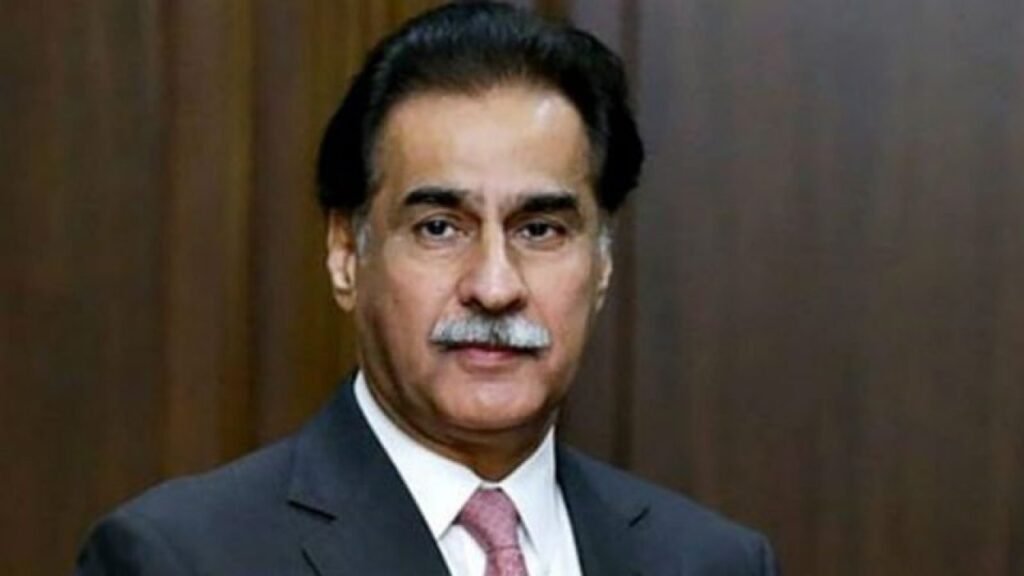
ISLAMABAD — National Assembly Speaker Sardar Ayaz Sadiq announced on Tuesday that Parliament members are prohibited from making critical remarks about national institutions during sessions. This move came in response to concerns raised by Opposition Leader Mehmood Khan Achakzai. Parliamentary Session Details During the June 23 parliamentary session, Speaker Sardar Ayaz Sadiq emphasized the importance of maintaining respect for national institutions. He clearly stated that derogatory or critical statements against these bodies would not be tolerated. This stance followed points raised by Mehmood Khan Achakzai regarding freedom of speech within Parliament. Sadiq’s remarks aim to ensure that the House’s decorum is preserved, warning lawmakers about making unacceptable statements outside Parliament. He asserted that no one would be allowed to speak against national institutions within its confines. Historical Context Criticism of national institutions within Pakistan’s Parliament has long been contentious. Historically, lawmakers have faced backlash for comments about national bodies such as the military and judiciary. Parliamentary procedures mandate that discussions should not undermine the country’s institutions. Recent years have seen debates about freedom of speech in Parliament, with some emphasizing democratic discourse’s necessity and others citing respect and decorum. Speaker Sadiq’s directive is part of an effort to navigate these dynamics, ensuring debates do not harm national interests. Implications of the Ban Speaker Sadiq’s directive has significant implications for Pakistan’s parliamentary sessions. It highlights the tension between open debate and protecting national institutions from criticism that could undermine credibility. This balance is crucial in a country where institutions like the military and judiciary are pivotal. National institutions’ stability is vital for maintaining investor confidence and government operations’ smooth functioning. Politically, the move could curb dissent within the legislative process, potentially stifling opposition voices. Internationally, the decision might attract scrutiny from human rights organizations and democratic watchdogs concerned with free speech in Pakistan. The country’s democratic credentials could be questioned if these measures limit legitimate parliamentary debate. Key Takeaways National Assembly Speaker Sardar Ayaz Sadiq has prohibited criticism of national institutions in Parliament. The directive addresses concerns about respect and decorum in parliamentary discussions. It raises tensions between freedom of speech and national institutions’ protection. The decision may impact political discourse and democratic processes in Pakistan.

Pakistan

Pak-Russian Joint Group Addresses Terrorism Threat from Afghanistan

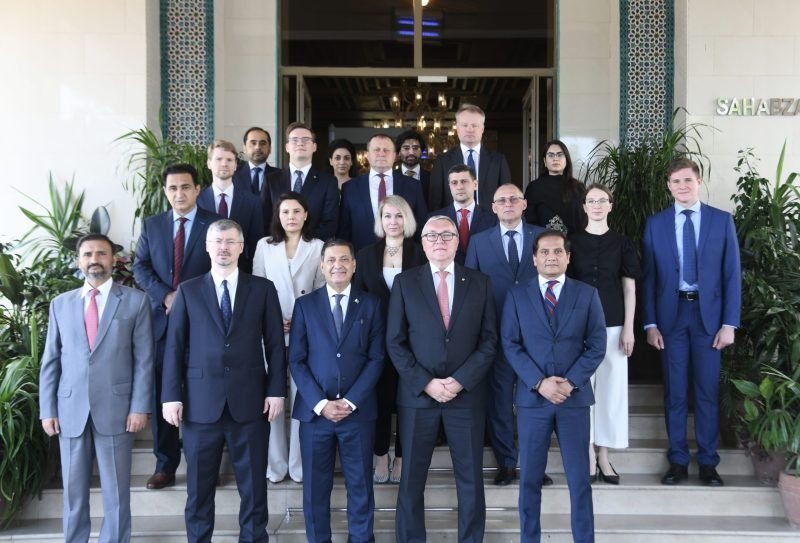
ISLAMABAD — The Pakistan-Russia Joint Working Group (JWG) on Countering International Terrorism convened on Tuesday in Islamabad. The meeting addressed the escalating terrorism threat originating from Afghanistan affecting regional security. Key officials from both nations participated in the 12th session. Focus of the Meeting The primary focus was on assessing the current terrorism threat landscape, particularly challenges from Afghanistan. Senior officials, including the Additional Secretary from Pakistan’s Ministry of Foreign Affairs, attended the session. Discussions aimed at enhancing bilateral cooperation and developing strategies to mitigate risks from Afghan-based terrorism. Concerns and Strategies The instability in Afghanistan, considered a breeding ground for terrorism, raised concerns on both sides. These discussions underscored potential threats to regional stability and the need for a coordinated response. A Ministry of Foreign Affairs spokesperson emphasized the shared concern over the Afghan terrorism threat, insisting on collaborative action between Pakistan and Russia. The meeting underlined the necessity of intelligence sharing and joint counter-terrorism operations. It also explored the potential for strengthening regional security frameworks and collaboration with other neighboring countries, ensuring a comprehensive counter-terrorism approach. Background The Pakistan-Russia Joint Working Group was established to foster cooperation in countering international terrorism. This partnership aims to tackle regional security challenges, particularly the instability in Afghanistan. Afghanistan is a focal point of international concern due to the presence of terrorist groups threatening regional and global security. Historical Context Both Pakistan and Russia have historically faced terrorism, driving them to seek cooperative solutions. The JWG platform enables dialogue, intelligence sharing, strategy coordination, and joint anti-terrorism actions. Significance of the Collaboration The Pakistan-Russia discussions are vital for regional security. The Afghan-origin terrorism threat has broad implications for Pakistan, Russia, and neighboring countries. Afghanistan’s instability risks regional destabilization, violence, refugee flows, and economic disruption. Pakistan’s Specific Concerns For Pakistan, the threat from Afghanistan is acute due to shared borders and historical ties. The presence of terrorist groups presents a direct threat to Pakistan’s security and economic stability. Collaborating with Russia enhances Pakistan’s counter-terrorism strategies and regional security cooperation. This collaboration reflects evolving geopolitical alliances, strengthening bilateral relations. It contributes to regional stability, essential for international peace and security. Key Takeaways The Pakistan-Russia Joint Working Group convened in Islamabad to discuss terrorism threats from Afghanistan. The meeting focused on enhancing bilateral cooperation and developing comprehensive counter-terrorism strategies. Both nations emphasized intelligence sharing and joint operations to tackle terrorism effectively.

Business

Muharram Security and Civic Arrangements Assessed in Kallar Syedan

RAWALPINDI — Additional Deputy Commissioner (ADC) Headquarters Abdul Rehman Khan conducted a comprehensive review of security and civic arrangements in Kallar Syedan ahead of Muharram-ul-Haram. The official visit insured that preparations for the religious observances were in place and fully functional. Security Measures Assessment On June 23, ADC Abdul Rehman Khan, joined by the Assistant Commissioner of Kallar Syedan and officers from relevant departments, thoroughly inspected several imambargahs, majalis venues, and procession routes. The evaluation focused on security measures to protect participants during Muharram processions and gatherings. The ADC visited the Municipal Committee’s control room to assess the functionality and accessibility of CCTV monitoring systems. These systems are crucial for maintaining surveillance and ensuring a quick response to any untoward incidents. Additionally, panic buttons installed for emergencies were tested for operational readiness. Civic Preparations Reviewed Officials accompanying the ADC reported that he also inspected the cleanliness, sanitation, street lighting, and covering of manholes along the procession routes. These elements are essential for participant safety and comfort. The ADC instructed the concerned departments to maintain these arrangements according to Punjab government’s directives. Expressing satisfaction with the local administration and institutions’ preparedness, ADC Khan outlined directives for the immediate resolution of minor issues found during the inspection. This proactive stance is intended to ensure uninterrupted public participation in the religious events. Background of Muharram Observances Muharram-ul-Haram, the first month of the Islamic calendar, is of significant religious importance to Muslims, particularly the Shia community. It marks the commemoration of Imam Hussain’s martyrdom at the Battle of Karbala. The month is observed with solemnity, featuring processions and gatherings honoring Imam Hussain and his followers’ sacrifices. In Pakistan, Muharram sees heightened security measures due to large gatherings and processions. The government and local administrations implement extensive security plans to prevent threats and ensure participant safety. Significance of the Review The security and civic arrangements review in Kallar Syedan is vital for a peaceful and safe Muharram observance. Given the historical and emotional significance of Muharram, any security lapse could have severe consequences. The ADC’s proactive measures, in collaboration with local administration, aim to prevent disruptions and maintain public order during the observances. Economically, smoothly conducted Muharram processions can positively impact local businesses and vendors who rely on increased footfall during religious events. Ensuring safety and order can encourage more participation, boosting local commerce. Politically, successful management of Muharram events enhances public trust in local governance and law enforcement effectiveness. It demonstrates the administration’s ability to handle large-scale events and address community concerns. Key Takeaways ADC Abdul Rehman Khan reviewed security and civic arrangements in Kallar Syedan for Muharram. Inspections included imambargahs, majalis venues, and procession routes evaluating security measures. Functionality of CCTV systems and emergency response mechanisms was verified.

Scroll to Top