
Author name: NEN News

Pakistan

OIC Women’s Conference Advocates for Refugee Women’s Empowerment

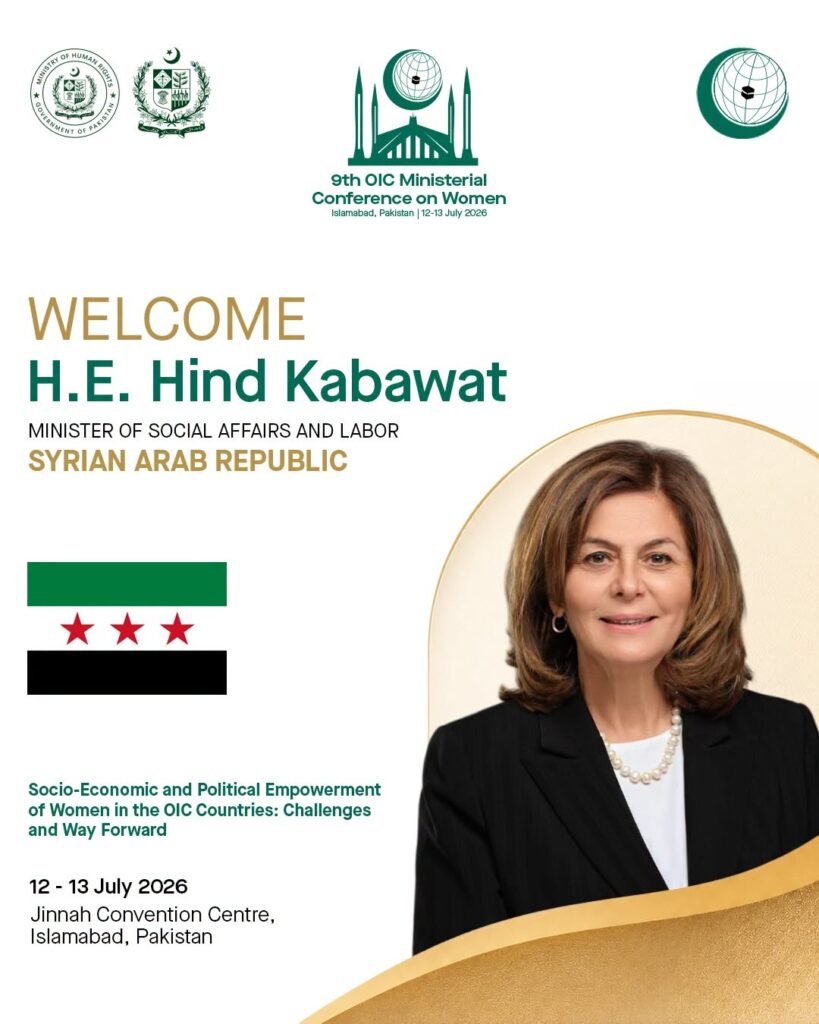
ISLAMABAD — The 9th Organisation of Islamic Cooperation (OIC) Ministerial Conference on Women concluded with a powerful message of hope and solidarity for women in refugee camps and displacement. Syrian Minister of Social Affairs and Labour Hind Kabawat emphasized the event’s significance, highlighting the unity and empowerment of women across the Muslim world. What Happened The OIC Ministerial Conference on Women, held in Islamabad, brought together female leaders and representatives from various OIC member states to address pressing issues faced by women, particularly those in refugee camps and displacement. The conference aimed to foster cooperation among Muslim countries to enhance women’s rights and empowerment. Syrian Minister Hind Kabawat, who participated in the conference, expressed that the gathering was a crucial platform for advancing women’s empowerment and human rights. “This conference reflects the unity of women across the Muslim world and offers a valuable opportunity to advance women’s empowerment, human rights, and shared cooperation,” Kabawat stated. The conference focused on several key areas, including improving access to education and healthcare for displaced women, enhancing economic opportunities, and promoting gender equality. It also addressed the unique challenges faced by women in conflict zones and refugee camps, emphasizing the need for targeted interventions and support. Delegates from various countries shared insights and strategies to tackle these issues, underscoring the importance of collaborative efforts to uplift women in vulnerable situations. The conference concluded with a commitment to continue working towards the empowerment of women in all spheres of life, particularly those affected by displacement. Background The Organisation of Islamic Cooperation, established in 1969, is the second-largest intergovernmental organization after the United Nations, with a membership of 57 states. The OIC aims to promote solidarity among member states and support the interests of Muslims worldwide. The Ministerial Conference on Women is a key initiative within the OIC framework, focusing on advancing women’s rights and addressing gender-specific challenges. Women in refugee camps and displacement often face significant challenges, including limited access to education, healthcare, and economic opportunities. These issues are exacerbated by the ongoing conflicts and instability in regions such as Syria, Yemen, and Afghanistan, where millions of women and children are displaced. Why It Matters The OIC Women’s Conference is pivotal in addressing the needs of women in refugee camps, offering a platform for dialogue and action among member states. The conference’s focus on empowerment and human rights is crucial for improving the lives of displaced women, who often endure harsh living conditions and limited opportunities. By fostering cooperation among Muslim countries, the conference aims to create a unified approach to tackling gender-specific challenges. This collaboration is vital for developing effective strategies to support displaced women, ensuring they have access to education, healthcare, and economic opportunities. The conference’s outcomes have broader implications for Pakistan and other OIC member states, as they work towards achieving gender equality and empowering women in all sectors. The commitment to enhancing women’s rights and addressing the needs of displaced women aligns with global efforts to promote sustainable development and peace. Key Takeaways The OIC Women’s Conference focused on empowering women in refugee camps and displacement. Syrian Minister Hind Kabawat emphasized the unity and cooperation among Muslim women. The conference addressed key issues such as education, healthcare, and economic opportunities for displaced women. The event highlighted the importance of collaborative efforts to support women in vulnerable situations. The outcomes align with global goals for gender equality and sustainable development. Source Attribution This article is based on official government statements, press releases, and public communications from relevant authorities. Author: NEN Editorial Desk | Editor: NEN Newsroom | Fact Checked By: NEN Editorial Team Author: NEN Editorial Desk  |  Editor: NEN Newsroom  |  Last Updated: July 12, 2026  |  Source: Press Release from Government of Pakistan This article was produced by the NEN Editorial Desk in accordance with NEN Agency’s Editorial Policy and Fact-Checking Policy.

Pakistan

119 Flood Protection Structures Rebuilt in Punjab to Enhance Safety

LAHORE — The Provincial Disaster Management Authority (PDMA) Punjab has successfully reconstructed and rehabilitated 119 flood protection structures and reinforced 394 kilometers of flood embankments across the province. This initiative aims to fortify defenses against future floods and protect vulnerable communities from potential devastation. What Happened The PDMA Punjab has embarked on a significant infrastructure project, focusing on the reconstruction and rehabilitation of flood protection structures throughout the province. As of now, 119 such structures have been rebuilt, and 394 kilometers of flood embankments have been reinforced. These efforts are critical in strengthening the province’s defenses against potential flood threats, which have historically caused significant damage to property and loss of life. The initiative is part of a broader strategy to improve disaster preparedness and resilience in flood-prone areas. The PDMA has worked closely with local authorities and communities to identify the most vulnerable areas and prioritize construction efforts accordingly. This collaborative approach ensures that resources are allocated efficiently and that the most at-risk populations receive the necessary protection. According to a PDMA official, “The reconstruction of these structures is a proactive measure to mitigate the impact of future floods. By reinforcing embankments and rebuilding protective structures, we aim to safeguard communities and reduce the risk of flood-related disasters.” Background Punjab has historically been susceptible to severe flooding, particularly during the monsoon season. The province’s extensive river systems, including the Indus, Chenab, and Ravi, are prone to overflowing, leading to widespread flooding. In recent years, climate change has exacerbated these conditions, resulting in more frequent and intense flood events. In response to these challenges, the PDMA Punjab has been actively involved in disaster management and mitigation efforts. The authority’s mandate includes coordinating with various government departments and agencies to implement effective flood control measures. The current reconstruction project is a continuation of these efforts, aiming to build a more resilient infrastructure capable of withstanding future flood events. Why It Matters The reconstruction and reinforcement of flood protection structures in Punjab are crucial for several reasons. Economically, floods have a devastating impact on agriculture, which is the backbone of Punjab’s economy. By protecting farmland from flood damage, the initiative helps secure the livelihoods of thousands of farmers and contributes to the overall economic stability of the region. Socially, the project aims to protect vulnerable communities who are often the hardest hit by flood disasters. These communities typically lack the resources to recover quickly from such events, leading to prolonged periods of hardship. By enhancing flood defenses, the PDMA is working to prevent loss of life and reduce the social disruption caused by floods. Politically, the initiative demonstrates the government’s commitment to addressing climate-related challenges and improving disaster preparedness. This proactive approach can enhance public trust in government institutions and foster a sense of security among the population. Internationally, the project aligns with global efforts to combat climate change and improve disaster resilience. By investing in infrastructure that mitigates the effects of natural disasters, Pakistan is contributing to the broader international agenda of sustainable development and climate adaptation. Key Takeaways The PDMA Punjab has rebuilt 119 flood protection structures and reinforced 394 kilometers of embankments. The initiative aims to protect vulnerable communities and reduce the impact of future floods. Flooding has historically posed significant economic and social challenges in Punjab. The project demonstrates the government’s commitment to improving disaster preparedness. These efforts align with global climate change adaptation and resilience strategies. Source Attribution This article is based on official government statements, press releases, and public communications from relevant authorities. Author: NEN Editorial Desk | Editor: NEN Newsroom | Fact Checked By: NEN Editorial Team Author: NEN Editorial Desk  |  Editor: NEN Newsroom  |  Last Updated: July 12, 2026  |  Source: NEN Reporter This article was produced by the NEN Editorial Desk in accordance with NEN Agency’s Editorial Policy and Fact-Checking Policy.
Pakistan

Turkish Investment Seen as Key to Boosting Pakistan’s Industrial Growth

ISLAMABAD — Shahid Imran, Convener of the Federation of Pakistan Chambers of Commerce and Industry (FPCCI) Regional Committee on Food, emphasized on Sunday the potential of Turkish investment in accelerating Pakistan’s industrial development. He highlighted the need for Pakistan’s private sector to learn from Türkiye’s successful integration of its defense industries with private manufacturing to foster technological innovation and enhance industrial capacity. What Happened Shahid Imran, speaking at a forum organized by the FPCCI, underscored the importance of Turkish investment in Pakistan’s industrial sector. He stated that Türkiye’s model of integrating defense industries with private manufacturing has been instrumental in boosting its technological advancements and export capabilities. Imran urged Pakistani businesses to adopt similar strategies to enhance their own industrial growth. “Türkiye has set a precedent by integrating its defense sector with private manufacturing, which has not only strengthened its industrial base but also significantly increased its export potential,” Imran remarked. He suggested that Pakistan could benefit greatly by attracting Turkish investments and expertise, particularly in sectors such as technology and manufacturing. Imran’s comments come at a time when Pakistan is seeking to revitalize its industrial sector amidst economic challenges. The FPCCI official pointed out that Turkish companies have expressed interest in investing in various sectors in Pakistan, including textiles, agriculture, and technology. Such investments, he argued, could play a crucial role in modernizing Pakistan’s industrial landscape and enhancing its global competitiveness. Background Türkiye has long been recognized for its robust industrial sector, particularly its defense industry, which has seen significant growth over the past two decades. The country has successfully combined state-owned enterprises with private sector innovation, resulting in a diversified industrial base that supports both domestic needs and export markets. In recent years, Pakistan has been exploring avenues to boost its industrial sector, which has been hampered by various challenges, including energy shortages, outdated infrastructure, and limited technological innovation. The government has been actively seeking foreign investments to address these issues and stimulate economic growth. Historically, Pakistan and Türkiye have enjoyed strong bilateral relations, with both countries expressing a desire to strengthen economic ties. Recent visits by Turkish delegations to Pakistan have focused on exploring investment opportunities and enhancing trade relations between the two nations. Why It Matters The potential influx of Turkish investment into Pakistan’s industrial sector could have significant economic implications. By adopting Türkiye’s model of integrating defense industries with private manufacturing, Pakistan could enhance its technological capabilities and increase its industrial output. This, in turn, could lead to higher exports, creating much-needed foreign exchange reserves and reducing the trade deficit. Moreover, Turkish investment could help address some of the structural challenges facing Pakistan’s industrial sector. By modernizing infrastructure and introducing advanced technologies, Turkish companies could contribute to improving productivity and efficiency within Pakistan’s manufacturing industries. On a broader scale, strengthening industrial ties with Türkiye could enhance Pakistan’s geopolitical standing. As both countries share strategic interests, increased economic cooperation could lead to stronger diplomatic relations and greater regional stability. For Pakistani citizens, the potential benefits are manifold. Increased industrial activity could lead to job creation, higher wages, and improved living standards. Additionally, the introduction of new technologies could spur innovation and entrepreneurship, further contributing to economic growth. Key Takeaways Shahid Imran of FPCCI advocates for Turkish investment to boost Pakistan’s industrial development. Türkiye’s model of integrating defense industries with private manufacturing serves as a potential blueprint for Pakistan. Turkish investments could modernize Pakistan’s industrial sector and enhance export capabilities. Strengthening economic ties with Türkiye could improve Pakistan’s geopolitical and economic standing. Potential benefits for Pakistani citizens include job creation and improved living standards. Source Attribution This article is based on official government statements, press releases, and public communications from relevant authorities. Author: NEN Editorial Desk | Editor: NEN Newsroom | Fact Checked By: NEN Editorial Team Author: NEN Editorial Desk  |  Editor: NEN Newsroom  |  Last Updated: July 12, 2026  |  Source: NEN Reporter This article was produced by the NEN Editorial Desk in accordance with NEN Agency’s Editorial Policy and Fact-Checking Policy.
Pakistan

SECP Introduces IBAN-Based Digital KYC for Streamlined Onboarding

ISLAMABAD — The Securities and Exchange Commission of Pakistan (SECP) has launched a new initiative to simplify the Know Your Customer (KYC) process by implementing IBAN-based digital verification. This development aims to facilitate faster and more efficient onboarding of customers, allowing investors to access financial services with reduced documentation and verification hurdles. What Happened The SECP announced the introduction of IBAN-based digital KYC verification, a move designed to enhance the efficiency of customer onboarding for financial services. By leveraging the International Bank Account Number (IBAN) system, the SECP seeks to eliminate the need for extensive paperwork and repeated verification processes that have traditionally been a barrier for investors. This initiative is expected to streamline the process significantly, making it easier for individuals to engage with financial institutions. According to the SECP, the IBAN-based verification will allow financial institutions to verify customer identities using their bank account information. This method not only speeds up the verification process but also ensures a higher level of accuracy and security. The SECP’s decision to adopt this system is part of a broader strategy to embrace digital solutions that can improve the accessibility and efficiency of financial services in Pakistan. In a statement, the SECP highlighted that this new verification method aligns with international best practices and is part of its ongoing efforts to modernize the regulatory framework governing Pakistan’s financial sector. The commission emphasized that the adoption of digital KYC processes is crucial for fostering a more inclusive financial environment, where barriers to entry are minimized for potential investors. Background The introduction of IBAN-based digital KYC in Pakistan is a significant step in the country’s financial sector reform. Historically, the KYC process in Pakistan has been cumbersome, requiring extensive documentation and multiple verification steps. These requirements have often discouraged potential investors and slowed down the onboarding process for financial services. Globally, digital KYC processes have been gaining traction as financial institutions seek to improve customer experience and reduce operational costs. Countries like India and Singapore have already implemented similar systems, which have proven effective in enhancing financial inclusion and streamlining customer onboarding. In Pakistan, the SECP has been actively working to modernize the regulatory environment, with a focus on adopting digital solutions that can enhance the efficiency of financial operations. The introduction of IBAN-based verification is part of this broader initiative, aimed at aligning Pakistan’s financial sector with global standards. Why It Matters The implementation of IBAN-based digital KYC verification holds significant implications for Pakistan’s financial landscape. Economically, it is expected to reduce the time and cost associated with onboarding new customers, thereby increasing the competitiveness of financial institutions. This could lead to greater participation in the financial markets, as investors find it easier to access services. Socially, the move towards digital KYC processes is likely to enhance financial inclusion in Pakistan. By lowering the barriers to entry, more individuals, particularly those from underserved communities, can gain access to financial services. This aligns with the government’s broader goals of promoting financial literacy and inclusion across the country. Politically, the SECP’s initiative reflects a commitment to modernizing Pakistan’s financial sector and aligning it with international best practices. This could improve Pakistan’s standing in global financial markets, attracting foreign investment and fostering economic growth. Internationally, adopting digital KYC processes positions Pakistan as a forward-thinking player in the global financial ecosystem. It demonstrates the country’s willingness to embrace technological advancements that can enhance the efficiency and security of financial transactions. Key Takeaways The SECP has introduced IBAN-based digital KYC verification to streamline customer onboarding. This initiative aims to reduce documentation and verification requirements for investors. IBAN-based verification aligns with international best practices in the financial sector. The move is expected to enhance financial inclusion and improve accessibility to services. Adopting digital KYC processes positions Pakistan as a progressive player in global finance. Source Attribution This article is based on official government statements, press releases, and public communications from relevant authorities. Author: NEN Editorial Desk | Editor: NEN Newsroom | Fact Checked By: NEN Editorial Team Author: NEN Editorial Desk  |  Editor: NEN Newsroom  |  Last Updated: July 12, 2026  |  Source: NEN Reporter This article was produced by the NEN Editorial Desk in accordance with NEN Agency’s Editorial Policy and Fact-Checking Policy.
Pakistan

Punjab Minister Urges RMK Road Project Completion by August

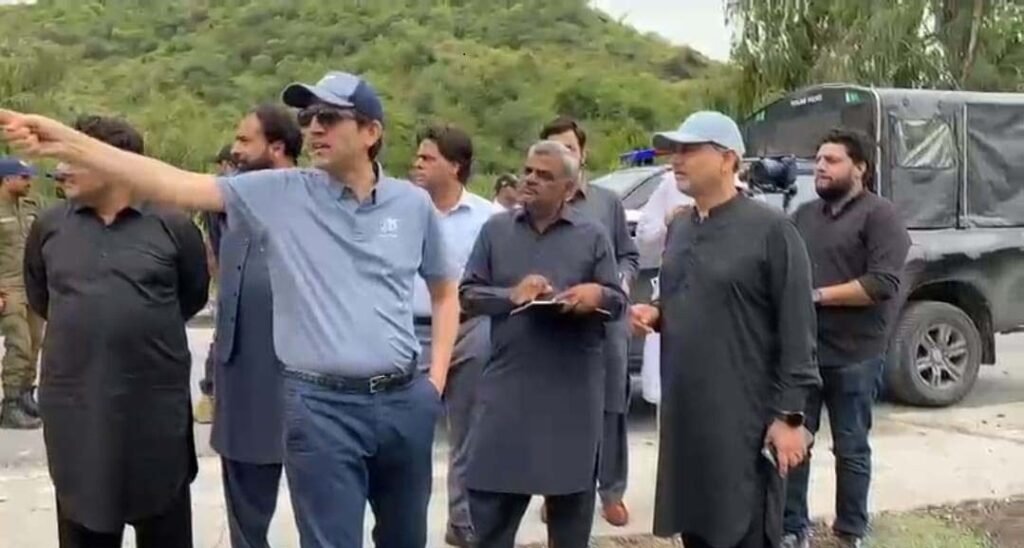
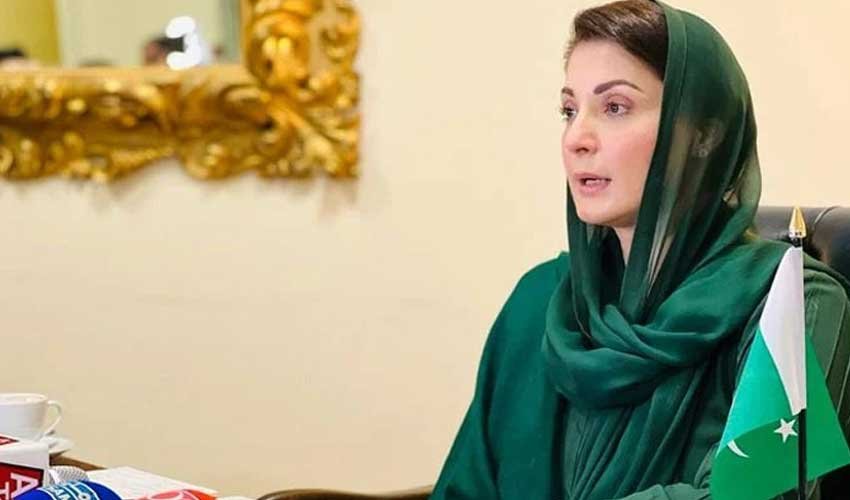
LAHORE — Provincial Minister for Communication & Works Malik Sohaib Ahmed Bharth has conducted an extensive review of the RMK Road Project, emphasizing the necessity of its completion by August. This project is a key component of Chief Minister Punjab Maryam Nawaz Sharif’s Murree Development Plan, aimed at enhancing infrastructure and boosting tourism in the region. What Happened During his inspection of the RMK Road Project, Minister Bharth assessed the current progress and addressed the challenges faced by the construction teams. The RMK Road Project is integral to improving connectivity in the Murree area, a popular tourist destination known for its scenic beauty and cooler climate. The minister’s visit was part of a broader initiative to ensure that development projects under the Murree Development Plan are on track and meet their deadlines. Minister Bharth expressed satisfaction with the progress made so far but urged the project managers to expedite their efforts to meet the August deadline. “The timely completion of the RMK Road Project is crucial for the facilitation of tourists and the local population,” he stated. The minister also highlighted the importance of maintaining quality standards while accelerating the pace of construction. The RMK Road Project is expected to significantly reduce travel time to Murree, thereby enhancing the experience for tourists and easing transportation for residents. The project includes the construction of new roadways, the widening of existing roads, and the installation of necessary infrastructure to support increased traffic flow. Background The RMK Road Project is part of the larger Murree Development Plan initiated by Chief Minister Punjab Maryam Nawaz Sharif. This plan aims to transform Murree into a modern tourist hub, capable of accommodating the growing number of visitors each year. The development plan includes multiple infrastructure projects, such as road improvements, the establishment of new tourist facilities, and the enhancement of public services. Historically, Murree has been a favorite getaway for both domestic and international tourists due to its pleasant weather and picturesque landscapes. However, the region has faced challenges related to traffic congestion and inadequate infrastructure, which have hindered its potential as a premier tourist destination. Why It Matters The completion of the RMK Road Project is expected to have significant economic and social impacts on the region. By improving access to Murree, the project will likely boost local businesses, increase tourism revenue, and create job opportunities. Enhanced infrastructure will also improve the quality of life for residents by reducing travel time and improving safety on the roads. Politically, the successful execution of the Murree Development Plan, including the RMK Road Project, is crucial for the provincial government. It demonstrates the government’s commitment to regional development and its ability to deliver on promises made to the electorate. This could strengthen the political standing of Chief Minister Maryam Nawaz Sharif’s administration. On an international level, improved infrastructure in Murree could attract more foreign tourists, contributing to Pakistan’s tourism industry and enhancing the country’s image as a travel destination. This aligns with broader national goals to increase tourism as a means of economic diversification. Key Takeaways Provincial Minister Malik Sohaib Ahmed Bharth reviewed the RMK Road Project, stressing completion by August. The project is a part of the Murree Development Plan, aimed at boosting tourism and infrastructure. The RMK Road Project is expected to improve connectivity, reduce travel time, and enhance safety. Completion of the project could have significant economic, social, and political impacts. Improved infrastructure may attract more domestic and international tourists to Murree. Source Attribution This article is based on official government statements, press releases, and public communications from relevant authorities. Author: NEN Editorial Desk | Editor: NEN Newsroom | Fact Checked By: NEN Editorial Team Author: NEN Editorial Desk  |  Editor: NEN Newsroom  |  Last Updated: July 12, 2026  |  Source: Press Release from Government of Pakistan This article was produced by the NEN Editorial Desk in accordance with NEN Agency’s Editorial Policy and Fact-Checking Policy.
World

Punjab CM Honors Malala Yousafzai for Advocacy in Girls’ Education

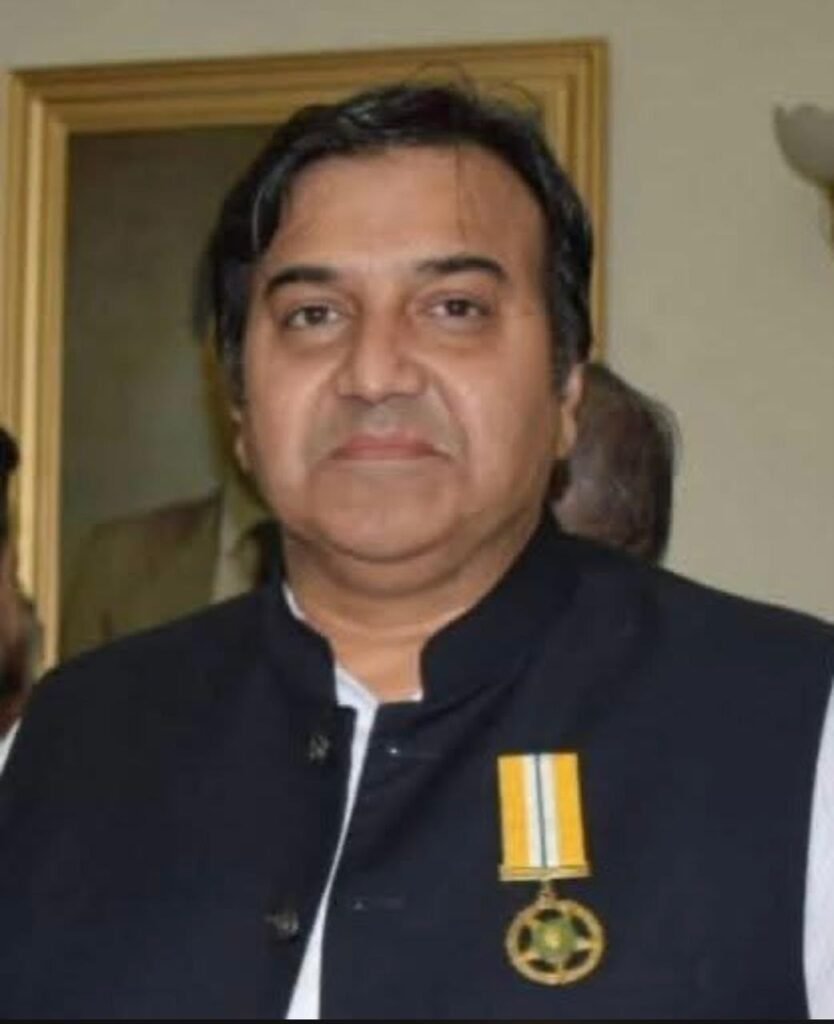
LAHORE — Punjab Chief Minister Maryam Nawaz Sharif on Sunday commended Malala Yousafzai for her relentless efforts in championing girls’ education globally. In a statement, she hailed Yousafzai as a beacon of hope and a symbol of peace, acknowledging her sacrifices and dedication to the cause. What Happened During a public address in Lahore, Chief Minister Maryam Nawaz Sharif expressed profound admiration for Malala Yousafzai, the youngest Nobel Peace Prize laureate, for her unwavering commitment to promoting education for girls. Sharif described Yousafzai as “Pakistan’s daughter” and emphasized her role as a global ambassador for peace and knowledge. The Chief Minister highlighted Malala’s journey from a young girl in Swat Valley to an international advocate for education, noting the courage and resilience she displayed in the face of adversity. “Malala Yousafzai’s dedication to girls’ education is unparalleled. Her journey is a testament to the power of education and the strength of the human spirit,” Sharif stated. The Chief Minister also pointed out the importance of supporting initiatives that align with Yousafzai’s vision, stressing the need for continued investment in educational infrastructure and resources for girls across Pakistan. Background Malala Yousafzai rose to prominence after surviving an assassination attempt by the Taliban in 2012, when she was targeted for advocating for girls’ education in Pakistan. Her activism began in 2009, when she wrote a blog under a pseudonym for the BBC Urdu, detailing her life under Taliban rule and her views on promoting education for girls. Her advocacy has since gained international recognition, culminating in her receiving the Nobel Peace Prize in 2014 at the age of 17. In Pakistan, education for girls has historically faced numerous challenges, including cultural barriers, poverty, and militant opposition. Despite these obstacles, efforts have been made to improve access to education for girls, with various government and non-governmental organizations working to enhance educational opportunities. Why It Matters The recognition of Malala Yousafzai’s efforts by a prominent political figure like Chief Minister Maryam Nawaz Sharif underscores the critical importance of education in Pakistan’s socio-economic development. Education is a fundamental right and a crucial element in empowering women and fostering economic growth. By highlighting Malala’s contributions, the Chief Minister is drawing attention to the broader issue of gender equality in education, which remains a significant challenge in the country. Investing in girls’ education has far-reaching implications for Pakistan’s future. Educated women are more likely to participate in the workforce, contribute to the economy, and improve the health and education of their own children, creating a positive cycle of development. Moreover, promoting education for girls aligns with Pakistan’s commitments to international frameworks such as the United Nations Sustainable Development Goals, particularly Goal 4, which aims to ensure inclusive and equitable quality education for all. Malala Yousafzai’s advocacy continues to inspire global efforts towards educational equity, and her recognition by Pakistani leaders serves as a reminder of the ongoing need to support and expand educational opportunities for girls. This acknowledgment also reflects a growing awareness among policymakers of the transformative power of education in achieving social and economic progress. Key Takeaways Punjab Chief Minister Maryam Nawaz Sharif praised Malala Yousafzai for her dedication to girls’ education. Malala Yousafzai is recognized globally for her advocacy and received the Nobel Peace Prize in 2014. Education for girls remains a critical issue in Pakistan, with significant socio-economic implications. Investing in education aligns with international commitments and promotes gender equality. Recognition from political leaders highlights the importance of educational advocacy in Pakistan. Source Attribution This article is based on official government statements and public communications from relevant authorities. Author: NEN Editorial Desk | Editor: NEN Newsroom | Fact Checked By: NEN Editorial Team Author: NEN Editorial Desk  |  Editor: NEN Newsroom  |  Last Updated: July 12, 2026  |  Source: NEN Reporter This article was produced by the NEN Editorial Desk in accordance with NEN Agency’s Editorial Policy and Fact-Checking Policy.
Pakistan

SP Traffic Majid Iqbal Enforces Strict Measures Against Traffic Violators in Islamabad

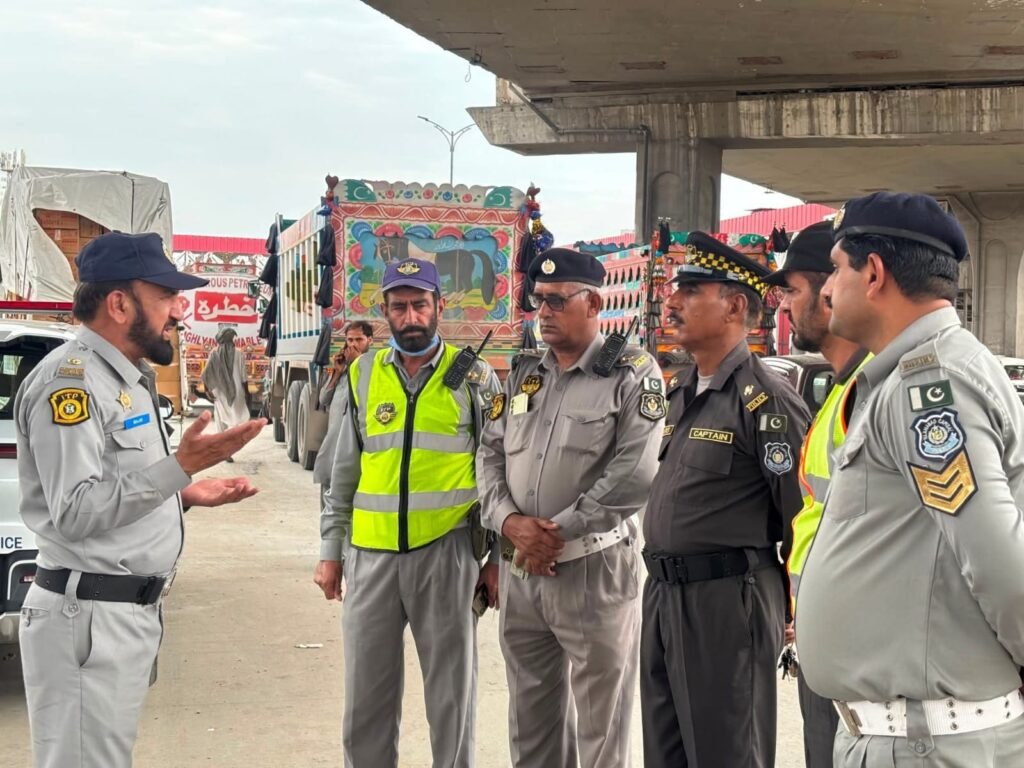
ISLAMABAD — Superintendent of Police (SP) Traffic Majid Iqbal conducted an extensive review of traffic duty points across Islamabad on Sunday, aiming to enhance traffic management and ensure the smooth flow of vehicles on the city’s major roads. This initiative is part of a broader strategy to address traffic violations and improve road safety. What Happened SP Traffic Majid Iqbal visited multiple duty points throughout the federal capital to assess the current traffic management system. During his visit, he inspected the deployment of traffic personnel at various locations and engaged with officers on duty. The primary focus of his visit was to evaluate the effectiveness of current measures in place to manage traffic flow and to identify areas for improvement. According to an official statement, SP Majid directed officers to ensure that traffic moves uninterruptedly and emphasized the importance of taking effective legal action against motorists who violate traffic laws. He instructed traffic personnel to conduct their duties with a high level of professionalism, responsibility, and courtesy towards road users. The SP highlighted the need for vigilant monitoring, a prompt response to any traffic congestion, and strict enforcement of traffic regulations to maintain order on the roads. SP Majid’s review comes amid growing concerns over traffic congestion and road safety in Islamabad, a city that has seen a significant increase in vehicle numbers over recent years. His directives are expected to bolster the efforts of the traffic police in managing the city’s traffic more effectively. Background Traffic management in Islamabad has been a persistent challenge due to the rapid urbanization and increase in the number of vehicles. The Islamabad Traffic Police (ITP) has been actively working to implement various measures to address these issues, including the installation of traffic signals, deployment of additional personnel, and public awareness campaigns about road safety. Historically, traffic violations have been a significant concern, with common infractions including speeding, signal jumping, and illegal parking. The ITP has been striving to curb these violations through stricter enforcement and penalties. The recent visit by SP Majid is part of ongoing efforts to reinforce these measures and ensure compliance with traffic laws. Why It Matters The enforcement of stricter traffic regulations is crucial for improving road safety and reducing accidents in Islamabad. Traffic congestion not only causes delays but also increases the risk of accidents, which can lead to injuries and fatalities. By ensuring a smooth flow of traffic and strict adherence to traffic laws, the ITP aims to enhance the overall safety of road users. Economically, efficient traffic management can lead to reduced travel times, which in turn can improve productivity and reduce fuel consumption. This is particularly important in a city like Islamabad, where the economic activities are closely tied to the efficient movement of people and goods. Socially, improved traffic conditions can lead to a better quality of life for residents, as it reduces stress and enhances accessibility to different parts of the city. It also reflects positively on the city’s image, making it more attractive to tourists and investors. Furthermore, the enforcement of traffic laws is a reflection of the broader commitment of law enforcement agencies to uphold the rule of law. It sets a precedent for other cities in Pakistan to follow, potentially leading to nationwide improvements in traffic management and road safety. Key Takeaways SP Traffic Majid Iqbal conducted a review of traffic duty points in Islamabad, focusing on improving traffic management. He emphasized strict enforcement of traffic laws and professional conduct by traffic personnel. The initiative aims to address traffic congestion and enhance road safety in the federal capital. Efficient traffic management is crucial for economic productivity and improving the quality of life for residents. The measures set a precedent for other cities in Pakistan to improve their traffic systems. Source Attribution This article is based on official government statements, press releases, and public communications from relevant authorities. Author: NEN Editorial Desk | Editor: NEN Newsroom | Fact Checked By: NEN Editorial Team Author: NEN Editorial Desk  |  Editor: NEN Newsroom  |  Last Updated: July 12, 2026  |  Source: NEN Reporter This article was produced by the NEN Editorial Desk in accordance with NEN Agency’s Editorial Policy and Fact-Checking Policy.
Pakistan

PFC CEO Stresses Vision-Driven Policies for Sustainable Economic Growth

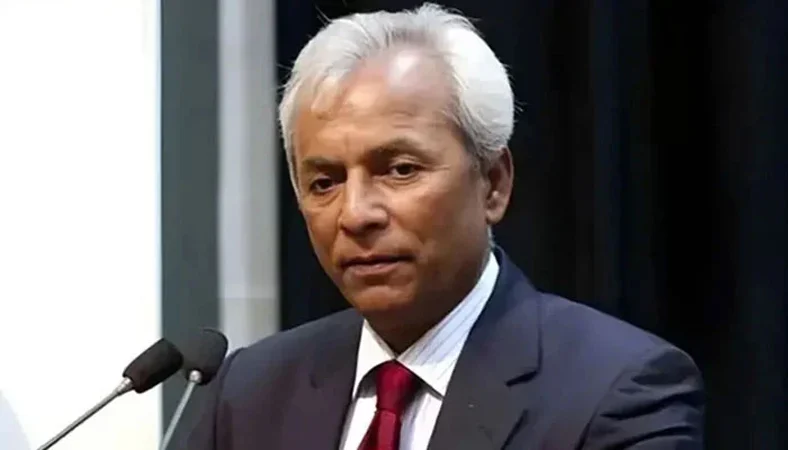
ISLAMABAD — The Chief Executive Officer of the Pakistan Furniture Council (PFC), Mian Kashif Ashfaq, emphasized the importance of vision-driven governance and long-term policies for achieving sustainable economic growth. Speaking on the need for strategic planning, Ashfaq highlighted that continuity in policy and integration strategies are crucial for sustainable investment-led growth. What Happened Mian Kashif Ashfaq, CEO of the Pakistan Furniture Council, addressed the pressing need for sustainable economic growth through a strategic framework that prioritizes vision-driven governance. In his recent statement, Ashfaq argued that for Pakistan to achieve sustainable growth, it requires policies that are not only visionary but also consistent over the long term. He stressed that without such a framework, the potential for investment-driven growth remains limited. According to Ashfaq, the current economic climate necessitates a shift towards policies that are forward-thinking and integrated across different sectors of the economy. “Sustainable investment-driven economic growth ultimately depends on vision-driven governance, policy continuity, and long-term integration strategies,” he stated. He further elaborated that these elements are essential to attract and retain investments, which are pivotal for economic stability and growth. The PFC CEO’s remarks come at a time when Pakistan is grappling with economic challenges, including inflation and a need for foreign investment. Ashfaq’s call for a cohesive and strategic approach to governance reflects a broader consensus among economic experts who advocate for reforms that can sustain economic development in the long run. Background The concept of sustainable economic growth has gained traction globally, with many countries adopting policies that focus on long-term development rather than short-term gains. In Pakistan, the need for such an approach has been underscored by fluctuating economic conditions and external pressures. Historically, Pakistan’s economic policies have often been reactive, addressing immediate concerns without a sustained focus on long-term growth. Previous attempts at economic reform have met with mixed results, often due to a lack of continuity and integration in policy implementation. The Pakistan Furniture Council, under the leadership of Mian Kashif Ashfaq, has been an advocate for industry-specific reforms that align with broader economic goals. The council has consistently pushed for policies that support the furniture industry while contributing to the overall economic framework. Why It Matters The emphasis on vision-driven governance and policy continuity is critical for Pakistan’s economic future. As the country seeks to stabilize its economy and attract foreign investment, consistent and strategic policies can provide the necessary foundation for growth. The PFC CEO’s call for long-term integration strategies highlights the need for a cohesive approach that aligns various sectors towards common economic objectives. Economically, adopting a vision-driven approach could lead to increased investor confidence, as businesses are more likely to invest in environments where policies are stable and predictable. This, in turn, can lead to job creation, increased exports, and a more robust economic framework that can withstand global economic fluctuations. Socially, sustainable economic growth can contribute to improved living standards and reduced poverty levels. By focusing on long-term development, Pakistan can address systemic issues such as unemployment and income inequality, thereby fostering a more equitable society. On the international front, aligning with global trends towards sustainability can enhance Pakistan’s standing as a responsible economic player, potentially opening up new markets and partnerships. Key Takeaways Mian Kashif Ashfaq, CEO of PFC, calls for vision-driven governance for sustainable growth. Long-term policies and integration strategies are essential for attracting investment. Pakistan’s economic stability depends on consistent and strategic policy frameworks. Sustainable growth can lead to improved living standards and reduced poverty. Aligning with global sustainability trends can enhance Pakistan’s international standing. Source Attribution This article is based on official statements and public communications from the Pakistan Furniture Council and relevant authorities. Author: NEN Editorial Desk | Editor: NEN Newsroom | Fact Checked By: NEN Editorial Team Author: NEN Editorial Desk  |  Editor: NEN Newsroom  |  Last Updated: July 12, 2026  |  Source: NEN Reporter This article was produced by the NEN Editorial Desk in accordance with NEN Agency’s Editorial Policy and Fact-Checking Policy.
World

Sindh Governor Stresses Hope as Key to National Development

KARACHI — Governor of Sindh Syed Muhammad Nehal Hashmi emphasized the critical role of hope in fostering a better future and advancing national development during the observance of the International Day of Hope on July 12. Speaking at a public event, Hashmi highlighted the importance of nurturing hope and positive thinking, particularly among the youth, as essential elements for overcoming challenges and achieving collective national goals. What Happened On the occasion of the International Day of Hope, Governor Syed Muhammad Nehal Hashmi addressed a gathering in Karachi, underscoring the significance of hope as a foundational element for national progress. He articulated that hope, coupled with unity and determination, is vital for addressing the myriad challenges facing Pakistan today. Hashmi stated, “Every challenge can be overcome through unity, determination, and hope,” emphasizing that these qualities are instrumental in building a peaceful and prosperous nation. The governor further elaborated on the necessity of instilling hope and positive thinking among the younger generation. He remarked that the youth are the future leaders of the country, and their mindset will significantly influence Pakistan’s trajectory. “The promotion of hope and positive thinking among young people is the need of the hour,” Hashmi noted, advocating for educational and social initiatives that encourage optimism and resilience. Hashmi also highlighted the broader message of the International Day of Hope, which advocates for humanity, peace, and mutual cooperation. He called for collective efforts from all sectors of society to work towards these ideals, suggesting that such unity is crucial for national development and stability. Background The International Day of Hope is observed globally to promote a message of optimism and cooperation among individuals and communities. It serves as a reminder of the power of hope in overcoming adversity and fostering positive change. In Pakistan, the day is marked by various activities aimed at encouraging hopefulness and unity among the populace. Governor Hashmi’s statements come at a time when Pakistan is grappling with numerous socio-economic challenges, including political instability, economic difficulties, and social unrest. Historically, the country has faced periods of significant turmoil, which have tested the resilience and optimism of its citizens. In this context, the governor’s emphasis on hope and unity is particularly pertinent. Why It Matters The governor’s focus on hope as a catalyst for national development holds significant implications for Pakistan’s future. In a country where economic and political challenges are prevalent, fostering a culture of hope and optimism can play a crucial role in mobilizing citizens towards constructive action. By encouraging positive thinking and unity, leaders can inspire the populace to engage in efforts that contribute to national progress. Economically, a hopeful and optimistic society is more likely to invest in long-term development initiatives, fostering innovation and entrepreneurship. Socially, promoting hope can lead to greater community cohesion and resilience, reducing tensions and fostering peace. Politically, leaders who emphasize hope can build trust and confidence among the electorate, facilitating more effective governance and policy implementation. Moreover, the governor’s call for collective efforts underscores the importance of collaboration across different sectors of society. By working together, government, private sector, and civil society can create synergies that enhance national development and stability. This approach aligns with global trends towards inclusive and participatory governance models that prioritize cooperation and shared goals. Key Takeaways Governor Syed Muhammad Nehal Hashmi emphasized hope as essential for national development during the International Day of Hope. He highlighted the importance of promoting hope and positive thinking among the youth to overcome national challenges. The International Day of Hope advocates for humanity, peace, and mutual cooperation, aligning with the governor’s message. Fostering a culture of hope can have significant economic, social, and political benefits for Pakistan. Collective efforts from all sectors of society are deemed essential for achieving national progress and stability. Source Attribution This article is based on official government statements and public communications from relevant authorities. Author: NEN Editorial Desk | Editor: NEN Newsroom | Fact Checked By: NEN Editorial Team Author: NEN Editorial Desk  |  Editor: NEN Newsroom  |  Last Updated: July 12, 2026  |  Source: Press Release from Government of Pakistan This article was produced by the NEN Editorial Desk in accordance with NEN Agency’s Editorial Policy and Fact-Checking Policy.

World

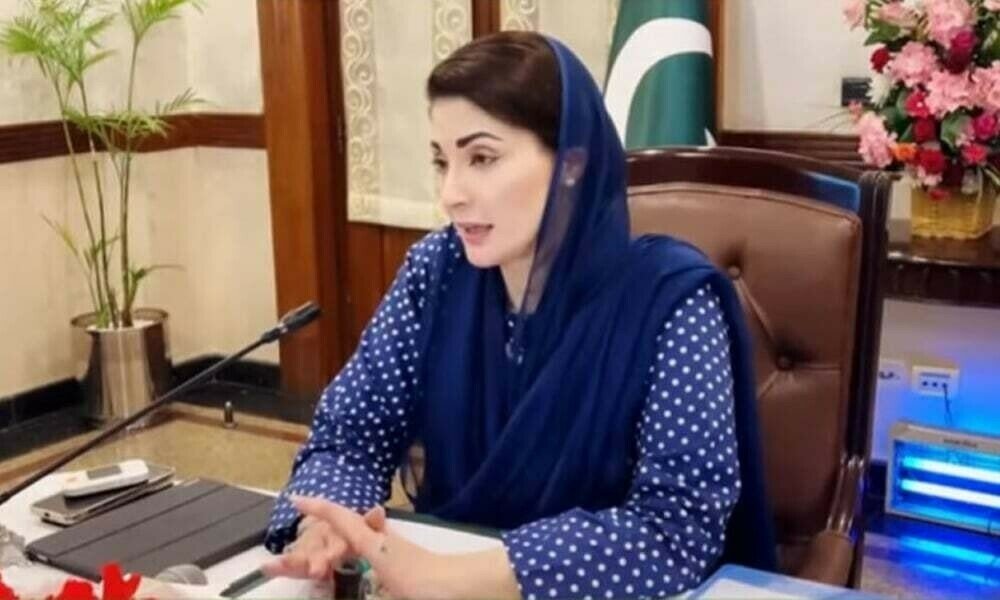
Punjab Government Committed to Public Welfare, Says Chief Minister

LAHORE — Punjab Chief Minister Maryam Nawaz Sharif emphasized the government’s dedication to public welfare initiatives, highlighting the role of hope in driving progress and success. Her remarks came on the occasion of the International Day of Hope, celebrated on Sunday. What Happened On Sunday, Punjab Chief Minister Maryam Nawaz Sharif addressed the public on the International Day of Hope, underscoring the importance of maintaining hope in the face of adversity. She articulated that hope serves as a crucial force, empowering individuals to persevere and transform their determination into tangible success. The Chief Minister’s message was clear: despite the challenges faced, hope should never be abandoned. Maryam Nawaz Sharif highlighted the efforts of the Pakistan Muslim League-Nawaz (PML-N) in embodying hope for the people of Punjab. She stated that the party is actively working to meet the public’s expectations through various practical measures. The Chief Minister expressed confidence in the continued improvement of healthcare facilities, the realization of homeownership for homeless families, and increased prosperity for farmers through enhanced agricultural productivity. In her statement, she reiterated the commitment of the PML-N to public welfare, citing initiatives such as the provision of laptops, scholarships, and free medicines as evidence of their dedication. Maryam Nawaz Sharif assured the public of her government’s resolve to continue serving the people and striving for a prosperous Punjab. Background The International Day of Hope is observed to remind individuals and communities of the power of hope in overcoming challenges. In Pakistan, the day serves as a platform for leaders to reinforce their commitment to public welfare and development. The PML-N, a major political party in Pakistan, has historically focused on infrastructure development, economic growth, and social welfare programs. Under the leadership of Maryam Nawaz Sharif, the party has continued to emphasize these areas, aiming to uplift the socio-economic status of the people of Punjab. Why It Matters The Chief Minister’s message on the International Day of Hope is significant as it highlights the government’s focus on public welfare amidst economic and social challenges. The emphasis on hope and practical measures reflects an understanding of the needs and aspirations of the people of Punjab. Economically, the initiatives mentioned by Maryam Nawaz Sharif, such as improved healthcare and agricultural productivity, are crucial for the province’s development. Enhanced healthcare facilities can lead to a healthier workforce, while better agricultural yields can boost the income of farmers, contributing to the overall economic stability of the region. Socially, the focus on housing and educational initiatives like scholarships and laptop distributions can play a vital role in reducing inequality and providing opportunities for the youth. These measures are likely to have a long-term impact on the social fabric of Punjab, promoting inclusivity and empowerment. Politically, the PML-N’s commitment to public welfare can strengthen its position in the province, especially as it seeks to maintain public trust and support. The party’s ability to deliver on its promises could be pivotal in future electoral outcomes. Key Takeaways Chief Minister Maryam Nawaz Sharif emphasized the role of hope in achieving success on the International Day of Hope. The Punjab government is committed to public welfare through initiatives in healthcare, housing, and agriculture. The PML-N aims to fulfill public expectations with practical measures, including scholarships and free medicines. Economic and social initiatives are expected to enhance the province’s development and reduce inequality. The PML-N’s focus on public welfare could influence its political standing in Punjab. Source Attribution This article is based on official government statements, press releases, and public communications from relevant authorities. Author: NEN Editorial Desk | Editor: NEN Newsroom | Fact Checked By: NEN Editorial Team Author: NEN Editorial Desk  |  Editor: NEN Newsroom  |  Last Updated: July 12, 2026  |  Source: NEN Reporter This article was produced by the NEN Editorial Desk in accordance with NEN Agency’s Editorial Policy and Fact-Checking Policy.

Scroll to Top