
Author name: NEN News

World

National Bank Of Pakistan Announces Latest Exchange Rates

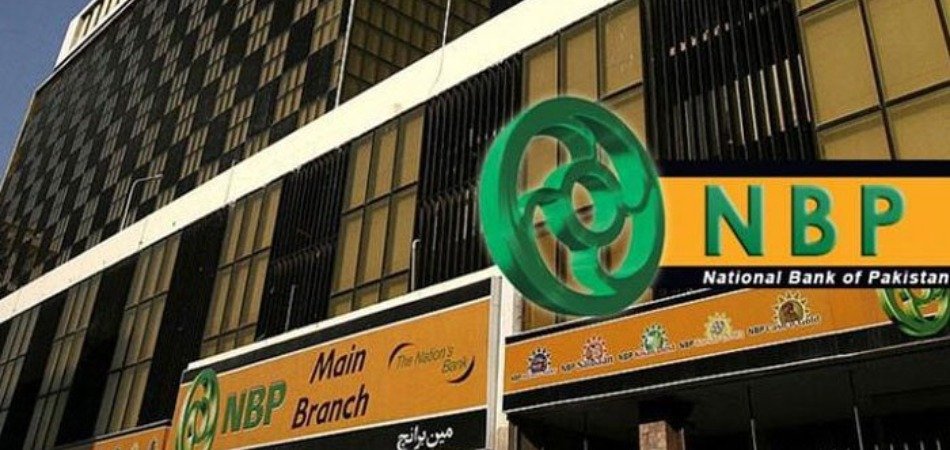
KARACHI — The Treasury Management Division of the National Bank of Pakistan (NBP) released the latest exchange rates on Saturday, providing updated buying and selling rates for a range of international currencies. These rates are crucial for businesses, travelers, and financial analysts who rely on accurate currency conversions for transactions and economic assessments. What Happened The National Bank of Pakistan’s Treasury Management Division published the exchange rates for various currencies on July 11. The rates, which are set to influence financial transactions across the country, include both telegraphic transfer (TT) buying and selling rates. The US Dollar, a key currency in international trade, is listed at a selling rate of 278.45 and a buying rate of 277.95. Similarly, the Euro is priced at 318.79 for selling and 318.22 for buying. Other major currencies include the British Pound, which has a selling rate of 374.21 and a buying rate of 373.53, and the Japanese Yen, with rates of 1.7236 for selling and 1.7205 for buying. The Swiss Franc is listed at 346.40 for selling and 345.78 for buying, while the Canadian Dollar is priced at 196.82 and 196.47, respectively. The Australian Dollar’s rates are 193.80 for selling and 193.46 for buying. Additional currencies such as the Swedish Krona, Norwegian Krone, Danish Krone, and others are also included, providing a comprehensive overview of the current exchange landscape. The conversion rates for frozen foreign currency deposits are also specified, with the US Dollar at 272.0266, the British Pound at 372.9727, the Euro at 317.8678, and the Japanese Yen at 1.7125. These rates are set for settlement on July 14, 2026. Background The National Bank of Pakistan, as one of the country’s leading financial institutions, plays a pivotal role in setting exchange rates that impact both domestic and international economic activities. Exchange rates are determined by a variety of factors, including market demand and supply, international trade balances, and economic policies. Historically, fluctuations in these rates have had significant impacts on Pakistan’s economy, influencing everything from import/export costs to inflation rates. NBP’s regular updates on exchange rates are part of its broader mandate to ensure transparency and stability in the financial sector. These rates are closely monitored by businesses engaged in international trade, as well as by individuals planning travel or investment abroad. Why It Matters The announcement of exchange rates by NBP is significant for several reasons. Firstly, it affects the cost of international trade, which is a vital component of Pakistan’s economy. Importers and exporters rely on these rates to calculate the cost of goods and services, impacting pricing strategies and profit margins. For instance, a stronger US Dollar against the Pakistani Rupee can increase the cost of imports, leading to higher prices for consumers. Secondly, exchange rates influence foreign investment. A stable and predictable exchange rate environment can attract foreign investors, who seek to minimize currency risk. This can lead to increased capital inflows, boosting economic growth and development. Moreover, exchange rates have a direct impact on inflation. A depreciating Rupee can lead to higher import costs, contributing to inflationary pressures. This is particularly relevant in the context of recent increases in petrol and diesel prices, which have already strained household budgets. Finally, the exchange rates are crucial for individuals who remit money abroad or receive remittances from overseas. Accurate and favorable rates can significantly affect the amount of money received or sent, influencing household finances and spending power. Key Takeaways NBP released updated exchange rates for a variety of international currencies. The US Dollar is listed at a selling rate of 278.45 and a buying rate of 277.95. Exchange rates impact international trade, foreign investment, and inflation. The rates are crucial for businesses, travelers, and individuals involved in remittances. NBP’s updates ensure transparency and stability in the financial sector. Source Attribution This article is based on official government statements, press releases, and public communications from relevant authorities. Author: NEN Editorial Desk | Editor: NEN Newsroom | Fact Checked By: NEN Editorial Team Author: NEN Editorial Desk  |  Editor: NEN Newsroom  |  Last Updated: July 11, 2026  |  Source: NEN Reporter This article was produced by the NEN Editorial Desk in accordance with NEN Agency’s Editorial Policy and Fact-Checking Policy.


World

Gold Price Declines By Rs1,400 Per Tola In Local Markets

LAHORE — The price of gold experienced a significant decline in both global and local markets on July 10, with a notable drop of Rs1,400 per tola in Pakistan. This decrease comes amid fluctuations in international gold prices, which saw a reduction of $14, bringing the price to $4,100 per ounce. What Happened The local bullion market in Pakistan reported a substantial decrease in the price of gold, which now stands at Rs432,436 per tola following the Rs1,400 reduction. Additionally, the price of ten grams of gold has decreased by Rs1,200, settling at Rs370,744. In contrast, the price of silver per tola has seen a slight increase, rising by Rs11 to Rs6,432. This recent adjustment in gold prices comes after a previous increase noted just a day earlier. On the prior day, the price of 24-carat gold per tola had surged by Rs3,600, reaching Rs433,836, while the price for ten grams of gold had increased by Rs3,086 to Rs371,944. During that period, the price of silver per tola remained stable at Rs6,421. The fluctuations in gold prices are influenced by various factors, including changes in the global economic environment, currency exchange rates, and investor sentiment. The recent drop in gold prices reflects a broader trend observed in international markets, where gold prices have been subject to volatility amid shifting economic conditions. Background Gold has long been considered a safe-haven asset, particularly during times of economic uncertainty. Its price is influenced by a myriad of factors, including geopolitical tensions, inflation rates, and changes in interest rates. Historically, gold prices tend to rise during periods of economic instability as investors seek to protect their wealth. In Pakistan, the gold market is heavily influenced by international trends, given that the country imports a significant portion of its gold. Local prices are often reflective of global market movements, adjusted for currency exchange rates and local demand. Over the past year, gold prices have experienced considerable volatility, driven by global economic challenges, including the COVID-19 pandemic, inflationary pressures, and geopolitical tensions. These factors have contributed to fluctuating investor confidence, impacting both the demand and price of gold. Why It Matters The decline in gold prices has significant implications for various stakeholders, including investors, jewelers, and consumers. For investors, the drop in gold prices may present an opportunity to purchase gold at a lower cost, potentially increasing demand in the short term. However, continued volatility in gold prices could pose risks for those looking to invest in the precious metal as a stable asset. For jewelers and businesses involved in the gold trade, fluctuating prices can impact profitability and inventory management. A decrease in gold prices may encourage consumer purchases, benefiting retailers, but it can also lead to challenges in pricing and stock valuation. Consumers, particularly those planning to purchase gold for weddings or other cultural events, may find the reduced prices advantageous. Gold holds cultural significance in Pakistan, often being given as gifts or used in traditional ceremonies, making its affordability a matter of interest for many families. On a broader scale, the movement of gold prices can reflect underlying economic conditions. A decrease in gold prices might suggest a stabilization of economic factors or a shift in investor confidence towards other asset classes. Monitoring these trends can provide insights into the economic health and future outlook for both Pakistan and the global market. Key Takeaways The price of gold in Pakistan has decreased by Rs1,400 per tola, now standing at Rs432,436. International gold prices have fallen by $14, reaching $4,100 per ounce. The price of ten grams of gold has decreased by Rs1,200 to Rs370,744. Silver prices have increased slightly, with a rise of Rs11 per tola to Rs6,432. Fluctuations in gold prices impact investors, jewelers, and consumers, reflecting broader economic conditions. Source Attribution This article is based on official government statements, press releases, and public communications from relevant authorities. Author: NEN Editorial Desk | Editor: NEN Newsroom | Fact Checked By: NEN Editorial Team Author: NEN Editorial Desk  |  Editor: NEN Newsroom  |  Last Updated: July 11, 2026  |  Source: NEN Reporter This article was produced by the NEN Editorial Desk in accordance with NEN Agency’s Editorial Policy and Fact-Checking Policy.
World

ICCI Calls for Comprehensive Regulatory Reforms to Boost Business Environment

ISLAMABAD — The Islamabad Chamber of Commerce and Industry (ICCI) has called on the government to initiate extensive regulatory reforms to enhance the business climate in Pakistan. Acting President of ICCI, Tahir Ayub, emphasized the need for a strategic overhaul to improve the ease of doing business, reduce compliance costs, and attract both domestic and international investors. What Happened During a recent meeting with various stakeholders, Tahir Ayub, Acting President of the ICCI, highlighted the pressing need for the government to implement a robust regulatory reform agenda. Ayub pointed out that the current regulatory framework poses significant challenges to businesses, particularly in terms of compliance costs and bureaucratic hurdles. He argued that these factors deter potential investors and stifle economic growth. Ayub stated, “A comprehensive regulatory reform agenda is crucial for creating a conducive business environment that can attract both local and foreign investments.” He further urged the government to streamline processes and eliminate unnecessary regulations that burden businesses. The ICCI’s call for reforms comes at a time when Pakistan is striving to improve its ranking in the World Bank’s Ease of Doing Business Index. The ICCI also highlighted the importance of digital transformation in regulatory processes, suggesting that technology could play a vital role in reducing red tape and enhancing transparency. By adopting digital solutions, the government could significantly cut down the time and cost associated with business registrations and compliance. Background Pakistan has historically faced challenges in creating a business-friendly environment due to complex regulatory frameworks and bureaucratic inefficiencies. In recent years, the government has made efforts to improve the situation, such as introducing reforms in taxation and business registration processes. However, these measures have not yet fully addressed the underlying issues that hinder business operations. The World Bank’s Ease of Doing Business Index has been a key benchmark for assessing the business environment in Pakistan. Despite some improvements, the country still ranks low in areas such as starting a business, dealing with construction permits, and enforcing contracts. These rankings reflect the need for more comprehensive and sustained reform efforts. Why It Matters The call for regulatory reforms by the ICCI is significant given the current economic challenges facing Pakistan. With inflation on the rise and a need for economic diversification, creating a favorable business environment is crucial for attracting investments that can drive growth and create jobs. Regulatory reforms could lead to increased foreign direct investment (FDI), which is essential for boosting the country’s economic prospects. Moreover, improving the ease of doing business can have a direct impact on small and medium enterprises (SMEs), which are vital for economic development. By reducing compliance costs and simplifying regulatory processes, SMEs can operate more efficiently and contribute to economic growth. Internationally, a better business environment can enhance Pakistan’s competitiveness in the global market. As neighboring countries continue to improve their business climates, Pakistan must keep pace to attract investors who are increasingly looking for stable and efficient markets. Key Takeaways The ICCI has urged the government to implement comprehensive regulatory reforms to improve the business environment. Key areas of focus include reducing compliance costs, streamlining processes, and embracing digital transformation. Regulatory reforms are crucial for attracting domestic and foreign investments and improving Pakistan’s ranking in the Ease of Doing Business Index. Improving the business climate can significantly benefit SMEs and contribute to economic growth. A favorable business environment is essential for enhancing Pakistan’s competitiveness in the global market. Source Attribution This article is based on official government statements, press releases, and public communications from relevant authorities. Author: NEN Editorial Desk | Editor: NEN Newsroom | Fact Checked By: NEN Editorial Team Author: NEN Editorial Desk  |  Editor: NEN Newsroom  |  Last Updated: July 11, 2026  |  Source: NEN Reporter This article was produced by the NEN Editorial Desk in accordance with NEN Agency’s Editorial Policy and Fact-Checking Policy.

Pakistan

PM Urges Action on Population Growth and Sustainable Development

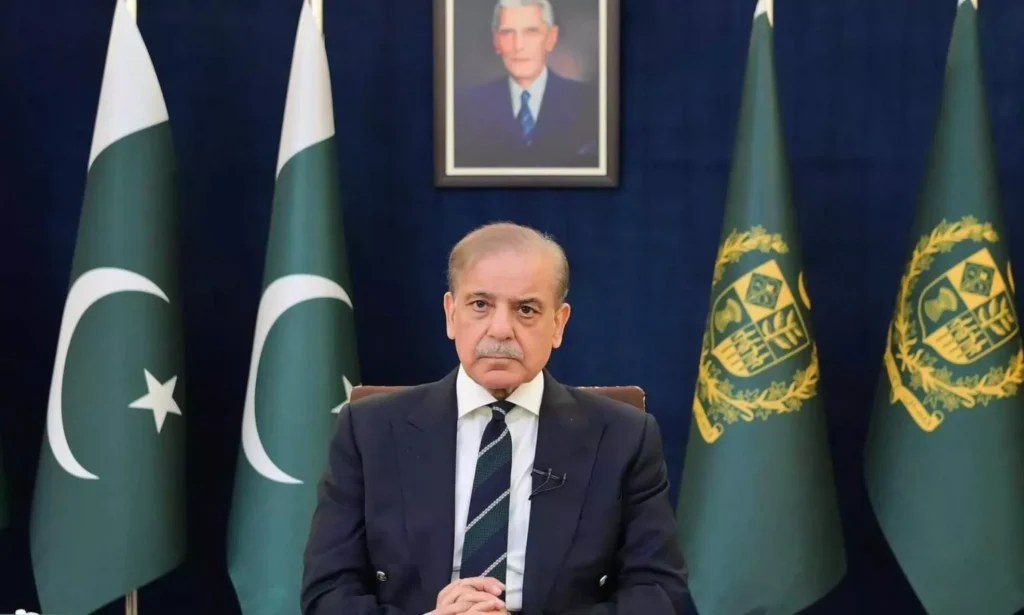
ISLAMABAD — Prime Minister Shehbaz Sharif has called upon a broad range of stakeholders to address the pressing issue of population growth in Pakistan. On Monday, he emphasized the need for a collaborative approach involving federal and provincial governments, parliamentarians, development partners, civil society, academia, the private sector, religious leaders, the media, and local communities to promote sustainable development and responsible parenthood. What Happened In a statement issued from Islamabad, Prime Minister Shehbaz Sharif highlighted the urgency of addressing Pakistan’s rapidly increasing population, which poses significant challenges to the country’s socio-economic development. He urged stakeholders to recognize population growth as a national issue that requires immediate and coordinated action. The Prime Minister stressed the importance of informed decision-making and the promotion of gender equality as critical components of sustainable development. Prime Minister Sharif stated, “The growing population is a matter of national concern that demands our collective attention and action. It is imperative that we work together to ensure responsible parenthood and promote gender equality to achieve sustainable development goals.” He called for enhanced efforts in family planning and education to empower individuals and communities to make informed choices regarding family size. The Prime Minister’s call to action comes amid concerns about the strain that population growth places on Pakistan’s resources, infrastructure, and public services. With a current population exceeding 240 million, Pakistan is the fifth most populous country in the world. The rapid population increase has significant implications for the country’s economic growth, healthcare system, education, and environmental sustainability. Background Pakistan’s population growth rate has been a subject of concern for several decades. The country has struggled with high fertility rates and limited access to family planning services, particularly in rural areas. Previous government initiatives aimed at curbing population growth have faced challenges due to cultural, religious, and socio-economic factors. The government has implemented various policies and programs to address population growth, including the establishment of the Ministry of National Health Services, Regulations, and Coordination, which oversees family planning and reproductive health initiatives. Despite these efforts, progress has been slow, and the population continues to grow at an alarming rate. Why It Matters The rapid population growth in Pakistan has far-reaching implications for the country’s development trajectory. Economically, the increasing population places a significant burden on the country’s resources and infrastructure. The demand for jobs, housing, healthcare, and education continues to rise, making it challenging for the government to meet the needs of its citizens. Socially, the population boom exacerbates issues such as poverty, unemployment, and inequality. With a large proportion of the population under the age of 25, there is a pressing need for adequate educational and employment opportunities to harness the potential of this demographic dividend. Failure to do so could lead to increased social unrest and instability. Internationally, Pakistan’s population growth affects its ability to meet global commitments, such as the United Nations Sustainable Development Goals (SDGs). Addressing population growth is critical to achieving targets related to poverty reduction, health, education, and gender equality. Moreover, the environmental impact of population growth cannot be overlooked. Increased demand for natural resources, such as water and energy, coupled with the challenges of climate change, poses significant risks to Pakistan’s environmental sustainability. Effective population management is essential to mitigate these risks and ensure a sustainable future for the country. Key Takeaways Prime Minister Shehbaz Sharif has called for urgent action on Pakistan’s population growth. He emphasized the need for a collaborative approach involving multiple stakeholders. Pakistan’s population exceeds 240 million, making it the fifth most populous country globally. Rapid population growth poses challenges to economic, social, and environmental sustainability. Addressing population growth is crucial for achieving national and international development goals. Source Attribution This article is based on official government statements and public communications from relevant authorities. Author: NEN Editorial Desk | Editor: NEN Newsroom | Fact Checked By: NEN Editorial Team Author: NEN Editorial Desk  |  Editor: NEN Newsroom  |  Last Updated: July 11, 2026  |  Source: NEN Reporter This article was produced by the NEN Editorial Desk in accordance with NEN Agency’s Editorial Policy and Fact-Checking Policy.

Pakistan

National Inter-Departmental Netball Championship Set for July 31 in Karachi

ISLAMABAD — The Pakistan Netball Federation has announced that the National Inter-Departmental Netball Championship will commence on July 31 in Karachi. The event will see participation from six men’s and women’s teams representing various departments, as confirmed by Sameen Malik, President of the Pakistan Netball Federation. What Happened The National Inter-Departmental Netball Championship is scheduled to begin on July 31, with Karachi hosting the event under the auspices of the Pakistan Netball Federation. According to Sameen Malik, the federation’s president, the championship will feature six teams each in the men’s and women’s categories. These teams represent major departments, including the Pakistan Army, Wapda, Pakistan Navy, Pakistan Air Force, Higher Education Commission, and Police. Sameen Malik emphasized the importance of the tournament in promoting netball across the country and providing a platform for athletes to showcase their skills. “We are excited to bring together top teams from different departments to compete at a national level,” Malik stated. The championship aims to foster competitive spirit and enhance the standard of netball in Pakistan. The event will be conducted following all necessary health protocols to ensure the safety of participants amid ongoing concerns related to the COVID-19 pandemic. The federation has made arrangements to adhere to guidelines issued by health authorities, ensuring a safe environment for players and officials. Background Netball has been gaining popularity in Pakistan, with the Pakistan Netball Federation actively working to develop the sport at both grassroots and professional levels. The federation organizes various tournaments throughout the year to promote the game and identify new talent. The National Inter-Departmental Championship is one of the key events in the federation’s calendar, providing an opportunity for departmental teams to compete at a high level. Historically, the championship has been a stepping stone for players aspiring to join the national team. Past events have seen significant participation and have contributed to the growth of netball in the country. The Pakistan Netball Federation has been instrumental in organizing training camps and workshops to improve the skills of players and coaches alike. Why It Matters The National Inter-Departmental Netball Championship holds significant importance for the development of netball in Pakistan. By bringing together teams from various departments, the championship not only promotes the sport but also encourages healthy competition among participants. This event is crucial in identifying talented players who can potentially represent Pakistan at international levels. Economically, the championship provides a boost to local businesses in Karachi, as it attracts players, officials, and spectators from different parts of the country. Hotels, restaurants, and transport services are likely to benefit from the influx of visitors, contributing to the local economy. Socially, the event fosters unity and camaraderie among participants from diverse backgrounds. It serves as a platform for cultural exchange and mutual respect among players representing different departments. The championship also highlights the role of sports in promoting gender equality, as it features both men’s and women’s teams competing on an equal footing. Internationally, successful execution of the championship can enhance Pakistan’s reputation as a host for sporting events, potentially attracting future international netball competitions. This aligns with the broader goal of positioning Pakistan as a hub for sports in the region. Key Takeaways The National Inter-Departmental Netball Championship will begin on July 31 in Karachi. Six men’s and women’s teams from various departments will participate. The event aims to promote netball and identify new talent for national representation. Economic benefits are expected for local businesses in Karachi. Successful hosting could boost Pakistan’s international sports reputation. Source Attribution This article is based on official statements from the Pakistan Netball Federation and public communications from relevant authorities. Author: NEN Editorial Desk | Editor: NEN Newsroom | Fact Checked By: NEN Editorial Team Author: NEN Editorial Desk  |  Editor: NEN Newsroom  |  Last Updated: July 10, 2026  |  Source: NEN Reporter This article was produced by the NEN Editorial Desk in accordance with NEN Agency’s Editorial Policy and Fact-Checking Policy.

Pakistan

National Chess Championship Commences in Islamabad

ISLAMABAD — The 35th Men’s and 10th Women’s National Chess Championship commenced on Friday at the Pakistan Sports Complex, drawing over 250 participants from across the nation. The event, held at Rodham Hall, is set to span six days and was officially inaugurated by Federal Secretary for Inter-Provincial Coordination Mohyuddin Ahmad. What Happened The National Chess Championship, a significant event in Pakistan’s chess calendar, began with an impressive turnout of both male and female players representing various regions. The competition aims to identify and nurture talent in the sport, providing a platform for players to showcase their skills and compete at a national level. The championship is structured to accommodate a series of matches over the course of six days, with players competing in a round-robin format to advance to the finals. Federal Secretary Mohyuddin Ahmad, while inaugurating the event, emphasized the importance of chess as a strategic sport that enhances cognitive abilities and strategic thinking. He stated, “Chess is not just a game but a tool for mental development and strategic planning. We are proud to host such a significant event that brings together talent from all over Pakistan.” The championship is organized by the Pakistan Chess Federation in collaboration with the Ministry of Inter-Provincial Coordination, highlighting the government’s commitment to promoting sports and intellectual activities among the youth. Background The National Chess Championship has been a staple in Pakistan’s sporting events for decades, with the men’s championship marking its 35th edition and the women’s its 10th. Historically, the championship has served as a breeding ground for many of the country’s top chess players, some of whom have gone on to achieve international recognition. The event is part of a broader initiative to promote chess at the grassroots level, encouraging participation from schools and local clubs. Chess in Pakistan has a rich history, with the game being played in various forms for centuries. The formal organization of chess as a competitive sport began in the mid-20th century, leading to the establishment of the Pakistan Chess Federation. Over the years, the federation has worked tirelessly to organize events, provide training, and facilitate international participation for Pakistani players. Why It Matters The National Chess Championship is more than just a competition; it is a celebration of intellectual prowess and strategic acumen. For many participants, it represents an opportunity to gain recognition and potentially secure sponsorships or scholarships. The event also plays a crucial role in promoting mental sports in a country where physical sports often dominate the landscape. Economically, the championship can have a positive impact by attracting visitors and boosting local businesses. It also encourages the development of chess clubs and associations, which can lead to increased investment in the sport. Socially, chess is known to improve concentration, problem-solving skills, and patience, making it an invaluable tool for educational development. On an international level, successful players from the national championship often represent Pakistan in global tournaments, contributing to the country’s reputation in the international chess community. This can lead to increased opportunities for cultural exchange and international collaboration in the realm of sports. Key Takeaways The National Chess Championship is underway in Islamabad, featuring over 250 players. The event spans six days and is held at the Pakistan Sports Complex. Federal Secretary Mohyuddin Ahmad highlighted the cognitive benefits of chess. The championship aims to promote chess and identify new talent in Pakistan. Successful participants may gain opportunities to represent Pakistan internationally. Source Attribution This article is based on official government statements, press releases, and public communications from relevant authorities. Author: NEN Editorial Desk | Editor: NEN Newsroom | Fact Checked By: NEN Editorial Team Author: NEN Editorial Desk  |  Editor: NEN Newsroom  |  Last Updated: July 10, 2026  |  Source: NEN Reporter This article was produced by the NEN Editorial Desk in accordance with NEN Agency’s Editorial Policy and Fact-Checking Policy.
World

International Hockey Coaches Begin New Roles in Pakistan

ISLAMABAD — Three internationally acclaimed hockey coaches have arrived in Pakistan to assume their roles in enhancing the sport’s development within the country. The coaches, David Dyer, Bob Weidow, and Chris Bowen, have been appointed by the Pakistan Hockey Federation (PHF) to spearhead a comprehensive development program. What Happened The arrival of the coaches marks a significant step in Pakistan’s efforts to rejuvenate its national hockey program. David Dyer will serve as the Fitness Coach, Bob Weidow will take on the role of Goalkeeping Coach and Penalty Corner Attack & Defense Specialist, while Chris Bowen will function as the Technical Coach and Sports Psychologist. These appointments were confirmed in a press release issued by the PHF. Upon their arrival, the coaches engaged in a detailed meeting with the PHF management to outline a strategic roadmap for the sport’s development. This roadmap encompasses short-term, medium-term, and long-term plans aimed at elevating the standard of hockey in Pakistan. Demonstrating their commitment to the task at hand, the coaches attended the final match of the Prime Minister’s National Junior Girls Hockey Championship. This provided them with an opportunity to assess the emerging talent and evaluate the current standards of women’s hockey in the country. PHF officials have expressed optimism that the expertise brought by these coaches will inject new energy into the sport at all levels. The coaches are expected to work closely with the senior national team, junior teams (Under-21 and Under-18), as well as the women’s hockey program, to align them with modern international standards. Background Pakistan has a rich history in field hockey, having won numerous international titles, including three Olympic gold medals and four World Cup titles. However, in recent decades, the country’s performance on the international stage has declined, prompting the need for a revitalization of the sport. The PHF has been actively seeking ways to restore Pakistan’s former glory in hockey. Previous initiatives have included domestic tournaments and training camps, but the hiring of internationally renowned coaches represents a more strategic approach to addressing the challenges faced by the sport. The involvement of foreign expertise is not new to Pakistan’s sports landscape. In the past, international coaches have contributed to the development of cricket and other sports, often bringing fresh perspectives and methodologies that benefit local athletes. Why It Matters The appointment of these coaches is a crucial move for Pakistan’s hockey ambitions. By bringing in seasoned professionals with extensive international experience, the PHF aims to bridge the gap between local talent and international competition standards. This initiative is expected to have far-reaching implications for the sport in Pakistan. Economically, a resurgence in hockey could lead to increased sponsorships and investments in the sport, providing much-needed financial support for infrastructure and player development. Socially, a strong national hockey team can serve as a source of national pride, inspiring young athletes and fostering unity through sport. Politically, success in international tournaments can enhance Pakistan’s image on the global stage, showcasing the country’s commitment to sports and youth development. Furthermore, improved performance in hockey could lead to more opportunities for international collaborations and exchanges, benefiting the broader sports ecosystem in Pakistan. Key Takeaways Three international hockey coaches have joined the Pakistan Hockey Federation to enhance the sport’s development. The coaches will focus on modernizing training and aligning Pakistani teams with international standards. The initiative aims to revitalize Pakistan’s hockey performance and restore its historical success in the sport. Economic, social, and political benefits are anticipated from the improved performance of Pakistan’s hockey teams. The PHF’s strategic roadmap includes short-term, medium-term, and long-term plans for the sport’s development. Source Attribution This article is based on official government statements, press releases, and public communications from relevant authorities. Author: NEN Editorial Desk | Editor: NEN Newsroom | Fact Checked By: NEN Editorial Team Author: NEN Editorial Desk  |  Editor: NEN Newsroom  |  Last Updated: July 10, 2026  |  Source: Press Release from Government of Pakistan This article was produced by the NEN Editorial Desk in accordance with NEN Agency’s Editorial Policy and Fact-Checking Policy.
Pakistan

State Bank of Pakistan Infuses Rs 2.77 Trillion to Stabilize Liquidity

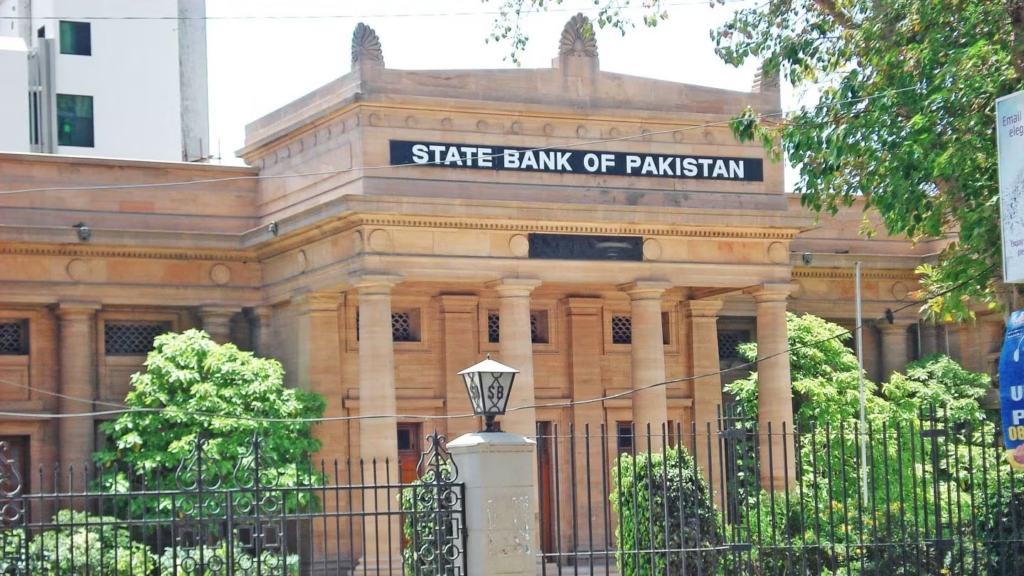
ISLAMABAD — The State Bank of Pakistan (SBP) injected Rs 2.77 trillion into the financial market on Friday through Reverse Repo Purchase and Shariah Compliant Mudarabah based Open Market Operations (OMO). This move aims to maintain adequate liquidity levels within the banking system, ensuring stability in the financial sector. What Happened The SBP’s decision to inject Rs 2,767.5 billion into the market comes as part of its ongoing efforts to manage liquidity and support the banking sector. The injection was executed through a combination of Reverse Repo Purchase and Shariah Compliant Mudarabah based OMOs. These mechanisms are designed to provide short-term liquidity to banks, enabling them to meet their immediate funding needs. The Reverse Repo Purchase is a common monetary policy tool used by central banks to manage liquidity. It involves the central bank purchasing securities from commercial banks with an agreement to sell them back at a later date. This process temporarily increases the amount of money in the banking system, allowing banks to lend more freely. On the other hand, the Shariah Compliant Mudarabah based OMO is tailored to meet the needs of Islamic banking institutions. Mudarabah is a form of partnership where one party provides capital while the other manages the enterprise. In this context, the SBP provides capital to Islamic banks, which then manage the funds according to Shariah principles. The SBP’s injection of liquidity is a routine measure aimed at ensuring that banks have sufficient funds to operate efficiently. This is crucial for maintaining the stability of the financial system, especially in times of economic uncertainty. Background The State Bank of Pakistan regularly conducts open market operations to manage liquidity in the banking system. These operations are part of the central bank’s broader monetary policy framework, which seeks to control inflation, stabilize the currency, and support economic growth. In recent years, Pakistan’s economy has faced several challenges, including rising inflation, currency depreciation, and fiscal deficits. The SBP has been actively using monetary policy tools to address these issues, including adjusting interest rates and conducting OMOs. The use of Shariah Compliant OMOs reflects the growing importance of Islamic banking in Pakistan. Islamic banks operate according to Shariah law, which prohibits interest-based transactions. As a result, the SBP has developed specific tools to provide liquidity to these institutions without compromising their religious principles. Why It Matters The SBP’s injection of Rs 2.77 trillion is significant for several reasons. Firstly, it underscores the central bank’s commitment to maintaining financial stability in Pakistan. By ensuring that banks have access to sufficient liquidity, the SBP helps prevent potential disruptions in the financial system. Secondly, this move highlights the importance of liquidity management in the current economic climate. With inflationary pressures and exchange rate volatility, maintaining adequate liquidity levels is crucial for the smooth functioning of the banking sector. This, in turn, supports economic activity by ensuring that businesses and consumers have access to credit. Moreover, the inclusion of Shariah Compliant OMOs demonstrates the SBP’s responsiveness to the needs of Islamic banking institutions. This is essential for fostering the growth of Islamic finance in Pakistan, which has become an increasingly important part of the country’s financial landscape. Finally, the SBP’s actions have broader implications for economic policy in Pakistan. By managing liquidity effectively, the central bank can help stabilize the currency, control inflation, and support economic growth. This is particularly important as Pakistan seeks to navigate the challenges posed by global economic uncertainties and domestic fiscal pressures. Key Takeaways The State Bank of Pakistan injected Rs 2.77 trillion into the market to maintain liquidity. The injection was conducted through Reverse Repo Purchase and Shariah Compliant Mudarabah based OMOs. These operations are part of the SBP’s broader monetary policy framework to stabilize the financial system. The move highlights the importance of liquidity management amid economic challenges. The SBP’s actions support the growth of Islamic banking in Pakistan. Source Attribution This article is based on official government statements, press releases, and public communications from relevant authorities. Author: NEN Editorial Desk | Editor: NEN Newsroom | Fact Checked By: NEN Editorial Team Author: NEN Editorial Desk  |  Editor: NEN Newsroom  |  Last Updated: July 10, 2026  |  Source: NEN Reporter This article was produced by the NEN Editorial Desk in accordance with NEN Agency’s Editorial Policy and Fact-Checking Policy.

Pakistan

BOI Minister Reviews Regulatory Reforms in Dairy and Beverage Sector

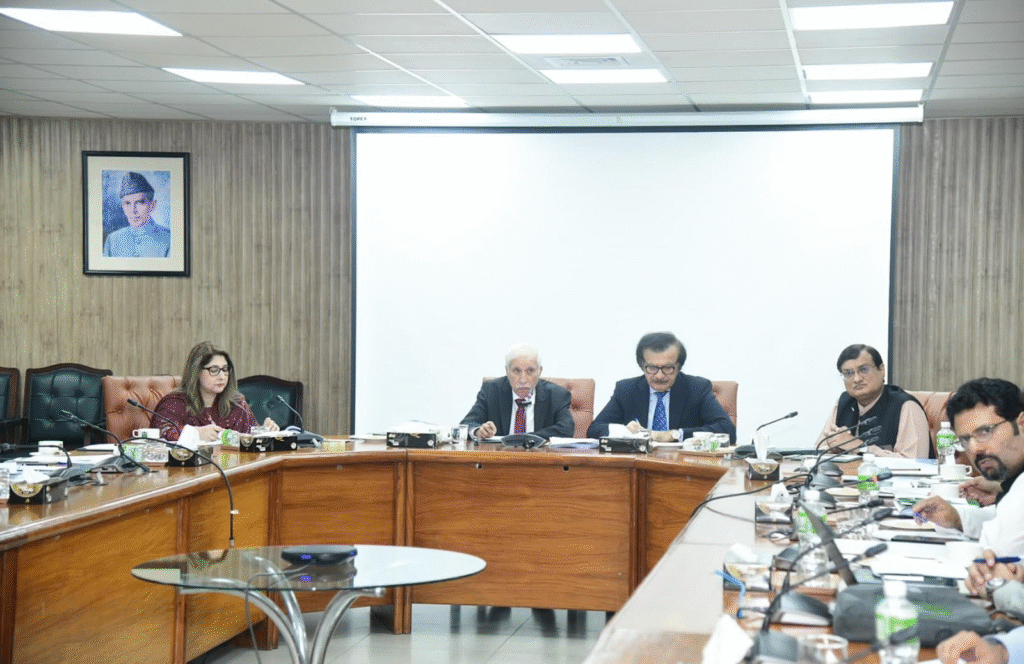
ISLAMABAD — Federal Minister for Board of Investment (BOI), Qaiser Ahmed Sheikh, convened a meeting of the Cabinet Committee on Regulatory Reforms (CCoRR) on July 10 to address regulatory challenges and propose reforms in Pakistan’s dairy and beverage sectors. The session, held in Islamabad, was attended by key stakeholders, including Special Assistant to the Prime Minister on Industries and Production, Haroon Akhtar. What Happened The meeting, chaired by Federal Minister Qaiser Ahmed Sheikh, focused on identifying and addressing the regulatory hurdles faced by the dairy and beverage industries in Pakistan. The session was part of a broader initiative by the government to streamline regulations and enhance the ease of doing business in these vital sectors. The discussions aimed at proposing actionable reforms that could facilitate growth and investment. During the meeting, Minister Sheikh emphasized the importance of regulatory reforms in fostering a conducive environment for business operations. He stated, “Our goal is to ensure that the regulatory framework supports rather than hinders industry growth.” The committee reviewed existing regulations, identifying areas where simplification and modernization could yield significant benefits. Special Assistant to the Prime Minister, Haroon Akhtar, highlighted the potential of the dairy and beverage sectors to contribute to Pakistan’s economic growth. He noted that these industries not only provide essential products to the population but also offer substantial employment opportunities. Akhtar stressed the need for reforms that would attract both local and foreign investment, thereby boosting production capacities and enhancing product quality. The meeting concluded with a consensus on several proposed reforms, which will be further developed and presented to the relevant authorities for approval. These reforms are expected to address issues such as licensing, quality standards, and import-export regulations, aiming to create a more business-friendly environment. Background The dairy and beverage sectors are critical components of Pakistan’s economy, contributing significantly to the country’s GDP. Historically, these industries have faced numerous regulatory challenges, including complex licensing procedures, stringent quality control measures, and fluctuating import-export policies. The government’s initiative to reform these regulations is part of a broader strategy to improve Pakistan’s ranking in the World Bank’s Ease of Doing Business Index. In recent years, the government has undertaken various measures to simplify business regulations, aiming to attract investment and stimulate economic growth. The BOI has been at the forefront of these efforts, working closely with industry stakeholders to identify and address regulatory bottlenecks. Why It Matters The regulatory reforms proposed in the dairy and beverage sectors hold significant implications for Pakistan’s economy. By streamlining regulations, the government aims to reduce the cost and complexity of doing business, thereby encouraging investment and expansion in these industries. This is particularly important given the sectors’ potential to generate employment and contribute to food security. Economically, the reforms are expected to enhance the competitiveness of Pakistani dairy and beverage products in both domestic and international markets. By improving quality standards and simplifying export procedures, the government hopes to increase the export potential of these industries, thereby boosting foreign exchange earnings. Socially, the reforms could lead to improved product quality and safety, benefiting consumers across the country. By aligning local standards with international best practices, the government aims to ensure that Pakistani consumers have access to high-quality dairy and beverage products. Politically, the success of these reforms could strengthen the government’s position by demonstrating its commitment to economic development and regulatory efficiency. This could enhance investor confidence and pave the way for further reforms in other sectors. Key Takeaways Federal Minister Qaiser Ahmed Sheikh chaired a meeting to discuss regulatory reforms in the dairy and beverage sectors. The meeting focused on simplifying regulations to enhance business operations and attract investment. Proposed reforms aim to address licensing, quality standards, and import-export regulations. Reforms are expected to boost economic growth, employment, and product quality. The initiative aligns with the government’s broader strategy to improve the ease of doing business in Pakistan. Source Attribution This article is based on official government statements, press releases, and public communications from relevant authorities. Author: NEN Editorial Desk | Editor: NEN Newsroom | Fact Checked By: NEN Editorial Team Author: NEN Editorial Desk  |  Editor: NEN Newsroom  |  Last Updated: July 10, 2026  |  Source: Press Release from Government of Pakistan This article was produced by the NEN Editorial Desk in accordance with NEN Agency’s Editorial Policy and Fact-Checking Policy.

Pakistan

NBP Releases Latest Foreign Exchange Rates for Major Currencies

KARACHI — The Treasury Management Division of the National Bank of Pakistan (NBP) announced the latest exchange rates for various foreign currencies on Friday, providing updated figures for both telegraphic transfer (TT) selling and buying rates. These rates are crucial for businesses and individuals engaged in foreign exchange transactions across Pakistan. What Happened The National Bank of Pakistan, a key financial institution in the country, released its updated exchange rates for major currencies on July 10. According to the announcement, the US dollar is being sold at 278.45 and bought at 277.95. The euro is listed with a selling rate of 318.79 and a buying rate of 318.22. The British pound is priced at 374.21 for selling and 373.53 for buying. Other significant currencies such as the Japanese yen, Swiss franc, Canadian dollar, and Australian dollar also saw updated rates. The yen is being sold at 1.7236 and bought at 1.7205, while the Swiss franc’s rates are 346.40 for selling and 345.78 for buying. The Canadian dollar is listed at 196.82 for selling and 196.47 for buying, and the Australian dollar is at 193.80 for selling and 193.46 for buying. Additional currencies include the Swedish krona, Norwegian krone, Danish krone, and the New Zealand dollar, with selling rates of 28.90, 28.74, 42.65, and 161.04 respectively. The buying rates for these currencies are slightly lower, reflecting typical market practices. For Asian currencies, the Singapore dollar is being sold at 215.77 and bought at 215.38, while the Hong Kong dollar is at 35.53 for selling and 35.46 for buying. The Chinese yuan is listed at 41.05 for selling and 40.98 for buying, and the Korean won is at 0.1845 for selling and 0.1841 for buying. Middle Eastern currencies such as the UAE dirham, Saudi riyal, and Qatari riyal are also included, with the dirham being sold at 75.82 and bought at 75.68, the riyal at 74.16 for selling and 74.03 for buying, and the Qatari riyal at 76.39 for selling and 76.25 for buying. The Kuwaiti dinar, one of the highest-valued currencies, is sold at 904.94 and bought at 903.32. Background The National Bank of Pakistan regularly updates its foreign exchange rates to reflect changes in the global currency markets. These rates are essential for various economic activities, including international trade, investments, and remittances. The bank’s role in setting these rates is part of its broader mandate to manage Pakistan’s financial stability and support economic growth. Historically, exchange rates have been influenced by numerous factors, including geopolitical developments, economic indicators, and central bank policies. In Pakistan, the exchange rate policy has evolved over the years, with the State Bank of Pakistan playing a pivotal role in maintaining currency stability. Why It Matters The release of updated exchange rates by the NBP is significant for several reasons. Firstly, it directly affects businesses engaged in import and export activities, as currency fluctuations can impact profit margins and pricing strategies. Accurate and timely exchange rate information allows businesses to make informed decisions regarding their international transactions. For individuals, particularly those who receive remittances from abroad or plan to travel internationally, these rates determine the value of their currency exchanges. The exchange rate can influence the purchasing power of remittances, which are a vital source of income for many families in Pakistan. On a broader scale, exchange rates are an indicator of economic health and investor confidence. A stable currency can attract foreign investment, while volatility might deter potential investors. Therefore, the NBP’s regular updates are crucial for maintaining transparency and trust in the financial system. Key Takeaways The National Bank of Pakistan has updated its exchange rates for major currencies. Key currencies include the US dollar, euro, British pound, and Japanese yen. Exchange rates impact businesses, remittances, and international travel. Stable exchange rates are crucial for economic stability and investor confidence. NBP’s role in managing exchange rates supports Pakistan’s financial system. Source Attribution This article is based on official government statements, press releases, and public communications from relevant authorities. Author: NEN Editorial Desk | Editor: NEN Newsroom | Fact Checked By: NEN Editorial Team Author: NEN Editorial Desk  |  Editor: NEN Newsroom  |  Last Updated: July 10, 2026  |  Source: Press Release from Government of Pakistan This article was produced by the NEN Editorial Desk in accordance with NEN Agency’s Editorial Policy and Fact-Checking Policy.

Scroll to Top