

Author name: NEN News

Pakistan

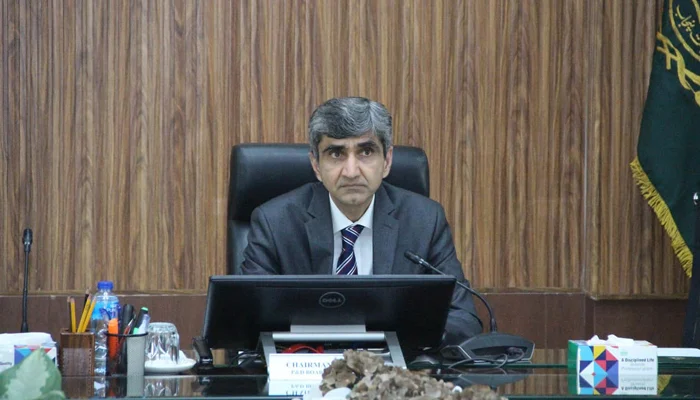
National Population Council to Implement Unified Population Strategy

ISLAMABAD — The National Population Council (NPC) is set to spearhead a unified strategy to tackle Pakistan’s population challenges, as announced by Federal Minister for Planning, Development and Special Initiatives, Professor Ahsan Iqbal, on Saturday. The initiative underscores the government’s commitment to a coordinated, evidence-based approach to population management, emphasizing the importance of quality and productivity over sheer numbers. What Happened During a recent address, Professor Ahsan Iqbal highlighted the critical role of the National Population Council in leading a comprehensive strategy to address Pakistan’s burgeoning population issues. The minister stressed that the future of the nation hinges not on the size of its population but on the quality, productivity, and preparedness of its citizens. This strategy aims to align various governmental efforts to ensure a cohesive and effective approach to population management. The NPC’s strategy will involve collaboration across different sectors and levels of government, leveraging data-driven insights to inform policy decisions. Professor Iqbal emphasized the need for a whole-of-government action plan, which will integrate efforts from health, education, and economic sectors to create a sustainable population growth model. The initiative is expected to address key issues such as family planning, maternal health, and education, thereby improving the overall quality of life for Pakistan’s citizens. In his statement, Professor Iqbal noted, “The quality, productivity, and preparedness of our people will determine our future, not merely the size of our population.” This approach reflects a shift in focus from quantitative to qualitative aspects of population management, aiming to harness the potential of Pakistan’s human capital. Background Pakistan has long grappled with population growth challenges, which have implications for economic development, resource allocation, and social services. Historically, efforts to manage population growth have faced hurdles due to cultural, religious, and logistical barriers. The establishment of the National Population Council marks a renewed effort to address these challenges through a structured and unified framework. The country’s population policies have evolved over the years, with various initiatives aimed at promoting family planning and reproductive health. However, these efforts have often been fragmented and lacked comprehensive integration across government sectors. The NPC’s role is to consolidate these efforts into a cohesive strategy that aligns with national development goals. Why It Matters The implementation of a unified population strategy is crucial for Pakistan’s socio-economic stability and development. With a population exceeding 220 million, Pakistan faces significant challenges in providing adequate healthcare, education, and employment opportunities. A well-coordinated strategy can help mitigate these challenges by ensuring that resources are allocated efficiently and effectively. Economically, managing population growth is vital for sustainable development. A balanced population strategy can enhance workforce productivity, reduce dependency ratios, and improve economic outcomes. Socially, it can lead to better health and education outcomes, empowering citizens to contribute more effectively to national development. Internationally, Pakistan’s approach to population management can influence its standing in global forums, particularly in areas related to sustainable development and human rights. By adopting a data-driven, evidence-based strategy, Pakistan can demonstrate its commitment to international development goals and attract support and collaboration from global partners. Key Takeaways The National Population Council will lead a unified strategy to address population challenges in Pakistan. Professor Ahsan Iqbal emphasized the importance of quality and productivity over population size. The strategy involves a whole-of-government approach, integrating efforts across sectors. Effective population management is crucial for Pakistan’s socio-economic development and international standing. The initiative aims to improve family planning, maternal health, and education outcomes. Source Attribution This article is based on official government statements, press releases, and public communications from relevant authorities. Author: NEN Editorial Desk | Editor: NEN Newsroom | Fact Checked By: NEN Editorial Team Author: NEN Editorial Desk  |  Editor: NEN Newsroom  |  Last Updated: July 11, 2026  |  Source: NEN Reporter This article was produced by the NEN Editorial Desk in accordance with NEN Agency’s Editorial Policy and Fact-Checking Policy.

Pakistan

Punjab Utilizes Resources to Meet Cotton Production Goals

MULTAN — Secretary Agriculture Punjab Iftikhar Ali Sahoo announced on Saturday that the province is deploying all available resources to meet its cotton production targets. The statement was made during a meeting held to evaluate the current status of cotton crops and the measures being implemented to achieve the production goals. What Happened Secretary Agriculture Punjab Iftikhar Ali Sahoo chaired a meeting in Multan, focusing on strategies to achieve the cotton production targets set for the province. The meeting was attended by key figures including Vice Chancellor Prof Dr Asif Ali, Special Secretary Agriculture (South Punjab) Sarfraz Hussain Magsi, and Director Generals of the Agriculture Department, among others. Sahoo emphasized the importance of providing technical guidance to farmers, particularly in managing cotton and other crops amid the ongoing severe heatwave. He instructed that canal water supplies be provided timely and according to needs to ensure the health of the cotton crop. Furthermore, he directed strict action against those involved in the illegal trade of counterfeit agricultural pesticides. In addition, Sahoo called for the immediate operationalization of Kissan Facilitation Centres and Cotton Technical Groups to support farmers more effectively. He highlighted the necessity of utilizing professional expertise to successfully implement the Apna Khait Apna Rozgar Programme, which aims to enhance agricultural productivity and farmer income. The secretary also urged all field formations to be prepared for any potential flood-related damages that could impact farmers. Following the meeting, Sahoo visited the Model Agriculture Mall in Multan, where he instructed concerned officers to further improve its operational activities to better serve the agricultural community. Background Cotton is a critical crop for Pakistan, contributing significantly to the country’s economy and textile industry. Punjab, being a major cotton-producing region, plays a vital role in meeting the national production targets. In recent years, the province has faced challenges such as water scarcity, pest infestations, and climate change impacts, which have affected cotton yields. The Punjab government has been actively working to address these challenges through various initiatives, including the provision of subsidies for quality seeds and fertilizers, as well as the introduction of modern farming techniques. The Apna Khait Apna Rozgar Programme is part of these efforts, designed to equip farmers with the necessary skills and resources to improve crop yields and profitability. Why It Matters The success of cotton production in Punjab is crucial not only for the local economy but also for Pakistan’s overall economic stability. Cotton is a major export commodity, and fluctuations in its production can significantly impact the country’s trade balance. Achieving the set production targets can help stabilize the textile industry, which is a significant source of employment and foreign exchange earnings. Moreover, the measures being implemented by the Punjab government, such as providing technical guidance and ensuring water supply, are essential for mitigating the adverse effects of climate change and other environmental challenges. These efforts can help secure the livelihoods of thousands of farmers who depend on cotton cultivation. Additionally, the crackdown on counterfeit pesticides is a critical step in protecting crop health and ensuring that farmers receive the full benefits of their labor. By enhancing the operational capabilities of agricultural support centers, the government aims to provide more comprehensive assistance to farmers, thereby boosting overall agricultural productivity. Key Takeaways Punjab is utilizing all resources to meet cotton production targets. Technical guidance and timely water supply are being prioritized for farmers. Strict actions are being taken against counterfeit pesticide trade. Kissan Facilitation Centres and Cotton Technical Groups are being operationalized. The Apna Khait Apna Rozgar Programme aims to enhance agricultural productivity. Source Attribution This article is based on official government statements and public communications from relevant authorities. Author: NEN Editorial Desk | Editor: NEN Newsroom | Fact Checked By: NEN Editorial Team Author: NEN Editorial Desk  |  Editor: NEN Newsroom  |  Last Updated: July 11, 2026  |  Source: NEN Reporter This article was produced by the NEN Editorial Desk in accordance with NEN Agency’s Editorial Policy and Fact-Checking Policy.
Pakistan

Faisalabad Sees 63% Drop in Crime Amid Policing Efforts

FAISALABAD — Faisalabad has experienced a significant reduction in crime rates this year, with a 63% decline compared to the same period last year. This improvement is attributed to strategic policing efforts led by City Police Officer Tanveer Hussain, focusing on enhanced patrols and intelligence-driven operations. What Happened Faisalabad has reported a substantial decrease in crime, with figures showing a 63% reduction in overall criminal activity compared to the previous year. This decline reflects the effectiveness of the current policing strategies implemented by the local law enforcement authorities. City Police Officer (CPO) Tanveer Hussain has been at the forefront of these efforts, employing a combination of strengthened patrol mechanisms and intelligence-led operations to combat crime in the region. The police department has focused on increasing the visibility of law enforcement officers in crime-prone areas, which has proven to be a deterrent to potential offenders. Additionally, the use of intelligence and data analysis has allowed the police to anticipate and prevent criminal activities more effectively. “Our strategy has been to focus on preventive measures and community engagement to ensure the safety of our citizens,” said CPO Tanveer Hussain. The reduction in crime has been observed across various categories, including theft, burglary, and violent crimes. The police have also reported a higher rate of arrests and successful prosecutions, contributing to the overall sense of security among the residents of Faisalabad. Background Faisalabad, one of Pakistan’s major industrial cities, has historically faced challenges related to law and order due to its large population and economic significance. Over the years, crime rates have fluctuated, often influenced by socio-economic factors and urbanization. In response to these challenges, the local police force has periodically revised its strategies to address emerging threats and improve public safety. In recent years, there has been a concerted effort to modernize the police force, incorporating technology and data-driven approaches to crime prevention. The appointment of Tanveer Hussain as the City Police Officer marked a turning point, as he introduced reforms aimed at enhancing operational efficiency and community policing. Why It Matters The significant drop in crime rates in Faisalabad is a positive development for the city’s residents and businesses. A safer environment encourages economic activity, as businesses can operate without the constant threat of crime. This, in turn, can lead to increased investment and job creation, contributing to the overall economic growth of the region. Socially, the decrease in crime fosters a sense of security and well-being among citizens. Families feel safer, and community cohesion is strengthened when residents are not living in fear of criminal activities. This improvement in the quality of life can have long-term benefits, including better mental health outcomes and increased civic engagement. Politically, the success of the policing strategies in Faisalabad could serve as a model for other cities in Pakistan facing similar challenges. It demonstrates the potential impact of effective law enforcement policies and the importance of leadership in implementing change. The reduction in crime also enhances the credibility of local government authorities, building public trust in their ability to maintain law and order. Key Takeaways Faisalabad has seen a 63% decrease in crime this year compared to last year. Effective policing strategies, including increased patrols and intelligence-led operations, are credited for the decline. The reduction in crime rates benefits the local economy and improves residents’ quality of life. The success in Faisalabad could serve as a model for other cities in Pakistan. Community engagement and preventive measures have been key components of the strategy. Source Attribution This article is based on official government statements, press releases, and public communications from relevant authorities. Author: NEN Editorial Desk | Editor: NEN Newsroom | Fact Checked By: NEN Editorial Team Author: NEN Editorial Desk  |  Editor: NEN Newsroom  |  Last Updated: July 11, 2026  |  Source: NEN Reporter This article was produced by the NEN Editorial Desk in accordance with NEN Agency’s Editorial Policy and Fact-Checking Policy.

World

US Consulate Delegation Reviews Punjab’s Environmental Initiatives

LAHORE — A delegation from the United States Consulate General visited the Punjab Environmental Protection Agency (EPA) headquarters on Saturday to assess the provincial government’s efforts in environmental protection, air quality monitoring, and climate resilience. What Happened The delegation from the US Consulate General engaged with officials at the Punjab Environmental Protection Agency to gain insights into the region’s environmental strategies. The visit focused on evaluating the current air quality monitoring systems and the steps being taken by the provincial government to enhance climate resilience. The delegation was briefed on various initiatives undertaken by the EPA to address environmental challenges in Punjab. During the visit, the US delegation reviewed the technological advancements and methodologies employed by the EPA to monitor air quality. They discussed the effectiveness of these systems in providing accurate data and the subsequent actions taken to mitigate pollution levels. The EPA officials highlighted ongoing projects aimed at reducing emissions and improving air quality in urban areas. The discussions also covered climate resilience strategies, where EPA representatives shared their plans to adapt to climate change impacts. These include initiatives to promote sustainable practices, enhance green spaces, and implement policies that support environmental sustainability. The US delegation expressed interest in potential collaborations to support these efforts, emphasizing the importance of international cooperation in tackling global environmental issues. Background The Punjab Environmental Protection Agency has been at the forefront of addressing environmental concerns in the province. Established under the Pakistan Environmental Protection Act of 1997, the agency is responsible for implementing policies, regulations, and programs aimed at protecting the environment and ensuring sustainable development. Over the years, the EPA has introduced various measures to combat pollution, manage waste, and preserve natural resources. Air quality monitoring has been a critical focus for the EPA, especially in urban centers like Lahore, where pollution levels have been a significant concern. The agency has deployed a network of air quality monitoring stations to collect data and inform policy decisions. Additionally, the EPA has been working on climate resilience projects to mitigate the effects of climate change, which include efforts to increase forest cover and promote renewable energy sources. Why It Matters The visit by the US Consulate delegation underscores the growing international interest in Pakistan’s environmental policies and the need for collaborative efforts to address global environmental challenges. Punjab, being one of the most populous provinces in Pakistan, faces significant environmental pressures due to rapid urbanization and industrialization. The province’s efforts to improve air quality and build climate resilience are crucial for the health and well-being of its residents. Air pollution has been linked to various health issues, including respiratory diseases and cardiovascular problems, making it imperative for the government to implement effective monitoring and mitigation strategies. The collaboration with international partners, such as the United States, can provide access to advanced technologies and expertise, enhancing the effectiveness of local initiatives. Furthermore, addressing climate change is a global priority, and Punjab’s efforts to build resilience can serve as a model for other regions facing similar challenges. By sharing knowledge and resources, Pakistan can strengthen its capacity to adapt to climate change impacts, ensuring sustainable development and environmental protection for future generations. Key Takeaways The US Consulate delegation visited Punjab EPA to review environmental initiatives. Discussions focused on air quality monitoring and climate resilience strategies. The EPA highlighted ongoing projects to reduce emissions and promote sustainability. International collaboration is crucial for addressing global environmental challenges. Punjab’s efforts can serve as a model for climate resilience in other regions. Source Attribution This article is based on official government statements, press releases, and public communications from relevant authorities. Author: NEN Editorial Desk | Editor: NEN Newsroom | Fact Checked By: NEN Editorial Team Author: NEN Editorial Desk  |  Editor: NEN Newsroom  |  Last Updated: July 11, 2026  |  Source: NEN Reporter This article was produced by the NEN Editorial Desk in accordance with NEN Agency’s Editorial Policy and Fact-Checking Policy.
Pakistan

TEVTA IST Sialkot to Host CBTA Graduation Ceremony on July 14

ISLAMABAD — The Technical Education and Vocational Training Authority (TEVTA) Institute of Surgical Technology (IST), located at the Metal Industries Development Center (MIDC) in Sialkot, is set to hold a graduation ceremony for its Competency-Based Training and Assessment (CBTA) program on July 14, 2026. This event marks the culmination of rigorous training for students who have completed courses designed to enhance their technical skills in the surgical technology sector. What Happened The TEVTA IST in Sialkot will conduct a certificate distribution ceremony for graduates of its CBTA courses, which are tailored to meet industry standards and improve employability. The ceremony, scheduled for July 14, 2026, will take place at the MIDC, a hub for technical education and industrial development in the region. The CBTA program is part of TEVTA’s broader initiative to provide vocational training that aligns with current market demands and technological advancements. According to TEVTA officials, the CBTA courses are designed to equip students with practical skills and competencies required in the surgical technology field. The curriculum includes hands-on training and assessment modules that ensure graduates are well-prepared for employment in healthcare settings. A TEVTA representative stated, “Our goal is to bridge the gap between education and industry needs, ensuring our graduates are job-ready and capable of contributing effectively to the healthcare sector.” The graduation ceremony will not only celebrate the achievements of the students but also highlight the importance of vocational training in Pakistan’s educational landscape. TEVTA aims to expand its training programs to cover more technical fields, thereby increasing opportunities for youth employment and skill development across the country. Background TEVTA, established in 1999, is a government body responsible for promoting technical and vocational education in Pakistan. It operates numerous institutes across the country, offering a wide range of courses aimed at enhancing the technical skills of the workforce. The CBTA approach adopted by TEVTA focuses on competency-based education, which emphasizes practical skills and real-world applications over traditional academic learning. The Institute of Surgical Technology in Sialkot is one of TEVTA’s Centers of Excellence, dedicated to providing specialized training in surgical and healthcare technologies. Sialkot, known for its industrial prowess, particularly in surgical instruments manufacturing, provides a strategic location for such an institute, fostering collaboration between education and industry. Why It Matters The graduation ceremony at TEVTA IST Sialkot underscores the critical role of vocational education in addressing unemployment and skill shortages in Pakistan. With a growing population and an increasing demand for skilled labor, vocational training programs like CBTA are essential for economic development and job creation. By aligning educational outcomes with industry needs, TEVTA is helping to create a workforce that is both skilled and adaptable to changing market conditions. Furthermore, the emphasis on surgical technology reflects the healthcare sector’s expanding role in Pakistan’s economy. As the country seeks to improve its healthcare infrastructure, the demand for trained professionals in surgical and medical technologies is expected to rise. Graduates of the CBTA program are well-positioned to fill this gap, contributing to improved healthcare services and patient outcomes. On an international level, initiatives like TEVTA’s CBTA program can enhance Pakistan’s reputation as a country committed to advancing technical education and workforce development. By producing a skilled workforce, Pakistan can attract foreign investment and foster partnerships with international companies seeking to leverage local expertise. Key Takeaways TEVTA IST Sialkot will host a CBTA graduation ceremony on July 14, 2026. The program focuses on competency-based training in surgical technology. TEVTA aims to bridge the gap between education and industry needs. Vocational training is crucial for addressing unemployment and skill shortages in Pakistan. The initiative supports Pakistan’s healthcare sector and economic development. Source Attribution This article is based on official government statements, press releases, and public communications from relevant authorities. Author: NEN Editorial Desk | Editor: NEN Newsroom | Fact Checked By: NEN Editorial Team Author: NEN Editorial Desk  |  Editor: NEN Newsroom  |  Last Updated: July 11, 2026  |  Source: NEN Reporter This article was produced by the NEN Editorial Desk in accordance with NEN Agency’s Editorial Policy and Fact-Checking Policy.

Pakistan

Sindh Braces for Hot, Humid Weather with Possible Coastal Rain

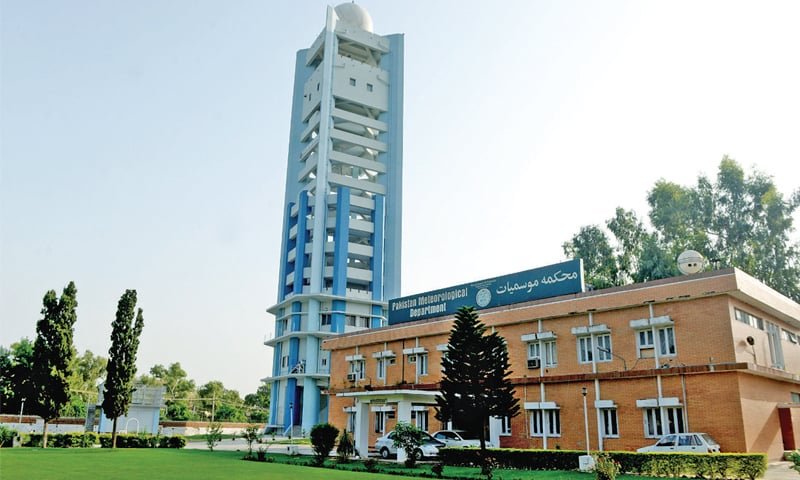
KARACHI — The Pakistan Meteorological Department (PMD) has forecast hot and humid conditions across most districts of Sindh province over the next 24 hours. The weather is expected to be particularly severe in central and upper regions, where daytime temperatures may soar, accompanied by gusty winds. Coastal areas might experience partly cloudy skies with light rain during the evening or night. What Happened The PMD issued a weather advisory on Saturday, highlighting that Sindh is set to endure a period of hot and humid weather. This forecast pertains to the entire province, but the intensity will vary by region. Central and upper districts are likely to face very hot conditions during the day, which could pose challenges for residents in terms of heat management and health risks. Additionally, gusty winds are anticipated in these areas, potentially impacting daily activities and transportation. In contrast, coastal regions such as Karachi may see some respite with partly cloudy conditions and the possibility of light rain in the evening or night. This mixed weather pattern is typical for the monsoon season, where coastal areas occasionally receive showers that provide temporary relief from the heat. A PMD official stated, “We are advising the public to take necessary precautions during this period, especially in the central and upper districts where temperatures are expected to be significantly high.” The department has also urged citizens to stay hydrated and avoid unnecessary exposure to the sun during peak hours. Background Sindh’s climate is characterized by hot summers and mild winters, with the monsoon season bringing occasional rain primarily to the coastal areas. Historically, the province experiences high temperatures during the summer months, often reaching extreme levels in June and July. The monsoon season, which typically spans from July to September, can bring relief in the form of rain, but it also poses challenges such as urban flooding and infrastructure strain in cities like Karachi. In recent years, climate change has exacerbated weather patterns, leading to more frequent and intense heatwaves. The government and various organizations have been working to improve infrastructure and public awareness to mitigate the effects of extreme weather conditions. Why It Matters The forecast of hot and humid weather in Sindh has significant implications for the province’s residents and economy. High temperatures can lead to increased health risks, particularly for vulnerable populations such as the elderly and children. Heat-related illnesses, including heatstroke and dehydration, are common concerns during such periods. Economically, the agricultural sector, which is a vital component of Sindh’s economy, could be adversely affected by the extreme heat. Crops may suffer from heat stress, potentially impacting yields and leading to economic losses for farmers. Additionally, the energy sector may face increased demand as residents rely more heavily on air conditioning and cooling systems, potentially leading to power shortages or outages. On a broader scale, the weather forecast underscores the ongoing challenges posed by climate change, which is expected to increase the frequency and severity of extreme weather events in Pakistan and globally. This situation calls for enhanced preparedness and adaptive measures to protect communities and sustain economic activities. Key Takeaways The PMD has forecast hot and humid weather across Sindh, with very hot conditions in central and upper districts. Coastal areas may experience partly cloudy skies and light rain during the evening or night. Residents are advised to take precautions against heat-related health risks and to stay hydrated. The agricultural sector may face challenges due to heat stress on crops, impacting yields. The forecast highlights the broader issue of climate change and the need for adaptive measures. Source Attribution This article is based on official statements and public communications from the Pakistan Meteorological Department. Author: NEN Editorial Desk | Editor: NEN Newsroom | Fact Checked By: NEN Editorial Team Author: NEN Editorial Desk  |  Editor: NEN Newsroom  |  Last Updated: July 11, 2026  |  Source: NEN Reporter This article was produced by the NEN Editorial Desk in accordance with NEN Agency’s Editorial Policy and Fact-Checking Policy.

World

Punjab Food Authority Seals Two Units, Fines 27 Outlets Rs.470,000

LAHORE — The Punjab Food Authority (PFA) intensified its efforts to enforce food safety regulations by sealing two food businesses and imposing fines totaling Rs.470,000 on 27 other outlets during a comprehensive crackdown in Lahore on Saturday. What Happened In a decisive move to uphold food safety standards, the PFA conducted inspections across 29 food outlets and production units in Lahore. These inspections were carried out under the directive of Director General Syed Musa Raza. The initiative aimed to ensure that all food businesses adhered strictly to the prescribed food safety regulations. According to an official statement from the PFA, the crackdown led to the sealing of a bakery accused of using prohibited ingredients. Additionally, a pickle manufacturing unit located on Ravi Road was shut down for failing to comply with previous directives issued by the authority. The inspections revealed multiple hygiene violations, including food items placed directly on the floor, the use of dirty covering materials, and inadequate records of employees’ medical fitness and training. Further infractions noted by the inspectors included the presence of garbage near food items, insects and cockroaches on the premises, fungus in washing areas, peeling paint, and dirty freezers. The alleged use of prohibited food colors was also documented. Syed Musa Raza emphasized that the PFA is committed to maintaining a zero-tolerance policy against food adulteration and any practices that pose risks to public health. Background The Punjab Food Authority, established in 2011, has been at the forefront of ensuring food safety and hygiene in the province. It operates under the Punjab Food Authority Act, which empowers it to regulate and monitor the food industry. The authority has been conducting regular inspections and imposing penalties on businesses that fail to comply with food safety standards. This latest crackdown is part of an ongoing campaign to enhance the quality of food available to consumers in Punjab. Historically, the PFA has faced challenges in curbing food adulteration and ensuring compliance with hygiene standards. However, with increased inspections and stricter enforcement of regulations, the authority has made significant strides in improving food safety across the province. Why It Matters This crackdown by the PFA holds significant implications for public health and safety in Lahore and the broader Punjab region. Food safety is a critical concern, as violations can lead to widespread health issues, including foodborne illnesses. By taking stringent action against violators, the PFA is working to protect consumers from the dangers associated with unsafe food practices. Economically, the enforcement of food safety regulations can lead to increased consumer confidence in local food products, potentially boosting sales for compliant businesses. It also encourages food businesses to invest in better hygiene practices and infrastructure, which can improve the overall quality of food production in the region. On a social level, such actions by the PFA highlight the importance of regulatory bodies in safeguarding public welfare. It sends a strong message to food businesses about the necessity of adhering to food safety standards, thereby fostering a culture of accountability and responsibility within the industry. Key Takeaways The Punjab Food Authority sealed two food businesses and fined 27 others for food safety violations in Lahore. Inspections revealed multiple hygiene issues, including the use of prohibited ingredients and poor sanitation conditions. The crackdown is part of the PFA’s zero-tolerance policy against adulteration and unsafe food practices. Ensuring food safety is crucial for public health, economic stability, and consumer confidence. The PFA continues to enforce food safety regulations to enhance the quality of food in Punjab. Source Attribution This article is based on official statements and public communications from the Punjab Food Authority. Author: NEN Editorial Desk | Editor: NEN Newsroom | Fact Checked By: NEN Editorial Team Author: NEN Editorial Desk  |  Editor: NEN Newsroom  |  Last Updated: July 11, 2026  |  Source: Press Release from Government of Pakistan This article was produced by the NEN Editorial Desk in accordance with NEN Agency’s Editorial Policy and Fact-Checking Policy.

Pakistan

Government Allocates Rs 299 Million for Cellular Expansion in AJK and GB

ISLAMABAD — The government of Pakistan has announced a proposed allocation of Rs 298.875 million for the fiscal year 2026-27 to further expand cellular services in Azad Jammu and Kashmir (AJK) and Gilgit-Baltistan (GB). This initiative is part of the ongoing project titled “Expansion of Cellular Services in AJK and GB Phase-IV,” which aims to enhance mobile connectivity in these regions. What Happened The government is focusing on improving telecommunications infrastructure in AJK and GB, with an overall project budget of Rs 1.997 billion. The initiative began in 2024 and is expected to be completed by 2027. As per official documents, the project has already achieved 90% physical progress and 85% financial progress, with Rs 1.698 billion spent to date. The remaining Rs 298.875 million is proposed for the fiscal year 2026-27 to complete the project. The project involves the installation of 28 essential cellular sites, along with the necessary civil infrastructure, to extend 4G services and improve communication facilities in these geographically challenging areas. Currently, civil work on 23 sites has been completed, and power has been extended to all these locations. Moreover, 4G cellular equipment has been commissioned at these sites, significantly enhancing mobile broadband services. Additionally, the project includes the digging and laying of 50 kilometers of optical fiber cable, which is underway. This will bolster network reliability and support stronger backhaul connectivity for cellular services, ensuring more robust and reliable communication channels in AJK and GB. Background The expansion of cellular services in AJK and GB is part of a broader governmental strategy to bridge the digital divide in Pakistan. Historically, these regions have faced challenges in accessing reliable telecom services due to their difficult terrain and remote locations. The government’s initiative aligns with its policy to extend modern telecom infrastructure to less-connected areas, ensuring that all citizens have access to digital communication. Previous phases of the project have laid the groundwork for the current expansion, focusing on establishing a basic telecom infrastructure that can support advanced services like 4G. The initiative reflects a continued effort to promote digital inclusion and economic development in these regions. Why It Matters The expansion of cellular services in AJK and GB holds significant implications for the local population and the broader socio-economic landscape of Pakistan. Improved mobile connectivity will benefit local communities, students, businesses, tourists, emergency services, and public sector institutions by providing better access to digital communication. This is particularly crucial in areas where traditional communication methods are limited. Enhanced cellular coverage can facilitate online education, enabling students in remote areas to access educational resources and participate in digital learning platforms. It also supports telemedicine, allowing healthcare providers to offer remote consultations and services, which is vital in regions with limited medical facilities. Furthermore, better connectivity can boost e-commerce and tourism by providing businesses with the tools to reach wider markets and attract more visitors. The improved infrastructure will also aid in disaster response, ensuring that emergency services can communicate effectively during crises. Overall, this initiative is a step towards reducing regional disparities in digital access, fostering economic growth, and improving the quality of life for residents in AJK and GB. It underscores the government’s commitment to integrating all regions into Pakistan’s digital economy. Key Takeaways The government has allocated Rs 298.875 million for cellular expansion in AJK and GB for FY2026-27. The project aims to install 28 cellular sites and lay 50 kilometers of optical fiber cable. It is part of a broader initiative to bridge the digital divide in remote regions. Improved connectivity will benefit education, healthcare, e-commerce, and disaster response. The project reflects the government’s commitment to digital inclusion and economic growth. Source Attribution This article is based on official government statements, press releases, and public communications from relevant authorities. Author: NEN Editorial Desk | Editor: NEN Newsroom | Fact Checked By: NEN Editorial Team Author: NEN Editorial Desk  |  Editor: NEN Newsroom  |  Last Updated: July 11, 2026  |  Source: NEN Reporter This article was produced by the NEN Editorial Desk in accordance with NEN Agency’s Editorial Policy and Fact-Checking Policy.

Pakistan

Rescue 1122 Deploys Teams in Mardan for Monsoon Flood Response

PESHAWAR — Rescue 1122 Mardan has strategically deployed diving teams equipped with essential rescue gear at Kalpani, Shanki Dhand, and Jalala to effectively respond to emergencies during the monsoon rains and potential flooding. This deployment aims to ensure a swift response to any incidents that may arise during this critical period. What Happened Rescue 1122 Mardan has taken proactive measures by stationing diving teams at key locations susceptible to flooding, including Kalpani, Shanki Dhand, and Jalala. These teams are equipped with necessary rescue gear to address emergencies, particularly drowning incidents, which are a significant concern during the monsoon season. According to Rescue 1122 Mardan, personnel are on high alert to respond promptly to any emergencies that may occur. In addition to deploying rescue teams, Rescue 1122 is conducting public awareness campaigns to educate citizens about the dangers associated with swimming in canals, rivers, and deep water bodies. The public is being urged to avoid such activities and to contact Rescue 1122 immediately in case of any emergency. These efforts are part of a broader strategy to safeguard lives during the ongoing monsoon season and potential floods. The monsoon season in Pakistan often brings heavy rains, leading to flooding in various parts of the country. The deployment of rescue teams is a preventive measure to mitigate the risks associated with these natural events. By positioning teams in vulnerable areas, Rescue 1122 aims to reduce response times and enhance the effectiveness of their operations. Background Rescue 1122 is a well-established emergency service in Pakistan, known for its rapid response capabilities and comprehensive services, including firefighting, medical emergencies, and disaster management. The service has been instrumental in saving lives and providing assistance during natural disasters, particularly during the monsoon season when the risk of flooding is heightened. Historically, monsoon rains have caused significant damage across Pakistan, affecting millions of people and resulting in loss of life and property. The government and emergency services like Rescue 1122 have been working to improve their response strategies and infrastructure to better manage such crises. The deployment of rescue teams in Mardan is part of these ongoing efforts to enhance preparedness and resilience against natural disasters. Why It Matters The deployment of Rescue 1122 teams in Mardan is crucial for several reasons. Firstly, it highlights the proactive approach being taken to address potential emergencies during the monsoon season. By stationing teams in flood-prone areas, Rescue 1122 is enhancing its capacity to respond quickly and effectively, potentially saving lives and reducing the impact of flooding. Economically, the monsoon season can have a significant impact on communities, particularly those reliant on agriculture. Flooding can destroy crops, disrupt transportation, and damage infrastructure, leading to economic losses. By mitigating the effects of flooding through rapid response and public awareness, Rescue 1122 is contributing to the protection of livelihoods and economic stability in the region. Socially, the presence of rescue teams provides a sense of security to the local population, knowing that assistance is readily available in case of an emergency. This can help to alleviate anxiety and encourage communities to take necessary precautions, as emphasized in the public awareness campaigns. Furthermore, the deployment of rescue teams is part of a broader strategy to improve disaster management capabilities in Pakistan. By investing in training, equipment, and public education, the government and emergency services are working towards building a more resilient society capable of withstanding natural disasters. Key Takeaways Rescue 1122 Mardan has deployed diving teams at key locations to address potential emergencies during the monsoon season. Public awareness campaigns are being conducted to educate citizens about the dangers of swimming in canals and rivers. The deployment is part of a broader strategy to enhance disaster management capabilities in Pakistan. The presence of rescue teams provides a sense of security and encourages precautionary measures among the local population. The proactive approach aims to mitigate the economic and social impacts of flooding in the region. Source Attribution This article is based on official government statements, press releases, and public communications from relevant authorities. Author: NEN Editorial Desk | Editor: NEN Newsroom | Fact Checked By: NEN Editorial Team Author: NEN Editorial Desk  |  Editor: NEN Newsroom  |  Last Updated: July 11, 2026  |  Source: NEN Reporter This article was produced by the NEN Editorial Desk in accordance with NEN Agency’s Editorial Policy and Fact-Checking Policy.

Pakistan

Balochistan Coal Miners Receive Rs260 Million in Welfare Grants Since 2019

ISLAMABAD — Balochistan coal miners and their families have received over Rs260 million in welfare assistance through death and marriage grant schemes from 2019 to 2026, according to official documents. This financial support underscores the reliance of miners on welfare in a province where coal mining remains hazardous. What Happened Over the seven-year period from 2019 to 2026, a total of 641 cases received welfare support, comprising 307 death grant cases and 334 marriage grant cases. The disbursements were primarily aimed at providing financial relief to the families of miners who face significant occupational risks. Death grants accounted for the majority of the assistance, with Rs173.24 million distributed across 307 cases. In the fiscal year 2019–20, there were 136 death grant cases, with Rs68 million disbursed. The following year, 29 cases received Rs15.3 million. The number of cases declined slightly to 25 in 2021–22, with Rs15 million released, and further to 18 cases in 2023–24, with Rs11 million disbursed. However, the death grant cases rose again in 2024–25, with 53 cases receiving Rs33.94 million. Marriage grants, totaling Rs87.7 million, were provided in 334 cases. In 2019–20, 33 cases received Rs3.3 million, while in 2020–21, 58 cases were supported with Rs7.8 million. The amount increased significantly in 2023–24, with 61 cases receiving Rs23.60 million. The highest number of marriage grant cases occurred in 2024–25, with 70 cases receiving Rs24 million. Background Balochistan’s coal mining industry is notorious for its challenging and dangerous working conditions. The sector has long been a vital part of the province’s economy, yet it poses significant risks to the miners’ health and safety. The welfare grant schemes, including death and marriage grants, are part of efforts to mitigate the financial hardships faced by miners and their families due to the inherent dangers of the industry. The death grants are intended to provide financial relief to families who have lost a member due to mining-related accidents, while marriage grants help miners’ families manage social and household expenses. Why It Matters The welfare disbursements highlight the ongoing need for financial support in Balochistan’s mining sector, which remains fraught with occupational hazards. The coal mining industry is a significant source of employment in the province, yet it continues to expose workers to life-threatening conditions. The reliance on welfare grants underscores the lack of adequate safety measures and social protection mechanisms for miners. Economically, the grants provide crucial financial assistance to families, helping them cope with the loss of income due to mining accidents or manage expenses for significant life events like marriages. Socially, these grants play a vital role in sustaining the livelihoods of miners’ families, who often depend solely on the income from mining activities. The data also point to the need for improved safety standards and monitoring in the coal mining sector. Strengthening these measures could reduce the number of fatalities and injuries, thereby decreasing the reliance on welfare grants. Furthermore, enhancing social protection for miners could lead to better living conditions and economic stability for their families. Key Takeaways Balochistan coal miners and their families received over Rs260 million in welfare grants from 2019 to 2026. Death grants accounted for Rs173.24 million across 307 cases, while marriage grants totaled Rs87.7 million in 334 cases. The welfare grants highlight the miners’ dependence on financial assistance due to hazardous working conditions. Improved safety and social protection measures are needed to reduce fatalities and reliance on welfare support. The grants provide essential economic relief to miners’ families, helping them manage financial challenges. Source Attribution This article is based on official government statements, press releases, and public communications from relevant authorities. Author: NEN Editorial Desk | Editor: NEN Newsroom | Fact Checked By: NEN Editorial Team Author: NEN Editorial Desk  |  Editor: NEN Newsroom  |  Last Updated: July 11, 2026  |  Source: NEN Reporter This article was produced by the NEN Editorial Desk in accordance with NEN Agency’s Editorial Policy and Fact-Checking Policy.

Scroll to Top