
Author name: NEN News

Pakistan

Operation Bunyan-um-Marsoos Enhances Pakistan’s Stability and Investment Prospects

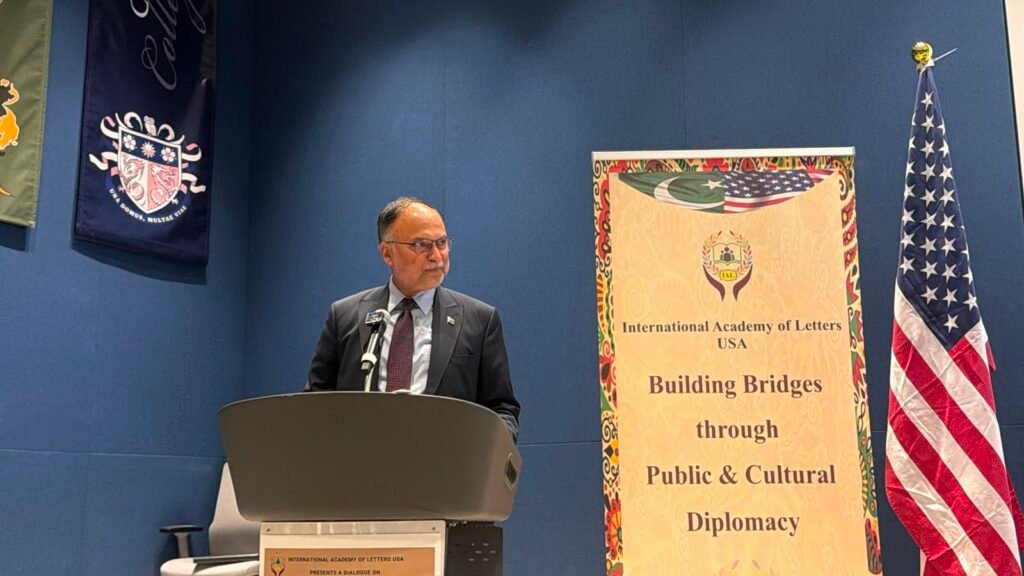
ISLAMABAD — Federal Minister for Planning, Development and Special Initiatives Ahsan Iqbal stated on Saturday that Pakistan has entered a new phase of opportunity, marked by economic recovery, national resilience, and diplomatic renewal. These achievements have been attributed to the successful implementation of Operation Bunyan-um-Marsoos, which has significantly bolstered the country’s stability and investment outlook. What Happened Speaking at a press conference, Ahsan Iqbal emphasized the transformative impact of Operation Bunyan-um-Marsoos on Pakistan’s socio-economic landscape. The operation, which was a comprehensive strategy aimed at enhancing internal security and fostering economic growth, has reportedly led to substantial improvements in both domestic and international perceptions of Pakistan. “Through Operation Bunyan-um-Marsoos, we have not only strengthened our national security but also created a conducive environment for investment,” Iqbal said. He highlighted that the operation’s success has been instrumental in achieving three key milestones: economic recovery, national resilience, and diplomatic renewal. The minister elaborated on the economic recovery, noting that the operation had paved the way for increased foreign direct investment (FDI) and improved investor confidence. He cited recent data indicating a rise in FDI inflows as evidence of the operation’s positive impact on the economy. On the front of national resilience, Iqbal pointed out that the operation had played a crucial role in stabilizing the internal security situation, which had previously been a significant concern for both citizens and investors. The improved security environment has allowed for greater economic activity and development initiatives across the country. Diplomatically, the operation has helped Pakistan renew its international relationships, positioning the country as a stable and reliable partner in the region. “Our diplomatic efforts have been reinvigorated, and we are now better positioned to engage with the global community,” Iqbal asserted. Background Operation Bunyan-um-Marsoos was launched as a comprehensive initiative to address various challenges facing Pakistan, including security threats and economic instability. It involved coordinated efforts among multiple government agencies to enhance security measures, promote economic reforms, and improve diplomatic ties. The operation was part of a broader strategy to restore confidence in Pakistan’s ability to provide a secure and stable environment for its citizens and investors. It followed a series of policy reforms aimed at liberalizing the economy, strengthening governance, and enhancing transparency in public administration. Why It Matters The implications of Operation Bunyan-um-Marsoos are significant for Pakistan’s future trajectory. Economically, the operation’s success in boosting investor confidence and attracting FDI is crucial for sustaining growth and development. With increased investment, Pakistan can expect to see job creation, infrastructure development, and technological advancements, which are essential for long-term economic stability. Socially, the enhanced security environment contributes to a better quality of life for citizens, reducing the threat of violence and fostering a sense of safety and well-being. This, in turn, encourages greater civic engagement and participation in national development efforts. Politically, the operation’s success strengthens the government’s position both domestically and internationally. By demonstrating its ability to effectively address complex challenges, the government can garner greater support from the international community and negotiate more favorable terms in diplomatic and economic engagements. On an international level, Pakistan’s renewed diplomatic efforts position it as a key player in regional stability and cooperation. This opens up opportunities for strategic partnerships and collaborations that can further enhance the country’s economic and security objectives. Key Takeaways Operation Bunyan-um-Marsoos has significantly improved Pakistan’s stability and investment outlook. The operation has led to economic recovery, increased FDI, and improved investor confidence. Enhanced national security has contributed to a better quality of life for citizens. Diplomatic renewal positions Pakistan as a stable partner in regional and international affairs. The operation underscores the government’s ability to address complex challenges effectively. Source Attribution This article is based on official government statements, press releases, and public communications from relevant authorities. Author: NEN Editorial Desk | Editor: NEN Newsroom | Fact Checked By: NEN Editorial Team Author: NEN Editorial Desk  |  Editor: NEN Newsroom  |  Last Updated: July 11, 2026  |  Source: NEN Reporter This article was produced by the NEN Editorial Desk in accordance with NEN Agency’s Editorial Policy and Fact-Checking Policy.

Pakistan

Regional Police Officer Bahawalpur Hosts Farewell for Transferred Officers

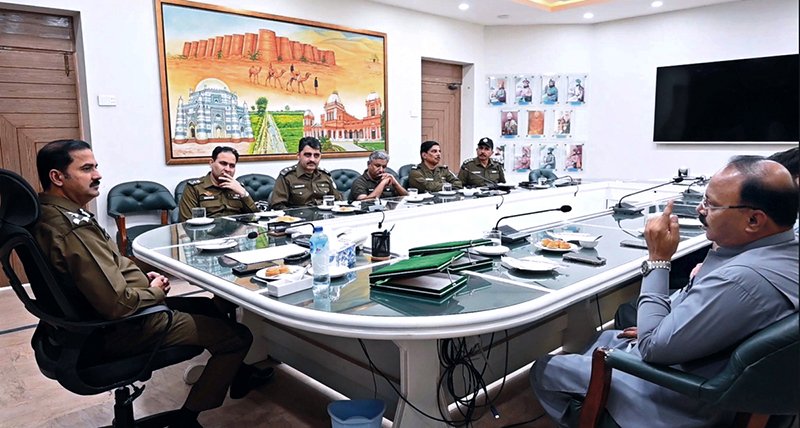
BAHAWALPUR — Regional Police Officer Bahawalpur Ghazi Muhammad Salahuddin recently addressed a farewell ceremony held in honor of police officers who have been transferred from their current postings. The event took place in Bahawalpur, where Salahuddin acknowledged the contributions of the officers and wished them success in their future endeavors. What Happened The farewell ceremony was organized to recognize and appreciate the services of police officers who have been transferred from the Bahawalpur region to other assignments. Regional Police Officer Ghazi Muhammad Salahuddin, while addressing the gathering, highlighted the dedication and hard work exhibited by the officers during their tenure in Bahawalpur. He expressed his gratitude for their commitment to maintaining law and order in the region. During his speech, Salahuddin stated, “The officers have performed their duties with utmost diligence and have significantly contributed to the safety and security of Bahawalpur. Their efforts have been instrumental in upholding the law and ensuring peace in the community.” He further added that the police department is proud of their achievements and confident that they will continue to excel in their new roles. The ceremony was attended by various officials and colleagues who came to bid farewell to the departing officers. It served as an opportunity for the officers to reflect on their experiences and share memories with their peers. The event concluded with the presentation of mementos to the officers as a token of appreciation for their service. Background The transfer of police officers is a routine administrative procedure aimed at ensuring effective law enforcement across different regions. Such transfers are often part of broader strategies to address specific challenges in various areas, optimize resource allocation, and enhance the overall efficiency of the police force. In Bahawalpur, the police department has been actively working to improve community relations and enhance public safety through various initiatives. Historically, the region has faced challenges related to crime and security, necessitating a proactive approach from law enforcement agencies. The police force in Bahawalpur has been engaged in efforts to combat crime, improve response times, and build trust with the local population. Transfers such as these are seen as opportunities to bring fresh perspectives and approaches to policing in different areas. Why It Matters The transfer of police officers holds significant implications for both the officers and the communities they serve. For the officers, it represents a chance to gain new experiences, develop skills, and contribute to different communities. It also serves as recognition of their capabilities and potential for leadership in various contexts. For the Bahawalpur region, the departure of experienced officers and the arrival of new ones can influence the dynamics of law enforcement. New officers bring with them different perspectives and strategies that can enhance the effectiveness of policing in the area. This can lead to improved public safety, better community relations, and more efficient crime prevention measures. On a broader scale, such transfers are part of the police department’s efforts to ensure that all regions benefit from experienced and capable leadership. This is crucial for maintaining stability and security across the country, which in turn has economic and social implications. A secure environment is essential for attracting investment, promoting tourism, and fostering community development. Key Takeaways Regional Police Officer Bahawalpur Ghazi Muhammad Salahuddin addressed a farewell ceremony for transferred officers. The ceremony recognized the contributions of officers to the safety and security of Bahawalpur. Transfers are routine and aim to enhance law enforcement effectiveness across regions. New officers bring fresh perspectives that can improve public safety and community relations. Effective policing is vital for economic stability and community development in Pakistan. Source Attribution This article is based on official government statements, press releases, and public communications from relevant authorities. Author: NEN Editorial Desk | Editor: NEN Newsroom | Fact Checked By: NEN Editorial Team Author: NEN Editorial Desk  |  Editor: NEN Newsroom  |  Last Updated: July 11, 2026  |  Source: NEN Reporter This article was produced by the NEN Editorial Desk in accordance with NEN Agency’s Editorial Policy and Fact-Checking Policy.
Pakistan

IESCO Workers Install New Electricity Wires in Islamabad

ISLAMABAD — Islamabad Electric Supply Company (IESCO) workers are actively engaged in installing new electricity wires on an electric pole along Park Road in Islamabad. This effort is part of a broader initiative to enhance the reliability and safety of the electrical infrastructure in the federal capital. What Happened The installation of new electricity wires by IESCO workers on Park Road is part of a scheduled maintenance and upgrade project aimed at improving the power distribution network in Islamabad. The work, which began earlier this week, involves replacing old and potentially hazardous wiring with new, more durable materials to ensure a consistent power supply to the area’s residents and businesses. According to an IESCO spokesperson, the project is expected to be completed within the next few days, minimizing disruption to the local community. “We are committed to providing uninterrupted power supply to our consumers. This upgrade is crucial for maintaining the quality of service,” the spokesperson stated. IESCO has deployed a team of skilled technicians to carry out the installation process. The workers are equipped with the necessary tools and safety gear to handle the complex task of rewiring without causing outages or safety hazards. The company has also coordinated with local authorities to ensure minimal traffic disruption during the installation work. Background IESCO is responsible for the distribution of electricity in Islamabad and surrounding areas. The company regularly undertakes maintenance and upgrade projects to keep up with the growing demand for electricity and to address issues related to outdated infrastructure. Over the years, Islamabad has experienced rapid urban development, leading to increased pressure on the existing power distribution network. In recent years, IESCO has faced challenges such as power theft, line losses, and outdated equipment. In response, the company has initiated several projects aimed at modernizing its infrastructure, reducing technical losses, and improving service delivery. The current project on Park Road is part of these ongoing efforts. Why It Matters The installation of new electricity wires is significant for several reasons. Firstly, it directly impacts the residents and businesses in the area by ensuring a more reliable power supply. Frequent power outages can disrupt daily life and economic activities, leading to financial losses and inconvenience for consumers. By upgrading the infrastructure, IESCO aims to reduce the frequency and duration of such outages. Secondly, the project contributes to the overall safety of the electrical network. Old and worn-out wires pose a risk of electrical fires and other hazards. By replacing these with new, safer materials, IESCO is taking proactive measures to prevent accidents and ensure the safety of its consumers. On a broader scale, infrastructure upgrades such as this one are essential for supporting Islamabad’s continued growth and development. A reliable power supply is a critical component of urban infrastructure, influencing everything from residential quality of life to the ability of businesses to operate efficiently. As Islamabad continues to expand, projects like these will be crucial in meeting the city’s evolving energy needs. Key Takeaways IESCO is installing new electricity wires on Park Road in Islamabad to improve power reliability. The project is part of a broader initiative to upgrade the city’s electrical infrastructure. New wiring will enhance safety and reduce the risk of electrical hazards. The upgrade supports Islamabad’s growth by ensuring a stable power supply for residents and businesses. IESCO is addressing challenges such as outdated equipment and technical losses through infrastructure improvements. Source Attribution This article is based on official statements from the Islamabad Electric Supply Company and public communications from relevant authorities. Author: NEN Editorial Desk | Editor: NEN Newsroom | Fact Checked By: NEN Editorial Team Author: NEN Editorial Desk  |  Editor: NEN Newsroom  |  Last Updated: July 11, 2026  |  Source: NEN Reporter This article was produced by the NEN Editorial Desk in accordance with NEN Agency’s Editorial Policy and Fact-Checking Policy.

Pakistan

Pakistan Test Squad Gears Up for West Indies Tour with Intensive Training

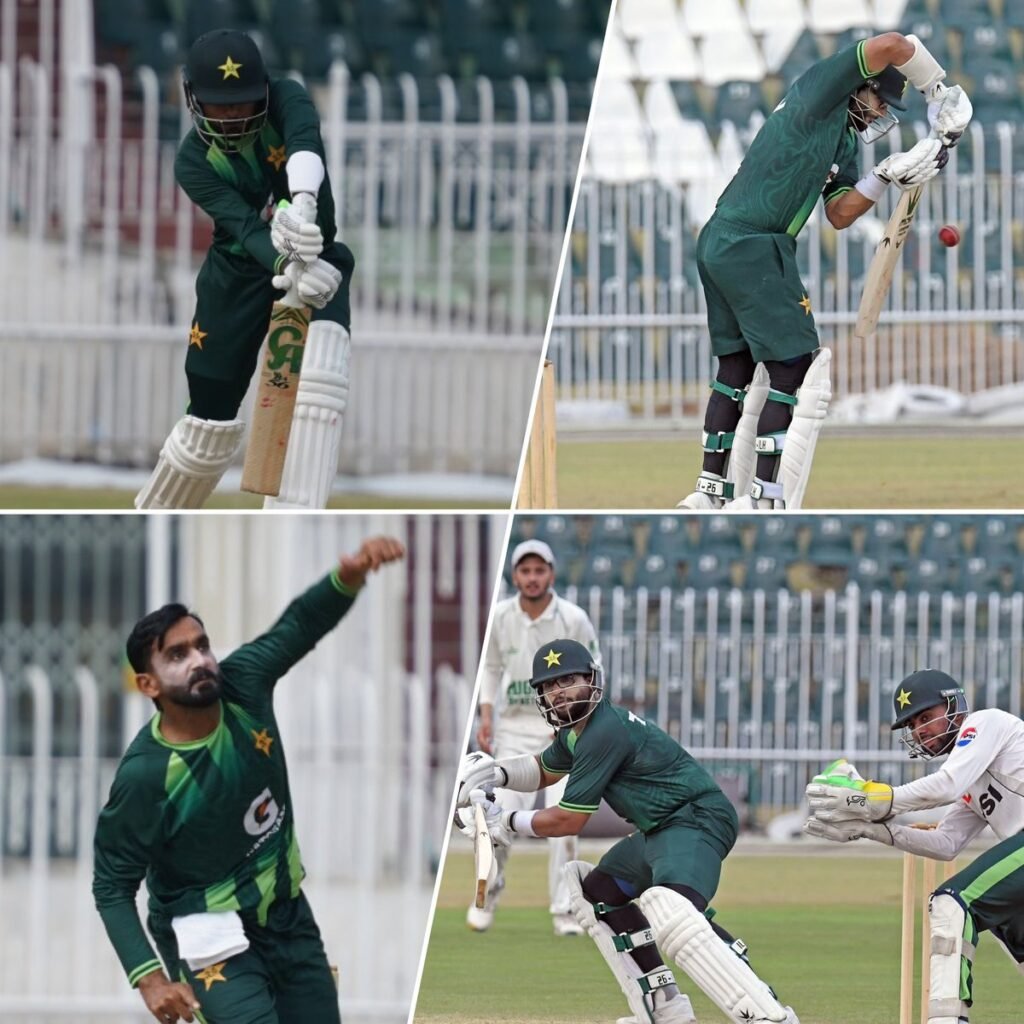
ISLAMABAD — The Pakistan Cricket Test squad’s preparations for their upcoming tour of the West Indies are in full swing, with the training camp at Rawalpindi Cricket Stadium entering its third day. The squad is rigorously preparing for the series, which is part of the ICC World Test Championship. What Happened The training camp, which began earlier this week, is focused on scenario-based matches to simulate real game conditions. On Saturday, the players participated in the second day of these matches. The coaching staff, led by the head coach, conducted fielding drills before the start of play, aiming to enhance the players’ agility and reflexes. During the scenario matches, bowlers were tasked with bowling spells under various match situations. This approach is designed to prepare them for different conditions they might face during the tour. All players have been given the opportunity to bat in different pairings, ensuring that they are adaptable and ready for any batting order changes that might occur during the actual matches. The squad is scheduled to have a rest day on Sunday before resuming their intensive training sessions. The team is set to depart from Islamabad for the West Indies on July 13. Upon arrival, they will play a four-day practice match from July 18 to 21, which will serve as a crucial warm-up before the official test matches. The two-match ICC World Test Championship series against the West Indies is scheduled to take place from July 25 to August 10. The matches will be held at the Brian Lara Cricket Academy in Tarouba and the Queen’s Park Oval in Port of Spain, offering the Pakistani team a challenging yet exciting opportunity to showcase their skills. Background Pakistan’s cricket team has a history of competitive performances in the West Indies, a region known for its passionate cricket fans and challenging playing conditions. The upcoming series is part of the ICC World Test Championship, a league competition for Test cricket run by the International Cricket Council (ICC), which adds significant importance to each match played. Historically, Pakistan has had mixed results in the Caribbean, with both victories and losses marking their past encounters. The team’s current preparation reflects an understanding of the need to adapt to the unique playing conditions found in the West Indies, including the pitches and weather. Why It Matters The upcoming tour is crucial for Pakistan as it forms part of the ICC World Test Championship, which determines the top Test team in the world. A strong performance in the West Indies could improve Pakistan’s standings in the championship, offering them a chance to compete for the top spot. Beyond the championship implications, the tour is an opportunity for Pakistan to refine their strategies and build team cohesion. The scenario-based training is particularly important as it helps players adjust to various match situations, a skill that is invaluable in the unpredictable nature of Test cricket. For the players, this tour is an opportunity to prove their mettle on an international stage. The experience gained from playing in different conditions will be beneficial for their development and confidence. Additionally, the tour offers a chance for younger players to gain exposure and for the team management to evaluate their performance in high-pressure situations. Key Takeaways The Pakistan Test squad is undergoing intensive training in Rawalpindi ahead of their West Indies tour. Scenario-based matches are being used to simulate real game conditions and improve player adaptability. The tour is part of the ICC World Test Championship, adding significant importance to the series. The team will play a practice match in the West Indies before the official test matches begin on July 25. This tour is an opportunity for players to gain international experience and improve team cohesion. Source Attribution This article is based on official government statements, press releases, and public communications from relevant authorities. Author: NEN Editorial Desk | Editor: NEN Newsroom | Fact Checked By: NEN Editorial Team Author: NEN Editorial Desk  |  Editor: NEN Newsroom  |  Last Updated: July 11, 2026  |  Source: NEN Reporter This article was produced by the NEN Editorial Desk in accordance with NEN Agency’s Editorial Policy and Fact-Checking Policy.
World

Balochistan Government Provides Motorcycles to Boost Vaccination Efforts

NASEERABAD — The Balochistan government has taken a significant step to enhance its healthcare delivery by providing 21 motorcycles to vaccinators under the Expanded Program on Immunization (EPI). This initiative aims to improve the accessibility and efficiency of vaccination services across the province. What Happened In a ceremony held at Sardar Yar Muhammad Jamali Memorial Hospital in Usta Muhammad, 21 motorcycles were officially handed over to vaccinators working under the EPI. The event was inaugurated by Deputy Commissioner Usta Muhammad, Muhammad Ramzan Palal, who emphasized the provincial government’s dedication to improving healthcare facilities. Sardar Zarar Khan Jamali, along with several health officials, including District Health Officer Dr. Amir Ali Jamali and Deputy DHO Dr. Qarar Hussain, were present to oversee the proceedings. Deputy Commissioner Ramzan Palal highlighted the importance of the new motorcycles, stating that they would significantly enhance the reach and efficiency of the immunization program. “These motorcycles will enable vaccinators to reach remote, underdeveloped, and difficult areas in time, significantly improving routine immunization coverage,” he remarked. The provision of these vehicles is seen as a crucial element in the government’s strategy to ensure timely and effective vaccination services. Speakers at the event noted that the initiative would help protect children against a range of diseases, including measles, polio, tuberculosis, and hepatitis, among others. They stressed the importance of continuing to strengthen the immunization system to ensure that every child in the district receives necessary vaccinations. Background The Expanded Program on Immunization (EPI) in Pakistan is a national initiative aimed at providing immunization services to children and mothers. The program targets several preventable diseases and is a key component of the country’s public health strategy. In Balochistan, the EPI faces unique challenges due to the province’s vast and difficult terrain, which often hinders access to remote communities. Historically, Balochistan has struggled with low immunization coverage rates compared to other regions in Pakistan. Efforts to improve these rates have been ongoing, with the government and various health organizations working to address logistical and infrastructural challenges. The provision of motorcycles is part of a broader effort to enhance the mobility and effectiveness of healthcare workers in reaching underserved areas. Why It Matters The distribution of motorcycles to vaccinators in Balochistan is a strategic move to improve public health outcomes in the province. By enabling healthcare workers to reach remote and underserved communities, the initiative addresses a critical barrier to effective immunization coverage. This is particularly important in a region where geographical challenges have historically impeded healthcare delivery. Economically, improving immunization rates can lead to significant cost savings for the healthcare system by reducing the incidence of preventable diseases. This, in turn, can alleviate the financial burden on families and communities, who often face high medical expenses due to preventable illnesses. Socially, the initiative contributes to the overall well-being of communities by ensuring that children receive necessary vaccinations, thereby reducing mortality and morbidity rates. This can have a profound impact on the quality of life and future prospects of children in the region. Politically, the move demonstrates the Balochistan government’s commitment to addressing public health challenges and improving healthcare infrastructure. It aligns with national and international health goals, including those set by the World Health Organization (WHO) and the United Nations Children’s Fund (UNICEF), to increase immunization coverage and reduce child mortality. Key Takeaways The Balochistan government has provided 21 motorcycles to vaccinators under the EPI to enhance healthcare delivery. The initiative aims to improve access to remote areas, increasing immunization coverage in the province. Improved immunization rates can lead to economic benefits by reducing healthcare costs associated with preventable diseases. The move reflects the government’s commitment to addressing public health challenges and aligns with international health goals. Ensuring timely vaccinations can significantly improve the quality of life for children in Balochistan. Source Attribution This article is based on official government statements, press releases, and public communications from relevant authorities. Author: NEN Editorial Desk | Editor: NEN Newsroom | Fact Checked By: NEN Editorial Team Author: NEN Editorial Desk  |  Editor: NEN Newsroom  |  Last Updated: July 11, 2026  |  Source: Press Release from Government of Balochistan This article was produced by the NEN Editorial Desk in accordance with NEN Agency’s Editorial Policy and Fact-Checking Policy.
Pakistan

Attock Police Arrest Nine, Seize Drugs and Illegal Weaponry in Crackdown

ATTOCK — In a comprehensive district-wide operation, Attock Police have arrested nine individuals and confiscated a significant amount of illegal substances and weaponry. The crackdown, which unfolded over the past 24 hours, resulted in the recovery of 4.4 kilograms of hashish, substantial quantities of liquor, and an illegal firearm, according to official police statements. What Happened The Attock Police, under the directive to intensify actions against criminal activities, conducted a series of coordinated raids across various locations in the district. These operations were part of a broader strategy to combat the proliferation of drugs and illegal arms in the region. The police force, leveraging intelligence reports and community tips, targeted known hotspots and areas with a history of criminal activity. During the raids, law enforcement officials successfully apprehended nine suspects. The individuals are currently under investigation, with authorities aiming to trace the origins of the seized items and potentially dismantle larger networks involved in these illegal activities. The operations were meticulously planned to ensure maximum impact and were executed with precision, resulting in the confiscation of 4.4 kilograms of hashish, a significant haul that underscores the scale of the drug problem in the area. In addition to the drugs, the police also seized large quantities of illicit liquor, which is often linked to unregulated production and distribution networks. The recovery of an illegal firearm further highlights the multifaceted nature of the criminal activities being addressed. A police spokesperson emphasized the importance of these operations in maintaining public safety and reducing crime rates in Attock. Background Attock, like many districts in Pakistan, has been grappling with issues related to drug trafficking and illegal arms. The region’s proximity to major urban centers and its strategic location have made it a focal point for criminal networks. Over the years, the government and law enforcement agencies have implemented various strategies to curb these activities, including community policing and intelligence-led operations. Historically, the region has seen fluctuating crime rates, with periodic spikes often linked to broader socio-economic factors. Previous crackdowns have yielded mixed results, with temporary reductions in crime followed by resurgences. The current operation is part of a renewed effort to establish long-term solutions and enhance community trust in law enforcement. Why It Matters This crackdown is significant for several reasons. Economically, the proliferation of drugs and illegal arms can have devastating effects on local communities, undermining legitimate businesses and contributing to a cycle of poverty and crime. By removing these elements, the police aim to create a safer environment that encourages economic growth and stability. Socially, the operation sends a strong message to the community about the government’s commitment to ensuring public safety. It also highlights the importance of community cooperation in identifying and addressing criminal activities. The successful execution of these raids may bolster public confidence in law enforcement, which is crucial for sustaining long-term peace and security in the region. Politically, the operation aligns with national efforts to combat crime and improve law and order across Pakistan. It reflects the government’s broader strategy to tackle the root causes of crime, including poverty and lack of education, through targeted interventions and policy reforms. Key Takeaways Attock Police arrested nine suspects in a district-wide crackdown on crime. Authorities seized 4.4 kilograms of hashish, large quantities of liquor, and an illegal firearm. The operation is part of a broader strategy to combat drug trafficking and illegal arms in the region. The crackdown aims to enhance public safety and reduce crime rates in Attock. Community cooperation played a vital role in the success of these operations. Source Attribution This article is based on official government statements, press releases, and public communications from relevant authorities. Author: NEN Editorial Desk | Editor: NEN Newsroom | Fact Checked By: NEN Editorial Team Author: NEN Editorial Desk  |  Editor: NEN Newsroom  |  Last Updated: July 11, 2026  |  Source: NEN Reporter This article was produced by the NEN Editorial Desk in accordance with NEN Agency’s Editorial Policy and Fact-Checking Policy.
World

Sialkot Chamber Delegation Engages with SIAL Leadership on Economic Cooperation

ISLAMABAD — A delegation from the Sialkot Chamber of Commerce and Industry (SCCI), led by President Syed Ahtesham Mazhar, met with the leadership of Sialkot International Airport Limited (SIAL) on Saturday to discuss potential avenues for economic collaboration and infrastructure development. The meeting took place at the SIAL headquarters, with Chairman Abdul Ghafoor Malik and Vice Chairman Syed Shahid Raza representing the airport’s leadership. What Happened The SCCI delegation’s visit to SIAL was primarily aimed at exploring collaborative opportunities that could enhance the economic landscape of Sialkot, a city renowned for its export-driven industries. During the meeting, both parties discussed strategies to boost trade and improve logistical support for exporters. President Syed Ahtesham Mazhar emphasized the importance of Sialkot International Airport as a critical hub for facilitating the export of goods, particularly in the sports goods and surgical instruments sectors, which are key contributors to the region’s economy. Chairman Abdul Ghafoor Malik acknowledged the vital role that the airport plays in supporting local businesses and expressed a commitment to further enhancing its facilities to meet the growing demands of exporters. “Sialkot International Airport is committed to providing world-class services to our exporters, and we are constantly working on improving our infrastructure to support the region’s economic growth,” Malik stated. The discussions also touched upon the potential for expanding flight operations and increasing cargo handling capacity to better serve the needs of local industries. Vice Chairman Syed Shahid Raza highlighted the airport’s recent initiatives, including the introduction of new international routes and the upgrading of cargo facilities, which are expected to significantly boost trade volumes. Background Sialkot, located in the Punjab province, is a major industrial hub in Pakistan, known for its export-oriented industries. The city has a long-standing reputation for producing high-quality sports goods, surgical instruments, leather products, and textiles. The establishment of Sialkot International Airport in 2007 was a significant milestone for the region, providing a direct link to international markets and facilitating the export of locally manufactured goods. The airport is unique in Pakistan as it is the first privately owned public airport in the country, developed through the collective efforts of the local business community. Over the years, it has played a crucial role in supporting the economic activities of Sialkot and its surrounding areas, contributing significantly to the national economy. Why It Matters The meeting between SCCI and SIAL leadership is significant as it underscores the collaborative efforts required to sustain and enhance the economic growth of Sialkot. The city’s industries are heavily reliant on efficient logistics and transportation networks to maintain their competitive edge in international markets. By strengthening the partnership between the chamber and the airport, there is potential to improve operational efficiencies, reduce costs, and increase the competitiveness of Sialkot’s exports. For Pakistan, enhancing the capabilities of key infrastructure such as Sialkot International Airport is crucial for boosting exports, which are a vital component of the country’s economic strategy. As the government aims to increase export revenues, initiatives that improve logistical support and connectivity are essential. The outcomes of such collaborations could have far-reaching implications, potentially leading to job creation, increased foreign exchange earnings, and overall economic stability. Moreover, the expansion of flight operations and cargo capacity at Sialkot International Airport could attract more international airlines, fostering greater connectivity and opening new markets for Pakistani products. This aligns with the broader national objective of diversifying export markets and reducing dependency on traditional trading partners. Key Takeaways The SCCI delegation met with SIAL leadership to discuss economic collaboration. Discussions focused on enhancing trade, logistical support, and infrastructure development. Sialkot International Airport plays a crucial role in supporting local exporters. Potential expansion of flight operations and cargo capacity was explored. Strengthening this partnership could boost Pakistan’s export capabilities. Source Attribution This article is based on official statements and public communications from the Sialkot Chamber of Commerce and Industry and Sialkot International Airport Limited. Author: NEN Editorial Desk | Editor: NEN Newsroom | Fact Checked By: NEN Editorial Team Author: NEN Editorial Desk  |  Editor: NEN Newsroom  |  Last Updated: July 11, 2026  |  Source: NEN Reporter This article was produced by the NEN Editorial Desk in accordance with NEN Agency’s Editorial Policy and Fact-Checking Policy.

Pakistan

Pakistan Confirms Adequate Wheat Stocks, Vows Action Against Hoarders

ISLAMABAD — Federal Minister for National Food Security and Research Rana Tanveer Hussain announced on Saturday that Pakistan has sufficient wheat stocks to meet its domestic needs. He emphasized that the government is prepared to take strict action against those involved in hoarding and artificially inflating wheat prices. What Happened During the 9th Wheat Board meeting, chaired by Minister Rana Tanveer Hussain, the country’s wheat production, availability, procurement, and market prices were thoroughly reviewed. The meeting was attended by key stakeholders, including the Secretary of the Ministry of National Food Security and Research, Chief Secretaries from Punjab and Sindh, Agriculture and Food Secretaries from all provinces, senior ministry officials, and representatives from the Pakistan Flour Mills Association. The Board conducted a comprehensive assessment of the wheat situation across Pakistan. Provincial representatives unanimously reported that there are adequate wheat stocks available nationwide, dispelling any concerns about a shortage. Minister Hussain highlighted that Pakistan’s wheat production this year is estimated to be 1.36 million metric tonnes higher than the previous year. This increase in production has ensured that the country’s wheat reserves are sufficient to meet current demands. The Board members agreed that the estimated wheat production target has been successfully achieved. The meeting also emphasized the importance of provincial authorities closely monitoring the wheat market to ensure effective management and prevent any disruptions. Minister Hussain reiterated the government’s commitment to protecting consumers’ interests. He stated that the federal government, in collaboration with provincial governments, will implement necessary administrative and legal measures to curb hoarding, enhance market oversight, and ensure that wheat is available to consumers at affordable prices. He directed relevant authorities to maintain close coordination, strengthen market monitoring, and take prompt action against any practices that could disrupt the smooth supply of wheat or lead to unjustified price increases. Background Pakistan has faced challenges in managing its wheat supply in the past, with issues such as hoarding and price manipulation impacting the market. The government has been working to improve wheat production and distribution to stabilize prices and ensure food security. The Wheat Board, established to oversee these efforts, regularly reviews the country’s wheat situation and coordinates with provincial authorities to address any issues. Historically, fluctuations in wheat production and supply have been influenced by factors such as weather conditions, pest infestations, and market dynamics. The government’s proactive measures aim to mitigate these challenges and maintain a stable supply of wheat across the country. Why It Matters The availability of sufficient wheat stocks is crucial for Pakistan, as wheat is a staple food for the majority of the population. Ensuring a stable supply at affordable prices is essential for food security and economic stability. The government’s commitment to taking action against hoarding and price manipulation reflects its dedication to protecting consumers and maintaining market stability. Economically, a stable wheat market helps prevent inflationary pressures that can arise from food shortages. Socially, it ensures that citizens have access to an essential food item, reducing the risk of food insecurity and related social unrest. Politically, effective management of wheat supplies demonstrates the government’s ability to address key issues impacting citizens’ daily lives. Internationally, Pakistan’s ability to manage its wheat supply efficiently can enhance its reputation as a stable and reliable partner in the global agricultural market. It may also open opportunities for exporting surplus wheat, contributing to the country’s economic growth. Key Takeaways Pakistan has sufficient wheat stocks to meet domestic needs, with production up by 1.36 million metric tonnes compared to last year. The government is committed to taking action against hoarding and price manipulation to protect consumers. Provincial authorities are urged to closely monitor the wheat market to ensure effective management. The stability of the wheat supply is crucial for food security, economic stability, and social harmony in Pakistan. Efficient management of wheat supplies can enhance Pakistan’s international reputation and economic opportunities. Source Attribution This article is based on official government statements, press releases, and public communications from relevant authorities. Author: NEN Editorial Desk | Editor: NEN Newsroom | Fact Checked By: NEN Editorial Team Author: NEN Editorial Desk  |  Editor: NEN Newsroom  |  Last Updated: July 11, 2026  |  Source: Press Release from Government of Pakistan This article was produced by the NEN Editorial Desk in accordance with NEN Agency’s Editorial Policy and Fact-Checking Policy.

Pakistan

Gold Prices Surge by Rs1,100 Per Tola in Pakistan

ISLAMABAD — The price of gold in Pakistan increased by Rs1,100 per tola on Saturday, reaching Rs433,536 for 24-karat gold. This rise was reported by the All Pakistan Sarafa Gems and Jewellers Association, reflecting ongoing fluctuations in the precious metals market. What Happened The local gold market experienced a notable price hike over the weekend, with 24-karat gold per tola climbing by Rs1,100. The new rate of Rs433,536 per tola marks a significant increase, influenced by both domestic and international market trends. The All Pakistan Sarafa Gems and Jewellers Association, responsible for issuing these rates, highlighted the volatility in gold prices due to various economic factors. Gold prices are often subject to change based on international market conditions, currency exchange rates, and local demand. The recent increase aligns with global trends where gold prices have been fluctuating due to economic uncertainties and geopolitical tensions. The association’s latest figures indicate a responsive market adjusting to these broader influences. In addition to the per tola rate, the price of 10 grams of 24-karat gold also saw an increase, reaching Rs371,651. This adjustment reflects the overall upward trend in the gold market, driven by factors such as inflationary pressures and investor sentiment shifting towards safe-haven assets like gold. Background Historically, gold has been a preferred investment in Pakistan, serving as a hedge against inflation and currency devaluation. The local gold market is heavily influenced by international prices, which are determined by factors such as the US dollar’s strength, interest rates, and global economic stability. In recent months, gold prices have been on a rollercoaster ride, with fluctuations driven by the COVID-19 pandemic’s economic impact, geopolitical tensions, and changes in monetary policy by major economies. The Pakistani rupee’s performance against the US dollar also plays a crucial role in determining local gold prices. Gold’s cultural significance in Pakistan further fuels its demand, especially during wedding seasons and festive occasions, when the purchase of gold jewelry is traditionally high. This cultural demand, combined with economic factors, contributes to the dynamic pricing observed in the market. Why It Matters The increase in gold prices holds significant implications for various stakeholders in Pakistan. For consumers, particularly those planning weddings or other events, the rise in gold prices could mean higher costs for jewelry, impacting household budgets. This may lead to a shift in consumer behavior, with some opting for lighter or alternative jewelry options. For investors, the price hike underscores gold’s role as a safe-haven asset in times of economic uncertainty. As inflationary pressures mount and currency values fluctuate, gold remains an attractive option for preserving wealth. This could result in increased investment in gold, both in physical form and through financial instruments like gold-backed securities. The jewelry industry, a significant part of Pakistan’s economy, may experience both challenges and opportunities from the price increase. While higher prices could deter some buyers, they may also boost the value of existing inventories, benefiting jewelers who have stockpiled gold. On a broader economic scale, the rise in gold prices can impact the country’s trade balance. As a major importer of gold, higher prices could increase the import bill, affecting foreign exchange reserves and potentially influencing monetary policy decisions. Key Takeaways Gold prices in Pakistan rose by Rs1,100 per tola, reaching Rs433,536 for 24-karat gold. The increase reflects global market trends and economic uncertainties. Gold remains a popular investment and cultural asset in Pakistan, influencing consumer and investor behavior. The jewelry industry may face both challenges and opportunities due to the price hike. Higher gold prices could impact Pakistan’s trade balance and foreign exchange reserves. Source Attribution This article is based on official statements and public communications from the All Pakistan Sarafa Gems and Jewellers Association. Author: NEN Editorial Desk | Editor: NEN Newsroom | Fact Checked By: NEN Editorial Team Author: NEN Editorial Desk  |  Editor: NEN Newsroom  |  Last Updated: July 11, 2026  |  Source: NEN Reporter This article was produced by the NEN Editorial Desk in accordance with NEN Agency’s Editorial Policy and Fact-Checking Policy.

Pakistan

HEC Approves MS Computer Science Program at MNSUET Multan

ISLAMABAD — The Higher Education Commission (HEC) has granted a No Objection Certificate (NOC) to Muhammad Nawaz Sharif University of Engineering and Technology (MNSUET) in Multan for the establishment of an MS Computer Science program. This approval marks a significant step for MNSUET in expanding its academic offerings to meet the growing demand for advanced computer science education in the region. What Happened The HEC’s decision to issue the NOC enables MNSUET Multan to officially launch its MS Computer Science program, which aims to provide advanced education and research opportunities in the field of computer science. The university had applied for the NOC to align its curriculum with national and international standards, ensuring that graduates are equipped with the necessary skills to thrive in the rapidly evolving tech industry. According to university officials, the program is designed to address the increasing demand for skilled professionals in the technology sector. The curriculum will include a range of courses covering advanced topics in computer science, such as artificial intelligence, data science, cybersecurity, and software engineering. The program will also emphasize research, encouraging students to engage in innovative projects that contribute to the field. HEC’s approval process involved a thorough evaluation of MNSUET’s faculty qualifications, infrastructure, and academic resources to ensure the program meets the commission’s quality standards. The university’s commitment to maintaining high educational standards played a crucial role in securing the NOC. Background Muhammad Nawaz Sharif University of Engineering and Technology, located in Multan, has been striving to enhance its academic portfolio since its establishment. The university offers various undergraduate and graduate programs in engineering and technology disciplines. The introduction of the MS Computer Science program is part of its broader strategy to expand postgraduate offerings and cater to the educational needs of the region. The Higher Education Commission of Pakistan is responsible for regulating and ensuring the quality of higher education institutions across the country. It grants NOCs to universities for new programs after a comprehensive review process, ensuring that the proposed programs meet the necessary academic and infrastructural standards. Why It Matters The approval of the MS Computer Science program at MNSUET Multan holds significant implications for the educational landscape in southern Punjab. The region has been witnessing a growing demand for higher education opportunities, particularly in the field of computer science, due to the increasing reliance on technology across various sectors. This development is expected to have a positive impact on the local economy by producing a skilled workforce capable of contributing to the tech industry. As technology continues to drive economic growth, the availability of advanced educational programs in computer science will play a crucial role in preparing graduates for high-demand jobs in the digital economy. Moreover, the program’s emphasis on research and innovation aligns with national goals to foster a knowledge-based economy. By encouraging students to engage in research projects, MNSUET aims to contribute to technological advancements and address local and national challenges through innovative solutions. On a broader scale, the program’s launch reflects the HEC’s commitment to enhancing the quality and diversity of higher education in Pakistan. By supporting universities in expanding their academic offerings, the HEC is helping to create a more educated and skilled population, which is essential for the country’s development and competitiveness in the global arena. Key Takeaways The Higher Education Commission has granted an NOC to MNSUET Multan for an MS Computer Science program. The program aims to address the growing demand for advanced computer science education in southern Punjab. HEC’s approval process included a thorough evaluation of the university’s academic resources and infrastructure. The program will focus on research and innovation, contributing to technological advancements. This development aligns with national goals to foster a knowledge-based economy in Pakistan. Source Attribution This article is based on official government statements, press releases, and public communications from relevant authorities. Author: NEN Editorial Desk | Editor: NEN Newsroom | Fact Checked By: NEN Editorial Team Author: NEN Editorial Desk  |  Editor: NEN Newsroom  |  Last Updated: July 11, 2026  |  Source: NEN Reporter This article was produced by the NEN Editorial Desk in accordance with NEN Agency’s Editorial Policy and Fact-Checking Policy.

Scroll to Top