

Author name: NEN News

World

PAKMMAF Unveils Contender Series to Boost Pakistan’s MMA Prospects

ISLAMABAD — The Pakistan Mixed Martial Arts Federation (PAKMMAF) has announced the launch of the PAKMMAF Contender Series, a new initiative aimed at enhancing the country’s mixed martial arts (MMA) infrastructure and preparing athletes for the global stage. What Happened The PAKMMAF Contender Series was officially launched in Islamabad, marking a significant step in the development of MMA in Pakistan. This high-performance platform is designed to provide local fighters with consistent exposure to elite-level competition, bridging the gap between domestic events and the demands of international MMA circuits. The initiative is supported by Dr. Rizwan Aftab, a well-known activist in the sports community. The inaugural event of the series featured 12 elite fights, showcasing some of Pakistan’s most promising MMA talents. Among the highlights was the professional debut of Shahab Ali, a former International Mixed Martial Arts Federation (IMMAF) Asian Champion and the 2025 IMMAF Fighter of the Year. Under the mentorship of PAKMMAF President Omar Ahmed, Ali is considered a top contender with the potential to secure a contract with major international organizations like the UFC. In addition to established fighters, the federation is focusing on youth development by participating in the IMMAF Youth World Championships in Abu Dhabi for the first time. Aurezgzeb Ahmed, son of Senior Minister Maryam Aurangzeb, leads the youth contingent. His involvement highlights the federation’s strategy to identify and nurture young talent, offering them international exposure early in their careers. Background Mixed martial arts have been gaining popularity in Pakistan over the past decade, with several local fighters making their mark on the international scene. However, the absence of a structured pathway for athletes has often hindered their progress. The PAKMMAF Contender Series aims to address this gap by providing a comprehensive development program that starts at the grassroots level and progresses to international competitions. Historically, Pakistani athletes have faced challenges in accessing the resources and training necessary to compete at the highest levels. The new series seeks to change this by creating a sustainable ecosystem that supports athletes from their initial training stages through to professional careers. Why It Matters The launch of the PAKMMAF Contender Series is a significant development for the sports landscape in Pakistan. By establishing a clear and structured pathway for MMA athletes, the federation is poised to elevate the country’s presence in the international MMA community. This initiative not only enhances the prospects for individual athletes but also contributes to the overall growth of the sport in Pakistan. Economically, the series could attract investments and sponsorships, providing financial support to athletes and the federation. Socially, it promotes sports as a viable career option, encouraging youth participation and fostering a culture of athletic excellence. Politically, the involvement of figures like Dr. Rizwan Aftab and the support from government officials such as Senior Minister Maryam Aurangzeb underscore a commitment to developing sports infrastructure in the country. Internationally, the success of Pakistani fighters in the Contender Series could pave the way for more athletes to compete in prestigious organizations like the UFC, BRAVE Combat Federation, UAE Warriors, and ACA. This would not only enhance Pakistan’s reputation in the global MMA community but also inspire future generations of fighters. Key Takeaways The PAKMMAF Contender Series aims to elevate Pakistan’s MMA scene by providing a structured development pathway for athletes. The series includes elite-level competitions and focuses on both established fighters and youth development. Shahab Ali’s professional debut is a highlight, showcasing the potential of Pakistani fighters on the international stage. The initiative is supported by prominent figures and aims to attract investments, enhancing the economic prospects of the sport. Participation in international events like the IMMAF Youth World Championships is part of the federation’s strategy to nurture young talent. Source Attribution This article is based on official government statements, press releases, and public communications from relevant authorities. Author: NEN Editorial Desk | Editor: NEN Newsroom | Fact Checked By: NEN Editorial Team Author: NEN Editorial Desk  |  Editor: NEN Newsroom  |  Last Updated: July 10, 2026  |  Source: NEN Reporter This article was produced by the NEN Editorial Desk in accordance with NEN Agency’s Editorial Policy and Fact-Checking Policy.

World

FCCI President Urges Collaboration for Improved Air Quality

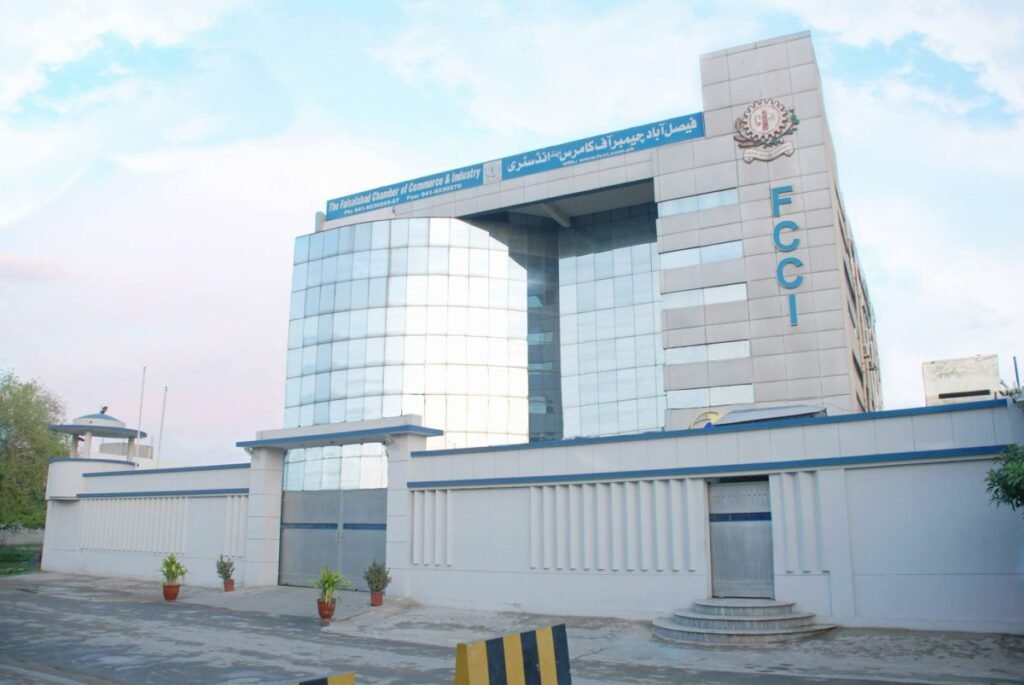
ISLAMABAD — Faisalabad Chamber of Commerce & Industry (FCCI) President Farooq Yousaf Sheikh has emphasized the critical need for enhanced air quality to ensure the health and well-being of future generations. Speaking at a recent meeting in Faisalabad, Sheikh highlighted the importance of a collaborative approach involving the government, the World Wildlife Fund (WWF), and the private sector to address this pressing environmental issue. What Happened During a session held at the FCCI headquarters, President Farooq Yousaf Sheikh addressed the growing concerns over air pollution and its detrimental effects on public health. He stated, “A better air quality is imperative for healthy generations.” Sheikh called for a joint effort between governmental bodies, non-governmental organizations like the WWF, and private enterprises to implement effective measures aimed at improving air quality across Pakistan. Sheikh underscored the urgency of the situation by pointing to various studies that link poor air quality to respiratory diseases, cardiovascular problems, and other health issues. He argued that without immediate and concerted action, the health of Pakistan’s population, particularly children and the elderly, would continue to be at risk. The FCCI president proposed several initiatives, including stricter regulations on industrial emissions, increased green spaces in urban areas, and public awareness campaigns to educate citizens about the importance of air quality. He also suggested leveraging technology to monitor air pollution levels and identify hotspots that require immediate intervention. Background Pakistan has been grappling with severe air pollution for years, with major cities like Lahore and Karachi often ranking among the most polluted in the world. Industrial emissions, vehicular exhaust, and the burning of agricultural waste are significant contributors to the country’s poor air quality. The government has implemented various policies aimed at reducing pollution, such as the introduction of Euro-V fuel standards and the promotion of electric vehicles. However, enforcement remains a challenge, and air quality continues to deteriorate. The World Wildlife Fund (WWF) has been actively involved in environmental conservation efforts in Pakistan. Their initiatives include advocating for sustainable practices and supporting policies that aim to mitigate the effects of climate change and pollution. Why It Matters Improving air quality is not just an environmental issue; it has profound implications for public health, economic productivity, and social well-being. Poor air quality is linked to a range of health problems, which can lead to increased healthcare costs and reduced workforce productivity. For a developing country like Pakistan, these economic impacts can be particularly severe, hindering growth and development. Moreover, addressing air pollution aligns with global efforts to combat climate change. As a signatory to the Paris Agreement, Pakistan has committed to reducing its greenhouse gas emissions and promoting sustainable development. Collaborative efforts to improve air quality can contribute to these international commitments, enhancing Pakistan’s standing on the global stage. Socially, cleaner air can lead to improved quality of life for citizens, reducing the burden of disease and promoting healthier communities. This is particularly important for vulnerable populations, such as children and the elderly, who are more susceptible to the adverse effects of pollution. Key Takeaways FCCI President Farooq Yousaf Sheikh calls for collaboration to improve air quality in Pakistan. Air pollution poses significant health risks, particularly to children and the elderly. Proposed initiatives include stricter emission regulations and increased public awareness. Improved air quality has economic, social, and international implications for Pakistan. Efforts align with global commitments to reduce greenhouse gas emissions. Source Attribution This article is based on official statements and public communications from the Faisalabad Chamber of Commerce & Industry and other relevant authorities. Author: NEN Editorial Desk | Editor: NEN Newsroom | Fact Checked By: NEN Editorial Team Author: NEN Editorial Desk  |  Editor: NEN Newsroom  |  Last Updated: July 10, 2026  |  Source: Press Release from Government of Pakistan This article was produced by the NEN Editorial Desk in accordance with NEN Agency’s Editorial Policy and Fact-Checking Policy.
Pakistan

PSX Surges by 982 Points Amid Strong Buying Activity

ISLAMABAD — The Pakistan Stock Exchange (PSX) witnessed a robust performance on Friday as the benchmark KSE-100 Index soared by 982.10 points, marking a 0.54 percent increase. The index closed at 182,241.78 points, up from 181,259.68 points recorded on the previous trading day, driven by strong buying activity. What Happened The PSX experienced a significant upturn as investors engaged in vigorous buying, pushing the KSE-100 Index to close at 182,241.78 points. This rise of 982.10 points represents a substantial gain, reflecting investor confidence and a positive market sentiment. Market analysts attribute this surge to several factors, including the anticipation of favorable economic policies and the stabilization of the Pakistani rupee against the US dollar. According to market insiders, the sectors that saw the most activity included banking, cement, and oil and gas, with major companies in these sectors reporting increased trading volumes. A senior analyst at a leading brokerage firm commented, “The market’s bullish trend is largely due to the renewed investor confidence in the government’s economic policies and the expected inflow of foreign investments.” The trading session saw a total of 380 companies’ shares being traded, out of which 260 advanced, 100 declined, and 20 remained unchanged. The total volume of shares traded was recorded at 350 million, with a market capitalization increase of approximately PKR 150 billion. Background The Pakistan Stock Exchange has been experiencing fluctuations over the past few months, influenced by both domestic and international economic factors. Historically, the PSX has been sensitive to political developments, economic reforms, and global market trends. The recent performance of the PSX comes after a period of relative instability, where the market faced challenges due to economic uncertainty and political changes. In recent weeks, the government has been actively working to stabilize the economy by implementing fiscal measures and engaging with international financial institutions. These efforts have been aimed at boosting investor confidence and ensuring sustainable economic growth. Why It Matters The recent surge in the PSX is significant for several reasons. Economically, it indicates a potential recovery in investor confidence, which is crucial for attracting both local and foreign investments. A stable and growing stock market can lead to increased capital inflow, which is essential for the economic development of Pakistan. Socially, a thriving stock market can have a positive impact on public sentiment, as it reflects the overall health of the economy. When the stock market performs well, it can lead to job creation, increased consumer spending, and improved business conditions, all of which contribute to the welfare of the citizens. Politically, the PSX’s performance can be seen as a vote of confidence in the current government’s economic policies. A strong stock market can help the government gain public support and strengthen its position in implementing further economic reforms. Internationally, a robust PSX can enhance Pakistan’s image as a viable investment destination. It can attract foreign investors looking for emerging market opportunities, thereby increasing foreign direct investment (FDI) and contributing to the country’s economic growth. Key Takeaways The PSX’s KSE-100 Index rose by 982.10 points, a 0.54 percent increase, closing at 182,241.78 points. Strong buying activity was observed, particularly in the banking, cement, and oil and gas sectors. The market’s positive performance is attributed to investor confidence in economic policies and currency stabilization. The surge reflects potential economic recovery and increased investor confidence, both locally and internationally. A thriving stock market can enhance Pakistan’s image as an attractive investment destination. Source Attribution This article is based on official government statements, press releases, and public communications from relevant authorities. Author: NEN Editorial Desk | Editor: NEN Newsroom | Fact Checked By: NEN Editorial Team Author: NEN Editorial Desk  |  Editor: NEN Newsroom  |  Last Updated: July 10, 2026  |  Source: NEN Reporter This article was produced by the NEN Editorial Desk in accordance with NEN Agency’s Editorial Policy and Fact-Checking Policy.

World

Privatization Commission Engages ADB for Islamabad Airport Operations

ISLAMABAD — The Privatization Commission (PC) of Pakistan has approved a significant step in the management of Islamabad International Airport (IIAP) by appointing the Asian Development Bank (ADB) as the financial adviser. This decision was finalized on Friday through the signing of the Transaction Advisory Services Agreement (TASA), marking a pivotal move towards outsourcing the airport’s operations. What Happened The PC Board’s approval of the TASA with ADB is aimed at enhancing the operational efficiency of IIAP by leveraging the expertise of the international financial institution. The agreement outlines ADB’s role in advising on the outsourcing process, which is expected to bring in private sector expertise and investment. This initiative is part of a broader strategy to improve the management and services of Pakistan’s airports. According to the Privatization Commission, the collaboration with ADB will facilitate a transparent and competitive process for selecting private operators to manage the airport’s operations. The involvement of ADB, known for its extensive experience in infrastructure projects across Asia, is anticipated to attract credible investors and operators with the capability to elevate the airport’s standards. Speaking on the development, a senior official from the Privatization Commission stated, “The appointment of ADB as the financial adviser is a strategic move to ensure that the outsourcing process is conducted efficiently and transparently. We are confident that this partnership will lead to significant improvements in the airport’s operations and services.” Background Islamabad International Airport, inaugurated in 2018, is one of Pakistan’s major aviation hubs, serving millions of passengers annually. Despite its modern infrastructure, the airport has faced challenges related to operational efficiency and service quality. The decision to outsource its operations aligns with Pakistan’s ongoing efforts to involve the private sector in managing public assets to enhance service delivery and operational performance. Historically, Pakistan’s aviation sector has been predominantly managed by state entities, with limited private sector involvement. However, in recent years, there has been a shift towards privatization and public-private partnerships, driven by the need to improve infrastructure and service standards. The collaboration with ADB is part of this broader trend, reflecting the government’s commitment to modernizing its aviation sector. Why It Matters The appointment of ADB as a financial adviser for the outsourcing of IIAP’s operations holds significant implications for Pakistan’s aviation industry and its economy. By bringing in international expertise, the government aims to enhance the airport’s operational efficiency, which is crucial for accommodating the growing number of passengers and flights. Economically, the successful outsourcing of IIAP could set a precedent for similar initiatives across other airports in the country, potentially attracting substantial foreign investment. Improved airport operations can lead to increased tourism and business travel, contributing to economic growth and job creation. Politically, this move demonstrates the government’s commitment to reforming state-owned enterprises and improving public sector efficiency. It aligns with broader economic reforms aimed at attracting foreign investment and fostering economic development. The involvement of a reputable institution like ADB also adds credibility to the process, potentially boosting investor confidence in Pakistan’s privatization efforts. Key Takeaways The Privatization Commission has appointed ADB as the financial adviser for outsourcing IIAP operations. The agreement aims to enhance operational efficiency through private sector involvement. ADB’s involvement is expected to attract credible investors and improve airport services. The initiative aligns with Pakistan’s broader strategy of involving the private sector in public asset management. Successful outsourcing could boost economic growth and set a precedent for similar projects. Source Attribution This article is based on official government statements, press releases, and public communications from relevant authorities. Author: NEN Editorial Desk | Editor: NEN Newsroom | Fact Checked By: NEN Editorial Team Author: NEN Editorial Desk  |  Editor: NEN Newsroom  |  Last Updated: July 10, 2026  |  Source: Press Release from Government of Pakistan This article was produced by the NEN Editorial Desk in accordance with NEN Agency’s Editorial Policy and Fact-Checking Policy.
Pakistan

Chiniot Anti-Women Harassment Cell Resolves Over 110 Cases in June

CHINIOT — The Anti-Women Harassment and Violence Cell in Chiniot successfully addressed more than 110 cases in June, as part of efforts to safeguard women’s rights under the directive of Punjab Chief Minister Maryam Nawaz Sharif. The initiative reflects the provincial government’s commitment to tackling issues related to women’s safety and harassment. What Happened The Anti-Women Harassment and Violence Cell in Chiniot received and resolved over 110 cases in June, according to official statements. The cell, designed to address complaints related to harassment and violence against women, processed a variety of applications, demonstrating its proactive role in addressing women’s issues. Of the total cases received, 74 were resolved within the month, showcasing the cell’s efficiency and commitment to timely justice. Officials from the cell stated that the majority of the cases involved workplace harassment, domestic violence, and other forms of gender-based discrimination. The cell operates under the vision of Punjab Chief Minister Maryam Nawaz Sharif, who has prioritized women’s rights and safety as key components of her administration’s agenda. The cell employs a team of dedicated professionals, including legal experts and social workers, who work collaboratively to provide support and solutions for affected women. The efforts are part of a broader strategy to create a safer environment for women across Punjab, encouraging more victims to come forward and report incidents without fear of retribution. Background The establishment of the Anti-Women Harassment and Violence Cell in Chiniot is part of a larger provincial initiative aimed at combating gender-based violence and harassment. This initiative aligns with national efforts to enhance women’s rights and safety, which have been a focal point of various government policies and programs over the years. Historically, Pakistan has faced significant challenges in addressing women’s rights issues, with cultural and societal barriers often hindering progress. However, recent years have seen increased advocacy and legislative measures aimed at protecting women from violence and discrimination. The Punjab government, in particular, has been at the forefront of these efforts, implementing various policies and setting up specialized units like the Chiniot cell to address these issues. Why It Matters The successful resolution of over 110 cases by the Chiniot Anti-Women Harassment and Violence Cell is a significant step towards improving women’s safety and rights in the region. This development not only highlights the effectiveness of targeted initiatives but also underscores the importance of government intervention in addressing systemic issues related to gender-based violence. Economically, creating a safer environment for women can lead to increased participation in the workforce, which is crucial for Pakistan’s economic growth. Socially, it empowers women to assert their rights and seek justice, contributing to a more equitable society. Politically, such initiatives enhance the government’s credibility and demonstrate its commitment to upholding human rights, which can improve Pakistan’s international standing. Moreover, the success of the Chiniot cell could serve as a model for other regions in Pakistan, encouraging the establishment of similar units across the country. This could lead to a more coordinated and comprehensive approach to tackling women’s rights issues nationwide. Key Takeaways The Chiniot Anti-Women Harassment and Violence Cell resolved over 110 cases in June. The initiative is part of Punjab Chief Minister Maryam Nawaz Sharif’s vision to protect women’s rights. The cell addresses various forms of harassment and violence, employing legal experts and social workers. Successful case resolutions contribute to economic, social, and political advancements in Pakistan. The Chiniot cell could serve as a model for similar initiatives across the country. Source Attribution This article is based on official government statements, press releases, and public communications from relevant authorities. Author: NEN Editorial Desk | Editor: NEN Newsroom | Fact Checked By: NEN Editorial Team Author: NEN Editorial Desk  |  Editor: NEN Newsroom  |  Last Updated: July 10, 2026  |  Source: NEN Reporter This article was produced by the NEN Editorial Desk in accordance with NEN Agency’s Editorial Policy and Fact-Checking Policy.
Pakistan

Governor Kundi Urges Expansion Of NADRA Centers In Khyber Pakhtunkhwa

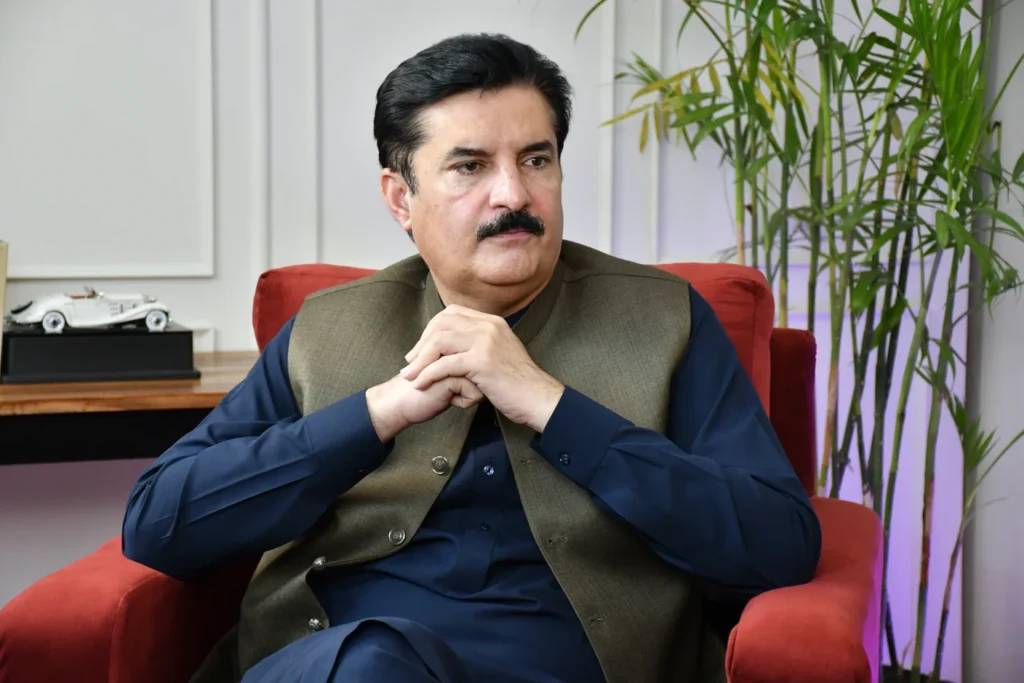
ISLAMABAD — Governor Khyber Pakhtunkhwa Faisal Karim Kundi has advocated for the expansion of National Database and Registration Authority (NADRA) Citizen Facilitation Centres (CFCs) across the province. On Friday, he emphasized the need to extend these services to remote and underdeveloped areas, aiming to improve access to essential identity registration and public services for residents. What Happened Governor Faisal Karim Kundi called for an increase in the number of NADRA Citizen Facilitation Centres in Khyber Pakhtunkhwa, particularly focusing on underserved and remote regions. The governor highlighted the importance of these centers in providing crucial services such as identity registration, which is essential for accessing various governmental and social services. “Expanding the network of NADRA’s Citizen Facilitation Centres will ensure that all citizens, regardless of their location, have equal access to vital registration services,” stated Governor Kundi during a meeting held in Peshawar. The current infrastructure of NADRA in the province is concentrated in urban and semi-urban areas, leaving many rural communities without easy access to these services. Governor Kundi’s proposal aims to address these disparities by establishing more centers in less accessible areas. This initiative is expected to facilitate better service delivery and enhance the efficiency of public service access for citizens residing in these regions. Governor Kundi also stressed the importance of modernizing the existing centers to improve their operational capabilities. He pointed out that the integration of advanced technologies could streamline processes, reduce wait times, and improve the overall user experience for citizens. “We must ensure that our facilities are equipped with the latest technology to meet the growing demands of our population,” he added. Background NADRA, established in 2000, is responsible for maintaining the national database and providing identity documentation to Pakistani citizens. Over the years, it has expanded its services to include a range of public facilitation services through its Citizen Facilitation Centres. These centers play a critical role in the registration process, issuance of national identity cards, and provision of other related services. Khyber Pakhtunkhwa, with its diverse geography and socio-economic challenges, has faced difficulties in ensuring equitable access to NADRA services. The province’s mountainous terrain and dispersed population have historically limited the reach of public services. Previous efforts to expand NADRA’s network have focused on urban areas, leaving rural communities underserved. Why It Matters The expansion of NADRA’s Citizen Facilitation Centres in Khyber Pakhtunkhwa is significant for several reasons. Economically, it can lead to better integration of rural populations into the formal economy by providing them with the necessary documentation to access financial services, employment opportunities, and government benefits. Socially, it promotes inclusivity and equal access to services, reducing the urban-rural divide in service provision. Politically, this move aligns with the government’s broader agenda of improving governance and public service delivery across all regions. By enhancing NADRA’s reach, the government can ensure that more citizens participate in democratic processes, such as voting, which requires valid identity documentation. Internationally, expanding access to identity registration aligns with global development goals, including the United Nations’ Sustainable Development Goals, which emphasize the importance of legal identity for all. This initiative demonstrates Pakistan’s commitment to these goals by improving service delivery and ensuring that no citizen is left behind. Key Takeaways Governor Kundi has called for the expansion of NADRA centers in remote areas of Khyber Pakhtunkhwa. The initiative aims to improve access to identity registration and public services for underserved populations. Modernizing existing centers with advanced technology is also a priority to enhance service delivery. This expansion supports economic integration, social inclusivity, and aligns with global development goals. The move is part of broader efforts to improve governance and public service access across Pakistan. Source Attribution This article is based on official government statements and public communications from relevant authorities. Author: NEN Editorial Desk | Editor: NEN Newsroom | Fact Checked By: NEN Editorial Team Author: NEN Editorial Desk  |  Editor: NEN Newsroom  |  Last Updated: July 10, 2026  |  Source: Press Release from Government of Pakistan This article was produced by the NEN Editorial Desk in accordance with NEN Agency’s Editorial Policy and Fact-Checking Policy.
Pakistan

Punjab Introduces Rescue Internship Programme to Enhance Medical Services

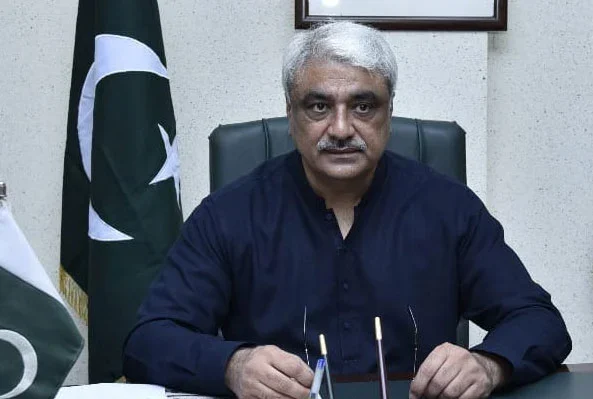
LAHORE — Punjab’s Health and Emergency Services Department has launched the Rescue Internship Programme, a new initiative aimed at strengthening emergency medical services across the province. Announced on Friday by Punjab Minister for Health and Emergency Services Khawaja Salman Rafique, the programme is designed to provide young paramedics with advanced training and improved employment prospects. What Happened The Rescue Internship Programme was officially unveiled by Khawaja Salman Rafique, who emphasized the initiative’s potential to revolutionize emergency medical services in Punjab. The programme, developed under the direction of Chief Minister Maryam Nawaz Sharif, seeks to equip young paramedics with modern skills and a strong commitment to public service. Minister Rafique stated, “This programme is not just about training; it’s about instilling a sense of duty and service in our young paramedics. We aim to create a workforce that is not only skilled but also dedicated to serving the community in times of need.” The initiative is expected to provide participants with hands-on experience in emergency response, thereby enhancing their practical skills and readiness for real-world situations. The programme will involve a comprehensive curriculum that includes theoretical knowledge and practical training in various aspects of emergency medical services. Participants will have the opportunity to work alongside experienced professionals, gaining insights into the challenges and demands of the field. Background Punjab has been actively working to improve its emergency medical services infrastructure over the past few years. The establishment of the Rescue 1122 service was a significant step in this direction, providing rapid response capabilities across the province. However, the growing population and increasing demand for emergency services have necessitated further enhancements. The Rescue Internship Programme is part of a broader strategy to address these needs by developing a well-trained and motivated workforce. The initiative also aligns with national efforts to improve healthcare services and emergency response mechanisms, as outlined in various government policies and frameworks. Why It Matters The introduction of the Rescue Internship Programme holds significant implications for Punjab’s healthcare system and its citizens. By equipping young paramedics with advanced skills, the programme aims to improve the quality and efficiency of emergency medical services. This is particularly crucial in a province where rapid urbanization and population growth have increased the demand for such services. Economically, the programme is expected to create better employment opportunities for young professionals in the healthcare sector. As participants gain valuable experience and training, they become more competitive in the job market, potentially leading to higher employment rates and economic stability for individuals and families. Socially, the programme fosters a culture of service and responsibility among young paramedics. By instilling a strong sense of public duty, the initiative encourages participants to contribute positively to their communities, ultimately enhancing social cohesion and resilience. On an international level, the programme positions Punjab as a leader in emergency medical services training, potentially attracting attention and collaboration from international organizations and governments interested in similar initiatives. Key Takeaways The Rescue Internship Programme aims to enhance emergency medical services in Punjab by providing advanced training to young paramedics. Developed under Chief Minister Maryam Nawaz Sharif’s vision, the programme seeks to improve employment opportunities and instill a strong sense of public service. The initiative is part of broader efforts to address the growing demand for emergency services in the province. Economically, the programme is expected to boost employment prospects for young professionals in the healthcare sector. The programme enhances Punjab’s reputation as a leader in emergency medical services training. Source Attribution This article is based on official government statements, press releases, and public communications from relevant authorities. Author: NEN Editorial Desk | Editor: NEN Newsroom | Fact Checked By: NEN Editorial Team Author: NEN Editorial Desk  |  Editor: NEN Newsroom  |  Last Updated: July 10, 2026  |  Source: NEN Reporter This article was produced by the NEN Editorial Desk in accordance with NEN Agency’s Editorial Policy and Fact-Checking Policy.
Pakistan

Omani Crude Oil Price Drops To $69.29 Per Barrel

MUSCAT — The official price of Omani crude oil for September delivery has been set at $69.29 per barrel, marking a decrease from the previous day’s price. This adjustment reflects a $0.94 drop from the earlier price of $70.23 per barrel. What Happened The Omani Ministry of Energy announced that the price for September delivery of its crude oil has been adjusted to $69.29 per barrel. This price adjustment comes as part of the regular updates in the global oil market. The decline of $0.94 from the previous day’s price of $70.23 per barrel indicates fluctuations in the market influenced by various global factors. Additionally, the monthly average price of Omani crude oil for delivery in July was recorded at $102 per barrel. This represents a decrease of $2.73 compared to the price for delivery in June, which was $104.73 per barrel. These figures highlight the ongoing volatility in the global oil market, influenced by supply and demand dynamics, geopolitical tensions, and economic conditions worldwide. Omani crude oil is a significant player in the global energy market, and its pricing is closely watched by traders and analysts. The price changes are often reflective of broader trends in the oil industry, including production levels, international agreements, and shifts in energy policies. Background Oman is a key oil-producing nation in the Middle East, and its crude oil is a benchmark for the region. The country is not a member of the Organization of the Petroleum Exporting Countries (OPEC) but collaborates with the organization on production decisions. Oman’s economy is heavily reliant on oil revenues, making the pricing of its crude a critical economic indicator. Historically, the oil market has experienced significant fluctuations due to various factors such as geopolitical tensions, changes in production quotas, and shifts in global demand. The recent adjustments in Omani crude prices are part of this broader context, reflecting the ongoing challenges and uncertainties in the energy sector. Why It Matters The recent decline in Omani crude oil prices has several implications for both the regional and global markets. Economically, lower oil prices can impact Oman’s revenue, affecting its budget and economic planning. This is particularly significant for a nation where oil exports constitute a major portion of its income. Globally, changes in Omani oil prices can influence market sentiment and trading strategies. As a benchmark for Middle Eastern crude, Omani oil prices are often indicative of broader trends in the region, affecting decisions by traders and investors worldwide. The price fluctuations also have implications for energy policy and international relations. Countries dependent on oil imports may find opportunities to negotiate better terms or diversify their energy sources. Conversely, oil-producing nations may need to adjust their production strategies to maintain economic stability. For Pakistan, fluctuations in global oil prices can have a direct impact on domestic fuel costs, inflation, and economic growth. As an importer of oil, Pakistan’s economy is sensitive to changes in international oil prices, which can affect everything from transportation costs to electricity generation. Key Takeaways Omani crude oil price for September delivery is set at $69.29 per barrel, down $0.94 from the previous day. The monthly average price for July delivery was $102 per barrel, a decrease from June’s $104.73 per barrel. Oman’s economy is heavily reliant on oil, making price fluctuations significant for its economic planning. Global oil price changes impact market sentiment and trading strategies worldwide. For Pakistan, changes in oil prices can influence domestic fuel costs and economic conditions. Source Attribution This article is based on official government statements, press releases, and public communications from relevant authorities. Author: NEN Editorial Desk | Editor: NEN Newsroom | Fact Checked By: NEN Editorial Team Author: NEN Editorial Desk  |  Editor: NEN Newsroom  |  Last Updated: July 10, 2026  |  Source: NEN Reporter This article was produced by the NEN Editorial Desk in accordance with NEN Agency’s Editorial Policy and Fact-Checking Policy.

Pakistan

Balochistan Government Grants Rs 11 Million to Families of Martyred Policemen

QUETTA — The Balochistan government has announced a compensation package of Rs 11 million for each family of the policemen who were martyred in Ziarat. This decision was made on the special directive of Balochistan Chief Minister Mir Sarfraz Bugti, as confirmed by Assistant Chief Minister for Information and Political Affairs Shahid Rind on Friday. What Happened The announcement comes as a response to the tragic incident in Ziarat, where several police personnel lost their lives. The compensation is intended to support the families of the deceased officers, acknowledging their sacrifices in the line of duty. Shahid Rind stated that the release orders for the compensation have been issued, ensuring that the families receive the promised financial support promptly. The incident in Ziarat has once again highlighted the risks faced by law enforcement officers in Balochistan, a region often troubled by security challenges. The provincial government’s decision to provide substantial financial assistance underscores its commitment to the welfare of the families affected by such tragedies. In his statement, Rind emphasized the government’s resolve to stand by the families of the martyred officers, recognizing their bravery and dedication. The compensation package is part of a broader effort to provide support and recognition to those who serve in hazardous conditions. Background Balochistan has been a focal point of security concerns in Pakistan, with numerous incidents involving law enforcement personnel in recent years. The province’s strategic location and complex socio-political landscape have contributed to ongoing security challenges. In response, the provincial government has implemented various measures to enhance the safety and welfare of its security forces. The compensation for the families of martyred policemen is not a new initiative. Previous administrations have also provided financial support to the families of security personnel who have lost their lives in the line of duty. These measures are part of a broader policy framework aimed at ensuring the welfare of law enforcement officers and their families. Why It Matters The decision to grant compensation to the families of martyred policemen in Ziarat holds significant implications for both the affected families and the broader community. Economically, the financial support can alleviate some of the immediate burdens faced by the families, helping them to cope with the loss of their primary breadwinners. Socially, this move sends a strong message of solidarity and support from the government to the families of those who have made the ultimate sacrifice. It reinforces the notion that their loved ones’ contributions are valued and remembered, fostering a sense of community and shared responsibility. Politically, the compensation package reflects the government’s commitment to addressing the security challenges in Balochistan. By providing tangible support to the families of martyred officers, the government aims to bolster morale within the security forces and demonstrate its dedication to maintaining law and order in the region. On an international level, the announcement may also serve to reassure allies and partners of Pakistan’s commitment to combating security threats and supporting its law enforcement agencies. It highlights the country’s ongoing efforts to stabilize the region and protect its citizens. Key Takeaways The Balochistan government has announced a compensation package of Rs 11 million for each family of policemen martyred in Ziarat. The decision was made on the directive of Chief Minister Mir Sarfraz Bugti, with release orders already issued. The compensation aims to support the families economically and recognize the sacrifices of the martyred officers. This initiative is part of a broader policy to ensure the welfare of law enforcement personnel in Balochistan. The announcement underscores the government’s commitment to addressing security challenges in the region. Source Attribution This article is based on official government statements, press releases, and public communications from relevant authorities. Author: NEN Editorial Desk | Editor: NEN Newsroom | Fact Checked By: NEN Editorial Team Author: NEN Editorial Desk  |  Editor: NEN Newsroom  |  Last Updated: July 10, 2026  |  Source: NEN Reporter This article was produced by the NEN Editorial Desk in accordance with NEN Agency’s Editorial Policy and Fact-Checking Policy.

World

PM Shehbaz Emphasizes Easy Credit for SMEs to Boost Economic Growth

ISLAMABAD — Prime Minister Muhammad Shehbaz Sharif on Friday highlighted the importance of providing easy credit to small and medium enterprises (SMEs) as a crucial step towards achieving sustainable economic development in Pakistan. Chairing a high-level meeting, he stressed the need for banks to enhance loan provisions to priority sectors, particularly SMEs, which he described as the backbone of the national economy. What Happened During a meeting focused on promoting access to finance, Prime Minister Shehbaz Sharif underscored the government’s commitment to strengthening the economy by facilitating financial access. The meeting, held at the Prime Minister’s Office, was part of the government’s broader initiative to implement the Access to Finance Plan. According to a news release from the Prime Minister’s Office, Shehbaz Sharif stated, “The availability of easy-to-access financial facilities would enable increased exports, new employment opportunities, and sustainable economic growth.” The Prime Minister announced that banks demonstrating excellence in extending financial facilities would receive encouragement from the government. He also committed to personally chairing monthly review meetings to assess progress on the Access to Finance Plan. The plan aims to transition the economy from stability to sustainable growth by expanding financial services and integrating them into the national mainstream. Officials briefed the Prime Minister on the plan’s priorities, which include increasing access to loans for SMEs, agriculture, exports, renewable energy, housing, and IT sectors. The overarching goals are to boost exports, foster sustainable economic growth, and create new employment opportunities. A system-wide approach involving the Ministry of Finance, State Bank of Pakistan, provincial governments, and relevant institutions will be adopted for implementation. The Finance Minister will lead the new governance structure, with the Governor of the State Bank of Pakistan serving as co-chair. The officials outlined ambitious targets for the next two years, including increasing the SME sector’s share in private sector loans from 7 percent to 10 percent and raising the number of loan beneficiaries in the SME sector from 310,000 to 750,000. The meeting was attended by Deputy Prime Minister and Foreign Minister Muhammad Ishaq Dar, several federal ministers, senior government officials, and leaders from the banking sector. Background The Access to Finance Plan is part of the government’s broader strategy to revitalize Pakistan’s economy, which has faced numerous challenges in recent years, including inflation, fiscal deficits, and a sluggish growth rate. SMEs play a pivotal role in the country’s economic landscape, contributing significantly to GDP and employment. Historically, access to finance has been a major hurdle for SMEs, limiting their potential to expand and innovate. Previous initiatives to support SMEs have included various government-backed credit schemes and policy measures aimed at reducing bureaucratic hurdles. However, the sector continues to face challenges such as limited access to formal financial services and high borrowing costs. Why It Matters The emphasis on facilitating easy credit for SMEs is a strategic move to stimulate economic activity and foster resilience in the face of global economic uncertainties. By increasing the accessibility of financial services, the government aims to empower SMEs to expand their operations, innovate, and contribute more significantly to the national economy. Economically, enhancing credit access for SMEs is expected to lead to increased productivity, higher export volumes, and job creation, thereby reducing unemployment and improving living standards. Socially, the empowerment of SMEs can lead to greater economic inclusion, particularly for women and young entrepreneurs who often face barriers in accessing finance. Politically, the government’s focus on SMEs aligns with its broader economic reform agenda, which aims to stabilize the economy and lay the groundwork for sustainable growth. This initiative could bolster public confidence in the government’s economic policies and enhance its credibility both domestically and internationally. Key Takeaways Prime Minister Shehbaz Sharif emphasizes the need for easy credit access to SMEs to drive economic growth. The Access to Finance Plan aims to increase SME loans and integrate financial services into the national mainstream. Targets include raising the SME sector’s share in private loans from 7 percent to 10 percent in two years. The initiative involves a coordinated approach with the Ministry of Finance, State Bank, and provincial governments. Improved access to finance is expected to boost exports, create jobs, and enhance economic resilience. Source Attribution This article is based on official government statements, press releases, and public communications from relevant authorities. Author: NEN Editorial Desk | Editor: NEN Newsroom | Fact Checked By: NEN Editorial Team Author: NEN Editorial Desk  |  Editor: NEN Newsroom  |  Last Updated: July 10, 2026  |  Source: Press Release from Ministry of Finance This article was produced by the NEN Editorial Desk in accordance with NEN Agency’s Editorial Policy and Fact-Checking Policy.

Scroll to Top