
Author name: NEN News

World

Pakistan Football Federation Unveils FIFA Forward Mini-Pitches, New Professional League

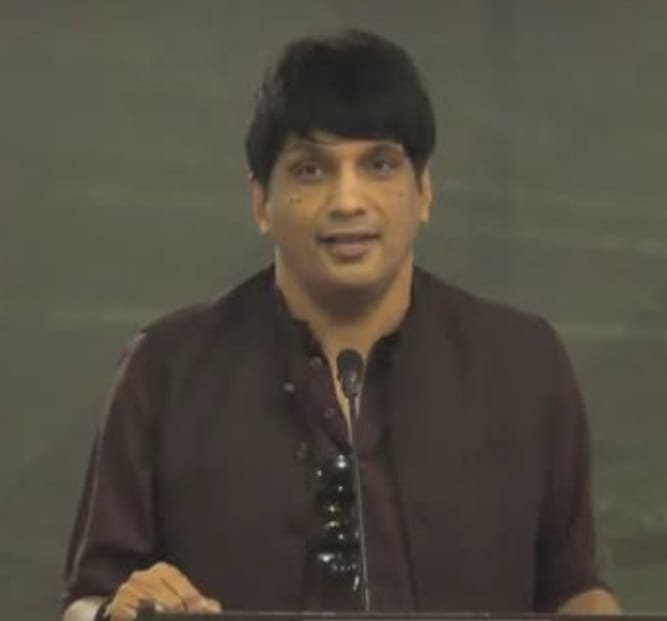
ISLAMABAD — Pakistan’s football landscape is set for a transformative shift as the Pakistan Football Federation (PFF) announces plans for FIFA Forward mini-pitches and the launch of the first-ever eight-franchise professional league. The initiative aims to elevate the sport’s profile in a nation traditionally dominated by cricket. What Happened Under the leadership of PFF President Syed Mohsin Gillani, Pakistan’s football scene is experiencing unprecedented growth. Gillani, who has established strong ties with FIFA and the Asian Football Confederation (AFC), has leveraged these relationships to bring international attention and resources to Pakistan’s football community. This strategic diplomacy has resulted in significant achievements for the national teams across various formats. Pakistan’s national teams have recently achieved milestones that were once considered unattainable. The men’s national team qualified for the second round of the FIFA World Cup 2026 Qualifiers for the first time, while the women’s team made a notable leap in global rankings during the FIFA Series 2026. At the youth level, the U-19 and U-16 teams have celebrated victories in AFC and SAFF tournaments, and the national futsal team has debuted in international competitions in Riyadh and Thailand. In addition to these achievements, PFF’s collaboration with international football bodies has led to the restoration of frozen bank accounts, ensuring financial transparency and operational autonomy. This has been instrumental in blocking third-party interference in football affairs, allowing the federation to focus on player development and infrastructure improvement. Background Football in Pakistan has long been overshadowed by cricket, facing challenges such as isolation, inadequate resources, and administrative hurdles. However, under Mohsin Gillani’s leadership, the PFF has made significant strides in overcoming these obstacles. His efforts to align the PFF constitution with FIFA statutes and secure strategic partnerships with countries like Argentina, Japan, Saudi Arabia, and China have been pivotal in modernizing the sport in Pakistan. The introduction of FIFA Forward mini-pitches and the establishment of a professional league are part of a broader strategy to enhance the sport’s infrastructure and provide players with opportunities to hone their skills. These initiatives are complemented by the ‘Football for Schools’ program, which aims to distribute over 150,000 footballs nationwide and equip school teachers with professional coaching skills. Why It Matters The development of football in Pakistan holds significant implications for the country’s sports culture and international standing. By diversifying its sports portfolio, Pakistan can foster a more inclusive environment for athletes and fans alike. The introduction of a professional league will not only provide a platform for local talent to showcase their skills but also attract international attention and investment. Economically, the growth of football can create new job opportunities, stimulate local economies, and contribute to the country’s GDP. Socially, it can encourage youth participation in sports, promoting a healthier lifestyle and reducing the allure of negative influences. On an international level, Pakistan’s active participation in global football events can enhance its diplomatic relations and cultural exchange with other nations. This can lead to further collaborations and partnerships, benefiting various sectors beyond sports. Key Takeaways The PFF has announced plans for FIFA Forward mini-pitches and an eight-franchise professional league. Under President Mohsin Gillani, Pakistan’s football teams have achieved historic milestones on the international stage. Strategic partnerships with countries like Argentina, Japan, Saudi Arabia, and China are enhancing player development. The ‘Football for Schools’ program aims to distribute over 150,000 footballs nationwide. These initiatives are expected to boost Pakistan’s sports culture, economy, and international relations. Source Attribution This article is based on official government statements, press releases, and public communications from relevant authorities. Author: NEN Editorial Desk | Editor: NEN Newsroom | Fact Checked By: NEN Editorial Team Author: NEN Editorial Desk  |  Editor: NEN Newsroom  |  Last Updated: July 10, 2026  |  Source: Press Release from Government of Pakistan This article was produced by the NEN Editorial Desk in accordance with NEN Agency’s Editorial Policy and Fact-Checking Policy.
World

President Zardari Concludes Official Visit to Kyrgyz Republic

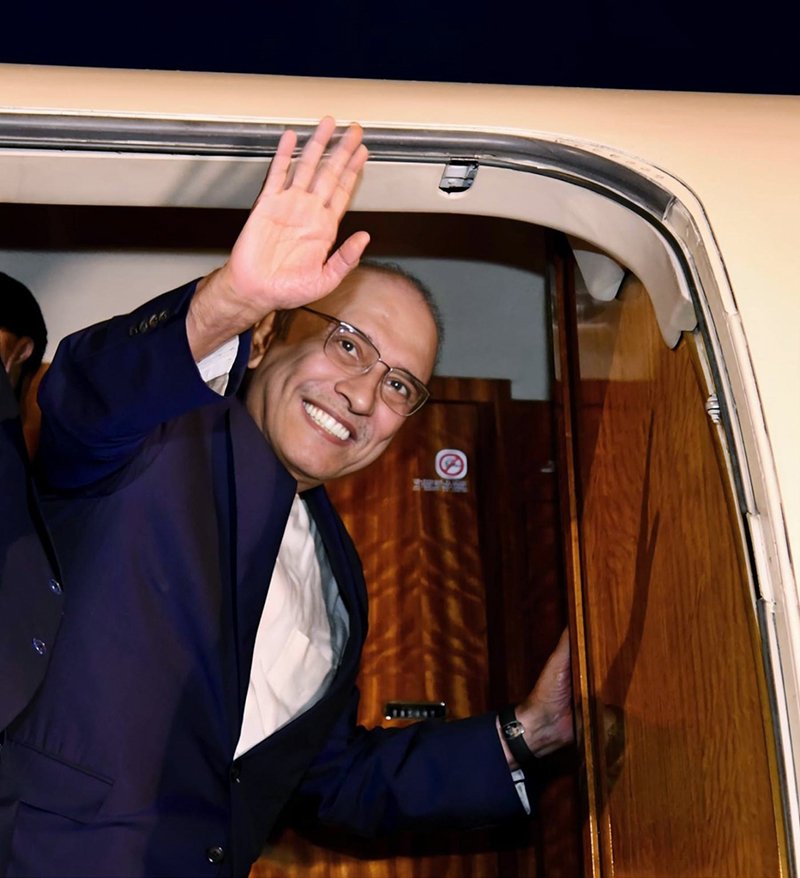
BISHKEK, KYRGYZSTAN — President Asif Ali Zardari has departed from Manas International Airport for Pakistan after concluding his official visit to the Kyrgyz Republic. The President was seen off by Marlen Mamataliyev, Speaker of the Kyrgyz Parliament, marking the end of a diplomatic engagement aimed at strengthening bilateral ties between the two nations. What Happened President Asif Ali Zardari’s visit to the Kyrgyz Republic was part of a broader initiative to enhance diplomatic and economic relations with Central Asian countries. During his stay, President Zardari engaged in high-level discussions with Kyrgyz officials, focusing on mutual cooperation in areas such as trade, energy, and regional security. The visit underscored Pakistan’s commitment to fostering stronger ties with its Central Asian neighbors. President Zardari’s itinerary included meetings with key Kyrgyz leaders, including President Sadyr Japarov. The discussions covered a wide range of topics, with particular emphasis on enhancing trade links and exploring opportunities for collaboration in the energy sector. The leaders also deliberated on regional security issues, highlighting the importance of joint efforts in combating terrorism and ensuring stability in the region. At the conclusion of his visit, President Zardari expressed optimism about the future of Pakistan-Kyrgyz relations, stating, “Our discussions have laid the groundwork for a more robust partnership that will benefit both our countries economically and politically.” The visit was characterized by a series of agreements aimed at facilitating trade and investment, as well as initiatives to promote cultural exchanges. Background The relationship between Pakistan and the Kyrgyz Republic has been evolving since the latter’s independence from the Soviet Union in 1991. Both countries are members of the Shanghai Cooperation Organization (SCO) and have a history of cooperation in various multilateral forums. The recent visit by President Zardari is part of Pakistan’s ongoing efforts to strengthen its ties with Central Asian states, which are considered strategically important due to their geographic location and natural resources. Historically, Pakistan has sought to establish itself as a key player in the region, leveraging its position as a bridge between South and Central Asia. The country’s foreign policy has consistently emphasized the importance of regional cooperation and connectivity, particularly in the context of trade and energy transit routes. Why It Matters The visit by President Zardari holds significant implications for both Pakistan and the Kyrgyz Republic. Economically, the strengthening of ties could lead to increased trade and investment opportunities, providing a boost to both economies. The potential for collaboration in the energy sector is particularly noteworthy, as both countries seek to diversify their energy sources and improve energy security. Politically, the visit reinforces Pakistan’s commitment to regional stability and cooperation. By engaging with Central Asian nations, Pakistan aims to play a more active role in regional security dynamics, particularly in the context of counter-terrorism efforts. The discussions on regional security during President Zardari’s visit highlight the shared concerns of both countries regarding the threat of extremism and the need for coordinated action. Internationally, the visit signals Pakistan’s intent to strengthen its diplomatic presence in Central Asia, a region that is increasingly attracting global attention due to its strategic significance and resource potential. By fostering closer ties with Kyrgyzstan, Pakistan positions itself as a key partner in the region’s development, potentially opening doors for further cooperation with other Central Asian states. Key Takeaways President Zardari concluded an official visit to the Kyrgyz Republic, focusing on trade, energy, and security cooperation. The visit included high-level discussions with Kyrgyz leaders, resulting in agreements to enhance bilateral relations. Strengthening ties with Kyrgyzstan is part of Pakistan’s broader strategy to engage with Central Asian countries. The visit underscores Pakistan’s commitment to regional stability and economic cooperation. Enhanced relations with Kyrgyzstan could lead to increased trade and investment opportunities for both nations. Source Attribution This article is based on official government statements, press releases, and public communications from relevant authorities. Author: NEN Editorial Desk | Editor: NEN Newsroom | Fact Checked By: NEN Editorial Team Author: NEN Editorial Desk  |  Editor: NEN Newsroom  |  Last Updated: July 10, 2026  |  Source: Press Release from Government of Pakistan This article was produced by the NEN Editorial Desk in accordance with NEN Agency’s Editorial Policy and Fact-Checking Policy.
Pakistan

Balochistan Expands KUMAK Scholarship to Support Students with Disabilities

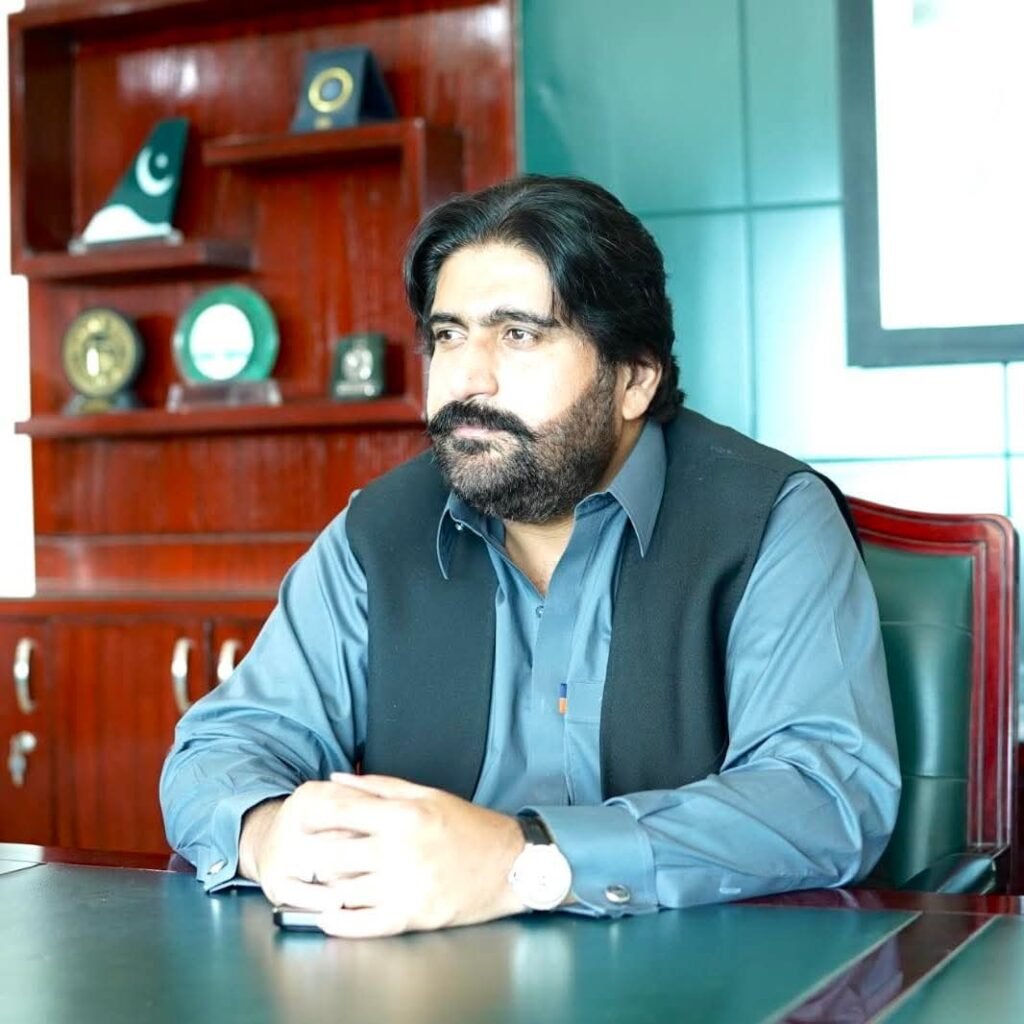
QUETTA — The Balochistan government has announced the expansion of the KUMAK Scholarship Program aimed at empowering students with disabilities (PWDs) across the province. The initiative, confirmed by Director General Social Welfare Balochistan, Mir Saifullah Khitran, underscores the provincial administration’s commitment to inclusive education and equal opportunities. What Happened The KUMAK Scholarship Program, a key initiative of the Balochistan government, has been expanded to provide greater support to students with disabilities. Mir Saifullah Khitran, Director General of Social Welfare, stated that the government is dedicated to fostering an educational environment that is inclusive and accessible to all. This expansion is part of a broader strategy to ensure that PWDs have the necessary resources to pursue their educational goals. According to Khitran, the scholarship program is designed to alleviate financial barriers faced by students with disabilities, thereby enabling them to participate fully in educational activities. The program will cover various educational expenses, including tuition fees, books, and other necessary materials. “Our aim is to create a level playing field for all students, regardless of their physical abilities,” Khitran remarked. The expansion of the KUMAK Scholarship Program is expected to benefit a significant number of students across Balochistan, a region where educational opportunities for PWDs have historically been limited. The government’s initiative is seen as a crucial step towards integrating PWDs into mainstream education and empowering them to contribute to society. Background Balochistan, Pakistan’s largest province by area, has long faced challenges in providing adequate educational opportunities, particularly for marginalized groups such as persons with disabilities. Historically, PWDs in the region have had limited access to education due to infrastructural, financial, and societal barriers. The KUMAK Scholarship Program was initially launched to address these disparities and promote inclusivity in education. The program aligns with Pakistan’s broader educational policies aimed at ensuring equal access to education for all citizens. It supports the objectives of the National Policy for Persons with Disabilities, which seeks to eliminate discrimination and promote the rights of PWDs in various sectors, including education. Why It Matters The expansion of the KUMAK Scholarship Program is significant for several reasons. Economically, it provides much-needed financial assistance to families of students with disabilities, many of whom struggle to afford educational expenses. By reducing these financial burdens, the program enables more students to attend school, thereby increasing educational attainment in the region. Socially, the initiative promotes inclusivity and challenges societal norms that often marginalize PWDs. By integrating students with disabilities into mainstream educational settings, the program helps to foster a more inclusive society that values diversity and equal opportunity. Politically, the expansion of the scholarship program reflects the Balochistan government’s commitment to fulfilling its obligations under national and international frameworks that advocate for the rights of PWDs. This move could enhance the government’s credibility and strengthen its position in advocating for further reforms and support for marginalized communities. Internationally, the initiative aligns with global efforts to promote inclusive education, as outlined in the United Nations Sustainable Development Goals (SDGs), particularly Goal 4, which aims to ensure inclusive and equitable quality education for all. Key Takeaways The Balochistan government has expanded the KUMAK Scholarship Program to support students with disabilities. The program aims to alleviate financial barriers and promote inclusive education. It aligns with national policies and international goals for inclusive education. The initiative is expected to benefit a significant number of students across the province. This expansion reflects the government’s commitment to equal opportunities for all citizens. Source Attribution This article is based on official statements and public communications from the Balochistan government and relevant authorities. Author: NEN Editorial Desk | Editor: NEN Newsroom | Fact Checked By: NEN Editorial Team Author: NEN Editorial Desk  |  Editor: NEN Newsroom  |  Last Updated: July 10, 2026  |  Source: NEN Reporter This article was produced by the NEN Editorial Desk in accordance with NEN Agency’s Editorial Policy and Fact-Checking Policy.
Pakistan

ICCI Pledges to Address Fruit Market Concerns in Islamabad

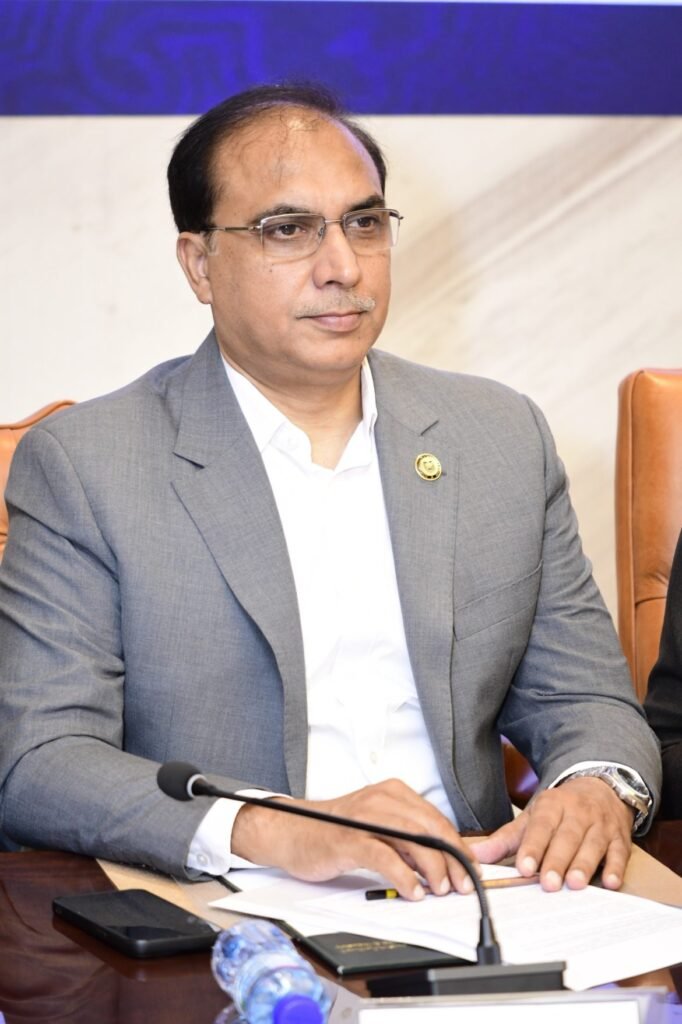
ISLAMABAD — The Islamabad Chamber of Commerce and Industry (ICCI) has committed to resolving the longstanding issues faced by traders in the Fruit Market located in Sector I-11/4, Islamabad. Acting President Tahir Ayub made this assurance on Thursday, emphasizing the chamber’s dedication to addressing civic, infrastructure, and traffic challenges in collaboration with relevant authorities. What Happened During a meeting with traders from the Fruit Market, Acting President of ICCI Tahir Ayub promised to engage with pertinent government bodies to expedite solutions to the market’s pressing issues. Ayub acknowledged the traders’ concerns, which include inadequate infrastructure, poor traffic management, and insufficient civic amenities. He assured the traders that the ICCI would actively pursue these matters to ensure a sustainable and effective resolution. Ayub stated, “The ICCI is fully aware of the challenges faced by the traders in the Fruit Market, and we are committed to working with the authorities to address these issues promptly.” He further highlighted the importance of the Fruit Market as a key commercial hub in Islamabad, underscoring the need for improved facilities to support its operations. The traders have long complained about the lack of proper roads, drainage systems, and parking facilities, which have adversely affected their businesses. Traffic congestion remains a significant problem, with inadequate space for loading and unloading goods exacerbating the situation. The ICCI’s involvement is seen as a positive step towards mobilizing government action and securing the necessary improvements. Background The Fruit Market in Sector I-11/4 serves as a vital center for the distribution of fruits and vegetables in Islamabad. Established several decades ago, the market has grown significantly, but infrastructure development has not kept pace with its expansion. Previous efforts to address these issues have been sporadic and largely ineffective, leaving traders frustrated and seeking intervention from business associations like the ICCI. The ICCI, as a representative body of the business community in Islamabad, plays a crucial role in advocating for the interests of local businesses. It regularly engages with government departments to facilitate improvements in business environments across various sectors. Why It Matters The resolution of issues at the Fruit Market has broader implications for Islamabad’s economy and the well-being of its citizens. As a major supplier of fresh produce, the market’s efficiency directly impacts food supply chains and prices in the capital. Improved infrastructure and traffic management can lead to reduced operational costs for traders, potentially lowering prices for consumers. Moreover, addressing these issues aligns with the government’s broader objectives of enhancing urban infrastructure and supporting small and medium-sized enterprises (SMEs). The Fruit Market’s traders are predominantly SMEs, and their success contributes to economic growth and job creation in the region. On a social level, resolving these challenges can improve the quality of life for those working in and around the market. Better roads and drainage systems can mitigate health risks associated with poor sanitation, while improved traffic flow can enhance safety and accessibility for workers and customers alike. Key Takeaways The ICCI has pledged to address the longstanding issues faced by traders in Islamabad’s Fruit Market. Key concerns include inadequate infrastructure, poor traffic management, and insufficient civic amenities. The Fruit Market is a crucial commercial hub, impacting food supply chains and prices in the capital. Resolving these issues supports government objectives of enhancing urban infrastructure and SME growth. Improved conditions can lead to economic benefits and better quality of life for market workers and customers. Source Attribution This article is based on official statements and public communications from the Islamabad Chamber of Commerce and Industry. Author: NEN Editorial Desk | Editor: NEN Newsroom | Fact Checked By: NEN Editorial Team Author: NEN Editorial Desk  |  Editor: NEN Newsroom  |  Last Updated: July 09, 2026  |  Source: NEN Reporter This article was produced by the NEN Editorial Desk in accordance with NEN Agency’s Editorial Policy and Fact-Checking Policy.

World

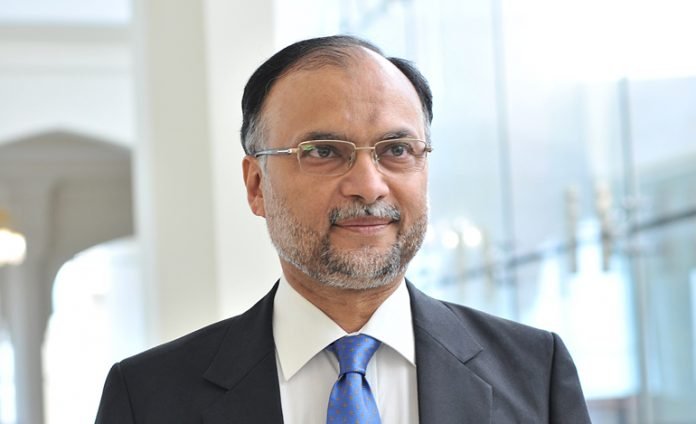
Ahsan Iqbal Urges US-Based Pakistanis to Support AI and Export Growth

ISLAMABAD — Federal Minister for Planning, Development and Special Initiatives, Professor Ahsan Iqbal, has called on the Pakistani diaspora in the United States to set aside political differences and unite under the “Pakistan First” initiative. The minister emphasized the importance of supporting Pakistan’s economic growth through innovation, technology, and exports during a recent address. What Happened On Thursday, Professor Ahsan Iqbal addressed members of the Pakistani community in the United States, urging them to rally behind efforts to transform Pakistan’s economy. He highlighted the critical role that technology and innovation, particularly in artificial intelligence (AI), can play in driving export-led growth. Iqbal stressed the need for the diaspora to contribute to these sectors, which he believes are pivotal for Pakistan’s future economic stability and prosperity. “We must rise above political differences and unite for the economic transformation of Pakistan,” Iqbal stated. He urged the diaspora to leverage their skills, networks, and resources to foster an environment conducive to technological advancement and export expansion. The minister’s call to action is part of a broader strategy to engage overseas Pakistanis in national development initiatives. Iqbal’s appeal comes at a time when Pakistan is seeking to enhance its global competitiveness by integrating cutting-edge technologies into its economic framework. He pointed out that the diaspora’s involvement is crucial in achieving the government’s vision of a technologically advanced and export-oriented economy. Background Historically, the Pakistani diaspora has played a significant role in the country’s economic development through remittances and investments. The government has often sought to engage overseas Pakistanis in various initiatives aimed at boosting economic growth and development. In recent years, there has been a concerted effort to tap into the expertise and resources of the diaspora to support sectors such as technology, innovation, and exports. Pakistan’s economy has faced numerous challenges, including a trade deficit and reliance on traditional industries. The government has recognized the need to diversify the economy by promoting sectors that can drive sustainable growth. The focus on AI and innovation aligns with global trends, as countries worldwide are investing heavily in these areas to enhance productivity and competitiveness. Why It Matters The involvement of the Pakistani diaspora in AI and export-led growth is of significant importance for several reasons. Economically, it can help bridge the technology gap and bring in much-needed expertise and investment. The diaspora’s participation can accelerate the adoption of AI technologies, which are essential for modernizing industries and improving efficiency. Socially, engaging the diaspora fosters a sense of national unity and pride, encouraging overseas Pakistanis to contribute to their homeland’s development. Politically, it demonstrates a commitment to inclusive growth by involving all stakeholders in national progress, regardless of political affiliations. Internationally, a focus on AI and innovation can enhance Pakistan’s standing as a competitive player in the global market. By prioritizing these sectors, Pakistan can attract foreign investment, create jobs, and improve its trade balance. The government’s outreach to the diaspora is a strategic move to harness the potential of overseas Pakistanis in achieving these goals. Key Takeaways Federal Minister Ahsan Iqbal calls on the US-based Pakistani diaspora to support economic growth through AI and exports. The initiative aims to unite overseas Pakistanis under the “Pakistan First” banner, transcending political differences. The government’s strategy focuses on leveraging technology and innovation to enhance global competitiveness. The diaspora’s involvement is crucial for bridging the technology gap and fostering economic stability. Engaging overseas Pakistanis can boost national unity and contribute to Pakistan’s international economic standing. Source Attribution This article is based on official government statements, press releases, and public communications from relevant authorities. Author: NEN Editorial Desk | Editor: NEN Newsroom | Fact Checked By: NEN Editorial Team Author: NEN Editorial Desk  |  Editor: NEN Newsroom  |  Last Updated: July 09, 2026  |  Source: NEN Reporter This article was produced by the NEN Editorial Desk in accordance with NEN Agency’s Editorial Policy and Fact-Checking Policy.

Pakistan

LCCI Seminar Highlights Export Opportunities for Pakistan’s Economic Growth

LAHORE — The Lahore Chamber of Commerce and Industry (LCCI) hosted a seminar on Thursday to explore export opportunities for Pakistan, emphasizing the need to boost exports and promote import substitution to address the trade deficit and bolster the national economy. LCCI President Faheem Ur Rehman Saigol underscored the importance of these measures during his address at the event. What Happened The seminar, titled “Export Opportunities for Pakistan,” was held at the LCCI premises and attracted a diverse group of stakeholders, including business leaders, economists, and government officials. LCCI President Faheem Ur Rehman Saigol highlighted the critical role of exports in strengthening Pakistan’s economy. He stated, “Increasing our exports while simultaneously promoting import substitution is essential to reducing our trade deficit and enhancing our economic resilience.” Saigol elaborated on the potential sectors where Pakistan could excel in exports, including textiles, agriculture, and information technology. He urged the government to facilitate exporters by providing incentives and reducing bureaucratic hurdles. “We need to create a conducive environment for our exporters to thrive and compete in the global market,” he added. The seminar also featured presentations from industry experts who shared insights into global market trends and strategies for penetrating new markets. Participants discussed the challenges faced by Pakistani exporters, such as high production costs, limited access to financing, and inadequate infrastructure. The need for policy reforms to address these issues was a recurring theme throughout the discussions. Background Pakistan’s economy has long been reliant on a narrow export base, primarily dominated by textiles and apparel. Over the years, the country has struggled with a persistent trade deficit, partly due to its heavy dependence on imports for essential goods and raw materials. The government has been making efforts to diversify the export base and reduce the trade deficit through various initiatives and policy measures. In recent years, the government has introduced several export promotion policies, including the Strategic Trade Policy Framework, which aims to enhance export competitiveness and market access. Despite these efforts, challenges such as energy shortages, security concerns, and global economic uncertainties have hindered progress. Why It Matters The seminar’s focus on export opportunities is crucial for Pakistan’s economic stability and growth. By expanding its export base, Pakistan can tap into new markets and reduce its reliance on a few sectors. This diversification is vital for mitigating risks associated with global economic fluctuations and enhancing the country’s resilience to external shocks. Moreover, promoting import substitution can significantly impact the trade deficit by reducing the need for foreign goods and encouraging local production. This approach not only supports domestic industries but also creates employment opportunities and fosters economic self-sufficiency. For citizens, a stronger export sector can lead to job creation and improved living standards. As industries expand to meet global demand, they generate employment and contribute to economic development. Additionally, increased foreign exchange earnings from exports can stabilize the national currency and improve the country’s financial health. On the international front, a robust export sector enhances Pakistan’s economic standing and strengthens its trade relations with other countries. By becoming a competitive player in the global market, Pakistan can attract foreign investment and forge strategic partnerships that benefit its economy. Key Takeaways The LCCI seminar emphasized the need to boost exports and promote import substitution to strengthen Pakistan’s economy. LCCI President Faheem Ur Rehman Saigol highlighted potential sectors for export growth, including textiles, agriculture, and IT. Challenges faced by exporters include high production costs, limited financing, and inadequate infrastructure. Diversifying the export base is crucial for economic stability and reducing reliance on a few sectors. A strong export sector can lead to job creation, improved living standards, and enhanced international trade relations. Source Attribution This article is based on official statements and public communications from the Lahore Chamber of Commerce and Industry. Author: NEN Editorial Desk | Editor: NEN Newsroom | Fact Checked By: NEN Editorial Team Author: NEN Editorial Desk  |  Editor: NEN Newsroom  |  Last Updated: July 09, 2026  |  Source: NEN Reporter This article was produced by the NEN Editorial Desk in accordance with NEN Agency’s Editorial Policy and Fact-Checking Policy.
Pakistan

National Bank Of Pakistan Releases Latest Exchange Rates

KARACHI — The Treasury Management Division of the National Bank of Pakistan (NBP) has announced the latest exchange rates for various currencies as of Wednesday, July 9. These rates are crucial for businesses, traders, and individuals engaged in foreign exchange transactions. What Happened The National Bank of Pakistan, one of the country’s leading financial institutions, has updated its exchange rates for the US Dollar, Euro, and other major currencies. According to the Treasury Management Division, the selling rate for the US Dollar is set at 278.45 PKR, while the buying rate is 277.95 PKR. The Euro, another significant currency for trade and travel, is also included in the latest rate announcement. These rates are essential for importers, exporters, and travelers who rely on accurate and timely currency conversion to manage their financial transactions effectively. The NBP’s role in providing these rates highlights its importance in the financial ecosystem of Pakistan, ensuring that stakeholders have access to reliable exchange rate information. A representative from the NBP stated, “Our commitment is to provide transparent and up-to-date exchange rates to facilitate smooth financial operations for our clients.” This statement underscores the bank’s focus on maintaining trust and efficiency in its financial services. Background The National Bank of Pakistan, established in 1949, plays a pivotal role in the country’s banking sector. As a state-owned bank, it is responsible for a wide range of financial services, including retail banking, corporate finance, and treasury operations. The bank’s exchange rate announcements are part of its broader mandate to support economic stability and growth. Exchange rates are influenced by a variety of factors, including economic indicators, market demand, and geopolitical events. In recent years, fluctuations in the Pakistani Rupee’s value have been driven by both domestic and international factors, necessitating regular updates from financial institutions like the NBP to ensure market participants have the latest information. Why It Matters The release of updated exchange rates by the NBP is significant for several reasons. Firstly, it provides businesses with the necessary data to make informed decisions regarding imports and exports. Accurate exchange rates enable companies to price their goods and services competitively in the global market, which is crucial for maintaining profitability and market share. Secondly, for individuals and families receiving remittances from abroad, these rates determine the value of the money they receive. Given that remittances are a significant source of foreign exchange for Pakistan, the impact of exchange rate fluctuations can be substantial on household incomes and spending power. Furthermore, the stability and transparency provided by regular updates from the NBP help to foster confidence in the financial system. In a country where economic volatility can affect investor sentiment, the role of the NBP in providing reliable financial information cannot be overstated. Finally, the exchange rates also have broader economic implications. They influence inflation, purchasing power, and the overall economic health of the nation. By keeping stakeholders informed, the NBP contributes to a more predictable economic environment, which is beneficial for long-term planning and investment. Key Takeaways The NBP has released updated exchange rates for major currencies, including the US Dollar and Euro. The selling rate for the US Dollar is 278.45 PKR, and the buying rate is 277.95 PKR. Accurate exchange rates are crucial for businesses, traders, and individuals involved in foreign exchange transactions. The NBP’s regular updates help maintain transparency and trust in Pakistan’s financial system. Exchange rates have significant implications for economic stability, inflation, and household incomes. Source Attribution This article is based on official statements and public communications from the National Bank of Pakistan. Author: NEN Editorial Desk | Editor: NEN Newsroom | Fact Checked By: NEN Editorial Team Author: NEN Editorial Desk  |  Editor: NEN Newsroom  |  Last Updated: July 09, 2026  |  Source: NEN Reporter This article was produced by the NEN Editorial Desk in accordance with NEN Agency’s Editorial Policy and Fact-Checking Policy.
Pakistan

Punjab Food Authority Raids Fake Spice Factory in Burewala

LAHORE — The Punjab Food Authority (PFA) conducted a raid on a counterfeit spice manufacturing facility in Chak No. 259-EB near Burewala on Tuesday. Acting on intelligence provided by the Special Branch, the operation led to the seizure of a substantial quantity of fake spices and packaging materials falsely labeled with a prominent national brand’s name. What Happened The raid, which took place on Tuesday, was part of the PFA’s ongoing efforts to curb the production and distribution of counterfeit food products in the region. According to a PFA spokesperson, the factory was producing and packaging spices under the guise of a well-known national brand, thereby deceiving consumers and potentially posing health risks. The operation was executed following a tip-off from the Special Branch, highlighting the collaborative efforts between different governmental departments to ensure food safety. During the raid, PFA officials seized a large quantity of counterfeit spices along with packaging materials. These items were intended to be distributed across various markets, potentially reaching consumers who would be unaware of the products’ illegitimacy. The PFA’s swift action prevented these products from entering the market, thereby safeguarding public health. “We are committed to ensuring that the food products available to consumers are safe and genuine,” a PFA official stated. “This raid is part of our broader strategy to eliminate the production and sale of counterfeit food items in Punjab.” The official also mentioned that legal action would be taken against the factory owners, who were found in violation of multiple food safety regulations. Background The issue of counterfeit food products is not new in Pakistan. Over the years, various government bodies have intensified their efforts to combat this problem, which poses significant risks to public health. The Punjab Food Authority, established in 2011, has been at the forefront of these efforts, regularly conducting inspections and raids to ensure compliance with food safety standards. In recent years, the PFA has implemented stricter regulations and increased the frequency of inspections to deter the production of fake food products. The authority has also launched public awareness campaigns to educate consumers about the dangers of counterfeit foods and how to identify them. These initiatives are part of a broader strategy to improve food safety and consumer confidence in the market. Why It Matters The production and distribution of counterfeit food products have far-reaching implications for public health and safety. Consuming such products can lead to serious health issues, including foodborne illnesses and allergic reactions. Moreover, counterfeit products undermine consumer trust in the market, affecting legitimate businesses and the economy at large. For Pakistan, a country with a significant agricultural sector, ensuring food safety is crucial for both domestic consumption and international trade. The presence of counterfeit products can tarnish the country’s reputation, affecting export opportunities and economic growth. By taking decisive action against such illegal activities, the PFA is working to protect consumers and maintain the integrity of the food supply chain. Furthermore, this raid underscores the importance of inter-agency collaboration in tackling complex issues like food fraud. The successful operation was made possible through the combined efforts of the PFA and the Special Branch, demonstrating the effectiveness of coordinated actions in addressing public safety challenges. Key Takeaways The Punjab Food Authority raided a fake spice factory in Burewala, seizing counterfeit spices and packaging materials. The operation was based on intelligence from the Special Branch, highlighting effective inter-agency collaboration. Counterfeit food products pose significant health risks and undermine consumer trust. The PFA continues to enforce food safety regulations to protect public health and the integrity of the food market. Ensuring food safety is crucial for Pakistan’s domestic and international economic interests. Source Attribution This article is based on official government statements and public communications from relevant authorities. Author: NEN Editorial Desk | Editor: NEN Newsroom | Fact Checked By: NEN Editorial Team Author: NEN Editorial Desk  |  Editor: NEN Newsroom  |  Last Updated: July 09, 2026  |  Source: NEN Reporter This article was produced by the NEN Editorial Desk in accordance with NEN Agency’s Editorial Policy and Fact-Checking Policy.

Pakistan

Sargodha DCC Orders Enhanced Measures Against Crime and Illegal Activities

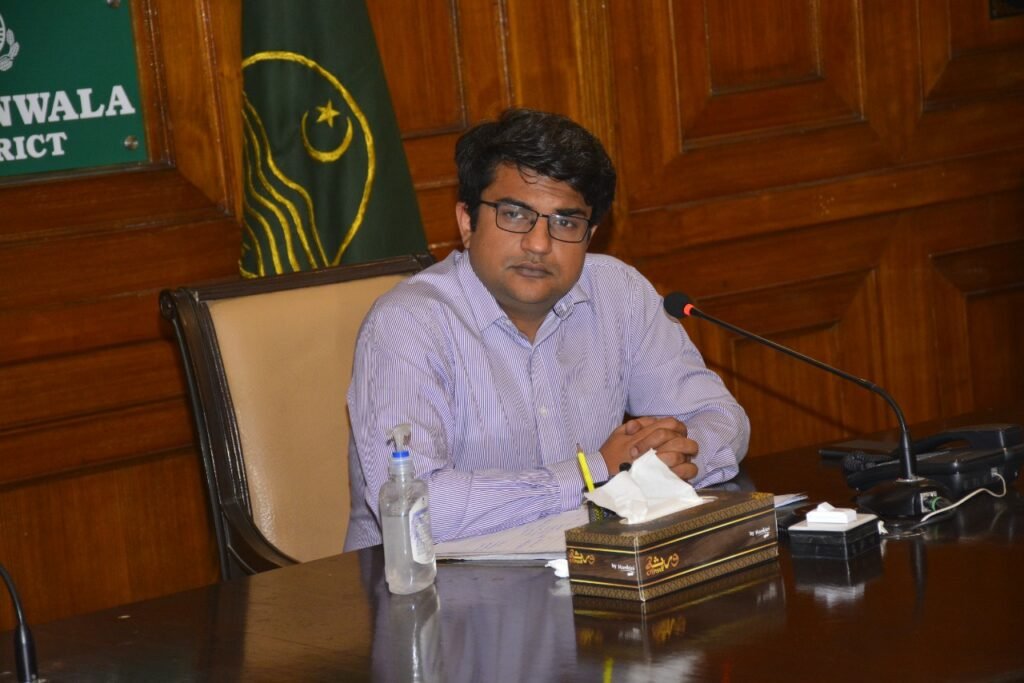
SARGODHA — The District Coordination Committee (DCC) of Sargodha convened on Thursday under the leadership of Deputy Commissioner Hussain Ahmad Raza Chaudhry to examine an 18-point agenda aimed at curbing crime and illegal activities in the district. The meeting emphasized the need for stronger coordination among various departments to ensure effective law enforcement and the timely implementation of government directives. What Happened The meeting, presided over by Deputy Commissioner Hussain Ahmad Raza Chaudhry, focused on reviewing the progress of an 18-point agenda designed to enhance public safety and order in Sargodha. The agenda included measures to combat crime, address illegal activities, and improve the overall security environment in the district. During the session, the Deputy Commissioner directed all relevant departments to bolster their coordination efforts. He stressed the importance of a unified approach to law enforcement, urging departments to work closely together to address the challenges posed by criminal activities and illegal operations. “We must ensure that our actions are swift and decisive to maintain law and order,” Deputy Commissioner Chaudhry stated. He highlighted the need for departments to share information and resources effectively to tackle the issues at hand. The DCC meeting also involved discussions on the implementation of government directives, with a focus on ensuring that policies are executed efficiently and effectively. The Deputy Commissioner called for regular updates on the progress of the agenda items and emphasized accountability among the departments involved. Background The District Coordination Committee in Sargodha is tasked with overseeing the implementation of government policies and directives at the district level. It serves as a platform for various departments to collaborate and coordinate efforts to improve governance and public service delivery. In recent years, Sargodha has faced challenges related to crime and illegal activities, prompting the need for a comprehensive strategy to address these issues. The DCC’s 18-point agenda is part of a broader effort to enhance security and public safety in the district. The role of the Deputy Commissioner is crucial in facilitating inter-departmental coordination and ensuring that government policies are implemented effectively. The DCC meetings provide an opportunity to assess progress, identify challenges, and develop strategies to overcome them. Why It Matters The DCC’s focus on strengthening measures against crime and illegal activities is significant for several reasons. Firstly, it underscores the government’s commitment to maintaining law and order, which is essential for the safety and well-being of citizens. Crime and illegal activities not only threaten public safety but also undermine economic stability and social cohesion. By enhancing coordination among departments, the DCC aims to create a more efficient and responsive law enforcement system. This approach is expected to lead to quicker identification and resolution of issues, thereby improving the overall security environment in Sargodha. Furthermore, the successful implementation of the 18-point agenda could serve as a model for other districts facing similar challenges. It highlights the importance of a coordinated response to complex issues and the need for accountability in public service delivery. For the residents of Sargodha, the DCC’s actions represent a proactive approach to addressing their concerns about crime and safety. Effective enforcement of laws and regulations can lead to a more secure and stable community, fostering trust in local authorities and government institutions. Key Takeaways The DCC meeting in Sargodha focused on an 18-point agenda to combat crime and illegal activities. Deputy Commissioner Hussain Ahmad Raza Chaudhry emphasized the need for stronger inter-departmental coordination. The agenda aims to enhance public safety and ensure effective implementation of government directives. The DCC’s actions are crucial for maintaining law and order and improving the security environment in Sargodha. Successful implementation could serve as a model for other districts facing similar challenges. Source Attribution This article is based on official government statements, press releases, and public communications from relevant authorities. Author: NEN Editorial Desk | Editor: NEN Newsroom | Fact Checked By: NEN Editorial Team Author: NEN Editorial Desk  |  Editor: NEN Newsroom  |  Last Updated: July 09, 2026  |  Source: NEN Reporter This article was produced by the NEN Editorial Desk in accordance with NEN Agency’s Editorial Policy and Fact-Checking Policy.

Pakistan

Sargodha Chamber Sets Election Schedule for 2026–28 Executive Body

SARGODHA — The Executive Body of the Sargodha Chamber of Small Traders and Small Industries has approved the election schedule for its 2026–28 term, marking a significant step in the chamber’s governance process. The decision, made on Thursday, includes the formation of a three-member Election Commission tasked with overseeing the electoral proceedings. What Happened The Sargodha Chamber of Small Traders and Small Industries convened a meeting on Thursday, where the executive body unanimously agreed on the election schedule for the upcoming 2026–28 term. This decision is crucial for ensuring a smooth transition and continuity in leadership within the chamber, which plays a pivotal role in representing the interests of small traders and industries in the region. In addition to setting the election dates, the chamber established a three-member Election Commission. This commission is responsible for ensuring that the electoral process is conducted fairly and transparently. The members of the commission are expected to adhere to strict guidelines to maintain the integrity of the elections, which are vital for the chamber’s democratic functioning. The chamber’s executive body emphasized the importance of these elections in fostering a leadership that can effectively advocate for the needs and concerns of small traders and industries. The approved schedule and the formation of the Election Commission are seen as steps towards enhancing transparency and accountability in the chamber’s operations. Background The Sargodha Chamber of Small Traders and Small Industries has been a cornerstone for local businesses, providing a platform for advocacy and support. Historically, the chamber has played a crucial role in addressing the challenges faced by small traders, including issues related to taxation, regulatory compliance, and market access. In previous election cycles, the chamber has faced challenges related to voter turnout and engagement. However, recent efforts to increase member participation and transparency have seen improvements. The chamber’s commitment to a structured electoral process reflects its dedication to democratic principles and effective representation. Election commissions in such chambers are typically tasked with ensuring that all eligible members have the opportunity to participate in the elections, thereby strengthening the chamber’s mandate and credibility. The formation of the commission is a continuation of this tradition, aimed at upholding the chamber’s standards of governance. Why It Matters The approval of the election schedule for the Sargodha Chamber of Small Traders and Small Industries is significant for several reasons. Economically, the chamber’s leadership plays a critical role in advocating for policies that support small businesses, which are a vital component of the local economy. Effective leadership can influence policy decisions that impact taxation, business regulation, and market opportunities. Socially, the chamber’s activities and leadership can affect the livelihoods of many families dependent on small businesses. By ensuring a fair and transparent electoral process, the chamber can build trust among its members and the broader community, fostering a sense of unity and shared purpose. Politically, the chamber’s elections can set a precedent for other business associations in Pakistan, demonstrating the importance of democratic practices and accountability. As small businesses form the backbone of the national economy, their representation and leadership can have far-reaching implications for economic policy and development strategies at both local and national levels. Key Takeaways The Sargodha Chamber of Small Traders and Small Industries has approved the election schedule for its 2026–28 term. A three-member Election Commission has been formed to oversee the electoral process. The chamber plays a crucial role in advocating for small traders and industries in the region. Effective leadership from the chamber can influence economic policies affecting small businesses. The elections underscore the importance of democratic practices in business associations. Source Attribution This article is based on official government statements, press releases, and public communications from relevant authorities. Author: NEN Editorial Desk | Editor: NEN Newsroom | Fact Checked By: NEN Editorial Team Author: NEN Editorial Desk  |  Editor: NEN Newsroom  |  Last Updated: July 09, 2026  |  Source: NEN Reporter This article was produced by the NEN Editorial Desk in accordance with NEN Agency’s Editorial Policy and Fact-Checking Policy.

Scroll to Top