
Author name: NEN News

Pakistan

Pakistan’s Stock Market Investor Accounts Surge by 48% in FY 2025-26

ISLAMABAD — Pakistan’s capital market witnessed a remarkable surge in investor accounts during the financial year 2025-26, marking a 48% increase, the highest annual growth recorded in the country’s history. This unprecedented rise underscores the growing confidence in Pakistan’s economic landscape and the capital market’s potential for investors. What Happened The financial year 2025-26 has proven to be a landmark period for Pakistan’s stock market, with investor accounts experiencing a historic 48% growth. This development reflects an increasing interest among both domestic and international investors in the country’s capital market. The surge in investor accounts is attributed to several factors, including favorable economic policies, improved regulatory frameworks, and a stable macroeconomic environment. According to official sources, the number of investor accounts reached new heights, driven by enhanced accessibility to the stock market and innovative financial products. The Securities and Exchange Commission of Pakistan (SECP) has played a pivotal role in facilitating this growth by implementing reforms aimed at enhancing transparency and investor protection. A spokesperson from the SECP stated, “The significant increase in investor accounts is a testament to the effectiveness of our regulatory measures and the confidence investors have in the market’s future prospects.” Moreover, technological advancements and digital platforms have made it easier for individuals to participate in stock market activities. Online trading platforms and mobile applications have democratized access to the market, allowing a broader segment of the population to invest and manage their portfolios with ease. Background Pakistan’s stock market has undergone significant transformations over the past few decades. Historically, the market faced challenges such as political instability, economic volatility, and regulatory hurdles. However, in recent years, concerted efforts by the government and regulatory bodies have led to a more robust and resilient capital market. The SECP, established in 1997, has been instrumental in reforming the market’s regulatory framework, ensuring compliance with international standards, and fostering investor confidence. Initiatives such as the introduction of the Central Depository Company (CDC) and the National Clearing Company of Pakistan Limited (NCCPL) have streamlined settlement processes and enhanced market efficiency. Why It Matters The 48% growth in investor accounts is a significant indicator of Pakistan’s economic trajectory and the stock market’s role in it. This surge not only reflects increased investor confidence but also signals a maturing financial market capable of attracting substantial capital flows. For the economy, this growth translates into enhanced capital formation, which can fuel business expansions, job creation, and overall economic development. On a social level, the increased participation of retail investors in the stock market empowers individuals by providing them with opportunities to grow their wealth and secure their financial futures. This democratization of investment is crucial for reducing economic disparities and fostering inclusive growth. Internationally, the robust growth of Pakistan’s stock market positions the country as an attractive destination for foreign investment. A thriving capital market is often seen as a barometer of economic health, and Pakistan’s impressive growth figures could bolster its reputation on the global stage, potentially leading to increased foreign direct investment and partnerships. Key Takeaways Pakistan’s stock market investor accounts grew by 48% in FY 2025-26, the highest annual increase on record. The growth is attributed to favorable economic policies, improved regulations, and technological advancements. The SECP’s reforms have been crucial in enhancing market transparency and investor confidence. This surge in investor accounts signals a maturing financial market and increased economic potential. The development positions Pakistan as a more attractive destination for both domestic and international investors. Source Attribution This article is based on official government statements, press releases, and public communications from relevant authorities. Author: NEN Editorial Desk | Editor: NEN Newsroom | Fact Checked By: NEN Editorial Team Author: NEN Editorial Desk  |  Editor: NEN Newsroom  |  Last Updated: July 09, 2026  |  Source: NEN Reporter This article was produced by the NEN Editorial Desk in accordance with NEN Agency’s Editorial Policy and Fact-Checking Policy.

Pakistan

SBP and FDA Collaborate to Expedite Housing Finance for ‘Apna Ghar’ Scheme

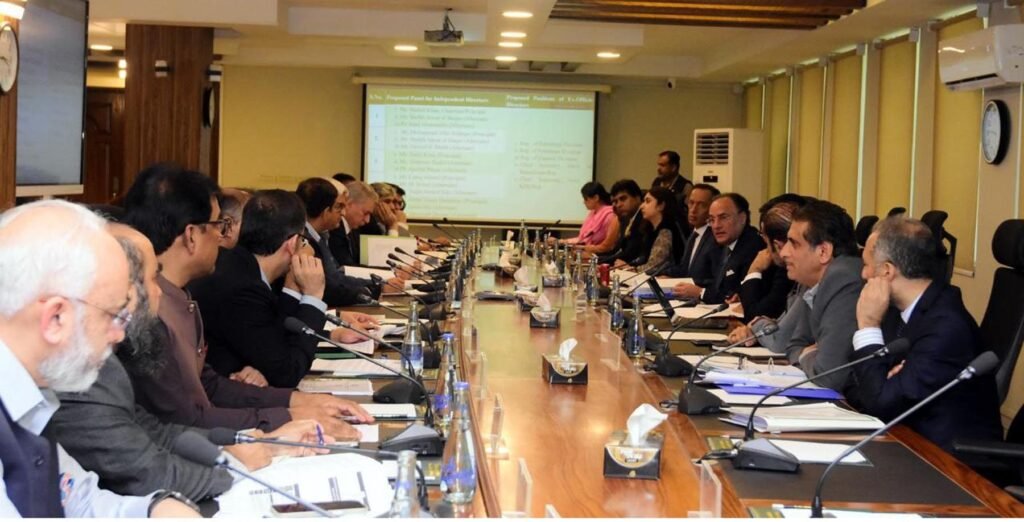
ISLAMABAD — The State Bank of Pakistan (SBP) and the Faisalabad Development Authority (FDA) have announced a collaborative effort to enhance the efficiency of housing finance processes under the Prime Minister’s ‘Apna Ghar’ scheme. This initiative, aimed at accelerating the provision of affordable housing, was formalized in a meeting held on October 15, 2023, in Faisalabad. What Happened The SBP and FDA have agreed to strengthen their coordination to streamline the application procedures for housing finance under the ‘Apna Ghar’ scheme. This partnership is expected to reduce bureaucratic delays and facilitate quicker access to financing for applicants. The meeting, attended by senior officials from both organizations, focused on identifying bottlenecks in the current process and devising strategies to overcome them. According to a statement from the SBP, the collaboration will involve the integration of digital platforms to process applications more efficiently. The SBP Governor, Jameel Ahmad, emphasized the importance of this partnership, stating, “Our goal is to make affordable housing accessible to all eligible citizens by reducing procedural hurdles and ensuring timely disbursement of funds.” The FDA Director General, Muhammad Asif Chaudhry, highlighted the role of local development authorities in facilitating housing projects. “By working closely with the SBP, we aim to ensure that the benefits of the ‘Apna Ghar’ scheme reach the intended beneficiaries swiftly,” he said. Background The ‘Apna Ghar’ scheme was launched by the government in 2020 as part of its broader initiative to address the housing shortage in Pakistan. The programme aims to provide affordable housing to low and middle-income families, with a target of constructing five million homes over five years. The SBP has been tasked with overseeing the financial aspects of the scheme, while local development authorities like the FDA are responsible for the implementation at the regional level. Previously, the scheme faced challenges due to complex application procedures and delays in the approval and disbursement of funds. These issues have been a significant barrier to achieving the programme’s ambitious targets. The recent collaboration between the SBP and FDA is seen as a crucial step towards overcoming these obstacles. Why It Matters The collaboration between the SBP and FDA is significant for several reasons. Economically, it promises to stimulate the construction sector by ensuring a steady flow of financing to housing projects. This, in turn, is expected to create job opportunities and contribute to economic growth. The construction industry is a major driver of employment in Pakistan, and its revitalization is crucial for the country’s economic recovery post-COVID-19. Socially, the initiative addresses the pressing issue of housing shortages in urban areas. With rapid urbanization, the demand for affordable housing has surged, leaving many families without adequate shelter. By expediting the financing process, the ‘Apna Ghar’ scheme can provide timely relief to these families, improving their quality of life. Politically, the success of the ‘Apna Ghar’ scheme is vital for the government, as it is a key component of its social welfare agenda. Demonstrating progress in this area can bolster public confidence in the government’s ability to deliver on its promises, particularly in the lead-up to the next general elections. Key Takeaways The SBP and FDA have partnered to expedite housing finance under the ‘Apna Ghar’ scheme. The collaboration aims to streamline application procedures and reduce bureaucratic delays. The initiative is expected to boost the construction sector and create job opportunities. Improving access to affordable housing addresses a critical social need in urban areas. The success of the scheme is politically important for the government’s social welfare agenda. Source Attribution This article is based on official government statements and public communications from relevant authorities. Author: NEN Editorial Desk | Editor: NEN Newsroom | Fact Checked By: NEN Editorial Team Author: NEN Editorial Desk  |  Editor: NEN Newsroom  |  Last Updated: July 09, 2026  |  Source: NEN Reporter This article was produced by the NEN Editorial Desk in accordance with NEN Agency’s Editorial Policy and Fact-Checking Policy.
World

CCoSOEs Removes SMEDA from State-Owned Enterprises List

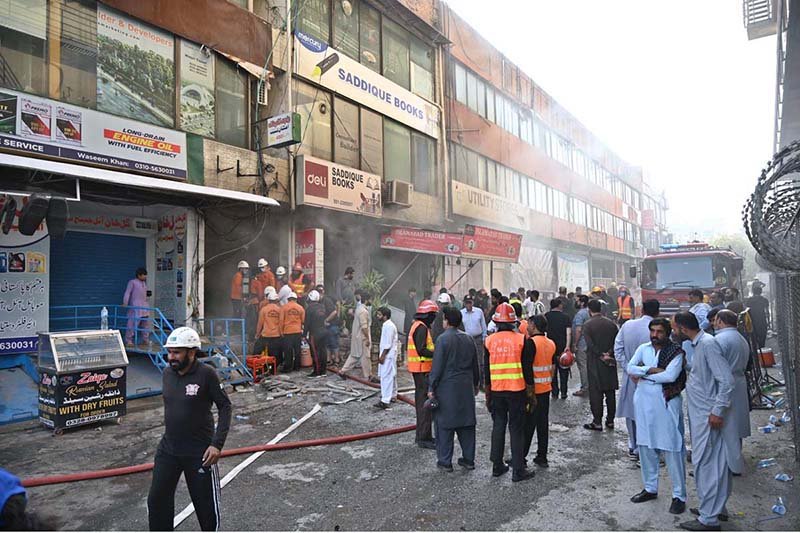
ISLAMABAD — The Cabinet Committee on State-Owned Enterprises (CCoSOEs) has decided to remove the Small and Medium Enterprises Development Authority (SMEDA) from the list of State-Owned Enterprises (SOEs). This decision, announced on Thursday, also includes a directive to the Petroleum Division to revise its proposal concerning exemptions from international financial reporting standards (IFRS) for certain energy sector SOEs. What Happened The CCoSOEs, in its recent meeting, took the significant step of delisting SMEDA from the roster of SOEs. The decision reflects a strategic move to streamline the list of entities considered as state-owned, potentially altering the operational and financial oversight mechanisms applicable to SMEDA. The committee also addressed the Petroleum Division’s proposal, which sought exemptions for specific energy sector SOEs from adhering to IFRS. The CCoSOEs instructed the division to reassess and modify its proposal to align with broader financial transparency and accountability goals. The decision to delist SMEDA is part of a broader governmental effort to redefine the scope and management of public sector enterprises. SMEDA, established to foster the growth of small and medium enterprises in Pakistan, will now operate outside the regulatory framework typically applied to SOEs. This change may impact its funding, governance, and operational strategies. In parallel, the directive to revise the IFRS exemption proposal underscores the government’s commitment to maintaining international financial standards. By revisiting the proposal, the CCoSOEs aims to ensure that any exemptions granted do not compromise the integrity and transparency of financial reporting within the energy sector. Background SMEDA was established in 1998 with the primary objective of promoting and facilitating the development of small and medium enterprises in Pakistan. As an SOE, it has been subject to specific regulatory and financial oversight designed to ensure accountability and efficient use of resources. The CCoSOEs, responsible for overseeing the performance and governance of SOEs, periodically reviews the list of entities classified under this category to ensure alignment with strategic national interests. International Financial Reporting Standards are globally recognized accounting standards that ensure transparency, accountability, and efficiency in financial markets. The Petroleum Division’s proposal for exemptions reflects the unique challenges faced by energy sector SOEs, which often operate under different financial and operational constraints compared to other industries. Why It Matters The removal of SMEDA from the SOE list is a pivotal development with several implications for the SME sector in Pakistan. By operating outside the SOE framework, SMEDA may gain greater flexibility in its operations, allowing it to adopt more innovative and responsive strategies to support SMEs. However, this also means that SMEDA will need to ensure robust internal governance to maintain transparency and accountability without the direct oversight typically provided to SOEs. For the energy sector, the revision of the IFRS exemption proposal is crucial. Adherence to international financial standards is vital for attracting foreign investment and maintaining investor confidence. By revisiting the proposal, the government signals its intent to uphold these standards, thereby enhancing the credibility and attractiveness of Pakistan’s energy sector to international investors. Overall, these decisions reflect a broader governmental strategy to optimize the management and performance of public sector entities, ensuring they contribute effectively to national economic goals while adhering to international best practices. Key Takeaways The CCoSOEs has removed SMEDA from the list of State-Owned Enterprises. The Petroleum Division is instructed to revise its IFRS exemption proposal for energy sector SOEs. SMEDA’s delisting may enhance its operational flexibility but requires strong internal governance. Revising the IFRS proposal underscores the importance of financial transparency in the energy sector. These decisions align with the government’s strategy to optimize public sector enterprise management. Source Attribution This article is based on official government statements, press releases, and public communications from relevant authorities. Author: NEN Editorial Desk | Editor: NEN Newsroom | Fact Checked By: NEN Editorial Team Author: NEN Editorial Desk  |  Editor: NEN Newsroom  |  Last Updated: July 09, 2026  |  Source: Press Release from Government of Pakistan This article was produced by the NEN Editorial Desk in accordance with NEN Agency’s Editorial Policy and Fact-Checking Policy.
World

Firefighters Battle Blaze in Karachi Company’s G-9 Markaz Mall Basement

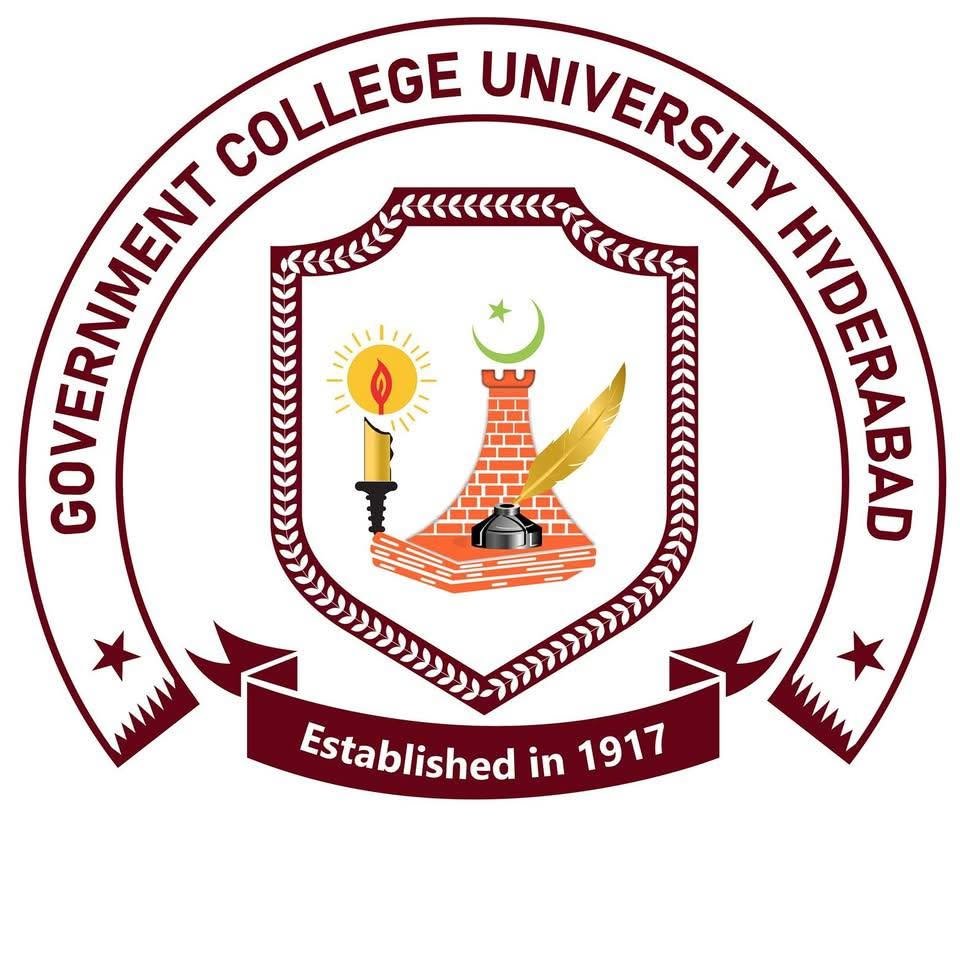
ISLAMABAD — Firefighters are actively working to control a fire that broke out in the basement of a shopping mall located in the Karachi Company, G-9 Markaz area of Islamabad on July 9. The fire, which has caused significant concern among local businesses and residents, is being tackled by emergency services as they strive to prevent further damage and ensure safety. What Happened The fire erupted in the early hours of the morning in the basement of the shopping mall, prompting an immediate response from the firefighting units. According to eyewitnesses, thick plumes of smoke were seen billowing from the building, causing panic among shop owners and customers. The Islamabad Fire Service dispatched multiple fire engines to the scene, working tirelessly to contain the blaze and prevent it from spreading to other parts of the mall. Authorities have not yet determined the cause of the fire, but initial reports suggest it may have started due to an electrical fault. Firefighters are employing all available resources to control the situation, and their efforts have been ongoing for several hours. An official from the Islamabad Fire Service stated, “Our teams are doing their utmost to bring the fire under control and ensure the safety of everyone involved.” The mall, a popular shopping destination in the G-9 Markaz area, hosts numerous retail outlets and attracts a significant number of visitors daily. As a precautionary measure, the entire mall has been evacuated, and nearby roads have been cordoned off to facilitate the firefighting operation and ensure public safety. Background The Karachi Company area, known for its bustling commercial activity, has been a focal point for business in Islamabad for many years. The shopping mall in question is one of several in the vicinity, contributing to the area’s reputation as a major retail hub. This incident is not the first of its kind; previous fires in commercial areas have highlighted the need for stringent safety measures and regular inspections to prevent such occurrences. In recent years, there has been an increased emphasis on improving fire safety standards in commercial buildings across Pakistan. The government has introduced various regulations mandating the installation of fire alarms, extinguishers, and emergency exits in shopping malls and other public places. However, enforcement remains a challenge, and incidents like this underscore the importance of adhering to safety protocols. Why It Matters The fire at the Karachi Company shopping mall is a stark reminder of the vulnerabilities that exist within Pakistan’s commercial infrastructure. It highlights the urgent need for improved safety measures and stricter enforcement of existing regulations to protect lives and property. The economic implications are also significant, as businesses located within the mall face potential losses due to damage and disruption. For local shop owners and employees, the fire represents not only a threat to their livelihoods but also a disruption to the community’s daily life. The mall is a key economic driver in the area, and any prolonged closure could have a ripple effect on the local economy. Additionally, the incident raises concerns about the preparedness of emergency services to handle such crises effectively and efficiently. On a broader scale, the fire serves as a call to action for policymakers and stakeholders to prioritize fire safety and disaster preparedness. Ensuring that commercial establishments comply with safety standards is crucial to preventing future incidents and safeguarding public welfare. Key Takeaways A fire broke out in the basement of a shopping mall in Karachi Company’s G-9 Markaz area. Firefighters are actively working to control the blaze and prevent further damage. The cause of the fire is suspected to be an electrical fault, though investigations are ongoing. The incident underscores the need for improved fire safety measures and enforcement in commercial areas. The economic impact on local businesses and the community could be significant if the mall remains closed. Source Attribution This article is based on official government statements, press releases, and public communications from relevant authorities. Author: NEN Editorial Desk | Editor: NEN Newsroom | Fact Checked By: NEN Editorial Team Author: NEN Editorial Desk  |  Editor: NEN Newsroom  |  Last Updated: July 09, 2026  |  Source: NEN Reporter This article was produced by the NEN Editorial Desk in accordance with NEN Agency’s Editorial Policy and Fact-Checking Policy.

Pakistan

GCU Hyderabad Conducts First Centralized Lecturer Recruitment Exam

HYDERABAD — The Government College University (GCU) Hyderabad has successfully conducted its first-ever centralized written examination for the recruitment of lecturers in various disciplines, marking a significant step towards transparency and merit-based hiring. The examination took place on October 15, 2023, and was aimed at filling the BPS-17 lecturer positions. What Happened The recruitment test, held on the university campus, was a centralized written examination designed to ensure fairness and transparency in the hiring process. This initiative is part of GCU Hyderabad’s broader efforts to uphold merit and administrative autonomy in its recruitment practices. The examination was conducted across multiple disciplines, attracting a large number of candidates vying for the lecturer positions. According to university officials, the centralized exam format was introduced to standardize the recruitment process and eliminate any biases or irregularities that might arise from decentralized testing methods. The university administration emphasized that the new system aims to provide equal opportunities to all candidates, ensuring that selections are made purely on the basis of merit. Dr. Asif Ali, the Vice Chancellor of GCU Hyderabad, stated, “This is a historic moment for our university. By conducting a centralized recruitment test, we are not only promoting transparency but also setting a benchmark for other institutions to follow.” He further added that the university is committed to maintaining high academic standards and that this new recruitment process is a testament to that commitment. Background Historically, recruitment processes in many public sector universities in Pakistan have faced criticism for lack of transparency and alleged favoritism. Decentralized recruitment methods often led to inconsistencies and accusations of nepotism. In response to these challenges, GCU Hyderabad decided to implement a centralized system to ensure a fair and transparent selection process. The introduction of the centralized examination is part of a series of reforms initiated by the university to improve its academic and administrative functions. These reforms are aligned with the Higher Education Commission’s (HEC) guidelines aimed at enhancing the quality of higher education in Pakistan. Why It Matters The successful implementation of a centralized recruitment test at GCU Hyderabad is significant for several reasons. Firstly, it represents a shift towards more transparent and merit-based hiring practices in the higher education sector, which has long been plagued by allegations of corruption and favoritism. By adopting this new system, GCU Hyderabad is setting a precedent for other universities to follow, potentially leading to widespread reforms in the recruitment processes across the country. Economically, the move could enhance the quality of education provided by the university, as hiring based on merit ensures that the most qualified candidates are selected for teaching positions. This, in turn, can improve the overall educational outcomes for students, better preparing them for the workforce and contributing to the country’s development. Socially, the centralized recruitment process promotes equal opportunity, allowing candidates from diverse backgrounds to compete on a level playing field. This can help reduce disparities and foster a more inclusive educational environment. Internationally, adopting transparent recruitment practices can enhance the reputation of Pakistani universities, attracting more international collaborations and funding. As global educational standards continue to rise, such reforms are crucial for Pakistani institutions to remain competitive on the world stage. Key Takeaways GCU Hyderabad conducted its first centralized recruitment test for lecturers, ensuring transparency and merit-based hiring. The examination was held on October 15, 2023, and aimed to fill BPS-17 lecturer positions across various disciplines. This initiative aligns with broader reforms to improve academic standards and administrative functions at the university. The move sets a precedent for other Pakistani universities, potentially leading to wider reforms in recruitment processes. Transparent hiring practices can enhance the quality of education and improve the international reputation of Pakistani institutions. Source Attribution The article is based on official statements and public communications from Government College University Hyderabad. Author: NEN Editorial Desk | Editor: NEN Newsroom | Fact Checked By: NEN Editorial Team Author: NEN Editorial Desk  |  Editor: NEN Newsroom  |  Last Updated: July 09, 2026  |  Source: NEN Reporter This article was produced by the NEN Editorial Desk in accordance with NEN Agency’s Editorial Policy and Fact-Checking Policy.

World

Pakistan, US Engage In Trade Negotiations In Washington

WASHINGTON — Pakistan and the United States are engaged in negotiations over an ‘Agreement on Reciprocal Trade’ in Washington, D.C., taking place on Thursday and Friday. The discussions are being led by Secretary Commerce Jawad Paul, representing the Pakistani delegation, which includes key officials such as Tahir Andrabi, ACDIS Secretary OPHRD, Nadeem Chaudhary, and Joint Secretary Tariff Policy Ashfaq Khan. What Happened The negotiations between Pakistan and the United States focus on enhancing bilateral trade relations through the proposed ‘Agreement on Reciprocal Trade.’ This agreement aims to facilitate smoother trade exchanges by addressing tariff barriers, regulatory hurdles, and other impediments that currently affect trade between the two nations. The talks are being held in Washington, D.C., a strategic location for such high-level discussions, reflecting the importance both countries place on strengthening economic ties. Secretary Commerce Jawad Paul leads the Pakistani delegation, which includes senior officials from various departments. The U.S. side is represented by counterparts from the Department of Commerce and other relevant agencies. The discussions are expected to cover a range of issues, including market access, trade facilitation measures, and the potential for increased investment opportunities in both countries. According to a statement from the Foreign Office, the negotiations are part of ongoing efforts to build a more robust economic partnership. “These talks are crucial for addressing the challenges and opportunities in our trade relationship,” said a spokesperson for the Foreign Office. The discussions are anticipated to pave the way for a formal agreement that could significantly boost trade volumes between Pakistan and the United States. Background Historically, trade between Pakistan and the United States has been characterized by fluctuations due to various geopolitical and economic factors. The two countries have maintained a trade relationship for decades, with the U.S. being one of Pakistan’s largest trading partners. In recent years, efforts have been made to diversify the trade portfolio, moving beyond traditional exports such as textiles and garments to include sectors like information technology and agriculture. Previous attempts to formalize trade agreements have encountered challenges, often due to differing priorities and economic policies. However, recent geopolitical shifts and economic needs have prompted both nations to revisit and potentially revamp their trade agreements. The current negotiations are seen as a continuation of these efforts, aiming to establish a more predictable and mutually beneficial trade framework. Why It Matters The outcome of these negotiations holds significant implications for both Pakistan and the United States. For Pakistan, a successful trade agreement could lead to increased exports, job creation, and economic growth. The U.S. market presents substantial opportunities for Pakistani goods, and reducing trade barriers could enhance the competitiveness of Pakistani products. For the United States, strengthening trade ties with Pakistan aligns with broader strategic interests in the region. It also offers American businesses access to a growing market with significant potential for investment and expansion. Moreover, enhancing economic cooperation could serve as a stabilizing factor in the broader geopolitical context, fostering stronger bilateral relations. Economically, the agreement could contribute to Pakistan’s efforts to diversify its export base and reduce its trade deficit. Socially, increased trade could lead to job creation and improved living standards for many Pakistanis. Politically, a successful agreement could bolster the government’s standing by demonstrating its ability to secure favorable international deals. Key Takeaways Pakistan and the United States are negotiating an ‘Agreement on Reciprocal Trade’ in Washington, D.C. The talks aim to address trade barriers and enhance economic cooperation between the two countries. Secretary Commerce Jawad Paul leads the Pakistani delegation in these discussions. The agreement could significantly boost trade volumes and economic ties between Pakistan and the U.S. A successful deal could have positive economic, social, and political impacts for Pakistan. Source Attribution This article is based on official government statements, press releases, and public communications from relevant authorities. Author: NEN Editorial Desk | Editor: NEN Newsroom | Fact Checked By: NEN Editorial Team Author: NEN Editorial Desk  |  Editor: NEN Newsroom  |  Last Updated: July 09, 2026  |  Source: NEN Reporter This article was produced by the NEN Editorial Desk in accordance with NEN Agency’s Editorial Policy and Fact-Checking Policy.
Pakistan

CM Punjab Championship Trials Scheduled for Rawalpindi Cricket Team

RAWALPINDI — Trials for the Chief Minister Punjab Championship cricket team representing the Rawalpindi Division are scheduled to take place on July 12 at the Rawal Park Cricket Ground, located on Rawal Road. This event is set to feature top leather-ball cricketers from six districts, marking a significant step in the selection process for the regional team. What Happened The upcoming trials are part of the Chief Minister Punjab Championship, an initiative aimed at promoting cricket talent across the province. The trials will bring together talented cricketers from the Rawalpindi Division, which includes six districts: Rawalpindi, Attock, Jhelum, Chakwal, Mianwali, and Bhakkar. These players will compete for a spot on the team that will represent the division in the championship. According to the organizers, the trials are designed to identify and nurture cricket talent at the grassroots level, providing a platform for young and aspiring cricketers to showcase their skills. The selection process will be overseen by a panel of experienced coaches and selectors who will evaluate the players based on their performance, skill level, and potential. The Rawal Park Cricket Ground, known for its well-maintained facilities, will host the trials. The ground is expected to witness intense competition as players vie for a place on the team. The trials are open to all eligible players from the six districts, and participants are required to register in advance to secure their spot in the trials. Background The Chief Minister Punjab Championship is part of a broader effort by the provincial government to enhance the standard of cricket in Punjab. This initiative aligns with Pakistan’s national strategy to develop sports infrastructure and talent at the regional level. Historically, Punjab has been a significant contributor to Pakistan’s cricket talent pool, with numerous national players hailing from the province. The championship aims to provide a structured pathway for young cricketers to progress from local to national levels. By organizing such trials, the government seeks to ensure that talent from all corners of the province is given an opportunity to shine. Why It Matters The trials for the CM Punjab Championship hold considerable importance for several reasons. Firstly, they offer a platform for local talent to be recognized and potentially advance to higher levels of competition. This is crucial for the development of cricket in Pakistan, as it ensures a continuous supply of skilled players who can represent the country on international stages. Economically, the promotion of sports like cricket can have a positive impact on local communities. It can lead to increased investment in sports infrastructure, create job opportunities, and boost local businesses that cater to sports events. Socially, cricket serves as a unifying force, bringing together people from diverse backgrounds and fostering a sense of community and pride. Politically, the trials and the championship reflect the government’s commitment to promoting sports and youth development. By investing in such initiatives, the government aims to engage the youth in productive activities, reducing the risk of social issues such as unemployment and crime. Key Takeaways The CM Punjab Championship trials for the Rawalpindi cricket team are scheduled for July 12. The trials will be held at Rawal Park Cricket Ground, featuring players from six districts. The initiative aims to promote cricket talent and provide a platform for young players. The championship is part of efforts to develop sports infrastructure in Punjab. The trials have significant economic, social, and political implications for the region. Source Attribution This article is based on official government statements, press releases, and public communications from relevant authorities. Author: NEN Editorial Desk | Editor: NEN Newsroom | Fact Checked By: NEN Editorial Team Author: NEN Editorial Desk  |  Editor: NEN Newsroom  |  Last Updated: July 09, 2026  |  Source: NEN Reporter This article was produced by the NEN Editorial Desk in accordance with NEN Agency’s Editorial Policy and Fact-Checking Policy.
World

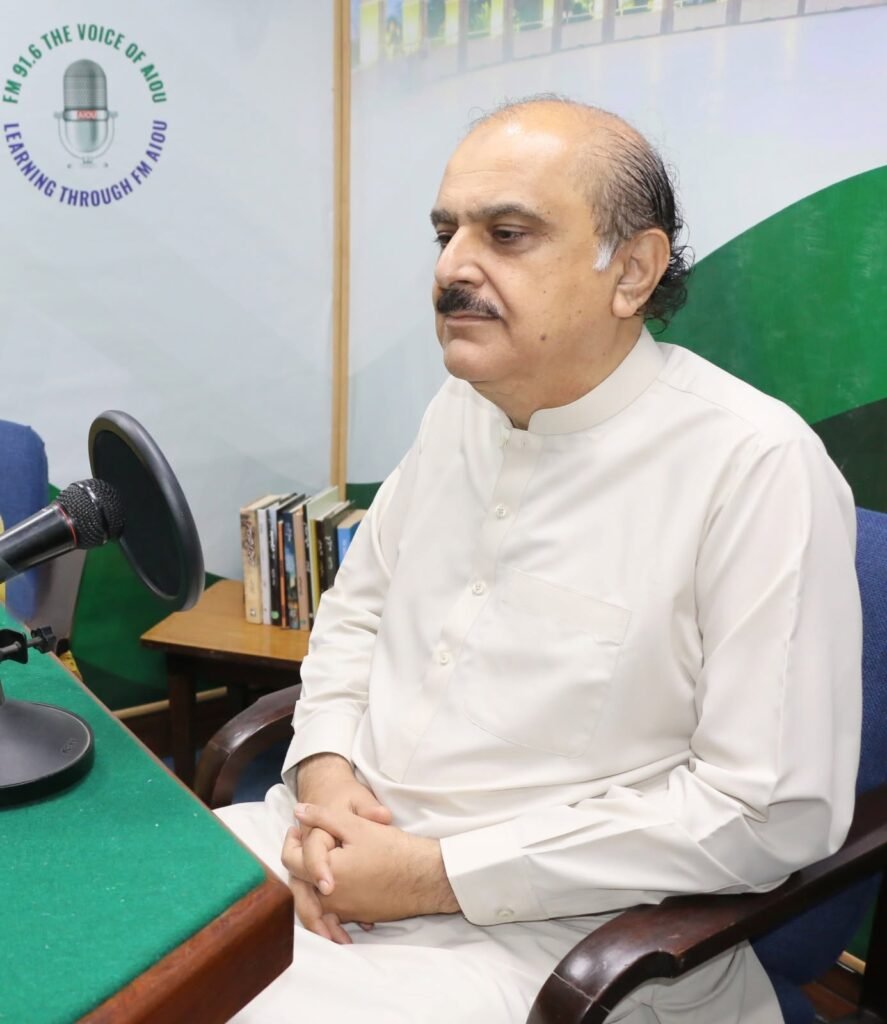
International Hockey Coaches Arrive, Rs 6 Billion Sought for SAF Games

ISLAMABAD — Five international hockey coaches are set to arrive in Pakistan to enhance the skills of national players and local coaches, according to Federal Secretary for Inter-Provincial Coordination (IPC), Mohyuddin Ahmad Wani. Additionally, the government is seeking Rs 6 billion to host the upcoming South Asian Games (SAF Games) in Islamabad and Lahore. What Happened During a press briefing on Thursday, Mohyuddin Ahmad Wani announced the arrival of five international hockey coaches who will work with Pakistan’s national team and local coaches. This initiative is part of a broader effort to elevate the standard of hockey in Pakistan, a sport that has historically been a source of national pride. The Secretary also disclosed that the government is actively seeking Rs 6 billion in funding to successfully organize the South Asian Games, scheduled to be held in Islamabad and Lahore. The SAF Games are a significant event in the regional sports calendar, and the funding is crucial to ensure that the facilities and logistics meet international standards. In a related development, the ban on Pakistan’s football activities has been lifted, which is expected to revitalize the sport in the country. The lifting of the ban is seen as a positive step towards re-engaging with international football bodies and improving the sport’s infrastructure domestically. Background Pakistan has a rich history in field hockey, having won numerous Olympic and World Cup titles in the past. However, in recent decades, the sport has seen a decline in performance and popularity. Efforts to revive hockey have included international collaborations and the hiring of foreign coaches to bring new techniques and strategies to the national team. The South Asian Games, held every two years, are a multi-sport event involving athletes from South Asian countries. Pakistan has previously hosted the games, with the last edition taking place in 2004. The upcoming games are seen as an opportunity to showcase Pakistan’s ability to host international sporting events and foster regional cooperation. Football in Pakistan has faced challenges, including administrative disputes and a lack of infrastructure, leading to a suspension by international football governing bodies. The recent lifting of the ban is a critical step towards rebuilding the sport and engaging with international competitions. Why It Matters The arrival of international hockey coaches is a significant development for Pakistan’s sports sector. It represents a strategic effort to reclaim the country’s former glory in field hockey by integrating international expertise into the training and development of players. This move is expected to enhance the competitiveness of the national team on the world stage. The Rs 6 billion funding request for the SAF Games underscores the importance of the event in promoting sports diplomacy and regional cooperation. Successfully hosting the games could boost Pakistan’s reputation as a capable host of international events, potentially attracting future opportunities and investments in the sports sector. The lifting of the football ban is a positive development for the sport in Pakistan. It opens avenues for international participation and collaboration, which could lead to improvements in infrastructure and talent development. This is crucial for engaging the youth in sports and promoting a healthier society. Key Takeaways Five international hockey coaches are arriving in Pakistan to train national players and coaches. The government is seeking Rs 6 billion to host the South Asian Games in Islamabad and Lahore. The ban on Pakistan’s football activities has been lifted, paving the way for international engagement. The initiatives are part of efforts to revive sports in Pakistan and improve international standing. Successful hosting of the SAF Games could enhance Pakistan’s reputation in the international sports community. Source Attribution This article is based on official government statements, press releases, and public communications from relevant authorities. Author: NEN Editorial Desk | Editor: NEN Newsroom | Fact Checked By: NEN Editorial Team Author: NEN Editorial Desk  |  Editor: NEN Newsroom  |  Last Updated: July 09, 2026  |  Source: NEN Reporter This article was produced by the NEN Editorial Desk in accordance with NEN Agency’s Editorial Policy and Fact-Checking Policy.
Pakistan

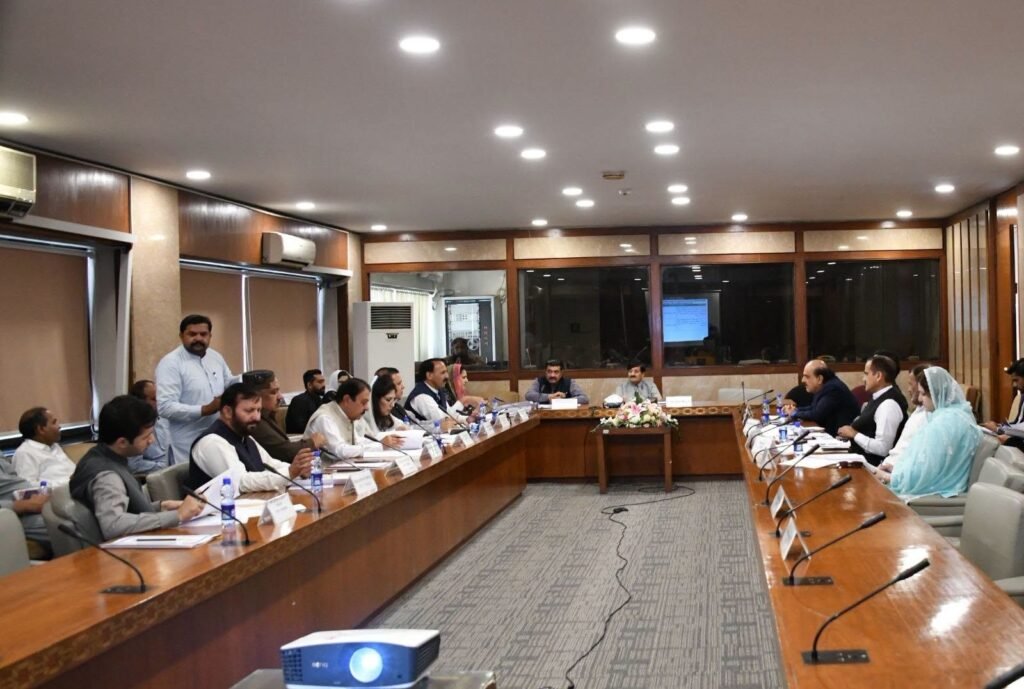
NA Committee Urges Equal Sports Facility Distribution Across Provinces

ISLAMABAD — The National Assembly Standing Committee on Inter-Provincial Coordination (IPC) on Thursday called for a fair distribution of sports facilities across Pakistan’s provinces. The committee directed the Ministry of Inter-Provincial Coordination to prioritize the establishment of modern sports complexes in Khyber Pakhtunkhwa and Balochistan, aiming to provide equal opportunities for young athletes. What Happened During a session held in Islamabad, the National Assembly Standing Committee on IPC emphasized the importance of equitable access to sports infrastructure. The committee highlighted disparities in the availability of sports facilities across the country, with some provinces lacking adequate resources for the development of young athletes. The members stressed that sports are a crucial element in youth development and national cohesion, urging the Ministry to take immediate action to address these imbalances. The committee specifically pointed out the need for modern sports complexes in Khyber Pakhtunkhwa and Balochistan. These regions have historically been underserved in terms of sports infrastructure, limiting the potential of local athletes. The committee’s directive aims to ensure that young athletes in these provinces have the same opportunities as those in more developed regions. Committee Chairperson Nawab Sher expressed concern over the current state of sports facilities in these provinces, stating, “The youth in Khyber Pakhtunkhwa and Balochistan have immense potential, but they are held back by the lack of proper facilities. It is our responsibility to provide them with the necessary resources to excel.” Background Pakistan’s sports infrastructure has long been a topic of debate, with significant disparities between provinces. Historically, Punjab and Sindh have received more attention and funding for sports facilities, leaving other provinces like Khyber Pakhtunkhwa and Balochistan lagging behind. This disparity has been attributed to various factors, including political priorities and budget allocations. The Ministry of Inter-Provincial Coordination is responsible for promoting sports across the country and ensuring that all regions receive equitable support. However, challenges such as limited funding and bureaucratic hurdles have often impeded progress. Previous attempts to address these issues have seen mixed results, with some initiatives failing to reach their intended goals due to lack of sustained effort and resources. Why It Matters The committee’s call for equitable distribution of sports facilities is significant for several reasons. Firstly, it highlights the need for national unity and cohesion through sports. By providing equal opportunities to all provinces, the government can foster a sense of belonging and national pride among young athletes. Secondly, the development of sports infrastructure in underserved regions like Khyber Pakhtunkhwa and Balochistan can have a positive economic impact. Sports complexes can create jobs, stimulate local economies, and attract tourism, contributing to the overall development of these areas. Moreover, investing in sports facilities can have social benefits, including improved health and well-being for young people. Access to sports can help reduce youth involvement in negative activities, promoting a healthier and more active lifestyle. Finally, from an international perspective, enhancing sports infrastructure can improve Pakistan’s standing in global sports competitions. By nurturing talent from all regions, the country can build a stronger national team and achieve better results in international events. Key Takeaways The NA Standing Committee on IPC has urged for equitable distribution of sports facilities across provinces. Khyber Pakhtunkhwa and Balochistan are prioritized for new modern sports complexes. Disparities in sports infrastructure have historically disadvantaged certain provinces. Improved sports facilities can boost economic, social, and health outcomes in underserved regions. Equitable sports development can enhance Pakistan’s international sports performance. Source Attribution This article is based on official government statements and public communications from relevant authorities. Author: NEN Editorial Desk | Editor: NEN Newsroom | Fact Checked By: NEN Editorial Team Author: NEN Editorial Desk  |  Editor: NEN Newsroom  |  Last Updated: July 09, 2026  |  Source: NEN Reporter This article was produced by the NEN Editorial Desk in accordance with NEN Agency’s Editorial Policy and Fact-Checking Policy.

Pakistan

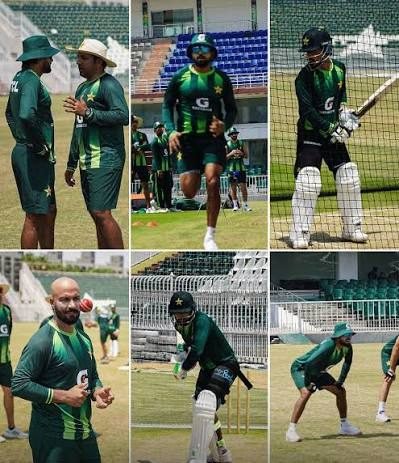
Pakistan Cricket Team Begins Pre-Series Camp for West Indies Tour

RAWALPINDI — Pakistan’s national cricket team has commenced preparations for their upcoming Test series against the West Indies, with a pre-series training camp that began on Thursday at the Rawalpindi Cricket Stadium. The camp is designed to ready the squad for the two-match series, which is part of the ICC World Test Championship. What Happened The national Test squad gathered at the Rawalpindi Cricket Stadium for an intensive training session under the guidance of the coaching staff. Head coach Sarfaraz Ahmed, batting coach Asad Shafiq, and bowling coach Umar Gul led the three-hour session, focusing on batting, bowling, and fielding drills. The training aimed to fine-tune the players’ skills and enhance their readiness for the upcoming matches. Test captain Babar Azam, along with his teammates, engaged in extensive net sessions on the practice wickets. The team is intensifying its preparations as they gear up for the series, which will see them face the West Indies in two Test matches. The first Test is scheduled to take place at the Brian Lara Cricket Academy in Tarouba, and the second at the Queen’s Park Oval in Port of Spain. To further assess the players’ match readiness, the Pakistan Test team will participate in a two-day intra-squad scenario match on Friday and Saturday. This exercise is intended to provide the players with valuable game practice and to evaluate their performance under match conditions. Background The upcoming series in the West Indies is a critical part of the ICC World Test Championship, a tournament that adds context and stakes to Test cricket. Pakistan’s performance in this series will contribute to their standings in the championship, which is contested by the world’s top Test-playing nations. Historically, Pakistan has had a competitive record against the West Indies in Test cricket. The two teams have faced each other numerous times, with Pakistan often emerging as a formidable opponent. The last time Pakistan toured the West Indies for a Test series was in 2021, where they managed to secure a series win. The team’s preparation is crucial, given the conditions in the Caribbean, which can be challenging due to the pitches and weather. The coaching staff’s focus on all aspects of the game is aimed at ensuring that the players are well-equipped to handle these challenges. Why It Matters The Test series against the West Indies holds significant importance for Pakistan’s cricket ambitions. Success in this series will not only enhance their position in the ICC World Test Championship standings but also boost the team’s morale and confidence. For the players, performing well on an international stage provides opportunities to solidify their places in the national team and gain recognition. Economically, a successful tour can increase viewership and sponsorships, benefiting the Pakistan Cricket Board (PCB) and the sport’s development in the country. The series is also an opportunity for Pakistan to showcase its cricketing talent on a global platform, reinforcing its reputation as a cricketing nation. Socially, cricket is a unifying force in Pakistan, and the national team’s performance can significantly impact public morale. A successful series against the West Indies could inspire young cricketers and fans alike, fostering a deeper engagement with the sport. Key Takeaways Pakistan’s national cricket team has begun a pre-series training camp for the upcoming Test series against the West Indies. The training session, led by head coach Sarfaraz Ahmed, focused on batting, bowling, and fielding to prepare the squad. The Test series is part of the ICC World Test Championship and will take place from July 25 to August 10. The team will play a two-day intra-squad match to assess match readiness before the series. The series is crucial for Pakistan’s standings in the ICC World Test Championship and has significant economic and social implications. Source Attribution This article is based on official government statements, press releases, and public communications from relevant authorities. Author: NEN Editorial Desk | Editor: NEN Newsroom | Fact Checked By: NEN Editorial Team Author: NEN Editorial Desk  |  Editor: NEN Newsroom  |  Last Updated: July 09, 2026  |  Source: NEN Reporter This article was produced by the NEN Editorial Desk in accordance with NEN Agency’s Editorial Policy and Fact-Checking Policy.

Scroll to Top