
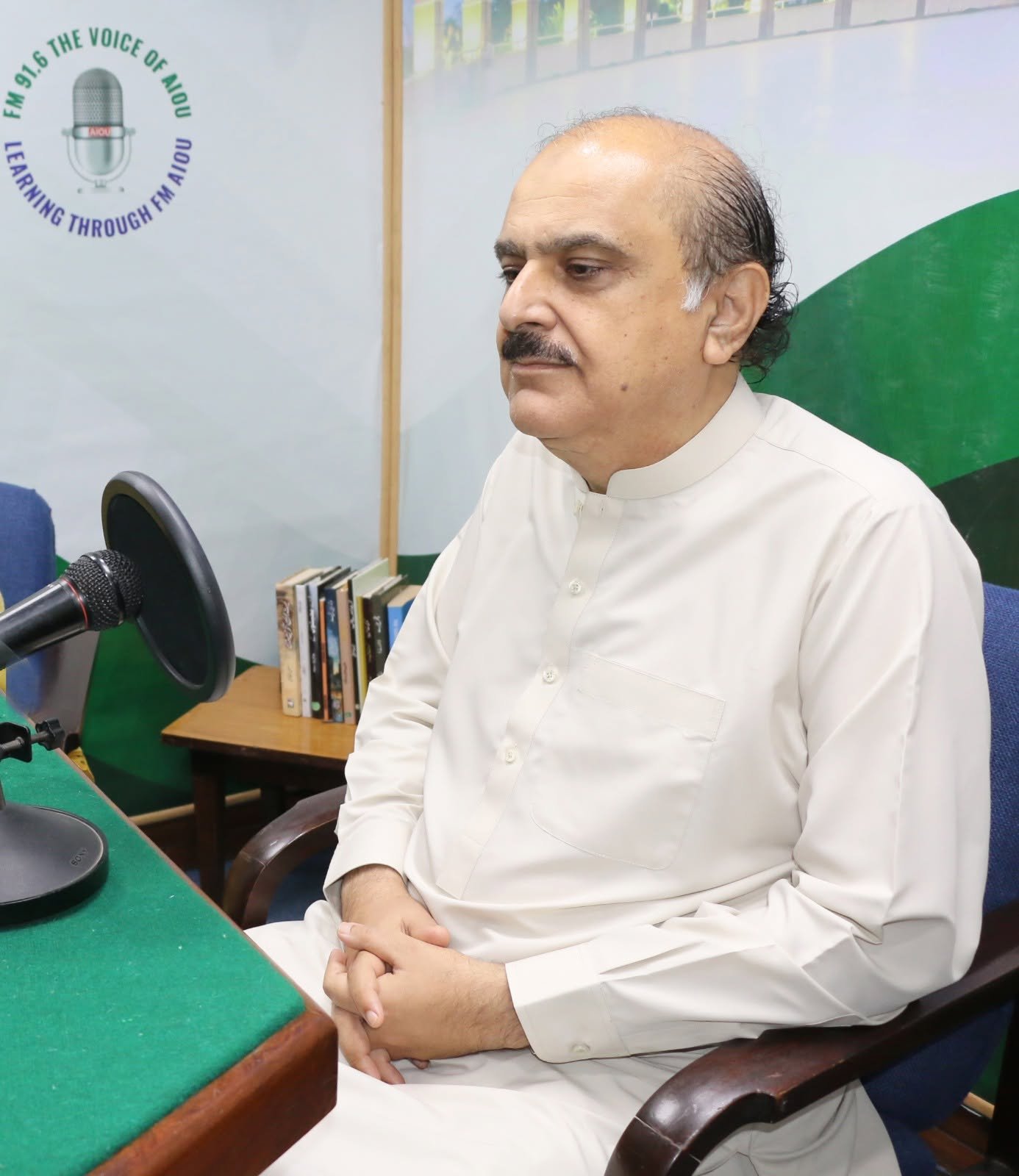
ISLAMABAD — Five international hockey coaches are set to arrive in Pakistan to enhance the skills of national players and local coaches, according to Federal Secretary for Inter-Provincial Coordination (IPC), Mohyuddin Ahmad Wani. Additionally, the government is seeking Rs 6 billion to host the upcoming South Asian Games (SAF Games) in Islamabad and Lahore.
What Happened
During a press briefing on Thursday, Mohyuddin Ahmad Wani announced the arrival of five international hockey coaches who will work with Pakistan’s national team and local coaches. This initiative is part of a broader effort to elevate the standard of hockey in Pakistan, a sport that has historically been a source of national pride.
The Secretary also disclosed that the government is actively seeking Rs 6 billion in funding to successfully organize the South Asian Games, scheduled to be held in Islamabad and Lahore. The SAF Games are a significant event in the regional sports calendar, and the funding is crucial to ensure that the facilities and logistics meet international standards.
In a related development, the ban on Pakistan’s football activities has been lifted, which is expected to revitalize the sport in the country. The lifting of the ban is seen as a positive step towards re-engaging with international football bodies and improving the sport’s infrastructure domestically.
Background
Pakistan has a rich history in field hockey, having won numerous Olympic and World Cup titles in the past. However, in recent decades, the sport has seen a decline in performance and popularity. Efforts to revive hockey have included international collaborations and the hiring of foreign coaches to bring new techniques and strategies to the national team.
The South Asian Games, held every two years, are a multi-sport event involving athletes from South Asian countries. Pakistan has previously hosted the games, with the last edition taking place in 2004. The upcoming games are seen as an opportunity to showcase Pakistan’s ability to host international sporting events and foster regional cooperation.
Football in Pakistan has faced challenges, including administrative disputes and a lack of infrastructure, leading to a suspension by international football governing bodies. The recent lifting of the ban is a critical step towards rebuilding the sport and engaging with international competitions.
Why It Matters
The arrival of international hockey coaches is a significant development for Pakistan’s sports sector. It represents a strategic effort to reclaim the country’s former glory in field hockey by integrating international expertise into the training and development of players. This move is expected to enhance the competitiveness of the national team on the world stage.
The Rs 6 billion funding request for the SAF Games underscores the importance of the event in promoting sports diplomacy and regional cooperation. Successfully hosting the games could boost Pakistan’s reputation as a capable host of international events, potentially attracting future opportunities and investments in the sports sector.
The lifting of the football ban is a positive development for the sport in Pakistan. It opens avenues for international participation and collaboration, which could lead to improvements in infrastructure and talent development. This is crucial for engaging the youth in sports and promoting a healthier society.
Key Takeaways
- Five international hockey coaches are arriving in Pakistan to train national players and coaches.
- The government is seeking Rs 6 billion to host the South Asian Games in Islamabad and Lahore.
- The ban on Pakistan’s football activities has been lifted, paving the way for international engagement.
- The initiatives are part of efforts to revive sports in Pakistan and improve international standing.
- Successful hosting of the SAF Games could enhance Pakistan’s reputation in the international sports community.
Source Attribution
This article is based on official government statements, press releases, and public communications from relevant authorities.














