

Author name: NEN News

Pakistan

Dominant Wins Mark Third Day Of PM Women’s U-21 Hockey Championship

ISLAMABAD — The third day of the Prime Minister National Women’s Under-21 Hockey Championship 2026 witnessed a series of one-sided matches at the Nasir Bunda Hockey Stadium in Islamabad. Organized by the Pakistan Hockey Federation (PHF) with sponsorship from Alaska Batteries, PTCL, and PARCO, the championship aims to promote young female talent in the sport. What Happened Four matches were held on the third day of the championship, each showcasing the prowess and potential of young female athletes. The matches were characterized by dominant performances, with several teams securing decisive victories over their opponents. In the opening match, Team A displayed exceptional skill and strategy, overpowering Team B with a score of 5-0. The players’ coordination and tactical execution were evident as they maintained control throughout the game. A standout performance was delivered by the captain of Team A, who scored two goals and assisted in another, demonstrating leadership and precision. The second match saw Team C facing off against Team D. Team C emerged victorious with a score of 4-1. Despite Team D’s efforts to mount a comeback, Team C’s defense remained resolute, thwarting multiple attempts to score. The highlight of the match was a hat-trick scored by Team C’s forward, further solidifying their position in the tournament. In the afternoon, Team E took on Team F in a match that ended with a 6-0 win for Team E. The game was marked by Team E’s relentless offense and strategic play, leaving Team F struggling to keep pace. The coach of Team E praised the players for their dedication and teamwork, which were key factors in their success. The final match of the day featured Team G against Team H, concluding with a 3-0 victory for Team G. The match was a testament to Team G’s defensive capabilities, as they managed to keep a clean sheet while capitalizing on scoring opportunities. The team’s goalkeeper was particularly noteworthy, making several crucial saves that prevented Team H from gaining any momentum. Background The Prime Minister National Women’s Under-21 Hockey Championship is a significant event in Pakistan’s sports calendar, aimed at fostering young talent and promoting women’s participation in hockey. The championship is part of broader efforts by the Pakistan Hockey Federation to revitalize the sport in the country, which has a rich history of hockey success on the international stage. Historically, Pakistan has been known for its achievements in men’s hockey, with multiple Olympic and World Cup titles. However, women’s hockey has not received the same level of attention or resources. Events like the Under-21 Championship are crucial for developing a pipeline of skilled female players who can compete internationally. Why It Matters The championship plays a critical role in empowering young female athletes and providing them with a platform to showcase their skills. In a country where women’s sports often face challenges in terms of funding and visibility, such tournaments are essential for encouraging participation and breaking down societal barriers. Economically, the event helps stimulate local businesses and tourism in Islamabad, as teams, officials, and spectators contribute to the local economy. Socially, it promotes gender equality by highlighting the capabilities of female athletes and encouraging more girls to participate in sports. Politically, the championship aligns with national efforts to promote sports as a means of fostering unity and national pride. It also reflects Pakistan’s commitment to fulfilling international obligations regarding gender equality in sports, as outlined by global sports organizations. Key Takeaways The third day of the championship featured four matches with dominant performances. Team A, C, E, and G secured decisive victories, showcasing young talent. The event is part of efforts to promote women’s hockey in Pakistan. The championship supports economic activity and gender equality in sports. It aligns with national and international commitments to sports development. Source Attribution This article is based on official government statements, press releases, and public communications from relevant authorities. Author: NEN Editorial Desk | Editor: NEN Newsroom | Fact Checked By: NEN Editorial Team Author: NEN Editorial Desk  |  Editor: NEN Newsroom  |  Last Updated: July 05, 2026  |  Source: NEN Reporter This article was produced by the NEN Editorial Desk in accordance with NEN Agency’s Editorial Policy and Fact-Checking Policy.

Pakistan

Mayor Karachi Opens Hammad Awan Shaheed Park in Shireen Jinnah Colony

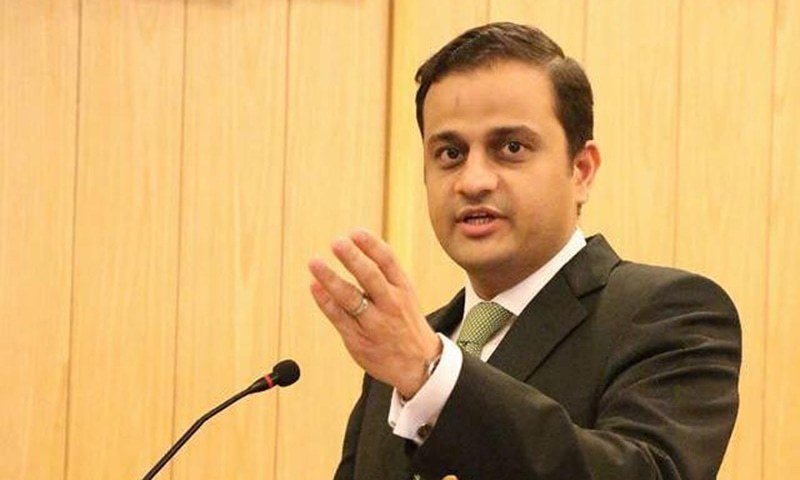
KARACHI — Mayor Karachi Barrister Murtaza Wahab officially opened the Hammad Awan Shaheed Park in UC-13, Shireen Jinnah Colony, Saddar Town on July 4. The inauguration ceremony was attended by several dignitaries, including Parliamentary Leader in the City Council Karamullah Waqasi, Vice Chairman Waseem, and other local government representatives. What Happened The newly constructed Hammad Awan Shaheed Park was inaugurated by Mayor Karachi Barrister Murtaza Wahab in Shireen Jinnah Colony. The event marked the culmination of efforts to provide a recreational space for the local community. The park is named in honor of Hammad Awan, a local hero, and aims to serve as a green oasis amidst the urban landscape of Karachi. During the ceremony, Mayor Wahab expressed his commitment to enhancing public spaces across the city. He stated, “The development of parks and recreational areas is crucial for the well-being of our citizens. We are dedicated to creating more such spaces for the people of Karachi.” The event was attended by key figures such as Karamullah Waqasi, the Parliamentary Leader in the City Council, and Vice Chairman Waseem, along with elected representatives and officials from the Karachi Metropolitan Corporation (KMC). The park features various amenities, including walking tracks, children’s play areas, and seating arrangements, designed to cater to families and individuals seeking leisure and relaxation. The development of the park is part of a broader initiative to improve urban infrastructure and promote environmental sustainability in Karachi. Background Shireen Jinnah Colony, located in Saddar Town, is a densely populated area in Karachi that has long needed enhanced public amenities. The development of Hammad Awan Shaheed Park is part of the Karachi Metropolitan Corporation’s ongoing efforts to revitalize urban spaces and provide residents with accessible recreational facilities. Historically, Karachi has faced challenges related to urban planning and the provision of green spaces. The city’s rapid population growth has often outpaced infrastructure development, leading to a shortage of public parks and recreational areas. In recent years, local authorities have prioritized the development of parks to address these issues and improve the quality of life for Karachi’s residents. Why It Matters The inauguration of Hammad Awan Shaheed Park is significant for several reasons. Firstly, it addresses the critical need for public recreational spaces in Karachi, a city where green areas are limited. Parks play a vital role in enhancing urban living by providing spaces for exercise, social interaction, and relaxation. Economically, the development of parks can boost local businesses by attracting visitors to the area, thereby increasing foot traffic and potential customers for nearby shops and vendors. Socially, parks serve as communal spaces where people from diverse backgrounds can gather, fostering a sense of community and belonging. Politically, the opening of the park demonstrates the local government’s commitment to improving urban infrastructure and responding to the needs of its citizens. By investing in public amenities, the Karachi Metropolitan Corporation is working to build trust and confidence among residents, which is crucial for effective governance. On an environmental level, the creation of green spaces contributes to urban sustainability by improving air quality, reducing heat, and providing habitats for local wildlife. As Karachi continues to develop, integrating green spaces into urban planning will be essential for maintaining ecological balance and ensuring a healthy environment for future generations. Key Takeaways Mayor Karachi inaugurated Hammad Awan Shaheed Park in Shireen Jinnah Colony. The park offers amenities such as walking tracks and children’s play areas. The development is part of efforts to enhance urban infrastructure in Karachi. Public parks contribute to economic, social, and environmental well-being. The initiative reflects the local government’s commitment to citizen welfare. Source Attribution This article is based on official government statements, press releases, and public communications from relevant authorities. Author: NEN Editorial Desk | Editor: NEN Newsroom | Fact Checked By: NEN Editorial Team Author: NEN Editorial Desk  |  Editor: NEN Newsroom  |  Last Updated: July 05, 2026  |  Source: NEN Reporter This article was produced by the NEN Editorial Desk in accordance with NEN Agency’s Editorial Policy and Fact-Checking Policy.
Pakistan

Faisalabad Division Triumphs in Punjab Kabaddi Championship

FAISALABAD — Faisalabad Division emerged victorious in the inter-divisional kabaddi championship organized by the Sports Board Punjab, held at the Punjab Stadium in Lahore. The team clinched the title by defeating Sahiwal Division with a score of 48-38 in a thrilling final match. What Happened The inter-divisional kabaddi championship, a significant event in Punjab’s sports calendar, saw participation from nine divisions across the province. The competition took place at the Punjab Stadium in Lahore, a venue known for hosting various regional and national sports events. Faisalabad Division’s kabaddi team demonstrated exceptional skill and teamwork, ultimately securing the championship by overcoming Sahiwal Division in the final match. The final match was a nail-biting encounter, with both teams displaying commendable athleticism and strategic prowess. Faisalabad Division’s victory was marked by a score of 48 points against Sahiwal’s 38, reflecting a well-fought battle on both sides. The championship not only highlighted the competitive spirit of the participants but also showcased the growing popularity and talent in kabaddi within the region. Officials from the Sports Board Punjab were present to witness the event and applauded the efforts of all participating teams. The board emphasized the importance of such tournaments in promoting traditional sports and encouraging youth participation in physical activities. Background Kabaddi, a traditional contact sport, has deep roots in South Asian culture, particularly in Punjab. The sport is not only a popular pastime but also a significant part of the region’s heritage. The inter-divisional kabaddi championship is an annual event organized by the Sports Board Punjab to foster local talent and provide a platform for athletes to showcase their skills. The Sports Board Punjab, responsible for promoting sports and physical education in the province, regularly organizes such events to enhance the sporting culture. The board’s initiatives aim to identify and nurture talent at the grassroots level, ensuring that traditional sports like kabaddi continue to thrive alongside modern sports. Why It Matters The success of the Faisalabad Division in the kabaddi championship holds considerable significance for several reasons. Firstly, it underscores the region’s commitment to preserving and promoting traditional sports, which are integral to cultural identity. Kabaddi, in particular, serves as a bridge between generations, connecting youth with their heritage while fostering a sense of community and teamwork. Economically, such championships can stimulate local economies by drawing spectators and participants from various regions, leading to increased business for local vendors and hospitality services. The event also serves as a platform for emerging athletes to gain recognition, potentially leading to national and international opportunities. Politically, the championship reflects the government’s ongoing efforts to promote sports as a tool for social development and youth engagement. By investing in sports infrastructure and organizing events, authorities aim to channel the energy of young individuals into constructive activities, thereby reducing the likelihood of social issues such as youth delinquency. On an international level, the promotion of kabaddi can enhance Pakistan’s reputation as a nurturing ground for diverse sports. As the sport gains popularity globally, Pakistani athletes have the potential to represent the country on international platforms, contributing to national pride and unity. Key Takeaways Faisalabad Division won the inter-divisional kabaddi championship, defeating Sahiwal Division 48-38. The event was organized by the Sports Board Punjab at the Punjab Stadium in Lahore. Nine divisions from Punjab participated, showcasing regional talent in kabaddi. The championship highlights the cultural importance of kabaddi and its role in youth engagement. Such events contribute to local economies and promote Pakistan’s sporting culture internationally. Source Attribution This article is based on official government statements, press releases, and public communications from relevant authorities. Author: NEN Editorial Desk | Editor: NEN Newsroom | Fact Checked By: NEN Editorial Team Author: NEN Editorial Desk  |  Editor: NEN Newsroom  |  Last Updated: July 05, 2026  |  Source: Press Release from Government of Pakistan This article was produced by the NEN Editorial Desk in accordance with NEN Agency’s Editorial Policy and Fact-Checking Policy.
World

Pakistan, Türkiye Discuss Energy and Mining Cooperation at Business Conference

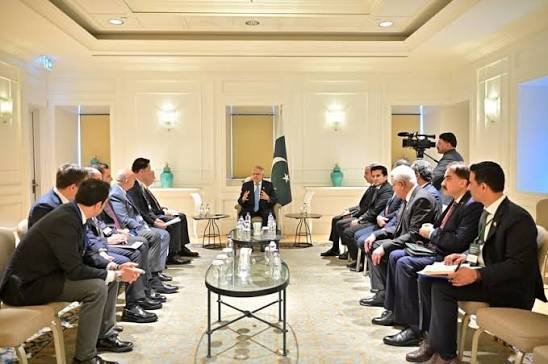
ISTANBUL — Deputy Prime Minister and Foreign Minister Senator Mohammad Ishaq Dar met with senior executives of Koç Holding on Saturday to discuss potential cooperation in the energy and mining sectors. The meeting took place on the sidelines of the Pakistan–Türkiye Business Conference, aiming to strengthen economic ties between the two countries. What Happened The meeting in Istanbul brought together Deputy Prime Minister Mohammad Ishaq Dar and top officials from Koç Holding, one of Türkiye’s largest conglomerates. The discussions focused on exploring opportunities for collaboration in energy and mining, two sectors critical to Pakistan’s economic development. Among the executives present were Yagiz Eyüboglu, President of the Energy Group; Polat Sen, President of the Durable Goods Group; Can Dinçer, CEO of Arçelik; Melih Poyraz, CEO of Aygaz; and Ramazan Yön, CEO of other key divisions within Koç Holding. The talks aimed to leverage Koç Holding’s expertise and resources to support Pakistan’s energy and mining industries. Deputy Prime Minister Dar emphasized the importance of foreign investment in Pakistan’s energy sector, highlighting the government’s commitment to creating a conducive environment for international businesses. “Our government is keen on facilitating foreign investments and ensuring a robust regulatory framework that supports sustainable growth,” Dar stated during the meeting. The executives from Koç Holding expressed interest in Pakistan’s potential for renewable energy projects and mining ventures. They discussed the possibility of joint ventures and technology transfers that could benefit both countries economically. Background Pakistan and Türkiye have a history of strong bilateral relations, with economic cooperation being a cornerstone of their partnership. The two countries have engaged in numerous trade agreements and joint ventures over the years, particularly in sectors like textiles, agriculture, and manufacturing. Koç Holding, established in 1926, is a prominent player in Türkiye’s economy, with interests spanning energy, automotive, consumer durables, and finance. The conglomerate’s involvement in energy and mining aligns with Pakistan’s strategic goals to diversify its energy sources and enhance mineral extraction capabilities. Pakistan’s energy sector has been a focus of government reforms, aimed at reducing dependency on imported fuels and increasing the share of renewable energy in the national grid. The mining sector, rich in resources like coal, copper, and gold, offers significant potential for development with the right investments and technological support. Why It Matters The discussions between Pakistan and Koç Holding are significant for several reasons. Firstly, they underscore Pakistan’s ongoing efforts to attract foreign direct investment (FDI) in key sectors. By engaging with a major international conglomerate like Koç Holding, Pakistan aims to boost its energy capacity and mining output, which are vital for economic growth and stability. Economically, increased cooperation in energy could lead to more efficient power generation, reducing costs for consumers and industries. This is crucial for Pakistan, where energy shortages have historically hampered industrial productivity and economic progress. Additionally, advancements in mining technology and practices could unlock untapped mineral resources, contributing to export revenues and job creation. Politically, strengthening ties with Türkiye through such initiatives reinforces diplomatic relations and enhances regional cooperation. It positions Pakistan as a strategic partner in the region, capable of collaborating on large-scale projects that have mutual benefits. On an international level, successful partnerships in energy and mining could enhance Pakistan’s reputation as a viable destination for investment, encouraging other global corporations to explore opportunities in the country. Key Takeaways Deputy Prime Minister Mohammad Ishaq Dar met with Koç Holding executives to discuss energy and mining cooperation. The meeting was part of the Pakistan–Türkiye Business Conference in Istanbul. Koç Holding is interested in renewable energy projects and mining ventures in Pakistan. Strengthening economic ties with Türkiye supports Pakistan’s strategic goals in energy and mining. Successful collaboration could enhance Pakistan’s international investment appeal. Source Attribution This article is based on official government statements, press releases, and public communications from relevant authorities. Author: NEN Editorial Desk | Editor: NEN Newsroom | Fact Checked By: NEN Editorial Team Author: NEN Editorial Desk  |  Editor: NEN Newsroom  |  Last Updated: July 05, 2026  |  Source: Press Release from Government of Pakistan This article was produced by the NEN Editorial Desk in accordance with NEN Agency’s Editorial Policy and Fact-Checking Policy.
Pakistan

Federal Government Expands Apna Ghar Housing Loans via NBFCs

ISLAMABAD — Access to affordable housing finance is set to improve significantly for citizens as the Federal Government has approved the inclusion of Non-Banking Finance Companies (NBFCs) as Participating Financial Institutions (PFIs) under the Prime Minister’s Apna Ghar Program (PM-APG). This initiative aims to benefit underserved and non-banking segments of the population. What Happened The Federal Government has taken a decisive step to enhance the accessibility of housing loans by integrating NBFCs into the PM-APG. This decision, announced on July 4, 2023, is aimed at broadening the scope of financial institutions that can offer housing loans, thereby reaching a larger segment of the population that has traditionally been underserved by conventional banking institutions. The Securities and Exchange Commission of Pakistan (SECP) has been instrumental in this development, facilitating the regulatory framework that allows NBFCs to participate as PFIs. This move is expected to provide a substantial boost to the housing sector by enabling more flexible and diverse financing options. A senior official from the SECP stated, “The inclusion of NBFCs will not only increase competition but also improve service delivery and innovation in housing finance.” The Apna Ghar Program, a flagship initiative under the current administration, aims to provide affordable housing to millions of Pakistanis. By allowing NBFCs to participate, the government expects to increase the volume of housing loans disbursed, thus accelerating the pace of home ownership across the country. Background The Apna Ghar Program was launched as part of the government’s broader strategy to address the housing deficit in Pakistan. Historically, access to affordable housing finance has been limited, with traditional banks often hesitant to extend loans to low-income segments due to perceived risks and lack of collateral. NBFCs, which include microfinance institutions and other non-traditional lenders, have been gaining traction in Pakistan’s financial landscape. They are known for their innovative lending practices and ability to reach customers who are typically excluded from the formal banking sector. The SECP’s role in regulating these entities ensures that they adhere to financial standards while providing more flexible lending options. Why It Matters The inclusion of NBFCs in the Apna Ghar Program is a significant development for several reasons. Economically, it is expected to stimulate the housing market by increasing the availability of credit, which in turn can lead to increased construction activity and job creation. The housing sector is a critical component of Pakistan’s economy, with the potential to drive growth in related industries such as cement, steel, and construction services. Socially, this initiative is poised to make a substantial impact on improving living standards. Access to affordable housing is a fundamental need, and by expanding the pool of financial institutions offering housing loans, more families can achieve the dream of home ownership. This can lead to improved social stability and economic empowerment for many low-income families. Politically, the government’s move to involve NBFCs aligns with its commitment to financial inclusion and poverty alleviation. By addressing the needs of underserved populations, the government can enhance its credibility and support among the electorate, particularly in urban and semi-urban areas where housing shortages are most acute. Key Takeaways The Federal Government has approved NBFCs as PFIs under the Apna Ghar Program. This inclusion aims to expand access to affordable housing finance for underserved populations. The SECP has facilitated the regulatory framework for NBFC participation. The initiative is expected to boost the housing market and related economic sectors. Socially, the program aims to improve living standards and promote financial inclusion. Source Attribution This article is based on official government statements, press releases, and public communications from relevant authorities. Author: NEN Editorial Desk | Editor: NEN Newsroom | Fact Checked By: NEN Editorial Team Author: NEN Editorial Desk  |  Editor: NEN Newsroom  |  Last Updated: July 04, 2026  |  Source: Press Release from Government of Pakistan This article was produced by the NEN Editorial Desk in accordance with NEN Agency’s Editorial Policy and Fact-Checking Policy.

Pakistan

Governor Commends Police for Thwarting Militant Assault in Dera Ismail Khan

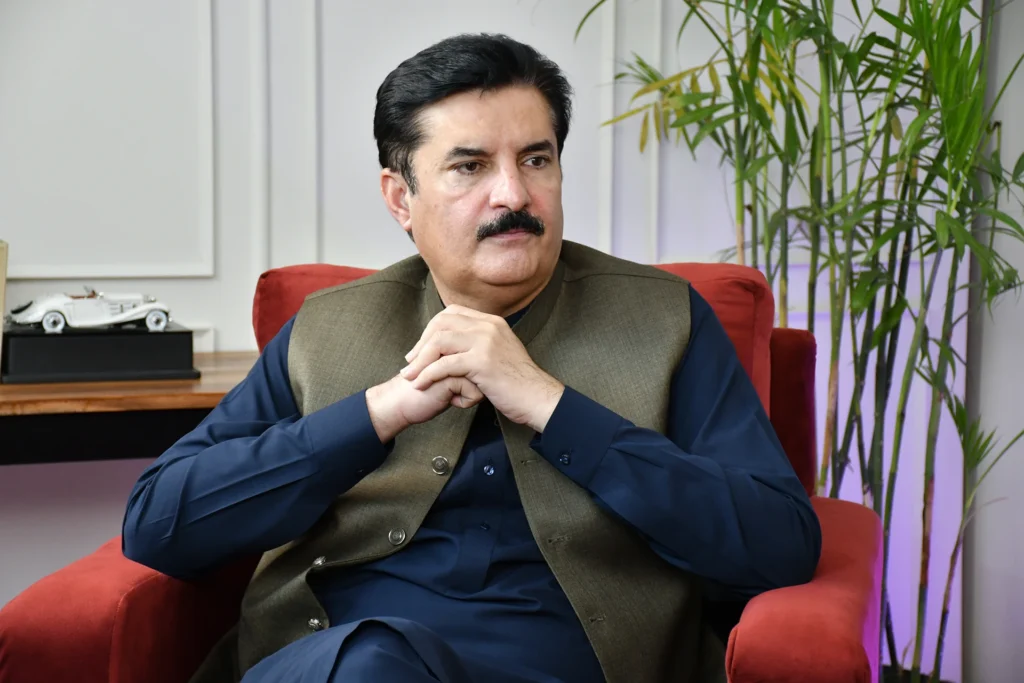
PESHAWAR — Governor Khyber Pakhtunkhwa Faisal Karim Kundi has commended the police and security forces for their effective response in repelling a militant attack on the Yarik Police Station in Dera Ismail Khan. The incident occurred on Saturday when militants attempted a coordinated assault from multiple directions. What Happened On Saturday, militants launched an attack on the Yarik Police Station in Dera Ismail Khan, targeting the facility from three different directions. The assault was met with a swift and decisive response from the police and security forces stationed at the site. According to an official statement from Governor Faisal Karim Kundi, the attackers were successfully repelled, preventing any significant damage or casualties. Governor Kundi praised the bravery and professionalism of the police and security personnel involved in the operation. “The attackers launched a cowardly assault, but our forces responded with exemplary courage and skill,” he stated in his official communication. The governor’s statement highlighted the ongoing challenges faced by security forces in maintaining law and order in the region, particularly in areas susceptible to militant activities. The police and security forces’ ability to thwart the attack underscores their preparedness and the effectiveness of the security measures in place. The incident serves as a reminder of the persistent threat posed by militant groups operating in the region, necessitating constant vigilance and readiness from law enforcement agencies. Background Dera Ismail Khan, a district in Khyber Pakhtunkhwa, has historically been a hotspot for militant activities due to its geographical location and socio-political dynamics. The region has witnessed numerous attacks over the years, often targeting security forces and government installations. The Pakistani government has been engaged in ongoing efforts to combat militancy and restore peace in the area through both military operations and socio-economic initiatives. The attack on the Yarik Police Station is part of a broader pattern of militant aggression in the region. Over the past decade, Pakistan has launched several military operations, such as Operation Zarb-e-Azb and Operation Radd-ul-Fasaad, aimed at dismantling militant networks and improving security in the tribal areas and Khyber Pakhtunkhwa. Why It Matters The successful repulsion of the attack on the Yarik Police Station is significant for several reasons. Firstly, it demonstrates the capability and readiness of local security forces to respond to and neutralize threats, which is crucial for maintaining public confidence in law enforcement agencies. The incident also highlights the persistent threat posed by militant groups, underscoring the need for continued vigilance and investment in security infrastructure. Economically, stability in regions like Dera Ismail Khan is vital for attracting investment and fostering development. Frequent militant attacks can deter economic activity, affecting livelihoods and hindering progress. By ensuring security, the government can create a conducive environment for economic growth, benefiting the local population and contributing to broader national development goals. Politically, the incident reinforces the importance of strong governance and effective security policies in combating militancy. It also underscores the need for collaboration between federal and provincial authorities to address security challenges comprehensively. The government’s response to such threats can influence public perception and trust, impacting political stability and governance. Key Takeaways Governor Khyber Pakhtunkhwa praised the police for repelling a militant attack on Yarik Police Station. The attack was launched from three directions but was effectively countered by security forces. Dera Ismail Khan has a history of militant activities, requiring ongoing security measures. The incident highlights the importance of security for economic stability and development. Effective response to militancy is crucial for maintaining public confidence and political stability. Source Attribution This article is based on official government statements, press releases, and public communications from relevant authorities. Author: NEN Editorial Desk | Editor: NEN Newsroom | Fact Checked By: NEN Editorial Team Author: NEN Editorial Desk  |  Editor: NEN Newsroom  |  Last Updated: July 04, 2026  |  Source: Press Release from Government of Pakistan This article was produced by the NEN Editorial Desk in accordance with NEN Agency’s Editorial Policy and Fact-Checking Policy.
Pakistan

FTO Urges FBR to Establish Protocol for Tax Recommendation Implementation

ISLAMABAD — The Federal Tax Ombudsman (FTO) has advised the Federal Board of Revenue (FBR) to develop a structured administrative protocol aimed at harmonizing the execution of tax recommendations. This initiative is intended to ensure that the statutory powers under tax laws are exercised in a manner that supports, rather than impedes, the taxpayer grievance redressal process. What Happened On July 4, the Federal Tax Ombudsman (FTO) issued a recommendation to the Federal Board of Revenue (FBR) to create a formal administrative protocol. This protocol is intended to align the implementation of the Ombudsman’s recommendations with the statutory powers exercised under tax laws. The FTO emphasized that this coordination is crucial for reinforcing the taxpayer grievance redressal process, rather than causing frustration among taxpayers. The FTO’s recommendation comes in response to ongoing concerns about the efficiency and effectiveness of the current tax grievance redressal mechanism. By proposing a structured protocol, the FTO aims to streamline the process, ensuring that taxpayer complaints are addressed in a timely and effective manner. This recommendation underscores the need for a collaborative approach between the FBR and the FTO to enhance the overall tax administration system in Pakistan. In a statement, the FTO highlighted the importance of this protocol in ensuring that the recommendations made by the Ombudsman are not only implemented but are also aligned with the broader objectives of tax law enforcement. The FTO believes that such a protocol would facilitate better communication and cooperation between the FBR and the Ombudsman’s office, ultimately benefiting taxpayers. Background The Federal Tax Ombudsman was established to address taxpayer grievances and ensure transparency and fairness in tax administration. Over the years, the FTO has played a pivotal role in identifying systemic issues within the tax system and recommending measures to address them. Despite these efforts, challenges remain in the implementation of the Ombudsman’s recommendations, often due to a lack of coordination between the FBR and the FTO. The FBR, as Pakistan’s primary tax authority, is responsible for the collection of taxes and the enforcement of tax laws. The FBR’s effectiveness is critical for the government’s revenue generation and economic stability. However, the complexity of tax laws and the bureaucratic hurdles often lead to taxpayer dissatisfaction, necessitating the role of the FTO in mediating and resolving disputes. Why It Matters The recommendation for a formal protocol is significant for several reasons. Firstly, it aims to improve the efficiency of the tax grievance redressal process, which is crucial for maintaining taxpayer trust and compliance. A streamlined process would likely reduce the time taken to resolve disputes, thereby enhancing taxpayer satisfaction. Secondly, the proposed protocol could lead to more consistent and predictable outcomes in tax dispute resolutions. This consistency is vital for businesses and individuals who rely on a stable tax environment to make informed financial decisions. By ensuring that tax recommendations are implemented in a coordinated manner, the FBR can provide greater certainty to taxpayers. Economically, an effective tax administration system is essential for Pakistan’s fiscal health. By addressing inefficiencies and improving the grievance redressal process, the government can potentially increase tax compliance and revenue collection. This, in turn, could provide the government with more resources to invest in public services and infrastructure, driving economic growth. Politically, the move to harmonize tax recommendation implementation reflects the government’s commitment to transparency and accountability in tax administration. It demonstrates a willingness to address taxpayer concerns and improve the overall efficiency of the tax system, which could enhance public confidence in government institutions. Key Takeaways The FTO has recommended that the FBR develop a formal protocol for implementing tax recommendations. This protocol aims to harmonize the exercise of statutory powers under tax laws with the Ombudsman’s recommendations. The initiative seeks to improve the taxpayer grievance redressal process and enhance compliance. An effective tax system is crucial for Pakistan’s economic stability and revenue generation. The recommendation reflects a commitment to transparency and accountability in tax administration. Source Attribution This article is based on official government statements, press releases, and public communications from relevant authorities. Author: NEN Editorial Desk | Editor: NEN Newsroom | Fact Checked By: NEN Editorial Team Author: NEN Editorial Desk  |  Editor: NEN Newsroom  |  Last Updated: July 04, 2026  |  Source: NEN Reporter This article was produced by the NEN Editorial Desk in accordance with NEN Agency’s Editorial Policy and Fact-Checking Policy.

Pakistan

IPP Unveils Candidates for 35 Azad Kashmir Election Seats

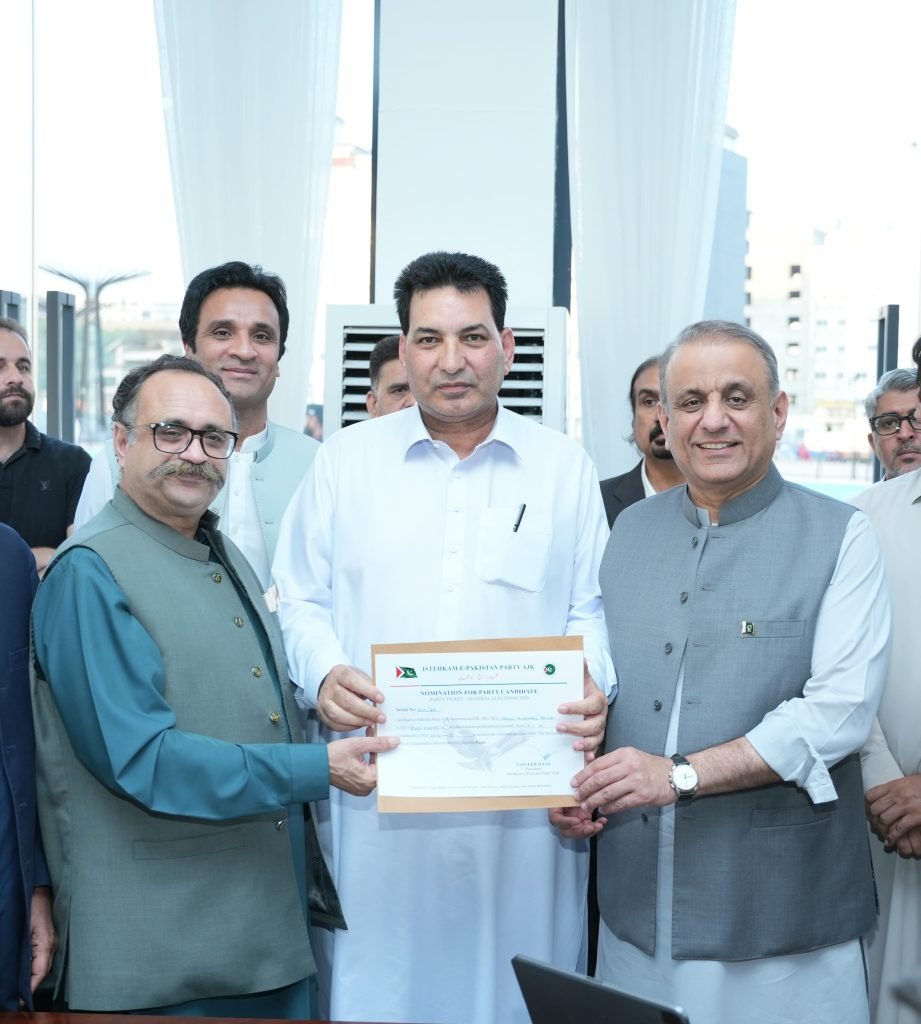
ISLAMABAD — The Istehkam-e-Pakistan Party (IPP) has officially announced its candidates for 35 constituencies in the forthcoming Azad Jammu and Kashmir (AJK) elections, scheduled to take place later this year. The announcement was made during a high-level meeting held on Saturday, where IPP Central President Abdul Aleem Khan distributed party tickets to the nominated candidates. What Happened On Saturday, the IPP took a significant step by revealing its candidates for the upcoming AJK elections, which are crucial for the party’s political strategy in the region. The announcement was made in Islamabad during a meeting led by IPP Central President Abdul Aleem Khan. The event was attended by key party figures, including Sardar Tanvir Ilyas, highlighting the importance of the occasion. During the meeting, Abdul Aleem Khan emphasized the party’s commitment to addressing the needs and aspirations of the people of Azad Kashmir. He stated, “Our candidates are dedicated to serving the people and bringing about positive change in their respective constituencies.” This move is part of the IPP’s broader strategy to strengthen its political presence in AJK, a region that holds significant strategic importance for Pakistan. The IPP’s decision to field candidates in all 35 constituencies demonstrates its ambition to play a pivotal role in the political landscape of Azad Kashmir. The party aims to challenge the existing political dynamics and offer an alternative to the traditional parties that have dominated the region’s politics for decades. Background Azad Jammu and Kashmir, often referred to as AJK, is a self-governing administrative division of Pakistan. The region has its own legislative assembly, and elections are held to elect representatives who will govern the area. Historically, the political scene in AJK has been dominated by a few major parties, including the Pakistan Muslim League-Nawaz (PML-N) and the Pakistan Peoples Party (PPP). The IPP, a relatively new political entity, has been striving to establish itself as a formidable force in Pakistani politics. Founded by prominent political figures who have previously been associated with other major parties, the IPP seeks to offer a fresh perspective and address issues that have long been neglected by traditional political players. Why It Matters The IPP’s announcement of candidates for the AJK elections is significant for several reasons. Firstly, it reflects the party’s determination to expand its influence beyond the mainland of Pakistan and into the strategically important region of Azad Kashmir. This move could potentially alter the political dynamics in AJK, challenging the dominance of established parties like the PML-N and PPP. Economically, the elections in AJK are crucial as the region is poised for development projects that could boost local economies and improve living standards. The IPP’s candidates, if elected, could influence the direction of these projects, ensuring that they align with the party’s vision for development and prosperity in the region. Socially, the presence of a new political player like the IPP could invigorate the political discourse in AJK. It offers voters an alternative choice, potentially leading to increased political engagement and voter turnout. This is particularly important in a region where political apathy has been a challenge in past elections. On an international level, the elections in AJK are closely watched by neighboring countries and international observers due to the region’s geopolitical significance. The IPP’s participation and potential success could impact Pakistan’s diplomatic relations and its stance on regional issues. Key Takeaways The IPP announced candidates for all 35 constituencies in the upcoming AJK elections. IPP Central President Abdul Aleem Khan emphasized the party’s commitment to serving the people of Azad Kashmir. The elections in AJK are crucial for the region’s economic development and political dynamics. The IPP aims to challenge traditional parties and offer a new political alternative in AJK. The outcome of the elections could have implications for Pakistan’s regional and international relations. Source Attribution This article is based on official government statements, press releases, and public communications from relevant authorities. Author: NEN Editorial Desk | Editor: NEN Newsroom | Fact Checked By: NEN Editorial Team Author: NEN Editorial Desk  |  Editor: NEN Newsroom  |  Last Updated: July 04, 2026  |  Source: Press Release from Government of Pakistan This article was produced by the NEN Editorial Desk in accordance with NEN Agency’s Editorial Policy and Fact-Checking Policy.
Pakistan

Gold Prices Decline By Rs1,100 Per Tola In Pakistan

ISLAMABAD — The prices of gold in Pakistan experienced a notable decrease on Saturday, with 24 karat gold per tola dropping by Rs1,100 to reach Rs439,836. This decline was reported by the All Pakistan Sarafa Gems and Jewellers Association, reflecting changes in the local market dynamics. What Happened The All Pakistan Sarafa Gems and Jewellers Association announced a decrease in the price of 24 karat gold, which fell by Rs1,100 per tola, setting the new price at Rs439,836. Additionally, the price of 10 grams of 24 karat gold also saw a reduction, decreasing by Rs943. These changes are indicative of fluctuating market conditions and are influenced by various factors including international gold prices, currency exchange rates, and local demand. The association regularly updates the gold rates in Pakistan, which are closely monitored by investors and consumers alike. The recent decline in prices can be attributed to a combination of global economic conditions and local market responses. Gold prices often fluctuate due to changes in the international market, where factors such as the strength of the US dollar, interest rates, and geopolitical tensions play a significant role. In recent months, the global gold market has witnessed volatility, with prices reacting to economic indicators and policy changes in major economies. The local market in Pakistan is no exception, as it mirrors these international trends while also being affected by domestic factors such as inflation and consumer purchasing power. Background Gold has traditionally been a popular investment and a symbol of wealth in Pakistan, often used in jewelry and as a hedge against inflation. The country’s gold market is influenced by both international and local factors. Historically, gold prices in Pakistan have shown a strong correlation with global trends, though local demand and currency fluctuations also play a crucial role. The All Pakistan Sarafa Gems and Jewellers Association is the primary body responsible for setting gold prices in the country. It takes into account the international market rates and adjusts the local prices accordingly. The association’s announcements are eagerly awaited by traders and consumers, as they directly impact purchasing decisions. In the past, gold prices in Pakistan have been affected by various economic policies and global events. For instance, changes in the US Federal Reserve’s interest rates or shifts in the global economic outlook can lead to significant price adjustments. Additionally, during times of economic uncertainty, gold is often seen as a safe haven, leading to increased demand and higher prices. Why It Matters The decline in gold prices is significant for several reasons. Economically, it affects both investors and consumers. For investors, lower gold prices may present an opportunity to buy at a reduced rate, potentially leading to increased investment activity. Consumers, particularly those purchasing gold for weddings or other cultural events, may find the reduced prices more accessible, thus boosting local demand. Socially, gold holds cultural significance in Pakistan, often being a part of dowries and gifts during weddings and other celebrations. The affordability of gold can influence social practices and consumer behavior, impacting the overall demand in the market. Politically, the fluctuation in gold prices can reflect broader economic conditions and government policies. A stable or declining gold price may indicate confidence in the local currency and economic policies, while significant increases might suggest economic instability or inflation concerns. Internationally, Pakistan’s gold market is interconnected with global trends. Changes in the local market can reflect broader economic shifts, influencing Pakistan’s trade balance and foreign exchange reserves. The recent decline in gold prices may also impact Pakistan’s import and export dynamics, as gold is a significant component of the country’s trade portfolio. Key Takeaways Gold prices in Pakistan decreased by Rs1,100 per tola, settling at Rs439,836. The price of 10 grams of 24 karat gold fell by Rs943, reflecting market fluctuations. Changes in international gold prices and local demand influence the market. Gold holds cultural and economic significance in Pakistan, impacting consumer behavior. The decline in prices may affect investment trends and social practices. Source Attribution This article is based on official government statements, press releases, and public communications from relevant authorities. Author: NEN Editorial Desk | Editor: NEN Newsroom | Fact Checked By: NEN Editorial Team Author: NEN Editorial Desk  |  Editor: NEN Newsroom  |  Last Updated: July 04, 2026  |  Source: NEN Reporter This article was produced by the NEN Editorial Desk in accordance with NEN Agency’s Editorial Policy and Fact-Checking Policy.

Pakistan

Pakistan Banks Association Announces 2nd Pakistan Banking Summit 2026

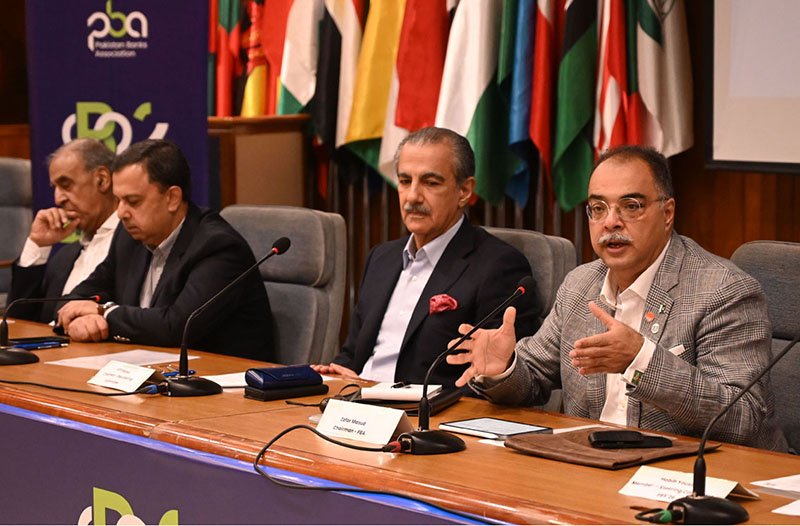
ISLAMABAD — The Pakistan Banks Association (PBA) Chairman Zafar Masud, alongside Atif Bajwa, Chairman of the Pakistan Banking Summit, addressed a press conference regarding the upcoming 2nd Pakistan Banking Summit 2026. The event is set to take place at the Islamic Chambers of Commerce and Development, aiming to bring together key stakeholders in the banking sector. What Happened During the press conference, Zafar Masud highlighted the significance of the upcoming summit, scheduled for 2026, as a platform to discuss the future of banking in Pakistan. He emphasized the need for innovation and adaptation in the banking sector to meet the evolving demands of the economy. Atif Bajwa echoed these sentiments, stating that the summit would serve as a critical forum for exchanging ideas and strategies among banking professionals. The summit, which will be held at the Islamic Chambers of Commerce and Development, is expected to attract a wide range of participants, including representatives from local and international banks, financial institutions, regulatory bodies, and technology firms. The event aims to address pressing issues such as digital transformation, regulatory challenges, and financial inclusion. Masud stated, “The 2nd Pakistan Banking Summit will be a pivotal event for the banking community, providing an opportunity to explore new technologies and regulatory frameworks that can enhance the efficiency and security of banking operations.” Bajwa added that the summit would also focus on sustainable banking practices and the role of banks in supporting economic growth. Background The Pakistan Banking Summit was first held in 2023, marking a significant step towards fostering dialogue and collaboration within the banking sector. The inaugural event was well-received, with participants discussing various challenges and opportunities facing the industry. The summit provided a platform for stakeholders to share insights and best practices, contributing to the development of a more robust banking system in Pakistan. Pakistan’s banking sector has been undergoing significant changes in recent years, driven by technological advancements and regulatory reforms. The State Bank of Pakistan has been actively promoting digital banking initiatives and financial inclusion, aiming to extend banking services to underserved populations across the country. Why It Matters The 2nd Pakistan Banking Summit 2026 is crucial for several reasons. Firstly, it provides a forum for addressing the challenges posed by rapid technological advancements in the banking sector. As digital banking gains traction, traditional banks must adapt to remain competitive and meet customer expectations for seamless, secure, and efficient services. Secondly, the summit will facilitate discussions on regulatory frameworks that can support innovation while ensuring the stability and security of the financial system. With the rise of fintech companies and digital payment platforms, regulators face the challenge of balancing innovation with risk management. Furthermore, the summit’s focus on sustainable banking practices aligns with global trends towards environmental, social, and governance (ESG) criteria. As Pakistan seeks to achieve sustainable economic growth, banks play a vital role in financing projects that promote environmental sustainability and social development. Finally, the summit underscores the importance of financial inclusion in Pakistan’s economic development. By bringing together stakeholders from various sectors, the event aims to identify strategies for extending banking services to underserved communities, thereby promoting economic empowerment and reducing poverty. Key Takeaways The 2nd Pakistan Banking Summit 2026 will be held at the Islamic Chambers of Commerce and Development. Chairmen Zafar Masud and Atif Bajwa emphasized the summit’s role in addressing banking sector challenges. The event will focus on digital transformation, regulatory frameworks, and financial inclusion. Discussions will include sustainable banking practices and the role of banks in economic growth. The summit aims to foster collaboration among local and international banking stakeholders. Source Attribution This article is based on official statements and public communications from the Pakistan Banks Association and the Pakistan Banking Summit. Author: NEN Editorial Desk | Editor: NEN Newsroom | Fact Checked By: NEN Editorial Team Author: NEN Editorial Desk  |  Editor: NEN Newsroom  |  Last Updated: July 04, 2026  |  Source: NEN Reporter This article was produced by the NEN Editorial Desk in accordance with NEN Agency’s Editorial Policy and Fact-Checking Policy.

Scroll to Top