

Author name: NEN News

World

Pakistan Hockey Federation Announces Foreign Coaching Team

ISLAMABAD — The Pakistan Hockey Federation (PHF) has announced a new high-performance coaching team as part of its efforts to rejuvenate the national hockey programme. The announcement, made on July 3, outlines the federation’s strategic move to engage international expertise in a bid to restore Pakistan’s prominence in the global hockey arena. What Happened The PHF has appointed a team of foreign coaches to spearhead its national hockey revival initiative. According to an official press release from the PHF, Dutch coach Herman Kruis will serve as the Overall National Hockey Coaching Advisor and Head Coach. The coaching panel also includes David Dwyer as the Fitness and High-Performance Coach, Adnan Zakir as the Junior Talent Identification Coach, Bob Johan Veldhof as the Goalkeeping Coach, and Chris Bowen as the Sports Psychologist. These appointments are set to commence following the completion of contractual formalities. The international coaching team will be responsible for working with Pakistan’s senior, junior, under-18, youth, and women’s national hockey programmes. Their mandate goes beyond preparing teams for international competitions; it involves establishing a sustainable, world-class high-performance and coaching system. This initiative aims to enhance the technical skills of local coaches through workshops, practical training sessions, and knowledge transfer programmes. PHF President Mohyuddin Ahmad Wani expressed optimism about the new appointments, stating, “We are bringing together international expertise to rebuild every aspect of the game, from player development and sports science to coaching education and high-performance systems. Alongside preparing our national teams, these experts will mentor our local coaches and help establish a sustainable coaching infrastructure that will benefit Pakistan hockey for generations.” Background Pakistan has a storied history in field hockey, having won three Olympic gold medals and four World Cup titles. However, in recent decades, the national team has struggled to maintain its competitive edge on the international stage. The decline in performance has been attributed to various factors, including inadequate training facilities, lack of investment in grassroots development, and outdated coaching methods. In response to these challenges, the PHF has been actively seeking ways to revitalize the sport within the country. The introduction of a foreign coaching team is part of a broader strategy to incorporate international best practices and elevate the standard of hockey in Pakistan. Why It Matters The appointment of a foreign coaching team is a significant step towards reviving Pakistan’s hockey legacy. By integrating international expertise, the PHF aims to address the systemic issues that have hindered the sport’s development in the country. This move is expected to have far-reaching implications for the future of hockey in Pakistan. Economically, the revival of hockey could lead to increased sponsorship and investment opportunities, providing a much-needed financial boost to the sport. Socially, a successful national team can inspire young athletes and rekindle interest in hockey at the grassroots level, contributing to a healthier and more active youth population. Politically, restoring Pakistan’s status as a top hockey nation could enhance the country’s international standing and foster a sense of national pride. The success of this initiative could also serve as a model for other sports federations in Pakistan, demonstrating the potential benefits of leveraging international expertise to improve domestic sports programmes. Key Takeaways The PHF has appointed a foreign coaching team to lead its national hockey revival programme. Dutch coach Herman Kruis will serve as the Overall National Hockey Coaching Advisor and Head Coach. The initiative aims to establish a sustainable, world-class high-performance and coaching system in Pakistan. The move is expected to have significant economic, social, and political implications for the country. The PHF is committed to restoring Pakistan’s status as a top hockey-playing nation. Source Attribution This article is based on official government statements, press releases, and public communications from relevant authorities. Author: NEN Editorial Desk | Editor: NEN Newsroom | Fact Checked By: NEN Editorial Team Author: NEN Editorial Desk  |  Editor: NEN Newsroom  |  Last Updated: July 03, 2026  |  Source: Press Release from Government of Pakistan This article was produced by the NEN Editorial Desk in accordance with NEN Agency’s Editorial Policy and Fact-Checking Policy.


Pakistan

Pakistan Stock Exchange Surges as KSE-100 Index Gains 851 Points

ISLAMABAD — The Pakistan Stock Exchange (PSX) continued its upward trajectory on Friday, with the benchmark KSE-100 Index climbing by 851.25 points. The index closed at 185,372.21, marking a 0.46 percent increase from the previous close of 184,520.96 points. This rally reflects a sustained positive sentiment among investors. What Happened The KSE-100 Index, which serves as a key indicator of market performance in Pakistan, experienced a significant boost on the last trading day of the week. The index’s rise by 851.25 points is indicative of the bullish momentum that has been building over recent sessions. Market analysts attribute this surge to a combination of factors including improved investor confidence, favorable economic indicators, and positive corporate earnings reports. According to market insiders, sectors such as banking, cement, and oil and gas played a pivotal role in driving the index upwards. The banking sector, in particular, saw a robust performance as investors anticipated strong quarterly results. Cement stocks also gained traction amid expectations of increased infrastructure spending by the government. One analyst noted, “The market’s performance today is a reflection of the positive sentiment that has been gradually building. With the government’s focus on economic reforms and infrastructure development, investors are optimistic about the future prospects.” Trading volumes were also reported to be higher than average, suggesting increased participation from both institutional and retail investors. This uptick in trading activity is seen as a positive sign for the market’s liquidity and overall health. Background The Pakistan Stock Exchange has been experiencing fluctuations over the past year, influenced by both domestic and international factors. The KSE-100 Index, which includes the top 100 companies by market capitalization, is often used as a barometer for the country’s economic health. Historically, the index has been affected by political instability, changes in government policy, and global economic trends. In recent months, the government of Pakistan has been actively pursuing economic reforms aimed at stabilizing the economy. These reforms include measures to increase tax revenue, reduce fiscal deficits, and attract foreign investment. The positive performance of the stock market is seen as a reflection of these efforts, as well as a response to the improving macroeconomic indicators. Why It Matters The recent rally in the Pakistan Stock Exchange is significant for several reasons. Economically, a strong stock market can boost investor confidence, leading to increased investment and economic growth. The rise in the KSE-100 Index suggests that investors are optimistic about the government’s economic policies and the potential for future growth. Socially, a thriving stock market can have a positive impact on the general populace. As companies perform well, they are likely to expand, creating more jobs and contributing to economic stability. This, in turn, can lead to improved living standards and increased consumer spending. Politically, the performance of the stock market can be seen as a vote of confidence in the current administration’s policies. A rising market can provide the government with the necessary support to continue implementing reforms, while a declining market may indicate dissatisfaction among investors. Internationally, the performance of the PSX can influence foreign investment decisions. A stable and growing market can attract foreign investors looking for opportunities in emerging economies. This can lead to an influx of foreign capital, further boosting economic growth and development. Key Takeaways The KSE-100 Index gained 851.25 points, closing at 185,372.21. Key sectors driving the rally include banking, cement, and oil and gas. Increased trading volumes indicate higher investor participation. The rally reflects positive investor sentiment and confidence in economic reforms. The strong market performance can attract foreign investment and boost economic growth. Source Attribution This article is based on official government statements, press releases, and public communications from relevant authorities. Author: NEN Editorial Desk | Editor: NEN Newsroom | Fact Checked By: NEN Editorial Team Author: NEN Editorial Desk  |  Editor: NEN Newsroom  |  Last Updated: July 03, 2026  |  Source: NEN Reporter This article was produced by the NEN Editorial Desk in accordance with NEN Agency’s Editorial Policy and Fact-Checking Policy.

Pakistan

ET&NC Multan Achieves 104% of Revenue Target for Fiscal Year 2025–26

MULTAN — The Excise, Taxation and Narcotics Control Department (ET&NC) of Multan division has successfully surpassed its annual revenue target set by the Punjab government, achieving an impressive 104 per cent tax recovery for the fiscal year 2025–26. This achievement is detailed in the department’s annual performance report. What Happened The ET&NC Multan division has reported a significant accomplishment in its financial performance by exceeding the revenue target set for the fiscal year 2025–26. According to the department’s annual performance report, the division collected 104 per cent of the projected tax revenue. This success is attributed to improved tax collection strategies and efficient management practices implemented throughout the year. The department’s efforts were focused on enhancing compliance and expanding the tax net, which contributed to the increased revenue. An official from the ET&NC Multan division stated, “Our team has worked diligently to ensure that tax collection processes are streamlined and effective, resulting in this remarkable achievement.” The official also highlighted that the department had undertaken various initiatives to educate taxpayers and encourage voluntary compliance. Furthermore, the department implemented a robust monitoring system to track tax collection progress, which played a crucial role in achieving the revenue target. The use of technology and data analytics was emphasized to identify areas with potential revenue leakages and address them promptly. Background The Excise, Taxation and Narcotics Control Department in Punjab is responsible for the collection of various taxes, including property tax, motor vehicle tax, and professional tax, among others. Historically, tax collection in the region has faced challenges due to issues such as tax evasion, lack of compliance, and administrative inefficiencies. In recent years, the Punjab government has made concerted efforts to improve tax collection mechanisms and increase revenue generation. This includes the introduction of digital platforms for tax payments, enhanced taxpayer services, and stricter enforcement measures to curb tax evasion. The success of the ET&NC Multan division in surpassing its revenue target reflects the positive impact of these reforms. Why It Matters The achievement of the ET&NC Multan division in exceeding its revenue target holds significant implications for the region’s economic stability and development. By surpassing the target, the department has contributed to the financial health of the Punjab government, enabling it to allocate more resources for public services and infrastructure projects. Economically, the increased revenue collection can lead to improved public services, such as better roads, healthcare facilities, and educational institutions, which are crucial for the well-being of citizens. Additionally, this achievement can boost investor confidence, as it demonstrates the government’s commitment to maintaining fiscal discipline and enhancing revenue streams. Politically, the success of the ET&NC Multan division can serve as a model for other divisions and departments within Punjab, encouraging them to adopt similar strategies and practices. This could lead to a more cohesive and effective approach to tax collection across the province, ultimately benefiting the entire region. On an international level, demonstrating effective tax collection and fiscal management can improve Pakistan’s standing with international financial institutions and potential foreign investors, who often look for stable and transparent economic environments. Key Takeaways The ET&NC Multan division achieved 104 per cent of its revenue target for the fiscal year 2025–26. Improved tax collection strategies and efficient management were key to this success. The achievement supports the Punjab government’s financial health and public service funding. This success can serve as a model for other divisions in Punjab to enhance their tax collection efforts. Effective fiscal management can improve Pakistan’s international economic standing. Source Attribution This article is based on official government statements, press releases, and public communications from relevant authorities. Author: NEN Editorial Desk | Editor: NEN Newsroom | Fact Checked By: NEN Editorial Team Author: NEN Editorial Desk  |  Editor: NEN Newsroom  |  Last Updated: July 03, 2026  |  Source: Press Release from Government of Punjab This article was produced by the NEN Editorial Desk in accordance with NEN Agency’s Editorial Policy and Fact-Checking Policy.

Pakistan

Faisalabad Mandates CCTV Installation for All Shops Within One Month

FAISALABAD — The City Police of Faisalabad have issued a directive requiring all commercial establishments to install Closed-Circuit Television (CCTV) cameras within one month. This mandate is aimed at enhancing security measures across the city, and shopkeepers who fail to comply may face legal repercussions, including the sealing of their businesses. What Happened On Friday, a police spokesperson announced that the new regulation applies to all shops, regardless of size, operating within Faisalabad’s jurisdiction. The decision is part of a broader initiative to bolster public safety and reduce crime rates through increased surveillance. The spokesperson emphasized the urgency of the directive, noting that businesses must adhere to the one-month deadline or risk punitive actions. The move comes as part of the city’s efforts to leverage technology in crime prevention. “The installation of CCTV cameras is not just a recommendation but a requirement,” the police spokesperson stated. The authorities believe that widespread CCTV coverage will act as a deterrent to criminal activities and assist in the swift resolution of incidents when they occur. Faisalabad’s police department has been actively engaging with the business community to ensure smooth implementation of the directive. Information sessions and workshops are being organized to educate shopkeepers on the technical and legal aspects of CCTV installation. The police have also assured business owners of their support in overcoming any logistical challenges they might face during the installation process. Background Faisalabad, known as the Manchester of Pakistan due to its extensive textile industry, has seen a significant increase in commercial activities over the years. This growth, while beneficial for the economy, has also led to a rise in petty crimes and security concerns. In response, local authorities have been exploring various measures to enhance public safety. The use of CCTV cameras in public and private spaces is not new in Pakistan. Major cities like Karachi, Lahore, and Islamabad have already implemented similar measures, often in collaboration with local governments and private sectors. These initiatives have been credited with helping to reduce crime rates and improve the efficiency of law enforcement agencies. Why It Matters The mandatory installation of CCTV cameras in Faisalabad is a significant step towards modernizing the city’s approach to public safety. By increasing surveillance, authorities aim to create a safer environment for both businesses and consumers. This initiative is expected to have a ripple effect, potentially leading to increased consumer confidence and economic activity in the region. From an economic perspective, the directive could initially pose a financial burden on small business owners who must invest in surveillance equipment. However, the long-term benefits, such as reduced theft and vandalism, are likely to outweigh the initial costs. Enhanced security can lead to lower insurance premiums for businesses, further incentivizing compliance with the new regulation. Politically, the move underscores the government’s commitment to utilizing technology in governance and public administration. It reflects a growing trend in Pakistan towards digital solutions in addressing urban challenges. Internationally, such measures align with global best practices in urban security management, potentially improving Faisalabad’s reputation as a safe destination for investment and tourism. Key Takeaways Faisalabad’s police mandate CCTV installation for all shops within one month to enhance security. Non-compliance may lead to legal action, including the sealing of businesses. The initiative aims to reduce crime rates and improve public safety through increased surveillance. While initially costly for shopkeepers, long-term benefits include reduced crime and potential insurance savings. This move reflects a broader trend towards digital solutions in urban governance in Pakistan. Source Attribution This article is based on official statements and public communications from Faisalabad City Police and relevant authorities. Author: NEN Editorial Desk | Editor: NEN Newsroom | Fact Checked By: NEN Editorial Team Author: NEN Editorial Desk  |  Editor: NEN Newsroom  |  Last Updated: July 03, 2026  |  Source: NEN Reporter This article was produced by the NEN Editorial Desk in accordance with NEN Agency’s Editorial Policy and Fact-Checking Policy.
World

RPO Addresses Public Grievances in Faisalabad Open Court

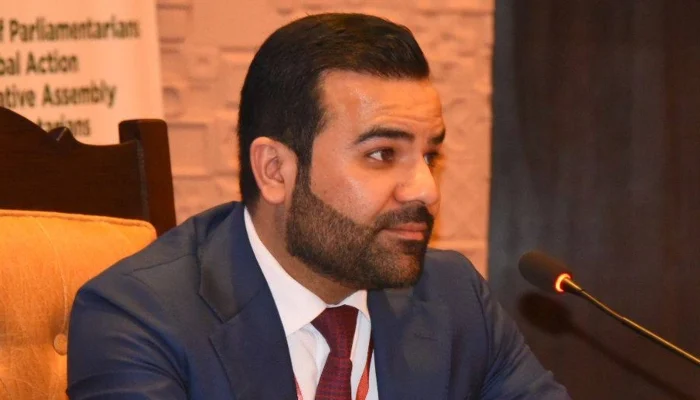
FAISALABAD — Regional Police Officer (RPO) Suhail Akhtar Sukhera conducted an open court session on Friday at his office to address public grievances directly. The initiative aimed to provide immediate resolutions to citizens’ complaints and enhance public trust in the police force. What Happened RPO Suhail Akhtar Sukhera chaired the open court, known locally as Khuli Kutchehry, where he personally attended to over 170 applicants from various districts within the region. The session was designed to facilitate direct communication between the public and the police, allowing citizens to present their issues without bureaucratic barriers. During the session, RPO Sukhera issued on-the-spot orders to resolve the grievances of 85 applicants. The remaining cases were forwarded to the relevant police officers for further investigation and action. This approach underscores the police department’s commitment to addressing public concerns promptly and effectively. RPO Sukhera emphasized the importance of providing swift justice, safeguarding citizens’ lives and property, and ensuring the timely resolution of issues. He stated, “Providing prompt justice to the citizens, protecting their lives and property, and timely redressing their issues are the top priorities of the police department.” He further warned that any mistreatment of citizens, delays in registering cases, or negligence in duties would not be tolerated. Background The concept of Khuli Kutchehry, or open court, has historical roots in South Asia, where it has been used as a platform for the public to voice their grievances directly to authorities. This practice is part of a broader effort by the Pakistani police to improve transparency and accountability within the force. In recent years, the police department has increasingly adopted such measures to bridge the gap between law enforcement and the community. Faisalabad, being one of the major industrial cities of Pakistan, often faces a multitude of law and order challenges. The open court initiative is part of ongoing efforts to address these challenges by fostering a more responsive and citizen-focused police service. Why It Matters The open court session held by RPO Suhail Akhtar Sukhera is significant for several reasons. Firstly, it demonstrates a proactive approach by the police to engage with the community and address their concerns directly. This initiative is likely to enhance public confidence in the police force, which is crucial for effective law enforcement. Secondly, by resolving issues on the spot, the police can prevent minor grievances from escalating into more significant conflicts. This not only helps maintain public order but also reduces the burden on the judicial system, which is often overwhelmed with cases. Moreover, the open court sessions serve as a deterrent against police misconduct. By holding officers accountable and ensuring that complaints are addressed promptly, the police department can improve its image and build trust with the community. This is particularly important in regions where there is a historical mistrust of law enforcement agencies. Finally, initiatives like Khuli Kutchehry can have broader socio-economic impacts. By ensuring that citizens’ grievances are heard and addressed, the police can contribute to a more stable and secure environment, which is conducive to economic growth and development. Key Takeaways RPO Suhail Akhtar Sukhera conducted an open court in Faisalabad to address public grievances. Over 170 applicants attended, with 85 issues resolved on the spot. The initiative aims to enhance transparency and accountability within the police force. Such sessions help build public trust and prevent minor issues from escalating. Open courts can contribute to a more stable socio-economic environment. Source Attribution This article is based on official government statements, press releases, and public communications from relevant authorities. Author: NEN Editorial Desk | Editor: NEN Newsroom | Fact Checked By: NEN Editorial Team Author: NEN Editorial Desk  |  Editor: NEN Newsroom  |  Last Updated: July 03, 2026  |  Source: NEN Reporter This article was produced by the NEN Editorial Desk in accordance with NEN Agency’s Editorial Policy and Fact-Checking Policy.

World

Pakistan Enhances Arbitration Framework with International Training

ISLAMABAD — Pakistan is taking steps to bolster its arbitration and alternative dispute resolution (ADR) frameworks through internationally accredited training, as part of its broader legal and economic reforms. The initiative was highlighted during a recent session at the International Mediation and Arbitration Center (IMAC), which operates under the Ministry of Law and Justice. What Happened The government of Pakistan has announced a renewed focus on strengthening its arbitration mechanisms to attract investment and enhance business confidence. This announcement was made during a session at the IMAC, where officials emphasized the importance of arbitration in fostering economic growth. The session underscored the need for internationally accredited training programs to improve the skills of local arbitrators and mediators, ensuring they meet global standards. Officials from the Ministry of Law and Justice stated that the initiative aims to integrate international best practices into Pakistan’s arbitration framework. By doing so, they hope to create a more predictable and reliable legal environment for both domestic and international investors. The IMAC, which plays a pivotal role in this initiative, is tasked with facilitating the training and certification of arbitrators and mediators in accordance with international standards. The push for enhanced arbitration is part of a larger strategy to reform Pakistan’s legal infrastructure, making it more conducive to economic activities. The government believes that a robust ADR system will reduce the burden on courts, expedite dispute resolution, and thus, improve the overall business climate in the country. Background Arbitration and ADR have long been recognized as effective tools for resolving disputes outside the traditional court system. In Pakistan, the need for efficient dispute resolution mechanisms has become increasingly urgent due to the backlog of cases in the judicial system. Historically, arbitration in Pakistan has faced challenges such as lack of awareness, limited access to trained professionals, and inconsistent application of laws. In recent years, the government has made several attempts to address these issues. The establishment of the IMAC was a significant step towards institutionalizing arbitration and ADR practices in Pakistan. The center aims to provide a platform for resolving disputes in a timely and cost-effective manner, drawing on international expertise and standards. Why It Matters The enhancement of Pakistan’s arbitration framework holds significant implications for the country’s economic and legal landscape. By aligning its arbitration practices with international standards, Pakistan aims to present itself as a more attractive destination for foreign investment. Investors often seek jurisdictions where disputes can be resolved efficiently and fairly, without the delays and uncertainties of protracted litigation. Furthermore, improving arbitration and ADR mechanisms can lead to increased business confidence among local entrepreneurs. When businesses are assured of a reliable dispute resolution process, they are more likely to engage in commercial activities and enter into contracts, knowing that any potential disputes can be resolved swiftly. On a broader scale, strengthening the arbitration framework is part of Pakistan’s efforts to modernize its legal system. This move is expected to reduce the caseload on traditional courts, allowing them to focus on more complex legal issues. As a result, the overall efficiency of the judicial system could improve, benefiting citizens and businesses alike. Key Takeaways Pakistan is enhancing its arbitration framework through internationally accredited training. The initiative aims to attract investment and boost business confidence. IMAC is central to implementing international standards in arbitration practices. Improved arbitration mechanisms can reduce the burden on Pakistan’s judicial system. The reforms are part of broader legal and economic modernization efforts. Source Attribution This article is based on official government statements, press releases, and public communications from relevant authorities. Author: NEN Editorial Desk | Editor: NEN Newsroom | Fact Checked By: NEN Editorial Team Author: NEN Editorial Desk  |  Editor: NEN Newsroom  |  Last Updated: July 03, 2026  |  Source: NEN Reporter This article was produced by the NEN Editorial Desk in accordance with NEN Agency’s Editorial Policy and Fact-Checking Policy.
Pakistan

Interfaith Delegation Visits Jamia Ashrafia to Foster Religious Harmony

LAHORE — A diverse delegation comprising members of various religious and sectarian communities visited Jamia Ashrafia in Lahore on July 3, aiming to enhance religious tolerance and unity across Pakistan. The visit was organized by the National Paigham-e-Aman Committee, which includes representatives from multiple faiths and sects, and was warmly received by the administration, faculty, and students of the institution. What Happened The delegation’s visit to Jamia Ashrafia marks a significant effort to bridge gaps between different religious and sectarian groups in Pakistan. The National Paigham-e-Aman Committee, which orchestrated the visit, is dedicated to promoting peace and understanding among diverse communities. During the visit, delegates engaged in discussions with the faculty and students of Jamia Ashrafia, focusing on the importance of religious harmony and mutual respect. According to the administration of Jamia Ashrafia, the delegation was given a comprehensive tour of the institution, allowing them to witness firsthand the educational environment and the emphasis on religious tolerance within the curriculum. The delegation included individuals from various religious backgrounds, including Islam, Christianity, Hinduism, and Sikhism, as well as representatives from different Islamic sects. In a statement, a spokesperson for the National Paigham-e-Aman Committee emphasized the importance of such visits in fostering dialogue and understanding. “Our goal is to create a platform where people from different religious and sectarian backgrounds can come together to discuss their differences and find common ground,” the spokesperson said. Background Pakistan has a history of religious and sectarian tensions, which have often led to violence and social unrest. The government and various civil society organizations have been working to promote interfaith dialogue and harmony as a means to counteract these divisions. Jamia Ashrafia, a prominent Islamic educational institution in Lahore, has been involved in various initiatives aimed at promoting religious tolerance and understanding. The National Paigham-e-Aman Committee was established to facilitate interfaith and inter-sect dialogue across the country. It aims to bring together leaders and representatives from various religious communities to promote peace and unity. The committee has organized several events and visits to religious institutions, fostering a spirit of cooperation and understanding. Why It Matters The visit of the interfaith delegation to Jamia Ashrafia is significant in the context of Pakistan’s ongoing efforts to promote religious harmony. By facilitating dialogue between different religious and sectarian groups, such initiatives aim to reduce tensions and promote a more inclusive society. This is particularly important in a country where religious and sectarian differences have historically been a source of conflict. Economically, promoting religious harmony can lead to a more stable and peaceful society, which is conducive to economic growth and development. Socially, it can help reduce discrimination and violence against minority communities, fostering a more inclusive and equitable society. Politically, such initiatives can strengthen national unity and contribute to a more cohesive national identity. Internationally, Pakistan’s efforts to promote religious harmony can enhance its image as a country committed to peace and tolerance. This can improve diplomatic relations and attract foreign investment, contributing to the country’s economic growth and development. Key Takeaways A diverse interfaith and inter-sect delegation visited Jamia Ashrafia in Lahore to promote religious harmony. The visit was organized by the National Paigham-e-Aman Committee, which aims to foster dialogue and understanding among different religious communities. Pakistan has a history of religious and sectarian tensions, and initiatives like this are crucial for promoting peace and unity. Promoting religious harmony can have significant economic, social, and political benefits for Pakistan. Internationally, such efforts can enhance Pakistan’s image as a country committed to peace and tolerance. Source Attribution This article is based on official government statements, press releases, and public communications from relevant authorities. Author: NEN Editorial Desk | Editor: NEN Newsroom | Fact Checked By: NEN Editorial Team Author: NEN Editorial Desk  |  Editor: NEN Newsroom  |  Last Updated: July 03, 2026  |  Source: NEN Reporter This article was produced by the NEN Editorial Desk in accordance with NEN Agency’s Editorial Policy and Fact-Checking Policy.

Pakistan

PPP to Commemorate July 5 as Black Day for 1977 Coup Anniversary

LAHORE — The Pakistan Peoples Party (PPP) has announced plans to observe July 5 as a Black Day across the nation, commemorating the anniversary of the 1977 military coup that ousted the democratic government. This observance aims to reaffirm the party’s dedication to democratic principles and constitutional supremacy. What Happened The PPP has scheduled a series of events for Sunday, July 5, to mark the somber occasion of the military coup led by General Zia-ul-Haq, which deposed then Prime Minister Zulfikar Ali Bhutto. The coup marked a significant turning point in Pakistan’s history, leading to an extended period of military rule. According to a spokesperson for the PPP, the party will organize seminars, prayer gatherings, and protest programs nationwide to highlight the importance of democracy and the rule of law. These events are intended to remind the public of the consequences of the 1977 coup and to emphasize the need for vigilance in protecting democratic institutions. The PPP’s leadership, including prominent figures from the Bhutto family, is expected to participate actively in these observances, delivering speeches and engaging with party workers and supporters. The party’s decision to hold these events is rooted in its historical struggle for democracy and its opposition to military interventions in politics. The PPP has long championed the cause of civilian supremacy and has been a vocal critic of military influence in governance. Background The 1977 military coup was a pivotal event in Pakistan’s political history. On July 5, 1977, General Zia-ul-Haq overthrew the government of Prime Minister Zulfikar Ali Bhutto, citing alleged electoral malpractices and civil unrest. This coup led to the imposition of martial law and the suspension of the constitution, ushering in an era of authoritarian rule that lasted until Zia’s death in 1988. Zulfikar Ali Bhutto, the founder of the PPP, was subsequently tried and executed in 1979, a move that was widely condemned internationally and viewed as politically motivated. The coup and its aftermath had long-lasting impacts on Pakistan’s political landscape, including the suppression of political dissent and the curtailment of civil liberties. The PPP has consistently commemorated July 5 as a Black Day to honor the memory of Zulfikar Ali Bhutto and to renew its commitment to the democratic process. The party views this observance as a reminder of the sacrifices made by its leaders and supporters in the struggle for democracy. Why It Matters The observance of July 5 as a Black Day holds significant political and historical importance for Pakistan. It serves as a reminder of the fragility of democratic institutions and the potential consequences of military interventions in politics. The PPP’s activities on this day aim to educate the public about the dangers of authoritarianism and the importance of safeguarding democratic values. Economically, the 1977 coup had far-reaching effects, as it disrupted political stability and led to policies that prioritized military interests over civilian development. The ensuing period of military rule saw a shift in economic priorities, with increased defense spending and reduced focus on social welfare programs. Socially, the coup and subsequent military rule curtailed freedoms and stifled political expression, leading to a culture of fear and censorship. The PPP’s commemoration of this day serves as a call to action for citizens to remain vigilant and to advocate for democratic rights and freedoms. Internationally, the observance of July 5 as a Black Day underscores Pakistan’s ongoing struggle with civil-military relations and the challenges of consolidating democratic governance. It highlights the need for continued efforts to strengthen democratic institutions and to ensure civilian oversight of the military. Key Takeaways The PPP will observe July 5 as a Black Day to commemorate the 1977 military coup. Events include seminars, prayer gatherings, and protests to emphasize democratic values. The 1977 coup led to a prolonged period of military rule in Pakistan. The observance serves as a reminder of the importance of protecting democratic institutions. It highlights the need for vigilance against authoritarianism and military interventions. Source Attribution This article is based on official statements from the Pakistan Peoples Party and public communications from relevant authorities. Author: NEN Editorial Desk | Editor: NEN Newsroom | Fact Checked By: NEN Editorial Team Author: NEN Editorial Desk  |  Editor: NEN Newsroom  |  Last Updated: July 03, 2026  |  Source: NEN Reporter This article was produced by the NEN Editorial Desk in accordance with NEN Agency’s Editorial Policy and Fact-Checking Policy.

Pakistan

BOI Minister Engages With Tech Leaders to Boost Investment in Pakistan

ISLAMABAD — Federal Minister for Board of Investment (BOI), Qaiser Ahmed Sheikh, convened a strategic meeting on July 3 with key figures from the technology and business sectors to explore avenues for enhancing technology investments in Pakistan. The meeting included Brigadier Abid Cheema, CEO of The Silicon Village, Pakistan’s largest tax-free technology park, and David Dai, Executive Director of Sino British Regional Development. What Happened During the meeting, Minister Qaiser Ahmed Sheikh emphasized the government’s commitment to fostering a conducive environment for technology investments. The discussions centered around leveraging Pakistan’s potential as a hub for technological innovation and development. Brigadier Abid Cheema highlighted the role of The Silicon Village in facilitating technology-driven enterprises and the importance of creating synergies between local and international stakeholders. David Dai, representing Sino British Regional Development, expressed interest in expanding collaborative efforts between Chinese and Pakistani tech sectors. He noted, “Pakistan’s strategic location and emerging market potential make it an attractive destination for technology investments.” The delegation discussed potential projects that could benefit from Chinese expertise and investment, particularly in areas such as artificial intelligence, software development, and digital infrastructure. The meeting also touched upon the need for policy reforms to streamline investment processes and reduce bureaucratic hurdles. Minister Sheikh assured the delegation of ongoing efforts to enhance regulatory frameworks and provide incentives for foreign investors. “Our goal is to make Pakistan a preferred destination for technology investment,” he stated. Background Pakistan has been actively seeking to attract foreign investment in its technology sector as part of its broader economic development strategy. The government has established several technology parks and special economic zones to support this initiative. The Silicon Village, located in Islamabad, is a significant part of this strategy, offering tax incentives and state-of-the-art facilities to tech companies. Historically, Pakistan has faced challenges in attracting consistent foreign investment due to political instability and regulatory complexities. However, recent efforts to stabilize the economy and improve the ease of doing business have started to yield positive results. The government’s focus on digital transformation and technology-driven growth is seen as a critical component of its long-term economic plan. Why It Matters The meeting is significant as it underscores Pakistan’s efforts to position itself as a key player in the global technology market. By engaging with international stakeholders, Pakistan aims to attract investments that can drive economic growth and create employment opportunities. The collaboration with Chinese entities, in particular, is crucial given China’s expertise in technology and its Belt and Road Initiative, which includes significant investments in infrastructure and technology across Asia. For the Pakistani economy, increased technology investment means potential growth in sectors such as IT services, software development, and digital commerce. This could lead to the creation of high-skilled jobs and the development of a robust digital economy. Moreover, successful partnerships with international companies can enhance Pakistan’s technological capabilities and competitiveness on the global stage. On a broader scale, these developments could contribute to regional stability and economic integration, aligning with Pakistan’s strategic goals of fostering regional cooperation and development. The government’s proactive approach in engaging with international investors reflects its commitment to transforming Pakistan into a technology-driven economy. Key Takeaways BOI Minister Qaiser Ahmed Sheikh met with tech leaders to discuss investment opportunities in Pakistan. The meeting focused on enhancing Pakistan’s role as a technology hub through international collaboration. Discussions included potential Chinese investments in AI, software, and digital infrastructure. The government aims to improve regulatory frameworks to attract more foreign investment. Increased technology investment is expected to drive economic growth and create high-skilled jobs in Pakistan. Source Attribution This article is based on official government statements and public communications from relevant authorities. Author: NEN Editorial Desk | Editor: NEN Newsroom | Fact Checked By: NEN Editorial Team Author: NEN Editorial Desk  |  Editor: NEN Newsroom  |  Last Updated: July 03, 2026  |  Source: Press Release from Government of Pakistan This article was produced by the NEN Editorial Desk in accordance with NEN Agency’s Editorial Policy and Fact-Checking Policy.

World

Zone VI Secures Fourth Straight Victory in Karachi U-19 Cricket League

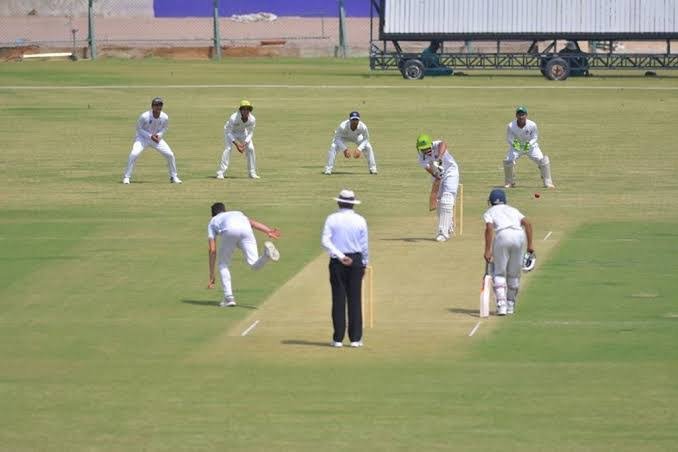
KARACHI — Zone VI continued their dominance in the Regional Inter-District Under-19 (Karachi Region) One-Day Cricket League by achieving their fourth consecutive win. The matches, organized by the Pakistan Cricket Board (PCB), also saw Zone VII and Zone V securing victories at various venues across Karachi on July 3. What Happened Zone VI’s latest triumph in the U-19 league was marked by a strong team performance, showcasing both batting and bowling prowess. The team has been on an impressive run, maintaining an unbeaten streak that has positioned them as strong contenders in the league. Their latest victory came as a result of disciplined cricket, with standout performances from several players. The match saw Zone VI setting a challenging target, which their opponents struggled to chase. The team’s bowlers executed their strategies effectively, restricting the opposition’s scoring opportunities and taking crucial wickets at regular intervals. This comprehensive performance not only secured their fourth win but also boosted their confidence for upcoming matches. Meanwhile, Zone VII and Zone V also emerged victorious in their respective matches, demonstrating the competitive nature of the league. Each team displayed remarkable talent, with individual players contributing significantly to their teams’ successes. The matches were played at various cricket grounds in Karachi, drawing attention from local cricket enthusiasts. Background The Regional Inter-District Under-19 One-Day Cricket League is a crucial platform for young cricketers in Pakistan, providing them with opportunities to showcase their skills and gain recognition. Organized by the PCB, the league aims to nurture young talent and prepare them for higher levels of competition. Over the years, the league has been instrumental in identifying future stars of Pakistani cricket. Zone VI has a history of strong performances in the league, often finishing among the top teams. Their consistent success can be attributed to a robust training program and a focus on developing players’ technical skills and mental toughness. This year’s league has been no exception, with Zone VI once again proving their mettle on the field. Why It Matters The success of Zone VI in the U-19 league is significant for several reasons. Firstly, it highlights the effectiveness of the PCB’s developmental programs in fostering young talent. The league serves as a breeding ground for future national players, and consistent performances by teams like Zone VI demonstrate the potential within Pakistan’s cricketing pipeline. Economically, successful leagues like this attract sponsorships and investments, which are vital for the growth of cricket at the grassroots level. They also provide young players with exposure and opportunities to secure professional contracts, which can be life-changing for many aspiring cricketers. Socially, the league engages local communities, promoting sportsmanship and healthy competition among youth. It also serves as an inspiration for young cricketers across the country, encouraging them to pursue their dreams of playing cricket at a professional level. On an international level, the league’s success contributes to Pakistan’s reputation as a cricketing nation. By developing skilled players from a young age, Pakistan can ensure a steady supply of talent to the national team, enhancing its competitiveness on the global stage. Key Takeaways Zone VI achieved their fourth consecutive win in the Karachi U-19 Cricket League. The league is organized by the Pakistan Cricket Board to nurture young cricket talent. Zone VII and Zone V also recorded victories, showcasing the league’s competitiveness. The league plays a crucial role in developing future national cricket players. Success in the league can lead to economic benefits and increased community engagement. Source Attribution This article is based on official statements and public communications from the Pakistan Cricket Board and relevant authorities. Author: NEN Editorial Desk | Editor: NEN Newsroom | Fact Checked By: NEN Editorial Team Author: NEN Editorial Desk  |  Editor: NEN Newsroom  |  Last Updated: July 03, 2026  |  Source: NEN Reporter This article was produced by the NEN Editorial Desk in accordance with NEN Agency’s Editorial Policy and Fact-Checking Policy.

Scroll to Top