
Author name: Yasir Zubairi

Yasir Zubairi is the founder and publisher of NEN Agency (News Era Network). He leads NEN's coverage of Pakistan's national affairs, economy, foreign relations and sports, and is responsible for the accuracy and standards of every story published on nenagency.com.

Minister Condemns Drone Incursion from Afghanistan into Pakistan
Pakistan

Minister Condemns Drone Incursion from Afghanistan into Pakistan

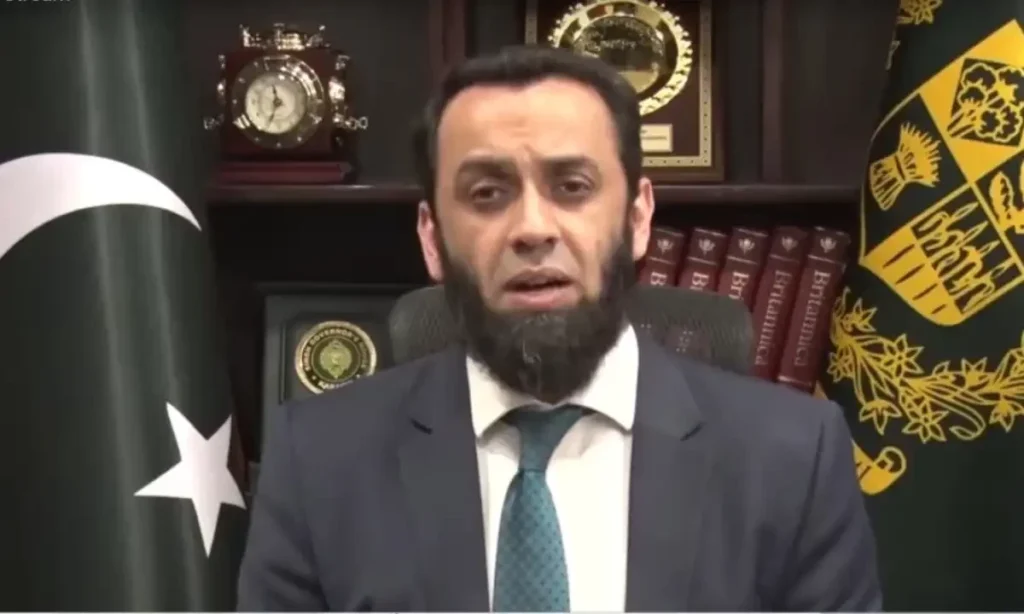
ISLAMABAD — Federal Minister for Information and Broadcasting Attaullah Tarar has condemned the recent drone incursion into Pakistan from Afghanistan, labeling it as a deliberate and unlawful act. The incident, which occurred on Thursday, prompted Pakistan to exercise its right to self-defence, according to a statement released by the minister. What Happened The incursion involved an unmanned aerial vehicle (UAV) entering Pakistani airspace from Afghan territory. Minister Attaullah Tarar, in a statement shared on social media platform X, expressed strong condemnation of the act, emphasizing that such violations of Pakistan’s airspace are unacceptable. He stated that the country’s air defence systems were quick to detect, track, and neutralize the threat posed by the drone. “Pakistan has always maintained a stance of peace and cooperation with its neighbours, but any threat to our territorial integrity will be met with a firm response,” Tarar asserted. The minister highlighted that the incursion was a clear violation of international norms and Pakistan’s sovereignty. The incident has raised concerns about the security of Pakistan’s borders and the potential implications for regional stability. The government has not disclosed specific details about the origin or the purpose of the drone, but the swift response by Pakistan’s military indicates a high level of preparedness to counter such threats. Background Drone incursions have been a contentious issue between Pakistan and Afghanistan, with both countries sharing a long and porous border. Historically, the Durand Line, which demarcates the boundary between the two nations, has been a point of contention and has seen various security challenges. In recent years, Pakistan has invested significantly in enhancing its border security and air defence capabilities. The country has faced numerous challenges from cross-border terrorism and has taken steps to fortify its borders to prevent unauthorized incursions. The geopolitical dynamics in the region have been complex, with Afghanistan experiencing significant political and security changes following the withdrawal of US and NATO forces. The Taliban’s return to power has further complicated the situation, with Pakistan advocating for a stable and peaceful Afghanistan to ensure regional security. Why It Matters The drone incursion from Afghanistan into Pakistan is significant as it underscores the ongoing security challenges faced by the region. Such incidents can escalate tensions between the two countries, potentially affecting diplomatic relations and regional stability. For Pakistan, maintaining sovereignty and ensuring the security of its borders is paramount. The government’s swift response to the incursion reflects its commitment to protecting its territorial integrity. However, these incidents also highlight the need for improved diplomatic channels and communication between Pakistan and Afghanistan to prevent misunderstandings and potential conflicts. Economically, any escalation in tensions can impact trade and cooperation between the two nations. Pakistan has been a key player in advocating for peace in Afghanistan, recognizing that stability in its neighbour is crucial for its own economic growth and security. On an international level, the incident draws attention to the broader challenges of drone warfare and the need for international regulations governing the use of UAVs. With technology advancing rapidly, countries must navigate the complexities of modern warfare while adhering to international laws and norms. Key Takeaways Federal Minister Attaullah Tarar condemned the drone incursion from Afghanistan into Pakistan as a violation of sovereignty. Pakistan’s air defence systems successfully detected and neutralized the threat posed by the drone. The incident highlights ongoing security challenges along the Pakistan-Afghanistan border. Diplomatic and economic relations between the two countries could be affected by such security incidents. International attention is drawn to the need for regulations on drone warfare and airspace violations. Source Attribution This article is based on official government statements and public communications from relevant authorities. Author: NEN Editorial Desk | Editor: NEN Newsroom | Fact Checked By: NEN Editorial Team Author: NEN Editorial Desk  |  Editor: NEN Newsroom  |  Last Updated: September 24, 2026  |  Source: NEN Reporter This article was produced by the NEN Editorial Desk in accordance with NEN Agency’s Editorial Policy and Fact-Checking Policy.
Pakistan Urges UN to Address AI Threats to Global Stability
World

Pakistan Urges UN to Address AI Threats to Global Stability

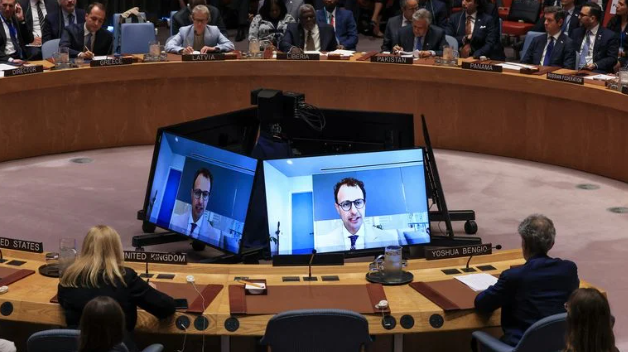
UNITED NATIONS — Pakistan has issued a cautionary statement to the United Nations Security Council regarding the potential dangers posed by the unregulated advancement of artificial intelligence (AI). On Thursday, Deputy Prime Minister and Foreign Minister of Pakistan, Senator Mohammad Ishaq Dar, emphasized the need for international collaboration to establish regulatory frameworks to prevent AI from exacerbating global inequalities and jeopardizing international peace. What Happened During a session at the United Nations Security Council, Senator Mohammad Ishaq Dar articulated Pakistan’s concerns about the rapid development of AI technologies. He highlighted that without appropriate oversight and governance, AI could significantly widen existing global disparities and pose a threat to international security. “Concerted efforts are required to erect the necessary guardrails, regulations and governance frameworks,” Dar stated, underscoring the urgency of the matter. Dar’s address called for a collective international response to the challenges posed by AI, urging member states to prioritize the creation of comprehensive regulatory mechanisms. He warned that the absence of such measures could lead to AI technologies being used in ways that undermine global stability and equality. The session also saw discussions on the potential for AI to disrupt labor markets, influence democratic processes, and exacerbate socio-economic divides if left unchecked. The Pakistani delegation stressed the importance of ensuring that AI development is aligned with the principles of fairness, transparency, and accountability. Background The conversation around AI regulation has been gaining momentum as countries worldwide grapple with the ethical and security implications of rapidly advancing technologies. AI has the potential to revolutionize industries, improve efficiencies, and drive economic growth. However, it also poses significant risks, including job displacement, privacy violations, and the creation of autonomous weapons systems. Historically, the UN has played a pivotal role in addressing global challenges through multilateral cooperation. The call from Pakistan aligns with ongoing international efforts to develop a cohesive strategy for managing AI technologies. Various international bodies and think tanks have been advocating for the establishment of global standards and ethical guidelines to govern AI development and deployment. Why It Matters The issue of AI regulation is of critical importance to both developed and developing nations. For countries like Pakistan, the unchecked proliferation of AI could exacerbate existing socio-economic challenges, widening the gap between the global north and south. This could lead to increased tensions and instability, both within and between nations. Economically, AI has the potential to disrupt traditional industries, leading to significant job losses in sectors reliant on manual labor. This could have a profound impact on countries with large populations employed in such industries, potentially leading to increased unemployment and social unrest. Politically, the misuse of AI technologies could undermine democratic processes, with concerns about AI-driven misinformation campaigns and election interference. This underscores the need for robust regulatory frameworks to ensure that AI is used ethically and responsibly. Internationally, the development of autonomous weapons systems powered by AI presents a new frontier in warfare, raising ethical and security concerns. The potential for AI to be used in military applications necessitates urgent international dialogue and cooperation to prevent an arms race in AI technologies. Key Takeaways Pakistan has warned the UN Security Council about the risks of unregulated AI development. Deputy Prime Minister Mohammad Ishaq Dar emphasized the need for international regulatory frameworks. AI poses risks to global equality, labor markets, and international security. There is an urgent need for international cooperation to establish ethical guidelines for AI. Unchecked AI development could exacerbate global socio-economic divides. Source Attribution This article is based on official government statements, press releases, and public communications from relevant authorities. Author: NEN Editorial Desk | Editor: NEN Newsroom | Fact Checked By: NEN Editorial Team Author: NEN Editorial Desk  |  Editor: NEN Newsroom  |  Last Updated: September 24, 2026  |  Source: NEN Reporter This article was produced by the NEN Editorial Desk in accordance with NEN Agency’s Editorial Policy and Fact-Checking Policy.
Pakistan Consulate in Jeddah Launches Online Appointments for Consular Services
World

Pakistan Consulate in Jeddah Launches Online Appointments for Consular Services

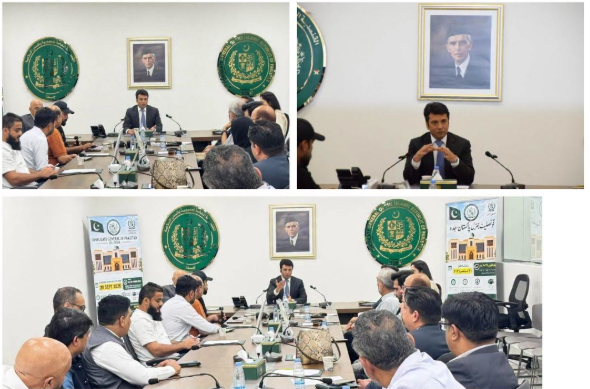
JEDDAH — The Consulate General of Pakistan in Jeddah has implemented a new online appointment system for NADRA and Machine-Readable Passport (MRP) services. This initiative, announced on September 24, aims to enhance the efficiency and accessibility of consular services for the large Pakistani community residing in Saudi Arabia’s western region. What Happened The Consulate General of Pakistan in Jeddah has introduced a mandatory online appointment system to facilitate services related to the National Database and Registration Authority (NADRA) and the issuance of Machine-Readable Passports (MRP). This development is part of a broader strategy to modernize consular services and reduce wait times for the hundreds of thousands of Pakistanis living in the region. According to Pakistan’s Consul General in Jeddah, Syed Hamid Ali, the new system is designed to streamline operations and provide a more organized approach to handling the high volume of applications. “The introduction of online appointments is a significant step towards improving service delivery and ensuring that our community members can access services efficiently,” he stated. The online system requires applicants to schedule their appointments through the consulate’s official website. This move is expected to minimize long queues and waiting periods, which have been a persistent issue for many seeking consular services. The consulate has emphasized that walk-in services will no longer be available, making it imperative for applicants to secure an appointment online. Background The Pakistani community in Saudi Arabia is one of the largest expatriate groups, with a significant number residing in the western region, including Jeddah. Historically, the consulate has faced challenges in managing the high demand for NADRA and passport services, often resulting in overcrowded facilities and extended waiting times. NADRA is responsible for maintaining the national database of citizens, while MRPs are essential for international travel. The introduction of machine-readable passports in Pakistan was part of a global initiative to enhance security and streamline immigration processes. However, the demand for these services abroad, particularly in regions with large Pakistani populations, has often exceeded the available capacity. Why It Matters The implementation of an online appointment system is a crucial development for the Pakistani community in Jeddah and its surrounding areas. By reducing the need for physical presence at the consulate, the new system not only alleviates congestion but also aligns with global trends towards digitalization and remote service delivery. Economically, this system can save time and resources for both the consulate and the applicants. Applicants no longer need to spend hours or even days waiting for their turn, which can be particularly challenging for those who have to travel long distances or take time off work. This efficiency can lead to increased productivity and satisfaction among the expatriate community. Socially, the system enhances accessibility for all community members, including those who may have previously faced difficulties in visiting the consulate due to health, mobility, or other constraints. It also ensures that services are provided in a more dignified and orderly manner, reflecting positively on the consulate’s commitment to serving its citizens abroad. On an international level, the move underscores Pakistan’s efforts to modernize its overseas operations and improve its global image. By adopting digital solutions, the consulate is setting a precedent for other diplomatic missions to follow, potentially influencing broader changes in how consular services are delivered worldwide. Key Takeaways The Pakistan Consulate in Jeddah has launched an online appointment system for NADRA and passport services. The system aims to reduce wait times and improve service efficiency for the Pakistani community in Saudi Arabia. Applicants must schedule appointments online, as walk-in services are no longer available. This initiative aligns with global trends towards digitalization and remote service delivery. The move reflects Pakistan’s commitment to modernizing its consular services and improving its international image. Source Attribution This article is based on official statements and public communications from the Consulate General of Pakistan in Jeddah. Author: NEN Editorial Desk | Editor: NEN Newsroom | Fact Checked By: NEN Editorial Team Author: NEN Editorial Desk  |  Editor: NEN Newsroom  |  Last Updated: September 24, 2026  |  Source: NEN Reporter This article was produced by the NEN Editorial Desk in accordance with NEN Agency’s Editorial Policy and Fact-Checking Policy.
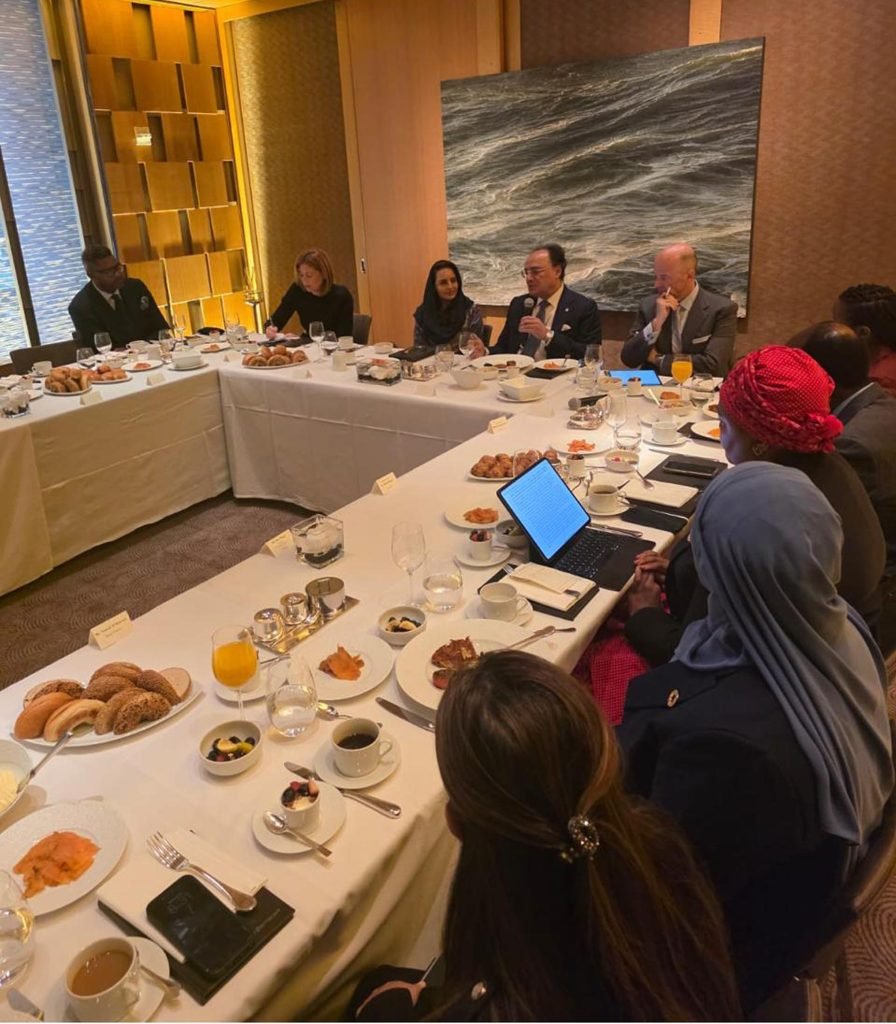
PM Shehbaz Engages EU Leaders During UNGA Session in New York
World

PM Shehbaz Engages EU Leaders During UNGA Session in New York

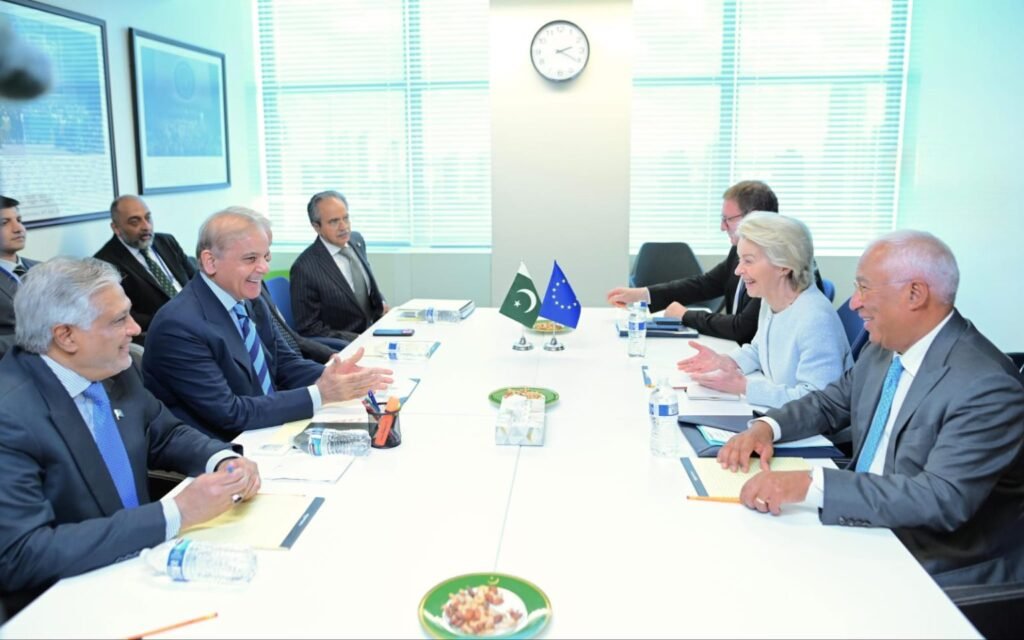
NEW YORK — Prime Minister Shehbaz Sharif met with European Council President António Luís Santos da Costa and European Commission President Ursula Gertrud von der Leyen on the sidelines of the United Nations General Assembly in New York on Wednesday. The discussions focused on enhancing bilateral relations and addressing global challenges. What Happened Prime Minister Shehbaz Sharif’s meeting with the EU leaders took place during the 78th session of the United Nations General Assembly, a platform where global leaders converge to discuss pressing international issues. The meeting underscored the importance of Pakistan’s relationship with the European Union, which has been a significant trading partner and a source of development aid. During the discussions, the leaders reviewed the full spectrum of Pakistan-EU relations, focusing on trade, investment, and cooperation in various sectors. Prime Minister Sharif emphasized the need for increased collaboration in areas such as climate change, energy, and education. He highlighted Pakistan’s efforts in promoting regional peace and stability, which are crucial for economic growth and development. President da Costa and President von der Leyen expressed their appreciation for Pakistan’s role in regional peace initiatives and acknowledged the country’s efforts in addressing the challenges posed by climate change. They reiterated the EU’s commitment to supporting Pakistan in its developmental goals and enhancing bilateral trade relations. The meeting also touched upon the importance of multilateral cooperation in tackling global issues such as the COVID-19 pandemic, economic recovery, and sustainable development. Both sides agreed on the necessity of strengthening international institutions to effectively address these challenges. Background Pakistan and the European Union have maintained a robust relationship since the establishment of diplomatic ties in 1962. The EU is one of Pakistan’s largest trading partners, with bilateral trade exceeding €10 billion annually. The Generalised Scheme of Preferences Plus (GSP+) status granted to Pakistan has been instrumental in boosting exports to EU countries. The EU has also been a significant contributor to development projects in Pakistan, focusing on areas such as education, health, and rural development. The collaboration extends to addressing global challenges, including climate change, where the EU has supported Pakistan’s initiatives to mitigate environmental impacts. The United Nations General Assembly serves as a critical forum for Pakistan to engage with international leaders and advocate for its national interests. The annual session provides an opportunity for the country to highlight its contributions to global peace and security and to seek support for its developmental agenda. Why It Matters The meeting between Prime Minister Shehbaz Sharif and the EU leaders is significant for several reasons. Firstly, it reinforces the strategic partnership between Pakistan and the European Union, which is crucial for economic growth and stability in the region. The EU’s support through trade agreements and development aid plays a vital role in Pakistan’s economic development and poverty alleviation efforts. Secondly, the discussions on climate change and sustainable development are timely, given the increasing frequency of climate-related disasters in Pakistan. The country’s vulnerability to climate change impacts necessitates international cooperation and support, particularly in implementing adaptation and mitigation strategies. Furthermore, the engagement at the UNGA highlights Pakistan’s active role in the international community. By participating in high-level discussions and forging alliances with key global players, Pakistan can enhance its diplomatic standing and influence in multilateral forums. Lastly, the meeting underscores the importance of multilateralism in addressing global challenges. As the world grapples with issues such as pandemics, economic instability, and environmental degradation, collaborative efforts are essential to ensure sustainable and inclusive growth for all nations. Key Takeaways Prime Minister Shehbaz Sharif met with EU leaders on the sidelines of the UNGA to discuss bilateral relations. The meeting focused on trade, investment, climate change, and regional peace initiatives. The EU is a major trading partner and development aid provider for Pakistan. The discussions underscored the importance of multilateral cooperation in addressing global challenges. Pakistan’s engagement with the EU at the UNGA enhances its diplomatic standing and influence. Source Attribution This article is based on official government statements, press releases, and public communications from relevant authorities. Author: NEN Editorial Desk | Editor: NEN Newsroom | Fact Checked By: NEN Editorial Team Author: NEN Editorial Desk  |  Editor: NEN Newsroom  |  Last Updated: September 24, 2026  |  Source: Press Release from Government of Pakistan This article was produced by the NEN Editorial Desk in accordance with NEN Agency’s Editorial Policy and Fact-Checking Policy.

Finance Minister Emphasizes Digital Transformation for Economic Growth
World

Finance Minister Emphasizes Digital Transformation for Economic Growth

ISLAMABAD — Federal Minister for Finance and Revenue, Senator Muhammad Aurangzeb, underscored the importance of digital transformation as a pivotal factor in Pakistan’s journey from economic stabilization to sustainable growth. Speaking on Wednesday, the minister outlined how embracing digital technologies could bolster the nation’s economic prospects. What Happened During a recent address, Finance Minister Muhammad Aurangzeb highlighted the critical role of digital transformation in driving Pakistan’s economic development. He emphasized that integrating digital technologies into various sectors is not just a strategy for modernization but a necessity for achieving long-term economic sustainability. The minister noted that digital transformation could enhance efficiency, transparency, and inclusivity across multiple industries, thereby fostering an environment conducive to growth. “Digital transformation is a key driver for our transition from economic stabilization to sustainable economic growth,” Senator Aurangzeb stated. He elaborated on the government’s commitment to implementing policies that facilitate digital adoption in both the public and private sectors. The minister also pointed out the potential of digital technologies to improve service delivery, reduce costs, and open new avenues for innovation and entrepreneurship. The finance minister’s remarks came amidst ongoing efforts by the government to strengthen the digital infrastructure in Pakistan. These efforts include initiatives to expand internet connectivity, enhance cybersecurity measures, and promote digital literacy among the population. By prioritizing these areas, the government aims to create a robust digital ecosystem that supports economic activities and attracts foreign investment. Background Pakistan’s focus on digital transformation aligns with global trends where countries are increasingly leveraging technology to enhance economic performance. The government has been actively pursuing digital initiatives since the launch of the Digital Pakistan Vision in 2019, which aims to transform Pakistan into a knowledge-based economy. This vision encompasses various components such as digital infrastructure development, e-governance, and digital skills training. Historically, Pakistan has faced challenges in achieving consistent economic growth due to factors such as political instability, inadequate infrastructure, and limited access to technology. However, recent advancements in digital technologies present an opportunity to overcome these hurdles and drive economic progress. By investing in digital infrastructure and fostering a culture of innovation, Pakistan seeks to position itself as a competitive player in the global digital economy. Why It Matters The emphasis on digital transformation is significant for Pakistan’s economic trajectory. As the world becomes increasingly digital, countries that fail to adapt risk being left behind in terms of economic competitiveness. By embracing digital technologies, Pakistan can enhance productivity, create new job opportunities, and improve the quality of life for its citizens. Economically, digital transformation can lead to increased efficiency in industries such as agriculture, manufacturing, and services. For instance, digital tools can optimize supply chains, improve resource management, and facilitate access to new markets. This can result in cost savings and higher profitability for businesses, contributing to overall economic growth. Socially, digital transformation can promote inclusivity by providing marginalized communities with access to information and services that were previously inaccessible. This includes access to education, healthcare, and financial services, which can help reduce poverty and improve living standards. On the international front, a digitally advanced Pakistan can attract foreign investment and strengthen trade relations by offering a more competitive business environment. This can enhance the country’s integration into the global economy and boost its economic resilience. Key Takeaways Finance Minister Muhammad Aurangzeb emphasizes digital transformation as crucial for sustainable economic growth in Pakistan. The government is committed to policies that promote digital adoption across various sectors. Digital transformation can enhance efficiency, transparency, and inclusivity, contributing to economic development. Pakistan’s Digital Pakistan Vision aims to transform the country into a knowledge-based economy. Embracing digital technologies can improve competitiveness, attract foreign investment, and enhance social inclusivity. Source Attribution This article is based on official government statements and public communications from relevant authorities. Author: NEN Editorial Desk | Editor: NEN Newsroom | Fact Checked By: NEN Editorial Team Author: NEN Editorial Desk  |  Editor: NEN Newsroom  |  Last Updated: September 24, 2026  |  Source: Press Release from Government of Pakistan This article was produced by the NEN Editorial Desk in accordance with NEN Agency’s Editorial Policy and Fact-Checking Policy.
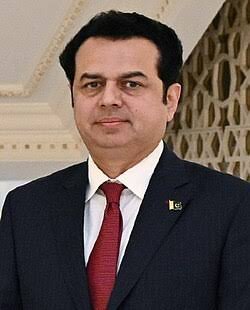
Chairman Urges Diesel Relief for Transport and Agriculture Sectors
World

Chairman Urges Diesel Relief for Transport and Agriculture Sectors

MULTAN — Khawaja Muhammad Hussain, Chairman of the Multan Dry Port Trust and former president of the Multan Chamber of Commerce and Industry, has urged the government to extend its Rs100-per-litre fuel relief scheme to include goods transporters, tractors, and tube wells. Hussain highlighted that diesel users have been significantly affected by recent price hikes driven by global economic instability. What Happened On September 23, Khawaja Muhammad Hussain addressed the pressing issue of diesel price increases and their impact on critical sectors such as transportation and agriculture. He emphasized the need for the government to expand its existing fuel relief program, which currently provides a Rs100-per-litre subsidy, to cover diesel used by goods transporters, tractors, and tube wells. According to Hussain, these sectors are vital for the economy and have been disproportionately affected by the rising costs of diesel fuel. Hussain stated, “The transport and agricultural sectors are the backbone of our economy. The recent hikes in diesel prices have placed an unbearable burden on these sectors, which could lead to increased costs for goods and food production.” He further elaborated that without government intervention, the rising operational costs could have a cascading effect on the prices of essential commodities, thereby affecting the general population. Background In recent months, global oil prices have surged due to geopolitical tensions and supply chain disruptions. This has led to increased fuel costs worldwide, including in Pakistan. The government has implemented a fuel relief scheme to mitigate the impact on consumers, but it primarily targets petrol users. Diesel, which is crucial for transportation and agriculture, has not been included in the relief measures, prompting calls for broader support. The Multan Dry Port Trust, under Hussain’s leadership, plays a significant role in facilitating trade and commerce in the region. The Multan Chamber of Commerce and Industry has also been vocal about the challenges faced by businesses due to fluctuating fuel prices, advocating for policies that ensure economic stability and growth. Why It Matters The exclusion of diesel from the government’s relief scheme poses significant challenges for Pakistan’s transport and agriculture sectors. Transporters are essential for the distribution of goods across the country, and any increase in their operational costs can lead to higher prices for consumers. Similarly, the agriculture sector relies heavily on diesel-powered machinery, such as tractors and tube wells, for cultivation and irrigation. Increased fuel costs could lead to higher production expenses, which may translate to increased food prices. Economically, failing to address the diesel price issue could exacerbate inflationary pressures, affecting the purchasing power of citizens and potentially leading to social unrest. Politically, the government’s ability to manage fuel prices and provide relief to key sectors is crucial for maintaining public support and ensuring economic stability. Internationally, Pakistan’s economic policies and stability are closely watched by investors and trade partners. Effective management of fuel prices and support for critical sectors can enhance the country’s economic reputation and attract foreign investment. Key Takeaways Khawaja Muhammad Hussain has called for the extension of the Rs100-per-litre fuel relief scheme to include diesel for transport and agriculture sectors. Diesel price hikes have significantly impacted goods transporters, tractors, and tube wells, essential for Pakistan’s economy. Without relief, rising operational costs could lead to increased prices for goods and food, affecting the general population. Addressing diesel costs is crucial for economic stability, inflation control, and maintaining public support. Effective fuel price management is vital for Pakistan’s international economic reputation and investment potential. Source Attribution This article is based on official government statements, press releases, and public communications from relevant authorities. Author: NEN Editorial Desk | Editor: NEN Newsroom | Fact Checked By: NEN Editorial Team Author: NEN Editorial Desk  |  Editor: NEN Newsroom  |  Last Updated: September 24, 2026  |  Source: NEN Reporter This article was produced by the NEN Editorial Desk in accordance with NEN Agency’s Editorial Policy and Fact-Checking Policy.
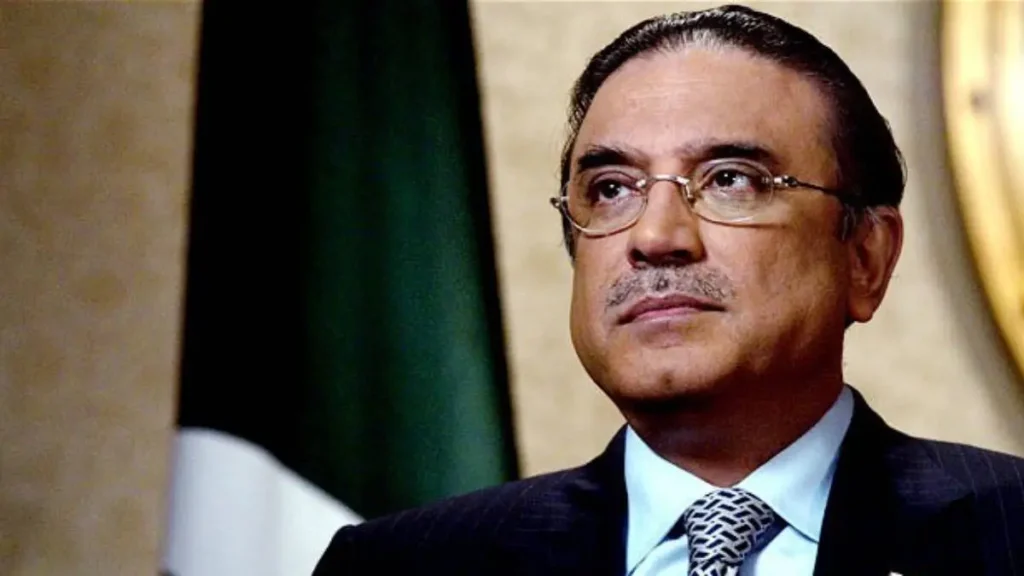
Talal Chaudhary Accuses PTI of Politicizing Institutions in Khyber Pakhtunkhwa
Pakistan

Talal Chaudhary Accuses PTI of Politicizing Institutions in Khyber Pakhtunkhwa

ISLAMABAD — Minister of State for Interior Talal Chaudhary has accused the Pakistan Tehreek-e-Insaf (PTI) of attempting to exert greater political control over institutions in Khyber Pakhtunkhwa. On Wednesday, Chaudhary criticized proposed changes to the provincial police law, claiming they would increase the provincial government’s influence. What Happened During an appearance on a private television channel, Talal Chaudhary expressed concerns over the PTI’s intentions to amend the existing police legislation in Khyber Pakhtunkhwa. He argued that the proposed changes would undermine the autonomy of the police force by placing it under tighter governmental control. Chaudhary stated, “The proposed legislation is clearly aimed at politicizing the police force, which should remain impartial and independent to effectively serve the public.” Chaudhary’s remarks come amid ongoing debates over the balance of power between provincial governments and law enforcement agencies. The PTI, which governs Khyber Pakhtunkhwa, has been pushing for reforms that they argue will enhance the efficiency and accountability of the police. However, critics like Chaudhary argue that such reforms could compromise the independence of the police, leading to potential misuse for political ends. The proposed amendments reportedly include provisions that would allow the provincial government to have a stronger say in the appointment and transfer of senior police officials. This, according to Chaudhary, could lead to a scenario where police actions are influenced by political considerations rather than being based on law and order needs. Background The debate over police reforms in Khyber Pakhtunkhwa is not new. The PTI has previously introduced several measures aimed at modernizing the police force since coming to power in the province in 2013. These reforms have included efforts to depoliticize the police, improve training, and enhance community policing. The Khyber Pakhtunkhwa Police Act of 2017 was a significant step in this direction, aiming to establish a more autonomous police force. However, the current proposed amendments have raised concerns among opposition parties and civil society groups who fear a rollback of these gains. Historically, the politicization of police forces in Pakistan has been a contentious issue, with various governments accused of using law enforcement agencies for political purposes. The current debate reflects broader concerns about governance and the rule of law in the country. Why It Matters The controversy surrounding the proposed police law amendments in Khyber Pakhtunkhwa highlights the ongoing struggle for institutional independence in Pakistan. The autonomy of law enforcement agencies is crucial for maintaining public trust and ensuring that policing is conducted fairly and impartially. If the proposed changes are implemented, they could set a precedent for other provinces, potentially leading to increased political interference in police operations nationwide. This could undermine efforts to establish a professional and accountable police force, which is essential for upholding the rule of law and protecting citizens’ rights. Moreover, the debate is indicative of the broader political dynamics in Pakistan, where provincial and federal governments often clash over issues of governance and authority. The outcome of this dispute could have implications for the balance of power between different levels of government, affecting how public institutions are managed across the country. Key Takeaways Talal Chaudhary accuses PTI of seeking political control over Khyber Pakhtunkhwa police. Proposed amendments could increase government influence over police appointments and transfers. Debate reflects broader concerns about institutional independence and governance in Pakistan. Potential implications for police autonomy and public trust in law enforcement. Outcome may affect the balance of power between provincial and federal governments. Source Attribution This article is based on official government statements, press releases, and public communications from relevant authorities. Author: NEN Editorial Desk | Editor: NEN Newsroom | Fact Checked By: NEN Editorial Team Author: NEN Editorial Desk  |  Editor: NEN Newsroom  |  Last Updated: September 24, 2026  |  Source: NEN Reporter This article was produced by the NEN Editorial Desk in accordance with NEN Agency’s Editorial Policy and Fact-Checking Policy.
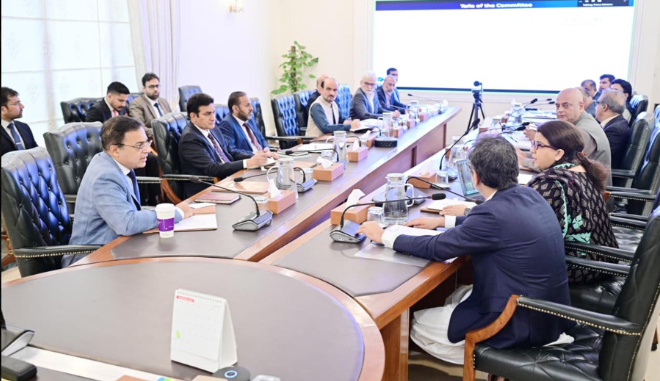
President Zardari Emphasizes Maritime Safety and Security Commitment
World

President Zardari Emphasizes Maritime Safety and Security Commitment

ISLAMABAD — President Asif Ali Zardari has reiterated Pakistan’s dedication to enhancing maritime safety, security, and regulatory oversight, aligning with its international commitments. The statement was made in conjunction with World Maritime Day, observed on September 24, as the President extended greetings to those involved in the maritime sector. What Happened On the occasion of World Maritime Day, President Asif Ali Zardari highlighted Pakistan’s ongoing commitment to strengthening maritime safety and security. In his message, he acknowledged the professionalism and dedication of Pakistan’s seafarers, maritime professionals, port authorities, ship operators, and regulators, emphasizing their crucial role in ensuring the safety and efficiency of maritime transport. The theme for this year’s World Maritime Day, “From Policy to Practice: Powering Maritime Excellence,” underscores the necessity of translating international maritime standards into effective national laws and practices. President Zardari stressed the importance of investing in maritime education, training, and professional competence. He noted that preparing the workforce for technological advancements, such as digital navigation, automation, new fuels, and cybersecurity, is essential. President Zardari also announced the modernization of Pakistan’s maritime infrastructure, including the installation of a modern Vessel Traffic Management System at Port Qasim. This system aims to enhance navigational safety, vessel monitoring, maritime security, and operational efficiency. The President further emphasized the need for digitalization and environmental protection, preparing ports and the maritime workforce for a transition towards greener shipping. Amid current regional tensions, President Zardari praised the courage and professionalism of Pakistan’s seafarers and maritime personnel, who have excelled under challenging circumstances. He noted that their efforts have turned seemingly insurmountable challenges into achievements that bring pride to the nation. Background World Maritime Day is an annual event that highlights the importance of maritime safety, security, and the marine environment. It is organized by the International Maritime Organization (IMO) and is observed by member states, including Pakistan. The day serves as a platform to discuss and promote maritime policies and practices that ensure the safety and security of international shipping. Pakistan’s maritime sector plays a vital role in the country’s economy, supporting trade, employment, connectivity, and investment. The nation’s strategic location along major shipping routes underscores the importance of maintaining robust maritime safety and security measures. Why It Matters The emphasis on maritime safety and security is crucial for Pakistan, given its reliance on maritime trade and its strategic position along key international shipping routes. Enhancing maritime infrastructure and regulatory frameworks can significantly impact the nation’s economic development by facilitating smoother trade and attracting foreign investment. Investing in maritime education and training is essential to prepare the workforce for technological advancements. As the global maritime industry evolves, Pakistan’s ability to adapt and integrate new technologies will determine its competitiveness in the international arena. The focus on digital navigation, automation, and cybersecurity aligns with global trends towards smarter and more efficient shipping practices. The modernization of maritime infrastructure, such as the Vessel Traffic Management System at Port Qasim, is expected to improve operational efficiency and safety. This development could lead to increased trade volumes and enhanced economic activity, contributing to national growth. Furthermore, the emphasis on environmental protection and greener shipping practices reflects Pakistan’s commitment to sustainable development. As the world moves towards reducing carbon emissions and environmental impact, Pakistan’s proactive approach could position it as a leader in sustainable maritime practices in the region. Key Takeaways President Zardari reaffirmed Pakistan’s commitment to maritime safety and security. World Maritime Day highlights the importance of translating international standards into national practices. Investments in maritime education and technology are crucial for adapting to industry changes. The modernization of Port Qasim’s infrastructure aims to enhance safety and efficiency. Environmental protection and greener shipping practices are key priorities for Pakistan’s maritime sector. Source Attribution This article is based on official government statements and public communications from relevant authorities. Author: NEN Editorial Desk | Editor: NEN Newsroom | Fact Checked By: NEN Editorial Team Author: NEN Editorial Desk  |  Editor: NEN Newsroom  |  Last Updated: September 24, 2026  |  Source: Press Release from President’s Secretariat This article was produced by the NEN Editorial Desk in accordance with NEN Agency’s Editorial Policy and Fact-Checking Policy.

Government Initiates Audit of DISCOs to Address Power Theft and Losses
Pakistan

Government Initiates Audit of DISCOs to Address Power Theft and Losses

ISLAMABAD — The Pakistani government announced on Wednesday a comprehensive technical audit of all power distribution companies (DISCOs) to identify the causes and extent of electricity theft and technical and commercial losses. This initiative aims to enhance the efficiency and performance of the power sector. What Happened The decision to conduct a thorough audit of DISCOs was made during a meeting of a specially constituted committee. The audit will focus on determining the scale, causes, and geographical concentration of electricity theft and losses. The government intends to use the findings to formulate strategies to mitigate these issues and improve the overall performance of DISCOs. The committee emphasized the need for a detailed analysis of the technical and commercial losses faced by these companies. The audit will involve a comprehensive review of the operational and financial aspects of DISCOs, identifying areas where inefficiencies and theft are most prevalent. The findings will be used to develop targeted measures to curb losses and enhance the reliability of electricity distribution across the country. Officials present at the meeting highlighted the importance of addressing power theft and losses to ensure a stable and sustainable energy supply. The audit is expected to provide valuable insights that will guide policy decisions and operational improvements within the power sector. Background Power theft and technical losses have long been significant challenges for Pakistan’s energy sector. The country’s power distribution companies have struggled with inefficiencies, leading to substantial financial losses and frequent power outages. Previous attempts to address these issues have included various policy measures and technological interventions, but the problem persists. DISCOs are responsible for distributing electricity to consumers across Pakistan. However, they have been plagued by issues such as outdated infrastructure, inadequate billing systems, and insufficient regulatory oversight. These factors contribute to high levels of electricity theft and technical losses, impacting the financial viability of the power sector. In recent years, the government has introduced several initiatives to modernize the power sector, including investments in smart metering technology and efforts to improve regulatory frameworks. Despite these efforts, challenges remain, necessitating a more comprehensive approach to addressing the root causes of inefficiencies within DISCOs. Why It Matters The audit of DISCOs is a critical step towards addressing the systemic issues that have plagued Pakistan’s power sector for decades. By identifying the specific causes and locations of power theft and losses, the government can implement targeted solutions to improve the efficiency and reliability of electricity distribution. Economically, reducing power theft and losses will enhance the financial stability of DISCOs, allowing them to invest in infrastructure improvements and expand their capacity to meet growing demand. This, in turn, will contribute to economic growth by ensuring a more reliable power supply for industries and businesses. Socially, addressing power theft and losses will lead to more consistent electricity supply for consumers, reducing the frequency of power outages and improving the quality of life for citizens. It will also help build public trust in the energy sector by demonstrating the government’s commitment to addressing longstanding issues. Internationally, improving the efficiency of Pakistan’s power sector will enhance the country’s energy security and reduce its reliance on costly energy imports. This aligns with broader efforts to promote sustainable development and reduce the environmental impact of energy production and consumption. Key Takeaways The government has initiated a comprehensive audit of DISCOs to address power theft and losses. The audit aims to identify the scale, causes, and geographical concentration of these issues. Findings will guide strategies to improve the efficiency and performance of the power sector. Addressing these challenges is crucial for economic growth and social stability. Improved efficiency will enhance Pakistan’s energy security and sustainability. Source Attribution This article is based on official government statements, press releases, and public communications from relevant authorities. Author: NEN Editorial Desk | Editor: NEN Newsroom | Fact Checked By: NEN Editorial Team Author: NEN Editorial Desk  |  Editor: NEN Newsroom  |  Last Updated: September 23, 2026  |  Source: NEN Reporter This article was produced by the NEN Editorial Desk in accordance with NEN Agency’s Editorial Policy and Fact-Checking Policy.

Gold Prices Drop by Rs1,800 Per Tola in Pakistan
Pakistan

Gold Prices Drop by Rs1,800 Per Tola in Pakistan

ISLAMABAD — Gold prices in Pakistan experienced a notable decline on Wednesday, with the price of 24-karat gold per tola dropping by Rs1,800. The new rate stands at Rs453,936 per tola, according to the All Pakistan Sarafa Gems and Jewellers Association. What Happened The local gold market saw a decrease in prices as the All Pakistan Sarafa Gems and Jewellers Association announced a reduction of Rs1,800 per tola for 24-karat gold. This adjustment brought the price down to Rs453,936 per tola, reflecting the fluctuating trends in the international gold market. The association regularly updates these rates, which are widely used as a benchmark by local traders and consumers. The decline in gold prices is attributed to various factors, including changes in the international market dynamics and the strengthening of the Pakistani rupee against the US dollar. Gold prices are often influenced by the international market, where fluctuations can have a direct impact on local pricing. A stronger rupee can also lead to a decrease in gold prices as it reduces the cost of imports, including precious metals. Market analysts suggest that the current trend in gold prices may continue in the short term, depending on global economic conditions and currency exchange rates. The gold market is known for its volatility, and prices can change rapidly based on international developments, including geopolitical tensions and changes in monetary policy by major economies. Background Gold has traditionally been a popular investment and a hedge against inflation in Pakistan. The country’s gold market is influenced by both domestic and international factors. Historically, gold prices have been affected by changes in the global economic landscape, including shifts in supply and demand, currency fluctuations, and geopolitical events. In recent years, the gold market in Pakistan has witnessed significant fluctuations. The COVID-19 pandemic, for instance, led to an increase in gold prices globally as investors sought safe-haven assets amidst economic uncertainty. However, as economies began to recover, gold prices started to stabilize and, in some cases, decline. The All Pakistan Sarafa Gems and Jewellers Association plays a crucial role in setting daily gold prices in the country. These rates are determined based on international market trends and local economic conditions. The association’s announcements are closely monitored by traders and investors, as they provide guidance on the current market value of gold. Why It Matters The decline in gold prices has significant implications for various stakeholders in Pakistan. For consumers, lower gold prices can make jewelry and gold investments more affordable, potentially boosting retail sales in the jewelry sector. This could lead to increased consumer spending, benefiting the economy as a whole. For investors, the drop in gold prices may present an opportunity to purchase gold at a lower cost, with the potential for future gains if prices rise again. However, it also poses a risk for those who have already invested in gold at higher prices, as they may face potential losses if the downward trend continues. The gold market is also important for Pakistan’s economy due to its impact on foreign exchange reserves. As gold is a major import, fluctuations in its price can affect the country’s trade balance and foreign currency reserves. A decrease in gold prices can reduce the import bill, potentially improving the trade balance and supporting the Pakistani rupee. Internationally, changes in gold prices can influence investor sentiment and economic stability. As a global commodity, gold is often seen as a barometer of economic health, with rising prices indicating uncertainty and falling prices suggesting stability. Key Takeaways The price of 24-karat gold per tola in Pakistan has decreased by Rs1,800, now standing at Rs453,936. The decline is influenced by international market trends and the strengthening of the Pakistani rupee. Lower gold prices can benefit consumers and boost retail sales in the jewelry sector. Investors may see opportunities or risks depending on future price movements. Fluctuations in gold prices impact Pakistan’s foreign exchange reserves and trade balance. Source Attribution This article is based on official statements and public communications from the All Pakistan Sarafa Gems and Jewellers Association. Author: NEN Editorial Desk | Editor: NEN Newsroom | Fact Checked By: NEN Editorial Team Author: NEN Editorial Desk  |  Editor: NEN Newsroom  |  Last Updated: September 23, 2026  |  Source: NEN Reporter This article was produced by the NEN Editorial Desk in accordance with NEN Agency’s Editorial Policy and Fact-Checking Policy.

Scroll to Top