
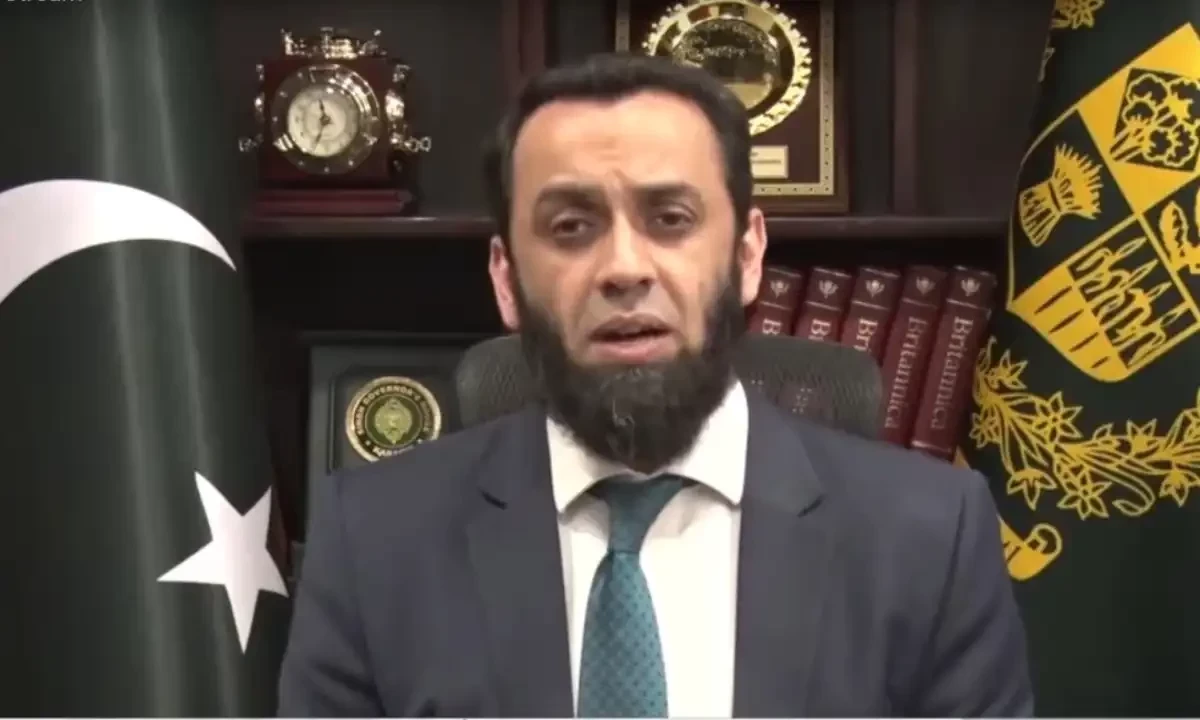
ISLAMABAD — Federal Minister for Information and Broadcasting Attaullah Tarar has condemned the recent drone incursion into Pakistan from Afghanistan, labeling it as a deliberate and unlawful act. The incident, which occurred on Thursday, prompted Pakistan to exercise its right to self-defence, according to a statement released by the minister.
What Happened
The incursion involved an unmanned aerial vehicle (UAV) entering Pakistani airspace from Afghan territory. Minister Attaullah Tarar, in a statement shared on social media platform X, expressed strong condemnation of the act, emphasizing that such violations of Pakistan’s airspace are unacceptable. He stated that the country’s air defence systems were quick to detect, track, and neutralize the threat posed by the drone.
“Pakistan has always maintained a stance of peace and cooperation with its neighbours, but any threat to our territorial integrity will be met with a firm response,” Tarar asserted. The minister highlighted that the incursion was a clear violation of international norms and Pakistan’s sovereignty.
The incident has raised concerns about the security of Pakistan’s borders and the potential implications for regional stability. The government has not disclosed specific details about the origin or the purpose of the drone, but the swift response by Pakistan’s military indicates a high level of preparedness to counter such threats.
Background
Drone incursions have been a contentious issue between Pakistan and Afghanistan, with both countries sharing a long and porous border. Historically, the Durand Line, which demarcates the boundary between the two nations, has been a point of contention and has seen various security challenges.
In recent years, Pakistan has invested significantly in enhancing its border security and air defence capabilities. The country has faced numerous challenges from cross-border terrorism and has taken steps to fortify its borders to prevent unauthorized incursions.
The geopolitical dynamics in the region have been complex, with Afghanistan experiencing significant political and security changes following the withdrawal of US and NATO forces. The Taliban’s return to power has further complicated the situation, with Pakistan advocating for a stable and peaceful Afghanistan to ensure regional security.
Why It Matters
The drone incursion from Afghanistan into Pakistan is significant as it underscores the ongoing security challenges faced by the region. Such incidents can escalate tensions between the two countries, potentially affecting diplomatic relations and regional stability.
For Pakistan, maintaining sovereignty and ensuring the security of its borders is paramount. The government’s swift response to the incursion reflects its commitment to protecting its territorial integrity. However, these incidents also highlight the need for improved diplomatic channels and communication between Pakistan and Afghanistan to prevent misunderstandings and potential conflicts.
Economically, any escalation in tensions can impact trade and cooperation between the two nations. Pakistan has been a key player in advocating for peace in Afghanistan, recognizing that stability in its neighbour is crucial for its own economic growth and security.
On an international level, the incident draws attention to the broader challenges of drone warfare and the need for international regulations governing the use of UAVs. With technology advancing rapidly, countries must navigate the complexities of modern warfare while adhering to international laws and norms.
Key Takeaways
- Federal Minister Attaullah Tarar condemned the drone incursion from Afghanistan into Pakistan as a violation of sovereignty.
- Pakistan’s air defence systems successfully detected and neutralized the threat posed by the drone.
- The incident highlights ongoing security challenges along the Pakistan-Afghanistan border.
- Diplomatic and economic relations between the two countries could be affected by such security incidents.
- International attention is drawn to the need for regulations on drone warfare and airspace violations.
Source Attribution
This article is based on official government statements and public communications from relevant authorities.














