

Author name: Yasir Zubairi

Yasir Zubairi is the founder and publisher of NEN Agency (News Era Network). He leads NEN's coverage of Pakistan's national affairs, economy, foreign relations and sports, and is responsible for the accuracy and standards of every story published on nenagency.com.

Pakistan Junior Squash Team Heads to Canada for World Championships
Pakistan

Pakistan Junior Squash Team Heads to Canada for World Championships

ISLAMABAD — Pakistan’s junior squash team embarked on their journey to Canada on Friday to compete in the World Junior Squash Individual & Team Championships 2026. The prestigious event is set to take place in Niagara-on-the-Lake, Canada, from July 20 to 31, where young athletes from around the globe will showcase their talents. What Happened The Pakistani contingent, consisting of the nation’s most promising young squash players, departed from Islamabad to participate in the World Junior Squash Championships. The event, which is scheduled to run from July 20 to 31, will see individual and team competitions, providing a platform for junior athletes to gain international exposure and experience. The team, selected through a rigorous national selection process, is expected to face stiff competition from other top-ranked junior players worldwide. The championships are a critical opportunity for these young athletes to demonstrate their skills on an international stage and potentially secure their future in the sport. The Pakistan Squash Federation has expressed confidence in the team’s abilities, with officials stating that the players have undergone intensive training sessions to prepare for the championships. “Our players are well-prepared and motivated to perform their best,” an official from the federation commented. “We are hopeful for a strong showing in both the individual and team events.” Background Pakistan has a storied history in the sport of squash, having produced legendary players like Jahangir Khan and Jansher Khan, who dominated the sport in the 1980s and 1990s. The country has long been a powerhouse in squash, although recent years have seen a decline in its dominance on the world stage. The World Junior Squash Championships serve as a critical platform for nurturing young talent and reviving Pakistan’s legacy in the sport. Historically, these championships have been a stepping stone for many players who later achieve success in senior-level competitions. The event in Canada is part of the World Squash Federation’s calendar, which aims to promote and develop the sport globally. The championships bring together the best junior players from various countries, fostering a spirit of competition and camaraderie among young athletes. Why It Matters The participation of Pakistan’s junior squash team in the World Championships holds significant importance for several reasons. Firstly, it offers the young athletes a chance to gain invaluable international experience, which is essential for their development and growth in the sport. Competing against top-tier players from other countries will challenge them to elevate their game and learn from their peers. Economically, success in such international events can lead to increased sponsorship and investment in the sport within Pakistan. A strong performance by the team could attract attention from potential sponsors, providing much-needed financial support to the players and the federation. Socially, the event serves as an inspiration for young aspiring athletes in Pakistan. Seeing their peers compete on an international stage can motivate them to pursue sports, promoting a healthy and active lifestyle among the youth. Politically, a successful outing by the team could enhance Pakistan’s image on the international sports stage, showcasing the country’s commitment to nurturing talent and promoting sportsmanship. It also highlights the efforts of the Pakistan Squash Federation in reviving the country’s legacy in the sport. Key Takeaways Pakistan’s junior squash team has departed for the World Junior Squash Championships in Canada. The event will take place from July 20 to 31 in Niagara-on-the-Lake, featuring both individual and team competitions. The championships provide young Pakistani athletes with a platform for international exposure and development. Success in the event could lead to increased sponsorship and support for squash in Pakistan. The participation serves as an inspiration for aspiring athletes and enhances Pakistan’s image in international sports. Source Attribution This article is based on official statements and public communications from the Pakistan Squash Federation and relevant authorities. Author: NEN Editorial Desk | Editor: NEN Newsroom | Fact Checked By: NEN Editorial Team Author: NEN Editorial Desk  |  Editor: NEN Newsroom  |  Last Updated: July 18, 2026  |  Source: NEN Reporter This article was produced by the NEN Editorial Desk in accordance with NEN Agency’s Editorial Policy and Fact-Checking Policy.
Tarbela Dam’s Auxiliary Spillway Activated Amid 2026 Flood Season
Pakistan

Tarbela Dam’s Auxiliary Spillway Activated Amid 2026 Flood Season

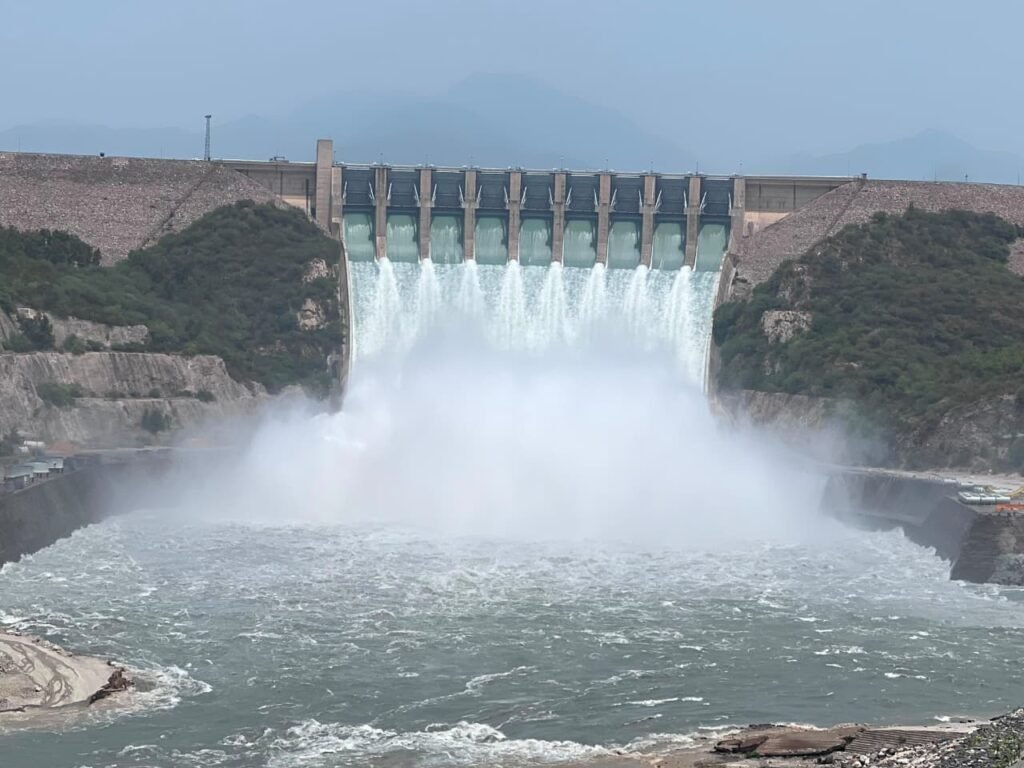
ISLAMABAD — The auxiliary spillway of the Tarbela Dam was successfully operated for the first time during the 2026 flood season, marking a significant development in managing water flow and mitigating flood risks in the region. This operation, conducted on [exact date], comes as part of efforts to enhance the dam’s capacity to handle excess water during peak flood periods. What Happened The auxiliary spillway at the Tarbela Reservoir was activated for the first time to manage the increased inflow of water resulting from the ongoing flood season. Officials from the Water and Power Development Authority (WAPDA) confirmed that the operation was carried out smoothly, ensuring that the water levels remained within safe limits. The decision to utilize the auxiliary spillway was taken after careful monitoring of the water inflow and reservoir levels, which had reached critical points due to heavy rainfall in the upstream areas. According to WAPDA, the auxiliary spillway is a crucial component of the dam’s infrastructure, designed to provide additional capacity for water discharge when the main spillways are insufficient. The operation involved releasing water through the auxiliary spillway to maintain the reservoir’s water level and prevent overflow. This measure is particularly important given the dam’s role in flood control, irrigation, and power generation. WAPDA officials stated, “The successful operation of the auxiliary spillway is a testament to the robust engineering and planning that has gone into the Tarbela Dam project. It ensures that we can manage water levels effectively, protecting downstream communities from potential flood damage.” Background The Tarbela Dam, located on the Indus River in Khyber Pakhtunkhwa, is one of the world’s largest earth-filled dams. It plays a vital role in Pakistan’s water management strategy, serving as a key source of irrigation water, hydroelectric power, and flood control. The dam was commissioned in 1976 and has since undergone several upgrades to enhance its capacity and safety features. The auxiliary spillway was constructed as part of the Tarbela Dam’s fourth extension project, which aimed to increase the dam’s storage and power generation capacity. This extension was necessitated by the growing demand for water and electricity in Pakistan, as well as the need to address the challenges posed by climate change and increasing variability in rainfall patterns. Why It Matters The activation of the auxiliary spillway at Tarbela Dam is a critical step in ensuring the safety and efficiency of water management during the flood season. With climate change contributing to more unpredictable weather patterns, the ability to manage water levels effectively is crucial for preventing flood-related disasters. The successful operation of the spillway demonstrates Pakistan’s commitment to enhancing its infrastructure to cope with these challenges. Economically, the operation of the auxiliary spillway helps protect agricultural lands and communities downstream, which are vital to the country’s food security and economic stability. Flooding can have devastating effects on crops, infrastructure, and livelihoods, making effective flood management a priority for the government and relevant authorities. Furthermore, the operation underscores the importance of continuous investment in infrastructure projects that bolster the country’s resilience to natural disasters. By ensuring the Tarbela Dam’s capacity to manage excess water, Pakistan can better safeguard its citizens and economy from the adverse impacts of floods. Key Takeaways The auxiliary spillway of Tarbela Dam was operated for the first time during the 2026 flood season. This operation was crucial for managing water levels and preventing potential flood damage. The spillway is part of the dam’s infrastructure improvements under the fourth extension project. Effective water management is essential for protecting communities and agricultural lands downstream. The operation highlights Pakistan’s efforts to enhance infrastructure against climate change impacts. Source Attribution This article is based on official government statements, press releases, and public communications from relevant authorities. Author: NEN Editorial Desk | Editor: NEN Newsroom | Fact Checked By: NEN Editorial Team Author: NEN Editorial Desk  |  Editor: NEN Newsroom  |  Last Updated: July 18, 2026  |  Source: NEN Reporter This article was produced by the NEN Editorial Desk in accordance with NEN Agency’s Editorial Policy and Fact-Checking Policy.
Collaboration Essential for Addressing Women’s Rights, Child Protection: Sindh Home Minister
Pakistan

Collaboration Essential for Addressing Women’s Rights, Child Protection: Sindh Home Minister

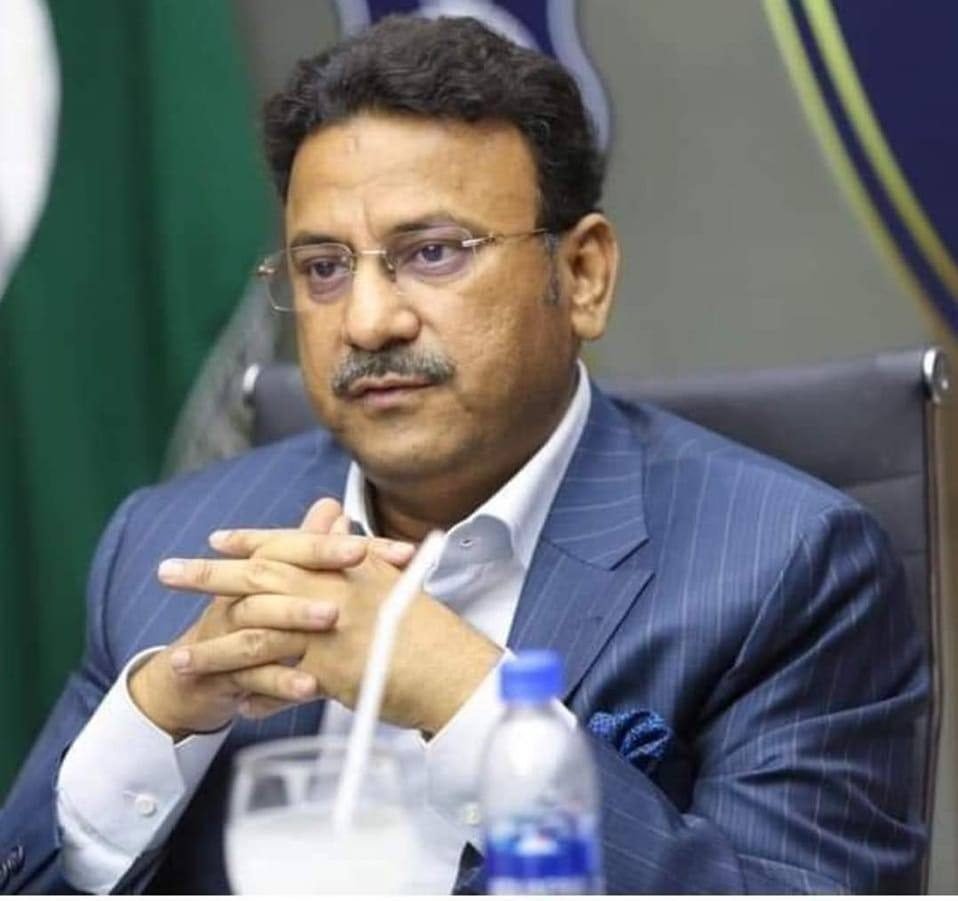
ISLAMABAD — Sindh Minister for Home and Law, Zia-ul-Hassan Lanjar, emphasized the necessity of collaborative efforts among the government, judiciary, civil society, and relevant institutions to effectively address critical issues such as women’s rights and child protection. Speaking at a recent forum, Lanjar highlighted the limitations of government efforts alone in resolving these complex social challenges. What Happened During a recent address, Sindh Minister for Home and Law, Zia-ul-Hassan Lanjar, underscored the importance of a united approach to tackle pressing issues related to women’s rights and child protection in Pakistan. Lanjar pointed out that challenges such as inheritance deprivation, guardianship, and the provision of legal aid require a concerted effort from multiple sectors, including the judiciary and civil society organizations. He stated, “These issues cannot be resolved through government efforts alone,” highlighting the critical role of collaboration in creating sustainable solutions. Lanjar’s remarks come amid ongoing discussions about improving the legal and social frameworks that support vulnerable populations in Pakistan. He called for enhanced cooperation between governmental bodies and non-governmental organizations to ensure that policies are effectively implemented and reach those in need. The minister also stressed the importance of involving local communities in these efforts to ensure that solutions are culturally sensitive and practically applicable. Background Women’s rights and child protection have long been areas of concern in Pakistan, with various social, cultural, and legal challenges impeding progress. Historically, issues such as inheritance rights for women, child labor, and access to education have been persistent problems. Despite legislative measures aimed at addressing these issues, implementation remains inconsistent, often due to lack of resources and societal resistance. In recent years, there has been a push from both domestic and international organizations to strengthen the legal frameworks protecting women and children. The government has enacted several laws, such as the Sindh Child Protection Authority Act and the Protection Against Harassment of Women at the Workplace Act, to address these issues. However, enforcement and public awareness continue to be significant hurdles. Why It Matters The call for joint efforts by Minister Lanjar is significant as it highlights the multifaceted nature of social issues in Pakistan. Women’s rights and child protection are not only human rights concerns but also impact the socio-economic development of the country. When women and children are protected and empowered, they contribute positively to the economy and society at large. Economically, ensuring women’s rights can lead to increased participation in the workforce, which is crucial for Pakistan’s economic growth. Socially, protecting children and ensuring their rights can lead to a more educated and healthy future generation. Politically, addressing these issues can enhance Pakistan’s international standing and fulfill its commitments to global human rights standards. The minister’s emphasis on collaboration is a recognition of the complexity of these problems, which require input and action from various stakeholders. Effective collaboration can lead to more comprehensive policies, better resource allocation, and stronger advocacy efforts. It also fosters a sense of shared responsibility among different sectors of society, which is essential for long-term change. Key Takeaways Sindh Minister Zia-ul-Hassan Lanjar calls for collaborative efforts to address women’s rights and child protection. Government efforts alone are insufficient; involvement of judiciary, civil society, and local communities is crucial. Historical challenges in Pakistan include inheritance rights, child labor, and access to education. Enhanced collaboration can lead to socio-economic benefits and improve Pakistan’s international human rights standing. Effective policy implementation requires cultural sensitivity and practical applicability. Source Attribution This article is based on official government statements, press releases, and public communications from relevant authorities. Author: NEN Editorial Desk | Editor: NEN Newsroom | Fact Checked By: NEN Editorial Team Author: NEN Editorial Desk  |  Editor: NEN Newsroom  |  Last Updated: July 18, 2026  |  Source: Press Release from Government of Pakistan This article was produced by the NEN Editorial Desk in accordance with NEN Agency’s Editorial Policy and Fact-Checking Policy.
Marriyum Aurangzeb Affirms Kashmir as Pakistan’s Jugular Vein
Pakistan

Marriyum Aurangzeb Affirms Kashmir as Pakistan’s Jugular Vein

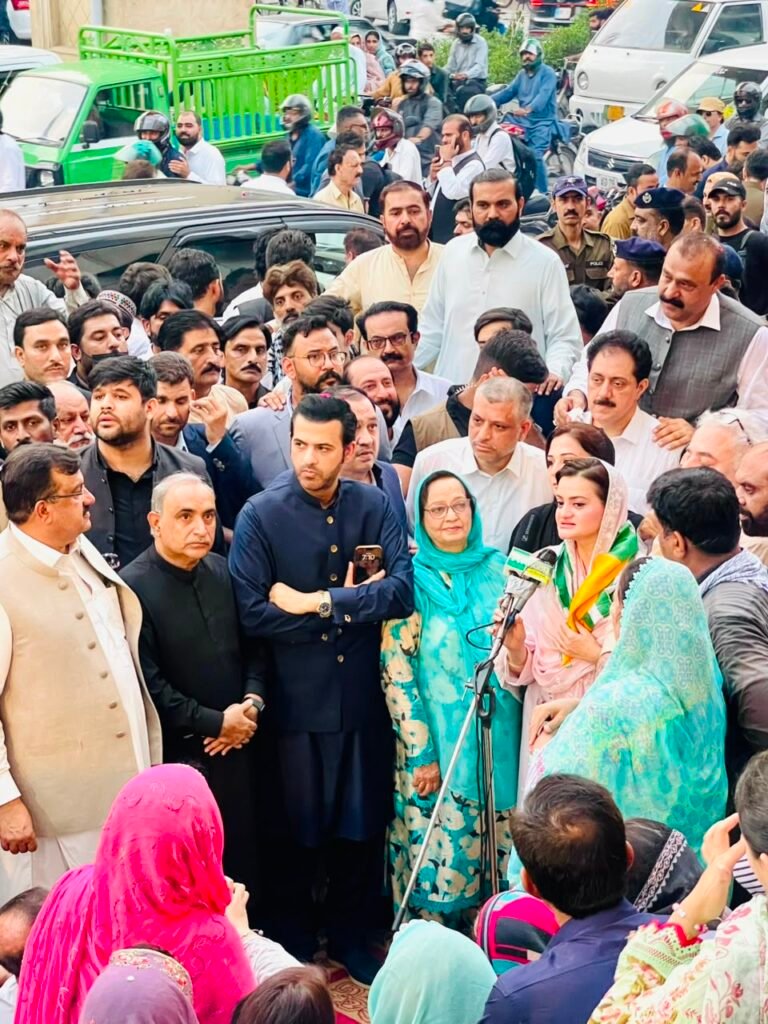
ISLAMABAD — Senior Punjab Minister Marriyum Aurangzeb on Friday reaffirmed Pakistan’s unwavering stance on Kashmir, describing it as the nation’s jugular vein. She emphasized the enduring connection between Azad Jammu and Kashmir (AJK) and Pakistan, highlighting the region’s historical significance and the steadfast loyalty of its people. What Happened During a recent address, Marriyum Aurangzeb reiterated the symbolic and strategic importance of Kashmir to Pakistan. She stated, “Kashmir is Pakistan’s jugular vein and a land of martyrs and warriors.” Her remarks underscored the deep-rooted ties between the people of AJK and Pakistan, which have been nurtured through shared history and collective aspirations. Aurangzeb’s comments come amidst ongoing tensions in the region, where the people of AJK have consistently expressed their allegiance to Pakistan. She praised the resilience and courage of the Kashmiri people, acknowledging their sacrifices and unwavering commitment to the cause of freedom and self-determination. Her statement reflects Pakistan’s long-standing position on the Kashmir issue, which has been a focal point of its foreign policy. The minister’s remarks also serve to reinforce the government’s commitment to supporting the Kashmiri struggle for independence and their right to self-determination under international law. Background The Kashmir conflict dates back to the partition of British India in 1947, which led to the creation of the independent states of India and Pakistan. The princely state of Jammu and Kashmir, with its majority Muslim population, became a contentious issue as both countries laid claim to the region. The conflict has resulted in several wars and ongoing military skirmishes between India and Pakistan. The United Nations has passed multiple resolutions calling for a plebiscite to determine the will of the Kashmiri people, but these have yet to be implemented. The region remains one of the most militarized zones in the world, with frequent human rights violations reported by international observers. Azad Jammu and Kashmir, administered by Pakistan, has maintained strong cultural and political ties with the country. The region’s leadership and populace have consistently voiced their support for Pakistan, viewing it as a natural ally in their struggle for self-determination. Why It Matters The reaffirmation of Kashmir as Pakistan’s jugular vein by a senior government official highlights the enduring significance of the issue in Pakistan’s national narrative. This stance is crucial not only for domestic politics but also for international diplomacy, as Pakistan continues to seek global support for the Kashmiri cause. The Kashmir issue remains a central element of Pakistan’s foreign policy, affecting its relations with neighboring India and influencing its strategic alliances with other countries. The ongoing conflict poses challenges to regional stability and economic development, impacting millions of lives on both sides of the border. For the people of AJK, such affirmations from Pakistani leaders reinforce their sense of identity and belonging. It provides them with a sense of security and hope that their aspirations for freedom and self-determination will continue to receive support from Pakistan. Internationally, Pakistan’s consistent advocacy for Kashmir underscores the importance of addressing unresolved territorial disputes through dialogue and adherence to international law. The issue serves as a reminder of the need for peaceful resolution mechanisms to prevent further escalation of conflicts in the region. Key Takeaways Marriyum Aurangzeb reaffirmed Kashmir as Pakistan’s jugular vein, emphasizing its strategic importance. The minister highlighted the strong bond between Azad Jammu and Kashmir and Pakistan. The Kashmir issue remains central to Pakistan’s foreign policy and regional stability. Pakistan continues to advocate for the Kashmiri right to self-determination under international law. The conflict impacts regional security and the lives of millions in the affected areas. Source Attribution This article is based on official government statements and public communications from relevant authorities. Author: NEN Editorial Desk | Editor: NEN Newsroom | Fact Checked By: NEN Editorial Team Author: NEN Editorial Desk  |  Editor: NEN Newsroom  |  Last Updated: July 18, 2026  |  Source: NEN Reporter This article was produced by the NEN Editorial Desk in accordance with NEN Agency’s Editorial Policy and Fact-Checking Policy.
SBP Injects Rs 12.93 Trillion to Stabilize Market Liquidity
Pakistan

SBP Injects Rs 12.93 Trillion to Stabilize Market Liquidity

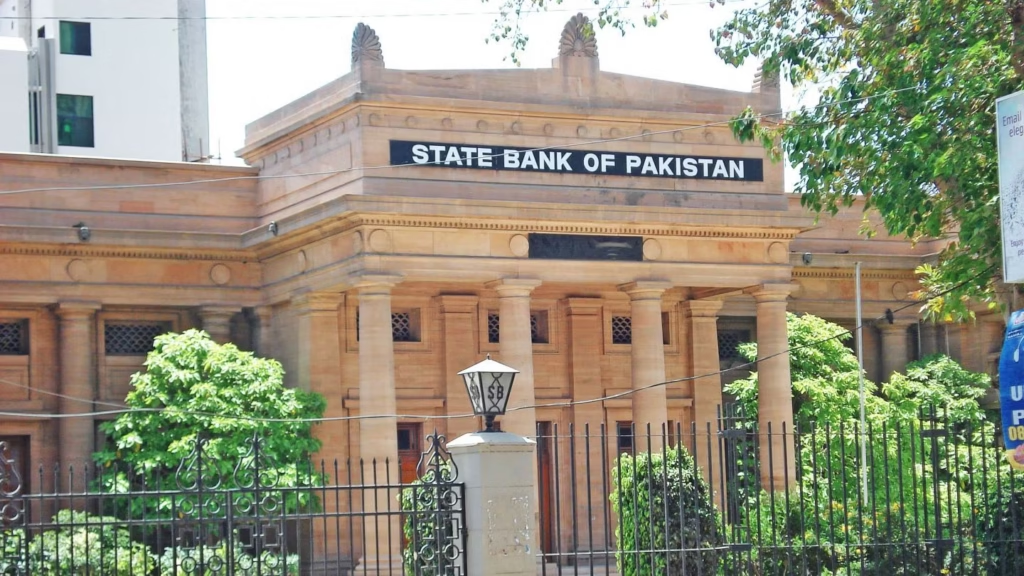
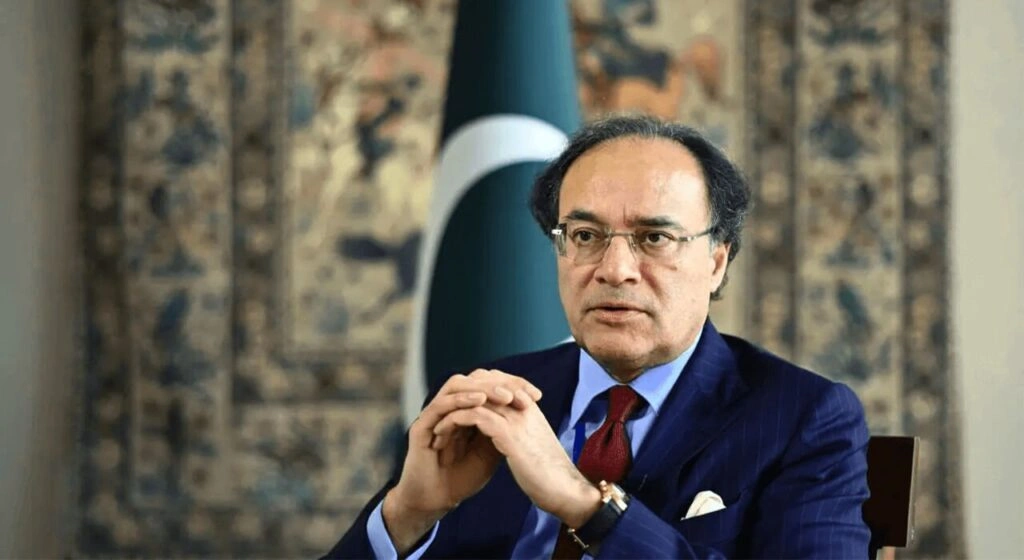
ISLAMABAD — The State Bank of Pakistan (SBP) has injected Rs 12.93 trillion into the financial market through Open Market Operations (OMO) to sustain liquidity levels. This substantial financial maneuver was executed on Friday, utilizing both Reverse Repo Purchase and Shariah Compliant Mudarabah mechanisms. What Happened The SBP’s decision to inject Rs 12,929.05 billion into the market comes amid ongoing efforts to stabilize the financial system and ensure adequate liquidity. The central bank employed Reverse Repo Purchase agreements, a common monetary policy tool, alongside Shariah Compliant Mudarabah, to achieve this objective. These operations are designed to provide short-term funding to banks, thereby maintaining liquidity and supporting the broader economy. According to the SBP, this liquidity injection is part of its routine operations aimed at managing the money supply and interest rates. The use of Shariah Compliant Mudarabah reflects the SBP’s commitment to providing Islamic banking solutions, catering to the diverse needs of Pakistan’s financial sector. The central bank’s move is seen as a proactive measure to counteract potential liquidity shortages that could disrupt economic activities. In a statement, the SBP highlighted the importance of these operations in maintaining market stability. “The SBP remains committed to ensuring adequate liquidity in the financial system to support economic growth,” the statement read. The bank also emphasized its readiness to take further measures if necessary to uphold financial stability. Background The SBP has a long-standing policy of using Open Market Operations to regulate liquidity in the banking system. These operations are a critical component of the central bank’s monetary policy framework, allowing it to influence short-term interest rates and manage the money supply. Historically, the SBP has employed various tools to address liquidity challenges, especially during periods of economic uncertainty. The use of Shariah Compliant financial instruments has gained prominence in recent years, reflecting the growing demand for Islamic banking solutions in Pakistan. This approach aligns with the country’s broader efforts to integrate Islamic finance into its banking system. In recent months, Pakistan’s economy has faced several challenges, including inflationary pressures and external account imbalances. The SBP’s liquidity management efforts are part of a broader strategy to address these issues and support sustainable economic growth. Why It Matters The SBP’s liquidity injection is significant for several reasons. Economically, it ensures that banks have sufficient funds to meet their short-term obligations, thereby preventing potential disruptions in the financial system. This stability is crucial for maintaining investor confidence and supporting economic activities. Socially, the move helps mitigate the impact of economic volatility on households and businesses. By ensuring that banks can continue lending to consumers and enterprises, the SBP supports job creation and economic resilience. This is particularly important in a country like Pakistan, where access to credit is vital for small and medium-sized enterprises (SMEs) that drive economic growth. Politically, the SBP’s actions underscore the government’s commitment to maintaining financial stability amid challenging economic conditions. As Pakistan navigates its economic recovery, the central bank’s proactive measures are essential for sustaining growth and preventing financial crises. Internationally, the SBP’s liquidity management efforts are closely watched by investors and financial institutions. A stable banking system is a key factor in attracting foreign investment, which is critical for Pakistan’s long-term economic development. The central bank’s actions demonstrate its capability to manage economic challenges effectively, enhancing the country’s financial credibility on the global stage. Key Takeaways The SBP injected Rs 12.93 trillion into the market to maintain liquidity. Operations included Reverse Repo Purchase and Shariah Compliant Mudarabah. These measures are part of the SBP’s routine liquidity management strategy. The move supports economic stability and investor confidence. Effective liquidity management is crucial for attracting foreign investment. Source Attribution This article is based on official government statements, press releases, and public communications from relevant authorities. Author: NEN Editorial Desk | Editor: NEN Newsroom | Fact Checked By: NEN Editorial Team Author: NEN Editorial Desk  |  Editor: NEN Newsroom  |  Last Updated: July 17, 2026  |  Source: NEN Reporter This article was produced by the NEN Editorial Desk in accordance with NEN Agency’s Editorial Policy and Fact-Checking Policy.

Finance Minister Evaluates National Faceless Centre’s Implementation Progress
World

Finance Minister Evaluates National Faceless Centre’s Implementation Progress

ISLAMABAD — Federal Minister for Finance and Revenue, Senator Muhammad Aurangzeb, conducted a meeting on Friday to assess the progress and operational readiness of the Federal Board of Revenue’s (FBR) National Faceless Centre. This initiative is a pivotal component of the new Tax Operating Model, designed to create a technology-driven, centralized, and transparent tax administration framework. What Happened During the meeting held in Islamabad, Finance Minister Muhammad Aurangzeb reviewed the implementation roadmap of the National Faceless Centre, which aims to enhance the efficiency and transparency of Pakistan’s tax system. The centre is part of a broader strategy to modernize tax administration through digital means, reducing human interaction and thereby minimizing opportunities for corruption and inefficiency. The National Faceless Centre is expected to streamline tax processes by leveraging technology to handle tax assessments and audits without the need for physical presence. This approach is intended to foster a more taxpayer-friendly environment, encouraging compliance and broadening the tax base. Minister Aurangzeb emphasized the need for timely execution of the project, highlighting its importance in improving revenue collection and accountability. He stated, “The National Faceless Centre is a cornerstone of our efforts to reform the tax system. Its successful implementation will be a significant step towards a transparent and efficient tax administration.” The meeting also involved discussions on potential challenges and strategies to overcome them, ensuring that the centre becomes fully operational within the stipulated timeframe. Key stakeholders from the FBR and the Ministry of Finance participated in the discussions, providing insights and updates on the ongoing developments. Background The establishment of the National Faceless Centre is part of a series of reforms initiated by the Pakistani government to modernize its tax administration. Historically, the tax system in Pakistan has faced challenges such as low compliance rates, tax evasion, and a narrow tax base. These issues have been exacerbated by bureaucratic inefficiencies and a lack of transparency. In recent years, the government has undertaken several initiatives to address these problems, including the introduction of technology in tax processes. The National Faceless Centre represents a significant shift towards a digital tax ecosystem, aligning with global trends where countries are increasingly adopting technology to enhance tax administration and compliance. Why It Matters The successful implementation of the National Faceless Centre holds considerable significance for Pakistan’s economic landscape. By reducing human intervention in tax processes, the centre aims to minimize corruption and increase efficiency, which are critical factors for improving the country’s revenue collection. Economically, a more efficient tax system can lead to increased government revenues, providing the necessary funds for public services and infrastructure development. This is particularly important for Pakistan, where fiscal deficits have been a persistent challenge, impacting economic growth and stability. Socially, the move towards a faceless tax system can enhance trust between taxpayers and the government. By ensuring transparency and reducing opportunities for corruption, the initiative can encourage more individuals and businesses to comply with tax regulations, thereby broadening the tax base and distributing the tax burden more equitably. Politically, the reform aligns with the government’s broader agenda of digital transformation and good governance. It reflects a commitment to improving public sector efficiency and accountability, which can strengthen public confidence in governmental institutions. Key Takeaways The National Faceless Centre is part of Pakistan’s effort to modernize its tax system through digital transformation. Finance Minister Aurangzeb emphasized the importance of timely implementation to enhance transparency and efficiency. The initiative aims to reduce human interaction in tax processes, minimizing corruption and inefficiencies. Successful implementation can increase government revenues, aiding in economic stability and growth. The reform aligns with global trends towards digital tax administration, promoting compliance and broadening the tax base. Source Attribution This article is based on official government statements, press releases, and public communications from relevant authorities. Author: NEN Editorial Desk | Editor: NEN Newsroom | Fact Checked By: NEN Editorial Team Author: NEN Editorial Desk  |  Editor: NEN Newsroom  |  Last Updated: July 17, 2026  |  Source: Press Release from Federal Board of Revenue (FBR) This article was produced by the NEN Editorial Desk in accordance with NEN Agency’s Editorial Policy and Fact-Checking Policy.
ATC Postpones Bail Hearing for Former PTI Chairman in Seven Cases
Pakistan

ATC Postpones Bail Hearing for Former PTI Chairman in Seven Cases

ISLAMABAD — The Anti-Terrorism Court (ATC) on Friday deferred the hearing of bail applications filed by the former chairman of Pakistan Tehreek-e-Insaf (PTI) in seven separate cases. The proceedings, originally scheduled for this week, have been postponed to August 12, according to court officials. What Happened The ATC, which was set to deliberate on the post-arrest bail pleas of the former PTI leader, chose to adjourn the session without conducting any formal proceedings. This decision affects seven distinct cases, each involving serious allegations against the former political leader. The court’s decision to delay the hearings was reportedly due to procedural reasons, though no official statement was provided to elaborate on the specifics. The former PTI chairman, who has been embroiled in multiple legal battles, was not present in court. His legal team had anticipated a hearing that might lead to his release on bail, pending further legal action. The adjournment means the legal uncertainty surrounding his situation will persist for at least another week. These cases are part of a broader legal challenge facing the former PTI leader, who has been a central figure in Pakistan’s political landscape. The charges against him include allegations that fall under the purview of anti-terrorism laws, reflecting the severity with which the legal system is treating these cases. Background The former PTI chairman has been a prominent political figure in Pakistan, leading the party to significant electoral success in past years. However, his tenure has been marred by controversy and legal issues. The cases currently pending against him are part of a series of legal challenges that have emerged following his party’s loss of power. Historically, the PTI has been involved in numerous legal and political battles, often centered around accusations of corruption and misuse of power. The former chairman’s legal troubles intensified after his party’s ousting, leading to multiple arrests and court cases. The ATC’s involvement indicates the serious nature of the allegations, as the court typically handles cases related to terrorism and serious criminal activities. Why It Matters The postponement of the bail hearing is significant for several reasons. Firstly, it prolongs the period of legal uncertainty for the former PTI chairman, impacting his ability to participate in political activities. This delay could influence the political dynamics within the PTI, as leadership and strategic decisions may be affected by his absence. Economically, the ongoing legal proceedings could affect investor confidence, as political stability is a key factor in economic decision-making. Prolonged legal battles involving high-profile political figures can create an environment of uncertainty, potentially impacting foreign investment and economic growth. On a social level, the case has polarized public opinion. Supporters of the former PTI chairman view the legal actions as politically motivated, while opponents argue that the charges highlight the need for accountability in public office. This division reflects broader societal debates about governance and the rule of law in Pakistan. Internationally, the case draws attention to Pakistan’s legal and political systems, influencing its diplomatic relations. Countries observing Pakistan’s political climate may adjust their diplomatic and economic engagements based on the perceived stability and rule of law within the country. Key Takeaways The ATC has postponed the bail hearing for the former PTI chairman to August 12. Seven separate cases are involved, reflecting serious allegations under anti-terrorism laws. The delay extends the period of legal uncertainty, affecting political and economic stability. The case polarizes public opinion, influencing societal debates on governance and accountability. International observers may adjust their engagement with Pakistan based on these developments. Source Attribution This article is based on official government statements, press releases, and public communications from relevant authorities. Author: NEN Editorial Desk | Editor: NEN Newsroom | Fact Checked By: NEN Editorial Team Author: NEN Editorial Desk  |  Editor: NEN Newsroom  |  Last Updated: July 17, 2026  |  Source: NEN Reporter This article was produced by the NEN Editorial Desk in accordance with NEN Agency’s Editorial Policy and Fact-Checking Policy.

Sindh Launches Forum to Connect Youth with Jobs and Private Sector
Pakistan

Sindh Launches Forum to Connect Youth with Jobs and Private Sector

KARACHI — The Sindh government has announced the establishment of a Public-Private Partnership (PPP) Forum aimed at bridging the gap between youth and employment opportunities, skills development, and the private sector. This initiative was unveiled during a meeting held on Friday, chaired by Sindh Secretary for Sports and Youth Affairs, Munawar Ali Mahesar, alongside representatives from the United Nations Population Fund (UNFPA) and other stakeholders. What Happened The meeting, convened at a private hotel in Karachi, brought together key figures from various sectors, including UNFPA representatives Golden Melillo, Zahra Jabeen, and Renuka Swamy, as well as officials from public and private institutions. The discussions focused on the creation of the PPP Forum, which aims to foster collaboration between the government, private sector, educational institutions, industries, development partners, and civil society. Munawar Ali Mahesar, the Sindh Secretary for Sports and Youth Affairs, emphasized the forum’s role in facilitating joint initiatives that will promote employment, skills training, entrepreneurship, sports, social inclusion, and access to modern technology for the youth of Sindh. He highlighted the importance of aligning policymaking with the needs of young people, encouraging private investment, and ensuring institutional cooperation. The forum is expected to implement a joint strategy for the economic, social, and welfare development of youth, with commitments from various stakeholders to provide technical support, training, and skills development. The private sector has pledged to activate youth centers across Sindh, offering merit-based employment opportunities to the province’s talented youth. Mahesar underscored the need for industrialists to give proper representation to the skilled youth of Sindh and called for collective efforts to secure a brighter future for the region’s educated young population. The Department of Sports and Youth Affairs is committed to providing opportunities in sports, positive activities, skills, and leadership development. Background Sindh, Pakistan’s second-largest province, has been grappling with high youth unemployment rates and a lack of adequate skills development programs. The provincial government has been seeking ways to engage the private sector in addressing these challenges. The PPP Forum is part of a broader strategy to create sustainable employment opportunities and equip young people with the skills needed to thrive in a competitive job market. Historically, public-private partnerships in Sindh have focused on infrastructure development, but this new initiative marks a shift towards human capital development. By leveraging the expertise and resources of both the public and private sectors, the government aims to create a more inclusive and dynamic economy that can absorb the growing youth population. Why It Matters The establishment of the PPP Forum is a significant step towards addressing youth unemployment and underemployment in Sindh. With a large portion of the population under the age of 30, the province faces a demographic challenge that requires urgent attention. By connecting young people with employment opportunities and skills development programs, the forum aims to reduce unemployment rates and improve the socio-economic conditions of the region. Economically, this initiative could lead to increased productivity and innovation as more young people enter the workforce with relevant skills. Socially, it has the potential to reduce poverty and inequality by providing equitable access to job opportunities and career advancement. Politically, the success of this forum could strengthen the government’s standing by demonstrating its commitment to addressing youth issues and fostering economic growth. Internationally, the PPP Forum aligns with global development goals, such as the United Nations Sustainable Development Goals (SDGs), which emphasize decent work and economic growth. By collaborating with international partners like UNFPA, Sindh can leverage global expertise and resources to enhance the effectiveness of its youth development strategies. Key Takeaways The Sindh government is establishing a PPP Forum to connect youth with employment and skills development. The forum aims to foster collaboration between the government, private sector, and educational institutions. Stakeholders have committed to providing technical support and activating youth centers across Sindh. This initiative addresses high youth unemployment and aims to improve socio-economic conditions. The forum aligns with global development goals and seeks to leverage international partnerships. Source Attribution This article is based on official government statements, press releases, and public communications from relevant authorities. Author: NEN Editorial Desk | Editor: NEN Newsroom | Fact Checked By: NEN Editorial Team Author: NEN Editorial Desk  |  Editor: NEN Newsroom  |  Last Updated: July 17, 2026  |  Source: Press Release from Government of Sindh This article was produced by the NEN Editorial Desk in accordance with NEN Agency’s Editorial Policy and Fact-Checking Policy.
Financial Markets Association Releases July 17 Exchange Rates Bulletin
World

Financial Markets Association Releases July 17 Exchange Rates Bulletin

KARACHI — The Exchange Rates Committee of the Financial Markets Association of Pakistan has issued its latest bulletin on foreign exchange rates, effective July 17, 2026. The bulletin provides critical data for financial institutions and businesses engaged in international trade and finance. What Happened On July 17, 2026, the Exchange Rates Committee released the latest conversion rates for foreign currency, applicable for forward cover for deposits, excluding FE-25 deposits. These rates are crucial for financial planning and transactions involving foreign currencies. The State Bank of Pakistan (SBP) has set the settlement value date for these rates as July 21, 2026. The rates announced are as follows: the US dollar (USD) is pegged at 277.9464 Pakistani rupees, the British pound (GBP) at 375.8391 rupees, the euro (EUR) at 318.6377 rupees, and the Japanese yen (JPY) at 1.7144 rupees. These rates are significant for businesses and individuals involved in foreign exchange transactions, impacting importers, exporters, and investors alike. According to the Financial Markets Association, these rates are determined based on current market conditions and are subject to fluctuations influenced by various economic factors, including international trade dynamics, geopolitical developments, and monetary policy decisions. Background Foreign exchange rates are a critical component of the global financial system. They determine the relative value of currencies and influence international trade and investment flows. In Pakistan, the Financial Markets Association plays a pivotal role in setting these rates, providing a standardized reference for financial institutions and businesses. The State Bank of Pakistan, as the central bank, oversees the country’s monetary policy and foreign exchange regulations. The SBP’s involvement ensures that exchange rates are aligned with broader economic goals, such as controlling inflation and maintaining financial stability. Historically, Pakistan’s exchange rates have been influenced by factors such as trade deficits, foreign direct investment, remittances, and global economic conditions. The country’s exchange rate policy has evolved over time, moving from a fixed exchange rate system to a more market-driven approach. Why It Matters The release of exchange rates by the Financial Markets Association is of paramount importance for Pakistan’s economy. Accurate and timely exchange rate information is essential for businesses engaged in international trade, as it affects pricing, profitability, and competitiveness. Importers and exporters rely on these rates to make informed decisions about purchasing and selling goods and services across borders. For the financial sector, exchange rates impact the valuation of foreign currency-denominated assets and liabilities. Banks and financial institutions use these rates to manage foreign exchange risk, ensuring that their portfolios remain balanced and aligned with market conditions. On a macroeconomic level, exchange rates influence inflation, interest rates, and economic growth. A stable exchange rate environment can foster investor confidence, attract foreign investment, and support sustainable economic development. Conversely, volatile exchange rates can lead to economic uncertainty and pose challenges for policymakers. Internationally, Pakistan’s exchange rates affect its trade relationships and competitiveness in the global market. A favorable exchange rate can enhance the country’s export potential, while an unfavorable rate may increase the cost of imports, impacting domestic prices and inflation. Key Takeaways The Financial Markets Association of Pakistan released the latest exchange rates for July 17, 2026. Rates include USD at 277.9464 PKR, GBP at 375.8391 PKR, EUR at 318.6377 PKR, and JPY at 1.7144 PKR. The State Bank of Pakistan’s settlement value date is set for July 21, 2026. Exchange rates are crucial for international trade, financial planning, and economic stability. Volatile exchange rates can impact inflation, interest rates, and investor confidence. Source Attribution This article is based on official government statements, press releases, and public communications from relevant authorities. Author: NEN Editorial Desk | Editor: NEN Newsroom | Fact Checked By: NEN Editorial Team Author: NEN Editorial Desk  |  Editor: NEN Newsroom  |  Last Updated: July 17, 2026  |  Source: NEN Reporter This article was produced by the NEN Editorial Desk in accordance with NEN Agency’s Editorial Policy and Fact-Checking Policy.

Karachi Mayor Opens New Emergency Base for SIEHS-1122 in Orangi Town
Pakistan

Karachi Mayor Opens New Emergency Base for SIEHS-1122 in Orangi Town

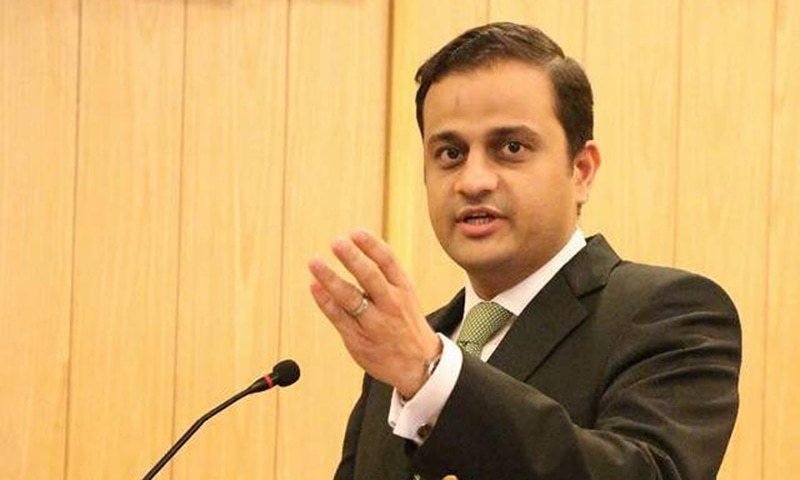
KARACHI — Mayor Karachi, Barrister Murtaza Wahab, officially inaugurated a new Emergency Operational Base for the Sindh Integrated Emergency and Health Services (SIEHS-1122) in Orangi Town on Thursday. This development aims to enhance emergency response capabilities in one of Karachi’s densely populated areas. What Happened The inauguration ceremony of the new Emergency Operational Base was attended by various local officials and community leaders. The base, part of the SIEHS-1122 network, is expected to significantly improve the emergency response time in Orangi Town, a locality known for its dense population and infrastructural challenges. Mayor Wahab emphasized the importance of such facilities in ensuring timely medical and emergency assistance to residents. “This base will play a critical role in saving lives by reducing response times during emergencies,” he stated. The new facility is equipped with state-of-the-art ambulances and trained personnel ready to respond to medical emergencies, accidents, and disasters. The initiative is part of a broader effort by the Sindh government to expand emergency services across the province, particularly in underserved areas. According to officials, the base will operate 24/7, ensuring that emergency services are available at all times. The establishment of this base in Orangi Town is particularly significant given the area’s history of being underserved in terms of healthcare and emergency services. This operational base is expected to serve as a model for future expansions in other parts of Karachi and Sindh. Background The Sindh Integrated Emergency and Health Services (SIEHS-1122) is a government initiative aimed at providing comprehensive emergency services across the province. Launched in response to the increasing need for efficient emergency management, SIEHS-1122 has been gradually expanding its reach to cover more areas. The service includes ambulance services, disaster management, and emergency medical assistance. Orangi Town, one of Karachi’s largest and most densely populated areas, has long faced challenges related to infrastructure and public services. Historically, the area has been underserved, with residents often having limited access to healthcare facilities. The introduction of the SIEHS-1122 base is part of ongoing efforts to address these disparities and improve the quality of life for residents. Why It Matters The establishment of the new Emergency Operational Base in Orangi Town is a significant step towards improving public health infrastructure in Karachi. With a population exceeding 2.5 million, Orangi Town is one of the largest informal settlements in Asia, and the need for efficient emergency services is critical. The base is expected to reduce emergency response times, which can be the difference between life and death in critical situations. Economically, the presence of a reliable emergency service can also contribute to the stability and development of the area. It provides a sense of security to residents and can encourage investment in local businesses. Politically, this move aligns with the Sindh government’s broader strategy to enhance public services and infrastructure, addressing long-standing grievances of neglect in certain areas. Internationally, the development showcases Pakistan’s commitment to improving its emergency response systems, aligning with global standards of public health and safety. It reflects an understanding of the importance of robust emergency services in urban planning and development. Key Takeaways Mayor Karachi inaugurated a new Emergency Operational Base for SIEHS-1122 in Orangi Town. The base aims to improve emergency response times in a densely populated area. SIEHS-1122 is part of a provincial effort to expand emergency services across Sindh. Orangi Town’s new facility addresses historical disparities in healthcare access. The development aligns with global standards of public health infrastructure. Source Attribution This article is based on official government statements, press releases, and public communications from relevant authorities. Author: NEN Editorial Desk | Editor: NEN Newsroom | Fact Checked By: NEN Editorial Team Author: NEN Editorial Desk  |  Editor: NEN Newsroom  |  Last Updated: July 17, 2026  |  Source: NEN Reporter This article was produced by the NEN Editorial Desk in accordance with NEN Agency’s Editorial Policy and Fact-Checking Policy.

Scroll to Top