

Author name: Yasir Zubairi

Yasir Zubairi is the founder and publisher of NEN Agency (News Era Network). He leads NEN's coverage of Pakistan's national affairs, economy, foreign relations and sports, and is responsible for the accuracy and standards of every story published on nenagency.com.

Deputy PM Emphasizes Ceasefire Adherence Under Islamabad MoU
Pakistan

Deputy PM Emphasizes Ceasefire Adherence Under Islamabad MoU

ISLAMABAD — Deputy Prime Minister and Foreign Minister Senator Muhammad Ishaq Dar emphasized the importance of adhering to ceasefire commitments under the Islamabad Memorandum of Understanding (MoU) during a telephone conversation with Sheikh Jarrah Jaber Al-Ahmad Al-Sabah, the Foreign Minister of Kuwait, on Saturday. The discussion highlighted the need to avoid actions that could escalate tensions in the region. What Happened On July 18, Deputy Prime Minister and Foreign Minister Senator Muhammad Ishaq Dar engaged in a significant dialogue with Kuwait’s Foreign Minister Sheikh Jarrah Jaber Al-Ahmad Al-Sabah. The conversation centered on the critical importance of maintaining the ceasefire commitments outlined in the Islamabad MoU. Senator Dar stressed that both parties should exercise restraint and avoid any provocations that might lead to heightened tensions. The Islamabad MoU, a key diplomatic agreement, serves as a framework for maintaining peace and stability in the region. During the call, both ministers reiterated their commitment to the principles of the MoU, emphasizing the necessity of diplomatic engagement and dialogue to resolve any disputes. Senator Dar underscored Pakistan’s dedication to peace and stability in the region, urging all parties involved to adhere to the agreed-upon terms. Sheikh Jarrah Jaber Al-Ahmad Al-Sabah conveyed Kuwait’s support for the MoU and its objectives, expressing a shared interest in regional peace and cooperation. The conversation concluded with both ministers agreeing to continue their diplomatic efforts to uphold the ceasefire and prevent any potential conflicts. Background The Islamabad MoU, signed in 2019, is a strategic agreement aimed at fostering peace and stability in the region through mutual understanding and cooperation. The agreement was established following a series of diplomatic engagements between Pakistan and its regional partners, including Kuwait. It outlines specific commitments to ceasefire and non-aggression, serving as a critical tool for conflict prevention and resolution. Historically, the region has experienced periods of tension and conflict, often necessitating international diplomatic interventions. The Islamabad MoU represents a proactive approach by regional powers to address these challenges internally, reducing reliance on external mediation. Why It Matters The adherence to the Islamabad MoU is crucial for maintaining peace and stability in a region historically plagued by conflict. The agreement not only serves as a preventive measure against potential escalations but also as a framework for diplomatic dialogue and conflict resolution. By emphasizing the importance of the MoU, Senator Dar reinforces Pakistan’s commitment to regional stability and its role as a proactive peace broker. The conversation between Senator Dar and Sheikh Jarrah Jaber Al-Ahmad Al-Sabah highlights the collaborative efforts of regional powers to uphold peace agreements and prevent conflicts. This dialogue is significant as it reflects a shared understanding of the importance of diplomatic engagement and cooperation. The successful implementation of the Islamabad MoU could serve as a model for other regions facing similar challenges, demonstrating the efficacy of regional agreements in conflict prevention. For Pakistan, maintaining the ceasefire commitments is not only a matter of regional security but also of national interest. Stability in the region can lead to economic growth, increased foreign investment, and improved international relations. It also enhances Pakistan’s standing as a responsible and influential player on the global stage, capable of fostering peace and cooperation. Key Takeaways Deputy Prime Minister Muhammad Ishaq Dar emphasized the importance of upholding ceasefire commitments under the Islamabad MoU during a call with Kuwait’s Foreign Minister. The Islamabad MoU is a strategic agreement aimed at maintaining peace and stability in the region through mutual cooperation. Both ministers reiterated their commitment to the MoU and the necessity of diplomatic engagement to prevent conflicts. The conversation underscores the collaborative efforts of regional powers to uphold peace agreements and prevent escalations. Adherence to the MoU is crucial for regional stability, economic growth, and Pakistan’s international standing. Source Attribution This article is based on official government statements and public communications from relevant authorities. Author: NEN Editorial Desk | Editor: NEN Newsroom | Fact Checked By: NEN Editorial Team Author: NEN Editorial Desk  |  Editor: NEN Newsroom  |  Last Updated: July 18, 2026  |  Source: Press Release from Government of Pakistan This article was produced by the NEN Editorial Desk in accordance with NEN Agency’s Editorial Policy and Fact-Checking Policy.
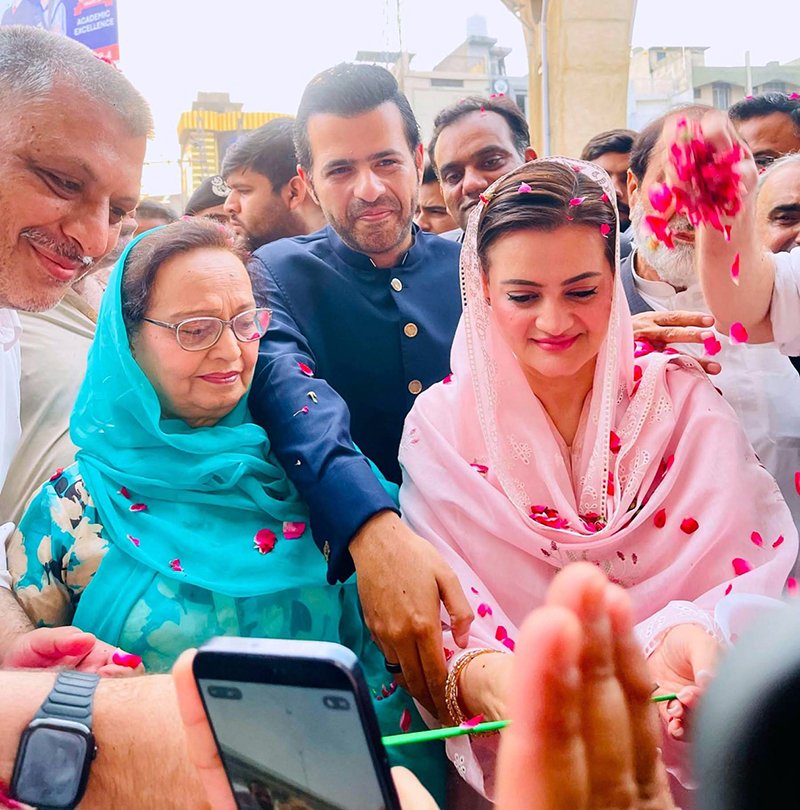

AJK Election Office Inaugurated in Rawalpindi by Key Officials
Pakistan

AJK Election Office Inaugurated in Rawalpindi by Key Officials

RAWALPINDI — Parliamentary Secretary Barrister Danyal Chaudhry, Senior Provincial Minister Maryam Aurangzeb, and Member of National Assembly (MNA) Tahira Aurangzeb attended the inauguration of the Azad Jammu and Kashmir (AJK) election office in Rawalpindi on Thursday. The event marks a significant step in facilitating electoral processes for the AJK community residing in the region. What Happened The inauguration ceremony was held at the newly established AJK election office in Rawalpindi, aimed at providing better electoral services to the AJK residents living in the area. Parliamentary Secretary Barrister Danyal Chaudhry, Senior Provincial Minister Maryam Aurangzeb, and MNA Tahira Aurangzeb were present to officially open the office. The officials emphasized the importance of accessible electoral services for the AJK population in Rawalpindi and surrounding areas. During the event, Barrister Danyal Chaudhry highlighted the government’s commitment to ensuring that all citizens have the opportunity to participate in the democratic process. He stated, “This office will serve as a crucial point for AJK residents to engage with the electoral process, ensuring their voices are heard in the upcoming elections.” Senior Provincial Minister Maryam Aurangzeb echoed these sentiments, noting that the establishment of the office is a testament to the government’s dedication to democratic principles. “We are committed to providing all necessary facilities to our citizens, ensuring that the electoral process is smooth and accessible for everyone,” she said. MNA Tahira Aurangzeb also addressed the attendees, stressing the importance of voter registration and participation. She urged the AJK community to take full advantage of the new office to ensure their participation in future elections. Background The establishment of the AJK election office in Rawalpindi comes amidst ongoing efforts to enhance electoral infrastructure across Pakistan. Historically, AJK residents living outside their home region have faced challenges in accessing electoral services. The new office aims to alleviate these issues by providing a local point for voter registration and other electoral services. In recent years, the government has made strides in improving electoral processes, including the introduction of technology in voting and the establishment of more accessible polling stations. These efforts are part of a broader initiative to strengthen democratic institutions and ensure fair and transparent elections. Why It Matters The inauguration of the AJK election office in Rawalpindi is significant for several reasons. Firstly, it underscores the government’s commitment to inclusivity in the electoral process, ensuring that all citizens, regardless of their location, have the means to participate in elections. This move is particularly important for the AJK community, which has historically been underrepresented in electoral participation due to logistical challenges. Economically, the new office is expected to streamline the electoral process for AJK residents in Rawalpindi, reducing the time and resources required for voter registration and participation. This can lead to increased voter turnout, thereby strengthening democratic engagement within the community. Politically, the establishment of the office reflects the government’s broader strategy to enhance democratic infrastructure and transparency. By making electoral services more accessible, the government aims to foster greater trust in the electoral system, which is crucial for maintaining political stability and public confidence. On an international level, such initiatives demonstrate Pakistan’s commitment to upholding democratic values and improving its electoral processes, which can enhance the country’s image as a democratic nation committed to fair and transparent governance. Key Takeaways The AJK election office was inaugurated in Rawalpindi to facilitate electoral services for AJK residents. Key officials, including Barrister Danyal Chaudhry and Maryam Aurangzeb, emphasized the importance of accessible electoral services. The office is part of broader efforts to improve electoral infrastructure in Pakistan. The initiative aims to increase voter participation and strengthen democratic engagement. Improved electoral access reflects the government’s commitment to democratic principles and transparency. Source Attribution This article is based on official government statements, press releases, and public communications from relevant authorities. Author: NEN Editorial Desk | Editor: NEN Newsroom | Fact Checked By: NEN Editorial Team Author: NEN Editorial Desk  |  Editor: NEN Newsroom  |  Last Updated: July 18, 2026  |  Source: Press Release from Government of Pakistan This article was produced by the NEN Editorial Desk in accordance with NEN Agency’s Editorial Policy and Fact-Checking Policy.
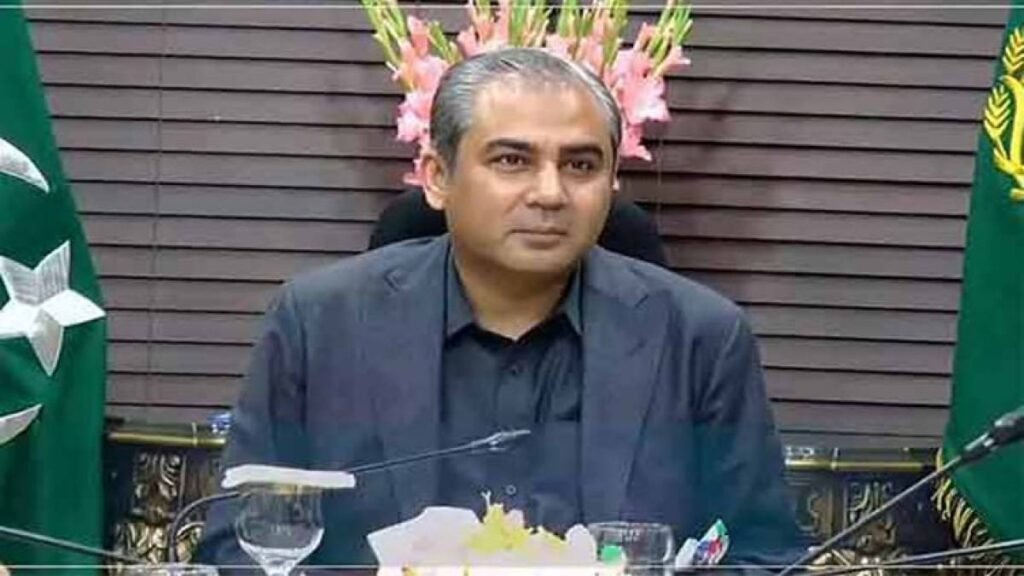
Rupee Sees Marginal Gain Against US Dollar in Interbank Market
Pakistan

Rupee Sees Marginal Gain Against US Dollar in Interbank Market

ISLAMABAD — The Pakistani Rupee experienced a slight appreciation against the US Dollar on Friday, closing at Rs 277.96 in the interbank market, a gain of 01 paisa from the previous day’s rate of Rs 277.97. This minor fluctuation reflects ongoing currency volatility amid Pakistan’s broader economic challenges. What Happened The Rupee’s marginal gain against the US Dollar was recorded during interbank trading, according to the Forex Association of Pakistan (FAP). The buying and selling rates of the dollar in the open market were reported at Rs 278.95 and Rs 279.15, respectively. This indicates a stable yet cautious market environment where minor adjustments are observed due to various economic factors. In addition to the US Dollar, other currencies also saw changes in their exchange rates against the Rupee. The Euro decreased by Rs 0.70, closing at Rs 317.98 compared to the previous day’s Rs 318.68, as reported by the State Bank of Pakistan (SBP). Meanwhile, the Japanese Yen remained stable at Rs 1.71, and the British Pound saw a decrease of Rs 1.95, ending the day at Rs 373.96 from Rs 375.91. The Emirate Dirham experienced a slight decline of 01 paisa, closing at Rs 75.67, while the Saudi Riyal remained unchanged at Rs 74.01. These fluctuations reflect the ongoing adjustments in the foreign exchange market, influenced by both domestic and international economic developments. Background The Pakistani Rupee has been under significant pressure due to a combination of domestic economic challenges and global financial trends. Historically, the Rupee’s value has been impacted by factors such as inflation, fiscal deficits, and external debt obligations. The recent fluctuations are part of a broader trend where the currency has experienced both depreciation and occasional appreciation in response to market dynamics and policy measures. Pakistan’s economy has been navigating through a challenging period marked by high inflation rates, fiscal imbalances, and the need for structural reforms. The government has been engaged in negotiations with international financial institutions to secure support and stabilize the economy. These efforts include measures to enhance foreign exchange reserves and manage the balance of payments. Why It Matters The Rupee’s exchange rate is a critical indicator of Pakistan’s economic health and has direct implications for the country’s import and export sectors. A stable or appreciating Rupee can help reduce the cost of imports, thereby easing inflationary pressures on essential goods and services. Conversely, a depreciating Rupee can increase the cost of imports, leading to higher inflation and a potential increase in the cost of living for citizens. For businesses involved in international trade, currency stability is crucial for planning and forecasting. Fluctuations in the exchange rate can affect profit margins, pricing strategies, and overall competitiveness in the global market. Therefore, even minor changes in the Rupee’s value are closely monitored by businesses and policymakers alike. On a broader scale, the Rupee’s performance is a reflection of investor confidence in Pakistan’s economic policies and stability. A stable currency can attract foreign investment, which is essential for economic growth and development. As Pakistan continues to address its economic challenges, maintaining currency stability remains a priority for the government and financial authorities. Key Takeaways The Pakistani Rupee appreciated by 01 paisa against the US Dollar, closing at Rs 277.96 in the interbank market. The Euro and British Pound saw decreases against the Rupee, while the Japanese Yen remained stable. The Emirate Dirham experienced a slight decline, and the Saudi Riyal remained unchanged. The Rupee’s performance is crucial for managing inflation and attracting foreign investment. Currency stability is vital for businesses involved in international trade and economic planning. Source Attribution This article is based on official government statements, press releases, and public communications from relevant authorities. Author: NEN Editorial Desk | Editor: NEN Newsroom | Fact Checked By: NEN Editorial Team Author: NEN Editorial Desk  |  Editor: NEN Newsroom  |  Last Updated: July 18, 2026  |  Source: NEN Reporter This article was produced by the NEN Editorial Desk in accordance with NEN Agency’s Editorial Policy and Fact-Checking Policy.
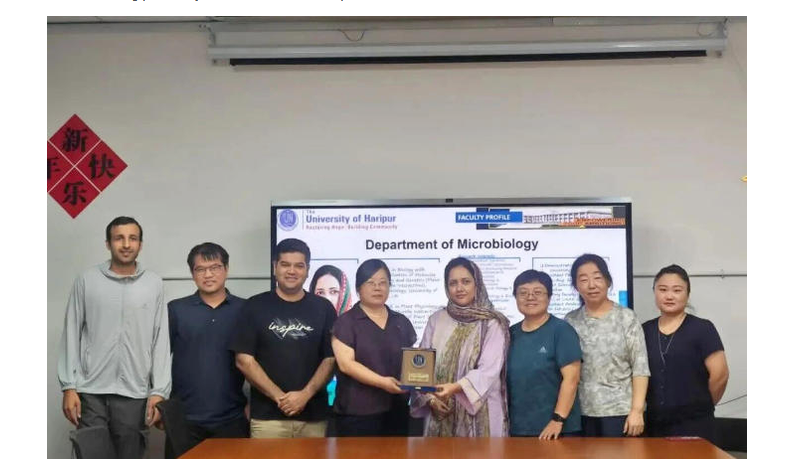
Interior Minister Orders Upgrade After Emergency Service’s Successful Test
Pakistan

Interior Minister Orders Upgrade After Emergency Service’s Successful Test

ISLAMABAD — The Capital Emergency Service demonstrated its rapid response capabilities during a late-night mock fire incident, prompting the Interior Minister to order significant upgrades to the service. The exercise, conducted on Tuesday night, saw fire brigade and ambulance teams arrive at the designated location within eight minutes of receiving the alert. What Happened The late-night drill was designed to test the efficiency and readiness of the Capital Emergency Service in responding to urgent situations. As part of the exercise, a simulated fire scenario was created in a central location in Islamabad. Upon receiving the alert, the emergency teams, comprising fire brigades and ambulances, were dispatched immediately. They managed to reach the scene within eight minutes, showcasing their preparedness and coordination. Interior Minister Rana Sanaullah, who oversaw the exercise, expressed satisfaction with the performance of the emergency teams. He acknowledged the importance of such drills in ensuring public safety and underscored the need for continuous improvement. “The swift response time is commendable, but we must strive to enhance our capabilities further,” he stated. Following the successful test, the Interior Minister announced plans for a major upgrade to the Capital Emergency Service. This upgrade will focus on modernizing equipment, enhancing training programs, and improving communication systems to ensure even faster and more efficient responses in the future. Background The Capital Emergency Service, established to provide rapid response to emergencies in Islamabad, has been operational for several years. It plays a crucial role in managing crises, including fires, medical emergencies, and natural disasters. Over the years, the service has undergone various enhancements to improve its operational efficiency. Historically, emergency response times have been a critical issue in Pakistan, with delays often leading to increased casualties and damage. The government has been working to address these challenges through investments in infrastructure and training. The recent drill is part of a broader strategy to ensure that emergency services are well-equipped to handle any situation effectively. Why It Matters The successful execution of the late-night drill holds significant implications for public safety in Islamabad. Rapid response times are essential in minimizing the impact of emergencies, and the drill’s outcome demonstrates the Capital Emergency Service’s capability to meet these demands. The Interior Minister’s decision to upgrade the service further underscores the government’s commitment to enhancing public safety measures. From an economic perspective, efficient emergency services can reduce the financial impact of disasters by limiting damage and facilitating quicker recovery. This is particularly important in urban centers like Islamabad, where infrastructure and population density increase the potential for significant losses in emergency situations. On a social level, the improvements to the Capital Emergency Service can enhance public confidence in the government’s ability to protect its citizens. In a country where emergency response has historically been a challenge, visible improvements can foster a sense of security and trust among the populace. Internationally, Pakistan’s efforts to modernize its emergency services align with global best practices, potentially attracting foreign investment and collaboration in the sector. By demonstrating a commitment to public safety, Pakistan can enhance its reputation on the global stage. Key Takeaways The Capital Emergency Service successfully completed a late-night drill, reaching the incident site within eight minutes. Interior Minister Rana Sanaullah has ordered a major upgrade to the service following the successful test. The upgrade will focus on modernizing equipment, training, and communication systems. Efficient emergency services are crucial for minimizing the impact of disasters and enhancing public safety. Pakistan’s efforts to improve emergency response align with global standards, potentially boosting its international reputation. Source Attribution This article is based on official government statements and public communications from relevant authorities. Author: NEN Editorial Desk | Editor: NEN Newsroom | Fact Checked By: NEN Editorial Team Author: NEN Editorial Desk  |  Editor: NEN Newsroom  |  Last Updated: July 18, 2026  |  Source: Press Release from Government of Pakistan This article was produced by the NEN Editorial Desk in accordance with NEN Agency’s Editorial Policy and Fact-Checking Policy.
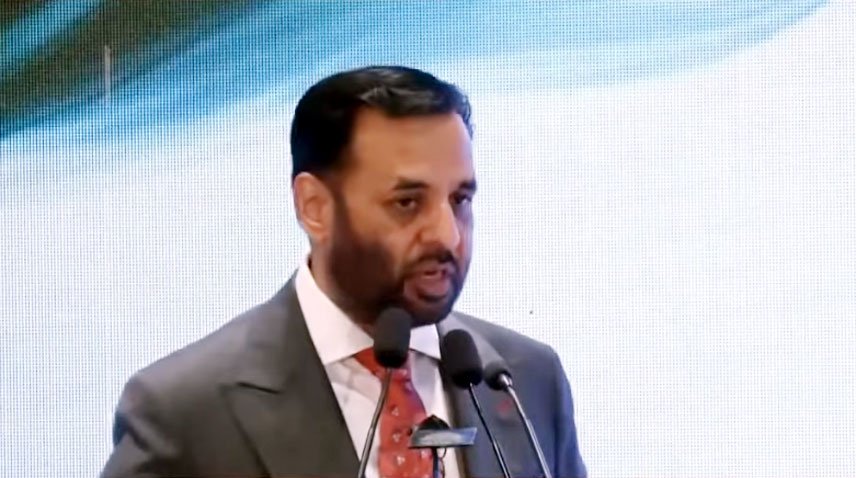
China-Pakistan Microbial Research Collaboration Expands Amid Strengthening Academic Ties
World

China-Pakistan Microbial Research Collaboration Expands Amid Strengthening Academic Ties

BEIJING — Representatives from Shihezi University’s College of Life Sciences and the University of Haripur recently convened at a symposium focused on microbiomics, revealing plans for joint academic initiatives. The event underscored the deepening academic collaboration between China and Pakistan, particularly in the field of microbial research. What Happened The symposium, held in Beijing, brought together experts from both universities to discuss advancements in microbiomics and explore potential areas for joint research. Professor Syeda Asma Bano of the University of Haripur presented her team’s recent breakthroughs in molecular plant pathology, biocontrol, and the use of beneficial microbes to combat soil-borne crop diseases. Her insights were complemented by Professor Sun Yanfei from Shihezi University, who shared findings on plant-microbe interaction mechanisms and the functional analysis of rhizobacteria. The collaboration aims to leverage the strengths of both institutions in arid-region microbiology and molecular biology. Planned initiatives include the application for joint international research grants, the establishment of joint postgraduate training programs, and the facilitation of academic exchanges. These efforts are intended to foster practical cooperation and advance scientific understanding in these critical areas. As part of the broader China-Pakistan Economic Corridor (CPEC) initiative, this academic partnership is seen as a reflection of the growing ties between the two nations. Shihezi University has already established extensive partnerships with Pakistani institutions such as the University of Haripur and PMAS-Arid Agriculture University, covering a range of disciplines including life sciences, information technology, agriculture, and basic sciences. These collaborations encompass joint research projects, faculty and student exchanges, joint graduate programs, and the co-construction of laboratories. Background The China-Pakistan Economic Corridor (CPEC) is a significant component of China’s Belt and Road Initiative, aimed at enhancing regional connectivity and economic integration. As CPEC enters its second phase, there is an increased focus on socio-economic development, including education and scientific research. The collaboration between Shihezi University and the University of Haripur is part of this broader strategy to enhance academic ties and foster innovation. Historically, China and Pakistan have maintained strong bilateral relations, with academic and scientific cooperation playing an increasingly important role. The partnership between these universities is a continuation of this trend, aiming to address common challenges in agriculture and environmental sustainability through advanced research and technology. Why It Matters The expansion of microbial research cooperation between China and Pakistan holds significant implications for both countries. For Pakistan, advancements in microbiomics and related fields can lead to improved agricultural practices, increased crop yields, and enhanced food security. This is particularly important given the challenges posed by climate change and the need for sustainable agricultural practices. Economically, the collaboration can open new avenues for research funding and international partnerships, boosting the capabilities of Pakistani institutions and contributing to the country’s scientific and technological development. The joint initiatives also provide opportunities for capacity building, with Pakistani researchers and students gaining access to advanced training and resources. On a broader scale, the collaboration strengthens the academic and cultural ties between China and Pakistan, fostering mutual understanding and cooperation. This partnership not only contributes to the scientific community but also enhances the strategic relationship between the two nations, supporting their shared goals of regional stability and development. Key Takeaways China and Pakistan are expanding their academic collaboration in microbial research, focusing on microbiomics. The partnership includes joint research initiatives, postgraduate training programs, and academic exchanges. This collaboration is part of the broader CPEC initiative, emphasizing socio-economic development. Advancements in microbial research can significantly impact agriculture and food security in Pakistan. The partnership enhances bilateral ties and supports regional stability and development goals. Source Attribution This article is based on official government statements, press releases, and public communications from relevant authorities. Author: NEN Editorial Desk | Editor: NEN Newsroom | Fact Checked By: NEN Editorial Team Author: NEN Editorial Desk  |  Editor: NEN Newsroom  |  Last Updated: July 18, 2026  |  Source: NEN Reporter This article was produced by the NEN Editorial Desk in accordance with NEN Agency’s Editorial Policy and Fact-Checking Policy.
Pakistan Seeks Chinese Investment in Pharmaceutical Sector, Says Minister Kamal
Pakistan

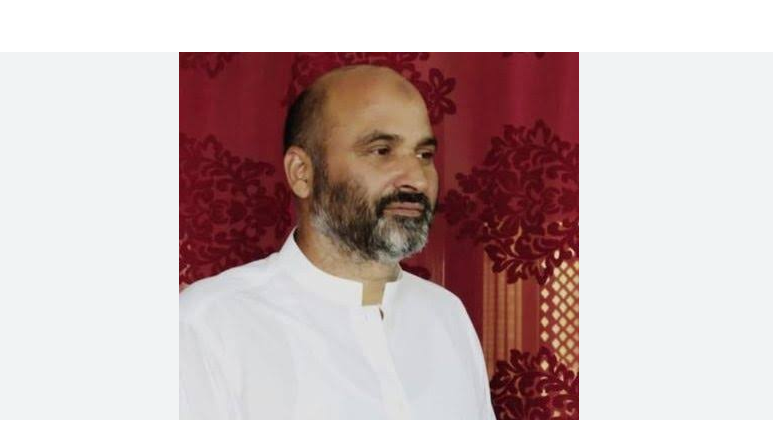
Pakistan Seeks Chinese Investment in Pharmaceutical Sector, Says Minister Kamal

ISLAMABAD — Federal Minister for National Health Services, Regulations and Coordination Syed Mustafa Kamal announced on Saturday that Pakistan is seeking to attract significant investment in its pharmaceutical sector. He called on Chinese companies to enhance their partnerships with Pakistani firms through a dedicated Business-to-Business (B2B) investment platform. What Happened During a recent address, Minister Syed Mustafa Kamal highlighted the robust opportunities available for investment in Pakistan’s pharmaceutical sector. He emphasized the potential for growth and development within the industry, urging Chinese companies to leverage the B2B platform to establish and strengthen partnerships with local pharmaceutical firms. “Pakistan offers a fertile ground for investment in the pharmaceutical industry,” Kamal stated, pointing to the country’s strategic location and growing market demand. Kamal’s remarks come amid ongoing efforts by the Pakistani government to attract foreign investment across various sectors. The minister underscored the importance of international collaboration, particularly with China, to boost the pharmaceutical industry’s capacity and innovation. He noted that such partnerships could lead to advancements in healthcare delivery and accessibility within Pakistan. The B2B investment platform is designed to facilitate direct interactions between Chinese investors and Pakistani businesses, providing a streamlined process for investment and collaboration. Kamal expressed confidence that this initiative would pave the way for enhanced economic ties between the two nations, contributing to mutual growth and prosperity. Background Pakistan’s pharmaceutical sector has been identified as a key area for economic development and foreign investment. Historically, the sector has faced challenges such as regulatory hurdles, limited research and development, and dependency on imported raw materials. However, recent policy reforms and government incentives aim to address these issues and create a more conducive environment for investment. The China-Pakistan Economic Corridor (CPEC), a flagship project under China’s Belt and Road Initiative, has already laid the groundwork for increased economic cooperation between the two countries. The pharmaceutical sector is seen as a natural extension of this collaboration, with potential benefits for both nations. In recent years, the Pakistani government has implemented measures to streamline regulatory processes, enhance quality standards, and encourage local manufacturing. These efforts are part of a broader strategy to reduce dependency on imports and foster innovation within the domestic pharmaceutical industry. Why It Matters The push for increased investment in Pakistan’s pharmaceutical sector holds significant implications for the country’s economy and healthcare system. Economically, attracting foreign investment can lead to job creation, technological advancement, and increased export potential, contributing to overall economic growth. Socially, a strengthened pharmaceutical sector can improve healthcare access and outcomes for the Pakistani population. By fostering innovation and local manufacturing, the country can reduce its reliance on imported medicines, making healthcare more affordable and accessible to its citizens. Politically, enhancing economic ties with China through the pharmaceutical sector can bolster Pakistan’s strategic position in the region. As China continues to expand its global economic influence, Pakistan stands to benefit from closer collaboration and investment, potentially leading to greater geopolitical stability and influence. Internationally, the development of Pakistan’s pharmaceutical sector can contribute to global health initiatives by increasing the availability of affordable medicines. This aligns with broader efforts to address healthcare disparities and improve health outcomes worldwide. Key Takeaways Pakistan seeks to attract Chinese investment in its pharmaceutical sector through a B2B platform. Minister Kamal highlights the sector’s growth potential and strategic importance. Efforts are underway to address regulatory challenges and encourage local manufacturing. Strengthened economic ties with China could enhance Pakistan’s regional influence. Development in the sector may improve healthcare access and outcomes for Pakistanis. Source Attribution The article is based on official government statements, press releases, and public communications from relevant authorities. Author: NEN Editorial Desk | Editor: NEN Newsroom | Fact Checked By: NEN Editorial Team Author: NEN Editorial Desk  |  Editor: NEN Newsroom  |  Last Updated: July 18, 2026  |  Source: NEN Reporter This article was produced by the NEN Editorial Desk in accordance with NEN Agency’s Editorial Policy and Fact-Checking Policy.

Mushtaq Ahmad Butt Highlights Importance of July 19, 1947 Resolution
Pakistan

Mushtaq Ahmad Butt Highlights Importance of July 19, 1947 Resolution

ISLAMABAD — Mushtaq Ahmad Butt, Vice Chairman of Tehreek Shabab-ul-Muslimeen and a prominent Hurriyat leader, has reiterated the enduring significance of the July 19, 1947, Resolution for the Accession to Pakistan. This resolution, passed in Jammu and Kashmir, continues to represent the aspirations of many Kashmiris, according to Butt. What Happened In a recent statement, Mushtaq Ahmad Butt emphasized the historical importance of the July 19, 1947, resolution, which called for Jammu and Kashmir’s accession to Pakistan. Butt stated, “The resolution remains a defining milestone in the political history of Jammu and Kashmir and continues to symbolize the aspirations of many Kashmiris.” He underscored that this resolution is a testament to the longstanding desire of the Kashmiri people to align with Pakistan, reflecting their cultural and religious ties. The resolution was initially passed by the All Jammu and Kashmir Muslim Conference, which was led by Sardar Muhammad Ibrahim Khan. It marked a pivotal moment in the history of the region, setting the stage for the complex political dynamics that have unfolded over the decades. Butt’s reaffirmation of the resolution’s significance comes at a time when the region continues to grapple with political tensions and aspirations for self-determination. Background The July 19, 1947, resolution was adopted just before the partition of British India, a period marked by significant political upheaval and the drawing of new national boundaries. The resolution was a response to the impending partition, as the princely states of British India were given the choice to join either India or Pakistan. The All Jammu and Kashmir Muslim Conference’s decision to support accession to Pakistan was influenced by the demographic composition of the region, which had a Muslim majority. Since then, the status of Jammu and Kashmir has been a contentious issue between India and Pakistan, leading to multiple wars and ongoing diplomatic tensions. The region has been the focus of international attention, with both countries claiming it in full but controlling only parts of it. The aspirations of the Kashmiri people have been central to this dispute, with various political groups advocating for either integration with Pakistan, independence, or greater autonomy within India. Why It Matters The reaffirmation of the July 19, 1947, resolution by Mushtaq Ahmad Butt is significant in the context of ongoing political developments in Jammu and Kashmir. The region has experienced heightened tensions, particularly following the Indian government’s decision in August 2019 to abrogate Article 370, which granted special autonomy to Jammu and Kashmir. This move was met with widespread protests and has been a point of contention in India-Pakistan relations. Butt’s statement reflects the enduring sentiment among many Kashmiris who view the resolution as a foundational document that aligns with their aspirations. The resolution’s continued relevance underscores the unresolved nature of the Kashmir conflict and the need for a political solution that addresses the desires of the Kashmiri people. Internationally, the Kashmir issue remains a significant point of discussion, with various countries and organizations calling for dialogue and peaceful resolution. The reaffirmation of the resolution’s significance by a Hurriyat leader like Butt highlights the persistent demand for self-determination and the importance of addressing historical grievances to achieve lasting peace in the region. Key Takeaways Mushtaq Ahmad Butt reaffirms the significance of the July 19, 1947, resolution for Jammu and Kashmir’s accession to Pakistan. The resolution is seen as a key historical document representing the aspirations of many Kashmiris. The status of Jammu and Kashmir remains a contentious issue between India and Pakistan, with ongoing political tensions. The resolution’s reaffirmation highlights the need for a political solution to address the aspirations of the Kashmiri people. International attention continues to focus on the Kashmir conflict, emphasizing the need for dialogue and peaceful resolution. Source Attribution This article is based on official government statements, press releases, and public communications from relevant authorities. Author: NEN Editorial Desk | Editor: NEN Newsroom | Fact Checked By: NEN Editorial Team Author: NEN Editorial Desk  |  Editor: NEN Newsroom  |  Last Updated: July 18, 2026  |  Source: NEN Reporter This article was produced by the NEN Editorial Desk in accordance with NEN Agency’s Editorial Policy and Fact-Checking Policy.
Gold Prices Plummet by Rs3,600 Per Tola in Pakistan
World

Gold Prices Plummet by Rs3,600 Per Tola in Pakistan

LAHORE — Gold prices in Pakistan experienced a significant drop as the international bullion market witnessed a decline, resulting in a substantial decrease in the prices of both gold and silver locally. On July 17, the price of gold per tola in the local market fell by Rs3,600 to Rs421,836, reflecting the global market trends. What Happened The international bullion market saw a sharp decline in gold prices, with the price per ounce falling by $36 to $3,994. This decrease in the global market had a direct impact on the local bullion market in Pakistan. As a result, the price of gold per tola dropped by Rs3,600, settling at Rs421,836. Similarly, the price for 10 grams of gold fell by Rs3,086, bringing it down to Rs361,656. Silver prices were not immune to this trend, as they also experienced a decline. The price of silver per tola decreased by Rs126, reaching Rs6,029, while the price for 10 grams of silver fell by Rs108 to Rs5,168. This trend reflects the interconnected nature of global and local markets, where changes in international prices have immediate effects on domestic markets. Background Gold and silver prices are influenced by a variety of factors, including global economic conditions, currency fluctuations, and investor sentiment. Historically, precious metals have been viewed as safe-haven assets, particularly during times of economic uncertainty. However, fluctuations in the global market can lead to significant changes in prices, affecting local markets as well. In recent years, the global bullion market has experienced volatility due to various factors such as geopolitical tensions, changes in monetary policies by major economies, and fluctuations in the value of the US dollar. These factors contribute to the dynamic nature of gold and silver prices, impacting both international and local markets. Why It Matters The decline in gold prices holds significant implications for various stakeholders in Pakistan. For investors and traders in the bullion market, this drop represents a potential opportunity to purchase gold at lower prices. However, it also poses challenges for those who have invested in gold as a hedge against inflation or economic instability. For the general public, changes in gold prices can affect consumer behavior, particularly in a country like Pakistan where gold is often purchased for weddings and other cultural events. A decrease in prices may encourage more purchases, while an increase could lead to reduced consumer spending on gold. Economically, the fluctuation in gold prices can impact the country’s trade balance. Pakistan, being an importer of gold, may benefit from lower prices in terms of reduced import costs. However, it also means that local jewelers and traders may face reduced margins, affecting their profitability. On a broader scale, the changes in gold prices can reflect underlying economic conditions, both globally and locally. A decline may indicate a stronger US dollar or changing investor sentiment, which can have ripple effects on other aspects of the economy, including currency exchange rates and stock market performance. Key Takeaways Gold prices in Pakistan dropped by Rs3,600 per tola, influenced by a $36 decline per ounce in the international market. The price of 10 grams of gold fell by Rs3,086, while silver prices also decreased, with a Rs126 drop per tola. Fluctuations in global bullion prices directly impact local markets, affecting investors, traders, and consumers. The decline in prices may offer buying opportunities but also poses challenges for those relying on gold as a stable investment. Changes in gold prices can have broader economic implications, influencing trade balances and reflecting global economic conditions. Source Attribution This article is based on official government statements, press releases, and public communications from relevant authorities. Author: NEN Editorial Desk | Editor: NEN Newsroom | Fact Checked By: NEN Editorial Team Author: NEN Editorial Desk  |  Editor: NEN Newsroom  |  Last Updated: July 18, 2026  |  Source: NEN Reporter This article was produced by the NEN Editorial Desk in accordance with NEN Agency’s Editorial Policy and Fact-Checking Policy.

Haroon Akhtar Urges Chinese Firms to Partner in Innovation and Manufacturing
Pakistan

Haroon Akhtar Urges Chinese Firms to Partner in Innovation and Manufacturing

ISLAMABAD — Special Assistant to the Prime Minister on Industries and Production, Haroon Akhtar Khan, has called on Chinese companies to collaborate with Pakistan in innovation and manufacturing. Speaking on Friday, Akhtar emphasized the potential for mutual growth through joint ventures and investments. What Happened Haroon Akhtar Khan, the Special Assistant to the Prime Minister on Industries and Production, extended an invitation to Chinese companies to invest in Pakistan’s industries. During his address on Friday, Akhtar highlighted the opportunities for Chinese firms to engage in joint innovation and manufacturing projects within Pakistan. He underscored the potential benefits of such collaborations, which include not only financial investments but also technological advancements and shared expertise. Akhtar stated, “We are keen to welcome Chinese companies to Pakistan, where they can innovate, manufacture, and grow alongside us.” He pointed out that Pakistan’s strategic location and its growing market offer significant advantages for Chinese businesses looking to expand their footprint in the region. Akhtar also mentioned the government’s commitment to creating a conducive environment for foreign investors, with policies aimed at facilitating ease of doing business. The invitation comes as part of Pakistan’s broader strategy to strengthen economic ties with China, a key partner in the China-Pakistan Economic Corridor (CPEC). Akhtar’s call to action aligns with ongoing efforts to attract foreign direct investment (FDI) and enhance industrial growth in the country. Background Pakistan and China have a long-standing economic partnership, primarily driven by the China-Pakistan Economic Corridor (CPEC), a flagship project under China’s Belt and Road Initiative. CPEC has significantly contributed to Pakistan’s infrastructure development, including roads, energy projects, and special economic zones. Historically, China has been one of Pakistan’s largest trading partners and investors. The two countries have collaborated on numerous projects aimed at boosting economic growth and development. The invitation by Haroon Akhtar Khan is part of ongoing efforts to deepen this partnership, particularly in the industrial sector. In recent years, Pakistan has been actively seeking to enhance its manufacturing capabilities and technological base. The government has introduced various incentives to attract foreign investment, including tax breaks, streamlined regulatory processes, and investment protection measures. Why It Matters The invitation to Chinese companies to engage in joint innovation and manufacturing in Pakistan holds significant implications for the country’s economic landscape. By fostering partnerships with Chinese firms, Pakistan aims to leverage technological advancements and industrial expertise that can drive growth in its manufacturing sector. Economically, such collaborations could lead to increased foreign direct investment, job creation, and the development of local industries. This, in turn, could enhance Pakistan’s export capabilities and reduce its trade deficit. The move aligns with the government’s broader economic goals of achieving sustainable growth and improving the country’s competitiveness on the global stage. Socially, the influx of Chinese investment and expertise could lead to the transfer of skills and knowledge to the local workforce, contributing to human capital development. This could have a positive impact on employment rates and income levels, thereby improving the standard of living for many Pakistanis. Politically, strengthening ties with China through economic collaboration reinforces Pakistan’s strategic partnership with a key global power. This relationship is crucial for Pakistan’s geopolitical positioning and its ability to navigate regional and international challenges. Key Takeaways Haroon Akhtar Khan invited Chinese companies to invest and collaborate in Pakistan’s manufacturing sector. The initiative is part of Pakistan’s strategy to boost foreign direct investment and industrial growth. China-Pakistan economic ties are primarily driven by the China-Pakistan Economic Corridor (CPEC). Collaborations could enhance technological capabilities and create job opportunities in Pakistan. Strengthening economic ties with China is crucial for Pakistan’s geopolitical and economic strategy. Source Attribution This article is based on official government statements, press releases, and public communications from relevant authorities. Author: NEN Editorial Desk | Editor: NEN Newsroom | Fact Checked By: NEN Editorial Team Author: NEN Editorial Desk  |  Editor: NEN Newsroom  |  Last Updated: July 18, 2026  |  Source: NEN Reporter This article was produced by the NEN Editorial Desk in accordance with NEN Agency’s Editorial Policy and Fact-Checking Policy.

PHOTA Grants Transplant Licences to Three Hospitals, Introduces Paperless System
Pakistan

PHOTA Grants Transplant Licences to Three Hospitals, Introduces Paperless System

LAHORE — The Punjab Human Organ Transplantation Authority (PHOTA) has granted transplant licences to three hospitals in Punjab, marking a significant step in enhancing healthcare services in the region. The decision, announced on Friday, includes licences for renal and pancreas transplants, alongside plans to implement a paperless system to streamline operations. What Happened PHOTA approved renal transplantation licences for the Multan Institute of Kidney Diseases and Saleem Memorial Hospital in Lahore. Additionally, the Pakistan Kidney and Liver Institute and Research Center (PKLI&RC), also located in Lahore, received authorization to conduct pancreas transplants for the next three years. This move is part of PHOTA’s ongoing efforts to expand and improve organ transplantation services across Punjab. According to PHOTA officials, the introduction of a paperless system aims to enhance efficiency and reduce administrative burdens. This digital transformation is expected to facilitate better record-keeping and faster processing of transplant applications, ultimately benefiting patients and healthcare providers alike. Dr. Faisal Masood, Director of PHOTA, stated, “The approval of these licences is a testament to our commitment to improving healthcare services in Punjab. By adopting a paperless system, we are not only modernizing our operations but also ensuring that patients receive timely and efficient care.” Background The Punjab Human Organ Transplantation Authority was established to regulate and oversee organ transplantation activities in the province. It ensures that all transplant procedures adhere to ethical and medical standards, preventing illegal organ trade and ensuring patient safety. Over the years, PHOTA has been instrumental in setting up a framework that supports legal and safe organ transplants. In recent years, the demand for organ transplants has increased significantly in Pakistan, driven by rising cases of kidney and liver diseases. This has necessitated the expansion of transplant facilities and the enhancement of regulatory frameworks to meet the growing healthcare needs. Why It Matters The approval of transplant licences for these hospitals is a critical development in addressing the healthcare challenges faced by patients requiring organ transplants in Punjab. With the increasing prevalence of kidney and liver diseases, the availability of more licensed facilities is essential to meet the demand for such life-saving procedures. The introduction of a paperless system by PHOTA is expected to revolutionize the administrative processes involved in organ transplantation. By reducing paperwork and enhancing data management, the system will likely lead to more efficient operations, reducing wait times for patients and improving overall service delivery. Furthermore, this initiative aligns with global trends towards digitalization in healthcare, which have been shown to improve patient outcomes and operational efficiency. As Pakistan continues to modernize its healthcare infrastructure, such advancements are crucial for ensuring that the country can provide high-quality medical care to its citizens. On an economic level, the expansion of transplant services and the adoption of digital systems can attract more investments in the healthcare sector, potentially leading to job creation and economic growth. Additionally, it positions Punjab as a leading region for advanced medical procedures, which can enhance its reputation both nationally and internationally. Key Takeaways PHOTA has approved renal transplant licences for two hospitals and pancreas transplant permission for one hospital in Lahore. The introduction of a paperless system aims to improve efficiency and reduce administrative burdens in organ transplantation processes. The expansion of transplant services is crucial to meet the growing demand for organ transplants in Punjab. Digitalization in healthcare is expected to enhance patient outcomes and operational efficiency. This development may attract further investments in the healthcare sector, contributing to economic growth. Source Attribution This article is based on official government statements, press releases, and public communications from relevant authorities. Author: NEN Editorial Desk | Editor: NEN Newsroom | Fact Checked By: NEN Editorial Team Author: NEN Editorial Desk  |  Editor: NEN Newsroom  |  Last Updated: July 18, 2026  |  Source: NEN Reporter This article was produced by the NEN Editorial Desk in accordance with NEN Agency’s Editorial Policy and Fact-Checking Policy.

Scroll to Top