
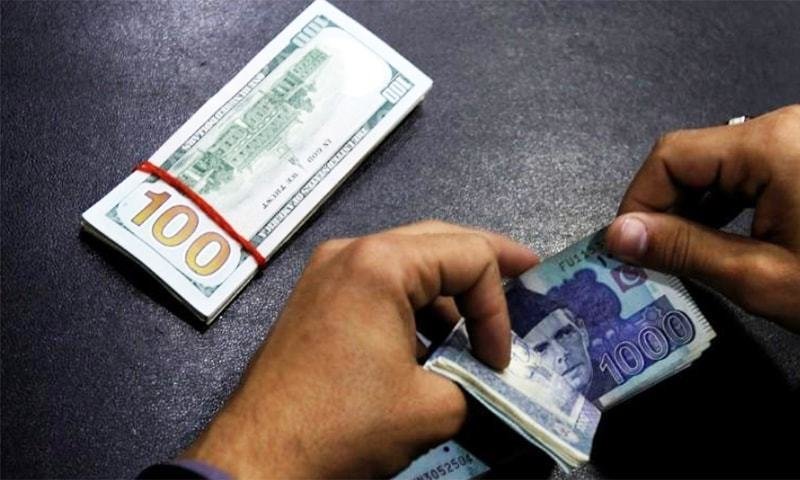
ISLAMABAD — The Pakistani Rupee experienced a slight appreciation against the US Dollar on Friday, closing at Rs 277.96 in the interbank market, a gain of 01 paisa from the previous day’s rate of Rs 277.97. This minor fluctuation reflects ongoing currency volatility amid Pakistan’s broader economic challenges.
What Happened
The Rupee’s marginal gain against the US Dollar was recorded during interbank trading, according to the Forex Association of Pakistan (FAP). The buying and selling rates of the dollar in the open market were reported at Rs 278.95 and Rs 279.15, respectively. This indicates a stable yet cautious market environment where minor adjustments are observed due to various economic factors.
In addition to the US Dollar, other currencies also saw changes in their exchange rates against the Rupee. The Euro decreased by Rs 0.70, closing at Rs 317.98 compared to the previous day’s Rs 318.68, as reported by the State Bank of Pakistan (SBP). Meanwhile, the Japanese Yen remained stable at Rs 1.71, and the British Pound saw a decrease of Rs 1.95, ending the day at Rs 373.96 from Rs 375.91.
The Emirate Dirham experienced a slight decline of 01 paisa, closing at Rs 75.67, while the Saudi Riyal remained unchanged at Rs 74.01. These fluctuations reflect the ongoing adjustments in the foreign exchange market, influenced by both domestic and international economic developments.
Background
The Pakistani Rupee has been under significant pressure due to a combination of domestic economic challenges and global financial trends. Historically, the Rupee’s value has been impacted by factors such as inflation, fiscal deficits, and external debt obligations. The recent fluctuations are part of a broader trend where the currency has experienced both depreciation and occasional appreciation in response to market dynamics and policy measures.
Pakistan’s economy has been navigating through a challenging period marked by high inflation rates, fiscal imbalances, and the need for structural reforms. The government has been engaged in negotiations with international financial institutions to secure support and stabilize the economy. These efforts include measures to enhance foreign exchange reserves and manage the balance of payments.
Why It Matters
The Rupee’s exchange rate is a critical indicator of Pakistan’s economic health and has direct implications for the country’s import and export sectors. A stable or appreciating Rupee can help reduce the cost of imports, thereby easing inflationary pressures on essential goods and services. Conversely, a depreciating Rupee can increase the cost of imports, leading to higher inflation and a potential increase in the cost of living for citizens.
For businesses involved in international trade, currency stability is crucial for planning and forecasting. Fluctuations in the exchange rate can affect profit margins, pricing strategies, and overall competitiveness in the global market. Therefore, even minor changes in the Rupee’s value are closely monitored by businesses and policymakers alike.
On a broader scale, the Rupee’s performance is a reflection of investor confidence in Pakistan’s economic policies and stability. A stable currency can attract foreign investment, which is essential for economic growth and development. As Pakistan continues to address its economic challenges, maintaining currency stability remains a priority for the government and financial authorities.
Key Takeaways
- The Pakistani Rupee appreciated by 01 paisa against the US Dollar, closing at Rs 277.96 in the interbank market.
- The Euro and British Pound saw decreases against the Rupee, while the Japanese Yen remained stable.
- The Emirate Dirham experienced a slight decline, and the Saudi Riyal remained unchanged.
- The Rupee’s performance is crucial for managing inflation and attracting foreign investment.
- Currency stability is vital for businesses involved in international trade and economic planning.
Source Attribution
This article is based on official government statements, press releases, and public communications from relevant authorities.














