
Author name: Yasir Zubairi

Yasir Zubairi is the founder and publisher of NEN Agency (News Era Network). He leads NEN's coverage of Pakistan's national affairs, economy, foreign relations and sports, and is responsible for the accuracy and standards of every story published on nenagency.com.

GCU Hyderabad Conducts First Centralized Lecturer Recruitment Exam
Pakistan

GCU Hyderabad Conducts First Centralized Lecturer Recruitment Exam

HYDERABAD — The Government College University (GCU) Hyderabad has successfully conducted its first-ever centralized written examination for the recruitment of lecturers in various disciplines, marking a significant step towards transparency and merit-based hiring. The examination took place on October 15, 2023, and was aimed at filling the BPS-17 lecturer positions. What Happened The recruitment test, held on the university campus, was a centralized written examination designed to ensure fairness and transparency in the hiring process. This initiative is part of GCU Hyderabad’s broader efforts to uphold merit and administrative autonomy in its recruitment practices. The examination was conducted across multiple disciplines, attracting a large number of candidates vying for the lecturer positions. According to university officials, the centralized exam format was introduced to standardize the recruitment process and eliminate any biases or irregularities that might arise from decentralized testing methods. The university administration emphasized that the new system aims to provide equal opportunities to all candidates, ensuring that selections are made purely on the basis of merit. Dr. Asif Ali, the Vice Chancellor of GCU Hyderabad, stated, “This is a historic moment for our university. By conducting a centralized recruitment test, we are not only promoting transparency but also setting a benchmark for other institutions to follow.” He further added that the university is committed to maintaining high academic standards and that this new recruitment process is a testament to that commitment. Background Historically, recruitment processes in many public sector universities in Pakistan have faced criticism for lack of transparency and alleged favoritism. Decentralized recruitment methods often led to inconsistencies and accusations of nepotism. In response to these challenges, GCU Hyderabad decided to implement a centralized system to ensure a fair and transparent selection process. The introduction of the centralized examination is part of a series of reforms initiated by the university to improve its academic and administrative functions. These reforms are aligned with the Higher Education Commission’s (HEC) guidelines aimed at enhancing the quality of higher education in Pakistan. Why It Matters The successful implementation of a centralized recruitment test at GCU Hyderabad is significant for several reasons. Firstly, it represents a shift towards more transparent and merit-based hiring practices in the higher education sector, which has long been plagued by allegations of corruption and favoritism. By adopting this new system, GCU Hyderabad is setting a precedent for other universities to follow, potentially leading to widespread reforms in the recruitment processes across the country. Economically, the move could enhance the quality of education provided by the university, as hiring based on merit ensures that the most qualified candidates are selected for teaching positions. This, in turn, can improve the overall educational outcomes for students, better preparing them for the workforce and contributing to the country’s development. Socially, the centralized recruitment process promotes equal opportunity, allowing candidates from diverse backgrounds to compete on a level playing field. This can help reduce disparities and foster a more inclusive educational environment. Internationally, adopting transparent recruitment practices can enhance the reputation of Pakistani universities, attracting more international collaborations and funding. As global educational standards continue to rise, such reforms are crucial for Pakistani institutions to remain competitive on the world stage. Key Takeaways GCU Hyderabad conducted its first centralized recruitment test for lecturers, ensuring transparency and merit-based hiring. The examination was held on October 15, 2023, and aimed to fill BPS-17 lecturer positions across various disciplines. This initiative aligns with broader reforms to improve academic standards and administrative functions at the university. The move sets a precedent for other Pakistani universities, potentially leading to wider reforms in recruitment processes. Transparent hiring practices can enhance the quality of education and improve the international reputation of Pakistani institutions. Source Attribution The article is based on official statements and public communications from Government College University Hyderabad. Author: NEN Editorial Desk | Editor: NEN Newsroom | Fact Checked By: NEN Editorial Team Author: NEN Editorial Desk  |  Editor: NEN Newsroom  |  Last Updated: July 09, 2026  |  Source: NEN Reporter This article was produced by the NEN Editorial Desk in accordance with NEN Agency’s Editorial Policy and Fact-Checking Policy.


Pakistan, US Engage In Trade Negotiations In Washington
World

Pakistan, US Engage In Trade Negotiations In Washington

WASHINGTON — Pakistan and the United States are engaged in negotiations over an ‘Agreement on Reciprocal Trade’ in Washington, D.C., taking place on Thursday and Friday. The discussions are being led by Secretary Commerce Jawad Paul, representing the Pakistani delegation, which includes key officials such as Tahir Andrabi, ACDIS Secretary OPHRD, Nadeem Chaudhary, and Joint Secretary Tariff Policy Ashfaq Khan. What Happened The negotiations between Pakistan and the United States focus on enhancing bilateral trade relations through the proposed ‘Agreement on Reciprocal Trade.’ This agreement aims to facilitate smoother trade exchanges by addressing tariff barriers, regulatory hurdles, and other impediments that currently affect trade between the two nations. The talks are being held in Washington, D.C., a strategic location for such high-level discussions, reflecting the importance both countries place on strengthening economic ties. Secretary Commerce Jawad Paul leads the Pakistani delegation, which includes senior officials from various departments. The U.S. side is represented by counterparts from the Department of Commerce and other relevant agencies. The discussions are expected to cover a range of issues, including market access, trade facilitation measures, and the potential for increased investment opportunities in both countries. According to a statement from the Foreign Office, the negotiations are part of ongoing efforts to build a more robust economic partnership. “These talks are crucial for addressing the challenges and opportunities in our trade relationship,” said a spokesperson for the Foreign Office. The discussions are anticipated to pave the way for a formal agreement that could significantly boost trade volumes between Pakistan and the United States. Background Historically, trade between Pakistan and the United States has been characterized by fluctuations due to various geopolitical and economic factors. The two countries have maintained a trade relationship for decades, with the U.S. being one of Pakistan’s largest trading partners. In recent years, efforts have been made to diversify the trade portfolio, moving beyond traditional exports such as textiles and garments to include sectors like information technology and agriculture. Previous attempts to formalize trade agreements have encountered challenges, often due to differing priorities and economic policies. However, recent geopolitical shifts and economic needs have prompted both nations to revisit and potentially revamp their trade agreements. The current negotiations are seen as a continuation of these efforts, aiming to establish a more predictable and mutually beneficial trade framework. Why It Matters The outcome of these negotiations holds significant implications for both Pakistan and the United States. For Pakistan, a successful trade agreement could lead to increased exports, job creation, and economic growth. The U.S. market presents substantial opportunities for Pakistani goods, and reducing trade barriers could enhance the competitiveness of Pakistani products. For the United States, strengthening trade ties with Pakistan aligns with broader strategic interests in the region. It also offers American businesses access to a growing market with significant potential for investment and expansion. Moreover, enhancing economic cooperation could serve as a stabilizing factor in the broader geopolitical context, fostering stronger bilateral relations. Economically, the agreement could contribute to Pakistan’s efforts to diversify its export base and reduce its trade deficit. Socially, increased trade could lead to job creation and improved living standards for many Pakistanis. Politically, a successful agreement could bolster the government’s standing by demonstrating its ability to secure favorable international deals. Key Takeaways Pakistan and the United States are negotiating an ‘Agreement on Reciprocal Trade’ in Washington, D.C. The talks aim to address trade barriers and enhance economic cooperation between the two countries. Secretary Commerce Jawad Paul leads the Pakistani delegation in these discussions. The agreement could significantly boost trade volumes and economic ties between Pakistan and the U.S. A successful deal could have positive economic, social, and political impacts for Pakistan. Source Attribution This article is based on official government statements, press releases, and public communications from relevant authorities. Author: NEN Editorial Desk | Editor: NEN Newsroom | Fact Checked By: NEN Editorial Team Author: NEN Editorial Desk  |  Editor: NEN Newsroom  |  Last Updated: July 09, 2026  |  Source: NEN Reporter This article was produced by the NEN Editorial Desk in accordance with NEN Agency’s Editorial Policy and Fact-Checking Policy.
CM Punjab Championship Trials Scheduled for Rawalpindi Cricket Team
Pakistan

CM Punjab Championship Trials Scheduled for Rawalpindi Cricket Team

RAWALPINDI — Trials for the Chief Minister Punjab Championship cricket team representing the Rawalpindi Division are scheduled to take place on July 12 at the Rawal Park Cricket Ground, located on Rawal Road. This event is set to feature top leather-ball cricketers from six districts, marking a significant step in the selection process for the regional team. What Happened The upcoming trials are part of the Chief Minister Punjab Championship, an initiative aimed at promoting cricket talent across the province. The trials will bring together talented cricketers from the Rawalpindi Division, which includes six districts: Rawalpindi, Attock, Jhelum, Chakwal, Mianwali, and Bhakkar. These players will compete for a spot on the team that will represent the division in the championship. According to the organizers, the trials are designed to identify and nurture cricket talent at the grassroots level, providing a platform for young and aspiring cricketers to showcase their skills. The selection process will be overseen by a panel of experienced coaches and selectors who will evaluate the players based on their performance, skill level, and potential. The Rawal Park Cricket Ground, known for its well-maintained facilities, will host the trials. The ground is expected to witness intense competition as players vie for a place on the team. The trials are open to all eligible players from the six districts, and participants are required to register in advance to secure their spot in the trials. Background The Chief Minister Punjab Championship is part of a broader effort by the provincial government to enhance the standard of cricket in Punjab. This initiative aligns with Pakistan’s national strategy to develop sports infrastructure and talent at the regional level. Historically, Punjab has been a significant contributor to Pakistan’s cricket talent pool, with numerous national players hailing from the province. The championship aims to provide a structured pathway for young cricketers to progress from local to national levels. By organizing such trials, the government seeks to ensure that talent from all corners of the province is given an opportunity to shine. Why It Matters The trials for the CM Punjab Championship hold considerable importance for several reasons. Firstly, they offer a platform for local talent to be recognized and potentially advance to higher levels of competition. This is crucial for the development of cricket in Pakistan, as it ensures a continuous supply of skilled players who can represent the country on international stages. Economically, the promotion of sports like cricket can have a positive impact on local communities. It can lead to increased investment in sports infrastructure, create job opportunities, and boost local businesses that cater to sports events. Socially, cricket serves as a unifying force, bringing together people from diverse backgrounds and fostering a sense of community and pride. Politically, the trials and the championship reflect the government’s commitment to promoting sports and youth development. By investing in such initiatives, the government aims to engage the youth in productive activities, reducing the risk of social issues such as unemployment and crime. Key Takeaways The CM Punjab Championship trials for the Rawalpindi cricket team are scheduled for July 12. The trials will be held at Rawal Park Cricket Ground, featuring players from six districts. The initiative aims to promote cricket talent and provide a platform for young players. The championship is part of efforts to develop sports infrastructure in Punjab. The trials have significant economic, social, and political implications for the region. Source Attribution This article is based on official government statements, press releases, and public communications from relevant authorities. Author: NEN Editorial Desk | Editor: NEN Newsroom | Fact Checked By: NEN Editorial Team Author: NEN Editorial Desk  |  Editor: NEN Newsroom  |  Last Updated: July 09, 2026  |  Source: NEN Reporter This article was produced by the NEN Editorial Desk in accordance with NEN Agency’s Editorial Policy and Fact-Checking Policy.
International Hockey Coaches Arrive, Rs 6 Billion Sought for SAF Games
World

International Hockey Coaches Arrive, Rs 6 Billion Sought for SAF Games

ISLAMABAD — Five international hockey coaches are set to arrive in Pakistan to enhance the skills of national players and local coaches, according to Federal Secretary for Inter-Provincial Coordination (IPC), Mohyuddin Ahmad Wani. Additionally, the government is seeking Rs 6 billion to host the upcoming South Asian Games (SAF Games) in Islamabad and Lahore. What Happened During a press briefing on Thursday, Mohyuddin Ahmad Wani announced the arrival of five international hockey coaches who will work with Pakistan’s national team and local coaches. This initiative is part of a broader effort to elevate the standard of hockey in Pakistan, a sport that has historically been a source of national pride. The Secretary also disclosed that the government is actively seeking Rs 6 billion in funding to successfully organize the South Asian Games, scheduled to be held in Islamabad and Lahore. The SAF Games are a significant event in the regional sports calendar, and the funding is crucial to ensure that the facilities and logistics meet international standards. In a related development, the ban on Pakistan’s football activities has been lifted, which is expected to revitalize the sport in the country. The lifting of the ban is seen as a positive step towards re-engaging with international football bodies and improving the sport’s infrastructure domestically. Background Pakistan has a rich history in field hockey, having won numerous Olympic and World Cup titles in the past. However, in recent decades, the sport has seen a decline in performance and popularity. Efforts to revive hockey have included international collaborations and the hiring of foreign coaches to bring new techniques and strategies to the national team. The South Asian Games, held every two years, are a multi-sport event involving athletes from South Asian countries. Pakistan has previously hosted the games, with the last edition taking place in 2004. The upcoming games are seen as an opportunity to showcase Pakistan’s ability to host international sporting events and foster regional cooperation. Football in Pakistan has faced challenges, including administrative disputes and a lack of infrastructure, leading to a suspension by international football governing bodies. The recent lifting of the ban is a critical step towards rebuilding the sport and engaging with international competitions. Why It Matters The arrival of international hockey coaches is a significant development for Pakistan’s sports sector. It represents a strategic effort to reclaim the country’s former glory in field hockey by integrating international expertise into the training and development of players. This move is expected to enhance the competitiveness of the national team on the world stage. The Rs 6 billion funding request for the SAF Games underscores the importance of the event in promoting sports diplomacy and regional cooperation. Successfully hosting the games could boost Pakistan’s reputation as a capable host of international events, potentially attracting future opportunities and investments in the sports sector. The lifting of the football ban is a positive development for the sport in Pakistan. It opens avenues for international participation and collaboration, which could lead to improvements in infrastructure and talent development. This is crucial for engaging the youth in sports and promoting a healthier society. Key Takeaways Five international hockey coaches are arriving in Pakistan to train national players and coaches. The government is seeking Rs 6 billion to host the South Asian Games in Islamabad and Lahore. The ban on Pakistan’s football activities has been lifted, paving the way for international engagement. The initiatives are part of efforts to revive sports in Pakistan and improve international standing. Successful hosting of the SAF Games could enhance Pakistan’s reputation in the international sports community. Source Attribution This article is based on official government statements, press releases, and public communications from relevant authorities. Author: NEN Editorial Desk | Editor: NEN Newsroom | Fact Checked By: NEN Editorial Team Author: NEN Editorial Desk  |  Editor: NEN Newsroom  |  Last Updated: July 09, 2026  |  Source: NEN Reporter This article was produced by the NEN Editorial Desk in accordance with NEN Agency’s Editorial Policy and Fact-Checking Policy.
NA Committee Urges Equal Sports Facility Distribution Across Provinces
Pakistan

NA Committee Urges Equal Sports Facility Distribution Across Provinces

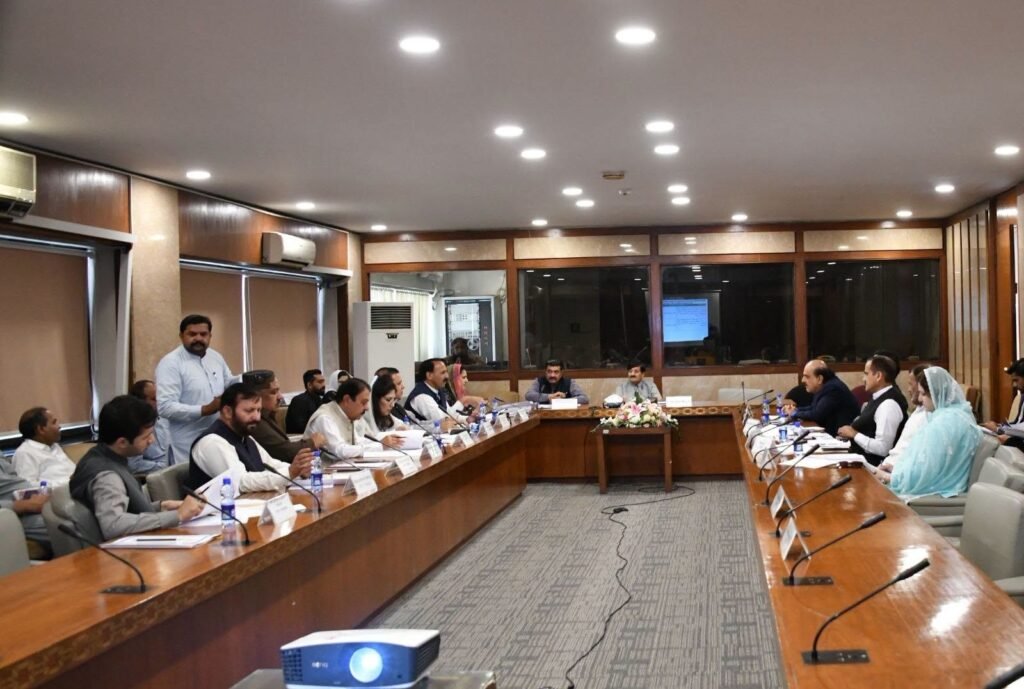
ISLAMABAD — The National Assembly Standing Committee on Inter-Provincial Coordination (IPC) on Thursday called for a fair distribution of sports facilities across Pakistan’s provinces. The committee directed the Ministry of Inter-Provincial Coordination to prioritize the establishment of modern sports complexes in Khyber Pakhtunkhwa and Balochistan, aiming to provide equal opportunities for young athletes. What Happened During a session held in Islamabad, the National Assembly Standing Committee on IPC emphasized the importance of equitable access to sports infrastructure. The committee highlighted disparities in the availability of sports facilities across the country, with some provinces lacking adequate resources for the development of young athletes. The members stressed that sports are a crucial element in youth development and national cohesion, urging the Ministry to take immediate action to address these imbalances. The committee specifically pointed out the need for modern sports complexes in Khyber Pakhtunkhwa and Balochistan. These regions have historically been underserved in terms of sports infrastructure, limiting the potential of local athletes. The committee’s directive aims to ensure that young athletes in these provinces have the same opportunities as those in more developed regions. Committee Chairperson Nawab Sher expressed concern over the current state of sports facilities in these provinces, stating, “The youth in Khyber Pakhtunkhwa and Balochistan have immense potential, but they are held back by the lack of proper facilities. It is our responsibility to provide them with the necessary resources to excel.” Background Pakistan’s sports infrastructure has long been a topic of debate, with significant disparities between provinces. Historically, Punjab and Sindh have received more attention and funding for sports facilities, leaving other provinces like Khyber Pakhtunkhwa and Balochistan lagging behind. This disparity has been attributed to various factors, including political priorities and budget allocations. The Ministry of Inter-Provincial Coordination is responsible for promoting sports across the country and ensuring that all regions receive equitable support. However, challenges such as limited funding and bureaucratic hurdles have often impeded progress. Previous attempts to address these issues have seen mixed results, with some initiatives failing to reach their intended goals due to lack of sustained effort and resources. Why It Matters The committee’s call for equitable distribution of sports facilities is significant for several reasons. Firstly, it highlights the need for national unity and cohesion through sports. By providing equal opportunities to all provinces, the government can foster a sense of belonging and national pride among young athletes. Secondly, the development of sports infrastructure in underserved regions like Khyber Pakhtunkhwa and Balochistan can have a positive economic impact. Sports complexes can create jobs, stimulate local economies, and attract tourism, contributing to the overall development of these areas. Moreover, investing in sports facilities can have social benefits, including improved health and well-being for young people. Access to sports can help reduce youth involvement in negative activities, promoting a healthier and more active lifestyle. Finally, from an international perspective, enhancing sports infrastructure can improve Pakistan’s standing in global sports competitions. By nurturing talent from all regions, the country can build a stronger national team and achieve better results in international events. Key Takeaways The NA Standing Committee on IPC has urged for equitable distribution of sports facilities across provinces. Khyber Pakhtunkhwa and Balochistan are prioritized for new modern sports complexes. Disparities in sports infrastructure have historically disadvantaged certain provinces. Improved sports facilities can boost economic, social, and health outcomes in underserved regions. Equitable sports development can enhance Pakistan’s international sports performance. Source Attribution This article is based on official government statements and public communications from relevant authorities. Author: NEN Editorial Desk | Editor: NEN Newsroom | Fact Checked By: NEN Editorial Team Author: NEN Editorial Desk  |  Editor: NEN Newsroom  |  Last Updated: July 09, 2026  |  Source: NEN Reporter This article was produced by the NEN Editorial Desk in accordance with NEN Agency’s Editorial Policy and Fact-Checking Policy.
Pakistan Cricket Team Begins Pre-Series Camp for West Indies Tour
Pakistan

Pakistan Cricket Team Begins Pre-Series Camp for West Indies Tour

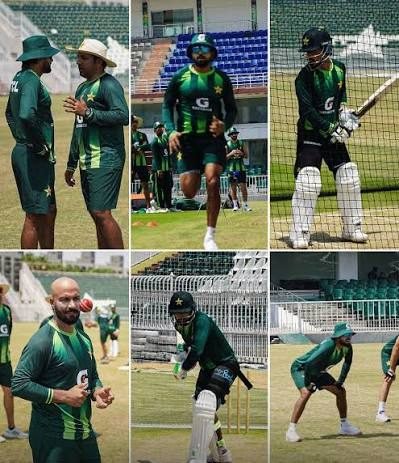
RAWALPINDI — Pakistan’s national cricket team has commenced preparations for their upcoming Test series against the West Indies, with a pre-series training camp that began on Thursday at the Rawalpindi Cricket Stadium. The camp is designed to ready the squad for the two-match series, which is part of the ICC World Test Championship. What Happened The national Test squad gathered at the Rawalpindi Cricket Stadium for an intensive training session under the guidance of the coaching staff. Head coach Sarfaraz Ahmed, batting coach Asad Shafiq, and bowling coach Umar Gul led the three-hour session, focusing on batting, bowling, and fielding drills. The training aimed to fine-tune the players’ skills and enhance their readiness for the upcoming matches. Test captain Babar Azam, along with his teammates, engaged in extensive net sessions on the practice wickets. The team is intensifying its preparations as they gear up for the series, which will see them face the West Indies in two Test matches. The first Test is scheduled to take place at the Brian Lara Cricket Academy in Tarouba, and the second at the Queen’s Park Oval in Port of Spain. To further assess the players’ match readiness, the Pakistan Test team will participate in a two-day intra-squad scenario match on Friday and Saturday. This exercise is intended to provide the players with valuable game practice and to evaluate their performance under match conditions. Background The upcoming series in the West Indies is a critical part of the ICC World Test Championship, a tournament that adds context and stakes to Test cricket. Pakistan’s performance in this series will contribute to their standings in the championship, which is contested by the world’s top Test-playing nations. Historically, Pakistan has had a competitive record against the West Indies in Test cricket. The two teams have faced each other numerous times, with Pakistan often emerging as a formidable opponent. The last time Pakistan toured the West Indies for a Test series was in 2021, where they managed to secure a series win. The team’s preparation is crucial, given the conditions in the Caribbean, which can be challenging due to the pitches and weather. The coaching staff’s focus on all aspects of the game is aimed at ensuring that the players are well-equipped to handle these challenges. Why It Matters The Test series against the West Indies holds significant importance for Pakistan’s cricket ambitions. Success in this series will not only enhance their position in the ICC World Test Championship standings but also boost the team’s morale and confidence. For the players, performing well on an international stage provides opportunities to solidify their places in the national team and gain recognition. Economically, a successful tour can increase viewership and sponsorships, benefiting the Pakistan Cricket Board (PCB) and the sport’s development in the country. The series is also an opportunity for Pakistan to showcase its cricketing talent on a global platform, reinforcing its reputation as a cricketing nation. Socially, cricket is a unifying force in Pakistan, and the national team’s performance can significantly impact public morale. A successful series against the West Indies could inspire young cricketers and fans alike, fostering a deeper engagement with the sport. Key Takeaways Pakistan’s national cricket team has begun a pre-series training camp for the upcoming Test series against the West Indies. The training session, led by head coach Sarfaraz Ahmed, focused on batting, bowling, and fielding to prepare the squad. The Test series is part of the ICC World Test Championship and will take place from July 25 to August 10. The team will play a two-day intra-squad match to assess match readiness before the series. The series is crucial for Pakistan’s standings in the ICC World Test Championship and has significant economic and social implications. Source Attribution This article is based on official government statements, press releases, and public communications from relevant authorities. Author: NEN Editorial Desk | Editor: NEN Newsroom | Fact Checked By: NEN Editorial Team Author: NEN Editorial Desk  |  Editor: NEN Newsroom  |  Last Updated: July 09, 2026  |  Source: NEN Reporter This article was produced by the NEN Editorial Desk in accordance with NEN Agency’s Editorial Policy and Fact-Checking Policy.
Pakistan Aims to Enhance Economic Ties with United Kingdom
World

Pakistan Aims to Enhance Economic Ties with United Kingdom

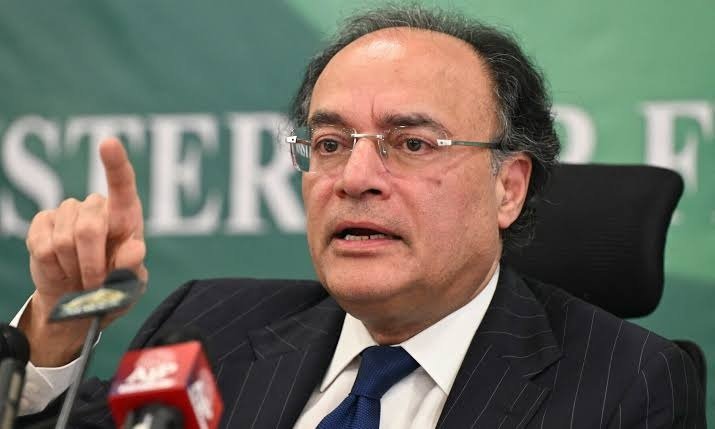
ISLAMABAD — Pakistan is actively seeking to strengthen its economic and financial relations with the United Kingdom, focusing on investment promotion, capital market cooperation, and financial services, according to Finance Minister Senator Muhammad Aurangzeb. On Wednesday, he outlined the government’s strategy to boost remittances and further the country’s economic diplomacy agenda. What Happened Finance Minister Senator Muhammad Aurangzeb announced on Wednesday that Pakistan is looking to deepen its economic ties with the United Kingdom. The minister highlighted several key areas where both nations could collaborate, including investment promotion, capital market cooperation, and financial services. “We are committed to advancing our economic diplomacy agenda and enhancing bilateral trade,” Aurangzeb stated, emphasizing the potential for mutual benefits. The government aims to create a conducive environment for UK investors in Pakistan, focusing on sectors such as energy, infrastructure, and technology. Aurangzeb noted that increasing remittances from the Pakistani diaspora in the UK is also a priority, as these funds play a crucial role in stabilizing Pakistan’s foreign exchange reserves. The Finance Minister expressed optimism about the potential for increased collaboration in financial services, which could lead to more robust economic growth for both countries. Furthermore, Aurangzeb discussed the importance of aligning Pakistan’s financial regulations with international standards to attract foreign investment. He highlighted ongoing efforts to streamline regulatory processes and enhance transparency in financial transactions, which are expected to build investor confidence. Background Pakistan and the United Kingdom have a long history of economic and diplomatic relations, dating back to the colonial era. In recent years, both countries have sought to enhance their bilateral trade ties. The UK is one of Pakistan’s largest trading partners in Europe, with bilateral trade exceeding £2 billion annually. The Pakistani government has been keen to attract more foreign direct investment (FDI) to boost its economy, which has faced challenges such as inflation, a high fiscal deficit, and a depreciating currency. In 2021, the UK launched the Developing Countries Trading Scheme (DCTS), which aims to provide developing countries, including Pakistan, with preferential access to UK markets. This initiative is part of the UK’s post-Brexit trade strategy to foster stronger economic links with non-EU countries. Why It Matters Strengthening economic ties with the UK is significant for Pakistan as it seeks to stabilize its economy amid ongoing challenges. The UK is a major source of remittances, which are vital for Pakistan’s foreign exchange reserves. By enhancing investment opportunities and expanding trade, Pakistan can improve its economic outlook and create jobs. For the UK, deepening economic engagement with Pakistan offers access to a growing market in South Asia. With a population exceeding 220 million, Pakistan presents opportunities for UK businesses in various sectors, including technology, agriculture, and manufacturing. Strengthening these ties could also enhance the UK’s influence in the region, particularly in the context of its post-Brexit trade strategy. Moreover, increased cooperation in financial services could lead to innovations in fintech and digital banking, benefiting consumers in both countries. Aligning financial regulations with international standards could make Pakistan a more attractive destination for UK investors, potentially leading to increased FDI and economic growth. Key Takeaways Pakistan is seeking to enhance economic and financial ties with the United Kingdom. Key focus areas include investment promotion, capital market cooperation, and financial services. Increasing remittances from the UK is a priority for Pakistan’s economic stability. Strengthened ties offer mutual benefits, including job creation and market access. Aligning financial regulations with international standards is crucial for attracting UK investment. Source Attribution This article is based on official government statements, press releases, and public communications from relevant authorities. Author: NEN Editorial Desk | Editor: NEN Newsroom | Fact Checked By: NEN Editorial Team Author: NEN Editorial Desk  |  Editor: NEN Newsroom  |  Last Updated: July 09, 2026  |  Source: NEN Reporter This article was produced by the NEN Editorial Desk in accordance with NEN Agency’s Editorial Policy and Fact-Checking Policy.
Pakistan’s Economy Expands by 3.7% in Fiscal Year 2025-26, Reports ADB
Pakistan

Pakistan’s Economy Expands by 3.7% in Fiscal Year 2025-26, Reports ADB

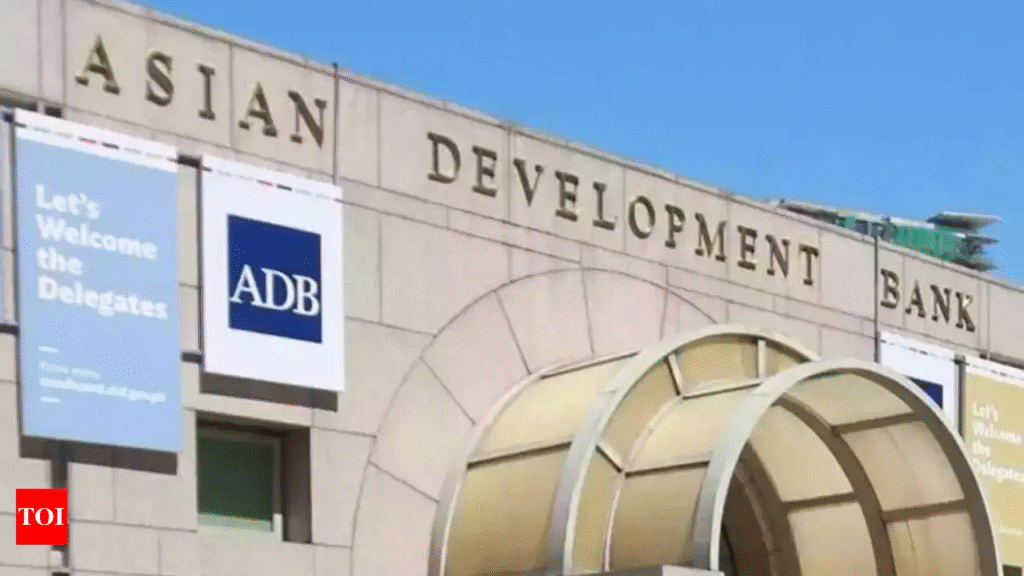
ISLAMABAD — The Asian Development Bank (ADB) announced on Thursday that Pakistan’s economy experienced a growth rate of 3.7 percent during the fiscal year 2025-26. This growth was primarily driven by robust performances in the industrial and services sectors, alongside moderate improvements in agriculture. What Happened The ADB’s report highlighted that Pakistan’s economic growth in the fiscal year 2025-26 was bolstered by significant contributions from the industrial sector, which saw increased activity and investment. The services sector also played a crucial role, with expansions in areas such as telecommunications, finance, and retail. Meanwhile, the agricultural sector, although not as dynamic as the others, managed to achieve modest gains, contributing to the overall economic performance. The report noted that the industrial sector benefited from improved energy supply and government incentives aimed at boosting manufacturing output. The services sector, on the other hand, capitalized on technological advancements and increased consumer demand. Agriculture, while facing challenges such as water scarcity and climate change impacts, still managed to support the economy through enhanced crop yields and better farming practices. ADB’s assessment also pointed out that the government of Pakistan implemented several policy measures to stabilize the economy, including fiscal consolidation efforts and structural reforms aimed at improving the business environment. These measures, coupled with international financial support, helped in sustaining economic growth during the fiscal year. Background Pakistan’s economy has faced numerous challenges over the past decade, including political instability, security concerns, and external economic shocks. In recent years, the government has focused on implementing reforms to stabilize the economy and promote sustainable growth. The fiscal year 2025-26 marks a period of recovery following the economic disruptions caused by the COVID-19 pandemic, which severely impacted global and domestic markets. The Asian Development Bank has been a key partner in Pakistan’s development journey, providing financial assistance and technical support for various projects aimed at infrastructure development, energy security, and social sector improvements. The ADB’s annual economic assessments are considered crucial for understanding the country’s economic trajectory and planning future policies. Why It Matters The reported economic growth of 3.7 percent is significant for Pakistan as it indicates a positive trend towards economic recovery and stability. This growth rate, while modest compared to regional peers, reflects the resilience of Pakistan’s economy in the face of numerous challenges. It also underscores the effectiveness of government policies and international support in steering the country towards a path of sustainable development. For the citizens of Pakistan, economic growth translates into potential improvements in living standards, job creation, and increased opportunities for businesses. A thriving industrial sector can lead to more employment opportunities, while a robust services sector can enhance access to essential services such as banking, healthcare, and education. Furthermore, improvements in agriculture can ensure food security and support rural livelihoods. On a broader scale, sustained economic growth can enhance Pakistan’s standing in the international community, attracting foreign investment and strengthening trade relations. It also provides the government with more resources to invest in critical areas such as infrastructure, education, and healthcare, further supporting long-term development goals. Key Takeaways Pakistan’s economy grew by 3.7 percent in fiscal year 2025-26, as reported by the ADB. The industrial and services sectors were the main drivers of this economic growth. Government policy measures and international support played a crucial role in stabilizing the economy. Economic growth has positive implications for job creation, living standards, and foreign investment. The ADB continues to be a vital partner in Pakistan’s economic development efforts. Source Attribution This article is based on official statements and reports from the Asian Development Bank and relevant government communications. Author: NEN Editorial Desk | Editor: NEN Newsroom | Fact Checked By: NEN Editorial Team Author: NEN Editorial Desk  |  Editor: NEN Newsroom  |  Last Updated: July 09, 2026  |  Source: NEN Reporter This article was produced by the NEN Editorial Desk in accordance with NEN Agency’s Editorial Policy and Fact-Checking Policy.

Financial Markets Association Releases July 2026 Foreign Exchange Rates
World

Financial Markets Association Releases July 2026 Foreign Exchange Rates

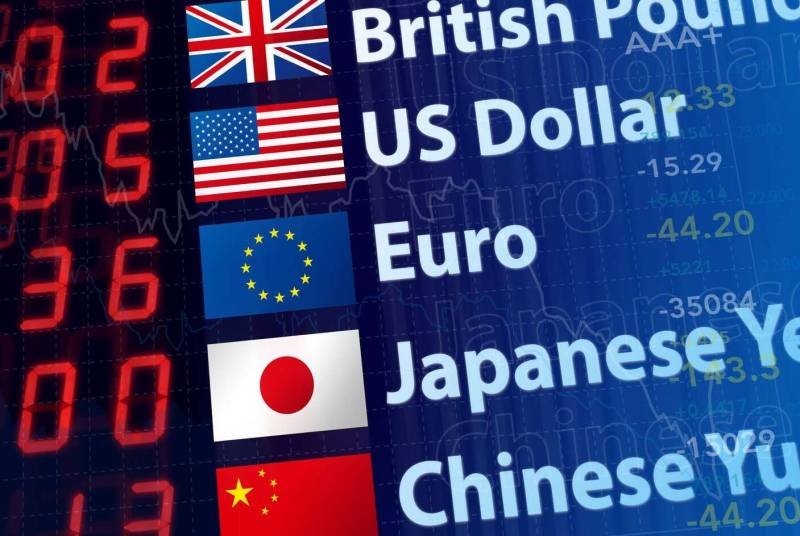
KARACHI — The Exchange Rates Committee of the Financial Markets Association of Pakistan released the latest foreign exchange rates bulletin on Thursday, detailing conversion rates effective for July 9, 2026. These rates are crucial for forward cover deposits, excluding FE-25 deposits, with the State Bank of Pakistan’s settlement value date set for July 13, 2026. What Happened The Financial Markets Association of Pakistan’s Exchange Rates Committee announced the conversion rates for several major currencies against the Pakistani Rupee. The rates are applicable for forward cover deposits, a financial instrument used by businesses and investors to hedge against currency risk. According to the bulletin, the conversion rate for the US dollar stands at 278.0425 PKR. The British pound is pegged at 371.6872 PKR, while the euro is valued at 317.6357 PKR. The Japanese yen is listed at 1.7132 PKR. The announcement of these rates is a routine procedure, yet it holds significant implications for businesses engaged in international trade and individuals involved in foreign currency transactions. The rates are determined by various factors, including market demand and supply, geopolitical developments, and economic indicators both domestically and internationally. These rates are particularly important for financial institutions and corporate entities that engage in forward contracts, which are agreements to buy or sell currency at a predetermined rate on a future date. Such contracts are essential for managing the risk associated with fluctuations in currency values. Background The Financial Markets Association of Pakistan is a key body in the country’s financial sector, responsible for providing guidance and setting benchmarks for various financial instruments, including foreign exchange rates. The association’s Exchange Rates Committee regularly issues bulletins to inform stakeholders about current and future exchange rates, which are critical for financial planning and risk management. Historically, Pakistan’s foreign exchange market has been influenced by a range of factors, including trade balances, foreign direct investment, remittances, and monetary policy decisions by the State Bank of Pakistan. Over the years, the Pakistani Rupee has experienced fluctuations due to both internal economic challenges and external pressures such as global oil prices and geopolitical tensions. Why It Matters The release of foreign exchange rates by the Financial Markets Association is a key event for Pakistan’s economy, impacting various sectors. For businesses engaged in import and export, these rates determine the cost of goods and services traded internationally. A higher exchange rate for the US dollar, for instance, can increase the cost of imports, affecting pricing strategies and profit margins. For the financial sector, these rates are crucial for the valuation of foreign currency reserves and the management of currency risk. Banks and financial institutions use these rates to offer competitive products to their clients, including foreign currency accounts and remittance services. On a broader scale, exchange rate fluctuations can influence inflation rates and economic growth. A depreciating currency can lead to higher import costs, contributing to inflationary pressures. Conversely, a stable or appreciating currency can enhance purchasing power and support economic stability. Internationally, Pakistan’s exchange rates are monitored by investors and credit rating agencies as indicators of economic health and stability. Consistent and transparent exchange rate policies can enhance investor confidence and attract foreign investment, which is vital for economic development. Key Takeaways The Financial Markets Association of Pakistan released foreign exchange rates for July 9, 2026. The US dollar is valued at 278.0425 PKR, the British pound at 371.6872 PKR, and the euro at 317.6357 PKR. These rates are crucial for businesses and financial institutions managing currency risk through forward contracts. Exchange rates impact import costs, inflation, and economic stability in Pakistan. Transparent exchange rate policies can enhance investor confidence and attract foreign investment. Source Attribution This article is based on official government statements, press releases, and public communications from relevant authorities. Author: NEN Editorial Desk | Editor: NEN Newsroom | Fact Checked By: NEN Editorial Team Author: NEN Editorial Desk  |  Editor: NEN Newsroom  |  Last Updated: July 09, 2026  |  Source: NEN Reporter This article was produced by the NEN Editorial Desk in accordance with NEN Agency’s Editorial Policy and Fact-Checking Policy.

CDNS Targets Rs1.5 Trillion Savings for Fiscal Year 2026-27
Pakistan

CDNS Targets Rs1.5 Trillion Savings for Fiscal Year 2026-27

ISLAMABAD — The Central Directorate of National Savings (CDNS) has announced an ambitious target to mobilize Rs1.5 trillion in savings for the fiscal year 2026-27. This initiative aims to bolster the country’s savings culture and enhance financial inclusion by leveraging the strong public confidence in government-backed savings schemes. What Happened The CDNS, a key institution under Pakistan’s Ministry of Finance, has set a savings target of Rs1.5 trillion for the fiscal year 2026-27. This goal reflects the government’s commitment to strengthening the national savings framework and providing secure investment opportunities to the public. The CDNS’s decision comes in response to the growing demand for reliable savings schemes, which are seen as a safe haven for individual and institutional investors alike. According to a statement from the CDNS, the organization plans to achieve this target by introducing new savings products and enhancing existing ones to cater to a broader audience. The focus will be on offering competitive returns, ensuring transparency, and maintaining the trust of investors. “Our aim is to encourage more citizens to save and invest in government-backed schemes, thus contributing to the country’s economic stability,” a CDNS official remarked. The CDNS has been instrumental in mobilizing savings from the public, which are then used to fund various government expenditures. The savings schemes offered by the CDNS are considered a vital tool for financial inclusion, providing an opportunity for individuals from all walks of life to participate in the national economy. Background The Central Directorate of National Savings has a long history of facilitating savings in Pakistan. Established in 1873, it has evolved over the years to become a key player in the country’s financial sector. The CDNS offers a range of savings products, including prize bonds, savings accounts, and pension schemes, designed to meet the diverse needs of the population. Historically, the CDNS has played a crucial role in supporting government finances by channeling public savings into development projects and other state expenditures. With a network of over 375 branches nationwide, the CDNS is one of the largest financial institutions in Pakistan, serving millions of customers. In recent years, the CDNS has focused on modernizing its operations, introducing digital platforms, and enhancing customer service to attract more investors. These efforts have been instrumental in maintaining the organization’s relevance in a rapidly changing financial landscape. Why It Matters The CDNS’s target of Rs1.5 trillion in savings for the fiscal year 2026-27 is significant for several reasons. Economically, it represents a substantial pool of funds that can be utilized for national development projects, reducing reliance on external borrowing. This, in turn, can help stabilize the country’s financial position and contribute to sustainable economic growth. Socially, the initiative promotes a culture of savings among the population, encouraging financial discipline and long-term planning. By offering secure and attractive investment options, the CDNS empowers individuals to take charge of their financial futures, which can lead to improved living standards and reduced poverty levels. Politically, the success of the CDNS in achieving its savings target could bolster public confidence in government institutions, demonstrating their ability to manage public funds effectively. This could have a positive impact on the overall trust in the government, which is crucial for maintaining social cohesion and political stability. Key Takeaways The CDNS has set a savings target of Rs1.5 trillion for FY2026-27 to enhance financial inclusion. The initiative aims to strengthen Pakistan’s savings culture and provide secure investment options. The CDNS plans to introduce new products and improve existing ones to achieve its target. The savings mobilized will support national development projects and reduce external borrowing. The success of this initiative could enhance public confidence in government institutions. Source Attribution This article is based on official government statements, press releases, and public communications from relevant authorities. Author: NEN Editorial Desk | Editor: NEN Newsroom | Fact Checked By: NEN Editorial Team Author: NEN Editorial Desk  |  Editor: NEN Newsroom  |  Last Updated: July 09, 2026  |  Source: NEN Reporter This article was produced by the NEN Editorial Desk in accordance with NEN Agency’s Editorial Policy and Fact-Checking Policy.

Scroll to Top