
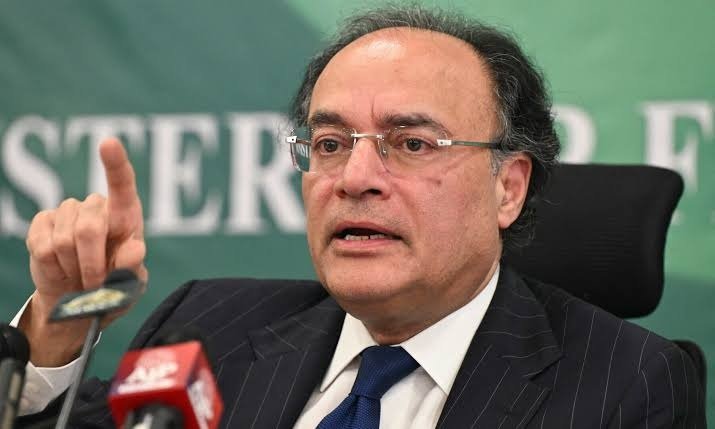
ISLAMABAD — Pakistan is actively seeking to strengthen its economic and financial relations with the United Kingdom, focusing on investment promotion, capital market cooperation, and financial services, according to Finance Minister Senator Muhammad Aurangzeb. On Wednesday, he outlined the government’s strategy to boost remittances and further the country’s economic diplomacy agenda.
What Happened
Finance Minister Senator Muhammad Aurangzeb announced on Wednesday that Pakistan is looking to deepen its economic ties with the United Kingdom. The minister highlighted several key areas where both nations could collaborate, including investment promotion, capital market cooperation, and financial services. “We are committed to advancing our economic diplomacy agenda and enhancing bilateral trade,” Aurangzeb stated, emphasizing the potential for mutual benefits.
The government aims to create a conducive environment for UK investors in Pakistan, focusing on sectors such as energy, infrastructure, and technology. Aurangzeb noted that increasing remittances from the Pakistani diaspora in the UK is also a priority, as these funds play a crucial role in stabilizing Pakistan’s foreign exchange reserves. The Finance Minister expressed optimism about the potential for increased collaboration in financial services, which could lead to more robust economic growth for both countries.
Furthermore, Aurangzeb discussed the importance of aligning Pakistan’s financial regulations with international standards to attract foreign investment. He highlighted ongoing efforts to streamline regulatory processes and enhance transparency in financial transactions, which are expected to build investor confidence.
Background
Pakistan and the United Kingdom have a long history of economic and diplomatic relations, dating back to the colonial era. In recent years, both countries have sought to enhance their bilateral trade ties. The UK is one of Pakistan’s largest trading partners in Europe, with bilateral trade exceeding £2 billion annually. The Pakistani government has been keen to attract more foreign direct investment (FDI) to boost its economy, which has faced challenges such as inflation, a high fiscal deficit, and a depreciating currency.
In 2021, the UK launched the Developing Countries Trading Scheme (DCTS), which aims to provide developing countries, including Pakistan, with preferential access to UK markets. This initiative is part of the UK’s post-Brexit trade strategy to foster stronger economic links with non-EU countries.
Why It Matters
Strengthening economic ties with the UK is significant for Pakistan as it seeks to stabilize its economy amid ongoing challenges. The UK is a major source of remittances, which are vital for Pakistan’s foreign exchange reserves. By enhancing investment opportunities and expanding trade, Pakistan can improve its economic outlook and create jobs.
For the UK, deepening economic engagement with Pakistan offers access to a growing market in South Asia. With a population exceeding 220 million, Pakistan presents opportunities for UK businesses in various sectors, including technology, agriculture, and manufacturing. Strengthening these ties could also enhance the UK’s influence in the region, particularly in the context of its post-Brexit trade strategy.
Moreover, increased cooperation in financial services could lead to innovations in fintech and digital banking, benefiting consumers in both countries. Aligning financial regulations with international standards could make Pakistan a more attractive destination for UK investors, potentially leading to increased FDI and economic growth.
Key Takeaways
- Pakistan is seeking to enhance economic and financial ties with the United Kingdom.
- Key focus areas include investment promotion, capital market cooperation, and financial services.
- Increasing remittances from the UK is a priority for Pakistan’s economic stability.
- Strengthened ties offer mutual benefits, including job creation and market access.
- Aligning financial regulations with international standards is crucial for attracting UK investment.
Source Attribution
This article is based on official government statements, press releases, and public communications from relevant authorities.














