
Author name: Yasir Zubairi

Yasir Zubairi is the founder and publisher of NEN Agency (News Era Network). He leads NEN's coverage of Pakistan's national affairs, economy, foreign relations and sports, and is responsible for the accuracy and standards of every story published on nenagency.com.

Deputy PM Ishaq Dar Arrives in New York for UN General Assembly
World

Deputy PM Ishaq Dar Arrives in New York for UN General Assembly

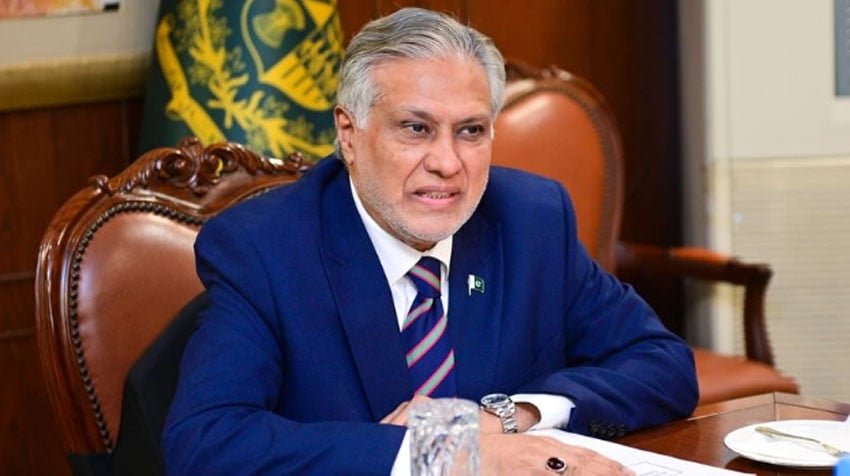
UNITED NATIONS — Deputy Prime Minister and Foreign Minister Ishaq Dar arrived in New York on Sunday afternoon to participate in the 81st session of the United Nations General Assembly. Dar was welcomed at Kennedy International Airport by Pakistan’s UN Ambassador Asim Iftikhar Ahmad, Ambassador to the United States Rizwan Saeed Sheikh, Consul General in New York Aamer Ahmed Atozai, and senior officials from the Pakistan Mission and the Consulate General. What Happened Deputy Prime Minister and Foreign Minister Ishaq Dar is set to engage in a series of high-profile meetings and events during his stay in New York for the United Nations General Assembly. His agenda includes participation in the Organization of Islamic Cooperation (OIC) Contact Group on Jammu and Kashmir, where he will reiterate Pakistan’s support for the Kashmiris’ right to self-determination. Additionally, Dar will attend several OIC Ministerial meetings, including the OIC Foreign Ministers’ Annual Coordination Meeting. Dar’s schedule also features involvement in discussions on Palestine, notably the meeting of the Group of Eight Arab Islamic countries and the High-Level Ministerial Meeting of the Global Alliance for the Implementation of the Two-State Solution. He is also expected to deliver a statement at the UN Security Council’s high-level briefing on Artificial Intelligence and participate in the High-Level Meeting on Pandemic Prevention, Preparedness, and Response. In his capacity as Deputy Prime Minister, Dar will chair the meeting of the Economic Cooperation Organization (ECO) Council of Ministers. He is also slated to hold bilateral meetings with counterparts from various countries and will accompany the Prime Minister during high-level bilateral meetings and engagements. Background The United Nations General Assembly (UNGA) is an annual event where world leaders gather to discuss and address global issues. This year marks the 81st session, a platform for member states to engage in dialogue on international challenges. Pakistan has historically used the UNGA to highlight critical issues such as the Kashmir dispute and regional stability. The OIC Contact Group on Jammu and Kashmir has been a vital forum for Pakistan to voice its concerns regarding the situation in Kashmir. Pakistan’s participation in the UNGA and related meetings underscores its commitment to addressing these issues on a global stage. Why It Matters Deputy Prime Minister Ishaq Dar’s participation in the UNGA is significant for several reasons. Firstly, it provides Pakistan with an opportunity to reinforce its stance on Kashmir, a longstanding issue that has seen renewed tensions in recent years. By engaging with the OIC and other international bodies, Pakistan aims to garner support for its position and highlight the plight of Kashmiris. Furthermore, Dar’s involvement in discussions on Palestine and the two-state solution reflects Pakistan’s broader foreign policy objectives of supporting peace and stability in the Middle East. These engagements are crucial as they align with Pakistan’s historical support for Palestinian rights and its advocacy for a peaceful resolution to the conflict. The high-level meetings on Artificial Intelligence and pandemic preparedness are also noteworthy. As technology and health crises increasingly shape global agendas, Pakistan’s participation in these discussions signals its intent to be an active player in shaping policies that address these emerging challenges. Economically, Dar’s role as chair of the ECO Council of Ministers meeting highlights Pakistan’s commitment to regional cooperation and economic integration. These efforts are essential for fostering economic growth and stability in the region, which can have positive implications for Pakistan’s economy. Key Takeaways Deputy Prime Minister Ishaq Dar is attending the 81st UN General Assembly in New York. Dar will participate in OIC meetings, focusing on Kashmir and Palestine issues. He will address the UN Security Council on Artificial Intelligence and pandemic preparedness. Dar will chair the ECO Council of Ministers meeting, emphasizing regional economic cooperation. His engagements highlight Pakistan’s commitment to international peace and regional stability. Source Attribution This article is based on official government statements, press releases, and public communications from relevant authorities. Author: NEN Editorial Desk | Editor: NEN Newsroom | Fact Checked By: NEN Editorial Team Author: NEN Editorial Desk  |  Editor: NEN Newsroom  |  Last Updated: September 21, 2026  |  Source: Press Release from Government of Pakistan This article was produced by the NEN Editorial Desk in accordance with NEN Agency’s Editorial Policy and Fact-Checking Policy.

MQM-P Leads ‘Qaumi March’ Rally at Quaid’s Mausoleum
Pakistan

MQM-P Leads ‘Qaumi March’ Rally at Quaid’s Mausoleum

KARACHI — Chairman of Muttahida Qaumi Movement-Pakistan (MQM-P), Khalid Maqbool Siddiqui, along with other party leaders, led a ‘Qaumi March’ rally at the Quaid’s Mausoleum on Sunday. The rally aimed to demonstrate the party’s commitment to national unity and address pressing political issues. What Happened The ‘Qaumi March’ rally, organized by MQM-P, saw a significant turnout as supporters gathered at the iconic Quaid’s Mausoleum in Karachi. The event was led by Khalid Maqbool Siddiqui, who was accompanied by key figures from the party. The rally was characterized by slogans advocating for national unity and calls for addressing socio-political challenges faced by the country. During his address, Siddiqui emphasized the importance of unity among the citizens of Pakistan, stating, “The strength of our nation lies in our unity and our ability to come together for a common cause.” He further highlighted the need for political stability and economic reforms to ensure the prosperity of the nation. The rally also served as a platform for MQM-P to voice its stance on various national issues, including governance, economic policies, and the rights of urban Sindh. The party leaders reiterated their commitment to working towards the betterment of the people and ensuring that their concerns are addressed at the national level. Background The Muttahida Qaumi Movement-Pakistan has been a significant political force in urban Sindh, particularly in Karachi, for several decades. The party has historically advocated for the rights of the Urdu-speaking population and has been involved in various political movements to address grievances related to governance and resource allocation. In recent years, MQM-P has faced internal challenges and political fragmentation, leading to a decline in its influence. However, the party continues to be active in local politics and seeks to regain its foothold by addressing the concerns of its core constituents. The rally at Quaid’s Mausoleum is part of MQM-P’s broader strategy to re-engage with its supporters and reassert its political relevance in the current landscape. Why It Matters The ‘Qaumi March’ rally holds significant implications for Pakistan’s political dynamics, particularly in urban Sindh. As MQM-P seeks to revitalize its political presence, the rally serves as a reminder of the party’s historical roots and its ongoing commitment to addressing the challenges faced by its constituents. Economically, the rally underscores the pressing need for reforms that can address the disparities between urban and rural areas in Sindh. By advocating for economic policies that promote equitable development, MQM-P aims to highlight the importance of addressing regional inequalities to foster national growth. Politically, the rally is a strategic move by MQM-P to consolidate its support base and navigate the complex political landscape of Pakistan. The party’s emphasis on unity and national cohesion resonates with broader national sentiments, particularly in light of recent political and economic challenges faced by the country. Internationally, the rally reflects the democratic processes at play in Pakistan, showcasing the active participation of political parties in advocating for their agendas and engaging with the public. Such events contribute to the overall political discourse and highlight the vibrant nature of Pakistan’s democratic system. Key Takeaways MQM-P led a ‘Qaumi March’ rally at Quaid’s Mausoleum, emphasizing national unity. Chairman Khalid Maqbool Siddiqui called for political stability and economic reforms. The rally is part of MQM-P’s efforts to re-engage with its supporters in urban Sindh. Economic and political implications highlight the need for addressing regional disparities. The event reflects the democratic engagement of political parties in Pakistan. Source Attribution This article is based on official government statements, press releases, and public communications from relevant authorities. Author: NEN Editorial Desk | Editor: NEN Newsroom | Fact Checked By: NEN Editorial Team Author: NEN Editorial Desk  |  Editor: NEN Newsroom  |  Last Updated: September 21, 2026  |  Source: NEN Reporter This article was produced by the NEN Editorial Desk in accordance with NEN Agency’s Editorial Policy and Fact-Checking Policy.
PM Reaffirms Pakistan’s Commitment to Peace on International Day of Peace
World

PM Reaffirms Pakistan’s Commitment to Peace on International Day of Peace

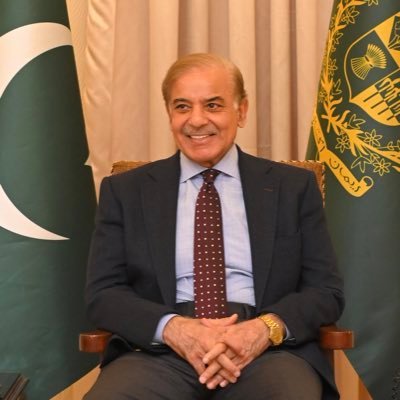
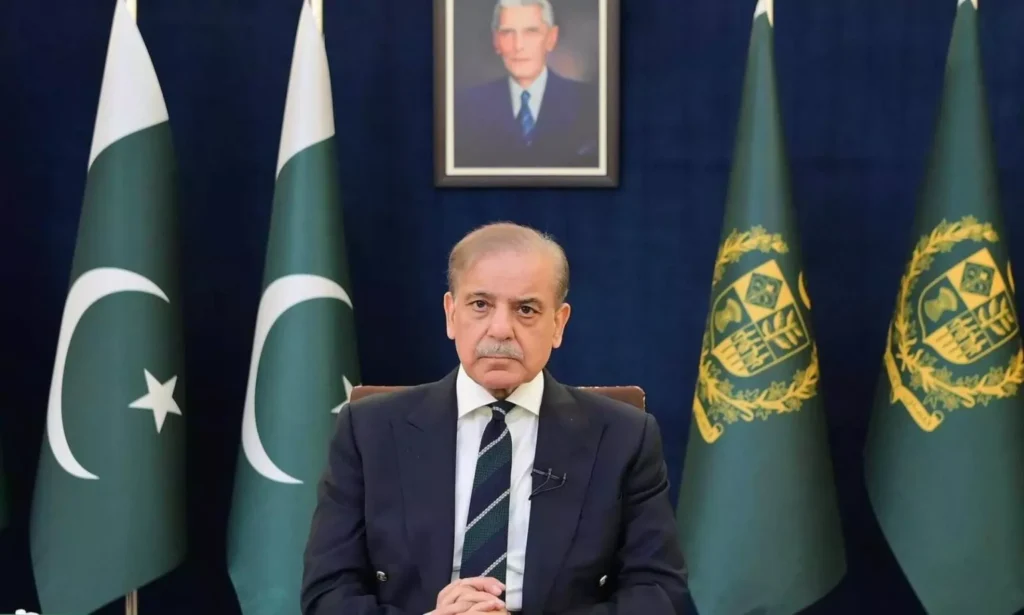
ISLAMABAD — On the occasion of the International Day of Peace, observed globally on September 21, Prime Minister Shehbaz Sharif reiterated Pakistan’s dedication to peaceful coexistence and global security. In his official statement, the Prime Minister emphasized the nation’s commitment to fostering stability, justice, and equal opportunities for development and prosperity. What Happened Prime Minister Shehbaz Sharif, in a message delivered on the International Day of Peace, underscored Pakistan’s resolve to contribute actively to global peace efforts. He highlighted the importance of international cooperation in achieving sustainable peace and the need for collective action to address global challenges. The Prime Minister stated, “Pakistan remains steadfast in its pursuit of peace and stability, both within its borders and beyond.” The International Day of Peace, established by the United Nations in 1981, is observed annually on September 21. It is dedicated to strengthening the ideals of peace through observing 24 hours of non-violence and ceasefire. This year, the theme focuses on “End Racism. Build Peace,” urging nations to address racial discrimination as a barrier to peace. In his message, Prime Minister Sharif called for collaborative efforts to tackle issues such as poverty, inequality, and injustice, which he identified as root causes of conflict. He reaffirmed Pakistan’s commitment to the United Nations’ peacekeeping missions, where Pakistani forces have played a significant role over the years. “Our peacekeepers have served with distinction in various UN missions, contributing to global peace and security,” he noted. Background Pakistan has a long-standing history of advocating for peace and participating in international peacekeeping efforts. Since its independence in 1947, the country has been involved in numerous diplomatic initiatives aimed at resolving regional conflicts. Pakistan has also been a significant contributor to UN peacekeeping missions, with over 200,000 personnel serving in 46 missions since 1960. The International Day of Peace was first celebrated in 1982 and has since become a pivotal moment for nations to reflect on their contributions to global peace. The day is marked by various events worldwide, including educational activities, cultural performances, and public awareness campaigns, all aimed at promoting peace and non-violence. Why It Matters The reaffirmation of Pakistan’s commitment to peace is significant in the current geopolitical climate, where tensions and conflicts continue to pose challenges to global stability. By renewing its dedication to peaceful coexistence, Pakistan positions itself as a proactive player in international peace efforts, which is crucial for its diplomatic relations and regional influence. Pakistan’s involvement in peacekeeping and its advocacy for global security are vital for its international standing. The country’s contributions to UN missions not only enhance its reputation but also provide valuable experience and training for its military personnel. Moreover, these efforts align with Pakistan’s foreign policy objectives of promoting regional stability and fostering cooperative relations with neighboring countries. Domestically, the emphasis on peace and stability is essential for Pakistan’s socio-economic development. By addressing issues such as poverty and inequality, the country can create a more prosperous and equitable society, reducing the likelihood of internal conflicts. This focus on peace also supports Pakistan’s goals of attracting foreign investment and enhancing its economic growth. Key Takeaways Prime Minister Shehbaz Sharif reaffirmed Pakistan’s commitment to global peace on the International Day of Peace. Pakistan has a history of participating in UN peacekeeping missions, contributing significantly to international security. The focus on peace and stability is crucial for Pakistan’s socio-economic development and international standing. The International Day of Peace highlights the need for collective action to address global challenges such as racism and inequality. Pakistan’s dedication to peace aligns with its foreign policy objectives of promoting regional stability. Source Attribution This article is based on official government statements and public communications from relevant authorities. Author: NEN Editorial Desk | Editor: NEN Newsroom | Fact Checked By: NEN Editorial Team Author: NEN Editorial Desk  |  Editor: NEN Newsroom  |  Last Updated: September 21, 2026  |  Source: NEN Reporter This article was produced by the NEN Editorial Desk in accordance with NEN Agency’s Editorial Policy and Fact-Checking Policy.
Pakistan Sees Surge in Foreign Direct Investment to $316 Million
World

Pakistan Sees Surge in Foreign Direct Investment to $316 Million

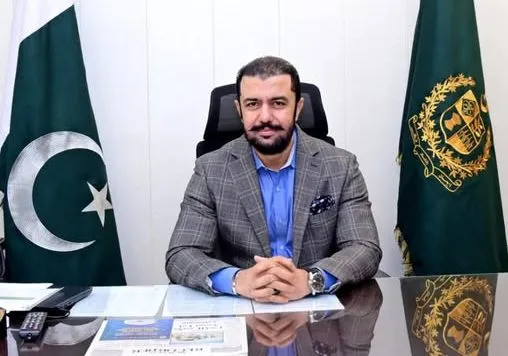
ISLAMABAD — Pakistan’s net foreign direct investment (FDI) reached $316 million in August 2026, marking the highest monthly level in two years, according to Adviser to Finance Minister Khurram Schehzad. The increase in FDI was attributed to stronger investment inflows and reduced repatriation and outflows. What Happened Khurram Schehzad, Adviser to the Finance Minister, announced the significant rise in FDI through a post on social media platform X. He noted that the net FDI for August 2026 was the highest recorded in the past two years, reaching $316 million. Schehzad highlighted that the surge was primarily due to increased investment inflows, coupled with a decrease in repatriation and outflows. The adviser emphasized the positive impact of the government’s economic policies, which have been designed to attract foreign investors and stabilize the economic environment in Pakistan. “This boost in FDI is a testament to the confidence of international investors in Pakistan’s economic policies,” Schehzad stated. The sectors receiving significant foreign investment include telecommunications, information technology, and energy. These sectors have been pivotal in driving the economic growth and attracting international interest. The government’s focus on improving infrastructure and offering incentives to foreign investors has played a crucial role in this development. Background Foreign direct investment has been a critical component of Pakistan’s economic strategy, aimed at enhancing economic growth and development. Historically, FDI in Pakistan has fluctuated due to various factors, including political instability, security concerns, and global economic conditions. In recent years, the government has implemented several reforms to create a more investor-friendly environment. These reforms include easing regulatory frameworks, offering tax incentives, and improving the ease of doing business. The China-Pakistan Economic Corridor (CPEC) has also been a significant driver of foreign investment, particularly in infrastructure and energy sectors. Despite these efforts, the country has faced challenges in maintaining consistent FDI growth. The COVID-19 pandemic further impacted global investment flows, leading to a decline in FDI in many countries, including Pakistan. However, the recent uptick in FDI suggests a recovery and renewed investor confidence. Why It Matters The increase in foreign direct investment is significant for Pakistan’s economic trajectory. FDI is crucial for economic growth as it brings in capital, technology, and expertise, which are essential for industrial development and job creation. The inflow of foreign capital can help bridge the savings-investment gap, enabling the country to undertake large-scale infrastructure projects and enhance productivity. Economically, the surge in FDI can contribute to stabilizing Pakistan’s balance of payments by increasing foreign exchange reserves. This is particularly important for a country that has faced persistent current account deficits. A higher level of FDI can reduce reliance on external borrowing, thus improving the country’s financial stability. Socially, increased investment in sectors like telecommunications and energy can lead to improved services and infrastructure for the population. This can enhance the quality of life and provide new employment opportunities, contributing to poverty alleviation. On the international front, the rise in FDI reflects positively on Pakistan’s image as a viable investment destination. It can lead to stronger economic ties with investing countries, fostering bilateral trade and cooperation. The confidence shown by international investors can also encourage domestic investors, creating a virtuous cycle of investment and growth. Key Takeaways Pakistan’s net foreign direct investment rose to $316 million in August 2026, the highest in two years. The increase was driven by stronger investment inflows and reduced repatriation and outflows. Key sectors attracting FDI include telecommunications, information technology, and energy. Increased FDI is crucial for economic growth, job creation, and improving the balance of payments. The surge in FDI reflects international confidence in Pakistan’s economic policies and stability. Source Attribution This article is based on official government statements and public communications from relevant authorities. Author: NEN Editorial Desk | Editor: NEN Newsroom | Fact Checked By: NEN Editorial Team Author: NEN Editorial Desk  |  Editor: NEN Newsroom  |  Last Updated: September 20, 2026  |  Source: NEN Reporter This article was produced by the NEN Editorial Desk in accordance with NEN Agency’s Editorial Policy and Fact-Checking Policy.
Prime Minister Praises Security Forces for Courage in Anti-Terror Operation
World

Prime Minister Praises Security Forces for Courage in Anti-Terror Operation

ISLAMABAD — Prime Minister Shehbaz Sharif has commended the bravery of Pakistan’s security forces following a successful operation against terrorists in Hangu. The operation resulted in the elimination of eight terrorists affiliated with the Indian-backed group Fitna al-Khawarij on September 20, 2023. What Happened The operation, conducted by Pakistan’s security forces, targeted members of the terrorist group Fitna al-Khawarij in the Hangu district. The Prime Minister’s statement highlighted the valor of the troops involved, particularly mentioning Captain Abuzar Farooq, Lieutenant Sheraz Babar, and four other soldiers who lost their lives during the mission. These soldiers were recognized for their courage and dedication in the fight against terrorism. Prime Minister Sharif expressed his deep admiration for the sacrifices made by the security personnel. “Their bravery and commitment to the nation are unparalleled,” he stated. The operation is part of ongoing efforts by Pakistan’s military and security agencies to counter terrorism and maintain national security. The Prime Minister also extended condolences to the families of the fallen soldiers, acknowledging their loss and the nation’s debt to their sacrifice. The successful neutralization of the terrorists was seen as a significant achievement in the ongoing battle against groups that threaten Pakistan’s peace and stability. Background Pakistan has been engaged in a long-standing battle against various terrorist groups operating within its borders. The group Fitna al-Khawarij, reportedly backed by Indian interests, has been involved in numerous attacks aimed at destabilizing the region. The Pakistani government has consistently accused India of supporting such groups to foment unrest, a claim that has been a point of contention between the two countries. Operations like the one in Hangu are part of a broader strategy by Pakistan’s military to dismantle terrorist networks. Over the years, Pakistan has launched several military operations, such as Zarb-e-Azb and Radd-ul-Fasaad, aimed at eradicating terrorism from its soil. These operations have significantly reduced the number of terrorist incidents in the country, although challenges remain. Why It Matters The operation in Hangu underscores the persistent threat posed by terrorist groups in Pakistan and the ongoing efforts by the government and military to combat these threats. The successful elimination of terrorists in this operation not only boosts the morale of the security forces but also sends a strong message to those who seek to destabilize the region. Economically, terrorism has been a major impediment to Pakistan’s development. The constant threat of attacks has deterred foreign investment and affected the country’s economic growth. By tackling terrorism head-on, Pakistan aims to create a safer environment conducive to economic progress and international investment. Politically, the operation strengthens the government’s stance against terrorism and highlights its commitment to national security. It also plays a role in the broader geopolitical dynamics of South Asia, where tensions between Pakistan and India often revolve around security issues and accusations of cross-border terrorism. For the citizens of Pakistan, the operation represents a step towards greater security and stability. The sacrifices of the soldiers serve as a reminder of the ongoing challenges faced by the country and the collective effort required to overcome them. Key Takeaways Prime Minister Shehbaz Sharif praised security forces for their bravery in a successful operation against terrorists in Hangu. Eight terrorists from the Indian-backed group Fitna al-Khawarij were eliminated during the operation. Captain Abuzar Farooq, Lieutenant Sheraz Babar, and four soldiers were martyred in the operation. The operation is part of Pakistan’s broader efforts to combat terrorism and maintain national security. The success of such operations is crucial for Pakistan’s economic stability and geopolitical standing. Source Attribution This article is based on official government statements, press releases, and public communications from relevant authorities. Author: NEN Editorial Desk | Editor: NEN Newsroom | Fact Checked By: NEN Editorial Team Author: NEN Editorial Desk  |  Editor: NEN Newsroom  |  Last Updated: September 20, 2026  |  Source: NEN Reporter This article was produced by the NEN Editorial Desk in accordance with NEN Agency’s Editorial Policy and Fact-Checking Policy.
Naval Chief Admiral Naveed Ashraf Addresses Troops During SEASPARK 2026
Pakistan

Naval Chief Admiral Naveed Ashraf Addresses Troops During SEASPARK 2026

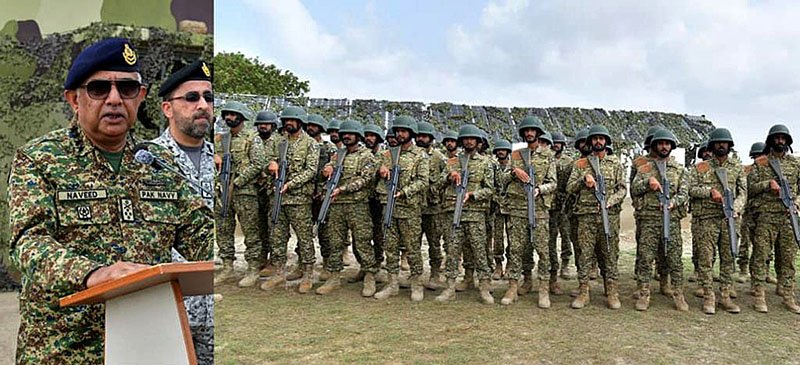
ISLAMABAD — Chief of the Naval Staff Admiral Naveed Ashraf addressed troops stationed at the Creeks Area as part of the ongoing Exercise SEASPARK 2026. The exercise, which commenced earlier this week, is a pivotal component of Pakistan Navy’s operational readiness and strategic capabilities. What Happened Admiral Naveed Ashraf, in his address to the naval personnel, emphasized the importance of maintaining high levels of vigilance and operational preparedness. He highlighted the strategic significance of the Creeks Area, a region that demands constant attention due to its geographical and tactical importance. The exercise, SEASPARK 2026, aims to enhance the operational capabilities of the Pakistan Navy, ensuring readiness to respond to any maritime threats. Exercise SEASPARK 2026 involves a series of complex maneuvers and drills designed to test the Navy’s strategic and tactical skills. Admiral Ashraf noted, “The exercise is crucial for evaluating our combat readiness and ensuring that our forces are well-prepared to safeguard our maritime interests.” He further stated that the exercise would provide invaluable training and experience to the participating units, enhancing their ability to operate in a challenging environment. The Creeks Area, located near the Pakistan-India border, has historically been a sensitive region due to its proximity to contested waters. The exercise includes a variety of naval assets, including surface ships, submarines, and aircraft, all working in coordination to simulate realistic combat scenarios. Admiral Ashraf commended the dedication and professionalism of the troops, urging them to continue their efforts in maintaining the integrity and security of Pakistan’s maritime boundaries. Background Exercise SEASPARK is a biennial event conducted by the Pakistan Navy to assess and enhance its operational readiness. The exercise is part of a series of initiatives aimed at strengthening the Navy’s capabilities in response to evolving maritime threats. The Creeks Area, where the exercise is currently taking place, has been a focal point for military activities due to its strategic importance and the challenges posed by its complex terrain. Historically, the Creeks Area has been a source of tension between Pakistan and India, with both nations maintaining a significant military presence in the region. The area is characterized by its intricate network of waterways and mangroves, making it a challenging environment for military operations. The Pakistan Navy has consistently focused on enhancing its capabilities in this region, recognizing its critical role in national security. Why It Matters The successful execution of Exercise SEASPARK 2026 holds significant implications for Pakistan’s maritime security and regional stability. By conducting such large-scale exercises, the Pakistan Navy demonstrates its commitment to safeguarding national interests and maintaining a deterrent posture against potential threats. The exercise serves as a platform for testing new strategies and technologies, ensuring that the Navy remains at the forefront of maritime defense. From an economic perspective, the security of Pakistan’s maritime boundaries is crucial for the protection of its trade routes and economic interests. The Arabian Sea serves as a vital conduit for international trade, and any disruptions could have far-reaching economic consequences. By enhancing its operational capabilities, the Pakistan Navy plays a pivotal role in ensuring the smooth flow of maritime commerce. On a broader scale, the exercise underscores Pakistan’s strategic importance in the Indian Ocean region. As regional dynamics continue to evolve, maintaining a robust naval presence is essential for countering emerging threats and fostering regional cooperation. Exercise SEASPARK 2026 not only enhances the Navy’s operational readiness but also strengthens Pakistan’s position as a key player in regional security. Key Takeaways Admiral Naveed Ashraf addressed troops during Exercise SEASPARK 2026 at the Creeks Area. The exercise aims to enhance the operational readiness of the Pakistan Navy. SEASPARK 2026 involves complex maneuvers to test strategic and tactical skills. The Creeks Area is strategically significant due to its proximity to contested waters. The exercise highlights Pakistan’s commitment to maritime security and regional stability. Source Attribution This article is based on official government statements, press releases, and public communications from relevant authorities. Author: NEN Editorial Desk | Editor: NEN Newsroom | Fact Checked By: NEN Editorial Team Author: NEN Editorial Desk  |  Editor: NEN Newsroom  |  Last Updated: September 20, 2026  |  Source: NEN Reporter This article was produced by the NEN Editorial Desk in accordance with NEN Agency’s Editorial Policy and Fact-Checking Policy.
PFF U-17 Championship 2026 Set to Begin in Islamabad on September 23
Pakistan

PFF U-17 Championship 2026 Set to Begin in Islamabad on September 23

ISLAMABAD — The Pakistan Football Federation (PFF) has announced that the PFF U-17 Championship 2026 will commence in Islamabad from September 23 and continue until October 4. This championship aims to bring together provincial and regional teams from across Pakistan, offering young footballers a platform to compete at the national level. What Happened The PFF U-17 Championship 2026 is set to take place in Islamabad, featuring teams from various provinces and regions across Pakistan. The event will run from September 23 to October 4, providing a significant opportunity for young athletes to showcase their skills in a national arena. According to the Pakistan Football Federation, this championship is designed to nurture young talent and promote football at the grassroots level. The tournament will feature teams from all corners of the country, including Punjab, Sindh, Khyber Pakhtunkhwa, Balochistan, and the federal territories. Each team will consist of players under the age of 17, highlighting the federation’s commitment to developing young talent in the sport. The championship not only aims to foster competitive spirit but also to identify potential players for future national teams. A spokesperson for the PFF stated, “This championship is crucial for the development of football in Pakistan. It provides young players with the exposure they need to progress in their careers.” The event is expected to attract scouts and coaches looking to identify promising players who could represent Pakistan in international competitions. Background The PFF U-17 Championship is part of the broader efforts by the Pakistan Football Federation to revitalize football in the country. Football, while popular at the grassroots level, has struggled with organizational and funding challenges over the years. The PFF has been working to overcome these obstacles by organizing national-level tournaments and investing in youth development programs. Historically, Pakistan has faced challenges in establishing a strong presence in international football due to a lack of infrastructure and consistent management. However, recent initiatives by the PFF aim to change this narrative by focusing on youth development and grassroots engagement. The U-17 Championship is one of several tournaments aimed at building a pipeline of talented players who can compete internationally. Why It Matters The PFF U-17 Championship holds significant importance for the future of football in Pakistan. By providing a platform for young athletes to compete at a national level, the championship plays a critical role in identifying and nurturing future stars of the sport. This initiative is expected to contribute to the long-term development of football in the country, potentially improving Pakistan’s standing in international competitions. Economically, the championship can stimulate local businesses and tourism in Islamabad, as teams and supporters from across the country converge on the capital. Socially, it encourages youth participation in sports, promoting health and well-being among young Pakistanis. Politically, successful organization and execution of such events can enhance the credibility of the PFF and attract further investment in sports infrastructure. Internationally, a strong showing in youth tournaments can lead to increased opportunities for Pakistani players to participate in global competitions. This can enhance the country’s reputation in the sports world and open doors for international collaborations and sponsorships. Key Takeaways The PFF U-17 Championship 2026 will be held in Islamabad from September 23 to October 4. The championship aims to bring together provincial and regional teams from across Pakistan. The event is part of the PFF’s efforts to promote football and develop young talent. The tournament provides economic, social, and political benefits to the country. Successful youth tournaments can improve Pakistan’s international football standing. Source Attribution This article is based on official statements and public communications from the Pakistan Football Federation. Author: NEN Editorial Desk | Editor: NEN Newsroom | Fact Checked By: NEN Editorial Team Author: NEN Editorial Desk  |  Editor: NEN Newsroom  |  Last Updated: September 20, 2026  |  Source: NEN Reporter This article was produced by the NEN Editorial Desk in accordance with NEN Agency’s Editorial Policy and Fact-Checking Policy.
Qaiser Baig Congratulates New SCCI Leadership in Sialkot
Pakistan

Qaiser Baig Congratulates New SCCI Leadership in Sialkot

SIALKOT — Chairman of the Sialkot Chamber of Commerce and Industry (SCCI) Departmental Committee on Fair and Exhibition, Qaiser Baig, extended his congratulations to the newly elected office-bearers of the SCCI on September 20. The elections saw Khawar Hussain Spall assume the role of President, Asad Naseer Malik as Senior Vice President, and Jahangir Chaudhry as Vice President. What Happened The Sialkot Chamber of Commerce and Industry, a pivotal institution for the business community in the region, recently concluded its annual elections. The results were announced with Khawar Hussain Spall being elected as the President. Asad Naseer Malik and Jahangir Chaudhry were elected as Senior Vice President and Vice President, respectively. These elections are crucial for setting the strategic direction of the chamber, which plays a significant role in facilitating trade and industry in Sialkot, a city renowned for its export-oriented economy. Qaiser Baig, in his congratulatory message, expressed confidence in the newly elected leadership’s ability to steer the chamber towards greater achievements. He emphasized the importance of their roles in enhancing the business environment and supporting local industries. Baig stated, “The new leadership is expected to bring innovative ideas and strategies to further bolster the economic activities in Sialkot.” The SCCI elections are an annual event that garners significant attention from the business community, as the chamber is instrumental in advocating for the interests of local businesses and addressing their challenges at both national and international levels. Background The Sialkot Chamber of Commerce and Industry was established to support and promote the business interests of the region, which is known for its production of sports goods, surgical instruments, and leather products. The chamber acts as a bridge between the government and the local business community, ensuring that the voices of Sialkot’s entrepreneurs are heard in policy-making processes. Historically, the SCCI has played a vital role in the economic development of Sialkot, contributing to its reputation as a hub for quality manufacturing and export. The chamber’s leadership is tasked with not only addressing immediate business concerns but also with planning long-term strategies to sustain growth and competitiveness in the global market. Why It Matters The leadership of the SCCI is crucial in shaping the economic landscape of Sialkot. The city contributes significantly to Pakistan’s exports, and the chamber’s policies can have far-reaching impacts on the local and national economy. The newly elected office-bearers are expected to focus on enhancing export opportunities, improving industrial infrastructure, and advocating for favorable trade policies. With the global economy facing challenges such as supply chain disruptions and fluctuating market demands, the role of the SCCI becomes even more critical. The leadership’s ability to navigate these challenges will determine the resilience and growth of Sialkot’s industries. Moreover, the chamber’s initiatives can influence job creation and economic stability in the region. The election of Khawar Hussain Spall and his team comes at a time when there is a pressing need for innovative approaches to sustain and expand Sialkot’s market presence internationally. Their leadership will be pivotal in ensuring that the local industries continue to thrive and contribute to the national economy. Key Takeaways Khawar Hussain Spall elected as President of SCCI, with Asad Naseer Malik and Jahangir Chaudhry as Senior Vice President and Vice President, respectively. Qaiser Baig expressed confidence in the new leadership’s potential to enhance the business environment in Sialkot. The SCCI plays a crucial role in advocating for local industries and influencing trade policies. The leadership’s strategies will impact Sialkot’s contribution to Pakistan’s exports and economic stability. Innovative approaches are needed to address global economic challenges and sustain growth. Source Attribution This article is based on official government statements, press releases, and public communications from relevant authorities. Author: NEN Editorial Desk | Editor: NEN Newsroom | Fact Checked By: NEN Editorial Team Author: NEN Editorial Desk  |  Editor: NEN Newsroom  |  Last Updated: September 20, 2026  |  Source: Press Release from Government of Pakistan This article was produced by the NEN Editorial Desk in accordance with NEN Agency’s Editorial Policy and Fact-Checking Policy.
PML-N Government Initiates Green Transformation in Rawalpindi
Pakistan

PML-N Government Initiates Green Transformation in Rawalpindi

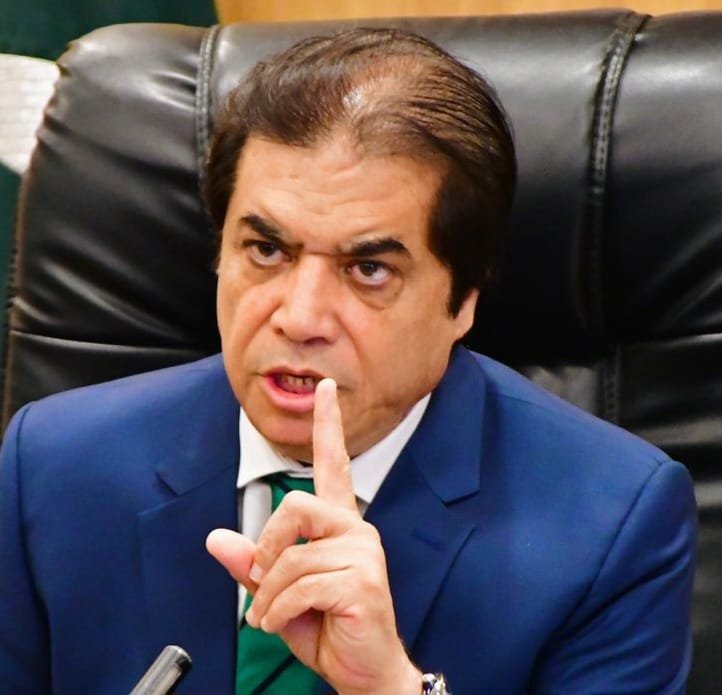
RAWALPINDI — The Pakistan Muslim League-Nawaz (PML-N) government has embarked on an ambitious project to transform Rawalpindi into a greener and healthier city. On September 20, Federal Minister for Railways Muhammad Hanif Abbasi announced the initiative during the inauguration ceremonies of Allama Iqbal Park and Milad Park, emphasizing the importance of developing modern parks and recreational facilities. What Happened Federal Minister Muhammad Hanif Abbasi outlined the government’s plans to enhance the urban landscape of Rawalpindi by focusing on the development of green spaces. Speaking at the inauguration of two newly developed parks, Allama Iqbal Park and Milad Park, Abbasi stated that the government is committed to providing safe, accessible, and well-maintained public spaces for the community. He highlighted that these initiatives are part of a broader strategy to improve the quality of life for the residents of Rawalpindi by promoting environmental sustainability and public health. The newly inaugurated parks are equipped with modern amenities, including walking tracks, children’s play areas, and seating arrangements, aimed at encouraging outdoor activities among citizens. Abbasi emphasized that such developments are crucial for fostering a sense of community and promoting a healthier lifestyle. “Our goal is to make Rawalpindi a model city with ample recreational facilities for all age groups,” he remarked during the ceremonies. The government plans to continue this green transformation by developing additional parks and upgrading existing recreational areas. This initiative is part of a larger urban development project that seeks to address the challenges of urbanization, such as pollution and overcrowding, by creating more green spaces within the city. Background Rawalpindi, one of Pakistan’s major cities, has faced significant challenges related to rapid urbanization, including environmental degradation and a lack of adequate public recreational facilities. Historically, the city has struggled with issues such as air pollution and limited green spaces, which have impacted the quality of life for its residents. The PML-N government has previously undertaken several projects aimed at urban development and environmental conservation. These efforts align with national policies focused on sustainable urban planning and the enhancement of public infrastructure. The current initiative to develop parks and recreational facilities is a continuation of these efforts, reflecting the government’s commitment to addressing urban challenges through sustainable solutions. Why It Matters The transformation of Rawalpindi into a greener city holds significant implications for the environment, public health, and the overall well-being of its residents. By increasing the availability of green spaces, the government aims to combat the adverse effects of urbanization, such as air pollution and the urban heat island effect, which contribute to health issues and reduced quality of life. From an economic perspective, the development of parks and recreational facilities can boost local tourism and create job opportunities in the maintenance and management of these spaces. Additionally, the availability of well-maintained public areas can enhance property values and attract investment, contributing to the city’s economic growth. Socially, the initiative fosters community engagement and provides residents with opportunities for physical activity, relaxation, and social interaction, which are essential for mental and physical health. The focus on creating inclusive spaces ensures that people of all ages and abilities can benefit from these developments. Furthermore, this project aligns with global trends towards sustainable urban development and reflects Pakistan’s commitment to international environmental agreements. By prioritizing green infrastructure, the government is taking proactive steps to address climate change and promote sustainable living practices. Key Takeaways The PML-N government is transforming Rawalpindi into a greener city by developing modern parks and recreational facilities. Federal Minister Muhammad Hanif Abbasi emphasized the importance of safe and accessible public spaces during the inauguration of Allama Iqbal Park and Milad Park. The initiative aims to enhance the quality of life by promoting environmental sustainability and public health. Rawalpindi’s green transformation is part of a broader urban development strategy to address challenges like pollution and overcrowding. The project supports economic growth, community engagement, and aligns with international environmental commitments. Source Attribution This article is based on official government statements and public communications from relevant authorities. Author: NEN Editorial Desk | Editor: NEN Newsroom | Fact Checked By: NEN Editorial Team Author: NEN Editorial Desk  |  Editor: NEN Newsroom  |  Last Updated: September 20, 2026  |  Source: NEN Reporter This article was produced by the NEN Editorial Desk in accordance with NEN Agency’s Editorial Policy and Fact-Checking Policy.

Arts Council Karachi Launches Aziz Ahmed Zai’s Memoir
Pakistan

Arts Council Karachi Launches Aziz Ahmed Zai’s Memoir

KARACHI — The Arts Council of Pakistan Karachi recently hosted the launch of Aziz Ahmed Zai’s memoir, “Somewhere in Between—A Memoir,” at the Haseena Moin Hall. The event gathered a diverse audience from the literary, academic, and cultural communities, underscoring the memoir’s significance in Pakistan’s literary landscape. What Happened The launch event, held on September 20, was presided over by Mehtab Akbar Rashdi, a prominent figure in Pakistan’s cultural scene. Aziz Ahmed Zai, a respected civil servant and author, shared insights into his life and experiences, which are vividly captured in his memoir. The President of the Arts Council of Pakistan Karachi, along with other distinguished guests, attended the event, highlighting the memoir’s importance. During the ceremony, Zai discussed the challenges and triumphs he faced throughout his career, offering a personal glimpse into the life of a civil servant in Pakistan. Attendees were treated to readings from the memoir, which is described as a reflective journey through Zai’s professional and personal life. The memoir is expected to resonate with readers interested in Pakistan’s socio-political history, as it provides an insider’s perspective on the workings of the government and the cultural shifts within the country. Mehtab Akbar Rashdi, in her remarks, praised Zai for his contribution to literature, noting that his memoir adds a valuable voice to the narrative of Pakistan’s history. The event concluded with a question-and-answer session, allowing the audience to engage directly with the author. Background Aziz Ahmed Zai has had a distinguished career in the civil service, serving in various capacities across Pakistan. His memoir, “Somewhere in Between,” offers a unique perspective on the country’s bureaucratic landscape, drawing from decades of experience. The Arts Council of Pakistan Karachi, known for promoting cultural and literary activities, frequently hosts events that celebrate local and national authors. The council has been instrumental in fostering a vibrant arts scene in Karachi, providing a platform for writers, poets, and artists to share their work with a wider audience. The launch of Zai’s memoir is part of the council’s ongoing efforts to highlight significant literary contributions and encourage public engagement with the arts. Why It Matters The launch of Aziz Ahmed Zai’s memoir is significant for several reasons. Firstly, it provides an intimate look at the life of a civil servant in Pakistan, offering readers insights into the challenges and complexities of governance in the country. This perspective is particularly valuable in understanding the inner workings of Pakistan’s political and administrative systems. Secondly, the memoir contributes to the broader discourse on Pakistan’s socio-political history. By sharing his personal experiences, Zai adds depth to the narrative of the country’s development, highlighting both achievements and setbacks. This is crucial for academics, historians, and policymakers interested in Pakistan’s evolution over the years. Lastly, the event underscores the role of the Arts Council of Pakistan Karachi in promoting literary culture. By hosting such launches, the council not only supports authors but also encourages public discourse on important issues. This engagement is vital for nurturing a well-informed and culturally aware society. Key Takeaways The Arts Council of Pakistan Karachi hosted the launch of Aziz Ahmed Zai’s memoir, “Somewhere in Between.” The event featured readings and discussions, providing insights into Zai’s life as a civil servant. Mehtab Akbar Rashdi presided over the ceremony, highlighting the memoir’s significance. Zai’s memoir offers a unique perspective on Pakistan’s bureaucratic and socio-political landscape. The Arts Council continues to play a key role in promoting literary and cultural activities in Karachi. Source Attribution This article is based on official government statements, press releases, and public communications from relevant authorities. Author: NEN Editorial Desk | Editor: NEN Newsroom | Fact Checked By: NEN Editorial Team Author: NEN Editorial Desk  |  Editor: NEN Newsroom  |  Last Updated: September 20, 2026  |  Source: NEN Reporter This article was produced by the NEN Editorial Desk in accordance with NEN Agency’s Editorial Policy and Fact-Checking Policy.

Scroll to Top