

Author name: Yasir Zubairi

Yasir Zubairi is the founder and publisher of NEN Agency (News Era Network). He leads NEN's coverage of Pakistan's national affairs, economy, foreign relations and sports, and is responsible for the accuracy and standards of every story published on nenagency.com.

Neem Wood Tumblers Gaining Popularity Among Islamabad’s Eco-Conscious Consumers
Pakistan

Neem Wood Tumblers Gaining Popularity Among Islamabad’s Eco-Conscious Consumers

ISLAMABAD — Neem wood tumblers are increasingly attracting attention from health- and environment-conscious consumers in Islamabad, as they seek sustainable alternatives to plastic and synthetic drinking vessels. These natural wooden tumblers, made primarily from neem and vijaysar wood, are being marketed as eco-friendly and reusable options, appealing to those who prioritize environmental sustainability. What Happened In recent months, there has been a noticeable surge in the popularity of neem wood tumblers in Islamabad. Vendors across the city have reported a growing interest in these traditional drinking vessels, which are celebrated for their natural composition and environmental benefits. The tumblers are crafted from neem wood, known for its antibacterial properties, and vijaysar wood, which is believed to have health benefits. Local sellers have highlighted the tumblers’ appeal, noting that they are not only reusable but also biodegradable, making them a preferred choice for consumers looking to reduce their carbon footprint. “Our customers are increasingly aware of the environmental impact of plastic products. They appreciate the natural and sustainable aspects of neem wood tumblers,” said a vendor at a local market. The tumblers are part of a broader trend where consumers are revisiting traditional products that offer both health benefits and environmental sustainability. The resurgence in interest is also attributed to the growing awareness of the harmful effects of plastic pollution and the need for sustainable living practices. Background The use of wooden drinking vessels is not new in South Asia. Historically, communities across the region have utilized various types of wood to craft household items, including cups and bowls. Neem wood, in particular, has been valued for its medicinal properties and durability. The tree is native to the Indian subcontinent and has been used in traditional medicine for centuries. In recent years, there has been a global shift towards sustainable products, driven by increasing environmental concerns and the adverse effects of plastic waste. This trend has revived interest in traditional materials like neem wood, which offer a viable alternative to synthetic products. The Pakistani government has also been promoting green initiatives, encouraging citizens to adopt environmentally friendly practices. Why It Matters The growing popularity of neem wood tumblers in Islamabad reflects a broader societal shift towards sustainability and environmental consciousness. As consumers become more aware of the ecological impact of their choices, products that align with sustainable living principles are gaining traction. This shift is significant for several reasons. Economically, the demand for eco-friendly products can stimulate local industries and crafts, providing opportunities for artisans and small businesses. The production of neem wood tumblers supports local economies, as these items are often handcrafted by skilled workers using locally sourced materials. Socially, the trend towards sustainable products fosters a culture of environmental responsibility. It encourages individuals to make conscious choices that benefit the planet, promoting a collective effort to combat pollution and environmental degradation. On an international level, Pakistan’s move towards sustainable products aligns with global efforts to address climate change and reduce plastic waste. By adopting eco-friendly practices, the country can improve its environmental standing and contribute positively to international sustainability goals. Key Takeaways Neem wood tumblers are gaining popularity in Islamabad as eco-friendly alternatives to plastic. The tumblers are made from neem and vijaysar wood, known for their health and environmental benefits. This trend reflects a broader shift towards sustainable living and environmental consciousness. Increased demand for eco-friendly products supports local economies and artisans. Pakistan’s adoption of sustainable practices contributes to global environmental efforts. Source Attribution This article is based on official government statements, press releases, and public communications from relevant authorities. Author: NEN Editorial Desk | Editor: NEN Newsroom | Fact Checked By: NEN Editorial Team Author: NEN Editorial Desk  |  Editor: NEN Newsroom  |  Last Updated: September 20, 2026  |  Source: NEN Reporter This article was produced by the NEN Editorial Desk in accordance with NEN Agency’s Editorial Policy and Fact-Checking Policy.

President Zardari Commends Security Forces After Hangu Operation
Pakistan

President Zardari Commends Security Forces After Hangu Operation

ISLAMABAD — President Asif Ali Zardari on Sunday paid tribute to Pakistan’s security forces following an operation in Hangu that resulted in the elimination of eight militants. The president expressed his condolences over the loss of security personnel who were martyred during the operation. What Happened The operation took place in Hangu, a district in Khyber Pakhtunkhwa, known for its strategic significance due to its proximity to the tribal areas. Security forces engaged in a fierce battle with militants, resulting in the deaths of eight insurgents. The operation also saw the martyrdom of several security personnel, whose bravery was acknowledged by President Zardari in his official statement. President Zardari’s statement highlighted the dedication and sacrifice of the security forces, acknowledging their critical role in maintaining national security. “The nation owes a debt of gratitude to these brave individuals who have laid down their lives for the safety and security of Pakistan,” the president remarked. The operation is part of ongoing efforts by the Pakistani military to combat terrorism and insurgency in the region. The security forces have been actively conducting operations to dismantle militant networks and restore peace in areas affected by insurgency. Background Hangu has been a focal point of military operations due to its location near the volatile tribal regions, which have historically been a hotbed for militant activity. The region has seen numerous military operations aimed at rooting out insurgent groups that have used the area as a base for launching attacks. Pakistan’s security forces have been engaged in a long-standing battle against various militant groups, including the Tehrik-i-Taliban Pakistan (TTP) and other affiliated organizations. These groups have been responsible for numerous attacks across the country, targeting both civilian and military targets. The government’s strategy has involved a combination of military operations and efforts to engage local communities in peace-building initiatives. The operations in regions like Hangu are part of a broader strategy to stabilize the country and ensure long-term peace and security. Why It Matters The successful operation in Hangu highlights the ongoing challenges faced by Pakistan in its fight against terrorism. The elimination of eight militants signifies a tactical victory in the broader context of counterterrorism efforts. However, the loss of security personnel underscores the high cost of these operations and the persistent threat posed by militant groups. Economically, continued instability in regions like Hangu can deter investment and hinder development efforts. Security operations, while necessary, also strain government resources and can impact the allocation of funds towards other critical areas such as education and healthcare. Politically, the operation reinforces the government’s commitment to eradicating terrorism, a stance that is crucial for maintaining public confidence and international support. The success of such operations is vital for Pakistan’s image on the global stage, particularly in securing partnerships and aid from international allies. For the citizens of Pakistan, these operations are a reminder of the ongoing threat of terrorism and the sacrifices made by security forces to protect the nation. The government’s ability to effectively manage and neutralize these threats is critical for ensuring the safety and security of its populace. Key Takeaways President Zardari paid tribute to security forces for their role in a successful operation in Hangu. The operation resulted in the elimination of eight militants but also saw the martyrdom of several security personnel. Hangu’s strategic location near tribal areas makes it a focal point for military operations against insurgents. The operation underscores ongoing challenges in Pakistan’s fight against terrorism, with significant economic and political implications. Effective counterterrorism efforts are crucial for Pakistan’s national security and international relations. Source Attribution This article is based on official government statements and public communications from relevant authorities. Author: NEN Editorial Desk | Editor: NEN Newsroom | Fact Checked By: NEN Editorial Team Author: NEN Editorial Desk  |  Editor: NEN Newsroom  |  Last Updated: September 20, 2026  |  Source: Press Release from Government of Pakistan This article was produced by the NEN Editorial Desk in accordance with NEN Agency’s Editorial Policy and Fact-Checking Policy.
DSP Mukhtiar Bugti Emphasizes Vigilance in Islamabad High-Security Zone
Pakistan

DSP Mukhtiar Bugti Emphasizes Vigilance in Islamabad High-Security Zone

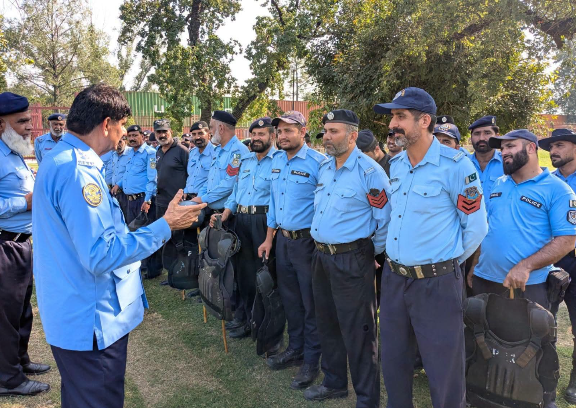
ISLAMABAD — Deputy Superintendent of Police (DSP) Security Mukhtiar Bugti on Sunday briefed police officers stationed in Islamabad’s High Security Zone, emphasizing the need for heightened vigilance and readiness in their duties. The briefing aimed to ensure that security personnel are adequately prepared to handle potential threats in this critical area. What Happened DSP Mukhtiar Bugti conducted a comprehensive briefing session with police officers assigned to the High Security Zone in Islamabad. During the session, held on September 20, Bugti underscored the importance of maintaining a high level of alertness and readiness. An official source revealed that the officers were instructed to remain vigilant and perform their duties with full dedication to ensure the safety and security of the zone. The High Security Zone in Islamabad is a strategically important area, housing several key government buildings and foreign embassies. Given the sensitive nature of the zone, security measures are of paramount importance. DSP Bugti’s directives are part of ongoing efforts to bolster security protocols and ensure the safety of both residents and visitors. According to the official, DSP Bugti stressed the need for officers to be proactive in identifying and responding to any suspicious activities. He highlighted the significance of coordination among different security agencies operating in the area to enhance overall security effectiveness. The briefing also included discussions on the latest security challenges and strategies to address them effectively. Background Islamabad’s High Security Zone has been a focal point for security operations due to its concentration of critical infrastructure and diplomatic missions. Over the years, the area has witnessed several security incidents, prompting authorities to implement stringent security measures. The zone is regularly patrolled by law enforcement agencies, and access is closely monitored to prevent unauthorized entry. In recent years, Pakistan has intensified its efforts to combat terrorism and enhance internal security. This includes the deployment of additional security personnel, the installation of surveillance systems, and the establishment of rapid response teams. The briefing by DSP Bugti is part of these broader efforts to maintain peace and stability in the capital city. Why It Matters The emphasis on vigilance in Islamabad’s High Security Zone is crucial for several reasons. Firstly, the zone’s significance as a hub for governmental and diplomatic activities makes it a potential target for security threats. Ensuring the safety of this area is essential for maintaining the country’s international relations and safeguarding national interests. Secondly, the security of the High Security Zone has direct implications for the overall perception of safety in Islamabad. Any breach in this area could undermine public confidence in the government’s ability to protect its citizens and critical infrastructure. By reinforcing security measures, authorities aim to reassure both local and international stakeholders of their commitment to maintaining a secure environment. Additionally, the proactive approach taken by DSP Bugti and his team reflects the broader security strategy of Pakistan, which prioritizes preemptive measures to counter potential threats. This strategy not only enhances the immediate security of the High Security Zone but also contributes to the long-term stability of the region. Key Takeaways DSP Mukhtiar Bugti conducted a security briefing for officers in Islamabad’s High Security Zone. Officers were instructed to maintain high vigilance and readiness to address potential threats. The High Security Zone is a critical area, housing key government and diplomatic facilities. Enhanced security measures are part of Pakistan’s broader efforts to combat terrorism. Ensuring security in this zone is vital for national and international confidence in Pakistan’s safety. Source Attribution This article is based on official government statements, press releases, and public communications from relevant authorities. Author: NEN Editorial Desk | Editor: NEN Newsroom | Fact Checked By: NEN Editorial Team Author: NEN Editorial Desk  |  Editor: NEN Newsroom  |  Last Updated: September 20, 2026  |  Source: NEN Reporter This article was produced by the NEN Editorial Desk in accordance with NEN Agency’s Editorial Policy and Fact-Checking Policy.
Qaiser Ahmed Sheikh Attends World Economic Forum in New York
World

Qaiser Ahmed Sheikh Attends World Economic Forum in New York

ISLAMABAD — Federal Minister for Board of Investment, Qaiser Ahmed Sheikh, has embarked on a significant diplomatic mission to New York to participate in the World Economic Forum’s (WEF) ‘Sustainable Development Impact Meetings 2026’. The event, scheduled from September 21 to 24, aims to address global economic challenges and explore sustainable development strategies. What Happened Qaiser Ahmed Sheikh left for New York to represent Pakistan at the WEF’s prestigious meetings, where he is expected to highlight the country’s economic potential and investment-friendly climate. The four-day event will bring together global leaders, policymakers, and industry experts to discuss pressing economic issues and sustainable development goals. Sheikh’s participation underscores Pakistan’s commitment to engaging with international forums to advance its economic agenda. The meetings will focus on various topics, including climate change, technological innovation, and economic resilience. Sheikh is anticipated to engage with key stakeholders to promote Pakistan as a viable destination for investment, leveraging the country’s strategic location and abundant resources. His presence at the forum is part of a broader effort to attract foreign investment and enhance economic cooperation with other nations. During his visit, Sheikh will also participate in panel discussions and bilateral meetings with international counterparts, aiming to forge partnerships that could benefit Pakistan’s economy. The WEF meetings serve as a platform for Pakistan to showcase its economic reforms and highlight opportunities in sectors such as energy, technology, and infrastructure. Background The World Economic Forum, established in 1971, is a Swiss-based nonprofit organization known for its annual meetings in Davos, Switzerland. These gatherings bring together leaders from business, politics, academia, and civil society to discuss global economic issues. The ‘Sustainable Development Impact Meetings’, held annually in New York, focus specifically on sustainable development and economic resilience. Pakistan has been actively participating in WEF events to strengthen its international economic ties and attract foreign investment. The country’s strategic location, coupled with its young and dynamic workforce, makes it an attractive destination for investors. Recent economic reforms and initiatives aimed at improving the business environment have further enhanced Pakistan’s investment appeal. Why It Matters Qaiser Ahmed Sheikh’s participation in the WEF meetings is crucial for Pakistan’s economic diplomacy. By engaging with global leaders and investors, Pakistan aims to position itself as a key player in the international economic arena. The meetings provide an opportunity to showcase the country’s economic potential and highlight recent reforms that have improved the business climate. Economically, attracting foreign investment is vital for Pakistan’s growth and development. Foreign capital can help address infrastructure deficits, create jobs, and stimulate economic activity. The WEF meetings offer a platform for Pakistan to present its investment opportunities to a global audience, potentially leading to increased foreign direct investment (FDI). Politically, participation in such high-profile international forums enhances Pakistan’s diplomatic standing and strengthens its relationships with other countries. By actively engaging in global economic discussions, Pakistan can influence international economic policies and advocate for its interests on the world stage. Socially, increased investment can lead to improved living standards and economic opportunities for Pakistan’s population. By attracting foreign businesses, Pakistan can create jobs, enhance skills, and boost economic development, ultimately contributing to poverty reduction and social progress. Key Takeaways Qaiser Ahmed Sheikh is attending the WEF’s ‘Sustainable Development Impact Meetings 2026’ in New York. The meetings focus on global economic challenges and sustainable development strategies. Sheikh will promote Pakistan’s economic potential and investment-friendly climate. Participation in WEF meetings is part of Pakistan’s broader effort to attract foreign investment. Increased investment can lead to economic growth, job creation, and improved living standards in Pakistan. Source Attribution The article is based on official government statements, press releases, and public communications from relevant authorities. Author: NEN Editorial Desk | Editor: NEN Newsroom | Fact Checked By: NEN Editorial Team Author: NEN Editorial Desk  |  Editor: NEN Newsroom  |  Last Updated: September 20, 2026  |  Source: NEN Reporter This article was produced by the NEN Editorial Desk in accordance with NEN Agency’s Editorial Policy and Fact-Checking Policy.
China-Pakistan Scholars Explore Historical Links via Indus and Yangtze
World

China-Pakistan Scholars Explore Historical Links via Indus and Yangtze

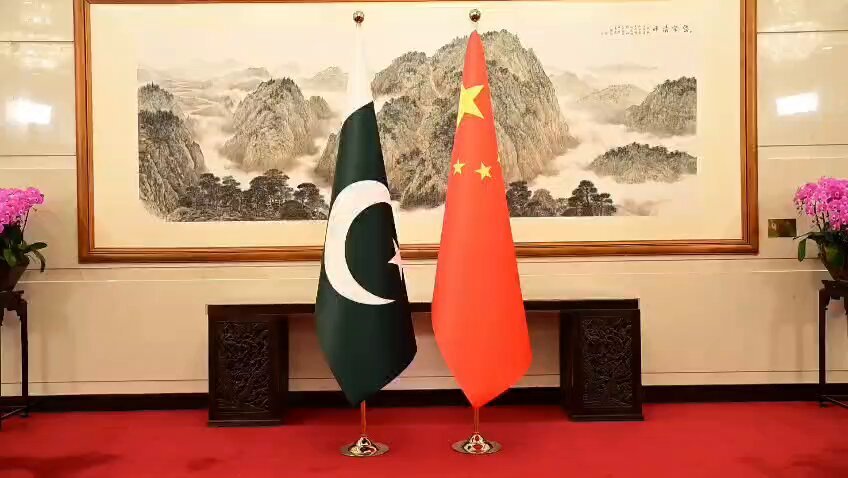
BEIJING — Scholars from China and Pakistan have embarked on a collaborative research initiative to explore the historical connections between the two nations through the ancient river civilizations of the Indus and Yangtze. This research coincides with the 75th anniversary of diplomatic relations between the two countries, highlighting the longstanding cultural and historical ties that have shaped their interactions over the centuries. What Happened The research, which was presented at a recent dialogue in Beijing, delves into the historical routes and firsthand accounts from the builders of the Karakoram Highway, offering new insights into the centuries-old exchanges between China and Pakistan. The dialogue brought together historians, archaeologists, and cultural experts who shared their findings and perspectives on the ancient connections facilitated by the Indus and Yangtze rivers. Professor Li Zhang, a leading historian from Beijing University, emphasized the significance of these river systems as conduits for cultural and commercial exchanges. “The Indus and Yangtze rivers have served as lifelines for civilizations, fostering trade and cultural interactions for millennia,” he stated. The research highlights how these rivers enabled the movement of goods, ideas, and people, laying the groundwork for the rich tapestry of cultural exchanges that have characterized China-Pakistan relations. Dr. Ayesha Khan, a Pakistani archaeologist, presented findings from recent excavations along the Indus River, which reveal evidence of ancient trade routes linking the region to Central Asia and beyond. “Our findings suggest that the Indus Valley Civilization had extensive trade networks that reached far beyond the Indian subcontinent,” Dr. Khan noted. These discoveries underscore the historical depth of Pakistan’s connections with its northern neighbor. Background The historical ties between China and Pakistan date back to ancient times, with the Silk Road serving as a major artery for trade and cultural exchange. The Karakoram Highway, often referred to as the ‘Eighth Wonder of the World,’ is a modern testament to this enduring relationship. Completed in 1978, the highway connects Pakistan’s Gilgit-Baltistan region with China’s Xinjiang province, facilitating not only trade but also cultural and interpersonal exchanges. Over the years, China and Pakistan have strengthened their relationship through various initiatives, including the China-Pakistan Economic Corridor (CPEC), which aims to enhance connectivity and economic cooperation. The historical research into the Indus and Yangtze rivers adds another layer of understanding to the deep-rooted connections between the two countries. Why It Matters This research holds significant implications for both China and Pakistan, as it reinforces the historical foundation of their bilateral relations. Understanding the ancient links between the Indus and Yangtze civilizations provides a broader context for contemporary diplomatic and economic engagements. It highlights the shared heritage and mutual interests that continue to drive cooperation between the two nations. Economically, the research underscores the potential for further collaboration in areas such as tourism and cultural exchange. By promoting the historical connections between the two countries, there is an opportunity to enhance people-to-people ties and foster greater understanding and appreciation of each other’s cultures. Politically, the findings serve as a reminder of the longstanding partnership between China and Pakistan, which has been characterized by mutual support and cooperation on regional and international issues. The historical perspective provided by this research can strengthen diplomatic efforts and contribute to a more nuanced understanding of the bilateral relationship. Key Takeaways China and Pakistan scholars are exploring historical links through the Indus and Yangtze rivers. The research highlights ancient trade routes and cultural exchanges between the two civilizations. Findings underscore the historical depth of China-Pakistan relations, dating back to the Silk Road era. The study reinforces the foundation for contemporary diplomatic and economic cooperation. Potential for enhanced tourism and cultural exchange based on shared historical heritage. Source Attribution This article is based on official government statements, press releases, and public communications from relevant authorities. Author: NEN Editorial Desk | Editor: NEN Newsroom | Fact Checked By: NEN Editorial Team Author: NEN Editorial Desk  |  Editor: NEN Newsroom  |  Last Updated: September 20, 2026  |  Source: NEN Reporter This article was produced by the NEN Editorial Desk in accordance with NEN Agency’s Editorial Policy and Fact-Checking Policy.
Commuters Applaud Prime Minister’s Rs100 Petrol Relief Initiative
Pakistan

Commuters Applaud Prime Minister’s Rs100 Petrol Relief Initiative

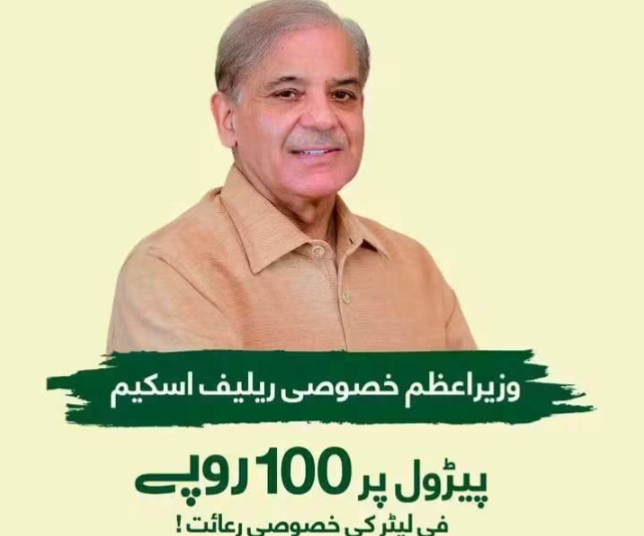
ISLAMABAD — Daily commuters across Pakistan have expressed approval of Prime Minister Shehbaz Sharif’s recent petrol relief initiative, which offers a Rs100 per litre subsidy. This measure, announced on September 20, aims to alleviate the financial strain on low- and middle-income groups amidst rising fuel costs. What Happened The government of Pakistan has introduced a petrol relief scheme providing a subsidy of Rs100 per litre for specific segments of the population. This initiative is targeted at daily commuters, including motorcycle riders, rickshaw drivers, and small car owners, who are particularly affected by the escalating fuel prices. The scheme is designed to offer a monthly saving of up to Rs2,000 for eligible individuals, thereby easing their financial burden. Prime Minister Shehbaz Sharif emphasized that the relief package is part of the government’s broader strategy to support economically vulnerable groups. “This subsidy is a step towards mitigating the impact of global oil price fluctuations on our citizens,” he stated in a public address. The initiative is expected to benefit millions of Pakistanis who rely on affordable transportation for their daily activities. Commuters have welcomed the relief with optimism. Muhammad Iqbal, a rickshaw driver in Lahore, expressed his gratitude, saying, “This subsidy will significantly reduce my monthly expenses and help me manage my household budget better.” Similarly, Ayesha Khan, a school teacher who commutes daily by motorcycle, noted, “Every rupee saved on fuel counts, and this initiative provides much-needed relief.” Background Pakistan has been grappling with rising fuel prices due to fluctuations in the global oil market and the depreciation of the Pakistani rupee. Over the past year, fuel costs have surged, placing a heavy burden on consumers, particularly those with limited income. The government has faced increasing pressure to address these challenges and provide relief to the affected population. Historically, fuel subsidies have been a contentious issue in Pakistan, with debates over their economic viability and impact on fiscal policy. Previous administrations have attempted various measures to stabilize fuel prices, but the current economic climate has necessitated more direct intervention. Why It Matters The introduction of the petrol relief scheme is significant for several reasons. Economically, it provides immediate financial relief to millions of citizens who are struggling with the high cost of living. By reducing transportation expenses, the scheme indirectly supports other sectors of the economy, as consumers may have more disposable income for other necessities. Socially, the initiative demonstrates the government’s commitment to addressing the needs of the lower and middle-income groups, who are often the most affected by economic downturns. This move could bolster public confidence in the government’s ability to manage economic challenges and provide for its citizens. Politically, the relief package could influence public perception and support for the current administration. With general elections on the horizon, measures that improve the economic well-being of the populace may play a crucial role in shaping voter sentiment. Internationally, the subsidy reflects Pakistan’s efforts to manage its economic policies in the face of global market pressures. It highlights the challenges faced by developing nations in balancing domestic needs with international economic trends. Key Takeaways The petrol relief scheme offers a Rs100 per litre subsidy to ease the financial burden on low- and middle-income commuters. The initiative is expected to provide monthly savings of up to Rs2,000 for eligible individuals. Rising global oil prices and local economic conditions prompted the government to introduce this relief measure. The scheme has been positively received by commuters, who see it as a necessary support during challenging economic times. This initiative may influence public perception and political dynamics ahead of upcoming elections. Source Attribution This article is based on official government statements, press releases, and public communications from relevant authorities. Author: NEN Editorial Desk | Editor: NEN Newsroom | Fact Checked By: NEN Editorial Team Author: NEN Editorial Desk  |  Editor: NEN Newsroom  |  Last Updated: September 20, 2026  |  Source: NEN Reporter This article was produced by the NEN Editorial Desk in accordance with NEN Agency’s Editorial Policy and Fact-Checking Policy.
Rwanda-Pakistan Forum Aims to Boost Trade and Investment Opportunities
Pakistan

Rwanda-Pakistan Forum Aims to Boost Trade and Investment Opportunities

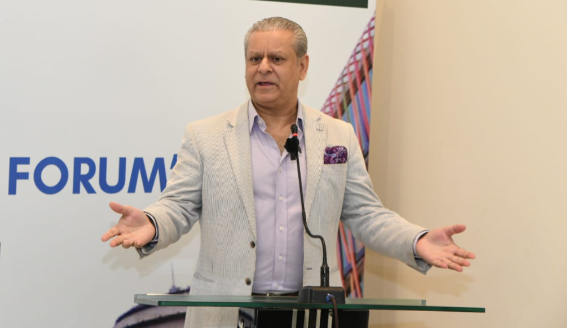
ISLAMABAD — The Rwanda-Pakistan Business and Investment Forum is set to enhance bilateral trade and investment opportunities between the two nations, according to Ambassador Hamid Asghar Khan, Patron-in-Chief of the Pakistan Africa Economic Council (PAEC). The forum, scheduled to be held in the coming months, is expected to pave the way for increased economic collaboration. What Happened Ambassador Hamid Asghar Khan, speaking at a press conference held at the Embassy of Pakistan, highlighted the significance of the upcoming Rwanda-Pakistan Business and Investment Forum. He emphasized that the event would serve as a critical platform for fostering economic ties and exploring new investment avenues. “The forum will play a pivotal role in strengthening our bilateral economic and trade relations,” Khan stated. The forum aims to bring together business leaders, investors, and government officials from both countries to discuss potential areas of cooperation. Key sectors identified for collaboration include agriculture, information technology, and manufacturing. The event will also feature business-to-business meetings, panel discussions, and networking sessions to facilitate direct engagement between stakeholders. Ambassador Khan noted that the forum is part of a broader strategy to enhance Pakistan’s trade relations with African countries. “We are committed to expanding our economic footprint in Africa, and Rwanda is a key partner in this endeavor,” he added. The forum is expected to attract significant participation from both Pakistani and Rwandan business communities, with the aim of identifying concrete projects and partnerships. Background Pakistan and Rwanda have been working towards strengthening their bilateral relations over the past few years. In recent times, both countries have expressed a keen interest in enhancing economic cooperation, particularly in trade and investment. The establishment of the Pakistan Africa Economic Council (PAEC) has been a crucial step in this direction, serving as a bridge to facilitate economic collaboration between Pakistan and African nations. Historically, trade between Pakistan and Rwanda has been limited, with both countries primarily focusing on their respective regional markets. However, recent initiatives have aimed to diversify trade relations and explore new markets. The upcoming forum is part of these efforts, seeking to capitalize on the untapped potential of bilateral trade and investment. Why It Matters The Rwanda-Pakistan Business and Investment Forum holds significant economic and strategic importance for both countries. For Pakistan, the forum represents an opportunity to diversify its export markets and reduce reliance on traditional trading partners. By engaging with Rwanda, Pakistan can tap into the growing African market, which offers substantial opportunities for trade and investment. Economically, the forum could lead to increased trade volumes and the establishment of joint ventures in key sectors. For Rwanda, partnering with Pakistan can provide access to affordable goods and services, as well as technological expertise in areas such as agriculture and IT. This collaboration could contribute to Rwanda’s economic growth and development goals. On a broader scale, the forum aligns with Pakistan’s Look Africa Policy, which aims to strengthen ties with African nations. By fostering economic cooperation with Rwanda, Pakistan can enhance its diplomatic and trade relations across the continent. This strategic engagement could also bolster Pakistan’s position in international forums and contribute to its economic resilience. Key Takeaways The Rwanda-Pakistan Business and Investment Forum aims to boost bilateral trade and investment. Key sectors for collaboration include agriculture, IT, and manufacturing. The forum is part of Pakistan’s broader strategy to enhance economic ties with Africa. Both countries stand to benefit economically from increased trade and joint ventures. The initiative aligns with Pakistan’s Look Africa Policy. Source Attribution This article is based on official government statements, press releases, and public communications from relevant authorities. Author: NEN Editorial Desk | Editor: NEN Newsroom | Fact Checked By: NEN Editorial Team Author: NEN Editorial Desk  |  Editor: NEN Newsroom  |  Last Updated: September 20, 2026  |  Source: NEN Reporter This article was produced by the NEN Editorial Desk in accordance with NEN Agency’s Editorial Policy and Fact-Checking Policy.

Pakistan’s Rice Industry Expands Its Global Export Reach
World

Pakistan’s Rice Industry Expands Its Global Export Reach

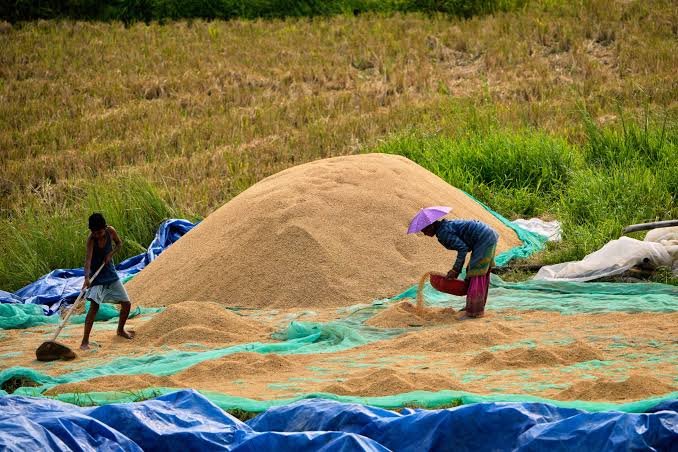
FAISALABAD — Pakistan’s rice industry is making significant strides in the global market, emerging as a crucial source of foreign exchange. As the industry grows, coordinated efforts are necessary to maintain competitiveness, expand international markets, and ensure benefits for both farmers and exporters. What Happened Pakistan’s rice exports have seen a notable increase, with the crop reaching supermarkets and kitchens worldwide. The expansion is not only boosting the country’s foreign exchange reserves but also highlighting the potential of Pakistan’s agricultural sector on the global stage. The rice industry, particularly in the Punjab region, is experiencing growth due to favorable climatic conditions and advancements in farming techniques. According to industry experts, Pakistan exported over 4 million tonnes of rice in the last fiscal year, generating approximately $2 billion in revenue. This growth is attributed to the increasing demand for Pakistani rice in countries such as China, the Middle East, and Africa. The aromatic Basmati rice, known for its long grains and distinctive flavor, remains a popular choice among international consumers. However, stakeholders emphasize the need for strategic planning and investment to sustain this growth. “To remain competitive, we must focus on improving yield, quality, and marketing strategies,” said a spokesperson from the Rice Exporters Association of Pakistan. Efforts are underway to enhance the rice supply chain, from production to export, ensuring that farmers receive fair compensation and exporters can access new markets. Background Rice is one of Pakistan’s major crops, with the country ranking among the top rice exporters globally. The industry has traditionally relied on Basmati rice, which is primarily grown in the fertile plains of Punjab. Over the years, the government and private sector have invested in research and development to improve rice varieties and farming practices. Historically, Pakistan’s rice exports have faced challenges due to competition from other major producers like India and Thailand. Nonetheless, Pakistan has managed to carve out a niche in the global market, particularly with its high-quality Basmati rice. Trade agreements and diplomatic efforts have also played a role in opening new markets for Pakistani rice. Why It Matters The expansion of Pakistan’s rice exports is significant for several reasons. Economically, it contributes to the country’s foreign exchange earnings, providing a vital source of revenue that can support economic stability. For farmers, increased demand for rice can lead to better income opportunities, improving livelihoods in rural areas. On a social level, the growth of the rice industry can lead to job creation, not only in farming but also in processing, packaging, and logistics. This has the potential to reduce poverty and enhance the quality of life for many Pakistanis. Furthermore, as the industry grows, it can drive technological advancements and innovation in agriculture, setting a precedent for other sectors. Internationally, Pakistan’s position as a leading rice exporter strengthens its trade relationships and enhances its reputation as a reliable supplier of high-quality agricultural products. This can lead to increased diplomatic ties and potential collaboration in other areas of trade and investment. Key Takeaways Pakistan’s rice exports are a growing source of foreign exchange, with over 4 million tonnes exported last year. The industry is focusing on improving yield, quality, and marketing to maintain competitiveness. Basmati rice remains a key export product, popular in markets such as China, the Middle East, and Africa. Growth in the rice sector can lead to economic stability, job creation, and improved livelihoods for farmers. Pakistan’s position as a leading rice exporter enhances its international trade relationships. Source Attribution This article is based on official government statements, press releases, and public communications from relevant authorities. Author: NEN Editorial Desk | Editor: NEN Newsroom | Fact Checked By: NEN Editorial Team Author: NEN Editorial Desk  |  Editor: NEN Newsroom  |  Last Updated: September 20, 2026  |  Source: NEN Reporter This article was produced by the NEN Editorial Desk in accordance with NEN Agency’s Editorial Policy and Fact-Checking Policy.

Sri Lanka Defeats Pakistan in Asian Games Women’s Cricket Semifinal
World

Sri Lanka Defeats Pakistan in Asian Games Women’s Cricket Semifinal

ISLAMABAD — Sri Lanka’s women’s cricket team secured a place in the Gold Medal match of the Asian Games 2026 by defeating Pakistan by eight wickets in the first semifinal held on Sunday at Nisshin. The Sri Lankan team, led by Chamari Athapaththu, successfully chased down a target of 178 runs with 13 balls remaining. What Happened In a crucial semifinal match at the Asian Games 2026, Sri Lanka outperformed Pakistan to earn their spot in the final. The match took place at Nisshin, where Sri Lanka showcased a strong performance both with the bat and the ball. Pakistan, batting first, set a target of 178 runs. However, the Sri Lankan team, under the leadership of Chamari Athapaththu, managed to surpass this target with ease. Chamari Athapaththu played a pivotal role in the victory, contributing significantly to the team’s score. Her leadership and batting prowess were on full display as she guided her team to a comfortable win with 13 balls to spare. The Pakistani bowlers struggled to contain the Sri Lankan batters, who maintained a steady run rate throughout the innings. The victory was a testament to Sri Lanka’s consistent performance in the tournament, as they have shown resilience and skill in their matches leading up to the semifinal. The win over Pakistan not only secured their place in the final but also demonstrated their potential to clinch the Gold Medal in the upcoming match. Background The Asian Games is a prestigious multi-sport event held every four years, featuring athletes from across Asia. Women’s cricket has been a part of the games since 2010, providing a platform for female cricketers to showcase their talents on an international stage. The 2026 edition of the games has seen competitive matches, with teams from various countries vying for the top honors. Sri Lanka and Pakistan have a rich history in women’s cricket, with both teams having participated in numerous international tournaments. Their rivalry on the cricket field is well-documented, and matches between the two sides are often closely contested. The Asian Games provide an opportunity for these teams to compete at a high level and gain valuable experience. Why It Matters The victory for Sri Lanka is significant as it highlights the progress and development of women’s cricket in the country. Securing a place in the Gold Medal match at the Asian Games is a major achievement, reflecting the hard work and dedication of the players and coaching staff. It also serves as an inspiration for young female cricketers in Sri Lanka, encouraging them to pursue the sport professionally. For Pakistan, the loss is a setback, but it also provides an opportunity to reassess and strategize for future tournaments. The team’s performance in the Asian Games will be scrutinized, and lessons learned from the defeat could aid in their development and preparation for upcoming international fixtures. On a broader scale, the match underscores the growing competitiveness of women’s cricket in Asia. As more countries invest in the development of women’s sports, the standard of play continues to rise, contributing to the global growth of cricket. The Asian Games serve as a platform for showcasing this talent and fostering international sportsmanship. Key Takeaways Sri Lanka defeated Pakistan by eight wickets in the Asian Games 2026 women’s cricket semifinal. Chamari Athapaththu led Sri Lanka to victory, successfully chasing a 178-run target. The win secures Sri Lanka’s place in the Gold Medal match, highlighting their strong performance. The match reflects the growing competitiveness and development of women’s cricket in Asia. Pakistan will look to learn from this defeat to improve in future tournaments. Source Attribution This article is based on official government statements, press releases, and public communications from relevant authorities. Author: NEN Editorial Desk | Editor: NEN Newsroom | Fact Checked By: NEN Editorial Team Author: NEN Editorial Desk  |  Editor: NEN Newsroom  |  Last Updated: September 20, 2026  |  Source: NEN Reporter This article was produced by the NEN Editorial Desk in accordance with NEN Agency’s Editorial Policy and Fact-Checking Policy.

Security Measures and SOPs Implemented for MDCAT in Lahore
Pakistan

Security Measures and SOPs Implemented for MDCAT in Lahore

LAHORE — Deputy Commissioner Lahore, Muhammad Ali Ejaz, has mandated rigorous security protocols and standard operating procedures (SOPs) for the upcoming Medical and Dental College Admission Test (MDCAT) scheduled at six centers throughout Lahore. The directive was issued on September 20, 2023, as part of efforts to ensure a smooth and secure examination process. What Happened In a recent announcement, Deputy Commissioner Muhammad Ali Ejaz emphasized the importance of maintaining strict security and adherence to SOPs at all examination centers designated for the MDCAT in Lahore. The directive involves comprehensive oversight by Assistant Commissioners who are tasked with supervising the arrangements at each center. This includes the secure transportation of sensitive examination materials to the designated locations. The MDCAT is a critical examination for students aspiring to enter medical and dental colleges, and ensuring its integrity is paramount. The Deputy Commissioner stated, “All necessary measures have been put in place to ensure that the examination is conducted in a fair and secure manner.” The Assistant Commissioners have been instructed to be vigilant and ensure that all protocols are followed without exception. Security personnel have been deployed at each center to manage the flow of students and prevent any unauthorized access. Additionally, the centers are equipped with surveillance systems to monitor activities during the examination. The Deputy Commissioner also highlighted the need for compliance with health-related SOPs, given the ongoing concerns related to COVID-19. Background The MDCAT is an annual examination that serves as a gateway for students seeking admission to medical and dental colleges across Pakistan. It is conducted under the supervision of the Pakistan Medical Commission (PMC) and is a highly competitive test that assesses the aptitude and knowledge of aspiring medical students. In recent years, the examination process has been scrutinized for issues related to security breaches and the integrity of the examination materials. As a result, authorities have been increasingly vigilant in implementing measures to prevent any form of malpractice. The current directives by the Deputy Commissioner are in line with these efforts to uphold the examination’s credibility. Why It Matters The implementation of strict security measures and SOPs for the MDCAT in Lahore is significant for several reasons. Firstly, it ensures the integrity of the examination process, which is crucial for maintaining public trust in the education system. Any breach or malpractice could undermine the credibility of the examination and, by extension, the institutions that rely on its results for admissions. Secondly, the focus on health-related SOPs is a reflection of the ongoing challenges posed by the COVID-19 pandemic. Ensuring the safety of students and staff during the examination is a priority, and adherence to health guidelines is essential to prevent any potential outbreaks. Furthermore, the successful implementation of these measures could serve as a model for other cities and regions conducting similar examinations. It highlights the importance of proactive planning and coordination among various administrative bodies to ensure a seamless examination process. Finally, for the students, a secure and well-organized examination environment allows them to focus on their performance without the added stress of potential disruptions or security concerns. This is particularly important given the high stakes associated with the MDCAT, which can significantly impact their future educational and career opportunities. Key Takeaways Deputy Commissioner Lahore has mandated strict security and SOPs for MDCAT centers. Assistant Commissioners are overseeing arrangements at six examination centers in Lahore. Security measures include personnel deployment and surveillance systems. Health-related SOPs are emphasized due to ongoing COVID-19 concerns. The measures aim to ensure a fair, secure, and credible examination process. Source Attribution This article is based on official government statements, press releases, and public communications from relevant authorities. Author: NEN Editorial Desk | Editor: NEN Newsroom | Fact Checked By: NEN Editorial Team Author: NEN Editorial Desk  |  Editor: NEN Newsroom  |  Last Updated: September 20, 2026  |  Source: NEN Reporter This article was produced by the NEN Editorial Desk in accordance with NEN Agency’s Editorial Policy and Fact-Checking Policy.

Scroll to Top