
Author name: Yasir Zubairi

Yasir Zubairi is the founder and publisher of NEN Agency (News Era Network). He leads NEN's coverage of Pakistan's national affairs, economy, foreign relations and sports, and is responsible for the accuracy and standards of every story published on nenagency.com.

KWCCI-Malir Announces New Leadership for 2026-2028 Term
Pakistan

KWCCI-Malir Announces New Leadership for 2026-2028 Term

KARACHI — The Karachi Women Chamber of Commerce & Industry (KWCCI) – Malir District has officially announced its newly elected Executive Committee leadership for the 2026-2028 term. The announcement was made during the annual general meeting held at the Ramada Plaza, Airport Karachi, following district elections conducted on September 5, 2026. What Happened The Karachi Women Chamber of Commerce & Industry (KWCCI) – Malir District convened its annual general meeting (AGM) at the Ramada Plaza in Karachi, where the new Executive Committee leadership was formally introduced. The elections, which took place on September 5, 2026, at the KWCCI-Malir Office, were a significant event for the chamber, marking a new chapter in its leadership for the upcoming two-year term. During the AGM, members of the chamber gathered to witness the transition of leadership and to discuss the strategic direction for the upcoming term. The newly elected leadership is expected to steer the chamber towards achieving its goals of empowering women entrepreneurs in the Malir district and enhancing their participation in the local and national economy. The outgoing leadership expressed confidence in the new team, highlighting the importance of continuity and innovation in driving the chamber’s mission forward. The newly elected leaders pledged to focus on initiatives that promote business growth, provide training and development opportunities, and advocate for policies that support women in business. Background The Karachi Women Chamber of Commerce & Industry (KWCCI) – Malir District is part of a broader network of women’s chambers across Pakistan, established to support and promote women entrepreneurs. The chamber plays a crucial role in providing a platform for women to network, share resources, and access opportunities for business development. Historically, women’s chambers in Pakistan have been instrumental in advocating for gender equality in the business sector. They have worked towards creating an enabling environment where women can thrive as entrepreneurs and business leaders. The KWCCI-Malir has been active in organizing events, workshops, and training sessions aimed at enhancing the skills and knowledge of its members. Why It Matters The election of new leadership at KWCCI-Malir is significant for several reasons. Economically, the chamber’s activities contribute to the empowerment of women entrepreneurs, which is crucial for the economic development of the Malir district and the broader region. By supporting women in business, the chamber helps to increase household incomes and improve the standard of living for families. Socially, the chamber’s work promotes gender equality and challenges traditional norms that have historically limited women’s participation in the business world. By providing a supportive network and advocating for policy changes, KWCCI-Malir plays a vital role in breaking down barriers for women entrepreneurs. Politically, the chamber’s initiatives align with national goals of increasing women’s participation in the workforce, as outlined in various government policies and international commitments. The new leadership’s focus on advocacy and policy engagement is expected to further these objectives, potentially influencing broader policy changes that benefit women entrepreneurs across Pakistan. Key Takeaways The KWCCI-Malir has announced its new leadership for the 2026-2028 term following elections held on September 5, 2026. The chamber’s AGM took place at the Ramada Plaza, Airport Karachi, where the new leaders were introduced. The new leadership aims to empower women entrepreneurs and enhance their participation in the economy. KWCCI-Malir plays a crucial role in advocating for gender equality and supporting women in business. The chamber’s initiatives contribute to economic, social, and political development in the region. Source Attribution This article is based on official statements and public communications from the Karachi Women Chamber of Commerce & Industry. Author: NEN Editorial Desk | Editor: NEN Newsroom | Fact Checked By: NEN Editorial Team Author: NEN Editorial Desk  |  Editor: NEN Newsroom  |  Last Updated: September 20, 2026  |  Source: NEN Reporter This article was produced by the NEN Editorial Desk in accordance with NEN Agency’s Editorial Policy and Fact-Checking Policy.
Interior Minister Visits Family Of Martyred Captain Hamza Akram
Pakistan

Interior Minister Visits Family Of Martyred Captain Hamza Akram

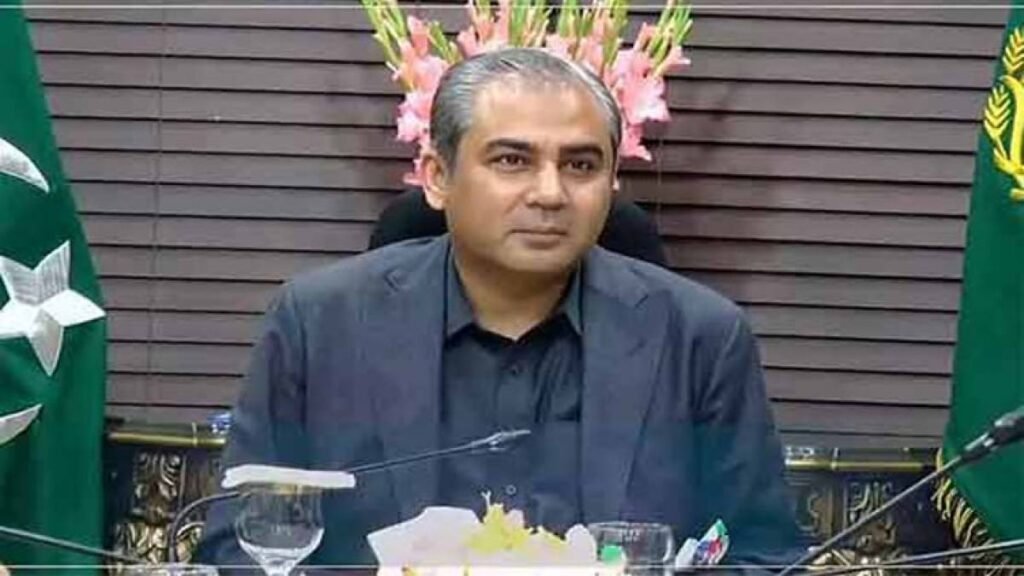
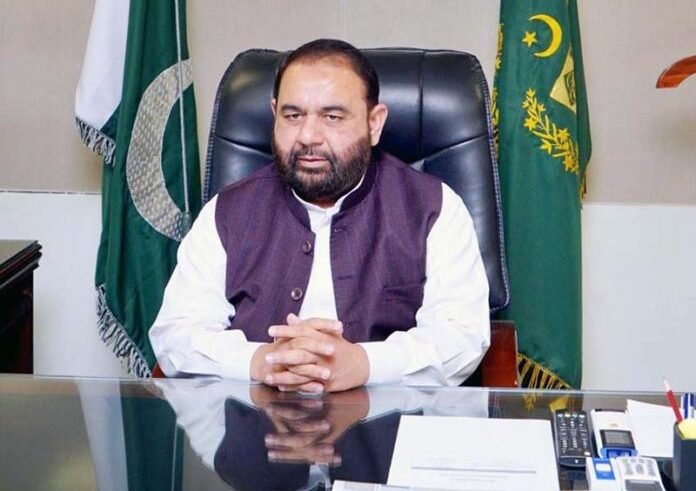
ISLAMABAD — Federal Interior Minister Mohsin Naqvi visited the residence of martyred Captain Hamza Akram on Sunday to express his condolences and solidarity with the family. The visit took place at the family’s home, where Naqvi met with Captain Akram’s father and brother, offering prayers and paying tribute to the young officer’s sacrifice. What Happened During his visit, Minister Naqvi offered Fateha, a prayer for the deceased, and prayed for the elevation of Captain Hamza Akram’s ranks in the afterlife. The minister acknowledged the profound loss suffered by the family and the nation, emphasizing the bravery and dedication shown by Captain Akram in the line of duty. “His sacrifice will never be forgotten, and it serves as a beacon of courage for all of us,” Naqvi stated. Captain Hamza Akram was martyred in an operation against militants, a testament to the ongoing challenges faced by Pakistan’s armed forces in maintaining national security. The minister’s visit underscores the government’s commitment to supporting the families of those who have given their lives in service to the country. The family of Captain Akram expressed gratitude for the minister’s visit, highlighting the importance of such gestures in these difficult times. Naqvi assured them of the government’s continued support, both emotionally and materially, to help them cope with their loss. Background Captain Hamza Akram was part of an elite unit engaged in counter-terrorism operations in Pakistan’s restive regions. His death is a reminder of the ongoing conflict and the sacrifices made by the armed forces to ensure peace and stability in the country. The military has been actively involved in operations against various militant groups, which have been a persistent threat to national security. Historically, Pakistan has faced numerous challenges from militant groups operating within its borders. The government’s response has involved a combination of military operations and strategic negotiations aimed at curbing the influence and activities of these groups. The sacrifices of soldiers like Captain Akram are pivotal in these efforts, serving as a testament to the dedication and resilience of Pakistan’s armed forces. Why It Matters The visit by Interior Minister Mohsin Naqvi to the family of Captain Hamza Akram highlights the government’s recognition of the sacrifices made by its military personnel. This gesture is significant in reinforcing the morale of the armed forces and their families, who often bear the brunt of the nation’s security challenges. Economically, the ongoing conflict has implications for Pakistan’s development, as resources are diverted to security operations. The loss of young, promising officers like Captain Akram also represents a loss of potential leadership within the military ranks, impacting the institution’s long-term capacity. Socially, the martyrdom of soldiers resonates deeply within communities, fostering a sense of unity and resilience among citizens. It also serves as a reminder of the personal costs of national security, prompting discussions on the need for comprehensive strategies to address the root causes of militancy. Internationally, Pakistan’s efforts in combating terrorism are closely watched by allies and neighboring countries. The sacrifices of its soldiers contribute to the global fight against terrorism, reinforcing Pakistan’s role as a key player in regional stability. Key Takeaways Interior Minister Mohsin Naqvi visited the family of martyred Captain Hamza Akram to offer condolences and support. Captain Akram was killed in an operation against militants, highlighting ongoing security challenges. The visit underscores the government’s commitment to supporting military families and recognizing their sacrifices. The martyrdom of soldiers like Captain Akram has significant social, economic, and international implications. Pakistan’s military sacrifices contribute to regional and global efforts in combating terrorism. Source Attribution This article is based on official government statements, press releases, and public communications from relevant authorities. Author: NEN Editorial Desk | Editor: NEN Newsroom | Fact Checked By: NEN Editorial Team Author: NEN Editorial Desk  |  Editor: NEN Newsroom  |  Last Updated: September 20, 2026  |  Source: NEN Reporter This article was produced by the NEN Editorial Desk in accordance with NEN Agency’s Editorial Policy and Fact-Checking Policy.
Punjab Secretary Reviews Municipal Services, Demands Accountability
Pakistan

Punjab Secretary Reviews Municipal Services, Demands Accountability

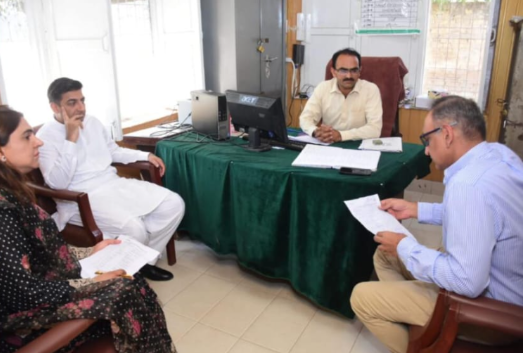
RAWALPINDI — Secretary of the Punjab Local Government and Community Development Department, Zaid Bin Maqsood, conducted unannounced inspections in Gujar Khan and Rawalpindi on Saturday, September 16, to evaluate municipal operations and service delivery. The inspections aimed to identify inefficiencies and enforce accountability among municipal staff. What Happened During his visit, Secretary Zaid Bin Maqsood, accompanied by Deputy Commissioner Rawalpindi Captain (Retd) Nadeem Nasir and Assistant Commissioner Gujar Khan, scrutinized various municipal functions. The inspections included an assessment of record management and the provision of civic services. The visit was part of a broader initiative to ensure that municipal operations align with the standards set by the Punjab Local Government and Community Development Department. The Secretary’s tour involved visits to several municipal offices and service delivery points. He interacted with staff and reviewed their performance in handling public services. According to official statements, Zaid Bin Maqsood expressed dissatisfaction with certain aspects of the operations, particularly in areas where negligence was evident. He instructed immediate corrective measures and emphasized the importance of maintaining transparency and efficiency in municipal services. “It is imperative that our municipal operations are conducted with the utmost diligence and responsibility. Any form of negligence will not be tolerated,” stated Zaid Bin Maqsood during the inspections. He further directed the local authorities to take disciplinary action against any staff found guilty of dereliction of duty. Background The Punjab Local Government and Community Development Department is responsible for overseeing municipal services across the province. This includes managing waste disposal, maintaining public infrastructure, and ensuring the availability of essential services to residents. The department has been under scrutiny for its performance, with several reports highlighting inefficiencies and corruption in various districts. In recent years, the Punjab government has initiated several reforms aimed at improving local governance and service delivery. These reforms include enhancing transparency, increasing accountability, and leveraging technology to streamline operations. The surprise inspections by the Secretary are part of ongoing efforts to reinforce these reforms and hold municipal bodies accountable for their performance. Why It Matters The Secretary’s inspections are significant as they underscore the government’s commitment to improving municipal services, which directly impact the daily lives of citizens. Efficient municipal operations are crucial for maintaining public health, safety, and overall quality of life. Issues such as poor waste management, inadequate infrastructure maintenance, and inefficient service delivery can lead to severe public dissatisfaction and health hazards. By demanding accountability and enforcing corrective measures, the Punjab Local Government aims to ensure that municipal bodies meet their obligations to the public. This move is expected to enhance trust in local governance and improve the living conditions in urban and rural areas alike. Furthermore, it sets a precedent for other districts to follow, potentially leading to widespread improvements in municipal service delivery across Punjab. On a broader scale, these efforts align with Pakistan’s national agenda of improving governance and public sector efficiency. By addressing local issues and promoting transparency, the government can foster a more conducive environment for economic growth and social development. Key Takeaways Secretary Zaid Bin Maqsood conducted surprise inspections in Gujar Khan and Rawalpindi to assess municipal operations. The inspections revealed areas of negligence, prompting calls for immediate corrective action and accountability. The Punjab Local Government Department is focused on improving transparency and efficiency in municipal services. Effective municipal operations are vital for public health, safety, and quality of life. These inspections are part of broader reforms to enhance local governance in Punjab. Source Attribution This article is based on official government statements, press releases, and public communications from relevant authorities. Author: NEN Editorial Desk | Editor: NEN Newsroom | Fact Checked By: NEN Editorial Team Author: NEN Editorial Desk  |  Editor: NEN Newsroom  |  Last Updated: September 20, 2026  |  Source: NEN Reporter This article was produced by the NEN Editorial Desk in accordance with NEN Agency’s Editorial Policy and Fact-Checking Policy.
Federal Minister Khichi Explores Heritage at Quaid-e-Azam Academy
Pakistan

Federal Minister Khichi Explores Heritage at Quaid-e-Azam Academy

KARACHI — Federal Minister for National Heritage and Culture, Aurangzeb Khan Khichi, visited the Quaid-e-Azam Academy in Karachi on September 19. Accompanied by Abdul Aleem Sheikh, Resident Engineer of the Quaid-e-Azam Mazar Management Board, the visit aimed to assess the preservation efforts and ongoing projects at the historic site. What Happened During his visit, Federal Minister Khichi was warmly received by Zahid Hussain Abro, an official at the academy. The minister toured the facility to inspect the current state of preservation and to discuss future initiatives aimed at enhancing the academy’s role in promoting Pakistan’s cultural heritage. The Quaid-e-Azam Academy, dedicated to the memory of Pakistan’s founding father, Muhammad Ali Jinnah, serves as a significant cultural and educational institution in the country. Minister Khichi emphasized the importance of maintaining the academy as a center for learning and cultural exchange. “Our heritage sites are invaluable, and it is our duty to ensure they are preserved for future generations,” he stated. The minister also reviewed the ongoing projects at the academy, which include digital archiving of historical documents and upgrading the facilities to accommodate more visitors and researchers. The visit also included discussions on potential collaborations with international cultural organizations to further enhance the academy’s resources and outreach. The minister expressed his commitment to securing additional funding to support these initiatives, highlighting the government’s dedication to preserving Pakistan’s rich cultural history. Background The Quaid-e-Azam Academy was established to honor Muhammad Ali Jinnah, the founder of Pakistan, and to promote research and education related to his life and work. It is located near the Quaid-e-Azam Mazar, the mausoleum where Jinnah is buried, which is a prominent landmark in Karachi. The academy plays a pivotal role in preserving the legacy of Jinnah and serves as a repository of historical documents, photographs, and artifacts related to Pakistan’s independence movement. In recent years, the academy has undertaken several projects to digitize its collections and make them accessible to a global audience. These efforts are part of a broader initiative by the Ministry of National Heritage and Culture to modernize cultural institutions across Pakistan and to encourage scholarly research on the country’s history and heritage. Why It Matters The visit by Federal Minister Khichi underscores the government’s commitment to preserving Pakistan’s cultural heritage at a time when historical sites face challenges from urban development and environmental factors. The Quaid-e-Azam Academy, being a custodian of Jinnah’s legacy, holds significant educational and symbolic value for the nation. By focusing on digital archiving and international collaborations, the academy can enhance its role as a center for historical research and cultural exchange. This not only benefits academic scholars but also fosters a deeper understanding of Pakistan’s history among the general public. The potential increase in funding and resources could lead to improved facilities and expanded programs, attracting more visitors and researchers, both domestically and internationally. Furthermore, preserving the Quaid-e-Azam Academy aligns with Pakistan’s broader cultural policy objectives, which aim to safeguard the nation’s diverse heritage and promote cultural tourism. Such initiatives can have a positive economic impact by boosting tourism and creating opportunities for cultural diplomacy. Key Takeaways Federal Minister Aurangzeb Khichi visited the Quaid-e-Azam Academy in Karachi to assess preservation efforts. The visit highlighted ongoing projects, including digital archiving and facility upgrades. The academy plays a crucial role in preserving the legacy of Muhammad Ali Jinnah. Government initiatives aim to enhance cultural institutions and promote historical research. Preservation efforts have potential economic and educational benefits for Pakistan. Source Attribution This article is based on official government statements, press releases, and public communications from relevant authorities. Author: NEN Editorial Desk | Editor: NEN Newsroom | Fact Checked By: NEN Editorial Team Author: NEN Editorial Desk  |  Editor: NEN Newsroom  |  Last Updated: September 20, 2026  |  Source: Press Release from Government of Pakistan This article was produced by the NEN Editorial Desk in accordance with NEN Agency’s Editorial Policy and Fact-Checking Policy.
Islamabad Authorities Conduct Comprehensive Security Review
Pakistan

Islamabad Authorities Conduct Comprehensive Security Review

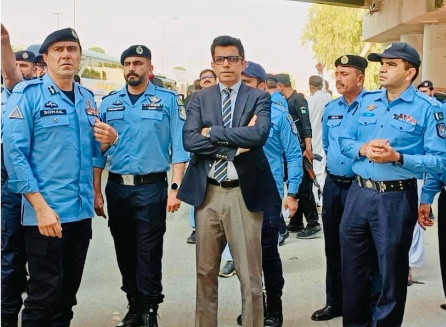
ISLAMABAD — On September 19, Islamabad’s Chief Commissioner and Inspector General of Police (IGP) conducted a thorough review of the security and law and order arrangements throughout the capital. The review focused on major entry and exit points and other critical locations. This initiative is part of ongoing efforts to ensure the safety and security of residents and visitors in Islamabad. What Happened The Chief Commissioner of Islamabad and the Inspector General of Police led a team that included the Deputy Commissioner and Additional Deputy Commissioner (General) to inspect various strategic points across the city. The inspection aimed to assess the deployment of police personnel, evaluate traffic management systems, and ensure that security protocols are effectively implemented. During the review, officials visited key entry and exit points, which are crucial for monitoring and controlling the flow of people and vehicles into the city. They also inspected other important locations to ensure that security measures are robust and capable of responding to potential threats. The inspections are part of a broader strategy to enhance the capital’s security infrastructure in light of evolving challenges. According to the officials, the review was necessary to identify any gaps in the current security arrangements and to make necessary adjustments. The Chief Commissioner emphasized the importance of maintaining a high level of vigilance and preparedness, particularly in areas with high foot traffic and significant public interest. Background Islamabad, as the capital city of Pakistan, holds significant political and administrative importance. Over the years, the city has faced various security challenges, prompting authorities to continuously update and strengthen security measures. The city’s security framework involves coordination between multiple agencies, including the police, intelligence services, and local administration. Historically, Islamabad has been a target for various security threats, necessitating a comprehensive approach to law enforcement and public safety. The government has implemented several initiatives to bolster security, including the installation of surveillance cameras, increased police presence, and community policing efforts. Why It Matters The security review in Islamabad is critical for several reasons. Firstly, it underscores the government’s commitment to ensuring the safety of its citizens and maintaining public order. Given Islamabad’s status as the seat of government, maintaining a secure environment is essential for the functioning of national institutions and the protection of foreign dignitaries and diplomatic missions. Economically, a secure Islamabad is vital for attracting investment and fostering economic growth. Security concerns can deter investors and affect the city’s reputation as a stable and safe destination for business and tourism. By proactively addressing security challenges, the authorities aim to create a conducive environment for economic activities. Socially, the safety of residents is paramount. The review and subsequent improvements in security measures are likely to enhance public confidence in law enforcement agencies. This, in turn, can lead to better cooperation between the public and security forces, which is crucial for effective crime prevention and community safety. Internationally, Islamabad’s security situation is closely monitored by foreign governments and international organizations. A stable security environment in the capital can positively influence Pakistan’s international relations and its image on the global stage. Key Takeaways Islamabad’s Chief Commissioner and IGP conducted a security review on September 19. The review focused on major entry and exit points and critical locations across the city. Officials assessed police deployment and traffic management to enhance security measures. The initiative aims to address potential security gaps and improve public safety. A secure Islamabad is crucial for economic growth, public confidence, and international relations. Source Attribution This article is based on official government statements, press releases, and public communications from relevant authorities. Author: NEN Editorial Desk | Editor: NEN Newsroom | Fact Checked By: NEN Editorial Team Author: NEN Editorial Desk  |  Editor: NEN Newsroom  |  Last Updated: September 20, 2026  |  Source: NEN Reporter This article was produced by the NEN Editorial Desk in accordance with NEN Agency’s Editorial Policy and Fact-Checking Policy.

Senate Chairman Highlights Broader Impact of Pakistan’s Automotive Industry
Pakistan

Senate Chairman Highlights Broader Impact of Pakistan’s Automotive Industry

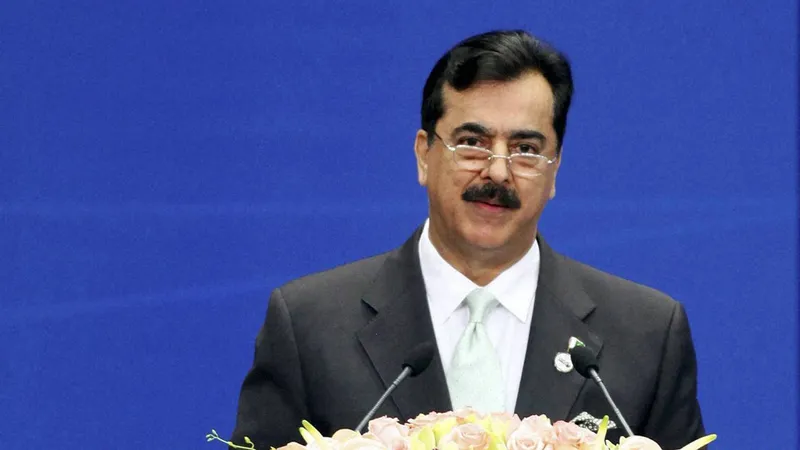
LAHORE — Senate Chairman Syed Yousaf Raza Gilani emphasized the extensive contributions of Pakistan’s automotive industry beyond mere vehicle production during his address at the Pakistan International Auto Show Gala Dinner on September 19. He highlighted the sector’s role in fostering employment, advancing engineering capabilities, facilitating technology transfer, and supporting a network of domestic suppliers. What Happened During the Pakistan International Auto Show Gala Dinner, Senate Chairman Syed Yousaf Raza Gilani underscored the multifaceted impact of the automotive industry on Pakistan’s economy. He noted that the industry not only produces vehicles but also plays a crucial role in creating job opportunities and enhancing the country’s engineering and technological landscape. Gilani remarked, “A strong automotive industry contributes far beyond vehicle production, as it supports employment, engineering capabilities, technology transfer, localisation, and a wider network of domestic suppliers.” The event, organized by the Pakistan Association of Automotive Parts and Accessories Manufacturers (PAAPAM), served as a platform for industry leaders to discuss the current state and future prospects of the automotive sector in Pakistan. Gilani’s remarks were met with agreement from industry stakeholders who recognize the sector’s potential to drive economic growth and innovation. In his speech, Gilani also highlighted the importance of localisation in the automotive industry. He pointed out that increased localisation efforts could lead to a reduction in the cost of production, making vehicles more affordable for the average consumer. This, in turn, could stimulate demand and further boost the sector’s growth. Background The automotive industry in Pakistan has been a significant contributor to the country’s economy, providing employment to thousands and contributing to the GDP. Historically, the sector has faced challenges such as regulatory hurdles, inconsistent policies, and a lack of infrastructure. However, recent government initiatives aimed at promoting local manufacturing and reducing import dependency have started to bear fruit. The Pakistan Auto Policy 2016-2021 was a landmark initiative aimed at revitalizing the sector by offering incentives for new entrants and encouraging existing manufacturers to enhance their production capabilities. This policy has led to increased investment in the sector and the introduction of new models tailored to local consumer needs. Why It Matters The automotive industry’s broader impact on Pakistan’s economy cannot be overstated. By supporting employment, the sector helps alleviate the country’s unemployment challenges, providing jobs not only in manufacturing but also in ancillary industries such as parts suppliers and service providers. This has a multiplier effect, boosting economic activity and consumer spending. Moreover, the industry’s focus on engineering capabilities and technology transfer is crucial for Pakistan’s technological advancement. By fostering a skilled workforce and encouraging innovation, the automotive sector can help position Pakistan as a competitive player in the global market. The emphasis on localisation also aligns with the government’s vision of reducing import dependency, thereby improving the trade balance and strengthening the local currency. Politically, a robust automotive industry can serve as a testament to successful industrial policy, potentially attracting further foreign direct investment. Internationally, a thriving automotive sector could enhance Pakistan’s reputation as a viable destination for manufacturing and technology development. Key Takeaways Senate Chairman Syed Yousaf Raza Gilani emphasized the automotive industry’s role beyond vehicle production. The sector supports employment, engineering capabilities, and technology transfer. Localisation efforts could reduce production costs and make vehicles more affordable. The Pakistan Auto Policy 2016-2021 has revitalized the sector, encouraging investment and innovation. A strong automotive industry can boost economic growth and improve Pakistan’s global competitiveness. Source Attribution The article is based on official government statements, press releases, and public communications from relevant authorities. Author: NEN Editorial Desk | Editor: NEN Newsroom | Fact Checked By: NEN Editorial Team Author: NEN Editorial Desk  |  Editor: NEN Newsroom  |  Last Updated: September 20, 2026  |  Source: NEN Reporter This article was produced by the NEN Editorial Desk in accordance with NEN Agency’s Editorial Policy and Fact-Checking Policy.

Exports Central to Pakistan’s Long-Term Economic Strategy, Says ICCI President
Pakistan

Exports Central to Pakistan’s Long-Term Economic Strategy, Says ICCI President

ISLAMABAD — The President of the Islamabad Chamber of Commerce and Industry (ICCI), Sardar Tahir Mehmood, emphasized the need for a comprehensive and long-term economic strategy centered on exports to ensure sustainable growth in Pakistan. Speaking on Friday, Mehmood highlighted that fragmented and short-term policies are no longer viable for the country’s economic future. What Happened Sardar Tahir Mehmood, addressing members of the ICCI, called for a strategic shift in Pakistan’s economic policy framework. He stressed the importance of a well-defined roadmap that prioritizes exports as a core component of the nation’s economic strategy. “Pakistan needs continuity, policy consistency, and a shared national economic vision,” Mehmood stated, emphasizing the necessity for a unified approach to economic planning. Mehmood pointed out that the current economic challenges facing Pakistan require a concerted effort from both the government and the private sector. He argued that without a focus on exports, Pakistan would struggle to achieve the economic stability and growth needed to improve the living standards of its citizens. The ICCI President also called for reforms that would enhance the competitiveness of Pakistani products in international markets. During his address, Mehmood highlighted several key areas that need immediate attention, including the diversification of export products, improving the ease of doing business, and enhancing trade facilitation measures. He also urged the government to engage in policy dialogues with stakeholders to create an environment conducive to export-led growth. Background Pakistan’s economy has historically been challenged by a lack of diversification and reliance on a narrow range of export products, primarily textiles and agricultural goods. Over the years, inconsistent policies and political instability have hindered the development of a robust export sector. Previous attempts to boost exports have often been short-lived due to policy reversals and lack of follow-through. The country has faced significant economic challenges, including a growing trade deficit, inflation, and a depreciating currency. These issues have been exacerbated by global economic conditions and domestic structural weaknesses. In recent years, there has been a push from various economic bodies and experts to reorient the economic strategy towards sustainable growth through exports. Why It Matters The emphasis on exports is critical for Pakistan as it seeks to stabilize its economy and reduce its trade deficit. By focusing on exports, Pakistan can generate foreign exchange reserves, which are vital for maintaining economic stability and funding essential imports. A robust export sector can also lead to job creation, technological advancement, and increased competitiveness in global markets. In the broader context, a shift towards an export-oriented economic strategy aligns with global economic trends where countries are increasingly focusing on trade to drive growth. For Pakistan, this means not only expanding its traditional export sectors but also developing new ones, such as information technology and services, which have significant growth potential. Furthermore, by adopting a long-term and consistent economic policy framework, Pakistan can attract foreign investment, which is crucial for industrial growth and infrastructure development. This approach can help mitigate the impacts of global economic fluctuations and provide a stable environment for businesses to thrive. Key Takeaways Sardar Tahir Mehmood, ICCI President, calls for a long-term economic strategy focused on exports. Mehmood emphasizes the need for policy consistency and a shared national economic vision. Current economic challenges necessitate a shift from fragmented, short-term policies. Pakistan’s export diversification and competitiveness are crucial for economic stability. A robust export strategy can lead to job creation and attract foreign investment. Source Attribution This article is based on official statements and public communications from the Islamabad Chamber of Commerce and Industry. Author: NEN Editorial Desk | Editor: NEN Newsroom | Fact Checked By: NEN Editorial Team Author: NEN Editorial Desk  |  Editor: NEN Newsroom  |  Last Updated: September 19, 2026  |  Source: NEN Reporter This article was produced by the NEN Editorial Desk in accordance with NEN Agency’s Editorial Policy and Fact-Checking Policy.
PSX Surges With 1,841-Point Gain Amid Positive Market Sentiment
Pakistan

PSX Surges With 1,841-Point Gain Amid Positive Market Sentiment

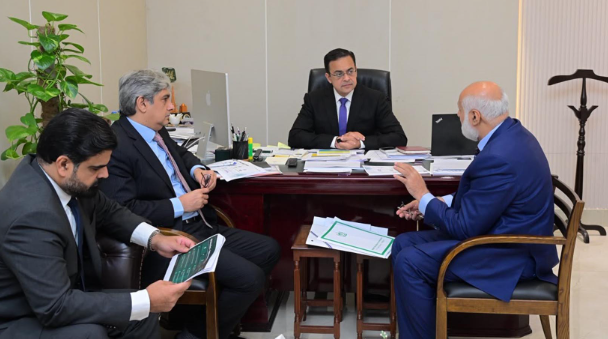
ISLAMABAD — The Pakistan Stock Exchange (PSX) experienced a significant upswing on Friday, with the benchmark KSE-100 Index climbing by 1,841.39 points, marking a 1.09 percent increase. The index closed at 170,884.59 points, up from the previous session’s 169,043.20 points. What Happened The PSX witnessed a bullish trend, driven by investor optimism and increased trading activity. The trading volume soared to 576.258 million shares, a substantial rise from the 386.368 million shares recorded in the prior session. This surge in trading volume indicates heightened investor interest and confidence in the market’s potential for growth. Market analysts attribute this positive momentum to several factors, including favorable economic indicators and improved investor sentiment. The recent stability in the Pakistani rupee against the US dollar and encouraging economic data have bolstered market confidence. Additionally, the government’s efforts to attract foreign investment and stimulate economic growth have played a crucial role in boosting investor morale. A senior market analyst commented, “The recent rally in the PSX is a reflection of the improving economic landscape in Pakistan. Investors are responding positively to the government’s economic policies, which are aimed at fostering growth and stability.” The sectors that saw significant gains included banking, cement, and technology. These sectors have been beneficiaries of recent policy measures and are expected to continue their upward trajectory. The banking sector, in particular, has shown resilience, supported by improved profitability and a stable interest rate environment. Background The Pakistan Stock Exchange has experienced volatility in recent months, influenced by both domestic and international factors. The economic challenges posed by the COVID-19 pandemic, coupled with geopolitical tensions, have contributed to fluctuations in the market. However, recent policy interventions by the government and the State Bank of Pakistan have aimed to stabilize the economy and restore investor confidence. Historically, the PSX has been a barometer of the country’s economic health, reflecting both the challenges and opportunities facing Pakistan. The government’s focus on economic reforms, infrastructure development, and investment in key sectors has been pivotal in shaping market trends. Why It Matters The recent surge in the PSX is significant for several reasons. Firstly, it reflects a renewed sense of optimism among investors, which is crucial for sustaining economic growth. A robust stock market can attract both domestic and foreign investment, providing much-needed capital for businesses and contributing to job creation. Secondly, the performance of the PSX serves as an indicator of the broader economic environment. A rising stock market often signals confidence in the government’s economic policies and the country’s growth prospects. This can have a positive impact on consumer confidence and spending, further stimulating economic activity. Moreover, the PSX’s performance has implications for Pakistan’s international standing. A strong stock market can enhance the country’s attractiveness as an investment destination, encouraging foreign investors to explore opportunities in various sectors. This can lead to increased foreign direct investment, which is vital for economic development and infrastructure projects. Finally, the gains in the PSX highlight the resilience of the Pakistani economy in the face of challenges. Despite global economic uncertainties, the market’s positive trajectory underscores the potential for recovery and growth. Key Takeaways The PSX KSE-100 Index surged by 1,841.39 points, closing at 170,884.59 points. Trading volume increased significantly to 576.258 million shares. Investor optimism is driven by favorable economic indicators and government policies. Key sectors showing gains include banking, cement, and technology. The PSX’s performance reflects broader economic confidence and potential for growth. Source Attribution This article is based on official government statements, press releases, and public communications from relevant authorities. Author: NEN Editorial Desk | Editor: NEN Newsroom | Fact Checked By: NEN Editorial Team Author: NEN Editorial Desk  |  Editor: NEN Newsroom  |  Last Updated: September 19, 2026  |  Source: NEN Reporter This article was produced by the NEN Editorial Desk in accordance with NEN Agency’s Editorial Policy and Fact-Checking Policy.

Government Initiates Steps to Enhance IT Education Standards
World

Government Initiates Steps to Enhance IT Education Standards

ISLAMABAD — The Pakistani government is taking significant measures to enhance the standards of IT education across the country. On Saturday, Federal Minister for Economic Affairs and Establishment Senator Ahad Cheema emphasized the need for a robust framework to address the issue of unaccredited IT institutions. This initiative aims to protect students from enrolling in unrecognized programs and to ensure that IT graduates possess skills that are competitive on an international level. What Happened During a high-level meeting held to review the current IT skills assessment framework, Senator Ahad Cheema highlighted the urgent need to establish a comprehensive mechanism that would oversee the accreditation of IT institutions. The meeting, attended by key stakeholders from the education and IT sectors, focused on developing strategies to improve the quality of IT education in Pakistan. Senator Cheema stated, “It is imperative that we protect our students from unaccredited institutions and ensure that our IT graduates are equipped with skills that meet global standards.” The minister stressed the importance of collaboration between government bodies, educational institutions, and industry leaders to create a cohesive strategy that would enhance the quality of IT education. The meeting concluded with a consensus on the need for a standardized accreditation process for IT institutions. This process would involve regular assessments and evaluations to ensure compliance with international educational standards. The government also plans to introduce policies that would encourage IT institutions to upgrade their curricula and faculty to align with global trends. Background The move to strengthen IT education standards comes in response to growing concerns about the proliferation of unaccredited IT institutions in Pakistan. Over the past decade, the demand for IT education has surged, leading to the establishment of numerous private institutions. However, many of these institutions lack proper accreditation, resulting in a disparity in the quality of education provided. Historically, Pakistan’s IT sector has been a significant contributor to the national economy, with IT exports reaching over $2 billion annually. Despite this growth, the sector faces challenges related to the quality of education and the employability of graduates. Previous efforts to address these issues have included initiatives to promote digital literacy and enhance vocational training programs. Why It Matters Improving IT education standards is crucial for Pakistan’s economic and technological advancement. The IT sector is a vital component of the country’s economy, and enhancing the quality of education will directly impact the industry’s growth and competitiveness on a global scale. By ensuring that IT graduates possess internationally competitive skills, Pakistan can strengthen its position in the global IT market. This move is expected to increase the employability of graduates, reduce the skills gap, and attract foreign investment in the IT sector. Additionally, it will help in building a skilled workforce capable of driving innovation and technological development within the country. The initiative also holds social significance, as it aims to protect students from investing time and resources in unrecognized programs. By establishing a transparent accreditation process, the government seeks to ensure that students receive quality education that meets international standards, ultimately contributing to their career success and personal development. Key Takeaways The government is implementing measures to enhance IT education standards in Pakistan. A comprehensive framework will address the issue of unaccredited IT institutions. Senator Ahad Cheema emphasized the need for international competitiveness in IT skills. The initiative aims to improve the employability of IT graduates and attract foreign investment. Ensuring quality education will protect students from enrolling in unrecognized programs. Source Attribution This article is based on official government statements, press releases, and public communications from relevant authorities. Author: NEN Editorial Desk | Editor: NEN Newsroom | Fact Checked By: NEN Editorial Team Author: NEN Editorial Desk  |  Editor: NEN Newsroom  |  Last Updated: September 19, 2026  |  Source: NEN Reporter This article was produced by the NEN Editorial Desk in accordance with NEN Agency’s Editorial Policy and Fact-Checking Policy.

Son Vows to Honor Martyred SP Akbar Shinwari Through Education
Pakistan

Son Vows to Honor Martyred SP Akbar Shinwari Through Education

TAKHTBHAI — In a poignant moment following the funeral of Shaheed Superintendent of Police (SP) Akbar Khan Shinwari, his young son stood solemnly by the grave, saluting his father and pledging to honor his legacy through dedication to education. The emotional scene unfolded on September 19, as family, friends, and colleagues gathered to pay their respects to the fallen officer. What Happened SP Akbar Khan Shinwari, a respected and dedicated police officer, was laid to rest in his hometown of Takhtbhai. His untimely demise has left a void in his family and the law enforcement community. As mourners gathered around the gravesite, the young son of the martyred officer stood out with a simple yet profound gesture—a salute to his father, followed by a heartfelt vow to pursue education as a means to honor his father’s memory. The funeral was attended by a large number of people, including senior police officials, local dignitaries, and community members, all of whom came to pay their last respects to the officer who had served with distinction. The atmosphere was heavy with grief, yet the resolve of SP Shinwari’s son brought a sense of hope and determination to those present. Speaking to the media, a family member expressed the collective sentiment, stating, “He was not just a father to his children, but a father figure to many in the community. His dedication to his duty was unparalleled.” The young boy’s commitment to education is seen as a continuation of his father’s legacy of service and dedication. Background SP Akbar Khan Shinwari was known for his unwavering commitment to maintaining law and order in the region. His career in the police force was marked by numerous achievements and commendations for his bravery and leadership. Tragically, SP Shinwari lost his life in the line of duty, a stark reminder of the risks faced by law enforcement officers in Pakistan. In recent years, Pakistan has seen a series of attacks targeting police and security personnel, underscoring the dangers inherent in their roles. The sacrifices made by officers like SP Shinwari highlight the ongoing challenges in ensuring security and stability in the country. Why It Matters The vow made by SP Shinwari’s son is significant not only as a personal tribute but also as a symbol of resilience and hope for the future. In a country where education is often seen as a pathway to empowerment and progress, the young boy’s commitment underscores the importance of education in overcoming adversity and honoring the sacrifices of those who serve. SP Shinwari’s death is a reminder of the sacrifices made by law enforcement personnel and the impact of their loss on families and communities. The incident highlights the need for continued support for the families of fallen officers and the importance of providing educational opportunities to their children. Moreover, the gesture by SP Shinwari’s son resonates with broader societal themes of resilience and the pursuit of knowledge as a means to effect positive change. It serves as an inspiration to many young Pakistanis who face challenges in their own lives, encouraging them to persevere and strive for a better future. Key Takeaways SP Akbar Khan Shinwari was laid to rest in Takhtbhai, with his son vowing to honor his legacy through education. The funeral was attended by family, friends, and colleagues, highlighting the officer’s impact on the community. SP Shinwari’s career was marked by dedication and bravery, underscoring the risks faced by law enforcement in Pakistan. The son’s pledge symbolizes resilience and the importance of education as a pathway to empowerment. The incident highlights the need for support for families of fallen officers and educational opportunities for their children. Source Attribution This article is based on official government statements, press releases, and public communications from relevant authorities. Author: NEN Editorial Desk | Editor: NEN Newsroom | Fact Checked By: NEN Editorial Team Author: NEN Editorial Desk  |  Editor: NEN Newsroom  |  Last Updated: September 19, 2026  |  Source: NEN Reporter This article was produced by the NEN Editorial Desk in accordance with NEN Agency’s Editorial Policy and Fact-Checking Policy.

Scroll to Top