
Author name: Yasir Zubairi

Yasir Zubairi is the founder and publisher of NEN Agency (News Era Network). He leads NEN's coverage of Pakistan's national affairs, economy, foreign relations and sports, and is responsible for the accuracy and standards of every story published on nenagency.com.

Information Ministry Denounces Kohat Terrorist Attack, Urges Afghan Action
Pakistan

Information Ministry Denounces Kohat Terrorist Attack, Urges Afghan Action

ISLAMABAD — The Ministry of Information and Broadcasting has issued a strong condemnation of the recent terrorist attack targeting civilians and police personnel during Friday prayers at the old Kohat Police Lines. The ministry has called on Afghan Taliban authorities to implement concrete and verifiable measures to dismantle militant networks operating from Afghan territory. What Happened The attack occurred on Friday at the old Kohat Police Lines, where both civilians and police personnel had gathered for Friday prayers. The Ministry of Information and Broadcasting released a statement on Saturday, expressing its deep concern and condemnation of the attack. The statement emphasized the need for immediate action by Afghan authorities to address the presence of militant networks within their borders that pose a threat to Pakistan’s security. According to the ministry, the attack underscores the persistent threat posed by terrorist groups operating from Afghan soil. The ministry’s statement highlighted the importance of regional cooperation in combating terrorism, stressing that Pakistan has consistently advocated for peace and stability in the region. The ministry further urged the Afghan Taliban to fulfill their commitments under international agreements to prevent their territory from being used as a launching pad for terrorist activities against neighboring countries. The statement reiterated Pakistan’s resolve to continue its fight against terrorism and called for a collaborative approach to eliminate the menace from the region. Background Pakistan has been grappling with terrorism for several decades, with various militant groups targeting civilians, security forces, and infrastructure. The situation has been exacerbated by the complex geopolitical dynamics in the region, particularly concerning Afghanistan. Since the U.S. withdrawal from Afghanistan in 2021 and the subsequent takeover by the Taliban, there have been growing concerns about the resurgence of militant activities along the Pakistan-Afghanistan border. Pakistan has repeatedly called on the Afghan government to take decisive action against terrorist groups that exploit Afghan territory to launch attacks against Pakistan. Historically, Pakistan has been a victim of terrorism, with numerous attacks carried out by groups such as the Tehrik-i-Taliban Pakistan (TTP) and its affiliates. The government has implemented various military and counter-terrorism operations to curb the threat, but cross-border terrorism remains a significant challenge. Why It Matters The attack in Kohat is a stark reminder of the persistent threat posed by terrorism in Pakistan, particularly from groups operating across the border in Afghanistan. The incident highlights the urgent need for effective cross-border cooperation to address the root causes of terrorism and prevent future attacks. Economically, terrorism has had a detrimental impact on Pakistan, affecting foreign investment, tourism, and overall economic stability. The continued threat of terrorism can undermine investor confidence and hinder economic growth, making it imperative for the government to ensure security and stability. Socially, terrorist attacks have a profound impact on communities, instilling fear and disrupting daily life. The attack in Kohat, targeting individuals during a religious gathering, underscores the indiscriminate nature of terrorism and the need for robust security measures to protect citizens. Politically, the attack places pressure on the Pakistani government to strengthen its counter-terrorism efforts and engage with Afghan authorities to ensure that their territory is not used for hostile activities. The incident also serves as a test of the Afghan Taliban’s commitment to international agreements and their ability to control militant activities within their borders. Key Takeaways The Ministry of Information and Broadcasting condemned the terrorist attack in Kohat, urging Afghan action against militant networks. The attack targeted civilians and police during Friday prayers, highlighting the ongoing threat of terrorism in Pakistan. Pakistan has called for regional cooperation to combat terrorism and stressed the importance of Afghan commitments to prevent cross-border militancy. The attack has significant economic, social, and political implications, affecting investor confidence, community safety, and regional stability. The incident tests the Afghan Taliban’s ability to control militant activities and fulfill international obligations. Source Attribution This article is based on official government statements, press releases, and public communications from relevant authorities. Author: NEN Editorial Desk | Editor: NEN Newsroom | Fact Checked By: NEN Editorial Team Author: NEN Editorial Desk  |  Editor: NEN Newsroom  |  Last Updated: September 19, 2026  |  Source: Press Release from Government of Pakistan This article was produced by the NEN Editorial Desk in accordance with NEN Agency’s Editorial Policy and Fact-Checking Policy.
Education Minister Siddiqui Honored at IOD Students’ Departure Ceremony to China
World

Education Minister Siddiqui Honored at IOD Students’ Departure Ceremony to China

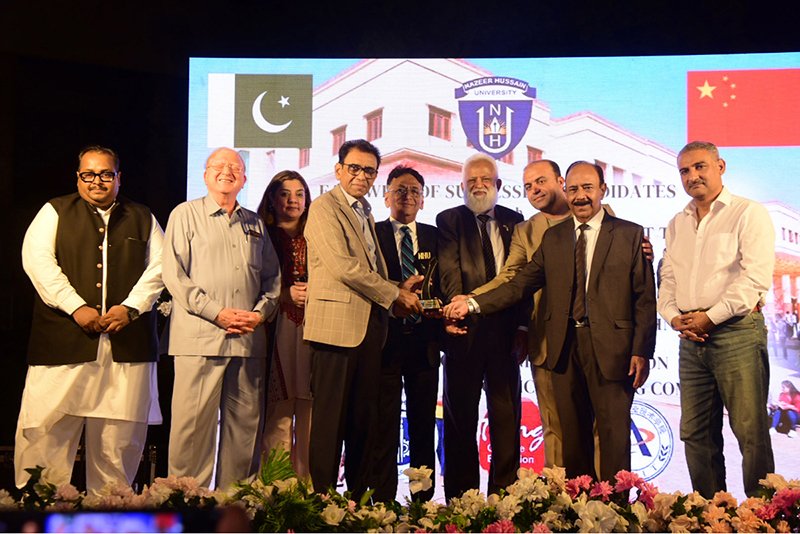
ISLAMABAD — Federal Minister for Education and Professional Training Dr Khalid Maqbool Siddiqui was honored with a commemorative shield during a ceremony held to mark the departure of the first batch of students enrolled in the Institute of Diplomacy’s (IOD) diploma program to China. The event took place on Tuesday, highlighting the collaborative educational exchange between Pakistan and China aimed at enhancing professional skills and diplomatic expertise among students. What Happened The ceremony, which took place in Islamabad, was attended by educators, government officials, and the students who are set to travel to China. Dr Khalid Maqbool Siddiqui expressed his appreciation for the initiative, emphasizing the importance of international educational exchanges in fostering mutual understanding and cooperation between nations. The students, selected for their academic excellence and potential to contribute to Pakistan’s diplomatic efforts, will undertake a specialized diploma program in China designed to equip them with advanced skills in diplomacy and international relations. Dr Siddiqui, while receiving the shield, remarked, “This program is a testament to the strong ties between Pakistan and China and reflects our shared commitment to educational excellence and professional development.” The minister highlighted the role of such programs in preparing the next generation of diplomats and professionals who can effectively represent Pakistan on the global stage. The IOD diploma program is part of a broader initiative to enhance educational collaboration between Pakistan and China. The students will engage in a curriculum that includes lectures, workshops, and practical training sessions conducted by experts in the field. This initiative is expected to not only boost the students’ academic credentials but also provide them with firsthand experience in international diplomacy. Background The educational exchange program between Pakistan and China has been a cornerstone of bilateral relations, with both countries emphasizing the importance of people-to-people contacts. Historically, such programs have played a crucial role in strengthening diplomatic ties and fostering cultural understanding. The IOD, established to promote education in diplomacy and international relations, has been instrumental in facilitating these exchanges. China has been a key partner in Pakistan’s educational sector, offering numerous scholarships and training programs for Pakistani students. This partnership is part of the broader China-Pakistan Economic Corridor (CPEC) framework, which includes various cultural and educational initiatives. The departure of the IOD students marks a continuation of this tradition, with the aim of preparing skilled professionals who can contribute to both countries’ development. Why It Matters The departure of the IOD diploma students to China is significant for several reasons. Economically, it represents an investment in human capital, which is crucial for Pakistan’s development. By equipping students with advanced skills in diplomacy and international relations, the program enhances Pakistan’s capacity to engage effectively in global affairs. Socially, the program fosters cross-cultural understanding and collaboration, which are essential in today’s interconnected world. The students’ exposure to China’s educational system and diplomatic practices will enrich their perspectives and enable them to bring back valuable insights to Pakistan. Politically, this initiative strengthens the strategic partnership between Pakistan and China. As both countries navigate complex global challenges, such educational exchanges contribute to building a cadre of professionals who are well-versed in the intricacies of international diplomacy and can support national interests effectively. Key Takeaways Dr Khalid Maqbool Siddiqui received a shield at the IOD diploma students’ departure ceremony to China. The program is part of an educational exchange aimed at enhancing diplomatic skills. Students will participate in a specialized curriculum in China focusing on diplomacy and international relations. The initiative strengthens Pakistan-China educational collaboration under the CPEC framework. The program is expected to boost Pakistan’s human capital and diplomatic capacity. Source Attribution This article is based on official government statements, press releases, and public communications from relevant authorities. Author: NEN Editorial Desk | Editor: NEN Newsroom | Fact Checked By: NEN Editorial Team Author: NEN Editorial Desk  |  Editor: NEN Newsroom  |  Last Updated: September 19, 2026  |  Source: Press Release from Government of Pakistan This article was produced by the NEN Editorial Desk in accordance with NEN Agency’s Editorial Policy and Fact-Checking Policy.

SECP Resolves 98% Adjudication Cases, Levies Rs 4.73 Billion in Fines
Pakistan

SECP Resolves 98% Adjudication Cases, Levies Rs 4.73 Billion in Fines

ISLAMABAD — The Securities and Exchange Commission of Pakistan (SECP) has successfully resolved 98% of its adjudication caseload, concluding 573 cases and imposing penalties totaling over Rs 4.73 billion. These actions were taken against violations of the Companies Act and other relevant legislation. What Happened The SECP’s recent efforts have resulted in the disposal of nearly all pending adjudication cases, a significant achievement in regulatory enforcement. Under the leadership of SECP Chairman Dr. Kabir Ahmed Sidhu, the commission has intensified its focus on compliance and enforcement, ensuring that corporate entities adhere to the legal framework governing their operations. In the past year, the SECP has processed a substantial number of cases, addressing issues related to corporate governance, financial reporting, and compliance with statutory obligations. The commission’s actions have not only led to the imposition of hefty fines but also reinforced the importance of regulatory adherence among companies operating in Pakistan. According to the SECP, the penalties were imposed for various infractions, including non-compliance with financial disclosure requirements, failure to hold annual general meetings, and breaches of corporate governance standards. The commission’s proactive stance has been instrumental in maintaining market integrity and protecting investor interests. Background The SECP, established under the Securities and Exchange Commission of Pakistan Act, 1997, is the apex regulatory body overseeing the corporate sector and capital markets in Pakistan. Its mandate includes enforcing the Companies Act, 2017, and other related laws to ensure transparency, accountability, and good governance within the corporate sector. In recent years, the SECP has undertaken several initiatives to enhance its regulatory framework and improve compliance among market participants. These efforts include the introduction of technology-driven solutions for monitoring and enforcement, as well as capacity-building programs for stakeholders. The appointment of Dr. Kabir Ahmed Sidhu as SECP Chairman has marked a new phase in the commission’s operations, with a renewed emphasis on swift adjudication and enforcement actions. His leadership has been pivotal in driving the SECP’s agenda of strengthening regulatory oversight and fostering a culture of compliance. Why It Matters The SECP’s successful resolution of 98% of its adjudication caseload is a significant development for Pakistan’s corporate sector. By imposing substantial penalties on non-compliant entities, the commission sends a strong message about the importance of adhering to legal and regulatory standards. This achievement is likely to have a positive impact on investor confidence, as it demonstrates the SECP’s commitment to maintaining a fair and transparent market environment. Investors, both domestic and international, are more likely to participate in markets where regulatory bodies actively enforce compliance and penalize misconduct. Furthermore, the SECP’s actions contribute to the broader economic stability of Pakistan by ensuring that companies operate within the legal framework. This not only protects investors but also enhances the overall credibility of the country’s financial markets. In the long term, the SECP’s enforcement activities are expected to lead to improved corporate governance practices, as companies strive to avoid penalties and reputational damage. This, in turn, will foster a more robust and resilient corporate sector, capable of supporting Pakistan’s economic growth and development. Key Takeaways The SECP resolved 98% of its adjudication cases, imposing penalties exceeding Rs 4.73 billion. Violations addressed include non-compliance with the Companies Act and corporate governance standards. The SECP’s actions are expected to boost investor confidence and market integrity. Improved regulatory enforcement contributes to Pakistan’s economic stability and growth. Dr. Kabir Ahmed Sidhu’s leadership has been crucial in enhancing the SECP’s regulatory effectiveness. Source Attribution This article is based on official government statements, press releases, and public communications from relevant authorities. Author: NEN Editorial Desk | Editor: NEN Newsroom | Fact Checked By: NEN Editorial Team Author: NEN Editorial Desk  |  Editor: NEN Newsroom  |  Last Updated: September 19, 2026  |  Source: NEN Reporter This article was produced by the NEN Editorial Desk in accordance with NEN Agency’s Editorial Policy and Fact-Checking Policy.

ICCI Unveils Plan to Transform Islamabad into Global Business Hub
World

ICCI Unveils Plan to Transform Islamabad into Global Business Hub

ISLAMABAD — The Islamabad Chamber of Commerce and Industry (ICCI) has proposed a comprehensive long-term economic master plan aimed at transforming Islamabad into a global business hub. The announcement was made by ICCI President Sardar Tahir Mehmood during a meeting with visiting business leaders on Saturday, highlighting the city’s potential to become a regional center for investment, innovation, technology, and international commerce. What Happened During the meeting held in Islamabad, ICCI President Sardar Tahir Mehmood outlined the strategic vision for the city’s economic future. He emphasized that Islamabad, currently known primarily as Pakistan’s administrative capital, possesses all the necessary elements to evolve into a significant player on the international business stage. “Islamabad’s diplomatic community, highly educated workforce, and strategic location make it an ideal candidate for becoming a regional business hub,” Mehmood stated. The proposed master plan includes initiatives to attract foreign investment, enhance technological infrastructure, and foster innovation. Mehmood highlighted the importance of creating a conducive environment for businesses to thrive, suggesting that policy reforms and incentives could play a crucial role in achieving these goals. He also mentioned the potential for Islamabad to host international business conferences and trade exhibitions, further solidifying its status as a global business destination. Mehmood’s remarks were well-received by the attending business leaders, who expressed their support for the initiative. The ICCI plans to collaborate with government agencies and international partners to implement the proposed plan, aiming to position Islamabad as a competitive business hub in the region. Background Islamabad, established as the capital of Pakistan in the 1960s, was designed to serve as the administrative center of the country. Over the years, it has developed into a city known for its high literacy rates, modern infrastructure, and a growing expatriate community. However, its potential as a business hub has remained largely untapped compared to other major cities in the region. Previous attempts to boost Islamabad’s economic profile have included initiatives to improve infrastructure and attract foreign direct investment. However, challenges such as bureaucratic hurdles and inconsistent policy implementation have often hindered progress. The ICCI’s new proposal aims to address these issues by providing a clear roadmap for sustainable economic growth. Why It Matters The ICCI’s proposal to transform Islamabad into a global business hub holds significant implications for Pakistan’s economic landscape. By capitalizing on the city’s strategic advantages, the plan could lead to increased foreign investment, job creation, and economic diversification. This transformation could also enhance Pakistan’s international standing, attracting multinational corporations and fostering global partnerships. Economically, the development of Islamabad as a business hub could reduce the country’s reliance on traditional sectors, such as agriculture and textiles, by promoting technology-driven industries and services. This shift could lead to higher GDP growth rates and improved living standards for the city’s residents. Socially, the initiative could spur urban development, improve infrastructure, and enhance the quality of life in Islamabad. The influx of international businesses and professionals would likely lead to greater cultural exchange and innovation, enriching the city’s social fabric. Politically, positioning Islamabad as a global business hub could strengthen Pakistan’s diplomatic ties and increase its influence in regional and international affairs. The city’s enhanced profile could serve as a model for other cities in Pakistan, encouraging nationwide economic reforms and development. Key Takeaways The ICCI has proposed a long-term economic master plan to transform Islamabad into a global business hub. The plan aims to attract foreign investment and enhance technological infrastructure in the city. Islamabad’s strategic location and educated workforce are key assets in this transformation. Successful implementation could lead to economic diversification and improved living standards. The initiative has the potential to strengthen Pakistan’s international standing and diplomatic ties. Source Attribution This article is based on official statements and public communications from the Islamabad Chamber of Commerce and Industry. Author: NEN Editorial Desk | Editor: NEN Newsroom | Fact Checked By: NEN Editorial Team Author: NEN Editorial Desk  |  Editor: NEN Newsroom  |  Last Updated: September 19, 2026  |  Source: NEN Reporter This article was produced by the NEN Editorial Desk in accordance with NEN Agency’s Editorial Policy and Fact-Checking Policy.
Gold Prices Drop By Rs100 Per Tola In Pakistan
Pakistan

Gold Prices Drop By Rs100 Per Tola In Pakistan

ISLAMABAD — The price of gold in Pakistan experienced a modest decline on Saturday, with the rate for 24-karat gold per tola decreasing by Rs100 to reach Rs460,236. This change was reported by the All Pakistan Sarafa Gems and Jewellers Association, reflecting fluctuations in the local bullion market. What Happened The local gold market saw a slight dip in prices as the rate for 24-karat gold per tola fell by Rs100. This adjustment brought the price down to Rs460,236, according to the latest figures provided by the All Pakistan Sarafa Gems and Jewellers Association. The price for 10 grams of 24-karat gold also saw a reduction, though specific figures were not disclosed in the initial report. This decline in gold prices is part of a broader trend influenced by both international market dynamics and local economic factors. The global gold market has been experiencing volatility due to a variety of factors, including fluctuating currency values and changes in international demand. In Pakistan, these global trends are compounded by local economic conditions, including inflation and currency depreciation, which affect the purchasing power of consumers. According to industry experts, the local gold market is sensitive to international price movements, with the US dollar’s strength playing a significant role. As the dollar appreciates, gold prices in local currency terms tend to rise, and vice versa. The recent adjustment in gold prices reflects these complex interactions. Background Gold has historically been a popular investment and a traditional store of value in Pakistan. The country’s gold market is influenced by cultural factors, including the demand for gold jewelry during weddings and festivals. Historically, gold prices in Pakistan have mirrored international trends, with local prices adjusting in response to changes in the global market. The All Pakistan Sarafa Gems and Jewellers Association regularly updates gold prices based on international market rates and local demand conditions. These updates are crucial for traders and consumers, providing a benchmark for transactions in the gold market. In recent years, Pakistan’s economy has faced challenges such as inflation and currency depreciation, which have impacted the purchasing power of consumers. These economic conditions have also affected the gold market, as consumers weigh the cost of investment against other financial priorities. Why It Matters The fluctuation in gold prices has significant implications for various stakeholders in Pakistan. For consumers, a decrease in gold prices can make gold jewelry and investment more affordable, potentially boosting demand. This is particularly relevant in a country where gold is a traditional gift and a preferred form of savings. For investors, changes in gold prices can affect portfolio values and investment strategies. Gold is often considered a safe-haven asset, and its price movements can influence investor behavior, especially during times of economic uncertainty. Economically, the gold market is an important component of Pakistan’s broader financial system. Changes in gold prices can impact the trade balance, as gold is both imported and exported. Additionally, the gold market can influence consumer spending patterns, with potential ripple effects on the retail and jewelry sectors. On a macroeconomic level, the gold market’s performance can reflect broader economic trends, including inflation, currency stability, and international trade dynamics. As such, monitoring gold prices can provide insights into the health of the economy and the financial well-being of consumers. Key Takeaways The price of 24-karat gold per tola in Pakistan decreased by Rs100, settling at Rs460,236. Gold prices are influenced by international market trends and local economic conditions. The All Pakistan Sarafa Gems and Jewellers Association regularly updates gold prices based on market dynamics. Fluctuations in gold prices have significant implications for consumers, investors, and the broader economy. Gold remains a popular investment and cultural asset in Pakistan, reflecting both economic and traditional values. Source Attribution This article is based on official statements and data provided by the All Pakistan Sarafa Gems and Jewellers Association. Author: NEN Editorial Desk | Editor: NEN Newsroom | Fact Checked By: NEN Editorial Team Author: NEN Editorial Desk  |  Editor: NEN Newsroom  |  Last Updated: September 19, 2026  |  Source: NEN Reporter This article was produced by the NEN Editorial Desk in accordance with NEN Agency’s Editorial Policy and Fact-Checking Policy.
Society Of Family Physicians Holds Annual Conference In Lahore
Pakistan

Society Of Family Physicians Holds Annual Conference In Lahore

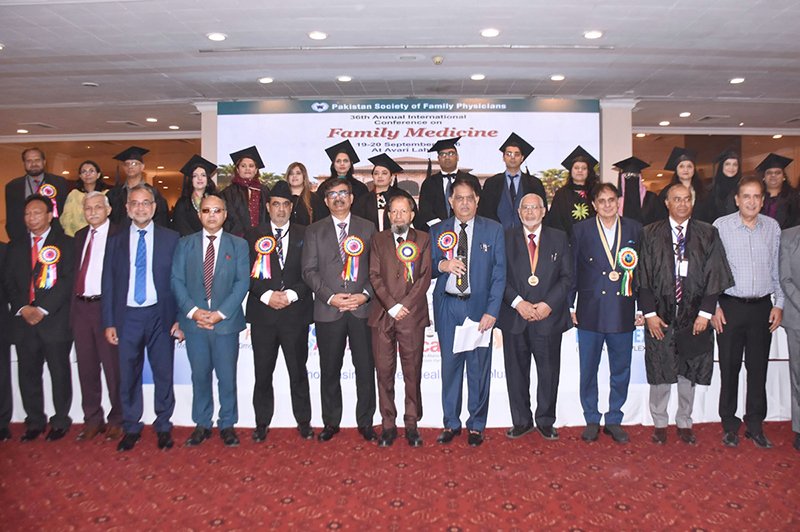
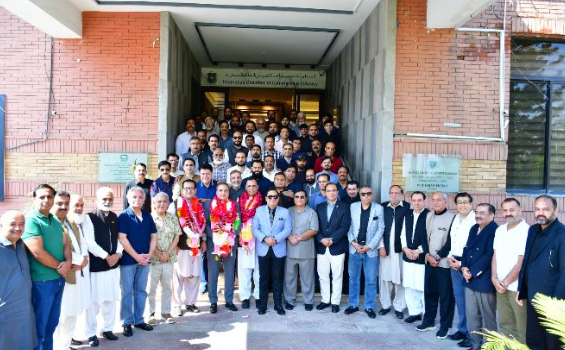
LAHORE — The Society of Family Physicians convened its Annual Conference at a local hotel in Lahore, bringing together esteemed professionals from the medical community on Tuesday. The event featured prominent figures such as General (R) Nadeem Fazal, Principal of the Army Medical College, Professor Sair Afzal, Dr. Masood Sheikh, and Col (R) Muhammad Aamir, who gathered for discussions on advancements in family medicine. What Happened The conference, organized by the Society of Family Physicians, was a significant gathering aimed at discussing the latest trends and challenges in family medicine. General (R) Nadeem Fazal, along with other distinguished guests, participated in the event, which focused on enhancing the role of family physicians in Pakistan’s healthcare system. The participants engaged in various sessions that highlighted the importance of family medicine in providing comprehensive healthcare services. During the conference, experts shared insights on the evolving landscape of family medicine, emphasizing the need for continuous education and adaptation to new medical practices. Professor Sair Afzal, a leading figure in medical education, stressed the importance of integrating modern technology into family medicine to improve patient outcomes. Dr. Masood Sheikh and Col (R) Muhammad Aamir also contributed to the discussions, sharing their experiences and perspectives on the challenges faced by family physicians. The event provided a platform for networking and collaboration among medical professionals, fostering a community dedicated to advancing family medicine in Pakistan. Attendees had the opportunity to exchange ideas, discuss best practices, and explore potential collaborations to address the healthcare needs of the population. Background The Society of Family Physicians has been a pivotal organization in promoting family medicine in Pakistan. Established to support and develop the field, the society has consistently organized conferences and workshops to provide continuing education for family physicians. These events aim to equip medical professionals with the latest knowledge and skills necessary to address the diverse healthcare needs of families across the country. Family medicine, as a specialty, plays a crucial role in the healthcare system by offering comprehensive and continuous care to individuals and families. It emphasizes the holistic treatment of patients, considering their physical, emotional, and social well-being. The Society of Family Physicians has been instrumental in advocating for the importance of family medicine and its integration into the broader healthcare framework in Pakistan. Why It Matters The Annual Conference of the Society of Family Physicians holds significant importance for the healthcare sector in Pakistan. By bringing together experts and practitioners, the event serves as a catalyst for advancing family medicine, which is essential for improving the overall health outcomes of the population. Family physicians are often the first point of contact for patients, making their role critical in early diagnosis, preventive care, and management of chronic conditions. As Pakistan continues to face challenges in healthcare delivery, including a shortage of specialists and limited access to medical services in rural areas, the emphasis on family medicine becomes even more pertinent. Conferences like this provide a platform for discussing innovative solutions and strategies to overcome these challenges, ultimately leading to better healthcare access and quality for all citizens. Additionally, the collaboration and knowledge-sharing facilitated by such events contribute to the professional development of family physicians. By staying informed about the latest medical advancements and practices, these professionals can deliver more effective and efficient care, thereby enhancing the overall healthcare system in Pakistan. Key Takeaways The Society of Family Physicians held its Annual Conference in Lahore, focusing on advancements in family medicine. Prominent figures such as General (R) Nadeem Fazal and Professor Sair Afzal participated in the event. The conference highlighted the importance of integrating modern technology into family medicine. Family medicine is crucial for providing comprehensive healthcare services in Pakistan. The event fostered collaboration and knowledge-sharing among medical professionals. Source Attribution This article is based on official statements and public communications from the Society of Family Physicians and relevant authorities. Author: NEN Editorial Desk | Editor: NEN Newsroom | Fact Checked By: NEN Editorial Team Author: NEN Editorial Desk  |  Editor: NEN Newsroom  |  Last Updated: September 19, 2026  |  Source: NEN Reporter This article was produced by the NEN Editorial Desk in accordance with NEN Agency’s Editorial Policy and Fact-Checking Policy.
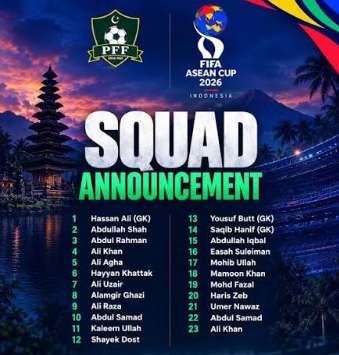
Pakistan Announces 23-Member Squad for FIFA ASEAN Cup 2026
Pakistan

Pakistan Announces 23-Member Squad for FIFA ASEAN Cup 2026

ISLAMABAD — The Pakistan Football Federation (PFF) has unveiled a 23-member squad for the upcoming FIFA ASEAN Cup 2026, scheduled to take place in Indonesia. The announcement was made on September 19, 2023, bringing together both local and international talent under the leadership of head coach Nolberto Solano. What Happened The PFF’s announcement marks a significant step in Pakistan’s preparations for the FIFA ASEAN Cup 2026. The squad features a blend of domestic players and those who are based overseas, reflecting a strategic approach to harness the best available talent. Head coach Nolberto Solano, a former international player with extensive coaching experience, will guide the team, known as the Shaheens, through the tournament. The selection process was rigorous, aiming to assemble a team capable of competing at the highest level on the international stage. The players were chosen based on their recent performances, fitness levels, and potential to adapt to the competitive environment of the ASEAN Cup. The inclusion of international players is expected to bring a wealth of experience and different playing styles, which could be pivotal in the team’s performance. Solano expressed confidence in the squad, stating, “We have selected a group of players who are not only talented but also committed to representing Pakistan with pride. Our focus is on building a cohesive unit that can perform under pressure and make the nation proud.” The squad’s composition is designed to provide depth in all areas of play, from defense to attack, ensuring flexibility in tactical approaches. Background The FIFA ASEAN Cup is a significant tournament in the Asian football calendar, providing a platform for teams from the region to showcase their skills. Pakistan’s participation in the 2026 edition is part of a broader effort to elevate the country’s standing in international football. Historically, Pakistan has faced challenges in gaining traction in the sport, with infrastructural and organizational hurdles often cited as barriers to progress. Efforts to revitalize football in Pakistan have been ongoing, with initiatives aimed at improving facilities, training programs, and international exposure for players. The PFF has been working to overcome past administrative issues and focus on developing a sustainable football ecosystem. Participation in tournaments like the ASEAN Cup is seen as crucial for gaining experience and improving the national team’s competitive edge. Why It Matters The announcement of the squad for the FIFA ASEAN Cup 2026 is not just about participation; it represents a strategic move to enhance Pakistan’s presence in international football. The inclusion of internationally based players is particularly significant, as it brings diverse experiences and skills that could bridge the gap between Pakistan and more established footballing nations. Economically, success in such tournaments can lead to increased investment in the sport, both from local and international sponsors. This, in turn, can boost the development of football infrastructure in Pakistan, creating opportunities for young players and fostering a more robust sports culture. Socially, football has the potential to unite communities and inspire the younger generation. A strong performance by the national team could ignite interest and participation in the sport at grassroots levels, contributing to healthier lifestyles and community engagement. Politically, sports diplomacy can play a role in improving Pakistan’s international relations. Success on the football field can enhance the country’s image globally, showcasing its potential and commitment to nurturing talent despite challenges. Key Takeaways The Pakistan Football Federation has announced a 23-member squad for the FIFA ASEAN Cup 2026. Head coach Nolberto Solano will lead the team, emphasizing a mix of local and international talent. The tournament in Indonesia is a key opportunity for Pakistan to enhance its international football standing. Success in the ASEAN Cup could lead to increased investment and development in Pakistan’s football infrastructure. The initiative reflects broader efforts to revitalize football in Pakistan and inspire future generations. Source Attribution This article is based on official statements and press releases from the Pakistan Football Federation and other relevant authorities. Author: NEN Editorial Desk | Editor: NEN Newsroom | Fact Checked By: NEN Editorial Team Author: NEN Editorial Desk  |  Editor: NEN Newsroom  |  Last Updated: September 19, 2026  |  Source: Press Release from Government of Pakistan This article was produced by the NEN Editorial Desk in accordance with NEN Agency’s Editorial Policy and Fact-Checking Policy.
Punjab Minister Azma Bokhari Mourns Stage Actor Asif Iqbal’s Passing
Pakistan

Punjab Minister Azma Bokhari Mourns Stage Actor Asif Iqbal’s Passing

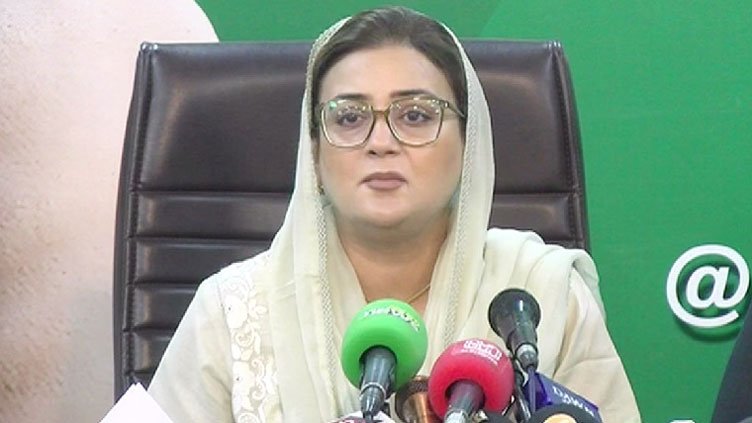
LAHORE — Punjab Minister for Information and Culture Azma Bokhari has expressed profound sorrow over the death of renowned stage actor Asif Iqbal, who passed away due to a heart attack. The minister extended her condolences to Iqbal’s family, acknowledging the significant loss to the cultural community. What Happened Asif Iqbal, a celebrated figure in Pakistan’s stage acting scene, died of a heart attack, leaving behind a legacy of memorable performances. His death was confirmed on September 19, 2023. Azma Bokhari, in her official statement, expressed deep grief and highlighted Iqbal’s contributions to the arts. “His passing is a great shock to his family and the entire artistic community,” Bokhari stated, recognizing the void left by his departure. Iqbal was known for his dynamic stage presence and his ability to bring characters to life, earning him a devoted following. His career spanned several decades, during which he became a staple in theatre productions across the country. Colleagues and fans have taken to social media to express their sorrow and share memories of Iqbal’s performances, underscoring his impact on the arts. The actor’s sudden demise has prompted an outpouring of tributes from fellow artists, cultural institutions, and fans alike. Many have praised his dedication to his craft and his role in elevating stage acting in Pakistan. The Pakistan Arts Council and various theatre groups have also issued statements commemorating his life and work. Background Asif Iqbal was a veteran actor whose career began in the late 1970s. He became a household name through his work in theatre, which was a thriving cultural medium in Pakistan during the 1980s and 1990s. Iqbal’s performances were often characterized by their emotional depth and his ability to engage audiences, making him a beloved figure in the performing arts community. Theatre in Pakistan has historically played a crucial role in cultural expression, often addressing social issues and providing entertainment. Actors like Iqbal have been instrumental in maintaining the vibrancy of this art form, even as television and film gained prominence. His work contributed to the preservation and growth of stage acting, inspiring a new generation of performers. Why It Matters The death of Asif Iqbal is a significant loss to Pakistan’s cultural landscape. As a prominent figure in stage acting, his contributions have helped shape the country’s theatrical traditions. His passing not only marks the end of an era for those who grew up watching his performances but also serves as a reminder of the fragile nature of cultural heritage. Economically, the arts sector in Pakistan faces numerous challenges, including limited funding and support. Figures like Iqbal have been pivotal in sustaining interest in theatre, which is often overshadowed by other entertainment mediums. His death highlights the need for renewed efforts to support and promote the arts, ensuring that future generations can continue to enjoy and participate in cultural activities. Socially, Iqbal’s work has had a profound impact on audiences, often addressing themes relevant to Pakistani society. His ability to connect with people through his performances has left a lasting impression, fostering a sense of community and shared cultural identity. The loss of such a figure emphasizes the importance of nurturing talent and preserving the arts as a means of cultural expression. Key Takeaways Renowned stage actor Asif Iqbal passed away from a heart attack, leaving a significant impact on Pakistan’s cultural scene. Punjab Minister Azma Bokhari expressed deep sorrow, acknowledging Iqbal’s contributions to the arts. Iqbal’s career spanned several decades, making him a beloved figure in the theatre community. His death highlights the challenges faced by the arts sector in Pakistan, emphasizing the need for support and preservation. Iqbal’s work fostered community and cultural identity, underlining the importance of nurturing artistic talent. Source Attribution This article is based on official statements and public communications from the Punjab Ministry of Information and Culture. Author: NEN Editorial Desk | Editor: NEN Newsroom | Fact Checked By: NEN Editorial Team Author: NEN Editorial Desk  |  Editor: NEN Newsroom  |  Last Updated: September 19, 2026  |  Source: NEN Reporter This article was produced by the NEN Editorial Desk in accordance with NEN Agency’s Editorial Policy and Fact-Checking Policy.
Pakistani And Iranian Foreign Ministers Discuss Regional Security And Energy
World

Pakistani And Iranian Foreign Ministers Discuss Regional Security And Energy

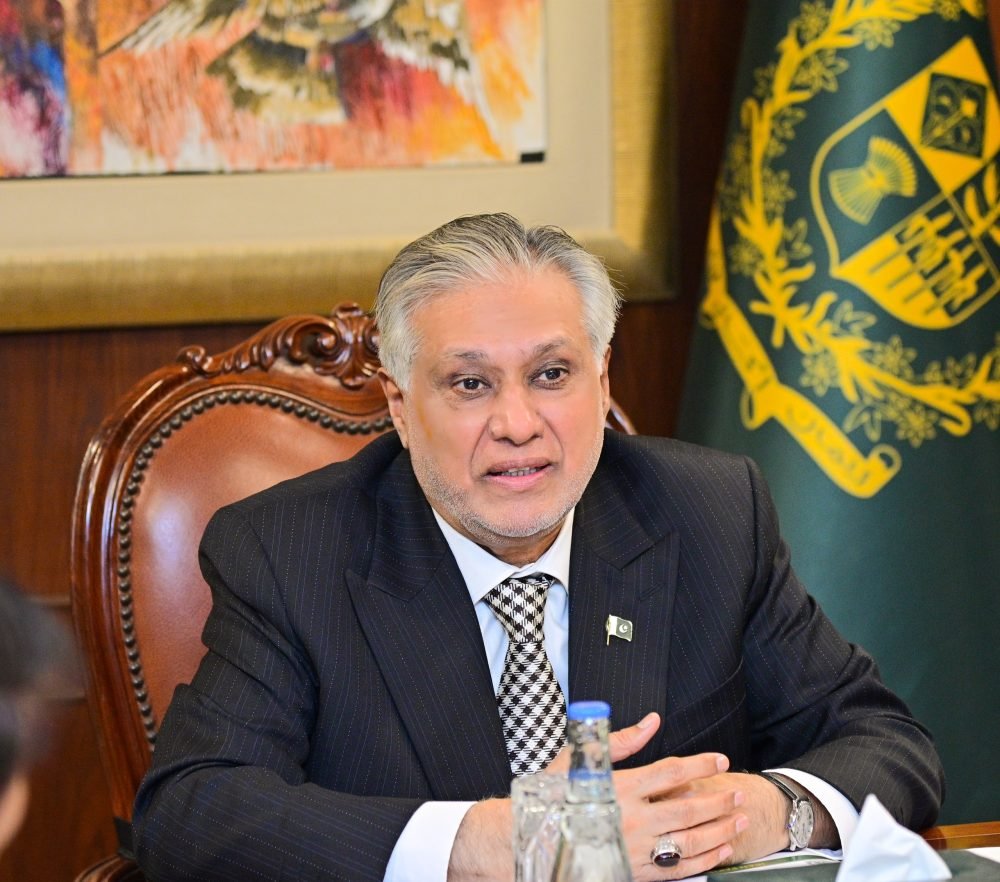
ISLAMABAD — Deputy Prime Minister and Foreign Minister Senator Mohammad Ishaq Dar engaged in discussions with Iranian Foreign Minister Abbas Araghchi on Saturday to address pressing regional developments. The conversation underscored the critical need for continuous energy supplies and the secure passage of ships, according to a statement from the Foreign Office Spokesperson. What Happened The meeting between Deputy Prime Minister and Foreign Minister Ishaq Dar and Iranian Foreign Minister Abbas Araghchi took place amid growing concerns over regional security and energy stability. The discussions were held via a telephonic conversation, as confirmed by the Foreign Office in a press release. During the talks, both ministers emphasized the significance of maintaining uninterrupted energy supplies, which are vital for the economic stability of both nations. Minister Dar highlighted the necessity for a safe and expeditious passage of ships through critical maritime routes, reflecting the strategic importance of these channels for international trade and energy transportation. The dialogue also touched upon other regional issues, with both parties expressing a commitment to enhancing bilateral cooperation to address shared challenges. The Foreign Office Spokesperson noted that the conversation was constructive and aimed at strengthening the ties between Pakistan and Iran. Both ministers agreed to continue their dialogue on these critical issues, recognizing the mutual benefits of collaboration in ensuring regional stability and economic prosperity. Background Pakistan and Iran share a long history of diplomatic and economic relations, with both countries being key players in the region. Historically, the two nations have cooperated on various fronts, including energy, trade, and security. The geopolitical landscape of the region has often necessitated close cooperation between Islamabad and Tehran, particularly in the face of shared challenges such as terrorism and regional conflicts. Energy cooperation has been a cornerstone of Pakistan-Iran relations, with the Iran-Pakistan gas pipeline project being a significant yet contentious initiative. Despite facing hurdles, the project symbolizes the potential for economic collaboration between the two countries. The recent discussions between the foreign ministers are part of ongoing efforts to address these longstanding issues and explore new avenues for cooperation. Why It Matters The discussions between the Pakistani and Iranian foreign ministers hold significant implications for regional security and economic stability. The emphasis on uninterrupted energy supplies is particularly crucial for Pakistan, which faces energy shortages that impact its industrial and domestic sectors. Ensuring a steady flow of energy resources from Iran could help alleviate these shortages and support Pakistan’s economic growth. Moreover, the safe passage of ships through strategic maritime routes is vital for both countries, as these routes are essential for international trade. Any disruption could have far-reaching consequences for the global economy, affecting supply chains and energy markets. By working together, Pakistan and Iran can contribute to the security of these routes, benefiting not only themselves but also the broader international community. Politically, the dialogue reflects a commitment to strengthening bilateral ties and addressing common challenges. In a region marked by geopolitical tensions, such cooperation is crucial for fostering stability and peace. The continued engagement between Islamabad and Tehran can serve as a model for other regional actors, promoting dialogue and collaboration over conflict. Key Takeaways Pakistani and Iranian foreign ministers discussed regional security and energy issues. Emphasis was placed on uninterrupted energy supplies and safe maritime passage. The dialogue is part of ongoing efforts to strengthen bilateral cooperation. Energy cooperation is critical for Pakistan’s economic stability. Regional collaboration can enhance security and economic prosperity. Source Attribution This article is based on official government statements, press releases, and public communications from relevant authorities. Author: NEN Editorial Desk | Editor: NEN Newsroom | Fact Checked By: NEN Editorial Team Author: NEN Editorial Desk  |  Editor: NEN Newsroom  |  Last Updated: September 19, 2026  |  Source: Press Release from Foreign Office This article was produced by the NEN Editorial Desk in accordance with NEN Agency’s Editorial Policy and Fact-Checking Policy.

Mohammad Zikria Akbar Zia Elected President Of Islamabad Chamber Of Commerce
Pakistan

Mohammad Zikria Akbar Zia Elected President Of Islamabad Chamber Of Commerce

ISLAMABAD — Mohammad Zikria Akbar Zia has been elected as the President of the Islamabad Chamber of Commerce and Industry (ICCI) for the upcoming term, marking a new chapter in the organization’s leadership. The announcement was made by the ICCI Election Commission on Saturday, alongside the election of Mohammad Ashfaq Hussain Chattah as Senior Vice President and Mohammad Waqas Khan as Vice President. What Happened The elections for the Islamabad Chamber of Commerce and Industry (ICCI) concluded with Mohammad Zikria Akbar Zia emerging as the new President. The results were officially declared by the ICCI Election Commission in Islamabad. Alongside Zia, Mohammad Ashfaq Hussain Chattah was elected as the Senior Vice President, and Mohammad Waqas Khan secured the position of Vice President. The newly elected officials are set to assume their roles in a ceremony scheduled for later this month. Their election comes at a time when the ICCI is focusing on enhancing business opportunities and addressing the challenges faced by the business community in Islamabad and surrounding regions. In his acceptance speech, Zia emphasized the importance of unity and collaboration among the business community to drive economic growth. He stated, “Our focus will be on creating a conducive environment for businesses to thrive and ensuring that the voice of the business community is heard at all relevant forums.” Background The Islamabad Chamber of Commerce and Industry (ICCI) is a prominent business organization in Pakistan, representing the interests of the business community in Islamabad. Established in 1984, the ICCI has been instrumental in advocating for policy reforms and providing a platform for dialogue between the government and the business sector. Over the years, the ICCI has played a crucial role in addressing issues such as taxation, regulatory frameworks, and infrastructure development. The chamber regularly organizes events, seminars, and trade fairs to promote business activities and foster networking among entrepreneurs. The election of the ICCI President and other office bearers is an annual event, drawing significant attention from the business community and stakeholders who are keen on the chamber’s direction and leadership. Why It Matters The election of Mohammad Zikria Akbar Zia as ICCI President is significant for several reasons. Firstly, it signals a potential shift in the chamber’s approach to tackling economic challenges and fostering business growth. Zia’s leadership is expected to bring fresh perspectives and strategies to enhance the business environment in Islamabad. Economically, the ICCI plays a vital role in advocating for policies that can stimulate growth and investment in the region. With Zia at the helm, there is anticipation of increased efforts to address key issues such as ease of doing business, access to finance, and export promotion. These initiatives are crucial for boosting the local economy and creating job opportunities. Socially, the ICCI under Zia’s leadership is likely to focus on corporate social responsibility initiatives, encouraging businesses to contribute to community development and environmental sustainability. This aligns with global trends where businesses are increasingly expected to play a role in addressing social and environmental challenges. Politically, the ICCI serves as a bridge between the business community and the government. Zia’s presidency could strengthen this relationship, ensuring that the concerns of businesses are effectively communicated to policymakers. This is particularly important in a dynamic economic landscape where policy decisions can have far-reaching impacts on businesses. Key Takeaways Mohammad Zikria Akbar Zia has been elected as the President of the ICCI. Mohammad Ashfaq Hussain Chattah and Mohammad Waqas Khan are the new Senior Vice President and Vice President, respectively. The ICCI is focused on enhancing business opportunities and addressing challenges in Islamabad. Zia’s leadership is expected to bring new strategies for economic growth and business advocacy. The ICCI plays a crucial role in policy advocacy and fostering government-business dialogue. Source Attribution This article is based on official statements and public communications from the Islamabad Chamber of Commerce and Industry. Author: NEN Editorial Desk | Editor: NEN Newsroom | Fact Checked By: NEN Editorial Team Author: NEN Editorial Desk  |  Editor: NEN Newsroom  |  Last Updated: September 19, 2026  |  Source: Press Release from Government of Pakistan This article was produced by the NEN Editorial Desk in accordance with NEN Agency’s Editorial Policy and Fact-Checking Policy.

Scroll to Top