
Author name: Yasir Zubairi

Yasir Zubairi is the founder and publisher of NEN Agency (News Era Network). He leads NEN's coverage of Pakistan's national affairs, economy, foreign relations and sports, and is responsible for the accuracy and standards of every story published on nenagency.com.

Shaza Fatima Announces Changes to PM Fuel Relief Scheme
Pakistan

Shaza Fatima Announces Changes to PM Fuel Relief Scheme

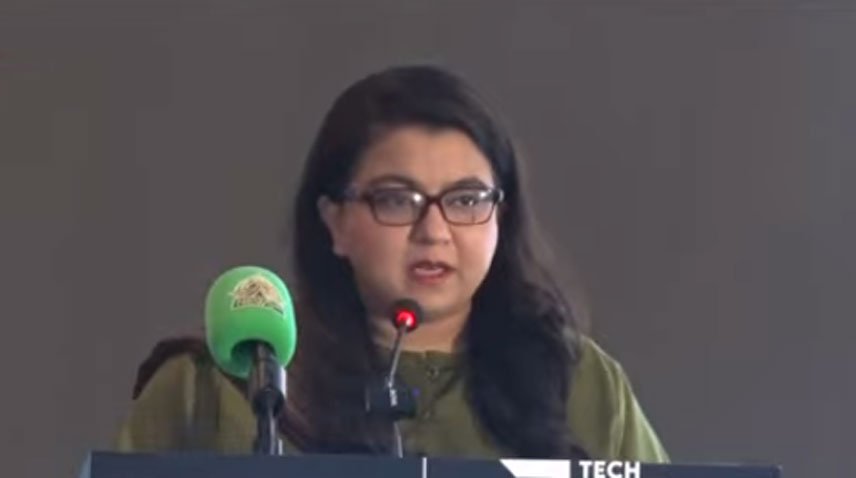
ISLAMABAD — Federal Minister for Information Technology and Telecommunication Shaza Fatima Khawaja announced on Saturday three significant changes to the Prime Minister’s Fuel Relief Scheme. The modifications aim to enhance benefits for motorcycle, rickshaw, and Qingqi users across Pakistan, extending the scheme’s reach and impact. What Happened During a media briefing in Islamabad, Minister Shaza Fatima Khawaja detailed the adjustments to the Prime Minister’s Fuel Relief Scheme, which is designed to alleviate the financial burden of fuel costs on low-income individuals. The minister highlighted that the eligibility criteria for the scheme have been expanded to include motorcycles registered from January 2021 onwards. This change is expected to incorporate a larger segment of the population, particularly those who rely on two-wheelers for daily commuting. The second change involves an increase in the fuel subsidy amount provided to eligible beneficiaries. While the exact figures were not disclosed, the minister assured that the increment would be substantial enough to make a meaningful difference in the lives of the recipients. This adjustment aims to address the rising fuel prices that have significantly impacted the cost of living for many Pakistanis. The third change focuses on streamlining the application process to ensure quicker and more efficient disbursement of funds. Minister Shaza Fatima emphasized that the government is committed to reducing bureaucratic hurdles and improving access to the scheme for all eligible individuals. “We are working tirelessly to ensure that the benefits reach those who need them the most without unnecessary delays,” she stated. Background The Prime Minister’s Fuel Relief Scheme was initially launched as a response to the escalating fuel prices in Pakistan, which have been driven by global market fluctuations and local economic challenges. The scheme aims to provide financial assistance to low-income groups who are disproportionately affected by these price hikes. Motorcycles, rickshaws, and Qingqis are essential modes of transport for many in Pakistan, particularly in urban and semi-urban areas where public transport options are limited. Previous iterations of the scheme faced criticism for their limited reach and complex application procedures, which excluded many potential beneficiaries. The recent changes are part of the government’s ongoing efforts to refine and expand the program to better serve the needs of the population. Why It Matters The adjustments to the Prime Minister’s Fuel Relief Scheme are significant in the context of Pakistan’s current economic climate. With inflation rates soaring and fuel prices continuing to rise, the financial strain on low-income households has become increasingly severe. By expanding the eligibility criteria and increasing the subsidy amount, the government is taking concrete steps to mitigate some of these pressures. Economically, the changes are expected to inject more disposable income into the hands of beneficiaries, potentially boosting local economies as individuals have more to spend on essentials and services. Socially, the scheme’s enhancements could improve mobility for low-income workers, enabling them to access employment opportunities more easily and contribute to economic productivity. Politically, these changes may bolster public confidence in the government’s ability to address pressing economic issues, which is crucial for maintaining stability and support amid challenging times. The success of such welfare initiatives could also influence future policy decisions and the government’s approach to social safety nets. Key Takeaways The eligibility for the PM Fuel Relief Scheme now includes motorcycles registered from January 2021. The fuel subsidy amount for beneficiaries has been increased to counter rising fuel costs. Application processes have been streamlined to ensure faster disbursement of funds. The scheme aims to alleviate financial burdens on low-income individuals reliant on motorcycles, rickshaws, and Qingqis. These changes are part of broader government efforts to address economic challenges and support vulnerable populations. Source Attribution This article is based on official government statements, press releases, and public communications from relevant authorities. Author: NEN Editorial Desk | Editor: NEN Newsroom | Fact Checked By: NEN Editorial Team Author: NEN Editorial Desk  |  Editor: NEN Newsroom  |  Last Updated: September 19, 2026  |  Source: Press Release from Government of Pakistan This article was produced by the NEN Editorial Desk in accordance with NEN Agency’s Editorial Policy and Fact-Checking Policy.
Investment Minister Meets Karachi Press Club Officials to Discuss Economic Growth
Pakistan

Investment Minister Meets Karachi Press Club Officials to Discuss Economic Growth

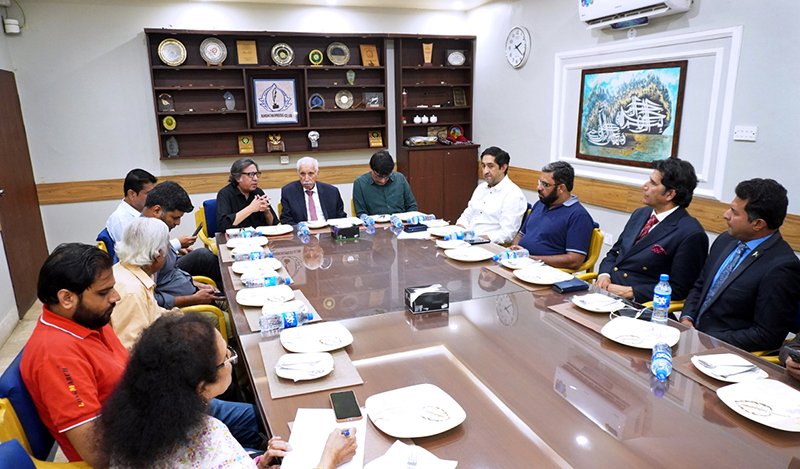
KARACHI — Federal Minister for Board of Investment Qaiser Ahmed Sheikh met with Karachi Press Club President Fazil Jamili and Secretary Aslam Khan on Saturday to discuss the role of media in promoting economic growth and investment opportunities in Pakistan. What Happened During the meeting held at the Karachi Press Club, Federal Minister Qaiser Ahmed Sheikh emphasized the critical role that media can play in shaping public perception and driving economic development. He highlighted the government’s commitment to creating a conducive environment for both local and foreign investors. The minister underscored the importance of collaboration between the government and media outlets to project a positive image of Pakistan’s investment landscape. President Fazil Jamili and Secretary Aslam Khan welcomed the minister’s visit and expressed their willingness to support initiatives that aim to boost the country’s economic profile. They discussed various strategies to enhance media coverage of investment opportunities and economic reforms being implemented by the government. The meeting also touched upon the challenges faced by journalists in reporting economic news and the need for accurate and responsible journalism. Minister Sheikh stated, “The media has a pivotal role in disseminating information that can attract investors. Our aim is to work closely with media professionals to ensure that Pakistan’s economic potential is fully realized.” He also mentioned ongoing efforts by the Board of Investment to streamline processes and reduce bureaucratic hurdles for investors. Background The Board of Investment (BOI) is a key government body responsible for promoting and facilitating investment in Pakistan. Over the years, the BOI has launched several initiatives to attract foreign direct investment (FDI) and support domestic businesses. The government has been focusing on improving Pakistan’s ranking in the World Bank’s Ease of Doing Business Index by implementing reforms that simplify business procedures and enhance transparency. In recent years, Pakistan has seen fluctuating levels of FDI, influenced by global economic conditions and domestic policy changes. The government has been striving to provide incentives and create a more investor-friendly environment to stabilize and increase investment inflows. Why It Matters The meeting between Minister Qaiser Ahmed Sheikh and the Karachi Press Club officials is significant as it highlights the government’s proactive approach to engaging with media stakeholders in economic discourse. By fostering a collaborative relationship with the press, the government aims to leverage media influence to attract investment and stimulate economic growth. Economic growth is crucial for Pakistan, a country with a burgeoning population and a need for job creation. Increased investment can lead to the development of infrastructure, technology transfer, and enhanced competitiveness in global markets. This, in turn, can contribute to poverty alleviation and improved living standards for the population. Furthermore, the media’s role in accurately portraying Pakistan’s economic environment is essential for building investor confidence. Misrepresentation or lack of information can deter potential investors, while positive coverage can encourage investment decisions. The government’s engagement with media professionals is a step towards ensuring that the narrative around Pakistan’s economy is both accurate and optimistic. Key Takeaways Federal Minister Qaiser Ahmed Sheikh met with Karachi Press Club officials to discuss media’s role in economic growth. The meeting emphasized collaboration between government and media to promote investment opportunities. The Board of Investment is focused on creating an investor-friendly environment to attract FDI. Media engagement is crucial for accurate portrayal of Pakistan’s economic landscape and investor confidence. Economic growth through investment is vital for job creation and poverty alleviation in Pakistan. Source Attribution This article is based on official government statements, press releases, and public communications from relevant authorities. Author: NEN Editorial Desk | Editor: NEN Newsroom | Fact Checked By: NEN Editorial Team Author: NEN Editorial Desk  |  Editor: NEN Newsroom  |  Last Updated: September 19, 2026  |  Source: Press Release from Government of Pakistan This article was produced by the NEN Editorial Desk in accordance with NEN Agency’s Editorial Policy and Fact-Checking Policy.
Mass Wedding Ceremony Held at Bagh-e-Mustafa Ground by Jillani Welfare Foundation
Pakistan

Mass Wedding Ceremony Held at Bagh-e-Mustafa Ground by Jillani Welfare Foundation

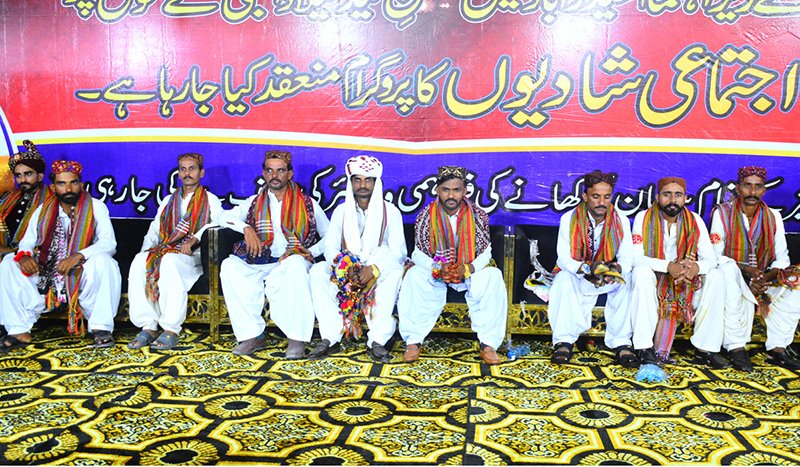
KARACHI — A mass wedding ceremony was held at Bagh-e-Mustafa Ground, organized by the Jillani Welfare Foundation, bringing together numerous couples in a shared celebration of matrimony. The event, which took place on Saturday, aimed to support families facing financial constraints by covering the costs associated with traditional wedding ceremonies. What Happened The mass wedding ceremony, organized by the Jillani Welfare Foundation, saw dozens of couples tying the knot at the Bagh-e-Mustafa Ground in Karachi. The foundation, known for its philanthropic efforts, arranged the event to alleviate the financial burden on families who might otherwise struggle to afford the expenses of a traditional wedding. Grooms, dressed in traditional attire, were seen seated on stage alongside their brides, who wore vibrant bridal dresses. The ceremony was attended by family members, friends, and community leaders, all gathered to witness the joyous occasion. The event included all customary wedding rituals, ensuring that each couple experienced a memorable day. “This initiative is part of our ongoing efforts to support the community and help those in need,” said a representative of the Jillani Welfare Foundation. “By organizing mass weddings, we aim to bring happiness to families who face financial difficulties.” The foundation provided all necessary arrangements, including venue decoration, catering, and bridal attire, ensuring that the couples and their families could enjoy the day without financial stress. The ceremony concluded with a celebratory feast, marking the beginning of a new chapter for the newlyweds. Background Mass wedding ceremonies have become increasingly popular in Pakistan, particularly among charitable organizations and NGOs, as a means to support underprivileged families. These events offer a practical solution to the high costs associated with traditional weddings, which can often be a financial burden for many families. The Jillani Welfare Foundation has been actively involved in organizing such events for several years. Their efforts are part of a broader trend in Pakistan, where community support and philanthropy play a crucial role in addressing social issues. By facilitating mass weddings, these organizations help promote social cohesion and provide a dignified start to married life for couples from economically disadvantaged backgrounds. Why It Matters The significance of mass weddings extends beyond the immediate financial relief provided to families. These events underscore the importance of community support and collective responsibility in addressing social challenges. In a country where economic disparities are prevalent, initiatives like mass weddings help bridge the gap between different socio-economic groups. Economically, mass weddings reduce the financial strain on families, allowing them to allocate resources to other essential needs such as education, healthcare, and housing. Socially, these events foster a sense of unity and solidarity, as communities come together to celebrate and support one another. Politically, the success of such initiatives highlights the role of non-governmental organizations and charitable foundations in complementing government efforts to uplift marginalized communities. By stepping in to fill gaps in social services, these organizations contribute to the overall development and stability of the country. Internationally, mass weddings in Pakistan draw attention to the innovative ways communities are addressing economic challenges, showcasing a model of philanthropy and community engagement that can inspire similar efforts globally. Key Takeaways The Jillani Welfare Foundation organized a mass wedding ceremony in Karachi to support financially constrained families. Mass weddings provide a practical solution to the high costs of traditional weddings, offering financial relief to participants. Such events promote social cohesion and highlight the role of community support in addressing economic disparities. Charitable organizations play a crucial role in complementing government efforts to support marginalized communities. Mass weddings in Pakistan serve as a model of philanthropy and community engagement for addressing social challenges. Source Attribution This article is based on official statements and public communications from the Jillani Welfare Foundation. Author: NEN Editorial Desk | Editor: NEN Newsroom | Fact Checked By: NEN Editorial Team Author: NEN Editorial Desk  |  Editor: NEN Newsroom  |  Last Updated: September 19, 2026  |  Source: NEN Reporter This article was produced by the NEN Editorial Desk in accordance with NEN Agency’s Editorial Policy and Fact-Checking Policy.
Mikaeel Ali Wins ITF J200 Doubles Title in Japan
World

Mikaeel Ali Wins ITF J200 Doubles Title in Japan

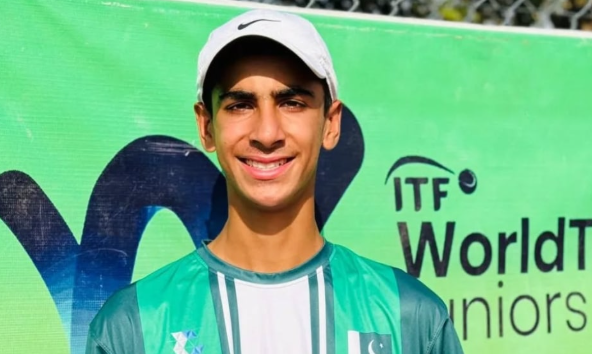
ISLAMABAD — Pakistan’s top-ranked junior tennis player, Mikaeel Ali Baig, has secured the ITF J200 doubles title in Miki, Japan. This achievement marks a significant milestone as he becomes the first Pakistani junior in over three decades to win a title at this level since the renowned Aisam-ul-Haq Qureshi. What Happened Mikaeel Ali Baig, an unseeded player, partnered with a player from Botswana to clinch the ITF J200 doubles title. The tournament, held in Miki, Japan, saw the duo outperform several seeded teams, showcasing their skill and determination on the international stage. This victory is particularly noteworthy as it highlights Mikaeel’s potential to follow in the footsteps of Aisam-ul-Haq Qureshi, who has been a trailblazer for Pakistani tennis on the global circuit. The tournament featured a competitive field, with players from various countries vying for the title. Despite being unseeded, Mikaeel and his partner demonstrated exceptional teamwork and strategic play throughout the matches. Their triumph in the final was a testament to their resilience and ability to perform under pressure. Mikaeel’s success in Japan adds to his growing reputation as a promising talent in the world of junior tennis. His performance in the doubles category has not only brought him international recognition but also serves as an inspiration for aspiring tennis players in Pakistan. Background Pakistan has a rich history in tennis, with Aisam-ul-Haq Qureshi being one of the most prominent figures in the sport. Qureshi’s achievements on the ATP tour have paved the way for future generations of Pakistani tennis players. Mikaeel Ali Baig’s recent victory is a continuation of this legacy, highlighting the potential for Pakistani athletes to excel on the international stage. The ITF J200 tournament is part of the International Tennis Federation’s junior circuit, which provides young players with the opportunity to compete at a high level and gain valuable experience. Winning a title at this level is a significant accomplishment, as it can serve as a stepping stone to higher-level competitions and professional success. Why It Matters Mikaeel Ali Baig’s victory in Japan is significant for several reasons. Firstly, it underscores the potential of Pakistani athletes to compete and succeed internationally, despite the challenges they may face in terms of resources and support. His success serves as a beacon of hope for young athletes in Pakistan, encouraging them to pursue their dreams and strive for excellence. Economically, successes like Mikaeel’s can have a positive impact on the sports industry in Pakistan. Increased visibility and recognition of Pakistani athletes on the international stage can attract sponsorships and investments, which are crucial for the development of sports infrastructure and programs in the country. Socially, Mikaeel’s achievement can inspire a new generation of tennis players, fostering a culture of sportsmanship and dedication among the youth. It also highlights the importance of providing young athletes with opportunities to compete internationally, as exposure to diverse playing styles and high-level competition is essential for their growth and development. On an international level, Mikaeel’s win contributes to the positive image of Pakistan in the global sports community. It demonstrates the country’s potential to produce world-class athletes who can compete at the highest levels, thereby enhancing Pakistan’s reputation in the realm of sports. Key Takeaways Mikaeel Ali Baig wins the ITF J200 doubles title in Miki, Japan. He is the first Pakistani junior to achieve this feat in over 30 years. The victory highlights the potential of Pakistani athletes on the international stage. Successes like this can boost the sports industry and inspire young athletes in Pakistan. Mikaeel’s achievement enhances Pakistan’s reputation in the global sports community. Source Attribution This article is based on official government statements, press releases, and public communications from relevant authorities. Author: NEN Editorial Desk | Editor: NEN Newsroom | Fact Checked By: NEN Editorial Team Author: NEN Editorial Desk  |  Editor: NEN Newsroom  |  Last Updated: September 19, 2026  |  Source: NEN Reporter This article was produced by the NEN Editorial Desk in accordance with NEN Agency’s Editorial Policy and Fact-Checking Policy.
Deputy PM Evaluates Progress of Prime Minister’s Special Relief Scheme
World

Deputy PM Evaluates Progress of Prime Minister’s Special Relief Scheme

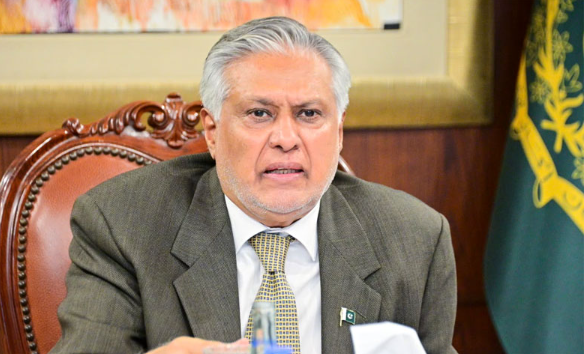
ISLAMABAD — Deputy Prime Minister and Foreign Minister Senator Mohammad Ishaq Dar chaired a meeting on Friday to assess the progress of the Prime Minister’s Special Relief Scheme. The National Steering Committee on Fuel Subsidy convened to review the scheme’s implementation and consider public feedback collected during the initial 48 hours of its nationwide launch. What Happened The meeting, led by Deputy Prime Minister Dar, focused on evaluating the early stages of the Prime Minister’s Special Relief Scheme, which aims to alleviate the financial burden on citizens by providing fuel subsidies. The scheme was rolled out nationwide earlier this week, and the committee gathered to examine its effectiveness and address any initial challenges. During the session, the committee reviewed feedback from the public, which was collected over the first two days of the scheme’s implementation. This feedback is crucial for assessing the scheme’s impact and making necessary adjustments to ensure its success. The Deputy Prime Minister emphasized the importance of addressing any issues promptly to maximize the scheme’s benefits for the intended recipients. “The government is committed to ensuring that the relief reaches those who need it the most,” stated Deputy Prime Minister Dar. The committee discussed potential measures to streamline the distribution process and enhance the scheme’s efficiency based on the feedback received. Background The Prime Minister’s Special Relief Scheme was introduced as part of the government’s broader strategy to mitigate the economic challenges faced by Pakistani citizens due to rising fuel prices. The initiative aims to provide targeted subsidies to lower-income households and individuals affected by the increasing cost of living. Historically, Pakistan has faced significant economic challenges, including inflation and fluctuating fuel prices, which have placed a considerable strain on the average citizen. The government has periodically introduced relief measures to cushion the impact of these economic pressures, with varying degrees of success. The current scheme is part of a series of policy measures aimed at stabilizing the economy and providing immediate relief to those most affected by economic fluctuations. Why It Matters The implementation of the Prime Minister’s Special Relief Scheme is a critical component of the government’s strategy to address the economic hardships faced by the population. Rising fuel prices have a cascading effect on the cost of goods and services, disproportionately affecting lower-income households. By providing subsidies, the government aims to alleviate some of this financial pressure. The scheme’s success is vital not only for the immediate relief it offers but also for maintaining public confidence in the government’s ability to manage economic challenges. Effective implementation can enhance the government’s credibility and demonstrate its commitment to addressing the needs of its citizens. Moreover, the scheme has implications for Pakistan’s broader economic stability. By easing the financial burden on households, the government hopes to stimulate economic activity and support consumer spending, which are essential for economic growth. The feedback collected during the initial rollout will be instrumental in refining the scheme to ensure it meets its objectives efficiently. Key Takeaways Deputy Prime Minister Mohammad Ishaq Dar chaired a meeting to review the Prime Minister’s Special Relief Scheme. The scheme aims to provide fuel subsidies to alleviate economic pressures on citizens. Public feedback from the first 48 hours of the scheme’s rollout was discussed to improve implementation. The scheme is part of broader efforts to stabilize Pakistan’s economy and support lower-income households. Effective implementation is crucial for maintaining public confidence and supporting economic growth. Source Attribution This article is based on official government statements, press releases, and public communications from relevant authorities. Author: NEN Editorial Desk | Editor: NEN Newsroom | Fact Checked By: NEN Editorial Team Author: NEN Editorial Desk  |  Editor: NEN Newsroom  |  Last Updated: September 19, 2026  |  Source: Press Release from Government of Pakistan This article was produced by the NEN Editorial Desk in accordance with NEN Agency’s Editorial Policy and Fact-Checking Policy.
President Zardari Congratulates Nepal on Constitution and National Day
Pakistan

President Zardari Congratulates Nepal on Constitution and National Day

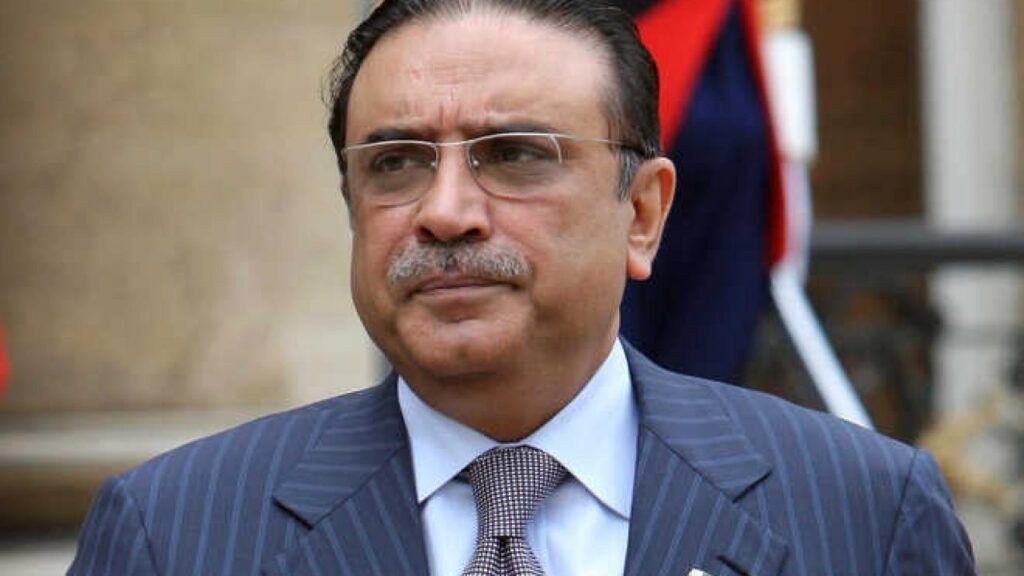
ISLAMABAD — President Asif Ali Zardari has extended his heartfelt congratulations to the Government and people of Nepal on the occasion of their Constitution Day and National Day. In a formal letter addressed to President Ramchandra Paudel of Nepal, President Zardari emphasized the enduring and cordial relations between Pakistan and Nepal, which are founded on mutual respect and trust. What Happened On September 18, President Asif Ali Zardari sent a letter to his Nepalese counterpart, President Ramchandra Paudel, to mark Nepal’s Constitution Day and National Day. In his message, President Zardari expressed his best wishes for the continued prosperity and progress of Nepal. He highlighted the longstanding diplomatic ties between the two nations, underscoring the mutual respect and cooperation that have characterized their relationship over the years. President Zardari’s letter is part of Pakistan’s diplomatic tradition of acknowledging and celebrating the national milestones of friendly countries. The gesture reflects Pakistan’s commitment to fostering positive international relationships and supporting regional stability and development. The letter praised Nepal’s achievements since the promulgation of its constitution, which has been a significant step in the country’s democratic and political evolution. President Zardari noted that the constitution has played a crucial role in promoting peace, stability, and development in Nepal, and he expressed optimism for the country’s future endeavors. Background Nepal’s Constitution Day, celebrated annually, marks the adoption of the country’s new constitution on September 20, 2015. This event was a landmark in Nepal’s history, as it established the nation as a federal democratic republic after years of political turmoil and a decade-long civil conflict. The constitution was a result of extensive negotiations and compromises among various political factions in Nepal, aiming to ensure inclusivity and representation for all ethnic and social groups. Pakistan and Nepal have maintained diplomatic relations since 1960, with both countries sharing membership in regional organizations such as the South Asian Association for Regional Cooperation (SAARC). The bilateral relationship has been characterized by cooperation in various fields, including trade, education, and cultural exchanges. Why It Matters The congratulatory message from President Zardari to Nepal holds significance in several ways. Firstly, it reinforces the diplomatic ties between Pakistan and Nepal, highlighting the importance of maintaining friendly relations with neighboring countries. Such gestures contribute to regional harmony and cooperation, which are essential for addressing common challenges such as poverty, climate change, and regional security. Economically, strong bilateral relations can lead to increased trade and investment opportunities between the two countries. Nepal, with its strategic location between India and China, offers potential for trade routes and economic partnerships that could benefit Pakistan’s economy. Additionally, collaboration in sectors like tourism and education could provide mutual benefits, enhancing people-to-people connections and cultural understanding. Politically, Pakistan’s support for Nepal’s democratic journey underscores its commitment to promoting democratic values and governance in the region. This aligns with Pakistan’s broader foreign policy objectives of supporting peace and stability in South Asia. Internationally, Pakistan’s diplomatic engagement with Nepal reflects its strategic interest in strengthening ties with all South Asian nations, thereby enhancing its influence and role in regional affairs. Such relationships can also provide a platform for Pakistan to advocate for its interests in multilateral forums and negotiations. Key Takeaways President Zardari congratulated Nepal on its Constitution and National Day, emphasizing strong bilateral ties. Nepal’s Constitution Day marks the adoption of its democratic constitution in 2015, a key milestone in its political history. Pakistan and Nepal have shared diplomatic relations since 1960, with cooperation in trade, education, and cultural exchanges. The congratulatory message highlights Pakistan’s commitment to regional cooperation and stability. Strengthening ties with Nepal aligns with Pakistan’s broader foreign policy goals in South Asia. Source Attribution This article is based on official government statements and public communications from relevant authorities. Author: NEN Editorial Desk | Editor: NEN Newsroom | Fact Checked By: NEN Editorial Team Author: NEN Editorial Desk  |  Editor: NEN Newsroom  |  Last Updated: September 19, 2026  |  Source: Press Release from Government of Pakistan This article was produced by the NEN Editorial Desk in accordance with NEN Agency’s Editorial Policy and Fact-Checking Policy.
Abdul Rehman Wins Poligras Magic Skill Award, Thanks Global Fans
Pakistan

Abdul Rehman Wins Poligras Magic Skill Award, Thanks Global Fans

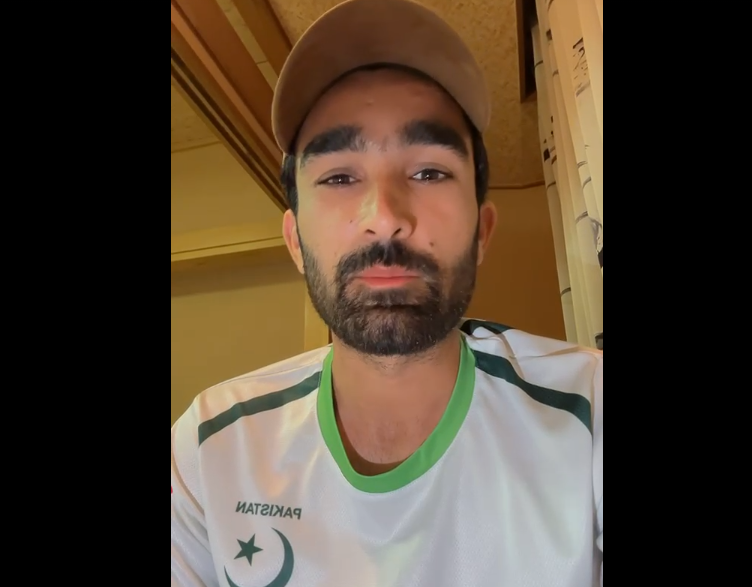
ISLAMABAD — Abdul Rehman, an up-and-coming star in Pakistan’s hockey scene, has expressed heartfelt gratitude to fans worldwide after securing the Poligras Magic Skill Award in the men’s category. The announcement came on September 18, marking a significant achievement in Rehman’s burgeoning career. What Happened In a video statement released shortly after the award announcement, Abdul Rehman conveyed his appreciation to those who supported him. “I am delighted and deeply grateful to everyone who voted for me,” Rehman stated, acknowledging the global hockey community’s role in his success. The Poligras Magic Skill Award is a prestigious accolade, recognizing exceptional talent and skill in field hockey. Rehman’s victory in this competition underscores his growing reputation in the sport. The award is part of a series of honors aimed at highlighting individual brilliance and technical prowess on the field. Rehman’s achievement is particularly noteworthy as it places him among the elite players recognized on an international platform. His skillful play and dedication have evidently resonated with fans and experts alike, earning him this esteemed recognition. The Poligras Magic Skill Award is determined through a voting process that involves fans from around the world, making Rehman’s win a testament to his global appeal and the widespread admiration for his skills. This accolade is expected to open new opportunities for Rehman, both in terms of his career and his influence in promoting field hockey in Pakistan. Background Field hockey has a rich history in Pakistan, with the nation having won multiple Olympic gold medals and World Cup titles in the past. However, in recent years, the sport has faced challenges, including a decline in international performance and limited resources. Despite these hurdles, players like Abdul Rehman have emerged, bringing renewed hope and enthusiasm to the sport. The Poligras Magic Skill Award is part of a broader initiative to celebrate and promote field hockey talent globally. Poligras, known for its high-quality synthetic turf used in international competitions, sponsors this award to highlight the artistic and technical aspects of the game. The award not only recognizes individual excellence but also aims to inspire young athletes to pursue field hockey professionally. Why It Matters Abdul Rehman’s win is significant for several reasons. Economically, it draws attention to the potential for investment in field hockey infrastructure and training programs in Pakistan. As more young athletes see the possibilities of international recognition, there could be increased participation at the grassroots level, which is crucial for the sport’s revival in the country. Socially, Rehman’s achievement serves as an inspiration to aspiring athletes, demonstrating that talent and dedication can lead to global recognition. It also highlights the importance of international platforms in providing opportunities for athletes from countries with limited resources to showcase their skills. Politically, the award could spur governmental and private sector interest in supporting field hockey, aligning with broader sports development goals. Enhanced support could lead to improved facilities, better training programs, and increased international participation, which are essential for regaining Pakistan’s former glory in the sport. Internationally, Rehman’s recognition helps to put Pakistan back on the map in the field hockey community, potentially leading to more international matches and collaborations. This could foster stronger ties with other hockey-playing nations and contribute to the sport’s global development. Key Takeaways Abdul Rehman wins the Poligras Magic Skill Award, highlighting his exceptional hockey skills. The award is determined by global fan votes, showcasing Rehman’s international appeal. Rehman’s success could inspire increased participation in field hockey in Pakistan. The achievement may attract more investment and support for field hockey infrastructure. International recognition of Pakistani athletes can enhance the country’s sports diplomacy. Source Attribution This article is based on official statements and public communications from relevant authorities. Author: NEN Editorial Desk | Editor: NEN Newsroom | Fact Checked By: NEN Editorial Team Author: NEN Editorial Desk  |  Editor: NEN Newsroom  |  Last Updated: September 19, 2026  |  Source: NEN Reporter This article was produced by the NEN Editorial Desk in accordance with NEN Agency’s Editorial Policy and Fact-Checking Policy.

Arts Council President Inaugurates ‘Unspoken Spaces’ Exhibition in Karachi
Pakistan

Arts Council President Inaugurates ‘Unspoken Spaces’ Exhibition in Karachi

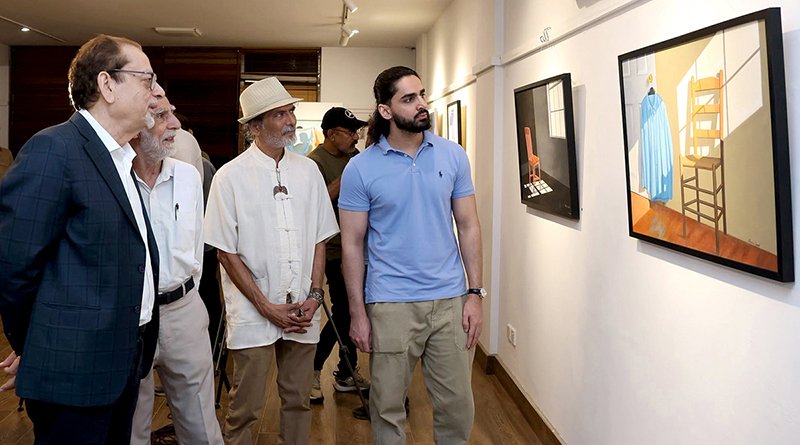
KARACHI — Arts Council President Muhammad Ahmed Shah inaugurated the ‘Unspoken Spaces’ exhibition featuring works by artist Karam Aspal at Art City Gallery on Tuesday. The event showcased a diverse collection of artworks, drawing attention from art enthusiasts and critics alike. What Happened The exhibition ‘Unspoken Spaces’ was inaugurated by Muhammad Ahmed Shah, the President of the Arts Council, at the Art City Gallery in Karachi. The event featured an array of artworks by the renowned artist Karam Aspal, who is known for his unique approach to contemporary art. The exhibition opened its doors to the public on Tuesday, inviting art lovers to explore the intricate themes and narratives depicted in Aspal’s work. During the inauguration, Muhammad Ahmed Shah expressed his admiration for Aspal’s creativity and the profound messages conveyed through his art. He stated, “Karam Aspal’s work is a testament to the power of visual storytelling, capturing the unspoken emotions and spaces that resonate with viewers on a personal level.” The exhibition is expected to run for several weeks, allowing ample time for visitors to engage with the pieces on display. Art City Gallery, a prominent venue for contemporary art in Karachi, provided a fitting backdrop for the exhibition. The gallery’s spacious layout and modern design complemented the aesthetic of Aspal’s work, enhancing the overall viewing experience for attendees. Background Karam Aspal has established himself as a significant figure in the Pakistani art scene, known for his innovative techniques and thought-provoking themes. His work often explores the intersection of personal and collective experiences, using a variety of mediums to express complex narratives. Aspal’s exhibitions have been well-received both nationally and internationally, contributing to the growing appreciation of contemporary Pakistani art on the global stage. The Arts Council of Pakistan, under the leadership of Muhammad Ahmed Shah, has been instrumental in promoting cultural and artistic initiatives across the country. The council regularly hosts exhibitions, workshops, and events aimed at fostering creativity and supporting local artists. Why It Matters The inauguration of ‘Unspoken Spaces’ is significant for several reasons. Firstly, it highlights the continued importance of art as a medium for cultural expression and dialogue in Pakistan. In a society where diverse voices and perspectives are crucial, exhibitions like this provide a platform for artists to share their unique viewpoints. Economically, the exhibition contributes to the local art market by attracting collectors and art enthusiasts, potentially boosting sales and commissions for artists like Karam Aspal. This, in turn, supports the livelihoods of those involved in the art industry, from gallery owners to art suppliers. Socially, the exhibition encourages public engagement with contemporary art, fostering a deeper appreciation and understanding of the themes explored by artists. It also provides an opportunity for education and discussion, as visitors reflect on the meanings and messages conveyed through the artworks. On a broader scale, events like ‘Unspoken Spaces’ enhance Pakistan’s cultural profile internationally, showcasing the country’s rich artistic heritage and contemporary creativity. As more Pakistani artists gain recognition on the global stage, it strengthens the nation’s cultural diplomacy and soft power. Key Takeaways Arts Council President Muhammad Ahmed Shah inaugurated the ‘Unspoken Spaces’ exhibition in Karachi. The exhibition features works by Karam Aspal, a prominent contemporary artist. ‘Unspoken Spaces’ is hosted at Art City Gallery, a key venue for art in Karachi. The event underscores the importance of art in cultural expression and dialogue. It contributes to the local art market and enhances Pakistan’s international cultural profile. Source Attribution This article is based on official statements and public communications from relevant authorities. Author: NEN Editorial Desk | Editor: NEN Newsroom | Fact Checked By: NEN Editorial Team Author: NEN Editorial Desk  |  Editor: NEN Newsroom  |  Last Updated: September 19, 2026  |  Source: Press Release from Government of Pakistan This article was produced by the NEN Editorial Desk in accordance with NEN Agency’s Editorial Policy and Fact-Checking Policy.
Gold Prices Surge by Rs 6,900 Per Tola in Pakistan
Pakistan

Gold Prices Surge by Rs 6,900 Per Tola in Pakistan

ISLAMABAD — Gold prices in Pakistan witnessed a significant increase of Rs 6,900 per tola on Friday, as reported by the All Pakistan Sarafa Gems and Jewellers Association. The price of 24-karat gold reached Rs 460,336, up from Rs 453,436 recorded on the previous trading day. Additionally, the price of 24-karat gold per 10 grams rose by Rs 5,914, now standing at Rs 394,663. What Happened The sharp rise in gold prices marks a notable shift in the local bullion market, reflecting global trends where gold is often seen as a safe-haven investment. The increase of Rs 6,900 per tola is a substantial jump, indicating a strong demand for the precious metal amidst economic uncertainties. The All Pakistan Sarafa Gems and Jewellers Association, which tracks and reports these price changes, has attributed this rise to fluctuations in the international market and currency exchange rates. According to market analysts, the surge in gold prices is also influenced by the weakening of the Pakistani rupee against the US dollar. As the rupee depreciates, the cost of importing gold increases, which in turn raises the local prices. This trend has been observed consistently over the past few months, with gold prices showing a steady upward trajectory. Traders and jewellers across the country have noted an increase in customer inquiries and purchases as investors seek to hedge against inflation and currency devaluation. “Gold is considered a reliable store of value, especially in times of economic instability,” said a spokesperson from the Sarafa Association. “We are seeing more people turning to gold as a means to protect their wealth.” Background Historically, gold has been a preferred investment in Pakistan, particularly during times of economic volatility. The local gold market is heavily influenced by global price movements, as well as domestic factors such as currency fluctuations and government policies. In recent years, Pakistan has faced economic challenges, including high inflation rates and a depreciating currency, which have contributed to the rising demand for gold. The gold market in Pakistan operates within a framework regulated by various associations and government bodies, ensuring transparency and fair pricing. The All Pakistan Sarafa Gems and Jewellers Association plays a crucial role in setting daily prices based on international market trends and local conditions. Why It Matters The increase in gold prices has significant implications for both consumers and the broader economy. For consumers, particularly those in the middle and lower-income brackets, the rise in gold prices can affect purchasing power and savings. Gold is traditionally used in Pakistan for weddings and other cultural ceremonies, and higher prices may impact these customs. Economically, the surge in gold prices reflects broader concerns about inflation and currency stability. As more individuals and businesses invest in gold, it can signal a lack of confidence in other financial instruments and the overall economic environment. This trend can lead to increased volatility in financial markets and influence monetary policy decisions by the government and central bank. Internationally, Pakistan’s gold price movements are closely watched as they provide insights into the country’s economic health and investor sentiment. The current rise in prices may also affect Pakistan’s trade balance, as higher gold imports can increase the current account deficit. Key Takeaways Gold prices in Pakistan increased by Rs 6,900 per tola, reaching Rs 460,336. The rise is attributed to global market trends and the depreciation of the Pakistani rupee. Higher gold prices impact consumer purchasing power and cultural practices. The trend reflects broader economic concerns, including inflation and currency stability. Increased gold imports could affect Pakistan’s trade balance and economic outlook. Source Attribution This article is based on official statements and data from the All Pakistan Sarafa Gems and Jewellers Association and other relevant authorities. Author: NEN Editorial Desk | Editor: NEN Newsroom | Fact Checked By: NEN Editorial Team Author: NEN Editorial Desk  |  Editor: NEN Newsroom  |  Last Updated: September 19, 2026  |  Source: NEN Reporter This article was produced by the NEN Editorial Desk in accordance with NEN Agency’s Editorial Policy and Fact-Checking Policy.

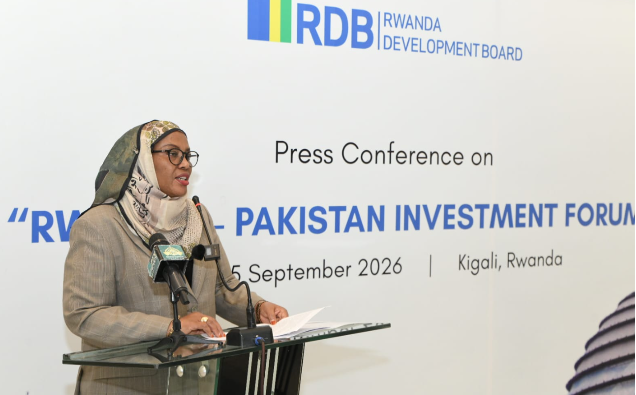
Pakistani Delegation to Attend Rwanda-Pakistan Investment Forum in Kigali
Pakistan

Pakistani Delegation to Attend Rwanda-Pakistan Investment Forum in Kigali

ISLAMABAD — A Pakistani business delegation is set to visit Kigali, Rwanda, to participate in the Rwanda-Pakistan Investment Forum from September 23 to 25. The visit aims to strengthen economic and investment ties between the two nations, as announced by the High Commissioner of Rwanda to Pakistan, Harerimana Fatou, during a recent press conference. What Happened The High Commissioner of Rwanda to Pakistan, Harerimana Fatou, emphasized the importance of enhancing bilateral economic relations at a press conference in Islamabad. The Pakistani business delegation’s participation in the Rwanda-Pakistan Investment Forum is a step towards fostering stronger economic and investment partnerships. The forum, scheduled to be held in Kigali, will serve as a platform for business leaders and government officials from both countries to explore potential areas of collaboration. The forum will feature discussions on various sectors, including agriculture, information technology, and manufacturing, which are seen as promising areas for mutual investment. The event will also include networking sessions and presentations from key industry leaders, aiming to facilitate direct engagement between Pakistani and Rwandan businesses. High Commissioner Fatou expressed optimism about the potential outcomes of the forum, stating, “This event marks a significant opportunity for both countries to explore new avenues of cooperation and strengthen our economic ties.” The visit and subsequent discussions are expected to pave the way for increased trade and investment flows between Pakistan and Rwanda. Background Pakistan and Rwanda have been working towards enhancing their bilateral relations in recent years. While diplomatic ties were established decades ago, economic relations have remained relatively underdeveloped. The upcoming investment forum represents a concerted effort by both nations to address this gap and capitalize on emerging opportunities in each other’s markets. Rwanda, often referred to as the “Singapore of Africa,” has been recognized for its rapid economic growth and business-friendly environment. The country has implemented several reforms to attract foreign investment, making it an attractive destination for Pakistani businesses looking to expand their footprint in Africa. Conversely, Pakistan offers a diverse range of opportunities for Rwandan investors, particularly in sectors like textiles, agriculture, and technology. The forum is expected to highlight these opportunities and encourage cross-border investments. Why It Matters The participation of a Pakistani delegation in the Rwanda-Pakistan Investment Forum is significant for several reasons. Economically, it represents a strategic move to diversify Pakistan’s trade partnerships and reduce reliance on traditional markets. Engaging with Rwanda opens up access to the broader East African Community, a regional bloc that offers a combined market of over 170 million people. Socially, the forum provides a platform for cultural exchange and understanding, fostering goodwill between the two nations. Such interactions are crucial for building long-term partnerships that extend beyond mere economic transactions. Politically, strengthening ties with Rwanda aligns with Pakistan’s broader foreign policy objectives of enhancing cooperation with African nations. This initiative is part of Pakistan’s “Look Africa Policy,” which aims to deepen engagement with the continent through increased diplomatic, economic, and cultural exchanges. Internationally, the collaboration between Pakistan and Rwanda could serve as a model for other countries seeking to build mutually beneficial partnerships across continents. The success of this forum could encourage similar initiatives, promoting economic integration and cooperation on a global scale. Key Takeaways A Pakistani business delegation will attend the Rwanda-Pakistan Investment Forum in Kigali from September 23 to 25. The forum aims to strengthen economic and investment ties between Pakistan and Rwanda. Key sectors for potential collaboration include agriculture, IT, and manufacturing. The initiative is part of Pakistan’s “Look Africa Policy” to enhance ties with African nations. The forum could serve as a model for international economic cooperation. Source Attribution This article is based on official government statements, press releases, and public communications from relevant authorities. Author: NEN Editorial Desk | Editor: NEN Newsroom | Fact Checked By: NEN Editorial Team Author: NEN Editorial Desk  |  Editor: NEN Newsroom  |  Last Updated: September 19, 2026  |  Source: NEN Reporter This article was produced by the NEN Editorial Desk in accordance with NEN Agency’s Editorial Policy and Fact-Checking Policy.

Scroll to Top