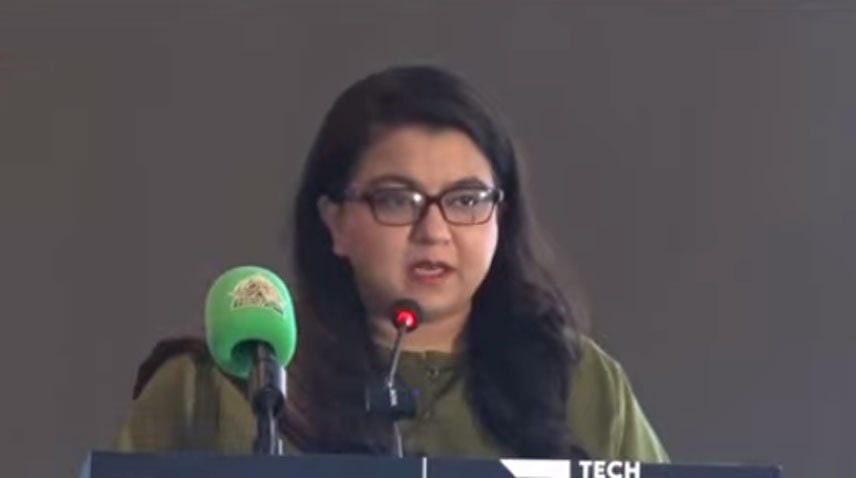
ISLAMABAD — Federal Minister for Information Technology and Telecommunication Shaza Fatima Khawaja announced on Saturday three significant changes to the Prime Minister’s Fuel Relief Scheme. The modifications aim to enhance benefits for motorcycle, rickshaw, and Qingqi users across Pakistan, extending the scheme’s reach and impact.
What Happened
During a media briefing in Islamabad, Minister Shaza Fatima Khawaja detailed the adjustments to the Prime Minister’s Fuel Relief Scheme, which is designed to alleviate the financial burden of fuel costs on low-income individuals. The minister highlighted that the eligibility criteria for the scheme have been expanded to include motorcycles registered from January 2021 onwards. This change is expected to incorporate a larger segment of the population, particularly those who rely on two-wheelers for daily commuting.
The second change involves an increase in the fuel subsidy amount provided to eligible beneficiaries. While the exact figures were not disclosed, the minister assured that the increment would be substantial enough to make a meaningful difference in the lives of the recipients. This adjustment aims to address the rising fuel prices that have significantly impacted the cost of living for many Pakistanis.
The third change focuses on streamlining the application process to ensure quicker and more efficient disbursement of funds. Minister Shaza Fatima emphasized that the government is committed to reducing bureaucratic hurdles and improving access to the scheme for all eligible individuals. “We are working tirelessly to ensure that the benefits reach those who need them the most without unnecessary delays,” she stated.
Background
The Prime Minister’s Fuel Relief Scheme was initially launched as a response to the escalating fuel prices in Pakistan, which have been driven by global market fluctuations and local economic challenges. The scheme aims to provide financial assistance to low-income groups who are disproportionately affected by these price hikes. Motorcycles, rickshaws, and Qingqis are essential modes of transport for many in Pakistan, particularly in urban and semi-urban areas where public transport options are limited.
Previous iterations of the scheme faced criticism for their limited reach and complex application procedures, which excluded many potential beneficiaries. The recent changes are part of the government’s ongoing efforts to refine and expand the program to better serve the needs of the population.
Why It Matters
The adjustments to the Prime Minister’s Fuel Relief Scheme are significant in the context of Pakistan’s current economic climate. With inflation rates soaring and fuel prices continuing to rise, the financial strain on low-income households has become increasingly severe. By expanding the eligibility criteria and increasing the subsidy amount, the government is taking concrete steps to mitigate some of these pressures.
Economically, the changes are expected to inject more disposable income into the hands of beneficiaries, potentially boosting local economies as individuals have more to spend on essentials and services. Socially, the scheme’s enhancements could improve mobility for low-income workers, enabling them to access employment opportunities more easily and contribute to economic productivity.
Politically, these changes may bolster public confidence in the government’s ability to address pressing economic issues, which is crucial for maintaining stability and support amid challenging times. The success of such welfare initiatives could also influence future policy decisions and the government’s approach to social safety nets.
Key Takeaways
- The eligibility for the PM Fuel Relief Scheme now includes motorcycles registered from January 2021.
- The fuel subsidy amount for beneficiaries has been increased to counter rising fuel costs.
- Application processes have been streamlined to ensure faster disbursement of funds.
- The scheme aims to alleviate financial burdens on low-income individuals reliant on motorcycles, rickshaws, and Qingqis.
- These changes are part of broader government efforts to address economic challenges and support vulnerable populations.
Source Attribution
This article is based on official government statements, press releases, and public communications from relevant authorities.