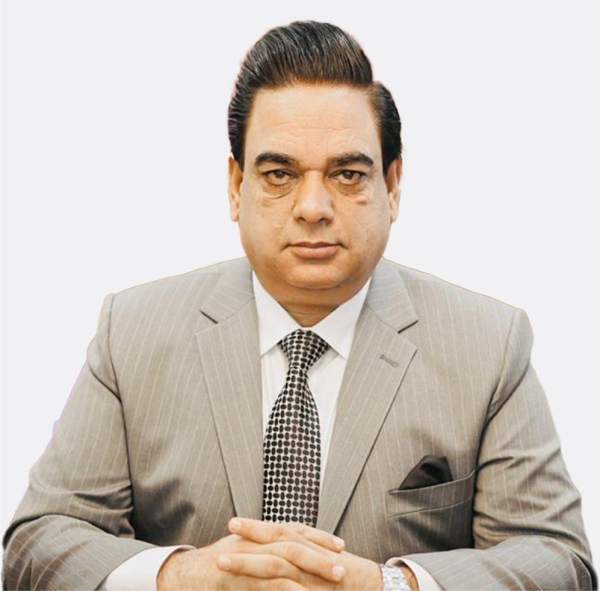
ISLAMABAD — The President of the Islamabad Chamber of Commerce and Industry (ICCI), Sardar Tahir Mehmood, emphasized the need for a comprehensive and long-term economic strategy centered on exports to ensure sustainable growth in Pakistan. Speaking on Friday, Mehmood highlighted that fragmented and short-term policies are no longer viable for the country’s economic future.
What Happened
Sardar Tahir Mehmood, addressing members of the ICCI, called for a strategic shift in Pakistan’s economic policy framework. He stressed the importance of a well-defined roadmap that prioritizes exports as a core component of the nation’s economic strategy. “Pakistan needs continuity, policy consistency, and a shared national economic vision,” Mehmood stated, emphasizing the necessity for a unified approach to economic planning.
Mehmood pointed out that the current economic challenges facing Pakistan require a concerted effort from both the government and the private sector. He argued that without a focus on exports, Pakistan would struggle to achieve the economic stability and growth needed to improve the living standards of its citizens. The ICCI President also called for reforms that would enhance the competitiveness of Pakistani products in international markets.
During his address, Mehmood highlighted several key areas that need immediate attention, including the diversification of export products, improving the ease of doing business, and enhancing trade facilitation measures. He also urged the government to engage in policy dialogues with stakeholders to create an environment conducive to export-led growth.
Background
Pakistan’s economy has historically been challenged by a lack of diversification and reliance on a narrow range of export products, primarily textiles and agricultural goods. Over the years, inconsistent policies and political instability have hindered the development of a robust export sector. Previous attempts to boost exports have often been short-lived due to policy reversals and lack of follow-through.
The country has faced significant economic challenges, including a growing trade deficit, inflation, and a depreciating currency. These issues have been exacerbated by global economic conditions and domestic structural weaknesses. In recent years, there has been a push from various economic bodies and experts to reorient the economic strategy towards sustainable growth through exports.
Why It Matters
The emphasis on exports is critical for Pakistan as it seeks to stabilize its economy and reduce its trade deficit. By focusing on exports, Pakistan can generate foreign exchange reserves, which are vital for maintaining economic stability and funding essential imports. A robust export sector can also lead to job creation, technological advancement, and increased competitiveness in global markets.
In the broader context, a shift towards an export-oriented economic strategy aligns with global economic trends where countries are increasingly focusing on trade to drive growth. For Pakistan, this means not only expanding its traditional export sectors but also developing new ones, such as information technology and services, which have significant growth potential.
Furthermore, by adopting a long-term and consistent economic policy framework, Pakistan can attract foreign investment, which is crucial for industrial growth and infrastructure development. This approach can help mitigate the impacts of global economic fluctuations and provide a stable environment for businesses to thrive.
Key Takeaways
- Sardar Tahir Mehmood, ICCI President, calls for a long-term economic strategy focused on exports.
- Mehmood emphasizes the need for policy consistency and a shared national economic vision.
- Current economic challenges necessitate a shift from fragmented, short-term policies.
- Pakistan’s export diversification and competitiveness are crucial for economic stability.
- A robust export strategy can lead to job creation and attract foreign investment.
Source Attribution
This article is based on official statements and public communications from the Islamabad Chamber of Commerce and Industry.