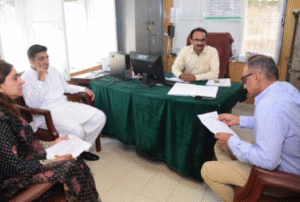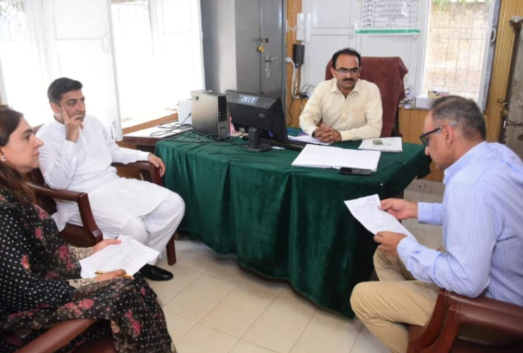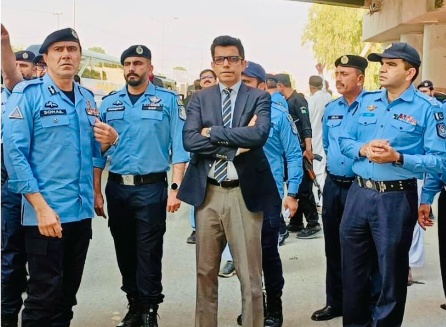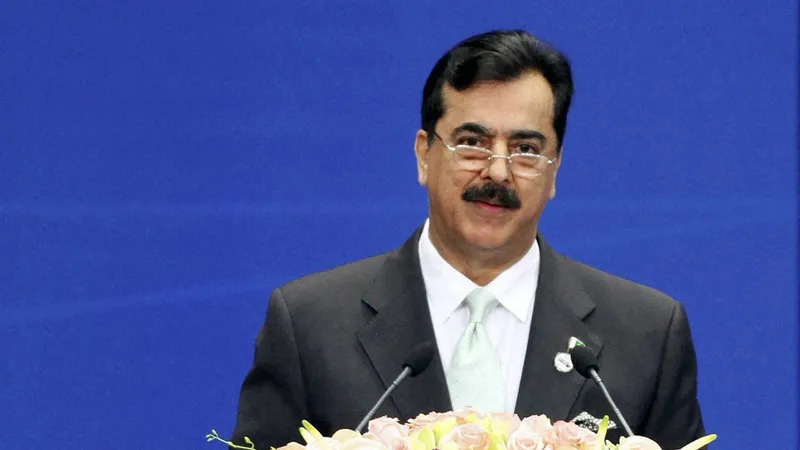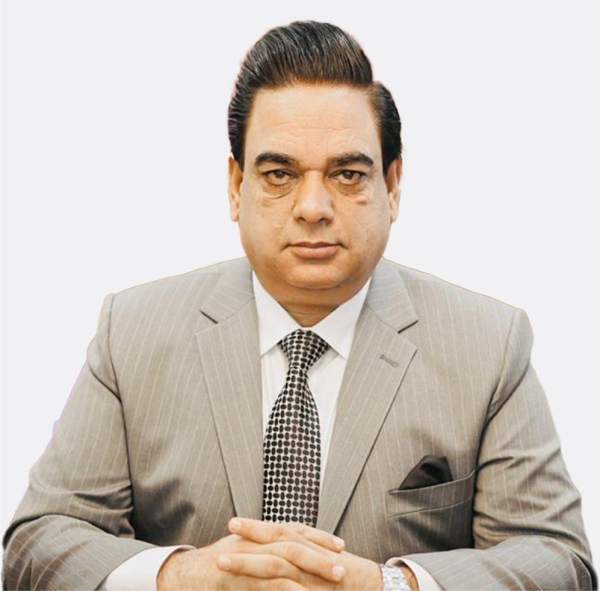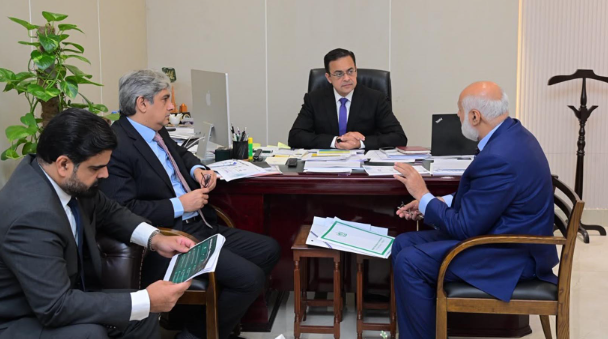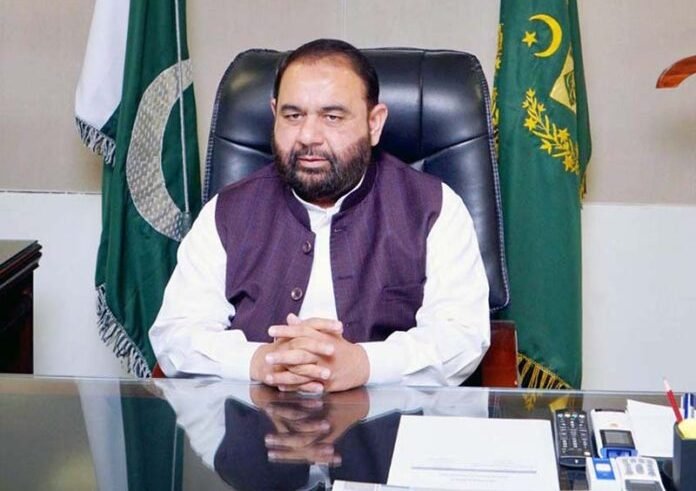
KARACHI — Federal Minister for National Heritage and Culture, Aurangzeb Khan Khichi, visited the Quaid-e-Azam Academy in Karachi on September 19. Accompanied by Abdul Aleem Sheikh, Resident Engineer of the Quaid-e-Azam Mazar Management Board, the visit aimed to assess the preservation efforts and ongoing projects at the historic site.
What Happened
During his visit, Federal Minister Khichi was warmly received by Zahid Hussain Abro, an official at the academy. The minister toured the facility to inspect the current state of preservation and to discuss future initiatives aimed at enhancing the academy’s role in promoting Pakistan’s cultural heritage. The Quaid-e-Azam Academy, dedicated to the memory of Pakistan’s founding father, Muhammad Ali Jinnah, serves as a significant cultural and educational institution in the country.
Minister Khichi emphasized the importance of maintaining the academy as a center for learning and cultural exchange. “Our heritage sites are invaluable, and it is our duty to ensure they are preserved for future generations,” he stated. The minister also reviewed the ongoing projects at the academy, which include digital archiving of historical documents and upgrading the facilities to accommodate more visitors and researchers.
The visit also included discussions on potential collaborations with international cultural organizations to further enhance the academy’s resources and outreach. The minister expressed his commitment to securing additional funding to support these initiatives, highlighting the government’s dedication to preserving Pakistan’s rich cultural history.
Background
The Quaid-e-Azam Academy was established to honor Muhammad Ali Jinnah, the founder of Pakistan, and to promote research and education related to his life and work. It is located near the Quaid-e-Azam Mazar, the mausoleum where Jinnah is buried, which is a prominent landmark in Karachi. The academy plays a pivotal role in preserving the legacy of Jinnah and serves as a repository of historical documents, photographs, and artifacts related to Pakistan’s independence movement.
In recent years, the academy has undertaken several projects to digitize its collections and make them accessible to a global audience. These efforts are part of a broader initiative by the Ministry of National Heritage and Culture to modernize cultural institutions across Pakistan and to encourage scholarly research on the country’s history and heritage.
Why It Matters
The visit by Federal Minister Khichi underscores the government’s commitment to preserving Pakistan’s cultural heritage at a time when historical sites face challenges from urban development and environmental factors. The Quaid-e-Azam Academy, being a custodian of Jinnah’s legacy, holds significant educational and symbolic value for the nation.
By focusing on digital archiving and international collaborations, the academy can enhance its role as a center for historical research and cultural exchange. This not only benefits academic scholars but also fosters a deeper understanding of Pakistan’s history among the general public. The potential increase in funding and resources could lead to improved facilities and expanded programs, attracting more visitors and researchers, both domestically and internationally.
Furthermore, preserving the Quaid-e-Azam Academy aligns with Pakistan’s broader cultural policy objectives, which aim to safeguard the nation’s diverse heritage and promote cultural tourism. Such initiatives can have a positive economic impact by boosting tourism and creating opportunities for cultural diplomacy.
Key Takeaways
- Federal Minister Aurangzeb Khichi visited the Quaid-e-Azam Academy in Karachi to assess preservation efforts.
- The visit highlighted ongoing projects, including digital archiving and facility upgrades.
- The academy plays a crucial role in preserving the legacy of Muhammad Ali Jinnah.
- Government initiatives aim to enhance cultural institutions and promote historical research.
- Preservation efforts have potential economic and educational benefits for Pakistan.
Source Attribution
This article is based on official government statements, press releases, and public communications from relevant authorities.