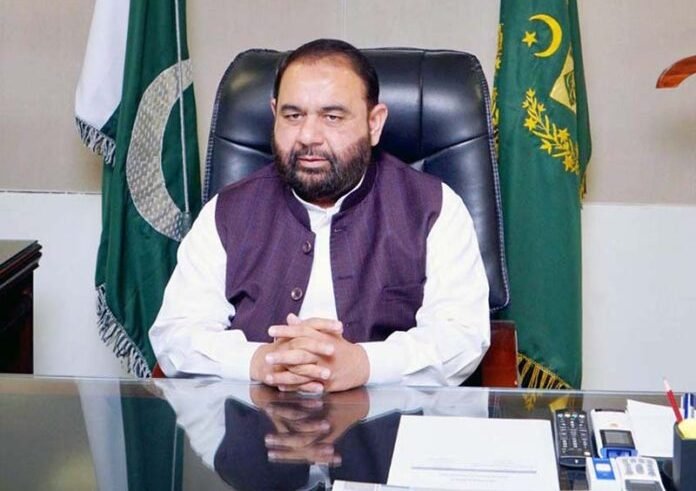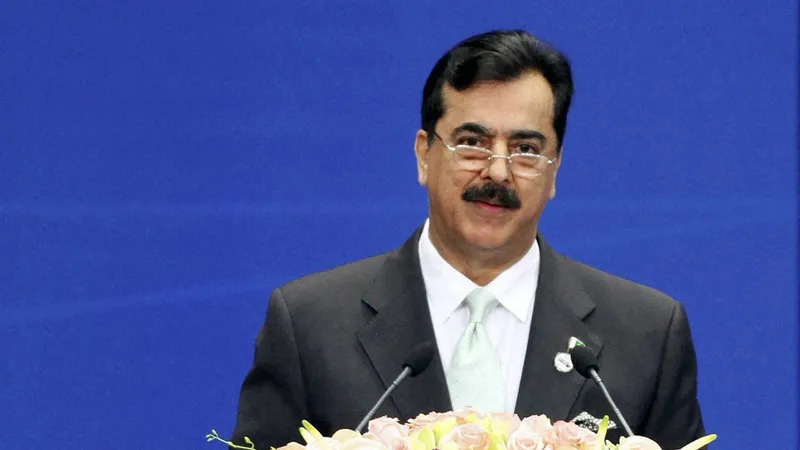
ISLAMABAD — The Pakistani government is taking significant measures to enhance the standards of IT education across the country. On Saturday, Federal Minister for Economic Affairs and Establishment Senator Ahad Cheema emphasized the need for a robust framework to address the issue of unaccredited IT institutions. This initiative aims to protect students from enrolling in unrecognized programs and to ensure that IT graduates possess skills that are competitive on an international level.
What Happened
During a high-level meeting held to review the current IT skills assessment framework, Senator Ahad Cheema highlighted the urgent need to establish a comprehensive mechanism that would oversee the accreditation of IT institutions. The meeting, attended by key stakeholders from the education and IT sectors, focused on developing strategies to improve the quality of IT education in Pakistan.
Senator Cheema stated, “It is imperative that we protect our students from unaccredited institutions and ensure that our IT graduates are equipped with skills that meet global standards.” The minister stressed the importance of collaboration between government bodies, educational institutions, and industry leaders to create a cohesive strategy that would enhance the quality of IT education.
The meeting concluded with a consensus on the need for a standardized accreditation process for IT institutions. This process would involve regular assessments and evaluations to ensure compliance with international educational standards. The government also plans to introduce policies that would encourage IT institutions to upgrade their curricula and faculty to align with global trends.
Background
The move to strengthen IT education standards comes in response to growing concerns about the proliferation of unaccredited IT institutions in Pakistan. Over the past decade, the demand for IT education has surged, leading to the establishment of numerous private institutions. However, many of these institutions lack proper accreditation, resulting in a disparity in the quality of education provided.
Historically, Pakistan’s IT sector has been a significant contributor to the national economy, with IT exports reaching over $2 billion annually. Despite this growth, the sector faces challenges related to the quality of education and the employability of graduates. Previous efforts to address these issues have included initiatives to promote digital literacy and enhance vocational training programs.
Why It Matters
Improving IT education standards is crucial for Pakistan’s economic and technological advancement. The IT sector is a vital component of the country’s economy, and enhancing the quality of education will directly impact the industry’s growth and competitiveness on a global scale.
By ensuring that IT graduates possess internationally competitive skills, Pakistan can strengthen its position in the global IT market. This move is expected to increase the employability of graduates, reduce the skills gap, and attract foreign investment in the IT sector. Additionally, it will help in building a skilled workforce capable of driving innovation and technological development within the country.
The initiative also holds social significance, as it aims to protect students from investing time and resources in unrecognized programs. By establishing a transparent accreditation process, the government seeks to ensure that students receive quality education that meets international standards, ultimately contributing to their career success and personal development.
Key Takeaways
- The government is implementing measures to enhance IT education standards in Pakistan.
- A comprehensive framework will address the issue of unaccredited IT institutions.
- Senator Ahad Cheema emphasized the need for international competitiveness in IT skills.
- The initiative aims to improve the employability of IT graduates and attract foreign investment.
- Ensuring quality education will protect students from enrolling in unrecognized programs.
Source Attribution
This article is based on official government statements, press releases, and public communications from relevant authorities.