
Author name: Yasir Zubairi

Yasir Zubairi is the founder and publisher of NEN Agency (News Era Network). He leads NEN's coverage of Pakistan's national affairs, economy, foreign relations and sports, and is responsible for the accuracy and standards of every story published on nenagency.com.

Ahsan Iqbal Leads Polio Eradication Efforts at National Taskforce Meeting
Pakistan

Ahsan Iqbal Leads Polio Eradication Efforts at National Taskforce Meeting

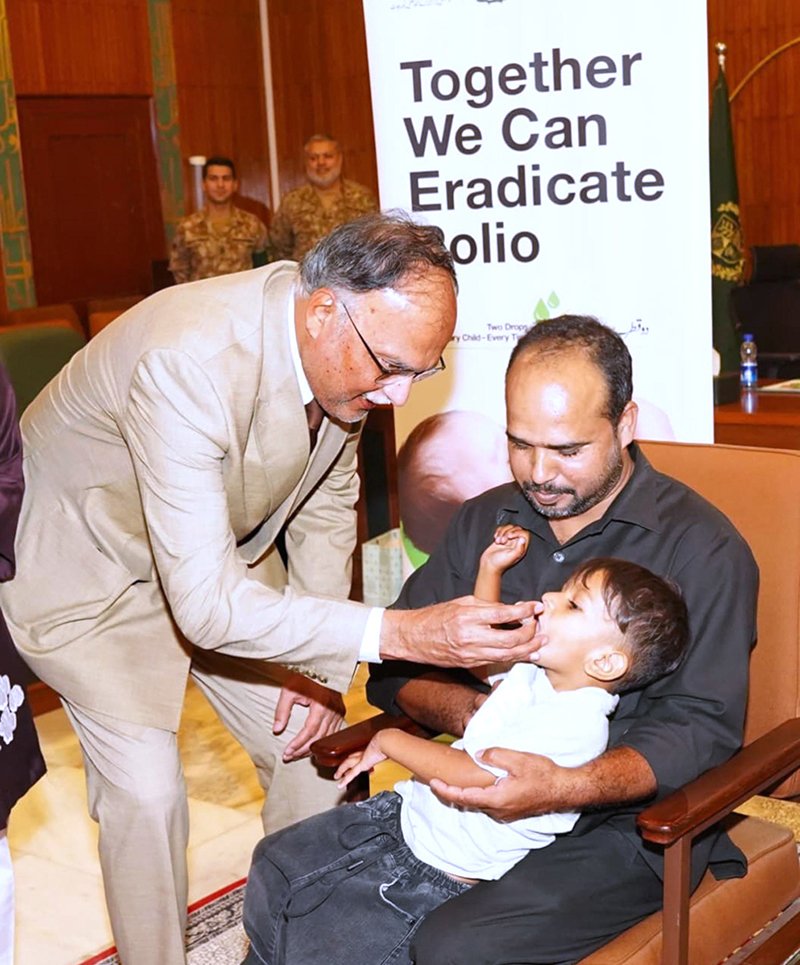
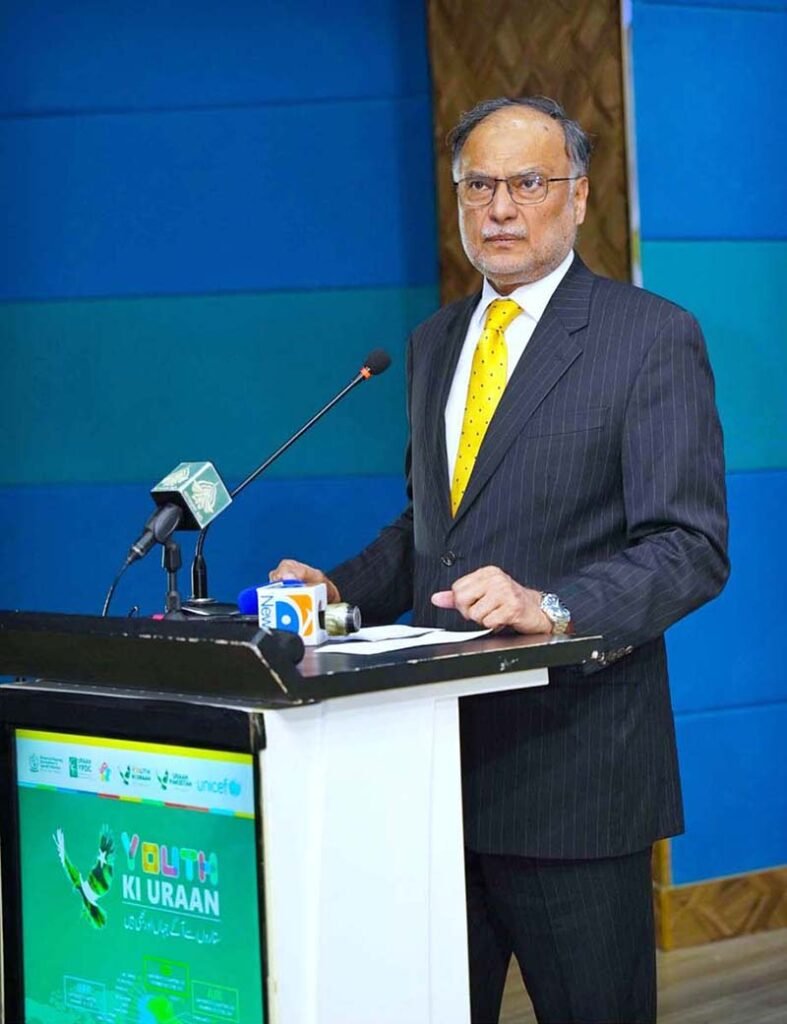
ISLAMABAD — Federal Minister for Planning, Development and Special Initiatives Ahsan Iqbal took a hands-on approach in the fight against polio by administering polio drops to a child during the Prime Minister’s Committee on the National Taskforce for Polio Eradication meeting. The meeting, chaired by Iqbal, was held to evaluate and enhance the strategies aimed at eradicating polio from Pakistan. What Happened The meeting of the Prime Minister’s Committee on the National Taskforce for Polio Eradication was convened in Islamabad, where Federal Minister Ahsan Iqbal emphasized the government’s commitment to eliminating polio. During the session, Iqbal personally administered polio drops to a child, symbolizing the hands-on approach and dedication of the government towards this public health challenge. Iqbal addressed the attendees, including health officials and representatives from various partner organizations, highlighting the importance of coordinated efforts to combat polio. He stated, “The eradication of polio is a top priority for the government, and we are committed to ensuring that every child in Pakistan is vaccinated.” The meeting focused on assessing the current status of polio eradication initiatives and identifying areas for improvement. The taskforce discussed various strategies to enhance the reach and effectiveness of polio vaccination campaigns, particularly in high-risk areas. The meeting also reviewed the progress made in the past year and set targets for the upcoming campaigns. The importance of community engagement and the role of local health workers were underscored as critical components of the eradication strategy. Background Polio has been a persistent public health challenge in Pakistan, with the country being one of the few in the world where the virus remains endemic. Despite significant progress in reducing the number of polio cases, sporadic outbreaks continue to occur, primarily due to gaps in vaccination coverage and challenges in reaching remote areas. The National Taskforce for Polio Eradication was established to coordinate efforts across federal and provincial levels, involving both government and non-governmental organizations. The taskforce aims to implement comprehensive strategies to ensure complete immunization coverage and address obstacles such as misinformation and resistance to vaccination. Why It Matters The eradication of polio is not only a public health imperative but also a matter of national pride and international responsibility for Pakistan. Successfully eliminating polio would signify a major victory in public health, improving the country’s global standing and fulfilling its commitments to international health organizations. Economically, eradicating polio would reduce the burden on the healthcare system, allowing resources to be redirected towards other pressing health issues. Socially, it would alleviate the stigma and fear associated with the disease, particularly in affected communities. The success of the polio eradication campaign could also serve as a model for addressing other public health challenges in Pakistan. Internationally, Pakistan’s progress in polio eradication is closely monitored by global health organizations, and its success would contribute significantly to the global effort to eradicate the disease. The commitment demonstrated by leaders like Ahsan Iqbal is crucial in maintaining momentum and ensuring that the goal of a polio-free world is achieved. Key Takeaways Federal Minister Ahsan Iqbal administered polio drops during a national taskforce meeting, highlighting government commitment. The meeting focused on enhancing strategies for polio eradication and reviewed past progress and future targets. Polio eradication remains a top priority for Pakistan, with significant implications for public health and international standing. Challenges such as vaccination coverage gaps and misinformation were addressed during the taskforce discussions. Successful eradication would improve Pakistan’s healthcare system and serve as a model for tackling other health challenges. Source Attribution This article is based on official government statements, press releases, and public communications from relevant authorities. Author: NEN Editorial Desk | Editor: NEN Newsroom | Fact Checked By: NEN Editorial Team Author: NEN Editorial Desk  |  Editor: NEN Newsroom  |  Last Updated: September 19, 2026  |  Source: Press Release from Government of Pakistan This article was produced by the NEN Editorial Desk in accordance with NEN Agency’s Editorial Policy and Fact-Checking Policy.
Red Line BRT Project Advances with Heavy Machinery in Karachi
Pakistan

Red Line BRT Project Advances with Heavy Machinery in Karachi

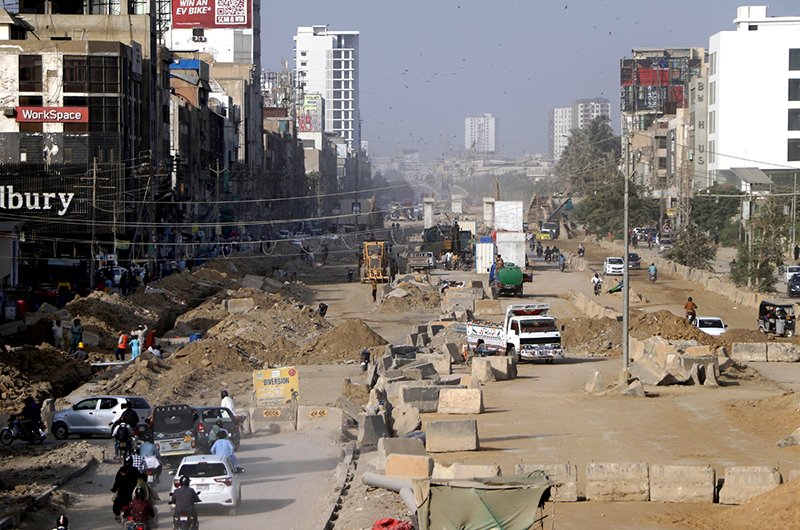
KARACHI — The development work on the Red Line Bus Rapid Transit (BRT) project is currently progressing along University Road in Karachi, with heavy machinery being deployed to expedite the construction process. The project, aimed at alleviating traffic congestion in the city, is a significant component of Karachi’s urban transport infrastructure plan. What Happened The Red Line BRT project, part of Karachi’s broader public transport strategy, has seen increased activity along University Road, a major thoroughfare in the provincial capital. Construction teams have been working tirelessly, utilizing heavy machinery to lay the groundwork for the BRT corridor. This phase of the project involves significant earth-moving operations, road widening, and the installation of necessary infrastructure to support the BRT system. The project, which is expected to span approximately 29 kilometers, will connect Model Colony to Mazar-e-Quaid, passing through key areas such as Malir Halt, Numaish, and the University of Karachi. According to project officials, the Red Line BRT is designed to accommodate over 300,000 passengers daily, significantly easing the burden on Karachi’s existing public transport system. “The Red Line BRT is a crucial development for Karachi, addressing both traffic congestion and environmental concerns by promoting the use of public transport,” stated a project spokesperson. The initiative is part of a larger effort to modernize Karachi’s transport network and improve urban mobility. Background The Red Line BRT project is one of several BRT initiatives under the Karachi Bus Rapid Transit System, which aims to provide efficient and reliable public transport across the city. The project is funded through a combination of federal and provincial government resources, with additional support from international financial institutions. Historically, Karachi has struggled with inadequate public transport infrastructure, leading to severe traffic congestion and pollution. The introduction of BRT systems is seen as a sustainable solution to these challenges, offering a high-capacity, rapid transit option that reduces reliance on private vehicles. Previous BRT projects in Karachi, such as the Green Line, have faced delays and operational challenges. However, lessons learned from these experiences are being applied to ensure the successful implementation of the Red Line. Why It Matters The Red Line BRT project is pivotal for Karachi, a city grappling with one of the highest urban population densities in the world. By providing a reliable mass transit option, the project aims to reduce traffic congestion, lower emissions, and improve air quality. This is particularly important in a city where vehicular emissions contribute significantly to pollution levels. Economically, the project is expected to stimulate local businesses by improving access to commercial areas and reducing travel time for commuters. It also holds potential for job creation during the construction phase and future operations, contributing to the local economy. Politically, the successful implementation of the Red Line BRT could bolster public confidence in government-led infrastructure projects, which have often been criticized for delays and inefficiencies. It represents a tangible step towards modernizing Karachi’s infrastructure, which is crucial for the city’s growth and development. Internationally, the project aligns with global trends towards sustainable urban transport solutions, showcasing Pakistan’s commitment to addressing urban mobility challenges in line with environmental sustainability goals. Key Takeaways The Red Line BRT project is actively progressing along University Road in Karachi. The project aims to connect key areas of Karachi, spanning approximately 29 kilometers. It is designed to accommodate over 300,000 passengers daily, easing traffic congestion. The initiative is part of a broader effort to modernize Karachi’s transport infrastructure. Successful implementation could enhance public confidence in government infrastructure projects. Source Attribution This article is based on official government statements, press releases, and public communications from relevant authorities. Author: NEN Editorial Desk | Editor: NEN Newsroom | Fact Checked By: NEN Editorial Team Author: NEN Editorial Desk  |  Editor: NEN Newsroom  |  Last Updated: September 19, 2026  |  Source: NEN Reporter This article was produced by the NEN Editorial Desk in accordance with NEN Agency’s Editorial Policy and Fact-Checking Policy.
Larkana Vendors Showcase Traditional Patchwork Bed Sheets to Customers
Pakistan

Larkana Vendors Showcase Traditional Patchwork Bed Sheets to Customers

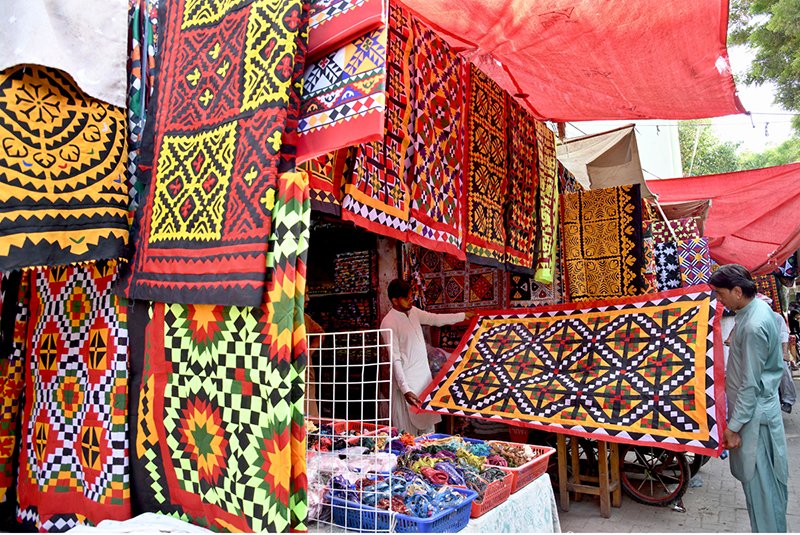
LARKANA — Vendors in Larkana are attracting customers with their vibrant display of handmade traditional patchwork bed sheets. These intricately designed textiles, known for their cultural significance and artistic craftsmanship, are drawing attention at local shops. What Happened In the bustling city of Larkana, vendors have set up shop to showcase an array of colorful handmade traditional patchwork bed sheets. These textiles, crafted with meticulous care, feature a blend of vivid colors and intricate designs that are emblematic of the region’s rich cultural heritage. Customers visiting these shops are greeted with a visual feast as the vendors display their wares prominently, hoping to entice both locals and tourists alike. One vendor, speaking about the appeal of these bed sheets, stated, “Each piece tells a story through its patterns and colors. Our customers appreciate the uniqueness and the effort that goes into making each bed sheet.” The shopkeepers are keen to highlight the traditional methods used in creating these patchworks, which involve hand-stitching and the use of natural dyes. The demand for these traditional items has seen a resurgence, as more people are becoming interested in owning pieces that reflect the cultural artistry of Pakistan. The vendors are optimistic that this trend will continue, boosting local craftsmanship and providing a stable income for artisans. Background Patchwork textiles have a long history in Pakistan, particularly in the Sindh region, where Larkana is located. These textiles are not only functional but also serve as a medium for artistic expression. The tradition of patchwork in Sindh dates back centuries and is often passed down through generations. Artisans typically use leftover fabric pieces to create complex designs, which are then assembled into larger pieces such as bed sheets, quilts, and wall hangings. The process of making these textiles is labor-intensive, requiring significant skill and patience. Historically, these items were made for personal use or as gifts, but in recent years, they have gained commercial value as interest in traditional crafts has grown both domestically and internationally. Why It Matters The resurgence in popularity of traditional patchwork bed sheets in Larkana is significant for several reasons. Economically, it provides a source of income for local artisans and vendors, many of whom rely on the sale of these crafts as their primary livelihood. As interest in handmade goods increases, it supports the preservation of traditional skills that might otherwise be lost in the face of modern manufacturing processes. Socially, the appreciation for these textiles fosters a sense of cultural pride and identity among the people of Sindh. It encourages younger generations to learn and continue the craft, ensuring that this aspect of their cultural heritage is preserved. Additionally, the sale of these items to tourists and international buyers helps to promote Pakistan’s cultural richness on a global stage. Politically, the support for local craftsmanship aligns with broader governmental efforts to promote small and medium enterprises (SMEs) and boost the country’s export potential. By investing in and promoting traditional crafts, Pakistan can enhance its cultural diplomacy and strengthen its economic ties with other nations. Key Takeaways Vendors in Larkana are showcasing handmade traditional patchwork bed sheets, attracting both local and international customers. The craft of patchwork textiles in Sindh has a rich history, with techniques passed down through generations. The resurgence in popularity supports local artisans economically and helps preserve cultural heritage. The sale of these textiles contributes to Pakistan’s cultural diplomacy and economic growth. Interest in traditional crafts encourages cultural pride and identity among the people of Sindh. Source Attribution This article is based on official government statements, press releases, and public communications from relevant authorities. Author: NEN Editorial Desk | Editor: NEN Newsroom | Fact Checked By: NEN Editorial Team Author: NEN Editorial Desk  |  Editor: NEN Newsroom  |  Last Updated: September 19, 2026  |  Source: NEN Reporter This article was produced by the NEN Editorial Desk in accordance with NEN Agency’s Editorial Policy and Fact-Checking Policy.
Street Vendors Adapt Amid Rising Water Levels in Lahore
Pakistan

Street Vendors Adapt Amid Rising Water Levels in Lahore

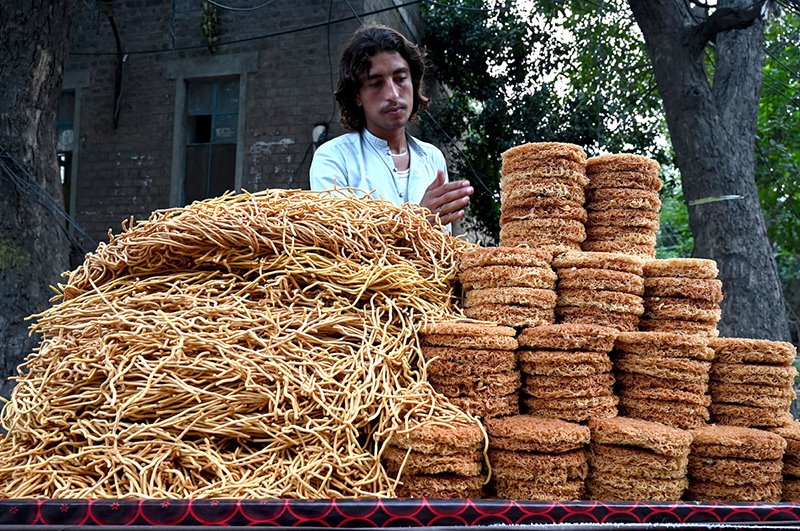
LAHORE — In the bustling city of Lahore, street vendors are creatively adapting their businesses as water levels rise in the Indus River due to heavy monsoon rains. Vendors are strategically arranging and displaying snacks on their handcarts to attract customers at roadside setups, providing a glimpse into the resilience and adaptability of small business owners in Pakistan. What Happened As monsoon rains continue to pour across Pakistan, the Indus River has seen a significant rise in water levels. This natural occurrence has led to an influx of people visiting the riverbanks to enjoy the scenic views and spend quality time with their families. Amidst this backdrop, street vendors in Lahore have been quick to capitalize on the increased foot traffic. One such vendor, who operates a snack cart, has been meticulously arranging and displaying his goods to draw the attention of passersby. The vendor’s handcart, laden with an assortment of snacks, has become a popular stop for families and individuals enjoying the riverside atmosphere. “It’s important to make the cart look inviting,” the vendor explained, emphasizing the need to stand out among the many options available to customers. The rise in visitors to the riverbanks has provided a much-needed boost to local vendors, who have faced economic challenges due to the COVID-19 pandemic and subsequent lockdowns. This increase in business activity is a welcome change for many who rely on daily earnings to support their families. Background Pakistan experiences a monsoon season every year, typically from June to September, which can lead to significant changes in river water levels. The Indus River, one of the longest rivers in the world, plays a crucial role in the country’s agriculture and economy. However, it is also prone to flooding during heavy rains, which can impact surrounding communities. Street vending is a common occupation in Pakistan, providing livelihoods for thousands of individuals and families. These vendors often operate in informal settings, selling food, clothing, and other goods. Despite their contributions to the local economy, street vendors frequently face challenges such as lack of formal recognition, limited access to financial resources, and vulnerability to weather conditions. Why It Matters The adaptability of street vendors in Lahore highlights the resilience of small business owners in Pakistan. As the country grapples with economic challenges, including inflation and unemployment, the ability of vendors to adjust their strategies and attract customers is crucial for their survival and the well-being of their families. Moreover, the rise in water levels in the Indus River serves as a reminder of the ongoing impact of climate change on Pakistan’s environment and economy. With increasing frequency of extreme weather events, communities must find ways to adapt and mitigate the effects of such changes. Economically, the increased activity at the riverbanks provides a temporary boost to local businesses, contributing to the livelihoods of vendors and their families. Socially, the gathering of families at the riverbanks fosters community engagement and provides a sense of normalcy amidst the challenges posed by the pandemic and economic uncertainty. Key Takeaways Street vendors in Lahore are adapting their businesses to attract customers amidst rising water levels in the Indus River. The increase in visitors to the riverbanks provides a much-needed economic boost for local vendors. Monsoon rains and rising water levels highlight the ongoing impact of climate change in Pakistan. Street vending remains a vital source of income for many families in Pakistan, despite various challenges. The adaptability of vendors reflects the resilience of small business owners in the face of economic and environmental challenges. Source Attribution This article is based on official government statements, press releases, and public communications from relevant authorities. Author: NEN Editorial Desk | Editor: NEN Newsroom | Fact Checked By: NEN Editorial Team Author: NEN Editorial Desk  |  Editor: NEN Newsroom  |  Last Updated: September 19, 2026  |  Source: NEN Reporter This article was produced by the NEN Editorial Desk in accordance with NEN Agency’s Editorial Policy and Fact-Checking Policy.
Ahsan Iqbal Advocates Chip Design, Human Capital for Export Growth
Pakistan

Ahsan Iqbal Advocates Chip Design, Human Capital for Export Growth

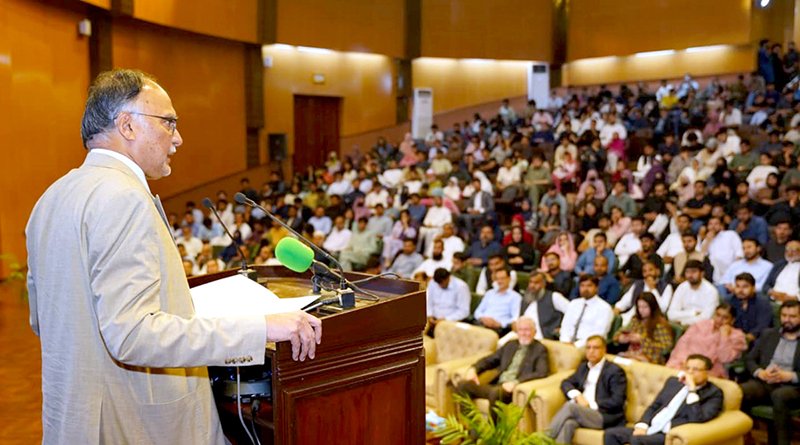
ISLAMABAD — Federal Minister for Planning, Development and Special Initiatives Professor Ahsan Iqbal on Friday highlighted the strategic importance of developing expertise in chip design and human capital to bolster Pakistan’s export potential. Speaking at an event organized by the Ghulam Ishaq Khan Institute of Engineering, he underscored the need for Pakistan to advance its technological capabilities to establish a modern, export-oriented economy. What Happened Professor Ahsan Iqbal addressed a gathering at the Ghulam Ishaq Khan Institute of Engineering, emphasizing the critical role of technology and skilled human resources in shaping Pakistan’s economic future. He pointed out that the global economy is increasingly driven by technological advancements, and Pakistan must not lag behind. “We need to focus on developing our human resources and enhancing our capabilities in chip design and other advanced technologies,” Iqbal stated. The minister stressed that investing in education and skill development is essential for Pakistan to compete on an international level. He noted that the country’s young population presents a unique opportunity to build a workforce capable of meeting the demands of a technology-driven global market. “Our youth can become the backbone of a vibrant economy if we equip them with the right skills,” he added. Iqbal also highlighted the government’s commitment to fostering innovation and research in the field of engineering and technology. He mentioned ongoing initiatives aimed at improving educational infrastructure and promoting partnerships between academia and industry to facilitate knowledge transfer and practical training. Background Pakistan’s economy has traditionally relied on agriculture and textiles as primary export sectors. However, in recent years, there has been a growing recognition of the need to diversify and modernize the economy. The government has been focusing on enhancing the IT sector, which has shown promise as a significant contributor to exports. The emphasis on chip design and advanced technology is part of a broader strategy to integrate Pakistan into the global technology supply chain. Historically, Pakistan’s educational institutions have faced challenges in keeping pace with rapid technological changes. However, initiatives such as the establishment of technology parks and increased funding for research and development are steps towards addressing these gaps. The government’s Vision 2025 plan also outlines goals for developing a knowledge-based economy. Why It Matters The focus on chip design and human capital development is crucial for Pakistan’s economic trajectory. As global demand for semiconductor technology continues to rise, countries with the capability to design and manufacture chips are positioned for significant economic gains. By investing in this sector, Pakistan can tap into a lucrative market, reduce its reliance on traditional exports, and improve its trade balance. Furthermore, developing human capital in technology fields can lead to job creation and economic empowerment for the country’s youth. With a large and growing young population, equipping them with skills in high-demand areas like chip design can drive innovation and entrepreneurship, leading to a more robust and resilient economy. Internationally, establishing a strong presence in the technology sector can enhance Pakistan’s competitiveness and attract foreign investment. By aligning with global technological trends, Pakistan can strengthen its economic partnerships and increase its influence in international markets. Key Takeaways Federal Minister Ahsan Iqbal emphasized the importance of chip design and human capital for Pakistan’s export growth. Investing in education and technology is crucial for integrating Pakistan into the global economy. Developing skills in advanced technologies can create job opportunities and drive economic empowerment. Strengthening the technology sector can enhance Pakistan’s competitiveness and attract foreign investment. The government’s Vision 2025 plan includes goals for a knowledge-based economy to modernize the export sector. Source Attribution This article is based on official government statements, press releases, and public communications from relevant authorities. Author: NEN Editorial Desk | Editor: NEN Newsroom | Fact Checked By: NEN Editorial Team Author: NEN Editorial Desk  |  Editor: NEN Newsroom  |  Last Updated: September 18, 2026  |  Source: NEN Reporter This article was produced by the NEN Editorial Desk in accordance with NEN Agency’s Editorial Policy and Fact-Checking Policy.
EU Ambassador Discusses Future of GSP Plus with APTMA Leaders
World

EU Ambassador Discusses Future of GSP Plus with APTMA Leaders

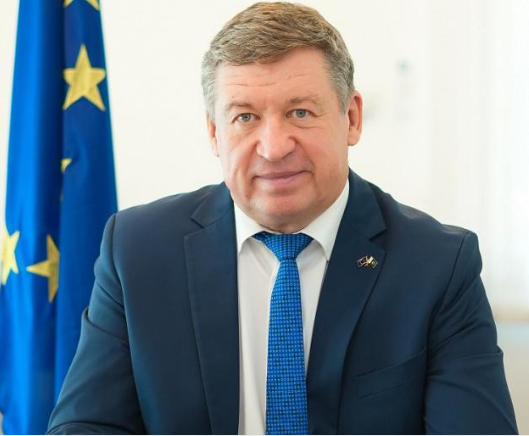
LAHORE — European Union (EU) Ambassador Raimundas Karoblis engaged in detailed discussions with the leadership of the All Pakistan Textile Mills Association (APTMA) on September 18, focusing on strategies to extend the Generalised Scheme of Preferences Plus (GSP Plus) beyond 2027. The meeting took place at the APTMA House, where the Ambassador was accompanied by Mr. Kert Ajamaa, First Secretary, and Mr. Theis Munksgaard-Hansen, Manager Development Cooperation. What Happened During the meeting, Ambassador Karoblis and APTMA officials explored various strategies to ensure the continuation of the GSP Plus status, which is crucial for Pakistan’s textile exports to the EU. The GSP Plus scheme provides preferential access to the EU market by reducing tariffs, thereby enhancing the competitiveness of Pakistani textiles. The discussions were aimed at addressing the challenges and requirements for the extension of this trade arrangement. APTMA representatives highlighted the importance of the GSP Plus status, noting that it significantly contributes to the economic stability of Pakistan’s textile sector, which is a major source of employment and foreign exchange earnings. They emphasized the need for compliance with EU regulations and standards to secure the extension of the scheme. Ambassador Karoblis acknowledged Pakistan’s efforts in meeting the EU’s criteria for the GSP Plus status, which includes adherence to international conventions on human rights, labor rights, environmental protection, and good governance. He expressed the EU’s willingness to support Pakistan in its endeavors to fulfill these obligations, ensuring a mutually beneficial trade relationship. Background The GSP Plus is a special incentive arrangement for sustainable development and good governance, which allows vulnerable developing countries to pay fewer or no duties on their exports to the EU. Pakistan has been a beneficiary of the GSP Plus status since 2014, which has played a pivotal role in boosting its textile exports to the EU market. The scheme is set to expire in 2027, prompting discussions on its extension. Historically, Pakistan has faced challenges in maintaining compliance with the EU’s stringent requirements, which include 27 international conventions. The country has made significant progress in areas such as labor rights and environmental standards, but continuous efforts are needed to address remaining gaps. Why It Matters The extension of the GSP Plus status is of paramount importance to Pakistan’s economy, particularly its textile industry, which constitutes a significant portion of the country’s exports. The preferential access to the EU market enables Pakistani textile products to compete effectively against those from other countries, thereby sustaining jobs and contributing to economic growth. For the EU, maintaining trade relations with Pakistan under the GSP Plus framework supports its broader objectives of promoting sustainable development and good governance in partner countries. The scheme not only facilitates trade but also encourages compliance with international standards, which is aligned with the EU’s global trade policies. The potential extension of the GSP Plus status also holds geopolitical significance, as it strengthens bilateral relations between Pakistan and the EU. It provides a platform for dialogue on various issues, including human rights, environmental protection, and economic cooperation, thereby fostering a comprehensive partnership. Key Takeaways EU Ambassador Raimundas Karoblis met with APTMA leaders to discuss extending the GSP Plus status beyond 2027. The GSP Plus scheme is crucial for Pakistan’s textile exports, providing tariff reductions in the EU market. Compliance with EU regulations on human rights and environmental standards is essential for the scheme’s extension. The GSP Plus extension is vital for Pakistan’s economic stability and employment in the textile sector. The discussions reflect the EU’s commitment to supporting sustainable development and good governance in Pakistan. Source Attribution This article is based on official government statements, press releases, and public communications from relevant authorities. Author: NEN Editorial Desk | Editor: NEN Newsroom | Fact Checked By: NEN Editorial Team Author: NEN Editorial Desk  |  Editor: NEN Newsroom  |  Last Updated: September 18, 2026  |  Source: NEN Reporter This article was produced by the NEN Editorial Desk in accordance with NEN Agency’s Editorial Policy and Fact-Checking Policy.
Ahsan Iqbal Highlights Digital Training at GIKI Ceremony
Pakistan

Ahsan Iqbal Highlights Digital Training at GIKI Ceremony

TOPI — Federal Minister for Planning, Development and Special Initiatives Ahsan Iqbal addressed the concluding ceremony of the Digital Design and Verification Training Programme 2026 at the Ghulam Ishaq Khan Institute of Engineering Sciences and Technology (GIKI) in Topi, Swabi District, Khyber Pakhtunkhwa. The event, held on September 26, 2023, marked the culmination of a significant educational initiative aimed at enhancing digital skills among engineering students. What Happened During his address, Ahsan Iqbal emphasized the importance of digital literacy and advanced technical skills in driving Pakistan’s economic growth. He noted that the Digital Design and Verification Training Programme 2026 is a pioneering effort to equip students with the necessary tools to excel in the rapidly evolving technological landscape. The programme, conducted at GIKI, focused on providing hands-on training in digital design and verification, crucial areas in modern engineering disciplines. Iqbal praised the efforts of GIKI in fostering an environment conducive to innovation and learning. He stated, “Our youth must be prepared to meet the challenges of the digital age, and initiatives like these are vital in ensuring that they are well-equipped to do so.” The minister also highlighted the government’s commitment to supporting educational programmes that align with national development goals. The ceremony was attended by faculty members, students, and industry professionals who have been involved in the programme. Participants expressed their appreciation for the opportunity to gain practical experience in digital design, a field that is increasingly becoming integral to various sectors of the economy. Background The Digital Design and Verification Training Programme 2026 is part of a broader initiative by the Ministry of Planning, Development and Special Initiatives to enhance technical education in Pakistan. GIKI, a leading institution in engineering education, has been at the forefront of integrating advanced technology training into its curriculum. The programme’s focus on digital design and verification addresses a critical skills gap in the engineering sector, where demand for such expertise is growing. In recent years, Pakistan has made strides in promoting digital education as part of its Vision 2025 plan, which aims to transform the country into a knowledge-based economy. The government has been investing in infrastructure and educational reforms to support this vision, with programmes like the one at GIKI playing a pivotal role. Why It Matters The successful implementation of the Digital Design and Verification Training Programme 2026 holds significant implications for Pakistan’s economic and technological development. By equipping students with advanced digital skills, the programme aims to bridge the gap between academic learning and industry requirements, thereby enhancing employability and innovation. As global industries increasingly rely on digital technologies, the demand for skilled professionals in digital design and verification is expected to rise. This programme not only prepares students to meet this demand but also positions Pakistan as a competitive player in the global tech arena. The skills acquired through such training can lead to advancements in various sectors, including telecommunications, manufacturing, and information technology. Moreover, initiatives like these are crucial for fostering a culture of innovation and entrepreneurship among the youth. By providing students with the tools to develop and implement digital solutions, Pakistan can cultivate a new generation of tech-savvy entrepreneurs who can drive economic growth and job creation. Key Takeaways Ahsan Iqbal emphasized the importance of digital skills at the GIKI ceremony. The Digital Design and Verification Training Programme 2026 aims to enhance technical education. GIKI’s initiative aligns with Pakistan’s Vision 2025 for a knowledge-based economy. The programme addresses the skills gap in digital design and verification. Equipping students with these skills boosts employability and innovation. Source Attribution This article is based on official government statements, press releases, and public communications from relevant authorities. Author: NEN Editorial Desk | Editor: NEN Newsroom | Fact Checked By: NEN Editorial Team Author: NEN Editorial Desk  |  Editor: NEN Newsroom  |  Last Updated: September 18, 2026  |  Source: Press Release from Government of Pakistan This article was produced by the NEN Editorial Desk in accordance with NEN Agency’s Editorial Policy and Fact-Checking Policy.

Indus River’s Rising Water Levels Attract Families Amid Monsoon Rains
Pakistan

Indus River’s Rising Water Levels Attract Families Amid Monsoon Rains

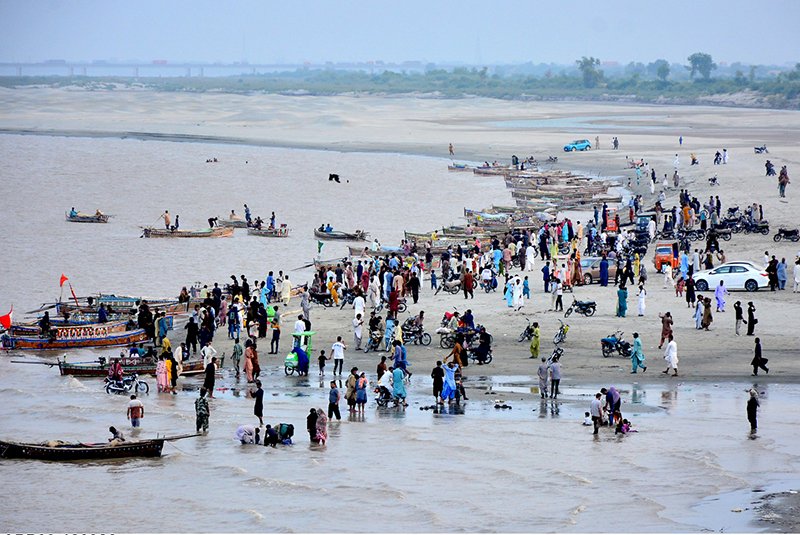
HYDERABAD — The recent surge in water levels of the Indus River, following heavy monsoon rains across Pakistan, has become a focal point for local families who are flocking to its banks to enjoy the scenic views and spend quality time together. What Happened The Indus River, one of the longest rivers in the world, has seen a significant rise in water levels due to the heavy monsoon rains that have swept across the country. This natural phenomenon has turned the riverbanks into popular spots for families seeking leisure and respite from the urban hustle. In Hyderabad, families have been observed gathering along the riverbanks, taking advantage of the cooler weather and the lush greenery that has sprung up as a result of the rains. Local vendors have also set up stalls along the riverbanks, offering snacks and refreshments to the visitors. The atmosphere is described as festive, with children playing and adults relaxing by the water’s edge. A local resident, Ali Khan, remarked, “The river looks beautiful with the increased water levels. It’s a great place for families to come and enjoy nature.” The rise in water levels, while providing recreational opportunities, also serves as a reminder of the potential for flooding in some areas. Authorities have been monitoring the situation closely to ensure that the river’s rise does not pose a threat to nearby communities. Background The Indus River is a crucial water source for Pakistan, supporting agriculture, industry, and daily life for millions. Historically, the river has been prone to seasonal fluctuations, with monsoon rains often leading to increased water levels. The monsoon season, which typically runs from June to September, brings heavy rainfall to the region, replenishing water reservoirs but also posing risks of flooding. In recent years, climate change has exacerbated weather patterns, making monsoon rains more unpredictable. The government has been working on flood management strategies, including the construction of dams and embankments, to mitigate the impact of rising water levels on populated areas. Why It Matters The rise in water levels of the Indus River has both immediate and long-term implications for Pakistan. In the short term, the river’s increased flow provides an opportunity for families to engage with nature and enjoy outdoor activities, which is particularly important for urban dwellers seeking a break from city life. Economically, the influx of visitors to the riverbanks can boost local businesses, as vendors and small enterprises cater to the needs of tourists. This can provide a temporary economic uplift to communities that rely on tourism and local trade. However, the potential for flooding remains a significant concern. The government must balance the recreational use of the river with the need for safety and disaster preparedness. Effective flood management is crucial to protect lives and property, especially in areas prone to inundation. On a broader scale, the situation underscores the importance of sustainable water management practices in Pakistan. As climate change continues to affect weather patterns, the country must invest in infrastructure and policies that can adapt to these changes, ensuring the long-term viability of its water resources. Key Takeaways The Indus River’s water levels have risen due to heavy monsoon rains, attracting families to its banks. Local vendors are benefiting economically from the increased foot traffic along the river. The potential for flooding remains a concern, requiring vigilant monitoring by authorities. Climate change is making monsoon patterns more unpredictable, necessitating improved water management strategies. The situation highlights the need for sustainable infrastructure to mitigate the impacts of climate change on water resources. Source Attribution This article is based on official government statements, press releases, and public communications from relevant authorities. Author: NEN Editorial Desk | Editor: NEN Newsroom | Fact Checked By: NEN Editorial Team Author: NEN Editorial Desk  |  Editor: NEN Newsroom  |  Last Updated: September 18, 2026  |  Source: NEN Reporter This article was produced by the NEN Editorial Desk in accordance with NEN Agency’s Editorial Policy and Fact-Checking Policy.
Abdul Rehman Secures FIH Poligras Magic Skill Award
World

Abdul Rehman Secures FIH Poligras Magic Skill Award

ISLAMABAD — Abdul Rehman, a rising star in Pakistan’s hockey scene, has been awarded the FIH Poligras Magic Skill Award, marking a significant achievement in his burgeoning career. The accolade was announced following a global vote by hockey enthusiasts after the conclusion of the FIH Hockey World Cup 2026, held in Belgium and the Netherlands. What Happened Abdul Rehman emerged victorious in the men’s category of the FIH Poligras Magic Skill Award, securing 44 percent of the votes. This award is a testament to his exceptional 3D skills, which captivated fans and experts alike during the tournament. The voting process was open to hockey fans worldwide, highlighting the global recognition of Rehman’s talent. The FIH Hockey World Cup 2026, hosted by Belgium and the Netherlands, served as a platform for Rehman to showcase his skills on an international stage. His performance was characterized by agility, precision, and creativity, which are essential components of 3D hockey skills. These skills involve maneuvering the ball in three dimensions, requiring not only technical prowess but also strategic acumen. Rehman’s achievement is particularly noteworthy given the competitive nature of the award, which draws nominations from top players globally. His success in securing the award underscores his potential to become a leading figure in international hockey. Background The Poligras Magic Skill Award is part of the International Hockey Federation’s (FIH) efforts to recognize and celebrate extraordinary talent in the sport. The award specifically acknowledges players who demonstrate exceptional skill and creativity, particularly in executing complex maneuvers that enhance the game’s entertainment value. Pakistan has a rich history in field hockey, having won numerous Olympic and World Cup titles in the past. However, in recent years, the national team has struggled to maintain its dominance on the world stage. The emergence of players like Abdul Rehman offers hope for a revival of Pakistan’s hockey fortunes. Historically, the FIH Hockey World Cup has been a crucial event for showcasing talent and fostering international competition. The 2026 edition in Belgium and the Netherlands continued this tradition, providing a platform for players to demonstrate their skills and for fans to engage with the sport on a global level. Why It Matters Abdul Rehman’s recognition through the Poligras Magic Skill Award is significant for several reasons. Economically, it highlights the potential for sports to contribute to Pakistan’s international image and soft power. As a sportsperson gaining international acclaim, Rehman serves as an ambassador for Pakistan, showcasing the nation’s talent and potential. Socially, Rehman’s achievement can inspire young athletes across Pakistan, encouraging them to pursue sports as a viable career path. In a country where cricket often overshadows other sports, such recognition in hockey can diversify the sporting interests and aspirations of the youth. Politically, Rehman’s success can be leveraged to foster greater support and investment in sports infrastructure and development programs. It underscores the need for policies that support the nurturing of talent from a young age, ensuring that athletes have the resources and opportunities to excel on international platforms. Internationally, Rehman’s award enhances Pakistan’s reputation in the global sports community. It demonstrates the country’s ability to produce world-class athletes capable of competing at the highest levels, thereby strengthening its position in international sports diplomacy. Key Takeaways Abdul Rehman won the FIH Poligras Magic Skill Award with 44 percent of the global vote. The award recognizes exceptional 3D hockey skills demonstrated during the FIH Hockey World Cup 2026. Rehman’s achievement highlights Pakistan’s potential in international hockey. The award can inspire young athletes in Pakistan to pursue careers in sports. Rehman’s success underscores the importance of investment in sports development in Pakistan. Source Attribution This article is based on official government statements, press releases, and public communications from relevant authorities. Author: NEN Editorial Desk | Editor: NEN Newsroom | Fact Checked By: NEN Editorial Team Author: NEN Editorial Desk  |  Editor: NEN Newsroom  |  Last Updated: September 18, 2026  |  Source: NEN Reporter This article was produced by the NEN Editorial Desk in accordance with NEN Agency’s Editorial Policy and Fact-Checking Policy.

Over One Million Register for Prime Minister’s Fuel Relief Scheme
Pakistan

Over One Million Register for Prime Minister’s Fuel Relief Scheme

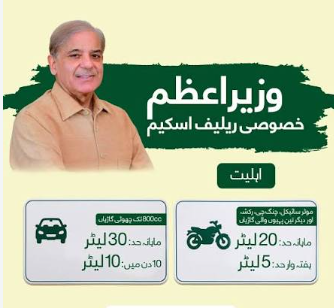
ISLAMABAD — More than one million registrations have been completed under the Prime Minister’s Fuel Relief Scheme, according to recent government figures. As of now, over 800,000 fuel relief tokens have been distributed nationwide, benefiting citizens amid rising fuel costs. What Happened The Prime Minister’s Fuel Relief Scheme has reached a significant milestone with over one million successful registrations. The initiative, launched to alleviate the financial burden of fuel expenses on the general public, has seen a rapid uptake since its inception. Government officials reported that over 800,000 fuel relief tokens have been successfully generated and distributed across Pakistan, providing substantial relief to registered individuals. The scheme allows eligible citizens to receive tokens that can be redeemed for discounted fuel at participating stations. This effort comes in response to the escalating fuel prices, which have been a source of economic strain for many households. The tokens are part of a broader government strategy to mitigate the impact of global fuel price fluctuations on the domestic market. According to a spokesperson from the Ministry of Finance, the registration process has been streamlined to ensure accessibility and efficiency. “We are committed to supporting our citizens during these challenging times by providing tangible relief through this scheme,” the spokesperson stated. Background The Prime Minister’s Fuel Relief Scheme was introduced as a part of a series of measures aimed at cushioning the economic impact of rising fuel prices. Historically, Pakistan has faced challenges in maintaining stable fuel prices due to its reliance on imported energy. The scheme is designed to provide immediate relief while the government works on long-term strategies to stabilize the energy sector. Previous attempts to manage fuel prices have included subsidies and adjustments to taxation policies. However, the current scheme represents a more direct approach by offering immediate financial relief to consumers. This initiative is part of a broader economic relief package aimed at addressing various cost-of-living pressures faced by the population. Why It Matters The Prime Minister’s Fuel Relief Scheme is crucial in mitigating the economic challenges posed by volatile fuel prices. For many Pakistani households, fuel costs represent a significant portion of their monthly expenses. By providing relief through this scheme, the government aims to ease the financial burden on families and individuals, thereby improving their overall economic stability. Economically, the scheme helps maintain consumer spending by freeing up household budgets that would otherwise be constrained by high fuel costs. This is particularly important in a country where economic growth is closely tied to consumer confidence and spending power. Politically, the scheme demonstrates the government’s responsiveness to public needs, potentially bolstering public support and trust in governmental policies. It also signals to international observers that Pakistan is taking proactive steps to address economic challenges, which could positively influence foreign investment perceptions. On a broader scale, the initiative reflects Pakistan’s ongoing efforts to balance immediate relief measures with long-term energy policy reforms. As the country navigates the complexities of global energy markets, such schemes provide a buffer against external economic shocks. Key Takeaways Over one million registrations have been completed under the Prime Minister’s Fuel Relief Scheme. More than 800,000 fuel relief tokens have been distributed across Pakistan. The scheme provides financial relief amid rising fuel costs, impacting household budgets. It is part of broader efforts to stabilize the economy and address cost-of-living pressures. The initiative reflects Pakistan’s commitment to balancing immediate relief with long-term energy reforms. Source Attribution This article is based on official government statements, press releases, and public communications from relevant authorities. Author: NEN Editorial Desk | Editor: NEN Newsroom | Fact Checked By: NEN Editorial Team Author: NEN Editorial Desk  |  Editor: NEN Newsroom  |  Last Updated: September 18, 2026  |  Source: NEN Reporter This article was produced by the NEN Editorial Desk in accordance with NEN Agency’s Editorial Policy and Fact-Checking Policy.

Scroll to Top