
Author name: Yasir Zubairi

Yasir Zubairi is the founder and publisher of NEN Agency (News Era Network). He leads NEN's coverage of Pakistan's national affairs, economy, foreign relations and sports, and is responsible for the accuracy and standards of every story published on nenagency.com.

Beverage Industry Key to Pakistan’s Economic Recovery, Says Dr. Faisal Hashmi
Pakistan

Beverage Industry Key to Pakistan’s Economic Recovery, Says Dr. Faisal Hashmi

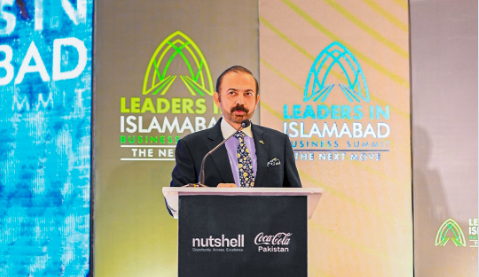
ISLAMABAD — The beverage industry in Pakistan holds significant potential to contribute to the country’s broader economic recovery, according to Dr. Faisal Hashmi, Senior Director at The Coca-Cola Company and Chairman of the Beverages Advisory Foundation. Dr. Hashmi made these remarks during his address at the Leaders in Islamabad Business Summit 2026, which took place on Friday, September 18. What Happened During the summit, Dr. Faisal Hashmi emphasized the critical role that the beverage sector can play in revitalizing Pakistan’s economy. He highlighted the industry’s capacity to generate employment, boost exports, and attract foreign investment. The event, which gathered top corporate leaders, policymakers, and economic experts, served as a platform for discussing strategies to enhance economic growth and sustainability in Pakistan. Dr. Hashmi stated, “The beverage industry is not just about quenching thirst; it is about creating jobs, supporting agriculture, and contributing to the national exchequer.” He further elaborated on how the sector’s growth could lead to increased demand for local agricultural products, thereby benefiting farmers and rural communities. The Leaders in Islamabad Business Summit 2026 provided an opportunity for stakeholders to explore the challenges and opportunities within the beverage industry. Discussions included the need for policy support, infrastructure development, and innovation to drive the sector’s growth. Dr. Hashmi called for collaborative efforts between the government and private sector to create an enabling environment for the industry. Background The beverage industry in Pakistan has been a significant contributor to the economy, with major players like The Coca-Cola Company and PepsiCo investing heavily in the region. Historically, the sector has faced challenges such as regulatory hurdles, taxation issues, and supply chain disruptions. However, recent years have seen a renewed focus on leveraging the industry’s potential to support economic recovery. In the past, the government has introduced various incentives to attract investment in the food and beverage sector. These include tax relief measures and initiatives to improve ease of doing business. The industry’s growth is also aligned with Pakistan’s broader economic goals, including increasing exports and reducing the trade deficit. Why It Matters The beverage industry’s potential impact on Pakistan’s economy is multifaceted. Economically, the sector can drive growth by creating jobs across various levels, from manufacturing to distribution and retail. This job creation is crucial in a country with a growing population and high unemployment rates. Socially, the industry supports local agriculture by sourcing raw materials such as sugar, fruits, and other ingredients from domestic farmers. This not only provides a stable income for farmers but also encourages sustainable agricultural practices. Additionally, the industry’s growth can lead to improved infrastructure in rural areas, further supporting economic development. Politically, a thriving beverage industry can enhance Pakistan’s trade relationships. By increasing exports, Pakistan can strengthen its economic ties with other countries, potentially leading to more favorable trade agreements and increased foreign investment. On an international level, the beverage sector’s growth can position Pakistan as a key player in the global market. This could attract multinational corporations to invest in the country, bringing in capital, technology, and expertise that can further boost economic development. Key Takeaways The beverage industry in Pakistan has the potential to significantly contribute to economic recovery. Dr. Faisal Hashmi highlighted the sector’s role in job creation, supporting agriculture, and attracting foreign investment. Challenges such as regulatory hurdles and taxation issues need to be addressed to unlock the industry’s full potential. The industry’s growth can enhance Pakistan’s trade relationships and position it as a key player in the global market. Collaborative efforts between the government and private sector are essential for creating an enabling environment for growth. Source Attribution This article is based on official statements and public communications from relevant authorities. Author: NEN Editorial Desk | Editor: NEN Newsroom | Fact Checked By: NEN Editorial Team Author: NEN Editorial Desk  |  Editor: NEN Newsroom  |  Last Updated: September 18, 2026  |  Source: NEN Reporter This article was produced by the NEN Editorial Desk in accordance with NEN Agency’s Editorial Policy and Fact-Checking Policy.
Mohsin Naqvi Threatens Legal Action for Violating IHC Order
Pakistan

Mohsin Naqvi Threatens Legal Action for Violating IHC Order

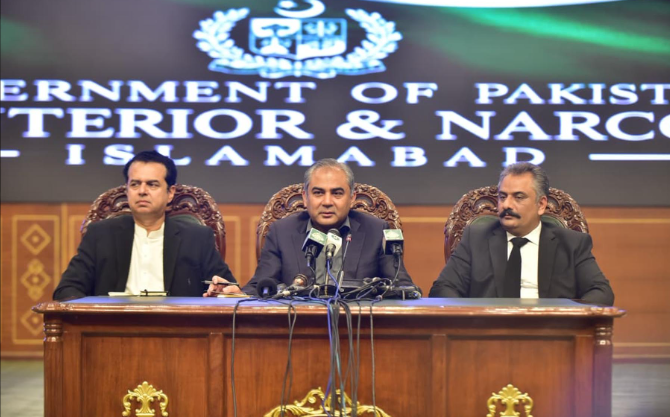
ISLAMABAD — Federal Minister for Interior Mohsin Naqvi has issued a stern warning against any attempts to breach the Islamabad High Court’s (IHC) recent judgment regarding public gatherings in the federal capital. Speaking on September 18, Naqvi emphasized that any violation of the court’s directives would result in immediate legal consequences. What Happened Following a detailed judgment by the Islamabad High Court, Federal Minister for Interior Mohsin Naqvi addressed potential threats to public order in Islamabad. The court’s decision, which was not specified in detail, appears to restrict unauthorized gatherings or movements towards the city center. Naqvi underscored the government’s commitment to uphold the court’s ruling, stating that any attempt to storm or advance on the federal capital in groups would be met with strict legal action. Naqvi’s statement comes in the wake of increasing political tensions and public demonstrations in various parts of the country. He highlighted the government’s zero-tolerance policy towards any activities that could disrupt the peace and stability of Islamabad. “We will not allow any group or individual to challenge the writ of the state by violating the court’s orders,” Naqvi declared, reiterating the government’s resolve to maintain law and order. The minister’s warning serves as a preemptive measure to deter any planned protests or unauthorized gatherings that may pose a threat to public safety. The specifics of the IHC’s judgment have not been disclosed, but it is understood to be a response to recent political unrest and the potential for mass mobilizations in the capital. Background The Islamabad High Court’s ruling is part of a broader legal framework aimed at regulating public gatherings in the capital. Historically, Islamabad has been a focal point for political demonstrations, often leading to clashes between protesters and law enforcement agencies. The government’s approach has been to balance the right to peaceful assembly with the need to maintain public order. In recent years, the political landscape in Pakistan has been marked by frequent protests and sit-ins, particularly in Islamabad. These events have sometimes escalated into violent confrontations, prompting the judiciary to intervene and set guidelines for public gatherings. The IHC’s latest judgment is seen as an extension of these efforts to prevent chaos and ensure the safety of citizens. Why It Matters The enforcement of the IHC’s order is crucial for maintaining stability in Islamabad, a city that houses key government institutions and foreign embassies. Any disruption in the capital could have significant political and diplomatic repercussions, potentially affecting Pakistan’s international relations and internal security. For citizens, the government’s firm stance on enforcing the court’s order provides a sense of security and reassurance. It reflects a commitment to uphold the rule of law and protect public spaces from becoming arenas of conflict. Economically, ensuring stability in Islamabad is vital for attracting investment and fostering a conducive environment for business activities. Politically, the government’s response to the IHC’s judgment is indicative of its broader strategy to manage dissent and maintain control over public discourse. By emphasizing the legal consequences of violating the court’s order, the government aims to deter potential agitators and reinforce its authority. Key Takeaways Federal Minister for Interior Mohsin Naqvi has warned of legal action against violations of the IHC’s order. The IHC’s judgment restricts unauthorized gatherings in Islamabad to maintain public order. Naqvi’s statement aims to deter potential protests and ensure the safety of the capital. The enforcement of the order is crucial for political stability and economic security in Islamabad. The government’s approach reflects a commitment to uphold the rule of law and prevent chaos. Source Attribution This article is based on official government statements, press releases, and public communications from relevant authorities. Author: NEN Editorial Desk | Editor: NEN Newsroom | Fact Checked By: NEN Editorial Team Author: NEN Editorial Desk  |  Editor: NEN Newsroom  |  Last Updated: September 18, 2026  |  Source: NEN Reporter This article was produced by the NEN Editorial Desk in accordance with NEN Agency’s Editorial Policy and Fact-Checking Policy.
Deputy PM Leads Meeting on Power Sector Reforms in Islamabad
Pakistan

Deputy PM Leads Meeting on Power Sector Reforms in Islamabad

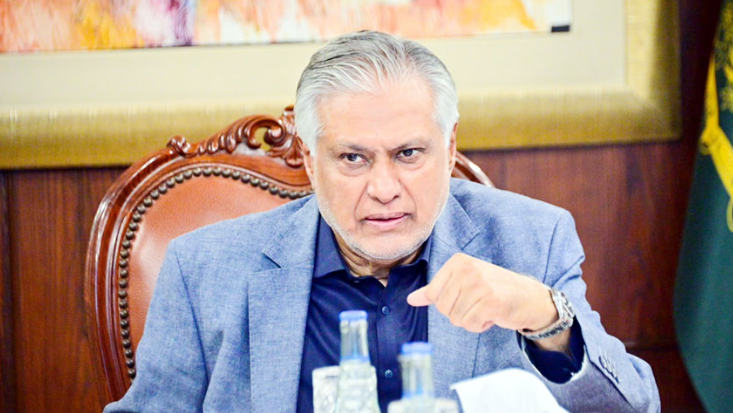
ISLAMABAD — Deputy Prime Minister and Foreign Minister Senator Mohammad Ishaq Dar chaired the second meeting of the committee on Power Sector Reforms on Friday. The meeting focused on enhancing regulatory independence and effectiveness amidst ongoing privatisation efforts, with an emphasis on safeguarding consumer interests. What Happened The meeting, held in Islamabad, was part of the government’s ongoing efforts to address challenges within Pakistan’s power sector. The committee, formed by the Prime Minister, is tasked with devising strategies to improve the sector’s efficiency and reliability. During the session, members discussed various measures aimed at strengthening the regulatory framework governing the power sector. According to official sources, the committee deliberated on recommendations to enhance the autonomy of regulatory bodies, ensuring they can operate without undue influence. This step is seen as crucial for implementing effective reforms and attracting private investment. The committee also examined the progress of current privatisation initiatives, assessing their impact on service delivery and consumer protection. Senator Dar emphasized the importance of a balanced approach that aligns privatisation with public interest. “Our priority is to ensure that reforms lead to better services for consumers while maintaining a fair and competitive market,” he stated. The committee agreed on a set of recommendations to be presented to the Prime Minister for further consideration. Background Pakistan’s power sector has long been plagued by inefficiencies, with issues such as load shedding, high transmission losses, and circular debt posing significant challenges. The government has initiated several reform programs over the years, aiming to address these systemic problems and improve the sector’s overall performance. The current reform agenda includes privatisation of state-owned power entities, a move intended to enhance operational efficiency and reduce fiscal burdens on the government. However, these efforts have faced resistance due to concerns over job losses and potential increases in electricity tariffs. Regulatory independence has been a focal point in these reforms, as it is deemed essential for creating a transparent and accountable power sector. The National Electric Power Regulatory Authority (NEPRA) plays a key role in this framework, overseeing tariff settings and ensuring compliance with industry standards. Why It Matters The power sector is a critical component of Pakistan’s economic infrastructure, impacting industries, businesses, and households nationwide. Effective reforms could lead to more reliable electricity supply, fostering economic growth and improving quality of life for citizens. Conversely, failure to address these issues could exacerbate economic challenges and hinder development. Privatisation, while controversial, is viewed by some experts as a necessary step towards modernising the sector. By introducing competition and private capital, the government hopes to drive innovation and efficiency. However, ensuring that these changes benefit consumers requires robust regulatory oversight, which is why the committee’s focus on regulatory independence is significant. International investors are closely watching Pakistan’s reform efforts, as successful implementation could open new opportunities for foreign direct investment. This is particularly important as the country seeks to strengthen its economic ties globally and attract much-needed capital inflows. Key Takeaways The committee on Power Sector Reforms, chaired by Deputy Prime Minister Mohammad Ishaq Dar, held its second meeting in Islamabad. The focus of the meeting was on enhancing regulatory independence and effectiveness amid ongoing privatisation efforts. Recommendations were made to improve the autonomy of regulatory bodies and protect consumer interests. Privatisation of the power sector is part of broader efforts to improve efficiency and service delivery in Pakistan. Effective reforms in the power sector are crucial for economic growth and attracting foreign investment. Source Attribution This article is based on official government statements, press releases, and public communications from relevant authorities. Author: NEN Editorial Desk | Editor: NEN Newsroom | Fact Checked By: NEN Editorial Team Author: NEN Editorial Desk  |  Editor: NEN Newsroom  |  Last Updated: September 18, 2026  |  Source: Press Release from Government of Pakistan This article was produced by the NEN Editorial Desk in accordance with NEN Agency’s Editorial Policy and Fact-Checking Policy.

Gilani and Tariq Fazal Discuss Upper House and Ministry Coordination
World

Gilani and Tariq Fazal Discuss Upper House and Ministry Coordination

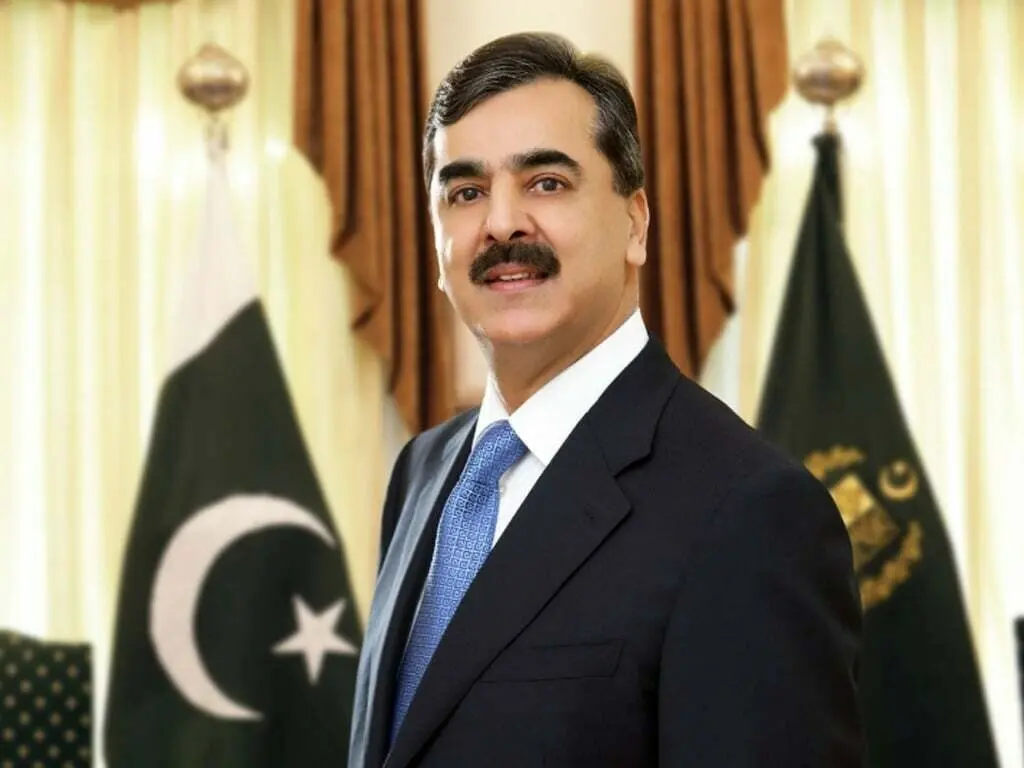
ISLAMABAD — Federal Minister for Parliamentary Affairs Tariq Fazal Chaudhry met with Chairman Senate Syed Yousaf Raza Gilani on Friday to discuss the enhancement of coordination between the Senate and the Ministry of Parliamentary Affairs. The meeting, held in Islamabad, focused on improving legislative processes and strengthening the relationship between the two entities. What Happened During the meeting, both Gilani and Chaudhry emphasized the importance of effective communication and coordination between the Upper House of Parliament and the Ministry of Parliamentary Affairs. They discussed various strategies to streamline legislative processes and ensure that parliamentary affairs are conducted efficiently. According to official sources, the discussions also touched upon mutual interests and how both parties could work together to address challenges faced in the legislative domain. Chairman Senate Gilani highlighted the need for a robust framework that facilitates smooth interactions between the Senate and the ministry. He stated, “Our goal is to ensure that the legislative process is transparent and efficient, enabling us to serve the people of Pakistan better.” Minister Chaudhry echoed these sentiments, noting that improved coordination would lead to more effective governance and policy implementation. The meeting concluded with both parties agreeing to continue their dialogue and explore further avenues for collaboration. They also committed to holding regular meetings to review progress and address any emerging issues promptly. Background The Senate of Pakistan, also known as the Upper House, plays a crucial role in the country’s legislative process. It is responsible for reviewing and approving legislation passed by the National Assembly, ensuring that all laws align with the Constitution and serve the public interest. The Ministry of Parliamentary Affairs, on the other hand, is tasked with managing the government’s legislative agenda and facilitating communication between different branches of government. Historically, coordination between the Senate and the Ministry has been essential for maintaining a balanced and effective legislative process. Previous efforts to enhance this coordination have included the establishment of joint committees and regular consultation meetings. These measures aim to address any discrepancies and ensure that both entities work towards common goals. Why It Matters The effective coordination between the Senate and the Ministry of Parliamentary Affairs is vital for the smooth functioning of Pakistan’s legislative framework. By improving communication and collaboration, both entities can ensure that laws are enacted efficiently and reflect the needs of the populace. This is particularly important in a country like Pakistan, where legislative delays can have significant economic and social repercussions. For citizens, enhanced coordination means that their concerns and needs are more likely to be addressed in a timely manner. It also ensures that the government can respond swiftly to emerging challenges, such as economic crises or public health emergencies. On a broader scale, effective legislative processes contribute to political stability and public trust in government institutions. Internationally, a well-coordinated legislative framework can enhance Pakistan’s reputation as a stable and reliable partner. It can also attract foreign investment by demonstrating that the country has a robust legal system capable of supporting economic growth and development. Key Takeaways Federal Minister Tariq Fazal Chaudhry and Chairman Senate Syed Yousaf Raza Gilani discussed improving coordination between the Senate and the Ministry of Parliamentary Affairs. The meeting focused on enhancing legislative processes and ensuring effective communication between the two entities. Both parties agreed to continue their dialogue and explore further avenues for collaboration. Effective coordination is crucial for timely and efficient legislative processes, impacting economic and social stability. Improved legislative coordination can enhance Pakistan’s international reputation and attract foreign investment. Source Attribution This article is based on official government statements, press releases, and public communications from relevant authorities. Author: NEN Editorial Desk | Editor: NEN Newsroom | Fact Checked By: NEN Editorial Team Author: NEN Editorial Desk  |  Editor: NEN Newsroom  |  Last Updated: September 18, 2026  |  Source: Press Release from Government of Pakistan This article was produced by the NEN Editorial Desk in accordance with NEN Agency’s Editorial Policy and Fact-Checking Policy.
RDA Cracks Down On Illegal Housing Schemes In Rawalpindi
Pakistan

RDA Cracks Down On Illegal Housing Schemes In Rawalpindi

RAWALPINDI — The Rawalpindi Development Authority (RDA) has initiated a crackdown on illegal housing schemes and unauthorized developments in the Morgah area of Rawalpindi. This action, directed by Commissioner Rawalpindi Division and RDA Director General Salman Ghani, aims to curb violations within the jurisdiction of the RDA. What Happened The RDA Enforcement Squad, acting on directives from the competent authorities, conducted operations targeting unauthorized constructions and illegal housing schemes in Morgah, Rawalpindi. The enforcement team dismantled structures that were erected without proper authorization and issued notices to developers involved in illegal activities. According to official statements, the operation is part of a broader initiative to enforce urban planning regulations and ensure compliance with legal frameworks. Salman Ghani, Director General of RDA, emphasized the importance of adhering to legal protocols for urban development. He stated, “The RDA is committed to maintaining the integrity of urban planning and will continue to take strict action against any violations.” The enforcement squad’s actions included sealing off unauthorized sites and removing encroachments that hindered planned urban development. The operation in Morgah is part of a series of actions planned across Rawalpindi to address unauthorized developments. The RDA has been actively monitoring various areas and has identified several sites where illegal activities are taking place. The enforcement team is expected to continue its operations in the coming weeks to ensure compliance and uphold the law. Background The RDA has a mandate to regulate urban development and ensure that all housing schemes and constructions comply with legal requirements. In recent years, Rawalpindi has witnessed a surge in unauthorized developments, prompting the RDA to intensify its enforcement efforts. The authority has been working in coordination with local government bodies to identify and dismantle illegal structures. Historically, illegal housing schemes have posed significant challenges to urban planning in Pakistan. These developments often lack basic infrastructure, such as roads, sewage systems, and utilities, leading to long-term issues for residents. The RDA’s recent actions are part of a broader strategy to address these challenges and promote sustainable urban growth. Why It Matters The crackdown on illegal housing schemes in Rawalpindi has significant implications for urban development and planning in the region. Unauthorized developments not only disrupt planned urban growth but also pose risks to residents who may invest in properties lacking legal standing and infrastructure. By taking decisive action, the RDA aims to protect consumers and ensure that urban development aligns with regulatory standards. Economically, illegal developments can undermine property values and deter investment in the region. By enforcing regulations, the RDA seeks to create a stable and predictable environment for real estate investment, which is crucial for economic growth. Furthermore, the crackdown sends a strong message to developers about the importance of compliance, potentially deterring future violations. Socially, the RDA’s actions aim to protect citizens from fraudulent schemes that exploit legal loopholes. Ensuring that housing schemes are authorized and properly planned enhances the quality of life for residents and contributes to the overall development of the community. The initiative reflects a commitment to transparency and accountability in urban governance. Key Takeaways The RDA has launched a crackdown on illegal housing schemes in Morgah, Rawalpindi. Director General Salman Ghani emphasized the importance of legal compliance in urban development. Unauthorized developments pose economic and social risks, affecting property values and resident safety. The RDA’s actions are part of a broader strategy to enforce urban planning regulations. Ensuring compliance is crucial for sustainable urban growth and protecting consumer interests. Source Attribution This article is based on official government statements, press releases, and public communications from relevant authorities. Author: NEN Editorial Desk | Editor: NEN Newsroom | Fact Checked By: NEN Editorial Team Author: NEN Editorial Desk  |  Editor: NEN Newsroom  |  Last Updated: September 18, 2026  |  Source: Press Release from Government of Pakistan This article was produced by the NEN Editorial Desk in accordance with NEN Agency’s Editorial Policy and Fact-Checking Policy.
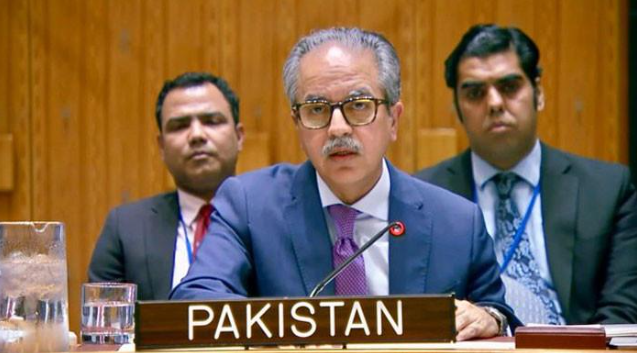
Pakistan Highlights Economic Risks of Mideast Trade Disruptions at UN
World

Pakistan Highlights Economic Risks of Mideast Trade Disruptions at UN

UNITED NATIONS — Pakistan has raised concerns at the United Nations regarding the potential economic consequences stemming from disruptions in key Middle Eastern trade routes. On September 18, a senior Pakistani diplomat emphasized the critical importance of maintaining maritime safety and security, particularly in the Strait of Hormuz and Bab-Al-Mandab, which are vital for global commerce. What Happened During a session at the United Nations, Pakistan’s representative underscored the grave implications that disruptions in the Strait of Hormuz and Bab-Al-Mandab could have on international trade. These strategic chokepoints are essential for the transit of oil and goods, and any instability could severely impact global supply chains. The diplomat stated, “It is our principled position that global shipping should not become a casualty of geopolitical tensions.” This statement highlights Pakistan’s stance on the need for uninterrupted maritime trade routes. The Strait of Hormuz is a narrow passage connecting the Persian Gulf with the Gulf of Oman and the Arabian Sea. It is one of the world’s most significant oil transit chokepoints, with approximately 20% of global petroleum passing through it. Similarly, Bab-Al-Mandab serves as a critical link between the Arabian Sea and the Red Sea, facilitating trade between Europe, Asia, and Africa. Any disruption in these areas could lead to significant economic repercussions globally. Background Historically, the Strait of Hormuz and Bab-Al-Mandab have been focal points of geopolitical tensions. The Strait of Hormuz has witnessed numerous incidents, including attacks on oil tankers and military confrontations, primarily due to regional conflicts involving Iran and neighboring Gulf states. Bab-Al-Mandab, situated near Yemen, has also been affected by the ongoing conflict in the region, posing risks to commercial shipping. International efforts have been made to ensure the safety of these maritime routes. The United Nations and various countries have called for peaceful resolutions to conflicts and have emphasized the importance of maintaining freedom of navigation in these waters. However, the persistent instability in the Middle East continues to pose challenges to these efforts. Why It Matters The economic implications of disruptions in the Strait of Hormuz and Bab-Al-Mandab are profound. These chokepoints are not only vital for the transportation of oil but also for the movement of goods, including food and raw materials. Any interruption in these routes could lead to increased shipping costs, delays in delivery, and a rise in global oil prices, affecting economies worldwide. For Pakistan, a country heavily reliant on imported oil, any increase in oil prices could exacerbate its economic challenges. Higher oil prices would lead to increased costs of goods and services, inflation, and a strain on the national budget. This scenario could have a ripple effect on the country’s economic stability and growth prospects. Furthermore, the stability of these trade routes is crucial for maintaining global economic balance. Disruptions could lead to economic slowdowns in major economies, impacting international trade and investment. The interconnectedness of global markets means that instability in one region can have far-reaching consequences, affecting countries far removed from the immediate conflict zones. Key Takeaways Pakistan has highlighted the economic risks of disruptions in the Strait of Hormuz and Bab-Al-Mandab at the United Nations. These strategic chokepoints are vital for global oil and goods transit, with significant implications for international trade. Historical geopolitical tensions in these regions pose ongoing risks to maritime security and global supply chains. Disruptions could lead to increased shipping costs, higher oil prices, and economic instability worldwide. Pakistan’s economy, reliant on imported oil, could face severe challenges if these trade routes are compromised. Source Attribution This article is based on official government statements, press releases, and public communications from relevant authorities. Author: NEN Editorial Desk | Editor: NEN Newsroom | Fact Checked By: NEN Editorial Team Author: NEN Editorial Desk  |  Editor: NEN Newsroom  |  Last Updated: September 18, 2026  |  Source: NEN Reporter This article was produced by the NEN Editorial Desk in accordance with NEN Agency’s Editorial Policy and Fact-Checking Policy.
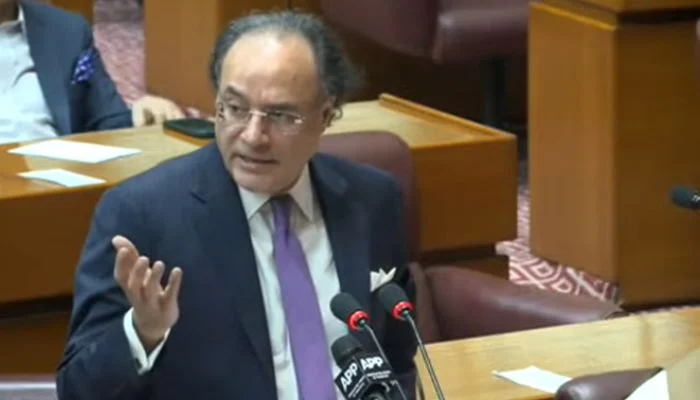
Finance Minister Highlights Economic Progress at JP Morgan Conference
World

Finance Minister Highlights Economic Progress at JP Morgan Conference

ISLAMABAD — Federal Minister for Finance and Revenue, Senator Muhammad Aurangzeb, on Friday detailed Pakistan’s economic achievements and future priorities at the JP Morgan Conference. The event, held virtually, served as a platform for the minister to discuss the nation’s efforts in stabilizing its macroeconomic environment and its strategic focus on fostering investment, capital formation, exports, and private sector-led growth. What Happened During his address at the JP Morgan Conference, Finance Minister Aurangzeb emphasized the significant strides Pakistan has made in restoring macroeconomic stability. He highlighted the government’s commitment to creating a conducive environment for investment and economic growth. “Our focus is on sustainable economic policies that encourage private sector participation and enhance export capabilities,” Aurangzeb stated. The minister underscored the importance of structural reforms and fiscal discipline in achieving these objectives. He pointed out that the government has implemented measures to enhance revenue collection, streamline expenditures, and improve the overall fiscal framework. These efforts, according to Aurangzeb, are crucial for maintaining economic stability and fostering long-term growth. Aurangzeb also discussed the government’s initiatives to boost capital formation and attract foreign direct investment (FDI). He noted that Pakistan is actively working to improve its ease of doing business rankings and has introduced several policy measures to facilitate both domestic and international investors. In addition, the minister highlighted the importance of export-led growth as a pillar of Pakistan’s economic strategy. He mentioned that the government is focusing on diversifying export markets and products to enhance the country’s trade balance and economic resilience. Background Pakistan has faced significant economic challenges in recent years, including fiscal deficits, inflation, and external debt pressures. The government has been working to address these issues through a series of economic reforms aimed at stabilizing the economy and promoting growth. These reforms have included measures to improve tax collection, reduce subsidies, and enhance the regulatory environment for businesses. Historically, Pakistan’s economy has been characterized by a reliance on agriculture and textiles, with limited diversification. However, recent policy shifts have aimed to broaden the economic base by encouraging investment in sectors such as technology, manufacturing, and services. Why It Matters The economic progress outlined by Minister Aurangzeb is significant for several reasons. Firstly, restoring macroeconomic stability is essential for attracting investment and fostering economic growth. By creating a stable economic environment, Pakistan can attract both domestic and international investors, which is crucial for job creation and economic development. Secondly, the focus on private sector-led growth is a strategic shift that could lead to more sustainable economic development. By empowering the private sector, the government can leverage the innovation and efficiency of businesses to drive economic growth and development. Furthermore, enhancing export capabilities is vital for improving Pakistan’s trade balance and reducing its reliance on external borrowing. By diversifying export markets and products, Pakistan can increase its foreign exchange earnings and strengthen its economic resilience. Internationally, Pakistan’s economic progress and reforms can enhance its standing as a viable investment destination, potentially leading to increased FDI inflows. This can contribute to economic growth and development, benefiting the broader population through job creation and improved living standards. Key Takeaways Finance Minister Aurangzeb highlighted Pakistan’s economic progress at the JP Morgan Conference. The government is focused on investment, capital formation, exports, and private sector-led growth. Structural reforms and fiscal discipline are key to maintaining macroeconomic stability. Efforts are underway to improve ease of doing business and attract foreign direct investment. Diversifying export markets is a priority to enhance economic resilience. Source Attribution This article is based on official government statements, press releases, and public communications from relevant authorities. Author: NEN Editorial Desk | Editor: NEN Newsroom | Fact Checked By: NEN Editorial Team Author: NEN Editorial Desk  |  Editor: NEN Newsroom  |  Last Updated: September 18, 2026  |  Source: NEN Reporter This article was produced by the NEN Editorial Desk in accordance with NEN Agency’s Editorial Policy and Fact-Checking Policy.
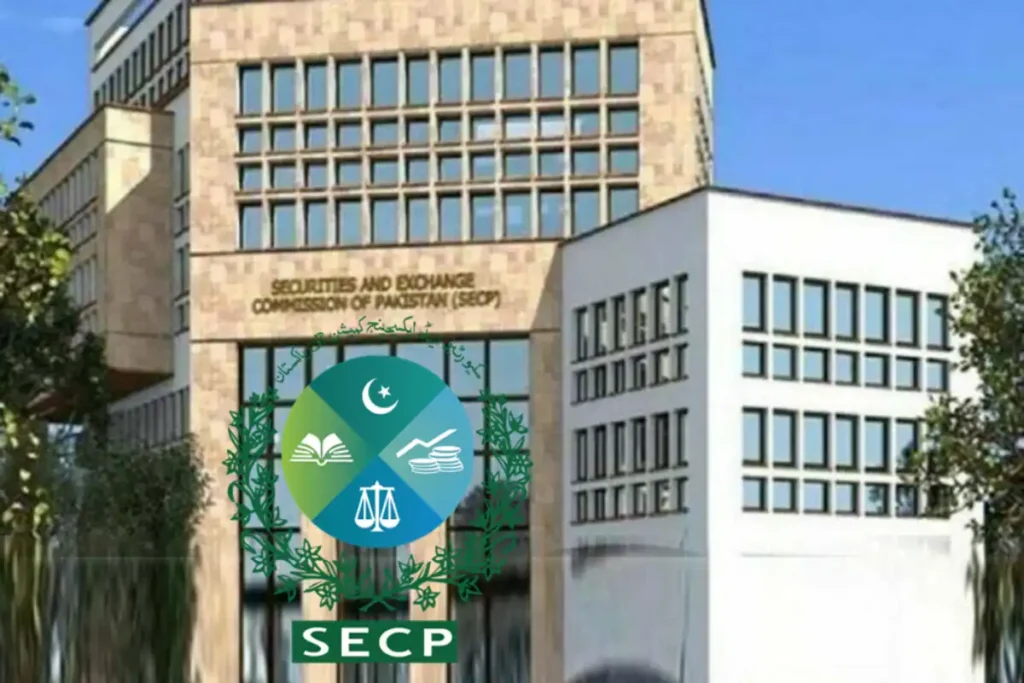
SECP Approves Shariah-Compliant Digital Financing for Small Businesses
Pakistan

SECP Approves Shariah-Compliant Digital Financing for Small Businesses

ISLAMABAD — The Securities and Exchange Commission of Pakistan (SECP) has approved a new digital financing platform, Shaamilkar Tajir, aimed at providing Shariah-compliant financial solutions to small businesses. The initiative, announced on Friday, allows eligible small enterprises to access financing of up to Rs3 million, reflecting a significant step towards enhancing financial inclusion in the country. What Happened The SECP’s approval of Shaamilkar Tajir marks a pivotal development in the landscape of digital financial services in Pakistan. This platform is designed to cater to the needs of small businesses seeking Shariah-compliant financing solutions. By offering up to Rs3 million in financing, the initiative aims to support small enterprises that often face challenges in accessing traditional banking services due to stringent requirements or lack of collateral. The SECP’s decision aligns with its broader strategy to promote innovative financial products that adhere to Islamic principles. According to the SECP, Shaamilkar Tajir will operate under strict Shariah guidelines, ensuring that all transactions are free from interest (riba) and comply with Islamic ethical standards. This move is expected to attract a significant number of small business owners who prefer Shariah-compliant financial products. In a statement, the SECP highlighted the importance of digital platforms in expanding financial access to underserved segments of the economy. “The approval of Shaamilkar Tajir is a testament to our commitment to fostering financial inclusion through innovative and ethical financial solutions,” the SECP noted. Background Pursuing Shariah-compliant financial solutions has been a growing trend in Pakistan, a country with a predominantly Muslim population. The demand for Islamic finance products has increased as more consumers and businesses seek alternatives to conventional interest-based banking systems. The SECP has been at the forefront of this shift, implementing regulations and frameworks to facilitate the growth of Islamic finance. Historically, small businesses in Pakistan have struggled to secure the necessary funding to expand and sustain their operations. Traditional banks often impose high collateral requirements and lengthy approval processes, which can be prohibitive for small enterprises. Digital platforms like Shaamilkar Tajir offer a streamlined and accessible alternative, leveraging technology to assess creditworthiness and disburse funds efficiently. Why It Matters The introduction of Shaamilkar Tajir is significant for several reasons. Economically, it provides a much-needed boost to small businesses, which are a crucial component of Pakistan’s economy. By facilitating access to financing, the platform can help these enterprises grow, create jobs, and contribute to economic development. Socially, the initiative supports financial inclusion by offering services that align with the ethical and religious values of many Pakistanis. This alignment can enhance trust in financial institutions and encourage more businesses to participate in the formal economy. Politically, the SECP’s approval of Shariah-compliant digital financing reflects the government’s commitment to modernizing the financial sector while respecting cultural and religious norms. This approach can strengthen public confidence in regulatory bodies and promote a more inclusive financial system. Internationally, the move positions Pakistan as a leader in the Islamic finance sector, potentially attracting foreign investment and expertise. As global interest in Shariah-compliant financial products grows, Pakistan could benefit from increased collaboration with international markets. Key Takeaways The SECP has approved Shaamilkar Tajir, a Shariah-compliant digital financing platform for small businesses. Eligible small enterprises can access up to Rs3 million in financing through the platform. This initiative supports financial inclusion and aligns with Islamic ethical standards. The platform addresses traditional banking challenges faced by small businesses, such as high collateral requirements. Pakistan’s move towards digital and Shariah-compliant finance could enhance its position in the global Islamic finance market. Source Attribution This article is based on official government statements, press releases, and public communications from relevant authorities. Author: NEN Editorial Desk | Editor: NEN Newsroom | Fact Checked By: NEN Editorial Team Author: NEN Editorial Desk  |  Editor: NEN Newsroom  |  Last Updated: September 18, 2026  |  Source: NEN Reporter This article was produced by the NEN Editorial Desk in accordance with NEN Agency’s Editorial Policy and Fact-Checking Policy.

SPI-Based Inflation Increases by 0.49% in Pakistan for September 2026
Pakistan

SPI-Based Inflation Increases by 0.49% in Pakistan for September 2026

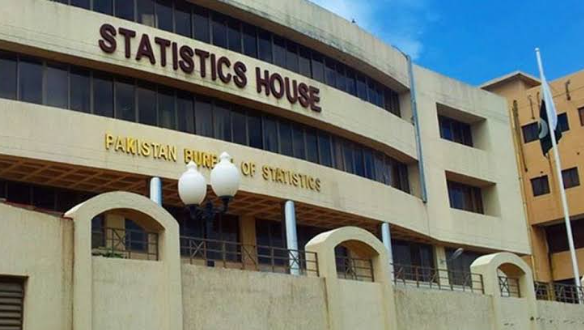
ISLAMABAD — The Pakistan Bureau of Statistics (PBS) reported a 0.49% increase in the Sensitive Price Indicator (SPI)-based weekly inflation for the week ending September 17, 2026. This rise affects the combined consumption group across the country, reflecting the ongoing economic challenges faced by Pakistani households. What Happened The Sensitive Price Indicator, a critical measure of price changes for essential commodities, showed an uptick of 0.49% over the past week. This increase is indicative of rising costs in essential goods, impacting the purchasing power of the average consumer. The PBS data, released on Friday, highlighted that the inflationary pressures are primarily driven by fluctuations in the prices of food items, energy, and other basic necessities. Among the commodities contributing to this inflationary trend, the prices of onions, tomatoes, and chicken saw significant increases. The cost of onions rose by 3.5%, tomatoes by 2.8%, and chicken by 1.9%. In contrast, some items such as sugar and wheat flour experienced a slight decrease in prices, offering minimal relief to consumers. Energy prices also played a role in the inflationary trend, with electricity tariffs witnessing a marginal increase, further burdening households already grappling with high utility bills. The PBS report underscored these factors as central to the weekly inflation rise, which continues to challenge the economic stability and financial planning of families across Pakistan. Background The Sensitive Price Indicator is a tool used by the Pakistan Bureau of Statistics to monitor the price changes of 51 essential items consumed by the majority of the population. It is a crucial indicator for policymakers and economists to assess inflationary trends and their impact on the economy. Historically, Pakistan has faced persistent inflationary pressures due to various factors, including supply chain disruptions, currency depreciation, and fluctuating global oil prices. The government has implemented several measures to control inflation, such as subsidies on essential goods and adjustments in monetary policy. However, these efforts have often been met with limited success due to structural economic challenges and external economic pressures. Why It Matters The rise in SPI-based inflation is a significant concern for both consumers and policymakers in Pakistan. For the average citizen, this increase translates to higher costs for daily necessities, which can strain household budgets and reduce disposable income. This is particularly challenging for low and middle-income families who spend a substantial portion of their income on food and basic utilities. From an economic perspective, persistent inflation can erode the purchasing power of the currency, leading to decreased consumer confidence and spending. This can have a ripple effect on the broader economy, potentially slowing down economic growth and affecting employment rates. For businesses, rising costs of raw materials and energy can lead to increased production costs, which may be passed on to consumers in the form of higher prices. On a policy level, the government faces the challenge of balancing inflation control with economic growth. Measures to curb inflation, such as interest rate hikes, can slow down economic activity, while unchecked inflation can lead to economic instability. The current inflationary trend underscores the need for comprehensive economic reforms to address the underlying causes of inflation and promote sustainable economic growth. Key Takeaways The SPI-based inflation in Pakistan rose by 0.49% for the week ending September 17, 2026. Essential commodities like onions, tomatoes, and chicken saw significant price increases. Energy prices, including electricity tariffs, contributed to the inflationary pressures. Persistent inflation poses challenges to household budgets and economic stability. Government faces the task of managing inflation while promoting economic growth. Source Attribution This article is based on official government statements, press releases, and public communications from relevant authorities. Author: NEN Editorial Desk | Editor: NEN Newsroom | Fact Checked By: NEN Editorial Team Author: NEN Editorial Desk  |  Editor: NEN Newsroom  |  Last Updated: September 18, 2026  |  Source: NEN Reporter This article was produced by the NEN Editorial Desk in accordance with NEN Agency’s Editorial Policy and Fact-Checking Policy.

Pakistan’s Textile Exports Rise by 5.55% in First Two Months of FY 2026-27
Pakistan

Pakistan’s Textile Exports Rise by 5.55% in First Two Months of FY 2026-27

ISLAMABAD — Pakistan’s textile sector has shown a promising start to the financial year 2026-27, with exports increasing by 5.55% during the first two months compared to the same period last year. The Pakistan Bureau of Statistics (PBS) reported that textile exports reached $3.379 billion in July-August 2026, up from $3.202 billion in the corresponding months of 2025. What Happened The textile industry, a cornerstone of Pakistan’s economy, has experienced a notable increase in exports during the initial months of the current fiscal year. According to the latest data from the PBS, the sector’s exports amounted to $3.379 billion in July and August 2026, marking a 5.55% rise from $3.202 billion in the same period of the previous year. Several textile commodities contributed to this growth. Cotton yarn exports surged by 34.80% to $160.679 million, up from $119.195 million. Knitwear exports also increased by 4.79%, reaching $1,004 million compared to $958.634 million last year. Other commodities showing growth included towels, which saw a 6.74% rise to $191.135 million, and ready-made garments, which increased by 13.59% to $827.001 million. Made-up articles, excluding towels and bed wear, grew by 6.95% to $146.032 million, and other textile materials rose by 3.91% to $133.153 million. However, some segments experienced declines. Cotton cloth exports fell by 7.66%, from $299.180 million to $276.255 million. Similarly, yarn exports, excluding cotton yarn, decreased by 31.78% from $5.938 million to $4.051 million. Exports of bed wear slightly dropped by 0.31% to $563.545 million, while tents, canvas, and tarpaulin exports declined by 7.17% to $14.877 million. Additionally, art, silk, and synthetic textile exports decreased by 11.33% to $58.638 million. On a year-on-year basis, the textile exports for August 2026 increased by 2.77%, reaching $1,565.841 million compared to $1,523.635 million in August 2025. However, on a month-on-month basis, there was a 13.68% decline in exports from July 2026, when exports were recorded at $1,814.076 million. Background The textile industry is a vital component of Pakistan’s economy, contributing significantly to employment and foreign exchange earnings. Historically, the sector has faced challenges such as energy shortages, outdated technology, and fluctuating global demand. Despite these hurdles, the industry has shown resilience, supported by government policies aimed at boosting exports and modernizing infrastructure. In recent years, the government has implemented various initiatives to enhance the competitiveness of the textile sector, including subsidies on raw materials, tax incentives, and infrastructure development. These measures have been pivotal in maintaining the sector’s growth trajectory despite global economic uncertainties. Why It Matters The increase in textile exports is a positive indicator for Pakistan’s economy, which relies heavily on this sector for foreign exchange earnings. The growth in exports not only strengthens the country’s trade balance but also supports job creation and economic stability. As the textile industry employs a significant portion of the workforce, its performance directly impacts the livelihoods of millions of Pakistanis. Moreover, the increase in exports reflects the effectiveness of government policies aimed at enhancing the sector’s productivity and competitiveness. This growth can potentially attract foreign investment, further boosting economic development. Additionally, the diversification of export commodities within the textile sector indicates a strategic shift towards value-added products, which can lead to higher profit margins and reduced vulnerability to global price fluctuations. Internationally, Pakistan’s growing textile exports enhance its position in the global market, fostering stronger trade relations with key partners. This trend is crucial as the country seeks to expand its export base and reduce dependency on a limited range of commodities. Key Takeaways Textile exports increased by 5.55% to $3.379 billion during July-August 2026. Cotton yarn and knitwear were major contributors to the export growth. Some segments, like cotton cloth and yarn other than cotton, saw declines. The textile sector’s growth supports economic stability and job creation. Government policies and initiatives have played a crucial role in boosting exports. Source Attribution This article is based on official government statements, press releases, and public communications from relevant authorities. Author: NEN Editorial Desk | Editor: NEN Newsroom | Fact Checked By: NEN Editorial Team Author: NEN Editorial Desk  |  Editor: NEN Newsroom  |  Last Updated: September 18, 2026  |  Source: NEN Reporter This article was produced by the NEN Editorial Desk in accordance with NEN Agency’s Editorial Policy and Fact-Checking Policy.

Scroll to Top