
Author name: Yasir Zubairi

Yasir Zubairi is the founder and publisher of NEN Agency (News Era Network). He leads NEN's coverage of Pakistan's national affairs, economy, foreign relations and sports, and is responsible for the accuracy and standards of every story published on nenagency.com.

GCUF Student Wins 10-Kilometre Race on International Sports Day
World

GCUF Student Wins 10-Kilometre Race on International Sports Day

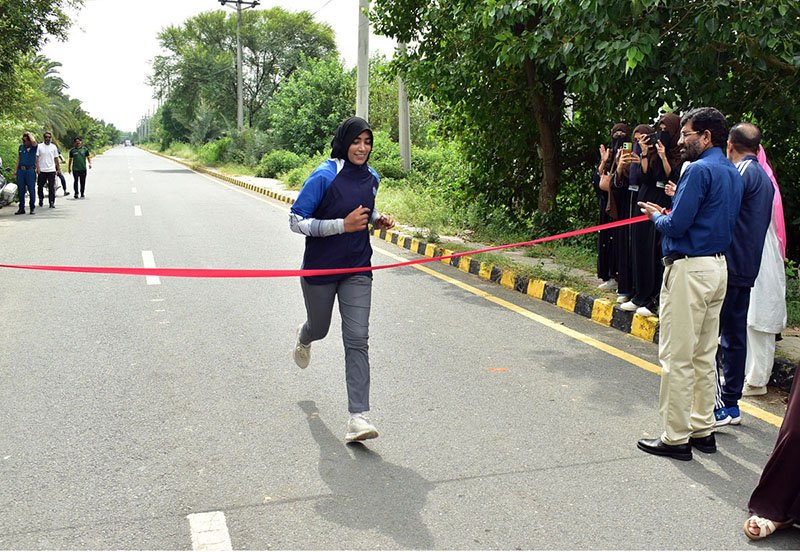
FAISALABAD — A female student from Government College University Faisalabad (GCUF) emerged victorious in the 10-kilometre race held during the university’s International Sports Day celebrations. The event, which took place on the university campus, was part of a series of activities designed to promote physical fitness and international camaraderie among students. What Happened The International Sports Day at GCUF saw enthusiastic participation from students across various disciplines. Among the highlights was the 10-kilometre race, which attracted numerous competitors eager to showcase their athletic prowess. The female student, whose name has not been disclosed, crossed the finish line ahead of her peers, securing a commendable victory. Her achievement was met with applause from fellow students and faculty members present at the event. The race was part of a broader initiative by the university to encourage sports and physical activities among students. The event featured a variety of sports, including track and field events, team sports, and individual competitions. The university administration emphasized the importance of such events in fostering a spirit of healthy competition and teamwork among students from diverse backgrounds. Speaking at the event, a university spokesperson highlighted the significance of International Sports Day, stating, “This day is not just about competition; it’s about bringing students together and promoting a healthy lifestyle. We are proud of our students’ achievements and their enthusiasm for sports.” Background International Sports Day is celebrated worldwide to promote sports and physical education as a means to improve health and well-being. It aligns with the United Nations’ efforts to use sports as a tool for development and peace. Educational institutions like GCUF often organize events to mark this day, aiming to engage students in physical activities and highlight the benefits of an active lifestyle. GCUF has a history of encouraging sports and extracurricular activities as part of its educational framework. The university regularly hosts sports events and competitions, providing students with opportunities to excel outside the academic realm. These initiatives are in line with national policies that advocate for the inclusion of sports in educational curricula to enhance students’ physical and mental development. Why It Matters The success of the female student in the 10-kilometre race underscores the growing participation of women in sports within Pakistan, a trend that reflects broader societal changes. Women’s involvement in sports has been steadily increasing, supported by governmental and institutional efforts to provide equal opportunities and resources. Such events are crucial in challenging traditional gender roles and empowering women to pursue their interests in various fields, including athletics. The visibility of female athletes in competitive sports can inspire young girls across the country, promoting gender equality and encouraging them to engage in sports. Moreover, the emphasis on sports within educational institutions like GCUF contributes to the overall development of students. Physical activities are known to improve mental health, reduce stress, and enhance academic performance. By integrating sports into the educational experience, universities can produce well-rounded individuals equipped with the skills necessary for personal and professional success. On a broader scale, promoting sports and physical education aligns with Pakistan’s national health objectives. Encouraging an active lifestyle can help combat non-communicable diseases, which are on the rise due to sedentary lifestyles and poor dietary habits. Events like International Sports Day play a vital role in raising awareness and motivating individuals to adopt healthier lifestyles. Key Takeaways A female student from GCUF won the 10-kilometre race during International Sports Day. The event aimed to promote physical fitness and international camaraderie among students. International Sports Day aligns with global efforts to use sports for development and peace. The participation of women in sports is increasing, reflecting societal changes in Pakistan. Sports in education contribute to students’ physical, mental, and academic development. Source Attribution This article is based on official statements and public communications from Government College University Faisalabad. Author: NEN Editorial Desk | Editor: NEN Newsroom | Fact Checked By: NEN Editorial Team Author: NEN Editorial Desk  |  Editor: NEN Newsroom  |  Last Updated: September 18, 2026  |  Source: NEN Reporter This article was produced by the NEN Editorial Desk in accordance with NEN Agency’s Editorial Policy and Fact-Checking Policy.
SBP Infuses Rs 2.64 Trillion Into Market Via Open Market Operations
Pakistan

SBP Infuses Rs 2.64 Trillion Into Market Via Open Market Operations

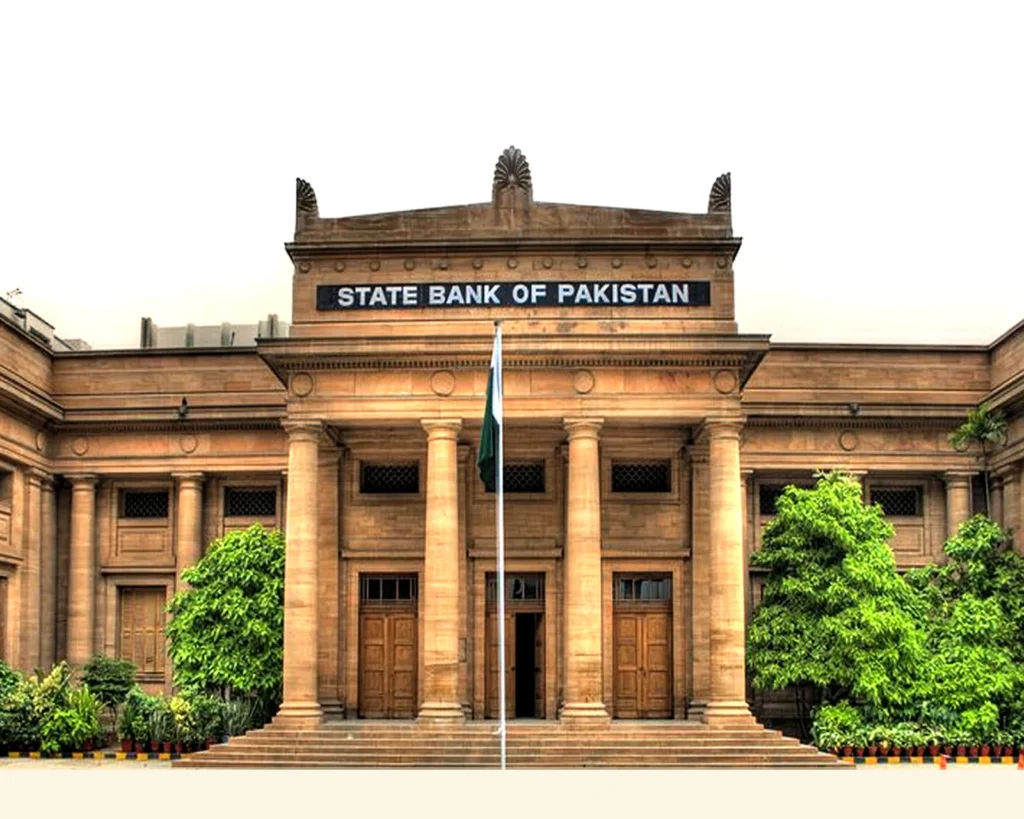
KARACHI — The State Bank of Pakistan (SBP) has injected Rs 2,640.45 billion into the financial system through its Open Market Operations (OMO) to maintain market liquidity. The operation, conducted on September 18, 2026, utilized Reverse Repo Purchase and Shariah Compliant Mudarabah mechanisms for 7 and 14-day tenors. What Happened The SBP’s recent liquidity injection was executed to ensure stability in the financial markets amid fluctuating economic conditions. The central bank conducted the Open Market Operation (OMO) on Friday, September 18, 2026, using Reverse Repo Purchase and Shariah Compliant Mudarabah contracts. This move aimed to address short-term liquidity shortages faced by financial institutions. According to the SBP, the operation included two tenors: a 7-day and a 14-day tenor, allowing banks to access funds at a pre-determined rate. The substantial injection of Rs 2,640.45 billion is part of the central bank’s ongoing efforts to stabilize the financial system and support economic activities. The SBP regularly uses such operations to manage liquidity levels and influence short-term interest rates. The decision to inject this significant amount was influenced by the current economic environment, which has seen varying demand for liquidity due to both domestic and international factors. The SBP’s actions are crucial in ensuring that banks have adequate funds to meet their day-to-day operations and lending requirements. Background The State Bank of Pakistan frequently engages in Open Market Operations as a tool for monetary policy implementation. These operations are essential for managing the money supply and maintaining interest rate stability. The use of Reverse Repo Purchase agreements allows the central bank to lend money to commercial banks, thereby increasing the money supply and encouraging lending and investment. Historically, the SBP has used OMOs to respond to liquidity crises or to adjust the monetary stance in line with economic objectives. The central bank’s role in managing liquidity became particularly prominent during the economic disruptions caused by the COVID-19 pandemic, when it took several measures to ensure financial stability. In recent years, Pakistan’s economy has faced challenges such as inflationary pressures, currency depreciation, and fiscal deficits, necessitating active monetary policy interventions by the SBP. The central bank’s actions are part of broader efforts to stabilize the economy and support growth. Why It Matters The SBP’s decision to inject over Rs 2.64 trillion into the market holds significant implications for Pakistan’s financial and economic landscape. By providing liquidity, the central bank aims to ensure that financial institutions can continue their operations smoothly, thus supporting economic activities. This liquidity injection is particularly important given the current economic challenges, including inflation and exchange rate volatility. By stabilizing the money supply, the SBP helps to prevent sudden spikes in interest rates, which could otherwise hinder borrowing and investment activities. This, in turn, supports businesses and consumers, fostering economic stability. Moreover, the central bank’s actions reflect its commitment to maintaining financial stability and confidence in the banking system. By ensuring that banks have access to necessary funds, the SBP helps to prevent liquidity shortages that could lead to financial distress. On an international level, the SBP’s proactive stance in managing liquidity is crucial for maintaining investor confidence in Pakistan’s financial markets. It signals to international stakeholders that the central bank is actively monitoring and responding to economic conditions, thereby enhancing the country’s economic credibility. Key Takeaways The State Bank of Pakistan injected Rs 2,640.45 billion into the market through Open Market Operations. The operation used Reverse Repo Purchase and Shariah Compliant Mudarabah contracts for 7 and 14-day tenors. This move aims to maintain liquidity and stabilize the financial system amid economic fluctuations. OMOs are a regular tool used by the SBP to manage money supply and interest rates. The injection supports economic activities by ensuring banks have sufficient funds for operations and lending. Source Attribution This article is based on official government statements, press releases, and public communications from relevant authorities. Author: NEN Editorial Desk | Editor: NEN Newsroom | Fact Checked By: NEN Editorial Team Author: NEN Editorial Desk  |  Editor: NEN Newsroom  |  Last Updated: September 18, 2026  |  Source: NEN Reporter This article was produced by the NEN Editorial Desk in accordance with NEN Agency’s Editorial Policy and Fact-Checking Policy.
Polio Virus in Rawalpindi Linked to Afghan Family, Official Confirms
Pakistan

Polio Virus in Rawalpindi Linked to Afghan Family, Official Confirms

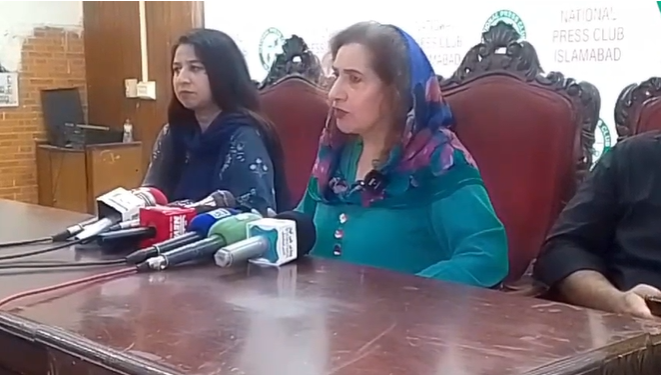
RAWALPINDI — The polio virus detected in Rawalpindi’s environmental sample in July has been traced back to a family that migrated from Afghanistan, according to Uzma Kardar, the Chief Minister Punjab’s Focal Person on Polio Eradication. The revelation underscores the ongoing challenge of cross-border transmission of the virus, which continues to pose a significant public health threat in Pakistan. What Happened The detection of the polio virus in Rawalpindi was confirmed through a detailed genetic analysis of environmental samples collected in July. Uzma Kardar disclosed that the strain was genetically linked to a family that had recently migrated from Afghanistan, highlighting the persistent issue of cross-border transmission. “All available resources are being utilized to address this challenge,” Kardar stated during a press briefing. The detection of the virus has prompted health authorities to intensify surveillance and immunization efforts in the region. The government has been working closely with international health organizations to ensure that polio vaccination campaigns are effectively reaching vulnerable populations, particularly those in areas with high mobility and migration. In response to the recent detection, emergency vaccination drives have been launched in Rawalpindi and surrounding areas to prevent any potential outbreak. Health workers have been deployed to administer oral polio vaccines to children under the age of five, aiming to curb the spread of the virus. Background Pakistan and Afghanistan are the only two countries in the world where polio remains endemic. Efforts to eradicate the virus have been ongoing for decades, with significant progress made in recent years. However, the movement of people across the porous border between Pakistan and Afghanistan presents a continuous challenge in the fight against polio. Polio, a highly infectious disease caused by the poliovirus, primarily affects children under the age of five. The virus is transmitted from person to person, mainly through the fecal-oral route. While there is no cure for polio, it can be prevented through vaccination, which is why immunization campaigns are critical in eradicating the disease. In Pakistan, the government has implemented a National Emergency Action Plan for Polio Eradication, which includes regular immunization campaigns and environmental surveillance to detect the presence of the virus. Despite these efforts, the country continues to face challenges due to vaccine hesitancy, logistical issues, and security concerns in certain regions. Why It Matters The detection of the polio virus in Rawalpindi is a stark reminder of the ongoing public health challenges faced by Pakistan. Cross-border transmission of the virus not only threatens the health of Pakistani children but also undermines global efforts to eradicate polio. The situation calls for enhanced cooperation between Pakistan and Afghanistan to address the root causes of transmission and ensure that vaccination efforts are effectively coordinated across borders. Economically, the presence of polio can have a detrimental impact on Pakistan’s healthcare system, diverting resources that could otherwise be used to address other pressing health issues. Moreover, the continued presence of polio can affect Pakistan’s international standing, as the country remains one of the few where the disease is still endemic. Socially, the persistence of polio poses a risk to the most vulnerable populations, particularly children in underprivileged communities who may have limited access to healthcare services. The government’s response to this latest detection will be crucial in determining the success of ongoing eradication efforts. Key Takeaways The polio virus detected in Rawalpindi was linked to a family that migrated from Afghanistan. Cross-border transmission remains a significant challenge in eradicating polio in Pakistan. Emergency vaccination drives have been launched to prevent potential outbreaks. Pakistan and Afghanistan are the only countries where polio remains endemic. Enhanced cross-border cooperation is essential for successful eradication efforts. Source Attribution This article is based on official government statements, press releases, and public communications from relevant authorities. Author: NEN Editorial Desk | Editor: NEN Newsroom | Fact Checked By: NEN Editorial Team Author: NEN Editorial Desk  |  Editor: NEN Newsroom  |  Last Updated: September 18, 2026  |  Source: NEN Reporter This article was produced by the NEN Editorial Desk in accordance with NEN Agency’s Editorial Policy and Fact-Checking Policy.
Pakistan’s Finance Minister Highlights Economic Transition at London Conference
World

Pakistan’s Finance Minister Highlights Economic Transition at London Conference

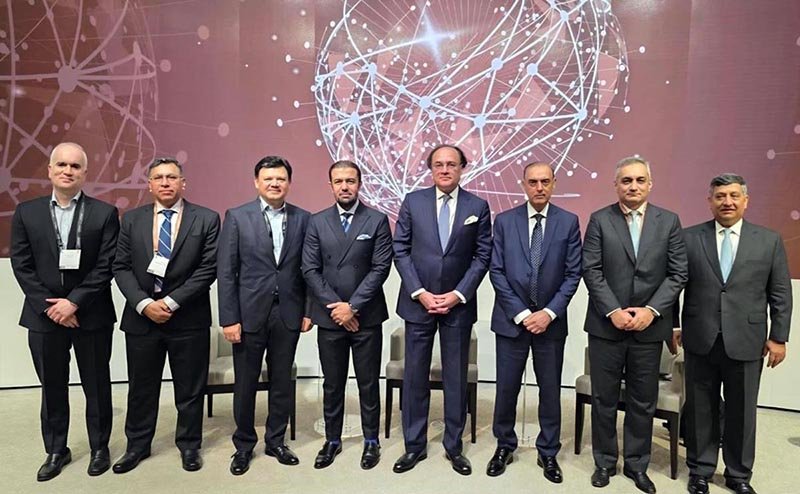
LONDON — Federal Minister for Finance and Revenue, Senator Muhammad Aurangzeb, and Governor State Bank of Pakistan, Jameel Ahmad, participated in the J.P. Morgan Emerging and Frontier Markets Opportunities Conference in London. The event, held on September 18, 2023, provided a platform for Pakistani officials to engage with international investors and discuss the country’s economic trajectory. What Happened During the conference, Senator Aurangzeb addressed a session titled “Fireside Chat: Pakistan: External Shocks Remain Manageable.” He emphasized Pakistan’s economic transition from stabilization to a focus on investment, capital formation, and private sector-led growth. The session was attended by key stakeholders from various global financial institutions, providing an opportunity for Pakistan to showcase its economic policies and future plans. Senator Aurangzeb highlighted the resilience of Pakistan’s economy in the face of external shocks, stating, “We have managed to stabilize our economy despite numerous challenges, and now we are moving towards a phase of sustainable growth driven by investments and private sector initiatives.” He further elaborated on the government’s efforts to create a conducive environment for foreign investment, underscoring the importance of regulatory reforms and infrastructure development. Governor Jameel Ahmad also contributed to the discussion by outlining the State Bank of Pakistan’s monetary policies aimed at supporting economic growth. He detailed measures taken to control inflation and stabilize the currency, which are crucial for maintaining investor confidence. “Our monetary policies are aligned with the government’s vision of economic growth, ensuring that we provide a stable macroeconomic environment for investors,” Ahmad stated. The conference served as a crucial networking opportunity, allowing the Pakistani delegation to engage directly with potential investors and financial experts. The discussions focused on the potential for growth in sectors such as technology, energy, and agriculture, which are seen as key drivers of Pakistan’s economic future. Background Pakistan’s economy has faced significant challenges in recent years, including political instability, security concerns, and external economic shocks. The government has been working on a series of economic reforms aimed at stabilizing the economy and attracting foreign investment. These reforms include improving the ease of doing business, enhancing regulatory frameworks, and investing in infrastructure projects. The J.P. Morgan Emerging and Frontier Markets Opportunities Conference is an annual event that brings together policymakers, investors, and financial experts to discuss opportunities in emerging markets. Pakistan’s participation in this conference is part of its broader strategy to engage with the international community and attract foreign direct investment. Why It Matters The participation of Pakistan’s top financial officials in the London conference is significant for several reasons. Economically, it signals Pakistan’s commitment to integrating with the global financial system and attracting foreign investment, which is crucial for economic growth and development. The government’s focus on transitioning from stabilization to growth reflects a strategic shift towards long-term economic planning. Socially, the emphasis on private sector-led growth and investment can lead to job creation and improved living standards for the Pakistani population. By fostering an environment conducive to business and investment, Pakistan aims to reduce unemployment and poverty levels, contributing to social stability. Politically, engaging with international investors and financial institutions helps strengthen Pakistan’s global standing and fosters bilateral relationships. This engagement is essential for securing international support and collaboration, which can aid in addressing domestic challenges. Internationally, Pakistan’s proactive approach in forums like the J.P. Morgan conference helps build confidence among investors, showcasing the country’s potential as a viable investment destination. It also reinforces the narrative that Pakistan is open for business and ready to participate actively in the global economy. Key Takeaways Pakistan’s finance minister and central bank governor participated in a major financial conference in London. The focus was on Pakistan’s economic transition from stabilization to investment and growth. Officials highlighted regulatory reforms and infrastructure development as key to attracting foreign investment. The conference provided a platform for networking with international investors and financial experts. Pakistan’s engagement in global financial forums aims to boost investor confidence and economic growth. Source Attribution This article is based on official government statements, press releases, and public communications from relevant authorities. Author: NEN Editorial Desk | Editor: NEN Newsroom | Fact Checked By: NEN Editorial Team Author: NEN Editorial Desk  |  Editor: NEN Newsroom  |  Last Updated: September 18, 2026  |  Source: Press Release from State Bank of Pakistan (SBP) This article was produced by the NEN Editorial Desk in accordance with NEN Agency’s Editorial Policy and Fact-Checking Policy.
Pakistan Releases New Foreign Exchange Rates for September 2026
World

Pakistan Releases New Foreign Exchange Rates for September 2026

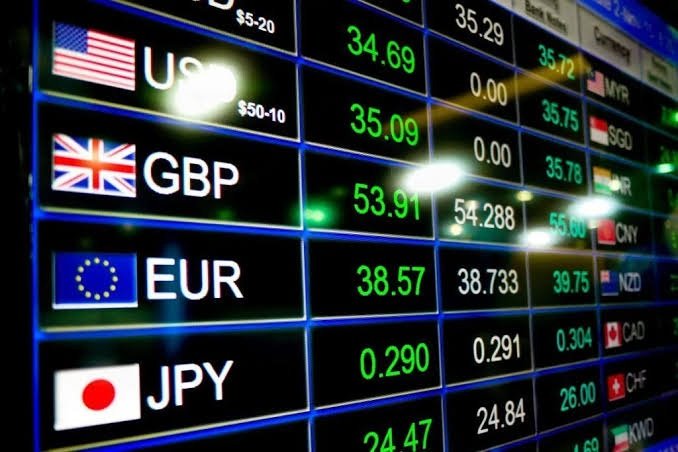
KARACHI — The Financial Markets Association of Pakistan’s Exchange Rates Committee has released the latest foreign exchange rates for September 18, 2026. These rates are essential for various financial transactions, including forward covers and deposits, excluding FE-25 deposits, with the State Bank of Pakistan’s settlement value date set for September 22, 2026. What Happened The Exchange Rates Committee issued a bulletin detailing the conversion rates for major foreign currencies against the Pakistani Rupee. As of September 18, 2026, the US Dollar is valued at PKR 277.2266. The British Pound, another significant currency, has also been listed, although the specific rate was not disclosed in the initial bulletin. This announcement is part of a routine update provided by the Financial Markets Association, which plays a crucial role in stabilizing and providing transparency in the foreign exchange market. The rates are determined based on current market conditions and are used by financial institutions and businesses to conduct international trade and investment activities. The release of these rates is a critical component for businesses engaged in import and export activities, as it directly influences the cost of goods and services traded across borders. The rates also impact the financial strategies of companies dealing with foreign currencies, affecting their profitability and market competitiveness. Background Pakistan’s foreign exchange market is regulated by the State Bank of Pakistan (SBP), which ensures that the exchange rates reflect the market dynamics while maintaining economic stability. The Exchange Rates Committee, under the Financial Markets Association, regularly updates these rates to align with international currency movements and domestic economic conditions. Historically, the Pakistani Rupee has experienced fluctuations due to various factors, including economic policies, political stability, and global market trends. The SBP occasionally intervenes in the foreign exchange market to curb excessive volatility and maintain investor confidence. In recent years, Pakistan has faced challenges in managing its foreign exchange reserves, necessitating careful monitoring and regulation of currency exchange rates. The release of updated exchange rates is part of ongoing efforts to enhance transparency and predictability in the financial sector. Why It Matters The announcement of new foreign exchange rates is significant for Pakistan’s economy, influencing both macroeconomic stability and individual financial decisions. Exchange rates affect inflation, purchasing power, and the overall economic growth of the country. For businesses, these rates determine the cost of importing raw materials and exporting finished goods, directly impacting profit margins. For the general public, exchange rates influence the cost of foreign travel, education, and remittances. A higher exchange rate for the US Dollar, for instance, means that it becomes more expensive for Pakistanis to travel abroad or send money to family members in other countries. On a broader scale, stable and predictable exchange rates are crucial for attracting foreign investment. Investors seek environments where currency risks are minimized, and exchange rates are a key factor in their decision-making process. A stable exchange rate regime can lead to increased foreign direct investment, contributing to economic growth and job creation. Moreover, the exchange rate is a critical tool for policymakers in managing the balance of payments and addressing trade deficits. By adjusting interest rates and influencing currency values, the SBP can steer the economy towards desired economic outcomes. Key Takeaways The Financial Markets Association of Pakistan has released new foreign exchange rates for September 18, 2026. The US Dollar is valued at PKR 277.2266, impacting international trade and investment. Exchange rates are crucial for businesses, influencing import and export costs. Stable exchange rates are essential for attracting foreign investment and ensuring economic stability. The State Bank of Pakistan plays a vital role in regulating and stabilizing the foreign exchange market. Source Attribution This article is based on official government statements, press releases, and public communications from relevant authorities. Author: NEN Editorial Desk | Editor: NEN Newsroom | Fact Checked By: NEN Editorial Team Author: NEN Editorial Desk  |  Editor: NEN Newsroom  |  Last Updated: September 18, 2026  |  Source: NEN Reporter This article was produced by the NEN Editorial Desk in accordance with NEN Agency’s Editorial Policy and Fact-Checking Policy.
APHC Claims Indian Forces Allowed Extrajudicial Actions in Kashmir
World

APHC Claims Indian Forces Allowed Extrajudicial Actions in Kashmir

ISLAMABAD — The All Parties Hurriyat Conference (APHC) has alleged that the Indian government has permitted security forces in Indian illegally occupied Jammu and Kashmir (IIOJK) to engage in extrajudicial killings and arbitrary arrests. The APHC claims these actions are part of a broader crackdown on the Kashmiri population. What Happened According to a statement from the APHC, the Bharatiya Janata Party (BJP)-led Indian government has given security forces in IIOJK the authority to conduct extrajudicial killings of Kashmiri youth in what the APHC describes as “staged encounters.” The group also accuses Indian forces of making arbitrary arrests under stringent laws during cordon and search operations. The APHC’s statement highlights a pattern of human rights violations that it contends are being carried out with impunity. The APHC’s allegations come amid ongoing tensions in the region, where security forces have been conducting operations purportedly aimed at maintaining law and order. However, the APHC argues that these operations are being used to suppress dissent and silence voices advocating for Kashmiri self-determination. The group has called for international intervention to address what it describes as a dire human rights situation. In response to these allegations, Indian officials have maintained that their actions in the region are necessary to combat terrorism and ensure the safety of citizens. They argue that security operations are conducted with respect for human rights and within the legal framework. Background The region of Jammu and Kashmir has been a flashpoint between India and Pakistan since both countries gained independence in 1947. The area has witnessed numerous conflicts and remains one of the most militarized zones in the world. In August 2019, the Indian government revoked Article 370 of its constitution, which granted special autonomy to Jammu and Kashmir. This move was met with widespread protests and increased tensions in the region. Since the revocation of Article 370, there have been numerous reports of human rights abuses, including arbitrary detentions, restrictions on freedom of movement, and suppression of free speech. The Indian government has consistently denied these allegations, asserting that its actions are aimed at maintaining peace and security. Why It Matters The allegations made by the APHC are significant as they underscore ongoing concerns about human rights in IIOJK. The situation has drawn international attention, with various human rights organizations calling for investigations into the conduct of Indian security forces. The alleged extrajudicial killings and arbitrary arrests could further inflame tensions between India and Pakistan, two nuclear-armed neighbors with a history of conflict over the region. For the citizens of IIOJK, these developments have profound implications. The reported human rights abuses contribute to a climate of fear and uncertainty, impacting daily life and limiting opportunities for economic and social development. The situation also poses challenges for regional stability, as unrest in Kashmir can have broader geopolitical ramifications. Internationally, the situation in Kashmir remains a contentious issue. Countries and organizations advocating for human rights are closely monitoring developments, and any escalation in violence could prompt calls for international intervention or mediation. Key Takeaways The APHC alleges that Indian forces in IIOJK have been given a free hand to conduct extrajudicial killings and arbitrary arrests. These claims come amid heightened tensions in the region following the revocation of Article 370 in 2019. Indian officials assert that their actions are necessary for combating terrorism and maintaining security. The situation in IIOJK has significant implications for regional stability and international relations. Human rights organizations continue to call for investigations into the conduct of Indian security forces in the region. Source Attribution This article is based on official statements from the All Parties Hurriyat Conference and public communications from relevant authorities. Author: NEN Editorial Desk | Editor: NEN Newsroom | Fact Checked By: NEN Editorial Team Author: NEN Editorial Desk  |  Editor: NEN Newsroom  |  Last Updated: September 18, 2026  |  Source: NEN Reporter This article was produced by the NEN Editorial Desk in accordance with NEN Agency’s Editorial Policy and Fact-Checking Policy.
Consultations Advance On Pakistan’s Auto Policy 2026-31
World

Consultations Advance On Pakistan’s Auto Policy 2026-31

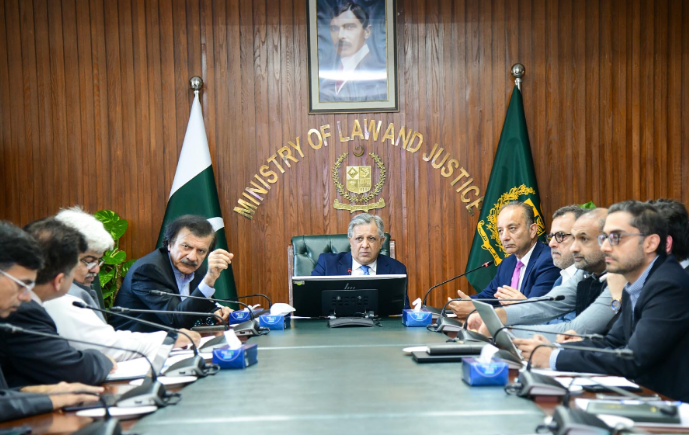
ISLAMABAD — Consultations on Pakistan’s Auto and Auto Parts Manufacturing Policy 2026-31 continued on Thursday as the committee tasked with its development meticulously reviewed the draft policy. This initiative aligns with directives from Prime Minister Shehbaz Sharif aimed at bolstering the automotive sector. The meeting, chaired by Federal Minister for Law and Justice Senator Azam Nazeer Tarar, focused on a clause-by-clause examination to ensure comprehensive coverage of industry needs. What Happened The committee responsible for formulating the Auto Policy 2026-31 convened to scrutinize the draft policy document. This session is part of an ongoing series of consultations designed to refine the policy framework that will guide the automotive and auto parts manufacturing sector over the next five years. The meeting was chaired by Senator Azam Nazeer Tarar, who emphasized the importance of aligning the policy with Prime Minister Shehbaz Sharif’s vision for the sector. During the meeting, various stakeholders, including representatives from the Ministry of Industries and Production, the Engineering Development Board, and industry leaders, provided input on critical aspects of the draft. The discussions aimed to address key challenges faced by the auto industry, such as technological advancements, environmental standards, and local manufacturing capabilities. Senator Tarar highlighted the need for a policy that not only supports existing manufacturers but also attracts new investments. “We are committed to creating an environment that fosters innovation and growth in the automotive sector,” he stated. The committee plans to continue these deliberations in the coming weeks, with the goal of finalizing the policy by early next year. Background Pakistan’s automotive industry has been a significant contributor to the national economy, providing jobs and stimulating related industries. The current auto policy, which expires in 2026, has seen mixed results, with some successes in increasing local manufacturing and exports, but challenges remain in terms of technological adoption and environmental compliance. The new policy aims to build on these foundations by addressing the gaps identified in the previous framework. It seeks to enhance the competitiveness of local manufacturers and ensure compliance with international environmental standards. The policy will also focus on encouraging the production of electric vehicles, a sector that has seen global growth but remains nascent in Pakistan. Why It Matters The development of the Auto Policy 2026-31 is crucial for Pakistan’s economic trajectory. The automotive sector is a key driver of industrial growth and employment, and a robust policy can significantly impact the country’s economic health. By fostering a conducive environment for investment and innovation, the policy has the potential to attract foreign direct investment, which is vital for economic stability. Moreover, the policy’s emphasis on environmental standards and electric vehicles aligns with global trends towards sustainability. This shift not only positions Pakistan as a forward-thinking market player but also addresses domestic environmental concerns, contributing to improved air quality and reduced carbon emissions. For consumers, a well-structured policy could lead to increased competition among manufacturers, resulting in better quality products and potentially lower prices. Additionally, the focus on local manufacturing could lead to job creation, providing a boost to the economy and improving livelihoods. Key Takeaways The Auto Policy 2026-31 is under review, with a focus on aligning with PM directives. Consultations involve key stakeholders from government and industry sectors. The policy aims to enhance local manufacturing and attract new investments. Environmental standards and electric vehicle production are key components. The policy is expected to impact economic growth and job creation positively. Source Attribution This article is based on official government statements, press releases, and public communications from relevant authorities. Author: NEN Editorial Desk | Editor: NEN Newsroom | Fact Checked By: NEN Editorial Team Author: NEN Editorial Desk  |  Editor: NEN Newsroom  |  Last Updated: September 18, 2026  |  Source: NEN Reporter This article was produced by the NEN Editorial Desk in accordance with NEN Agency’s Editorial Policy and Fact-Checking Policy.
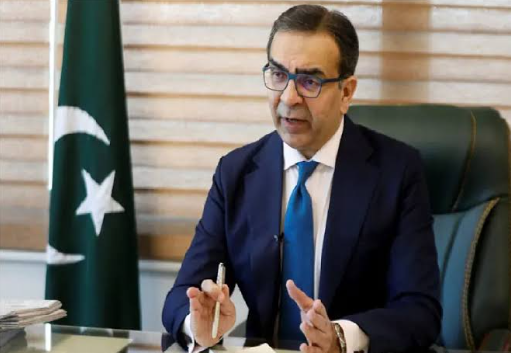
Sargodha Celebrates National Under-21 Hockey Players with Special Ceremony
Pakistan

Sargodha Celebrates National Under-21 Hockey Players with Special Ceremony

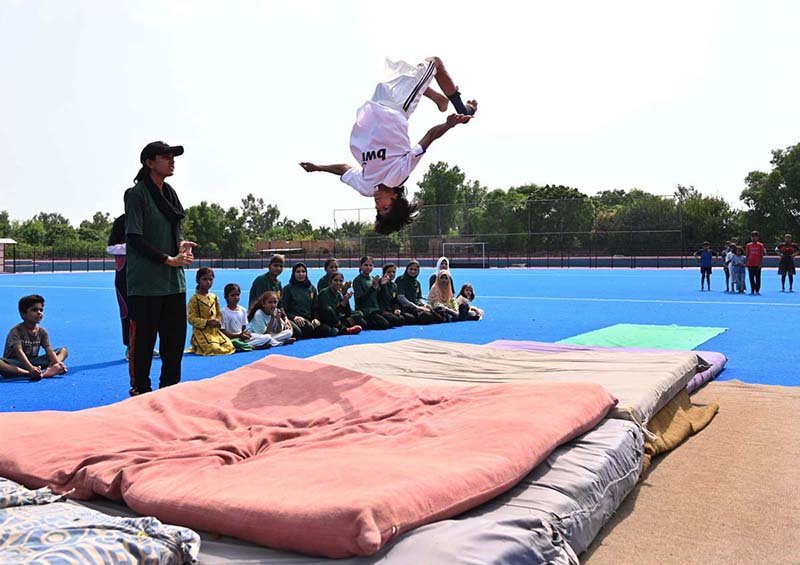
SARGODHA — A special ceremony was held at the Astroturf Hockey Stadium in Sargodha on September 17 to honor national Under-21 hockey players Maha Ramzan and Zaleera Sadaf, who recently represented Pakistan in international tournaments in China and Oman. The event, organized by the Sports Department and Fatima Women Hockey Club, featured various performances and a friendly match. What Happened The ceremony commenced with a demonstration of gymnastics by members of the Sargodha Gymnastics Club, showcasing their skills in a series of impressive routines. The highlight of the event was a friendly hockey match between the Crescent Women Hockey Club and Fatima Women Hockey Club, where players displayed their talents in a spirited contest. The match was part of the celebrations to honor Maha Ramzan and Zaleera Sadaf for their contributions to the national Under-21 team. During the ceremony, the two hockey players were celebrated for their achievements and dedication to the sport. They were given a special tribute as they passed beneath an arch of hockey sticks held by fellow players and coaches, symbolizing their journey and accomplishments in the field of hockey. Prominent figures in attendance included PML-N Member of National Assembly Erum Hamid, Divisional Sports Officer Rana Nadeem Anjum, former MNA Chaudhry Hamid Hameed, District Sports Officer Saima Manzoor, and Fatima Women Hockey Academy Coach Hassan Shah. These dignitaries posed for a group photo with the players, marking the occasion with a sense of pride and encouragement for the young athletes. Background Hockey has a storied history in Pakistan, being the national sport and a source of immense pride. The country has produced numerous world-class players and has won several international accolades, including Olympic gold medals and World Cup titles. However, in recent years, the sport has faced challenges due to a lack of funding and infrastructure. Initiatives like the one in Sargodha aim to revive interest and support for hockey at the grassroots level. The Under-21 national team serves as a critical platform for nurturing young talent, providing players with international exposure and experience. Maha Ramzan and Zaleera Sadaf’s participation in tournaments in China and Oman underscores the importance of these opportunities for developing future stars of the sport. Why It Matters The ceremony in Sargodha is significant as it highlights the ongoing efforts to promote women’s sports in Pakistan, particularly hockey. By celebrating the achievements of young athletes like Maha Ramzan and Zaleera Sadaf, the event sends a powerful message about the potential of women in sports and the importance of supporting their endeavors. Economically, investing in sports can have a multiplier effect, creating jobs, boosting local economies, and enhancing national prestige. Socially, it fosters community spirit and provides a positive outlet for youth, steering them away from negative influences. Politically, successful athletes can serve as ambassadors for the country, promoting a positive image on the international stage. Furthermore, the involvement of local government officials and sports authorities in the ceremony underscores a commitment to improving sports infrastructure and opportunities for young athletes. This can lead to more comprehensive policies and initiatives aimed at developing sports at the grassroots level, which is crucial for the long-term success of any sport. Key Takeaways The ceremony honored national Under-21 hockey players Maha Ramzan and Zaleera Sadaf for their international achievements. It featured a friendly match and gymnastics performances, highlighting local sports talent. Prominent local officials and sports figures attended, showing support for women’s sports. The event underscores the importance of promoting hockey and women’s participation in sports. Investing in sports can have significant economic, social, and political benefits for Pakistan. Source Attribution This article is based on official government statements, press releases, and public communications from relevant authorities. Author: NEN Editorial Desk | Editor: NEN Newsroom | Fact Checked By: NEN Editorial Team Author: NEN Editorial Desk  |  Editor: NEN Newsroom  |  Last Updated: September 18, 2026  |  Source: NEN Reporter This article was produced by the NEN Editorial Desk in accordance with NEN Agency’s Editorial Policy and Fact-Checking Policy.
Muhammad Ali Outlines Economic Growth Strategy at Islamabad Business Summit
Pakistan

Muhammad Ali Outlines Economic Growth Strategy at Islamabad Business Summit

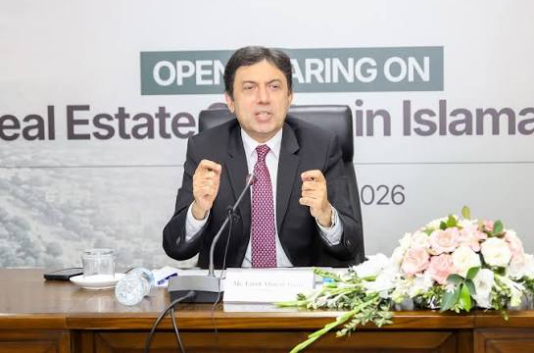
ISLAMABAD — Muhammad Ali, Adviser to the Prime Minister on Privatisation, presented a strategic plan for economic growth at the Leaders in Islamabad Business Summit 2026. On Thursday, he stressed the importance of transitioning from economic stabilisation to generational growth, focusing on market building and competitiveness through innovation. What Happened During the summit, Muhammad Ali, who also serves as the Chairman of the Privatisation Commission and Public Private Partnership Authority (P3A), delivered a keynote address outlining a comprehensive roadmap aimed at fostering sustainable economic growth in Pakistan. The event, held in Islamabad, gathered business leaders, policymakers, and international delegates to discuss the future of Pakistan’s economy under the theme “The Future of Business.” Ali highlighted the necessity for a strategic shift in economic policy, moving away from short-term stabilisation efforts towards a long-term vision of growth and development. He emphasized that innovation and competitiveness are key components in building a robust market economy. “We must focus on creating an environment that encourages innovation and competitiveness,” he stated, urging stakeholders to invest in sectors that have the potential to drive economic growth. The adviser also discussed the role of public-private partnerships in achieving these goals, noting that collaboration between the government and private sector is essential for implementing large-scale infrastructure projects and technological advancements. He pointed to successful models from other countries that have effectively utilized such partnerships to spur economic progress. Furthermore, Ali addressed the importance of policy reforms to support the business environment, including regulatory changes that facilitate ease of doing business and attract foreign investment. He called for a concerted effort to improve Pakistan’s global competitiveness rankings, which he believes will enhance the country’s economic prospects. Background Pakistan’s economy has faced numerous challenges in recent years, including fiscal deficits, inflation, and a depreciating currency. The government has implemented various measures to stabilize the economy, such as securing loans from international financial institutions and introducing austerity measures. However, these efforts have often been criticized for not addressing the underlying structural issues that hinder long-term growth. The Leaders in Islamabad Business Summit is an annual event that brings together key stakeholders from various sectors to discuss strategies for economic development. This year’s summit focused on exploring innovative solutions to drive growth and enhance Pakistan’s position in the global market. Why It Matters The strategic roadmap outlined by Muhammad Ali is significant as it marks a shift in focus from short-term economic stabilization to sustainable growth. This approach is crucial for addressing the long-standing structural issues that have impeded Pakistan’s economic progress. By prioritizing innovation and competitiveness, the government aims to create a more dynamic and resilient economy capable of withstanding global economic fluctuations. The emphasis on public-private partnerships is particularly noteworthy, as such collaborations can leverage private sector expertise and resources to implement large-scale projects that the government alone may not be able to undertake. This can lead to improved infrastructure, technological advancements, and job creation, ultimately boosting economic growth. Moreover, the proposed policy reforms are expected to enhance the business environment, making it more conducive for both local and foreign investors. Improving ease of doing business and increasing Pakistan’s global competitiveness rankings can attract much-needed foreign direct investment, which is vital for economic development. Overall, the strategic plan presented by Muhammad Ali has the potential to transform Pakistan’s economic landscape, fostering a more inclusive and prosperous future for its citizens. Key Takeaways Muhammad Ali emphasized a shift from economic stabilization to generational growth at the Islamabad summit. Innovation and competitiveness are key components of the proposed economic growth strategy. Public-private partnerships are highlighted as essential for implementing large-scale projects. Policy reforms are needed to improve the business environment and attract foreign investment. The strategic plan aims to enhance Pakistan’s global competitiveness and economic resilience. Source Attribution This article is based on official government statements, press releases, and public communications from relevant authorities. Author: NEN Editorial Desk | Editor: NEN Newsroom | Fact Checked By: NEN Editorial Team Author: NEN Editorial Desk  |  Editor: NEN Newsroom  |  Last Updated: September 18, 2026  |  Source: Press Release from Government of Pakistan This article was produced by the NEN Editorial Desk in accordance with NEN Agency’s Editorial Policy and Fact-Checking Policy.

CCP Chairman Advocates Fair Markets At SCO Anti-Monopoly Meeting
Pakistan

CCP Chairman Advocates Fair Markets At SCO Anti-Monopoly Meeting

ISLAMABAD — Chairman of the Competition Commission of Pakistan (CCP), Farid Ahmad Tarar, emphasized the importance of open and transparent markets during a virtual meeting of the Shanghai Cooperation Organization (SCO) Anti-Monopoly Authorities on September 17. Representing Pakistan, Tarar highlighted the need for economic cooperation among SCO countries to be underpinned by competitive markets that ensure merit-based business operations and consumer benefits. What Happened During the virtual meeting, Farid Ahmad Tarar addressed representatives from various SCO member states, advocating for the establishment of fair market practices across the region. He stressed that economic collaboration should be driven by market transparency and competition, which would, in turn, foster innovation, provide consumers with more choices, and ensure competitive pricing. Tarar’s remarks were made in the context of ongoing discussions among SCO member states to enhance cooperation in regulating anti-competitive practices. The meeting aimed to share insights and strategies on how to tackle monopolistic behaviors that could hinder economic growth and consumer welfare. Tarar stated, “Economic cooperation among SCO countries should be supported by open, transparent, and fair markets, where businesses compete on merit and consumers benefit from competitive prices, choice, innovation, and quality.” The SCO Anti-Monopoly Authorities meeting serves as a platform for member countries to discuss and align on policies that prevent anti-competitive practices. Tarar’s participation underscores Pakistan’s commitment to fostering a competitive economic environment within the SCO framework. Background The Shanghai Cooperation Organization, founded in 2001, is a political, economic, and security alliance comprising eight member countries, including China, Russia, and India. The organization aims to promote regional cooperation and stability. The Anti-Monopoly Authorities meetings are part of the SCO’s efforts to ensure fair competition among its member states, addressing concerns over monopolistic practices that can stifle economic progress. Pakistan’s involvement in the SCO’s economic initiatives reflects its strategic interest in enhancing regional trade and economic ties. The CCP, established in 2007, plays a crucial role in regulating competition in Pakistan, ensuring that markets operate fairly and efficiently. Why It Matters The emphasis on fair market practices within the SCO is significant for several reasons. Economically, it can lead to increased trade and investment among member countries, as businesses operate in a predictable and fair environment. For Pakistan, aligning with SCO’s anti-monopoly objectives can attract foreign investment, boost local industries, and enhance consumer welfare through better product quality and pricing. Socially, fair competition ensures that consumers have access to a variety of products and services, fostering innovation and improving living standards. Politically, Pakistan’s active participation in the SCO’s economic discussions strengthens its regional standing and influence, potentially opening doors for further collaboration in other areas such as security and cultural exchange. Internationally, the SCO’s focus on anti-monopoly practices aligns with global trends towards ensuring market fairness and consumer protection. By participating in these discussions, Pakistan positions itself as a proactive player in the global economic landscape, committed to upholding international standards of competition and trade. Key Takeaways CCP Chairman Farid Ahmad Tarar represented Pakistan at the SCO Anti-Monopoly Authorities meeting, advocating for fair and transparent markets. Tarar emphasized the need for economic cooperation among SCO countries to be based on competitive market practices. The meeting focused on sharing strategies to prevent monopolistic practices that could impede economic growth. Pakistan’s involvement in the SCO’s economic initiatives reflects its commitment to regional trade and investment. Aligning with SCO’s anti-monopoly objectives can enhance Pakistan’s economic and political standing in the region. Source Attribution This article is based on official government statements, press releases, and public communications from relevant authorities. Author: NEN Editorial Desk | Editor: NEN Newsroom | Fact Checked By: NEN Editorial Team Author: NEN Editorial Desk  |  Editor: NEN Newsroom  |  Last Updated: September 18, 2026  |  Source: NEN Reporter This article was produced by the NEN Editorial Desk in accordance with NEN Agency’s Editorial Policy and Fact-Checking Policy.

Scroll to Top