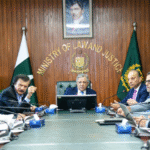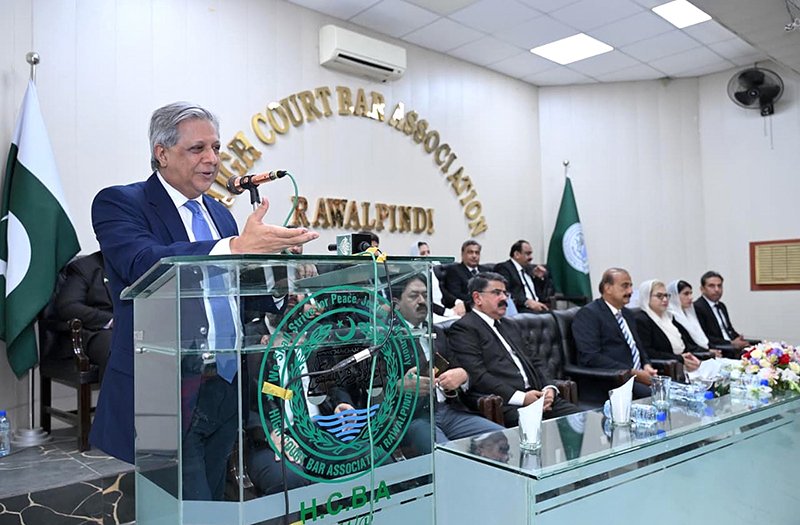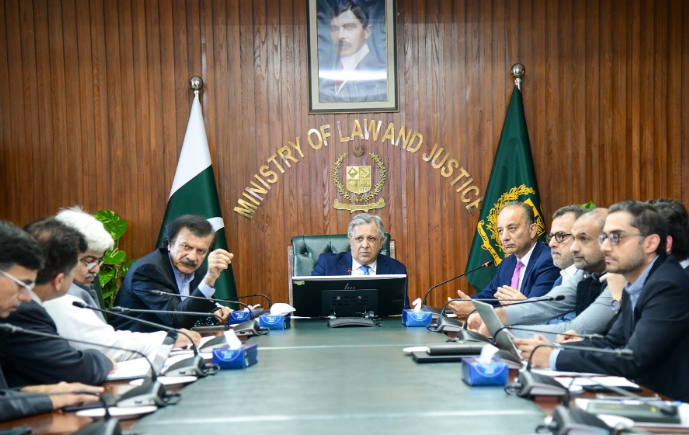
ISLAMABAD — Consultations on Pakistan’s Auto and Auto Parts Manufacturing Policy 2026-31 continued on Thursday as the committee tasked with its development meticulously reviewed the draft policy. This initiative aligns with directives from Prime Minister Shehbaz Sharif aimed at bolstering the automotive sector. The meeting, chaired by Federal Minister for Law and Justice Senator Azam Nazeer Tarar, focused on a clause-by-clause examination to ensure comprehensive coverage of industry needs.
What Happened
The committee responsible for formulating the Auto Policy 2026-31 convened to scrutinize the draft policy document. This session is part of an ongoing series of consultations designed to refine the policy framework that will guide the automotive and auto parts manufacturing sector over the next five years. The meeting was chaired by Senator Azam Nazeer Tarar, who emphasized the importance of aligning the policy with Prime Minister Shehbaz Sharif’s vision for the sector.
During the meeting, various stakeholders, including representatives from the Ministry of Industries and Production, the Engineering Development Board, and industry leaders, provided input on critical aspects of the draft. The discussions aimed to address key challenges faced by the auto industry, such as technological advancements, environmental standards, and local manufacturing capabilities.
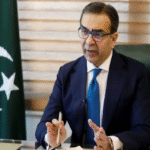
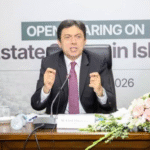
Senator Tarar highlighted the need for a policy that not only supports existing manufacturers but also attracts new investments. “We are committed to creating an environment that fosters innovation and growth in the automotive sector,” he stated. The committee plans to continue these deliberations in the coming weeks, with the goal of finalizing the policy by early next year.
Background
Pakistan’s automotive industry has been a significant contributor to the national economy, providing jobs and stimulating related industries. The current auto policy, which expires in 2026, has seen mixed results, with some successes in increasing local manufacturing and exports, but challenges remain in terms of technological adoption and environmental compliance.
The new policy aims to build on these foundations by addressing the gaps identified in the previous framework. It seeks to enhance the competitiveness of local manufacturers and ensure compliance with international environmental standards. The policy will also focus on encouraging the production of electric vehicles, a sector that has seen global growth but remains nascent in Pakistan.
Why It Matters
The development of the Auto Policy 2026-31 is crucial for Pakistan’s economic trajectory. The automotive sector is a key driver of industrial growth and employment, and a robust policy can significantly impact the country’s economic health. By fostering a conducive environment for investment and innovation, the policy has the potential to attract foreign direct investment, which is vital for economic stability.
Moreover, the policy’s emphasis on environmental standards and electric vehicles aligns with global trends towards sustainability. This shift not only positions Pakistan as a forward-thinking market player but also addresses domestic environmental concerns, contributing to improved air quality and reduced carbon emissions.
For consumers, a well-structured policy could lead to increased competition among manufacturers, resulting in better quality products and potentially lower prices. Additionally, the focus on local manufacturing could lead to job creation, providing a boost to the economy and improving livelihoods.
Key Takeaways
- The Auto Policy 2026-31 is under review, with a focus on aligning with PM directives.
- Consultations involve key stakeholders from government and industry sectors.
- The policy aims to enhance local manufacturing and attract new investments.
- Environmental standards and electric vehicle production are key components.
- The policy is expected to impact economic growth and job creation positively.
Source Attribution
This article is based on official government statements, press releases, and public communications from relevant authorities.