
Author name: Yasir Zubairi

Yasir Zubairi is the founder and publisher of NEN Agency (News Era Network). He leads NEN's coverage of Pakistan's national affairs, economy, foreign relations and sports, and is responsible for the accuracy and standards of every story published on nenagency.com.

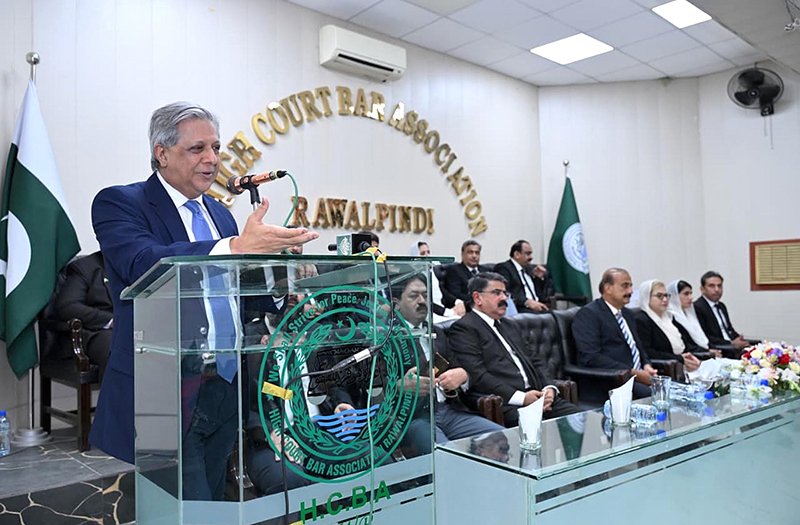
Law Minister Azam Nazeer Tarar Speaks at Lahore High Court Bar Event
Pakistan

Law Minister Azam Nazeer Tarar Speaks at Lahore High Court Bar Event

RAWALPINDI — Federal Minister for Law and Justice Senator Azam Nazeer Tarar addressed a gathering at the Lahore High Court Bar Association, Rawalpindi Bench, on Thursday, emphasizing the importance of judicial reforms and the rule of law in Pakistan. The event was attended by prominent legal professionals, judges, and members of the bar association. What Happened During his address, Minister Azam Nazeer Tarar highlighted the government’s commitment to strengthening the judicial system in Pakistan. He stated, “The rule of law is fundamental to the functioning of a democratic society, and our government is dedicated to ensuring that justice is accessible to all citizens.” The minister underscored the need for reforms to expedite legal processes and reduce the backlog of cases in courts. The ceremony, held at the Lahore High Court Bar Association’s Rawalpindi Bench, was attended by senior members of the judiciary and legal community. Tarar discussed various initiatives undertaken by the Ministry of Law and Justice to enhance the efficiency and transparency of the legal system. He also addressed concerns regarding the independence of the judiciary, assuring the audience that the government respects and upholds judicial autonomy. Tarar’s speech also touched upon the importance of legal education and training for young lawyers, emphasizing the role of the legal fraternity in upholding justice and the rule of law. “Our young lawyers are the future of the judiciary, and it is imperative that they are well-equipped with the knowledge and skills required to serve the nation,” he remarked. Background The Lahore High Court Bar Association, one of the oldest and most prestigious legal bodies in Pakistan, has a significant role in the country’s legal landscape. The association frequently hosts events and discussions aimed at promoting legal education and addressing issues faced by the legal community. In recent years, Pakistan’s judicial system has faced criticism for delays in case resolutions and a significant backlog of cases. The government has been under pressure to implement reforms that would streamline judicial processes and enhance the efficiency of courts across the country. Why It Matters The address by Minister Azam Nazeer Tarar is significant as it reaffirms the government’s commitment to judicial reforms, which are crucial for maintaining public confidence in the legal system. The emphasis on reducing case backlogs and ensuring timely justice is vital for the socio-economic development of Pakistan, as a functional legal system is a cornerstone of a stable society. Judicial independence is a critical issue in Pakistan, where the judiciary has historically faced challenges in maintaining autonomy from political influences. Tarar’s assurances regarding the independence of the judiciary are likely to be welcomed by legal professionals and civil society, who have long advocated for a judiciary free from external pressures. Furthermore, the focus on legal education and training underscores the importance of nurturing a new generation of competent legal professionals. This is essential for sustaining the rule of law and ensuring that the legal system can adapt to the evolving needs of society. Key Takeaways Minister Azam Nazeer Tarar emphasized judicial reforms and the rule of law at the Lahore High Court Bar Association event. The government is committed to reducing case backlogs and enhancing the efficiency of the legal system. Judicial independence was highlighted as a priority, with assurances given to uphold it. The importance of legal education and training for young lawyers was stressed. The event was attended by prominent members of the legal community, reflecting its significance. Source Attribution This article is based on official government statements, press releases, and public communications from relevant authorities. Author: NEN Editorial Desk | Editor: NEN Newsroom | Fact Checked By: NEN Editorial Team Author: NEN Editorial Desk  |  Editor: NEN Newsroom  |  Last Updated: September 18, 2026  |  Source: Press Release from Government of Pakistan This article was produced by the NEN Editorial Desk in accordance with NEN Agency’s Editorial Policy and Fact-Checking Policy.
UN Secretary-General Urges Global Action Against Digital Hate Speech
World

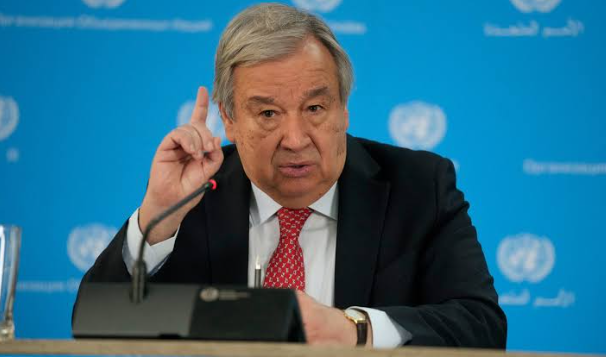
UN Secretary-General Urges Global Action Against Digital Hate Speech

UNITED NATIONS — UN Secretary-General Antonio Guterres has urged global leaders, technology firms, and civil society to take collective action against the rapid spread of hate speech facilitated by digital technologies. Speaking on September 17 at the opening of a global conference on promoting interreligious and cultural dialogue, Guterres highlighted the urgent need for regulatory frameworks to keep pace with technological advancements. What Happened During the conference, Guterres addressed the alarming rate at which hate speech is proliferating online, aided by sophisticated digital tools. He emphasized that the toxic messages of hate are not only spreading quickly but are also deeply impacting societies worldwide. “Its toxic message is spreading fast and striking deep,” Guterres stated, underscoring the need for immediate and coordinated efforts to address this growing challenge. The conference, aimed at fostering dialogue among different cultures and religions, served as a platform for the UN chief to call for a unified response to curb the influence of hate speech. Guterres appealed to governments to implement effective regulations, urged technology companies to take responsibility for the content shared on their platforms, and called on civil society to promote tolerance and understanding. Guterres’ remarks come amid increasing concerns about the role of social media and other digital platforms in amplifying hate speech, misinformation, and extremist ideologies. The UN chief highlighted the necessity for a global strategy that balances freedom of expression with the need to prevent harm and protect vulnerable communities. Background Hate speech has been a persistent issue globally, with its roots tracing back to various socio-political and cultural conflicts. The advent of the internet and social media has significantly amplified the reach and impact of such speech, making it a pressing concern for international bodies and governments alike. In recent years, there have been several high-profile incidents where digital platforms have been used to spread hate speech, leading to real-world violence and discrimination. The Christchurch mosque shootings in New Zealand in 2019, for instance, were partly fueled by online hate and extremist content. These events have prompted calls for stricter regulations and more robust measures to combat online hate. Various international frameworks, including those by the United Nations, have been established to address hate speech. However, the rapid evolution of technology often outpaces these regulatory efforts, necessitating continuous updates and adaptations to existing policies. Why It Matters The unchecked spread of hate speech on digital platforms poses significant risks to social cohesion and global peace. It can incite violence, fuel discrimination, and undermine democratic processes by spreading misinformation and polarizing societies. In Pakistan, as in many other countries, the impact of digital hate speech is felt across various sectors, including politics, religion, and ethnic relations. Economically, the proliferation of hate speech can deter investment and tourism, as countries perceived as unstable or intolerant may be less attractive to international stakeholders. Socially, it can lead to increased tensions among different communities, potentially resulting in conflicts and social unrest. On a political level, the spread of hate speech can undermine governance and the rule of law, as it often targets marginalized groups and erodes trust in public institutions. Internationally, it challenges the efforts of organizations like the United Nations to promote peace and security, as digital platforms transcend national borders and require a coordinated global response. Key Takeaways UN Secretary-General Antonio Guterres has called for global action against digital hate speech. The rapid spread of hate speech online is facilitated by advanced digital technologies. Guterres emphasized the need for governments, tech companies, and civil society to collaborate. Unchecked hate speech poses risks to social cohesion, economic stability, and political governance. International frameworks struggle to keep pace with technological advancements in digital communication. Source Attribution This article is based on official statements and public communications from the United Nations. Author: NEN Editorial Desk | Editor: NEN Newsroom | Fact Checked By: NEN Editorial Team Author: NEN Editorial Desk  |  Editor: NEN Newsroom  |  Last Updated: September 18, 2026  |  Source: NEN Reporter This article was produced by the NEN Editorial Desk in accordance with NEN Agency’s Editorial Policy and Fact-Checking Policy.
Pakistan Sports Board Addresses Concerns Over Jinnah Stadium Track
Pakistan

Pakistan Sports Board Addresses Concerns Over Jinnah Stadium Track

ISLAMABAD — The Pakistan Sports Board (PSB) has responded to recent concerns about the athletics track at Jinnah Stadium, Islamabad, following a report by a private television channel. The PSB clarified the status and certification of the facility, aiming to dispel any misinformation regarding its condition and usability. What Happened The PSB issued a statement addressing the claims made in a television report concerning the athletics track at Jinnah Stadium. The report suggested potential issues with the track’s condition, prompting the PSB to provide an official clarification. According to the PSB, the athletics facility has been formally certified by relevant authorities, ensuring it meets the required standards for training and competition. The PSB emphasized that the track is in good condition and fully operational for athletes. They highlighted the importance of maintaining high standards at national sports facilities and reassured stakeholders that Jinnah Stadium continues to serve as a premier venue for athletics in Pakistan. The board also mentioned ongoing efforts to monitor and maintain the quality of the track to support athletes’ training and performance. In their statement, the PSB underscored their commitment to transparency and accountability, inviting stakeholders to visit the facility and observe its condition firsthand. This move aims to foster trust and confidence among athletes, coaches, and the general public regarding the infrastructure provided for sports development in the country. Background Jinnah Stadium, located in Islamabad, is one of Pakistan’s key sports venues, hosting various national and international events. The stadium’s athletics track is a crucial component of the country’s sports infrastructure, providing a training ground for athletes preparing for competitions at different levels. The Pakistan Sports Board, responsible for overseeing sports facilities and promoting sports activities nationwide, regularly evaluates and certifies venues like Jinnah Stadium. Certification processes involve rigorous checks to ensure that facilities comply with international standards and provide safe environments for athletes. In recent years, the PSB has been working to enhance sports infrastructure across Pakistan, recognizing the role of quality facilities in nurturing talent and promoting sports at grassroots and elite levels. Why It Matters The clarification from the PSB is significant for several reasons. Firstly, it addresses public concerns about the condition of a major sports facility, which could impact athletes’ training and performance. Ensuring that Jinnah Stadium’s track is up to standard is crucial for athletes who rely on the venue for preparation ahead of national and international competitions. Secondly, the PSB’s response highlights the importance of transparency and accountability in managing public sports facilities. By inviting stakeholders to visit the stadium, the board demonstrates a commitment to openness and quality assurance, which is vital for maintaining public trust in sports governance. Moreover, the situation underscores the broader challenges faced by Pakistan in maintaining and upgrading sports infrastructure. As the country seeks to enhance its presence in international sports, ensuring that facilities like Jinnah Stadium are well-maintained and certified is essential for developing competitive athletes. The PSB’s proactive stance also reflects the growing recognition of sports as a tool for national development, with well-maintained facilities contributing to the health, well-being, and social cohesion of communities across Pakistan. Key Takeaways The PSB clarified concerns about the athletics track at Jinnah Stadium, confirming its certification and usability. Jinnah Stadium remains a key venue for athletics, with ongoing efforts to maintain its standards. The PSB’s transparency aims to build trust among athletes, coaches, and the public. Maintaining quality sports infrastructure is crucial for Pakistan’s sports development and international competitiveness. The situation highlights the importance of accountability in sports governance and facility management. Source Attribution This article is based on official government statements, press releases, and public communications from relevant authorities. Author: NEN Editorial Desk | Editor: NEN Newsroom | Fact Checked By: NEN Editorial Team Author: NEN Editorial Desk  |  Editor: NEN Newsroom  |  Last Updated: September 17, 2026  |  Source: NEN Reporter This article was produced by the NEN Editorial Desk in accordance with NEN Agency’s Editorial Policy and Fact-Checking Policy.
Economic Affairs Minister Reviews Karachi Industrial Park Development Plans
Pakistan

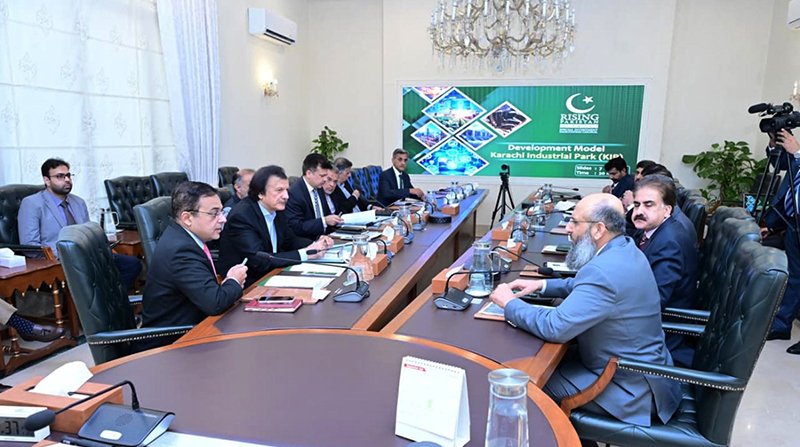
Economic Affairs Minister Reviews Karachi Industrial Park Development Plans

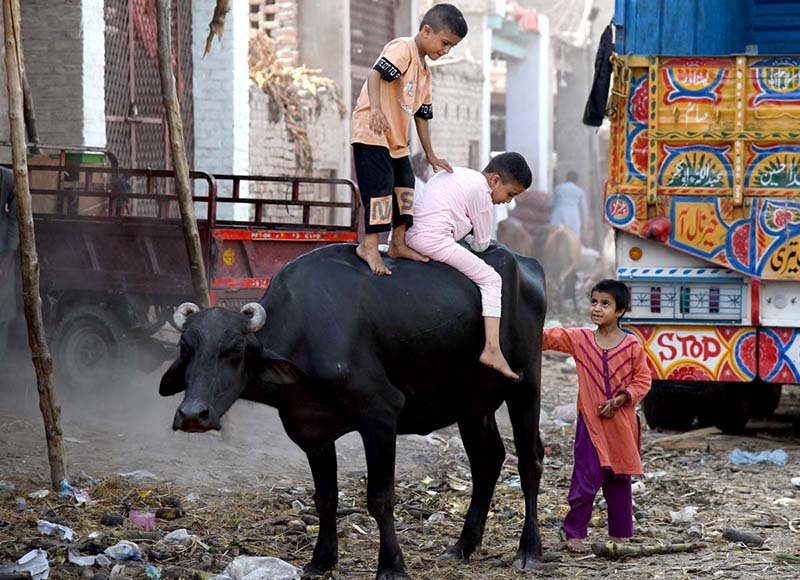
ISLAMABAD — Federal Minister for Economic Affairs Ahad Cheema chaired a pivotal meeting on September 17, 2023, to discuss the development of the Karachi Industrial Park. The meeting, held in Islamabad, focused on advancing the industrial park project, which is expected to bolster economic growth and create employment opportunities in the region. What Happened The meeting, presided over by Minister Ahad Cheema, brought together key stakeholders from various sectors to deliberate on the progress and future plans for the Karachi Industrial Park. The discussions centered around the infrastructure development, investment opportunities, and potential challenges facing the project. Minister Cheema emphasized the government’s commitment to facilitating industrial growth and attracting foreign investment to enhance Pakistan’s economic landscape. During the meeting, officials presented detailed reports on the current status of the project, highlighting the achievements and areas requiring further attention. The minister stressed the importance of timely completion and adherence to international standards to ensure the park’s competitiveness on a global scale. He stated, “The development of the Karachi Industrial Park is a priority for the government, and we are dedicated to providing all necessary support to make it a success.” The Karachi Industrial Park is envisioned as a hub for various industries, including manufacturing, technology, and logistics. The project aims to provide state-of-the-art facilities to local and international businesses, fostering innovation and economic diversification. The meeting concluded with a consensus on accelerating efforts to address any bureaucratic hurdles and streamline processes to attract more investors. Background The Karachi Industrial Park project is part of Pakistan’s broader strategy to boost industrialization and economic development. The initiative aligns with the country’s Vision 2025, which aims to transform Pakistan into a competitive economy by enhancing industrial output and creating job opportunities. Historically, Karachi has been a significant industrial and economic center in Pakistan, contributing substantially to the national GDP. Previous attempts to establish industrial zones in Karachi have faced challenges, including bureaucratic delays and infrastructure deficiencies. However, recent government efforts have focused on overcoming these obstacles by implementing policy reforms and investing in infrastructure development. The Karachi Industrial Park is expected to play a crucial role in revitalizing the city’s industrial sector and attracting foreign direct investment. Why It Matters The development of the Karachi Industrial Park holds significant implications for Pakistan’s economic trajectory. By providing a conducive environment for industries, the project is expected to generate thousands of jobs, thereby reducing unemployment and improving living standards in the region. The park’s strategic location in Karachi, a major port city, enhances its potential to become a key player in regional trade and commerce. Economically, the industrial park is anticipated to contribute to Pakistan’s GDP growth by increasing industrial output and exports. The influx of foreign investment in the park can also lead to technology transfer and skill development, further strengthening the country’s industrial base. Socially, the project promises to uplift communities by creating employment opportunities and fostering economic stability. On an international level, the successful implementation of the Karachi Industrial Park can enhance Pakistan’s image as an attractive investment destination. It aligns with global trends of industrial parks serving as catalysts for economic development, innovation, and sustainable growth. The project also supports Pakistan’s commitments to international trade agreements by improving industrial infrastructure and competitiveness. Key Takeaways Federal Minister for Economic Affairs Ahad Cheema chaired a meeting on the Karachi Industrial Park development. The project aims to boost economic growth and create employment opportunities in Karachi. Stakeholders discussed infrastructure, investment opportunities, and project challenges. The park is expected to enhance Pakistan’s industrial output and attract foreign investment. Successful implementation could improve Pakistan’s global investment image. Source Attribution This article is based on official government statements, press releases, and public communications from relevant authorities. Author: NEN Editorial Desk | Editor: NEN Newsroom | Fact Checked By: NEN Editorial Team Author: NEN Editorial Desk  |  Editor: NEN Newsroom  |  Last Updated: September 17, 2026  |  Source: Press Release from Government of Pakistan This article was produced by the NEN Editorial Desk in accordance with NEN Agency’s Editorial Policy and Fact-Checking Policy.
Children Experience Rural Life Riding Buffaloes in Larkana
Pakistan

Children Experience Rural Life Riding Buffaloes in Larkana

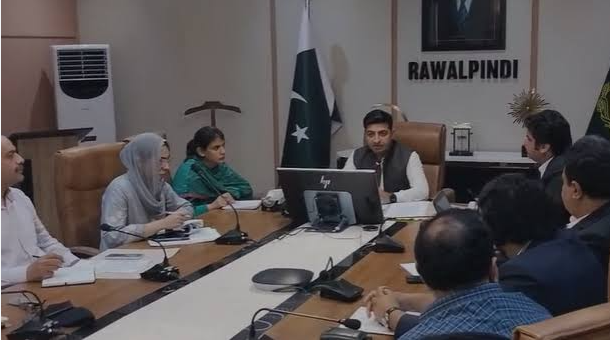
LARKANA — On September 17, children in Larkana were seen riding on the back of a buffalo near the local vegetable market, offering a picturesque glimpse into the rural lifestyle of Pakistan. This scene captured the essence of traditional life in the region, where such activities are a common sight. What Happened In the bustling town of Larkana, a group of children found joy in an unconventional playground — the back of a buffalo. The vegetable market, usually a hub of commercial activity, became a backdrop for this charming display of rural life. As the buffalo ambled along, the children, perched atop, laughed and enjoyed the ride, embodying a sense of freedom and simplicity that is often associated with rural living. This scene is not an uncommon one in rural Pakistan, where buffaloes are not only a crucial part of agricultural life but also serve as a means of transport and a source of entertainment for children. The buffalo, a symbol of strength and endurance, is integral to the agrarian economy, providing milk, meat, and labor for farming activities. Witnesses at the market noted the children’s delight, as they waved to passersby, their laughter mingling with the sounds of the market. The buffalo, seemingly accustomed to its role, moved steadily, unfazed by the attention it garnered. Background Larkana, located in the Sindh province of Pakistan, is a region steeped in agricultural traditions. The use of buffaloes in daily life is deeply embedded in the local culture. Historically, these animals have been indispensable to farmers, aiding in plowing fields and transporting goods. The region’s economy heavily relies on agriculture, with rice, wheat, and sugarcane being the primary crops. Buffaloes play a vital role in sustaining this agricultural framework. Over the years, despite modernization and the introduction of machinery, the reliance on buffaloes remains significant, especially in smaller villages and towns. In rural communities, children often grow up around livestock, learning to care for them and understanding their importance to the family’s livelihood. This connection fosters a sense of responsibility and appreciation for their environment and heritage. Why It Matters The sight of children riding buffaloes in Larkana is more than just a quaint image; it is a reflection of the enduring rural traditions that continue to thrive in Pakistan. In an era where urbanization and technological advancements are rapidly changing lifestyles, such scenes highlight the resilience of cultural practices that have been passed down through generations. Economically, the use of buffaloes in agriculture remains crucial. They provide an affordable and sustainable means of farming for many families who cannot afford modern machinery. This not only helps in maintaining agricultural productivity but also supports the livelihoods of countless families across rural Pakistan. Socially, these traditions foster a sense of community and continuity. Children participating in such activities are not only engaging in play but are also learning valuable lessons about their heritage and the importance of agriculture in their lives. This connection to their roots is vital in preserving cultural identity amidst the pressures of modernization. Internationally, scenes like these can enhance Pakistan’s image as a country with rich cultural diversity and deep-rooted traditions. They offer a counter-narrative to the often negative portrayals in global media, showcasing the warmth, simplicity, and resilience of rural life. Key Takeaways Children in Larkana were seen riding a buffalo near the vegetable market, highlighting rural life. Buffaloes are integral to the agricultural economy in Pakistan, providing labor and produce. Such scenes reflect the enduring cultural traditions amidst growing urbanization. Rural activities foster community spirit and preserve cultural heritage for future generations. Internationally, these images portray Pakistan’s cultural richness and diversity positively. Source Attribution This article is based on official government statements, press releases, and public communications from relevant authorities. Author: NEN Editorial Desk | Editor: NEN Newsroom | Fact Checked By: NEN Editorial Team Author: NEN Editorial Desk  |  Editor: NEN Newsroom  |  Last Updated: September 17, 2026  |  Source: NEN Reporter This article was produced by the NEN Editorial Desk in accordance with NEN Agency’s Editorial Policy and Fact-Checking Policy.
Rawalpindi Commissioner Finalizes Arrangements for MDCAT Examination
Pakistan

Rawalpindi Commissioner Finalizes Arrangements for MDCAT Examination

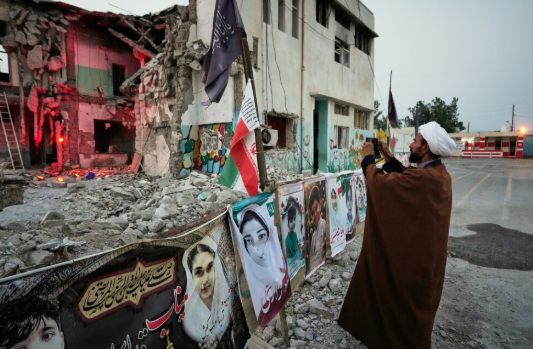
RAWALPINDI — Commissioner Rawalpindi Salman Ghani announced on Thursday that all necessary arrangements for the Medical and Dental College Admission Test (MDCAT) have been finalized. The announcement comes as students prepare to take the examination at designated centers across the city. What Happened Commissioner Salman Ghani confirmed that comprehensive preparations have been completed to ensure a smooth conduct of the MDCAT examination scheduled in Rawalpindi. During a visit to several examination centers, Ghani detailed the measures put in place to accommodate the large number of candidates expected to participate in the test. “We have ensured that all facilities are in place for the students, including a shuttle service from 6th Road to the examination centers,” he stated. The arrangements include setting up examination centers with adequate seating and environmental controls to maintain comfort and focus for the candidates. Security measures have also been heightened to prevent any disruptions during the examination process. The shuttle service is designed to ease transportation challenges for students, ensuring they reach the centers on time without hassle. Ghani’s visit to the examination centers was aimed at personally overseeing the final touches to the arrangements and ensuring compliance with the standard operating procedures (SOPs) mandated for such events. He interacted with the staff and examined the facilities to verify their readiness for the upcoming examination day. Background The MDCAT is a critical examination for students aspiring to enter medical and dental colleges in Pakistan. It is a standardized test that assesses the knowledge and skills of candidates in subjects such as biology, chemistry, physics, and English. The test is a prerequisite for admission into medical and dental programs across the country. In recent years, the examination has seen increasing scrutiny and calls for reform, with stakeholders emphasizing the need for transparency and fairness in the testing process. The Pakistan Medical and Dental Council (PMDC) oversees the administration of the MDCAT, ensuring that the examination meets the required standards and is conducted in a fair manner. Why It Matters The successful administration of the MDCAT examination is crucial for the future of thousands of students who aspire to join the medical and dental professions. The arrangements put in place by the Rawalpindi administration aim to provide a conducive environment for candidates, minimizing stress and logistical challenges on the day of the exam. Ensuring a smooth examination process also reflects on the capabilities of local administrative bodies in handling large-scale educational events. This is particularly important in the context of Pakistan’s broader educational landscape, where the demand for medical education continues to rise amidst limited resources and infrastructure. The provision of a shuttle service is a significant step towards improving accessibility for students, many of whom travel from distant areas to take the test. By facilitating easy and reliable transportation, the administration is addressing a common barrier faced by candidates, thereby promoting equal opportunities for all. Moreover, the heightened security measures are indicative of the administration’s commitment to maintaining the integrity of the examination process. This is essential in upholding public confidence in the MDCAT as a fair and unbiased assessment tool. Key Takeaways Commissioner Rawalpindi Salman Ghani confirmed all arrangements for the MDCAT examination are complete. A shuttle service will operate from 6th Road to examination centers to assist students. Security and logistical measures have been enhanced to ensure a smooth examination process. The MDCAT is a critical step for students aspiring to enter medical and dental colleges in Pakistan. Effective administration of the exam reflects positively on local authorities’ capabilities. Source Attribution The article is based on official government statements, press releases, and public communications from relevant authorities. Author: NEN Editorial Desk | Editor: NEN Newsroom | Fact Checked By: NEN Editorial Team Author: NEN Editorial Desk  |  Editor: NEN Newsroom  |  Last Updated: September 17, 2026  |  Source: NEN Reporter This article was produced by the NEN Editorial Desk in accordance with NEN Agency’s Editorial Policy and Fact-Checking Policy.
UN Investigators Cite US for Alleged War Crimes in Iran
World

UN Investigators Cite US for Alleged War Crimes in Iran

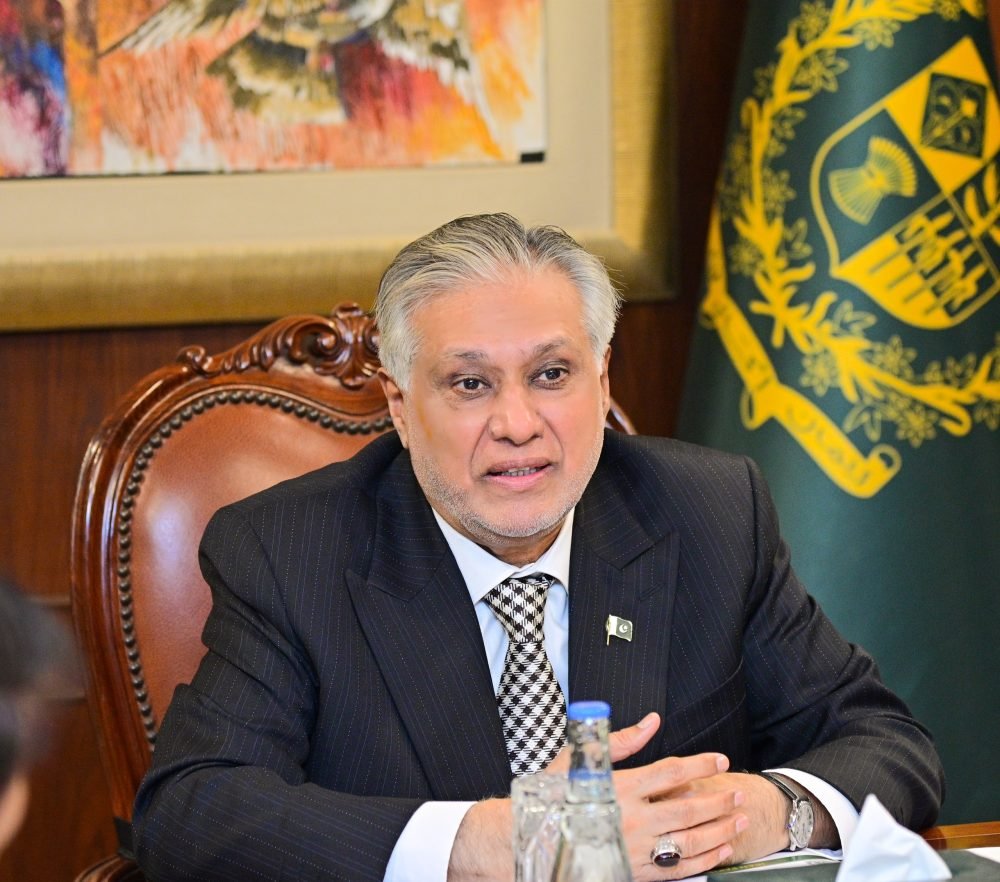
UNITED NATIONS — Independent investigators appointed by the United Nations Human Rights Council have reported finding “reasonable grounds” to believe that the United States committed war crimes in Iran. The allegations pertain to indiscriminate attacks on an Iranian school and residential area, as detailed in a press release issued by the Fact-Finding Mission on Iran on Thursday. What Happened The Fact-Finding Mission on Iran, established by the UN Human Rights Council, has released a report indicating potential war crimes committed by the United States. The report highlights alleged indiscriminate attacks on civilian targets, including a school and a residential area in Iran. These findings were made public in a press release on Thursday, which emphasizes the severity of the allegations against the US military operations in the region. The investigators, tasked with examining the conduct of military operations in Iran, have gathered evidence suggesting that these attacks may have violated international humanitarian law. The report states that the attacks resulted in significant civilian casualties and damage to civilian infrastructure, raising serious concerns about compliance with the laws of war. According to the Fact-Finding Mission, the evidence collected includes testimonies from survivors, satellite imagery, and other forms of documentation that support the claims of indiscriminate attacks. The mission’s mandate includes investigating violations of human rights and international humanitarian law in Iran, and the current findings are part of an ongoing effort to hold accountable those responsible for such violations. Background The United States has been involved in various military operations in the Middle East, often citing national security interests and the fight against terrorism as justifications. However, these operations have frequently been criticized for resulting in civilian casualties and destruction of civilian infrastructure. The UN Human Rights Council established the Fact-Finding Mission on Iran to investigate allegations of human rights violations and breaches of international humanitarian law. This mission is part of a broader international effort to ensure accountability and justice for victims of war crimes and other serious violations. Historically, the US military has faced accusations of war crimes in various conflicts, including in Iraq and Afghanistan. These allegations often involve the use of force in populated areas, leading to civilian harm and raising questions about adherence to international legal standards. Why It Matters The findings of the Fact-Finding Mission on Iran carry significant implications for international relations and the perception of US military operations abroad. Allegations of war crimes can severely impact the United States’ diplomatic standing and its relationships with other nations, particularly those in the Middle East. For Iran, these findings may bolster its position in international forums, where it has consistently criticized US military actions. The allegations could also influence ongoing geopolitical dynamics in the region, potentially affecting negotiations and diplomatic engagements. From a human rights perspective, the report underscores the need for accountability and justice for victims of war crimes. It highlights the importance of adhering to international humanitarian law and the protection of civilians during armed conflicts. The findings may prompt calls for further investigations and potential legal actions against those responsible for the alleged violations. Economically, prolonged conflicts and allegations of war crimes can destabilize regions, affecting local economies and international trade. The humanitarian impact is profound, with civilian populations bearing the brunt of military actions, leading to displacement, loss of life, and long-term socio-economic challenges. Key Takeaways The UN’s Fact-Finding Mission on Iran has found potential evidence of US war crimes in Iran. The allegations involve indiscriminate attacks on civilian areas, including a school. The findings may impact US diplomatic relations and international standing. There is a call for accountability and adherence to international humanitarian law. The report highlights the humanitarian and economic impacts of military conflicts. Source Attribution This article is based on official government statements, press releases, and public communications from relevant authorities. Author: NEN Editorial Desk | Editor: NEN Newsroom | Fact Checked By: NEN Editorial Team Author: NEN Editorial Desk  |  Editor: NEN Newsroom  |  Last Updated: September 17, 2026  |  Source: Press Release from Government of Pakistan This article was produced by the NEN Editorial Desk in accordance with NEN Agency’s Editorial Policy and Fact-Checking Policy.
Deputy PM Condemns Houthi Drone Attack on Saudi City Taif
World

Deputy PM Condemns Houthi Drone Attack on Saudi City Taif

ISLAMABAD — Deputy Prime Minister and Foreign Minister Muhammad Ishaq Dar expressed deep concern over a recent Houthi drone attack on the Saudi city of Taif. The attack, which occurred on Thursday, resulted in the death of a Yemeni resident and injuries to a Saudi citizen and a Pakistani national, who is reportedly in critical condition. What Happened The Houthi drone attack on Taif, a city located in the Makkah Province of Saudi Arabia, took place on Thursday. According to reports, the assault resulted in the tragic death of a Yemeni resident and left two others injured, including a Saudi citizen and a Pakistani national. The Pakistani victim is said to be in critical condition, highlighting the severity of the attack. Deputy Prime Minister Muhammad Ishaq Dar, in a statement posted on the social media platform X, vehemently condemned the attack. He stated, “Pakistan strongly condemns the Houthi drone attack on Taif. Such acts of violence are unacceptable and pose a threat to regional peace and stability.” The Deputy Prime Minister’s remarks underscore Pakistan’s stance against terrorism and its support for Saudi Arabia’s security and sovereignty. The Houthi rebels, based in Yemen, have been known to launch drone and missile attacks targeting Saudi Arabia, particularly since the escalation of the Yemeni conflict. The attack on Taif is part of a broader pattern of aggression that has raised concerns over the safety of civilians and the stability of the region. Background The conflict in Yemen began in 2014 when the Houthi rebels, a Shiite group with ties to Iran, seized control of the Yemeni capital, Sanaa. This prompted a military intervention by a Saudi-led coalition in 2015, aiming to restore the internationally recognized Yemeni government. Since then, the conflict has resulted in a humanitarian crisis, with thousands of civilians killed and millions displaced. The Houthis have frequently used drones and missiles to target Saudi Arabia, as part of their strategy to retaliate against the coalition’s military operations in Yemen. The attacks have often targeted civilian areas, causing casualties and damage to infrastructure. The international community has repeatedly called for a peaceful resolution to the conflict, but efforts have so far been unsuccessful. Why It Matters The Houthi drone attack on Taif is significant for several reasons. Firstly, it highlights the ongoing threat posed by the Yemeni conflict to regional security. The frequent targeting of Saudi Arabia by Houthi forces underscores the need for a comprehensive and peaceful resolution to the conflict, which has already caused immense human suffering. For Pakistan, the attack has direct implications, as one of its nationals was injured. This incident serves as a reminder of the potential risks faced by Pakistani expatriates living in conflict zones. The government’s response, as articulated by Deputy Prime Minister Dar, reflects Pakistan’s commitment to protecting its citizens abroad and its solidarity with Saudi Arabia. Moreover, the attack has broader geopolitical implications. It underscores the complex dynamics of the Middle East, where regional powers are often involved in proxy conflicts. The involvement of Iran in supporting the Houthi rebels adds another layer of complexity, as it brings into focus the broader Sunni-Shia divide that influences regional politics. Key Takeaways The Houthi drone attack on Taif resulted in one death and two injuries, including a Pakistani national. Deputy Prime Minister Muhammad Ishaq Dar condemned the attack, emphasizing Pakistan’s support for Saudi Arabia. The incident highlights the ongoing threat of the Yemeni conflict to regional stability. Pakistan’s response reflects its commitment to the safety of its citizens abroad. The attack underscores the complex geopolitical dynamics in the Middle East. Source Attribution This article is based on official government statements, press releases, and public communications from relevant authorities. Author: NEN Editorial Desk | Editor: NEN Newsroom | Fact Checked By: NEN Editorial Team Author: NEN Editorial Desk  |  Editor: NEN Newsroom  |  Last Updated: September 17, 2026  |  Source: NEN Reporter This article was produced by the NEN Editorial Desk in accordance with NEN Agency’s Editorial Policy and Fact-Checking Policy.
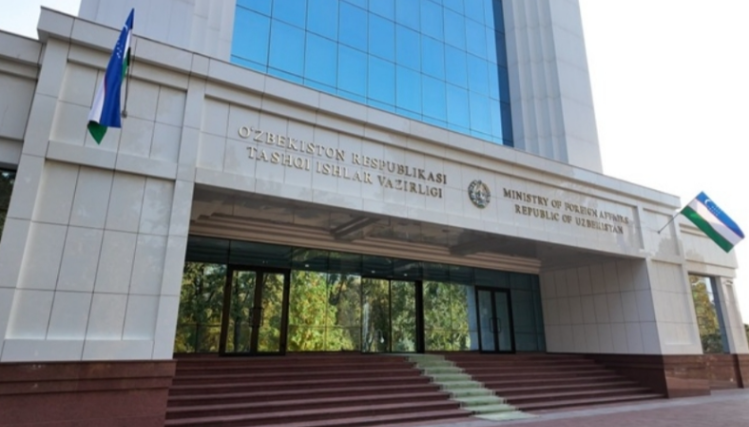
Uzbekistan Denounces Drone Attack Attempt on Mecca, Urges Calm
World

Uzbekistan Denounces Drone Attack Attempt on Mecca, Urges Calm

ISLAMABAD — Uzbekistan has issued a strong condemnation of an attempted drone attack targeting the holy city of Mecca in Saudi Arabia. The statement from Uzbekistan’s Ministry of Foreign Affairs emphasized solidarity with Saudi Arabia and called for restraint amid escalating regional tensions. What Happened On September 17, the Uzbek Ministry of Foreign Affairs released a statement condemning an attempted unmanned aerial vehicle (UAV) attack directed at Mecca, one of Islam’s holiest sites. The statement underscored Uzbekistan’s unwavering support for Saudi Arabia and its people, asserting that any action threatening the sanctity of holy sites is unacceptable. Although the details of the attempted attack remain sparse, it is clear that regional stability is a growing concern for many nations. The Uzbek government expressed its hope for a peaceful resolution to ongoing conflicts in the Middle East, urging all parties to exercise restraint and engage in dialogue. The statement reiterated the importance of maintaining peace and security in the region, particularly in areas with religious significance. In recent years, Saudi Arabia has faced several drone and missile attacks, primarily attributed to the Houthi movement in Yemen. These attacks have targeted critical infrastructure, including oil facilities and airports, raising alarms about the security of key sites in the Kingdom. Background Saudi Arabia, a major player in the Middle East, has been embroiled in a prolonged conflict with Houthi rebels in Yemen. The Houthis, who have been fighting the Saudi-led coalition since 2015, have frequently used drones and missiles to target Saudi territory. The conflict has resulted in a humanitarian crisis in Yemen, drawing international condemnation and calls for a ceasefire. Mecca, the birthplace of Islam, holds immense religious significance for Muslims worldwide. It is the focal point of the annual Hajj pilgrimage, which attracts millions of worshippers each year. Any threat to this sacred city is likely to provoke a strong response from the global Muslim community. Uzbekistan, a predominantly Muslim country in Central Asia, has historically maintained friendly relations with Saudi Arabia. Both nations have collaborated on various economic and cultural initiatives, fostering a partnership based on shared religious and strategic interests. Why It Matters The attempted drone attack on Mecca is a stark reminder of the volatile security situation in the Middle East. Such incidents not only threaten the safety of civilians but also risk escalating tensions between regional powers. Uzbekistan’s call for restraint highlights the broader international concern over the potential for conflict in the region to spiral out of control. The security of holy sites like Mecca is of paramount importance, not only for Saudi Arabia but for the entire Muslim world. Any attack on these sites could have far-reaching implications, potentially inciting religious and political unrest across the globe. The international community, therefore, has a vested interest in ensuring the protection of these sacred places. For Uzbekistan, condemning the attack aligns with its foreign policy objectives of promoting regional stability and fostering peaceful relations with neighboring countries. As a nation with a significant Muslim population, Uzbekistan’s stance reflects its commitment to safeguarding Islamic heritage and supporting fellow Muslim nations in times of crisis. Moreover, the incident underscores the need for enhanced security measures and international cooperation to prevent future attacks. It also highlights the importance of diplomatic efforts to resolve ongoing conflicts and address the root causes of regional instability. Key Takeaways Uzbekistan condemned an attempted drone attack on Mecca, calling for restraint and solidarity with Saudi Arabia. The attack highlights ongoing regional tensions, particularly involving the Houthi conflict in Yemen. Mecca’s significance as a religious site underscores the potential for widespread repercussions from such attacks. Uzbekistan’s response aligns with its foreign policy goals of promoting regional stability and protecting Islamic heritage. International cooperation and dialogue are crucial to preventing future attacks and resolving underlying conflicts. Source Attribution This article is based on official statements from the Ministry of Foreign Affairs of the Republic of Uzbekistan and public communications from relevant authorities. Author: NEN Editorial Desk | Editor: NEN Newsroom | Fact Checked By: NEN Editorial Team Author: NEN Editorial Desk  |  Editor: NEN Newsroom  |  Last Updated: September 17, 2026  |  Source: NEN Reporter This article was produced by the NEN Editorial Desk in accordance with NEN Agency’s Editorial Policy and Fact-Checking Policy.

Karachi Industrial Park Lease and Incentive Framework Nears Completion
Pakistan

Karachi Industrial Park Lease and Incentive Framework Nears Completion

ISLAMABAD — The Karachi Industrial Park is on the verge of a significant development as the lease and incentive framework is nearing its final stages of completion. Federal Minister for Economic Affairs and Establishment Division, Senator Ahad Cheema, reviewed the proposed framework on Thursday, emphasizing the government’s dedication to expediting the process. The initiative aims to attract export-oriented industries and enhance industrial investment in the region. What Happened During a meeting held on September 17, 2023, Senator Ahad Cheema assessed the progress of the land lease and incentive framework designed for the Karachi Industrial Park. The framework, which is close to being finalized, is a crucial component of the government’s strategy to launch the industrial park soon. The primary objective is to draw in export-oriented industries, thereby boosting industrial investment and economic growth in Karachi. The proposed framework outlines various incentives for businesses, including tax breaks and streamlined processes for setting up operations within the park. These measures are intended to make the industrial park an attractive destination for both local and international investors. Senator Cheema highlighted the government’s commitment to facilitating industrial growth and ensuring that the park becomes a hub for economic activity. The Karachi Industrial Park is expected to play a pivotal role in Pakistan’s industrial landscape by providing a conducive environment for businesses to thrive. The park aims to support industries that focus on exports, thereby contributing to the country’s foreign exchange earnings. The government is keen on launching the park at the earliest to capitalize on the growing interest from potential investors. Background The concept of the Karachi Industrial Park has been in the pipeline for several years, with the government recognizing the need to create dedicated industrial zones to support economic growth. Karachi, being Pakistan’s largest city and economic hub, is seen as an ideal location for such an initiative. The industrial park is part of a broader strategy to enhance the country’s industrial capacity and competitiveness on the global stage. Previous attempts to establish industrial parks in Pakistan have faced challenges, including bureaucratic hurdles and inadequate infrastructure. However, the current government has prioritized industrial development as a key component of its economic agenda. The Karachi Industrial Park is envisioned as a model project that can set a precedent for future initiatives across the country. Why It Matters The completion of the lease and incentive framework for the Karachi Industrial Park is a significant step towards realizing the government’s industrialization goals. By attracting export-oriented industries, the park is expected to generate employment opportunities, increase exports, and contribute to overall economic growth. This initiative aligns with Pakistan’s broader economic objectives of reducing reliance on imports and strengthening its industrial base. Economically, the industrial park could transform Karachi into a major center for industrial activity, enhancing its role as a key player in regional trade. The influx of investment and the establishment of export-oriented industries could lead to increased foreign exchange earnings, helping to stabilize the country’s balance of payments. Socially, the development of the industrial park is likely to create numerous job opportunities for local residents, contributing to poverty alleviation and improving living standards. The government’s focus on facilitating industrial growth reflects its commitment to addressing unemployment and fostering economic resilience. Key Takeaways The Karachi Industrial Park’s lease and incentive framework is nearing finalization, aiming to attract export-oriented industries. Federal Minister Ahad Cheema emphasized the government’s commitment to expediting the park’s launch. The park is expected to boost industrial investment and economic growth in Karachi. The initiative aligns with Pakistan’s broader goals of enhancing industrial capacity and increasing exports. The development is anticipated to create job opportunities and improve living standards in the region. Source Attribution This article is based on official government statements, press releases, and public communications from relevant authorities. Author: NEN Editorial Desk | Editor: NEN Newsroom | Fact Checked By: NEN Editorial Team Author: NEN Editorial Desk  |  Editor: NEN Newsroom  |  Last Updated: September 17, 2026  |  Source: Press Release from Government of Pakistan This article was produced by the NEN Editorial Desk in accordance with NEN Agency’s Editorial Policy and Fact-Checking Policy.

Scroll to Top