
Author name: Yasir Zubairi

Yasir Zubairi is the founder and publisher of NEN Agency (News Era Network). He leads NEN's coverage of Pakistan's national affairs, economy, foreign relations and sports, and is responsible for the accuracy and standards of every story published on nenagency.com.

Railways Minister Hanif Abbasi Congratulates New RCCI Leadership
World

Railways Minister Hanif Abbasi Congratulates New RCCI Leadership

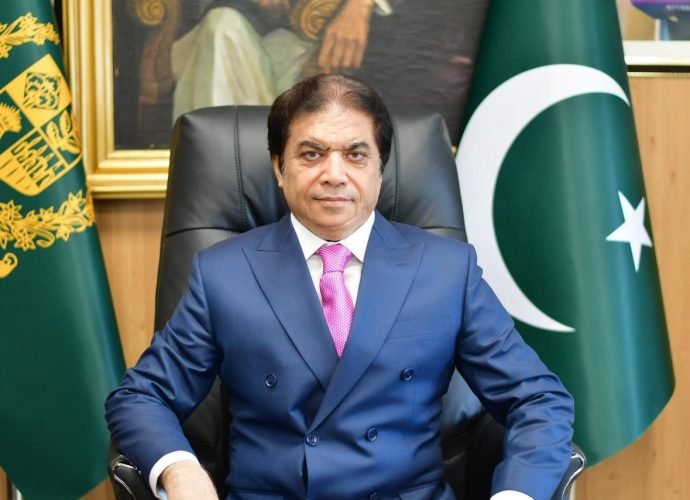
RAWALPINDI — Federal Minister for Railways Hanif Abbasi extended his congratulations to the newly elected leadership of the Rawalpindi Chamber of Commerce & Industry (RCCI) during a visit to their headquarters on September 17. The meeting was attended by RCCI President Usman Shaukat, Group Leader and former President Sohail Altaf, Senior Vice President Khalid Farooq Qazi, along with former presidents, executive members, and representatives from the business community. What Happened During his visit to the RCCI, Minister Hanif Abbasi praised the chamber’s efforts in promoting business and economic development in the region. He acknowledged the pivotal role that the RCCI plays in fostering entrepreneurship and supporting local businesses. Abbasi emphasized the importance of collaboration between the government and business sectors to drive economic growth and development. In his remarks, Abbasi stated, “The RCCI has consistently been at the forefront of advocating for the business community and has played a significant role in the economic uplift of Rawalpindi and its surrounding areas.” He further assured the RCCI of the government’s support in addressing the challenges faced by the business community, particularly in the wake of the economic disruptions caused by the COVID-19 pandemic. RCCI President Usman Shaukat expressed gratitude to the minister for his visit and support. He highlighted the chamber’s ongoing initiatives aimed at enhancing business opportunities and addressing the needs of its members. Shaukat also outlined the RCCI’s future plans, which include organizing trade fairs, business expos, and networking events to facilitate business growth and international partnerships. Background The Rawalpindi Chamber of Commerce & Industry, established in 1952, is one of the leading business chambers in Pakistan. It serves as a platform for business advocacy, providing a voice to the local business community in policy-making processes. Over the years, the RCCI has been instrumental in promoting trade and industry, offering various services to its members, including training programs, business matchmaking, and international trade delegations. Federal Minister Hanif Abbasi, a prominent political figure, has been actively involved in various initiatives aimed at improving Pakistan’s railway infrastructure and services. His engagement with the RCCI underscores the government’s commitment to strengthening ties with the business community to foster economic resilience and growth. Why It Matters The meeting between Minister Abbasi and the RCCI’s newly elected body is significant as it highlights the government’s recognition of the private sector’s role in economic development. The collaboration between the government and business chambers like the RCCI is crucial for addressing economic challenges, including inflation, unemployment, and the need for sustainable growth strategies. Pakistan’s economy has been under pressure due to global economic downturns and domestic challenges. In this context, the RCCI’s efforts to promote business activities and advocate for policy reforms are vital for creating a conducive environment for investment and entrepreneurship. The government’s support, as reiterated by Minister Abbasi, is essential for implementing policies that facilitate business operations and attract foreign investment. Furthermore, the RCCI’s initiatives in organizing trade events and fostering international business relations contribute to enhancing Pakistan’s global trade footprint. Such efforts are crucial for diversifying the country’s export base and boosting economic resilience. Key Takeaways Federal Minister for Railways Hanif Abbasi visited the RCCI to congratulate its newly elected leadership. The meeting emphasized the importance of government-business collaboration for economic growth. RCCI President Usman Shaukat outlined future initiatives to enhance business opportunities. The RCCI plays a crucial role in advocating for the local business community and promoting trade. Government support is vital for addressing economic challenges and fostering a conducive business environment. Source Attribution This article is based on official government statements, press releases, and public communications from relevant authorities. Author: NEN Editorial Desk | Editor: NEN Newsroom | Fact Checked By: NEN Editorial Team Author: NEN Editorial Desk  |  Editor: NEN Newsroom  |  Last Updated: September 17, 2026  |  Source: Press Release from Government of Pakistan This article was produced by the NEN Editorial Desk in accordance with NEN Agency’s Editorial Policy and Fact-Checking Policy.
Deputy PM Evaluates Implementation of Special Relief Scheme
World

Deputy PM Evaluates Implementation of Special Relief Scheme

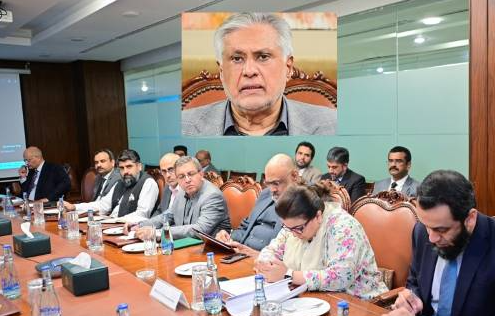
ISLAMABAD — Deputy Prime Minister and Foreign Minister Senator Mohammad Ishaq Dar chaired a meeting of the National Steering Committee on Fuel Subsidy on Thursday to assess the implementation of the Prime Minister’s Special Relief Scheme. The meeting focused on the progress of registration, token redemption, and payments to fuel stations nationwide following the scheme’s launch. What Happened The meeting, held in Islamabad, was convened to evaluate the operational aspects of the Prime Minister’s Special Relief Scheme, which aims to provide financial assistance to citizens affected by rising fuel prices. Deputy Prime Minister Ishaq Dar led the session, emphasizing the importance of efficient execution of the subsidy program. The committee reviewed the current status of registration processes, the effectiveness of token redemption, and the timely disbursement of payments to fuel stations across Pakistan. During the meeting, officials presented data on the number of beneficiaries registered under the scheme and the volume of transactions completed. The committee discussed challenges faced in the implementation process, including logistical hurdles and the need for enhanced coordination among various government departments and fuel stations. Deputy Prime Minister Dar underscored the necessity of addressing these issues to ensure that the relief reaches the intended recipients promptly. In his remarks, Dar stated, “The government is committed to alleviating the burden of rising fuel costs on the public. It is imperative that we streamline the processes involved in this scheme to maximize its impact.” The committee resolved to enhance monitoring mechanisms and provide additional support to regions facing difficulties in implementing the scheme. Background The Prime Minister’s Special Relief Scheme was introduced as a response to the escalating fuel prices, which have placed a significant financial strain on Pakistani households. The initiative is part of a broader government effort to cushion the economic impact of global oil price fluctuations. The scheme offers subsidies to eligible citizens, allowing them to purchase fuel at reduced rates through a system of tokens and direct payments to participating fuel stations. Historically, Pakistan has grappled with the challenge of balancing fuel subsidies with fiscal sustainability. Previous subsidy programs have faced criticism for inefficiencies and mismanagement. The current scheme aims to address these concerns by implementing a more structured and transparent approach, leveraging technology to track and manage transactions effectively. Why It Matters The implementation of the Prime Minister’s Special Relief Scheme holds significant implications for Pakistan’s economy and its citizens. By providing targeted financial relief, the government seeks to mitigate the adverse effects of inflation and support household budgets. This is particularly crucial in a country where a large portion of the population relies on fuel for daily commuting and essential services. Economically, the scheme represents a balancing act between providing immediate relief and maintaining fiscal discipline. Subsidies, while beneficial in the short term, can strain government resources if not managed prudently. The success of this initiative could set a precedent for future subsidy programs, highlighting the importance of transparency and efficiency in government interventions. Socially, the scheme’s effectiveness in reaching vulnerable populations will be a key measure of its success. Ensuring that the relief reaches those most in need can help prevent further economic disparity and foster social stability. The government’s ability to address implementation challenges will be critical in maintaining public trust and confidence in its welfare initiatives. Key Takeaways Deputy Prime Minister Ishaq Dar chaired a meeting to review the Prime Minister’s Special Relief Scheme. The scheme aims to provide financial relief to citizens affected by rising fuel prices. Challenges in implementation include logistical issues and the need for better coordination. The scheme’s success is crucial for economic stability and social equity in Pakistan. Efficient management of the subsidy program is necessary to maintain fiscal discipline. Source Attribution This article is based on official government statements, press releases, and public communications from relevant authorities. Author: NEN Editorial Desk | Editor: NEN Newsroom | Fact Checked By: NEN Editorial Team Author: NEN Editorial Desk  |  Editor: NEN Newsroom  |  Last Updated: September 17, 2026  |  Source: Press Release from Government of Pakistan This article was produced by the NEN Editorial Desk in accordance with NEN Agency’s Editorial Policy and Fact-Checking Policy.
Finance Minister Aurangzeb Meets UK Trade Minister to Boost Bilateral Cooperation
World

Finance Minister Aurangzeb Meets UK Trade Minister to Boost Bilateral Cooperation

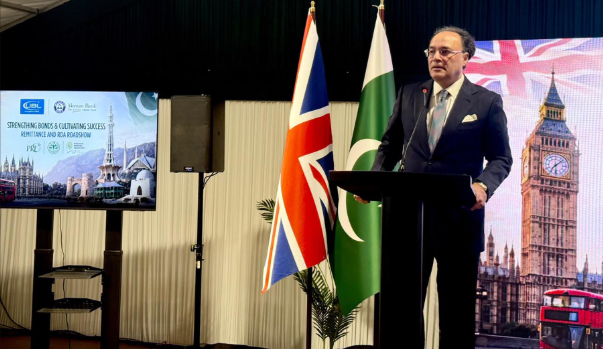
ISLAMABAD — Federal Minister for Finance and Revenue, Senator Muhammad Aurangzeb, engaged in a strategic dialogue with the UK’s Minister of State for Trade, Anas Sarwar, in London on September 17. The meeting, held at the Department for Business and Trade, aimed to enhance bilateral trade and cooperation between Pakistan and the United Kingdom. Pakistan’s High Commissioner to the UK, Tipu Usman, and Advisor to the Finance Minister, Khurram Schehzad, were also present. What Happened During the meeting, both ministers discussed a range of topics centered on strengthening economic ties and exploring new avenues for trade collaboration. Senator Aurangzeb emphasized the importance of expanding trade relations, citing the potential benefits for both nations in terms of economic growth and job creation. Anas Sarwar expressed the UK’s interest in increasing trade with Pakistan, highlighting the mutual benefits of such partnerships. The dialogue also included discussions on potential investments in various sectors, including technology, agriculture, and renewable energy. The ministers agreed on the necessity of creating a conducive environment for businesses to thrive, which would involve reducing trade barriers and enhancing regulatory frameworks. Senator Aurangzeb highlighted Pakistan’s strategic location and its role as a gateway to Central Asia, which could serve as a significant advantage for UK businesses looking to expand their reach in the region. He also underscored the recent economic reforms undertaken by Pakistan to improve the ease of doing business, which have been recognized by international financial institutions. Background The meeting comes at a time when Pakistan is seeking to diversify its trade partnerships and reduce reliance on traditional markets. Historically, the UK has been one of Pakistan’s largest trading partners in Europe, with bilateral trade reaching approximately £2.5 billion in recent years. The relationship has been bolstered by the presence of a significant Pakistani diaspora in the UK, which plays a crucial role in fostering cultural and economic ties. In recent years, both countries have expressed a desire to deepen their economic relationship, especially after the UK’s departure from the European Union. The UK government has shown interest in forming new trade agreements with non-EU countries, and Pakistan is keen to capitalize on this opportunity to enhance its export portfolio. Why It Matters The meeting between Finance Minister Aurangzeb and Minister Anas Sarwar is significant for several reasons. Economically, it represents an opportunity for Pakistan to access new markets and attract foreign investment, which is crucial for the country’s economic stability and growth. Strengthening trade ties with the UK could lead to increased exports, particularly in textiles, agriculture, and technology sectors, thereby boosting Pakistan’s GDP. Politically, the meeting underscores Pakistan’s efforts to build stronger international alliances post-Brexit. As the UK seeks to establish itself as a global trading nation independent of the EU, partnerships with countries like Pakistan become increasingly important. This collaboration could also lead to enhanced diplomatic relations, benefiting both nations on the global stage. Socially, the strengthening of trade ties could lead to job creation and improved living standards in Pakistan. By attracting UK investments in various sectors, Pakistan can create new employment opportunities and foster innovation, contributing to the country’s socio-economic development. Key Takeaways Finance Minister Aurangzeb met with UK Trade Minister Anas Sarwar to discuss enhancing bilateral trade. The meeting focused on potential investments in technology, agriculture, and renewable energy. Pakistan aims to leverage its strategic location as a gateway to Central Asia for UK businesses. The dialogue is part of Pakistan’s strategy to diversify trade partnerships post-Brexit. Strengthening trade ties with the UK could boost Pakistan’s economy and create jobs. Source Attribution This article is based on official government statements and public communications from relevant authorities. Author: NEN Editorial Desk | Editor: NEN Newsroom | Fact Checked By: NEN Editorial Team Author: NEN Editorial Desk  |  Editor: NEN Newsroom  |  Last Updated: September 17, 2026  |  Source: Press Release from Government of Pakistan This article was produced by the NEN Editorial Desk in accordance with NEN Agency’s Editorial Policy and Fact-Checking Policy.
PAEC Chairman Advocates Peaceful Nuclear Initiatives at IAEA Conference
World

PAEC Chairman Advocates Peaceful Nuclear Initiatives at IAEA Conference

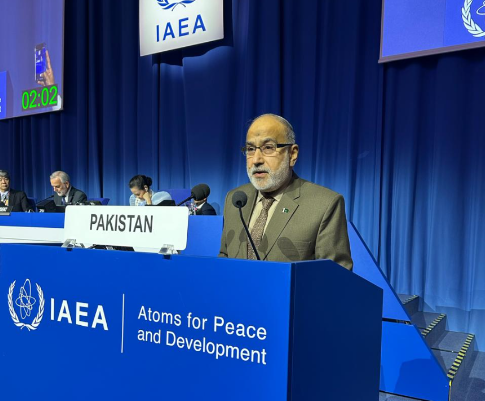
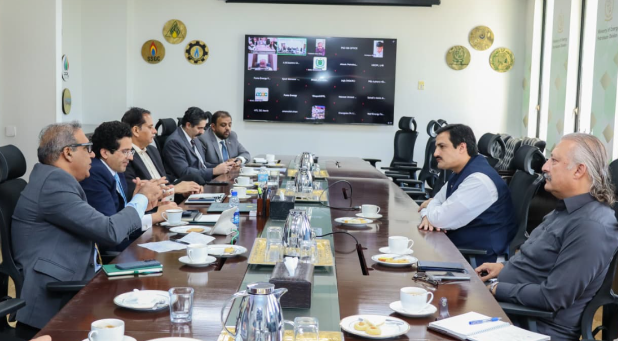
ISLAMABAD — Dr. Raja Ali Raza Anwar, Chairman of the Pakistan Atomic Energy Commission (PAEC), underscored Pakistan’s commitment to the peaceful use of nuclear technology during his address at the 70th General Conference of the International Atomic Energy Agency (IAEA) in Vienna. On September 17, he detailed Pakistan’s advancements and contributions in various sectors, including energy, healthcare, and agriculture, emphasizing the nation’s dedication to nuclear safety and security. What Happened During the plenary session of the IAEA General Conference, Dr. Anwar highlighted Pakistan’s extensive use of nuclear technology for peaceful purposes. He noted that the country has made significant strides in harnessing nuclear science to address critical challenges in energy production, healthcare improvements, agricultural productivity, water resource management, and human resource development. Dr. Anwar emphasized Pakistan’s efforts in energy generation, where nuclear power plays a pivotal role in meeting the country’s electricity demands. He mentioned that Pakistan’s nuclear power plants are contributing substantially to the national grid, providing a reliable and clean energy source. In healthcare, the PAEC Chairman elaborated on the use of nuclear technology in cancer treatment and diagnosis, which has improved the quality of healthcare services in Pakistan. He also pointed out the role of nuclear techniques in enhancing agricultural yields and managing water resources, which are vital for the country’s food security and economic stability. Dr. Anwar reaffirmed Pakistan’s commitment to nuclear safety and security, ensuring that all nuclear facilities operate under stringent safety protocols. He also discussed Pakistan’s collaboration with international bodies to strengthen nuclear security measures and prevent the proliferation of nuclear materials. Background Pakistan has been a member of the IAEA since 1957 and has consistently advocated for the peaceful use of nuclear technology. The country’s nuclear program, initiated in the 1970s, has evolved to encompass various civilian applications. Over the years, Pakistan has developed a robust nuclear infrastructure, including power plants, research reactors, and medical facilities that utilize nuclear technologies. The IAEA General Conference is an annual event where member states discuss and review the agency’s work, set priorities, and make decisions on key issues related to nuclear energy and safety. Pakistan’s participation in these conferences underscores its commitment to international cooperation and adherence to global nuclear standards. Why It Matters Pakistan’s emphasis on the peaceful use of nuclear technology is crucial for several reasons. Economically, nuclear energy provides a sustainable and low-carbon alternative to fossil fuels, helping to address the country’s energy shortages and reduce its carbon footprint. This is particularly important as Pakistan seeks to balance its energy needs with environmental considerations. Socially, the application of nuclear technology in healthcare has significant implications for public health. By improving cancer diagnosis and treatment, nuclear medicine enhances patient outcomes and contributes to the overall health of the population. Similarly, advancements in agricultural practices through nuclear techniques can lead to increased food production, addressing food security challenges. Politically, Pakistan’s engagement with the IAEA and its commitment to nuclear safety and security reinforce its position as a responsible nuclear state. This is vital for maintaining regional stability and building trust with the international community, especially given the geopolitical complexities of South Asia. Key Takeaways Dr. Raja Ali Raza Anwar highlighted Pakistan’s peaceful nuclear initiatives at the IAEA General Conference. Pakistan utilizes nuclear technology in energy, healthcare, agriculture, and water management. Nuclear energy is a key component of Pakistan’s strategy to meet electricity demands sustainably. Pakistan is committed to nuclear safety and collaborates internationally to enhance security measures. The peaceful use of nuclear technology supports economic growth, public health, and food security. Source Attribution This article is based on official government statements, press releases, and public communications from relevant authorities. Author: NEN Editorial Desk | Editor: NEN Newsroom | Fact Checked By: NEN Editorial Team Author: NEN Editorial Desk  |  Editor: NEN Newsroom  |  Last Updated: September 17, 2026  |  Source: NEN Reporter This article was produced by the NEN Editorial Desk in accordance with NEN Agency’s Editorial Policy and Fact-Checking Policy.
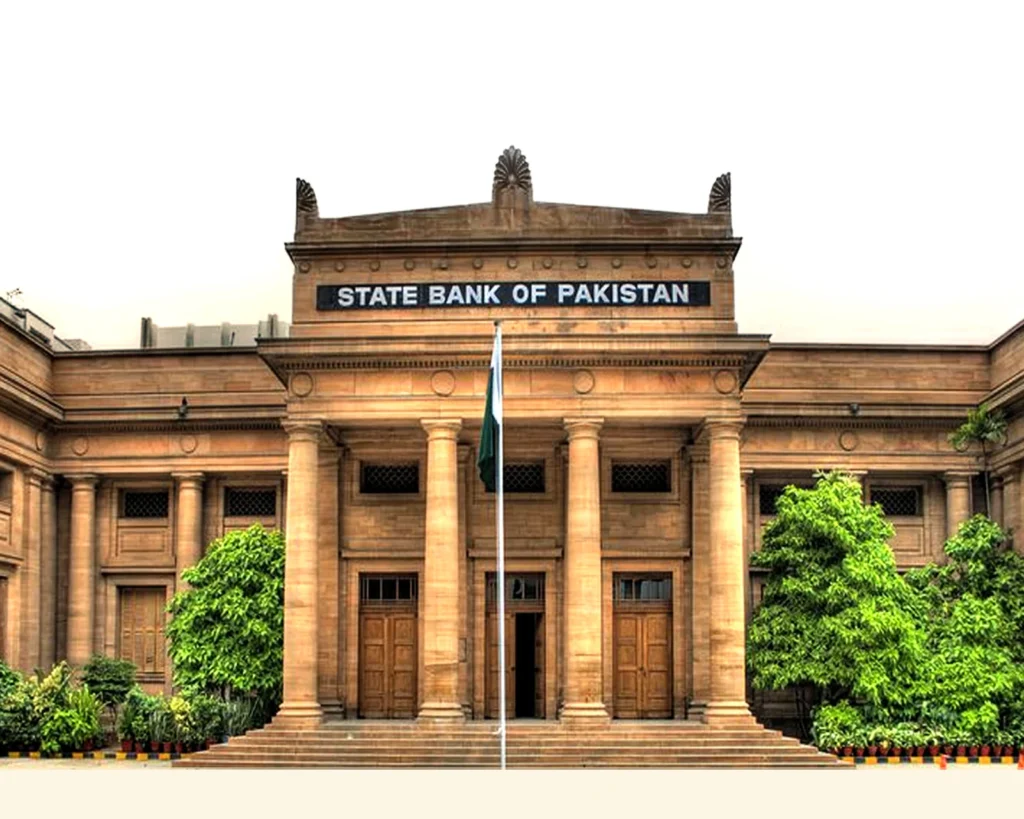
Pakistan’s Foreign Reserves Climb To $26.79 Billion Amid Eurobond Proceeds
World

Pakistan’s Foreign Reserves Climb To $26.79 Billion Amid Eurobond Proceeds

KARACHI — Pakistan’s total liquid foreign reserves have increased to $26.79 billion as of September 11, according to official figures released by the State Bank of Pakistan (SBP). The central bank’s reserves alone have risen to $21.39 billion, marking a significant boost attributed to the receipt of Pakistan Eurobond proceeds. What Happened The State Bank of Pakistan announced that the country’s total liquid foreign reserves reached $26,791.2 million by September 11. This increase is primarily due to the inflow from Pakistan’s Eurobond issuance, which contributed to the central bank’s reserves climbing to $21,389 million. The SBP’s weekly statement highlighted the impact of these proceeds on the national reserves, underscoring the government’s efforts to stabilize the country’s financial position. The Eurobond issuance is part of Pakistan’s strategy to manage its external debt and strengthen its foreign exchange reserves. The government successfully raised $2.5 billion through the Eurobond in March 2023, which has now been reflected in the reserves. This move comes as Pakistan continues to navigate economic challenges, including a balance of payments crisis and ongoing negotiations with the International Monetary Fund (IMF) for financial support. According to the SBP, the remaining reserves are held by commercial banks in Pakistan, amounting to $5.4 billion. The central bank’s report indicates a positive trend in reserve accumulation, which is crucial for maintaining economic stability and investor confidence. Background Pakistan has faced significant economic challenges in recent years, including a high fiscal deficit, inflationary pressures, and a depreciating currency. The country’s foreign exchange reserves have been a focal point for economic policy, as they are critical for meeting international obligations and stabilizing the currency. Historically, Pakistan has relied on external borrowing and international aid to bolster its reserves. The issuance of Eurobonds has been a key tool in this strategy, allowing the government to access international capital markets. In March 2023, Pakistan issued Eurobonds worth $2.5 billion, with maturities ranging from five to thirty years, to diversify its debt profile and extend repayment periods. The IMF has been a significant partner in Pakistan’s economic reform efforts. The country has been in discussions with the IMF to secure a bailout package aimed at addressing fiscal imbalances and implementing structural reforms. The increase in foreign reserves is expected to strengthen Pakistan’s negotiating position with the IMF and other international lenders. Why It Matters The rise in foreign reserves is a critical development for Pakistan’s economy, offering several potential benefits. Firstly, higher reserves enhance the country’s ability to manage external shocks, such as fluctuations in oil prices or global financial instability. This financial buffer is essential for maintaining economic stability and avoiding a balance of payments crisis. Secondly, robust foreign reserves can improve Pakistan’s credit rating, making it easier and cheaper for the government to borrow in international markets. This could lead to lower interest rates on future debt issuances, reducing the overall cost of borrowing for the country. Moreover, increased reserves can bolster investor confidence, attracting foreign direct investment and supporting economic growth. A stable reserve position reassures investors about the country’s ability to meet its international obligations and maintain a stable exchange rate, which is crucial for long-term economic planning. The development also has social implications, as economic stability can lead to improved living standards and job creation. By managing its reserves effectively, Pakistan can focus on addressing domestic challenges, such as poverty reduction and infrastructure development. Key Takeaways Pakistan’s foreign reserves have surged to $26.79 billion as of September 11, 2023. The increase is attributed to proceeds from Pakistan’s Eurobond issuance. The State Bank of Pakistan’s reserves have risen to $21.39 billion. Higher reserves enhance economic stability and investor confidence. The development is crucial for ongoing negotiations with the IMF and future borrowing. Source Attribution This article is based on official government statements, press releases, and public communications from relevant authorities. Author: NEN Editorial Desk | Editor: NEN Newsroom | Fact Checked By: NEN Editorial Team Author: NEN Editorial Desk  |  Editor: NEN Newsroom  |  Last Updated: September 17, 2026  |  Source: NEN Reporter This article was produced by the NEN Editorial Desk in accordance with NEN Agency’s Editorial Policy and Fact-Checking Policy.
Petroleum Dealers Pledge Support for Prime Minister’s Fuel Relief Initiative
Pakistan

Petroleum Dealers Pledge Support for Prime Minister’s Fuel Relief Initiative

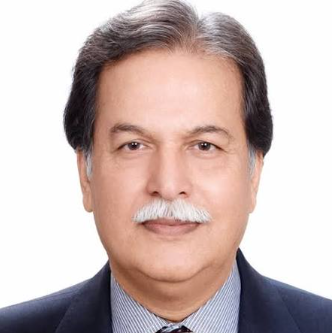
ISLAMABAD — Federal Minister for Petroleum Ali Pervaiz Malik convened a meeting with petroleum pump and dealers associations on Thursday to discuss the implementation of the Prime Minister’s Fuel Relief Scheme. The meeting aimed to ensure the smooth execution of the relief initiative, which seeks to alleviate the financial burden on consumers amid rising fuel prices. What Happened The meeting, held in Islamabad, brought together key stakeholders from the petroleum sector, including representatives from various petroleum pump and dealers associations. Minister Ali Pervaiz Malik provided a comprehensive briefing on the operational aspects of the Prime Minister’s Fuel Relief Scheme. He emphasized the importance of collaboration between the government and industry players to ensure the scheme’s success. During the meeting, the minister outlined the detailed mechanism for the scheme’s implementation. This included the process for distributing relief to consumers and the role of petroleum dealers in facilitating this initiative. The associations expressed their full support for the scheme, acknowledging the need for such measures in light of the current economic challenges faced by the country. Minister Malik highlighted that the scheme is designed to provide immediate relief to consumers by reducing the cost burden of fuel. He stated, “The government’s priority is to ensure that the benefits of this relief scheme reach the common man effectively and efficiently.” The meeting concluded with a mutual agreement on the need for continued dialogue and cooperation to address any challenges that may arise during the implementation phase. Background The Prime Minister’s Fuel Relief Scheme is part of the government’s broader strategy to mitigate the impact of global oil price fluctuations on the domestic economy. Pakistan, being heavily reliant on imported oil, has faced significant economic pressures due to rising international oil prices. The scheme aims to provide temporary relief to consumers while the government explores long-term solutions to stabilize fuel prices. Historically, fluctuations in global oil prices have had a direct impact on Pakistan’s economy, affecting inflation rates and the cost of living. Previous governments have implemented similar relief measures to cushion the impact on consumers, but the current scheme is notable for its comprehensive approach and involvement of industry stakeholders. Why It Matters The implementation of the Prime Minister’s Fuel Relief Scheme holds significant economic and social implications for Pakistan. Economically, the scheme is expected to provide short-term relief to consumers, thereby reducing inflationary pressures and stabilizing the cost of living. This is particularly crucial as Pakistan grapples with economic challenges exacerbated by global market volatility. Socially, the scheme aims to support low and middle-income households who are disproportionately affected by rising fuel prices. By reducing the cost burden on these households, the government seeks to alleviate financial stress and improve the overall quality of life for citizens. Politically, the scheme represents a proactive approach by the government to address public concerns over rising living costs. By engaging with industry stakeholders, the government demonstrates its commitment to collaborative governance and its responsiveness to the needs of the populace. Internationally, the scheme positions Pakistan as a responsive and adaptive economy, capable of implementing targeted relief measures in response to global economic trends. This could enhance investor confidence and promote economic stability in the long run. Key Takeaways Federal Minister for Petroleum Ali Pervaiz Malik met with petroleum pump and dealers associations to discuss the Prime Minister’s Fuel Relief Scheme. The scheme aims to provide immediate financial relief to consumers amid rising fuel prices. Industry stakeholders expressed full support for the scheme’s implementation. The initiative is part of the government’s broader strategy to address economic challenges related to global oil price fluctuations. The scheme has significant economic, social, and political implications for Pakistan. Source Attribution This article is based on official government statements, press releases, and public communications from relevant authorities. Author: NEN Editorial Desk | Editor: NEN Newsroom | Fact Checked By: NEN Editorial Team Author: NEN Editorial Desk  |  Editor: NEN Newsroom  |  Last Updated: September 17, 2026  |  Source: NEN Reporter This article was produced by the NEN Editorial Desk in accordance with NEN Agency’s Editorial Policy and Fact-Checking Policy.
Pakistan Defeats Thailand to Enter Asian Games Women’s Cricket Semifinals
World

Pakistan Defeats Thailand to Enter Asian Games Women’s Cricket Semifinals

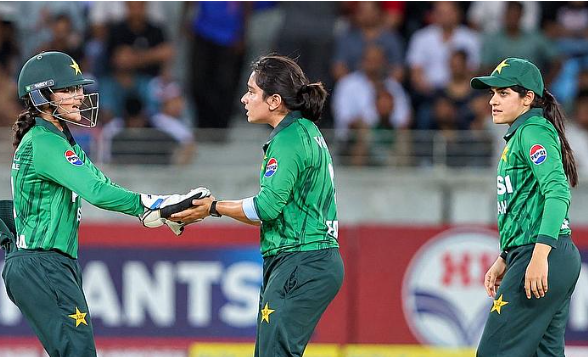
ISLAMABAD — Pakistan secured a thrilling three-wicket victory against Thailand in a rain-shortened match to advance to the semifinals of the Asian Games Women’s Cricket event. The tightly contested quarter-final took place on Thursday at the Korogi Athletic Park, where the match was reduced to 11 overs per side due to weather disruptions. What Happened The encounter between Pakistan and Thailand was initially scheduled for a full 20-over game but was delayed by rain, leading to a reduction in overs. Thailand, batting first, set a challenging target of 92 runs in the allotted 11 overs. Despite the pressure, the Pakistani team managed to chase down the target, achieving victory with just two balls remaining. Thailand’s innings was spearheaded by their top-order batswoman, who managed to score briskly, setting a competitive total. However, Pakistan’s bowlers managed to contain the run rate in the latter half of the innings, preventing Thailand from reaching a more formidable score. In response, Pakistan’s batting lineup faced early setbacks but was anchored by a resilient middle-order performance. The crucial partnership in the middle overs stabilized the innings, setting the stage for a tense finish. With wickets in hand, Pakistan’s lower order showcased composure under pressure, ultimately guiding the team to victory with three wickets to spare. Speaking after the match, the captain of the Pakistan women’s cricket team expressed satisfaction with the team’s performance, particularly highlighting the resilience shown by the players under challenging conditions. “It was a tough game given the conditions, but the team showed great character to pull through,” she stated. Background The Asian Games Women’s Cricket event is a significant part of the multi-sport Asian Games, which features teams from across the continent competing in various sports. Women’s cricket has been a part of the Asian Games since 2010, providing a platform for showcasing talent from across Asia. Pakistan’s women’s cricket team has been a consistent performer in regional tournaments, often reaching the latter stages of competitions. The team has previously won gold medals in the 2010 and 2014 Asian Games, establishing itself as a formidable force in women’s cricket in Asia. Why It Matters Pakistan’s advancement to the semifinals of the Asian Games Women’s Cricket event is significant for several reasons. Firstly, it highlights the growing strength and competitiveness of women’s cricket in Pakistan, a sport that has historically been overshadowed by its male counterpart. Success in international tournaments such as the Asian Games can help elevate the profile of women’s cricket, encouraging greater participation and investment in the sport. Economically, victories in such tournaments can attract sponsorships and funding, which are crucial for the development of sports infrastructure and training facilities. This can lead to improved performance on the international stage, furthering Pakistan’s reputation in women’s cricket. Socially, the success of the women’s cricket team serves as an inspiration for young girls across the country, promoting gender equality in sports and empowering women to pursue careers in athletics. It also challenges traditional gender norms, encouraging broader societal acceptance of women in sports. On an international level, Pakistan’s performance in the Asian Games contributes to the country’s sporting diplomacy, fostering goodwill and strengthening ties with other nations through sports. Key Takeaways Pakistan defeated Thailand by three wickets in an 11-over match to reach the Asian Games semifinals. The match was shortened due to rain, with Thailand setting a target of 92 runs. Pakistan’s victory underscores the growing competitiveness of women’s cricket in the country. Success in the Asian Games can boost the profile and funding for women’s cricket in Pakistan. The team’s performance serves as an inspiration for young female athletes in Pakistan. Source Attribution This article is based on official government statements, press releases, and public communications from relevant authorities. Author: NEN Editorial Desk | Editor: NEN Newsroom | Fact Checked By: NEN Editorial Team Author: NEN Editorial Desk  |  Editor: NEN Newsroom  |  Last Updated: September 17, 2026  |  Source: NEN Reporter This article was produced by the NEN Editorial Desk in accordance with NEN Agency’s Editorial Policy and Fact-Checking Policy.

Faisal Nisar Takes Over as CEO of Engineering Development Board
Pakistan

Faisal Nisar Takes Over as CEO of Engineering Development Board

ISLAMABAD — Faisal Nisar Chaudhry, a Grade-20 officer from the Secretariat Group, has assumed the additional responsibilities of Chief Executive Officer (CEO) of the Engineering Development Board (EDB) as of September 17. This appointment follows the directives of Prime Minister Shehbaz Sharif, after the current CEO, Hamad Ali Mansoor, was placed on forced leave. What Happened Faisal Nisar Chaudhry has been appointed to lead the Engineering Development Board (EDB) amid administrative changes directed by the Prime Minister’s office. The decision to place Hamad Ali Mansoor, the former CEO, on forced leave has not been publicly detailed, but it comes as part of a broader effort to enhance the operational efficiency of the EDB. Nisar, who brings extensive experience from his tenure in the Secretariat Group, is expected to steer the board through its current challenges and align its objectives with national industrial policies. In his new role, Nisar will oversee the EDB’s strategic initiatives aimed at bolstering Pakistan’s engineering sector. His leadership is anticipated to focus on fostering innovation, improving regulatory frameworks, and enhancing the competitiveness of local engineering industries. “I am committed to driving forward the EDB’s mission to support the engineering sector’s growth and development,” Nisar stated in a brief statement following his appointment. Background The Engineering Development Board, established in 1995, plays a pivotal role in promoting and regulating Pakistan’s engineering industry. The board is tasked with formulating policies to encourage investment, enhance technological capabilities, and improve the overall competitiveness of the sector. Over the years, the EDB has been instrumental in developing the automotive, electrical, and heavy engineering sectors, which are crucial to Pakistan’s industrial landscape. Faisal Nisar’s appointment comes at a time when the EDB is under scrutiny for its performance and effectiveness in achieving its strategic goals. The board has faced challenges in adapting to rapid technological changes and meeting the demands of a globalized market. The leadership change is seen as a move to reinvigorate the board’s efforts in addressing these issues. Why It Matters The appointment of Faisal Nisar as CEO of the EDB is significant for several reasons. Economically, the engineering sector is a cornerstone of Pakistan’s industrial base, contributing substantially to GDP and employment. Strengthening this sector is vital for economic growth, technological advancement, and job creation. Nisar’s leadership is expected to bring renewed focus on policy reforms that can attract foreign investment and facilitate technology transfer, thereby enhancing the sector’s global competitiveness. Socially, a robust engineering sector can lead to increased job opportunities and skill development for the Pakistani workforce. By prioritizing innovation and modernization, the EDB under Nisar’s leadership can play a crucial role in equipping the workforce with the skills needed for future industries. Politically, the decision reflects the government’s commitment to revamping key institutions to align with national development goals. It underscores the importance of effective governance and accountability in public sector organizations, which is essential for fostering public trust and ensuring the successful implementation of government policies. Key Takeaways Faisal Nisar Chaudhry has been appointed as the new CEO of the Engineering Development Board. The appointment follows the forced leave of the previous CEO, Hamad Ali Mansoor. Nisar’s leadership is expected to focus on enhancing the competitiveness of Pakistan’s engineering sector. The EDB plays a critical role in formulating policies to support industrial growth and development. This leadership change is part of broader efforts to improve governance and operational efficiency in public sector institutions. Source Attribution This article is based on official government statements and public communications from relevant authorities. Author: NEN Editorial Desk | Editor: NEN Newsroom | Fact Checked By: NEN Editorial Team Author: NEN Editorial Desk  |  Editor: NEN Newsroom  |  Last Updated: September 17, 2026  |  Source: NEN Reporter This article was produced by the NEN Editorial Desk in accordance with NEN Agency’s Editorial Policy and Fact-Checking Policy.

PSX Surges as KSE-100 Index Gains Over 1,021 Points
Pakistan

PSX Surges as KSE-100 Index Gains Over 1,021 Points

ISLAMABAD — The Pakistan Stock Exchange (PSX) experienced a significant upswing on Thursday, with the benchmark KSE-100 Index climbing by 1,021.40 points. This represents a 0.61 percent increase, bringing the index to a close at 169,043.20 points, up from the previous session’s 168,021.80 points. What Happened The bullish trend observed at the PSX on Thursday was marked by a notable increase in the KSE-100 Index, which gained 1,021.40 points. This surge brought the index to 169,043.20 points by the end of the trading session. The trading volume was robust, with 386.368 million shares exchanging hands, indicating a heightened level of investor activity and confidence in the market. Market analysts attributed this positive movement to several factors, including improved investor sentiment and favorable economic indicators. The increase in trading volume suggests that investors are optimistic about the market’s future prospects. “The market’s performance today reflects a growing confidence among investors, driven by recent economic developments,” said a market analyst. In addition to the overall index gain, several sectors showed strong performance, contributing to the upward trend. The banking, cement, and technology sectors were among the top performers, with significant gains in share prices. This sectoral performance further underscores the broad-based nature of the rally. Background The PSX has been experiencing fluctuations in recent months, influenced by a variety of domestic and international factors. Historically, the KSE-100 Index serves as a barometer for the country’s economic health and investor confidence. The index’s performance is closely watched by both local and international investors as it provides insights into the economic and political stability of Pakistan. In the past, the PSX has been affected by political uncertainty, economic policy shifts, and global market trends. Recently, however, there have been signs of economic stabilization, with the government implementing measures to boost investor confidence and economic growth. These measures include policy reforms, fiscal adjustments, and efforts to improve the ease of doing business in the country. Why It Matters The surge in the PSX is significant for several reasons. Economically, a rising stock market often signals investor confidence and can lead to increased capital inflows. This, in turn, can stimulate economic growth by providing businesses with the capital needed to expand operations and invest in new projects. Socially, a bullish stock market can have positive implications for the general public. As the stock market rises, the wealth of investors increases, which can lead to higher consumer spending and improved economic conditions for the broader population. This can also create a positive feedback loop, where increased consumer spending drives further economic growth. Politically, the performance of the PSX can impact government policy and public perception. A strong stock market can bolster the government’s standing, as it is often seen as a reflection of effective economic management. Conversely, a declining market can lead to criticism and calls for policy changes. Internationally, the PSX’s performance can influence foreign investment decisions. A stable and growing stock market can attract foreign investors seeking opportunities in emerging markets. This can lead to increased foreign direct investment, which is crucial for Pakistan’s economic development. Key Takeaways The KSE-100 Index of the Pakistan Stock Exchange gained 1,021.40 points, closing at 169,043.20 points. The trading volume was 386.368 million shares, indicating strong investor activity. Key sectors such as banking, cement, and technology contributed to the market’s positive performance. The surge reflects improved investor sentiment and favorable economic indicators. The PSX’s performance has significant economic, social, and political implications for Pakistan. Source Attribution This article is based on official government statements, press releases, and public communications from relevant authorities. Author: NEN Editorial Desk | Editor: NEN Newsroom | Fact Checked By: NEN Editorial Team Author: NEN Editorial Desk  |  Editor: NEN Newsroom  |  Last Updated: September 17, 2026  |  Source: NEN Reporter This article was produced by the NEN Editorial Desk in accordance with NEN Agency’s Editorial Policy and Fact-Checking Policy.

Gold Prices Decline by Rs3,800 Per Tola in Pakistan
Pakistan

Gold Prices Decline by Rs3,800 Per Tola in Pakistan

ISLAMABAD — Gold prices in Pakistan have experienced a significant drop, decreasing by Rs3,800 per tola on Thursday. The All Pakistan Sarafa Gems and Jewellers Association reported that the price of 24-karat gold now stands at Rs453,436, compared to Rs457,236 on the previous trading day. What Happened The recent decline in gold prices marks a notable shift in the precious metals market within Pakistan. On September 17, the All Pakistan Sarafa Gems and Jewellers Association announced that the price of 24-karat gold per tola had fallen by Rs3,800. This reduction brings the price to Rs453,436 per tola, a significant decrease from the Rs457,236 recorded earlier. Additionally, the price of 24-karat gold per 10 grams also saw a reduction, dropping by Rs3,257. This change in gold prices is attributed to various factors, including fluctuations in the international gold market and changes in the local currency exchange rates. The global gold market often influences domestic prices, and any shifts in international demand or supply can have direct consequences on local pricing. The recent strengthening of the Pakistani rupee against the US dollar may also have contributed to this decrease, as gold prices are often inversely related to currency strength. Market analysts suggest that the current trend could continue if the international market remains volatile and the local currency maintains its current trajectory. The gold market is known for its sensitivity to geopolitical and economic developments, and any further changes in these areas could lead to additional fluctuations in pricing. Background Historically, gold has been a preferred investment and savings option for many in Pakistan, serving as a hedge against inflation and currency devaluation. The country’s gold market is influenced by both international trends and domestic factors, such as import duties and local demand. Over the years, fluctuations in gold prices have been common, often reflecting broader economic conditions. In recent months, the global gold market has experienced volatility due to various factors, including geopolitical tensions, changes in interest rates by major economies, and the ongoing economic recovery post-pandemic. These international dynamics have a direct impact on Pakistan’s gold prices, as the country relies heavily on imports to meet its gold demand. Why It Matters The decline in gold prices has significant implications for various stakeholders in Pakistan. For consumers, particularly those planning weddings or other significant events, the decrease in gold prices could present an opportunity to purchase gold at a lower cost. Traditionally, gold is a popular choice for wedding jewelry, and any reduction in prices can lead to increased demand in the domestic market. For investors, the drop in gold prices may lead to a reassessment of their portfolios. Gold is often considered a safe-haven asset, and its price movements are closely watched by investors looking to hedge against economic uncertainty. A decrease in prices might prompt some investors to buy more gold, anticipating future price increases, while others might diversify their investments into other assets. On a broader economic scale, the fluctuation in gold prices can affect the country’s trade balance. As gold imports are a significant component of Pakistan’s import bill, any decrease in prices could potentially reduce the overall cost of imports, positively impacting the trade deficit. Key Takeaways Gold prices in Pakistan have decreased by Rs3,800 per tola, according to the All Pakistan Sarafa Gems and Jewellers Association. The current price of 24-karat gold per tola is Rs453,436, down from Rs457,236 previously. Factors influencing this decline include international market trends and local currency exchange rates. The decrease in gold prices may benefit consumers and investors, affecting purchasing decisions and investment strategies. Fluctuations in gold prices can impact Pakistan’s trade balance due to changes in import costs. Source Attribution This article is based on official statements and public communications from the All Pakistan Sarafa Gems and Jewellers Association. Author: NEN Editorial Desk | Editor: NEN Newsroom | Fact Checked By: NEN Editorial Team Author: NEN Editorial Desk  |  Editor: NEN Newsroom  |  Last Updated: September 17, 2026  |  Source: NEN Reporter This article was produced by the NEN Editorial Desk in accordance with NEN Agency’s Editorial Policy and Fact-Checking Policy.

Scroll to Top